6 Essential Steps for Smart Home for Elderly and Disabled Care
For families in our service areas
For families in our service areas, this guide explains caregiving and how non-medical in-home caregiving can support care planning in East Idaho, Treasure Valley & Magic Valley, Northern Wasatch, North Central West Virginia, and Northeast Ohio.
The Importance of Steps for Smart Home for Elderly and
Creating a smart home environment for elderly and disabled individuals goes beyond just technology; it’s about enhancing their quality of life. Caregivers, you play a crucial role in this journey. With the right tools and knowledge, you can transform daily routines into seamless experiences that prioritize safety, comfort, and independence.
Yet, we understand that the path to achieving an effective smart home can feel overwhelming. Questions about compatibility, user preferences, and ongoing support can weigh heavily on your mind. It’s natural to feel stressed or even burnt out at times. But remember, you’re not alone in this.
What essential steps can you take to ensure that smart home technology truly meets the unique needs of those you care for? Let’s explore the emotional and practical support available to you, reassuring you that there are solutions tailored to your needs. Together, we can create a nurturing environment that fosters independence and enhances the lives of those you love.
Understand Smart Home Technology Basics
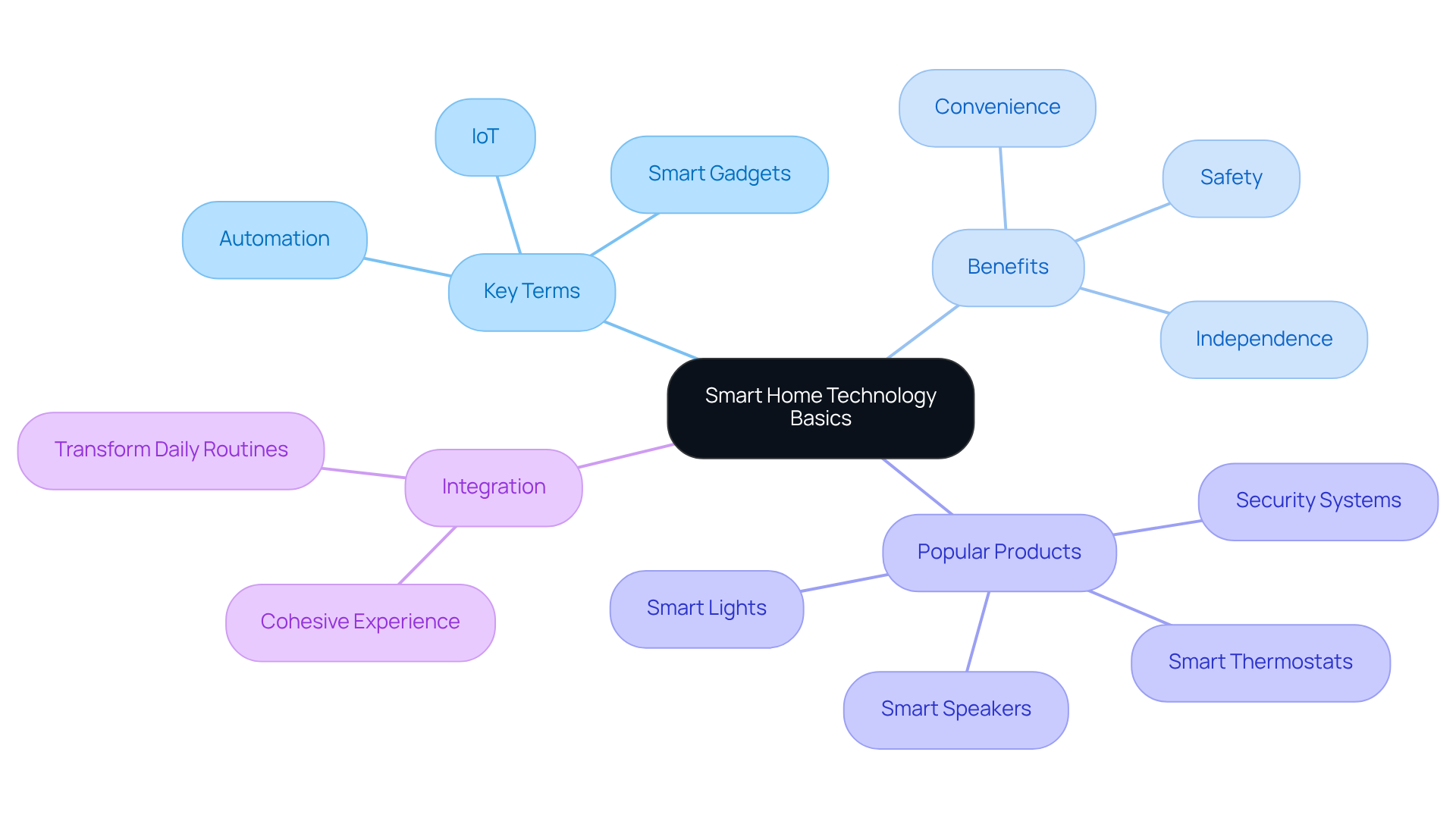
- It's important to familiarize yourself with terms like IoT (Internet of Things), smart gadgets, and automation. These concepts can feel overwhelming, but they hold the key to a more comfortable living environment.
- Think about the benefits of smart home technology. A smart home for elderly and disabled individuals can significantly enhance safety, convenience, and independence. Imagine the peace of mind that comes with knowing your loved ones are secure and comfortable.
- Take a moment to explore popular smart home products, such as smart speakers, lights, thermostats, and security systems. Each of these devices plays a role in creating a nurturing home atmosphere.
- Consider how these devices can seamlessly integrate to provide a cohesive experience. Together, they can transform daily routines into moments of ease and comfort.
Assess Individual Needs and Preferences
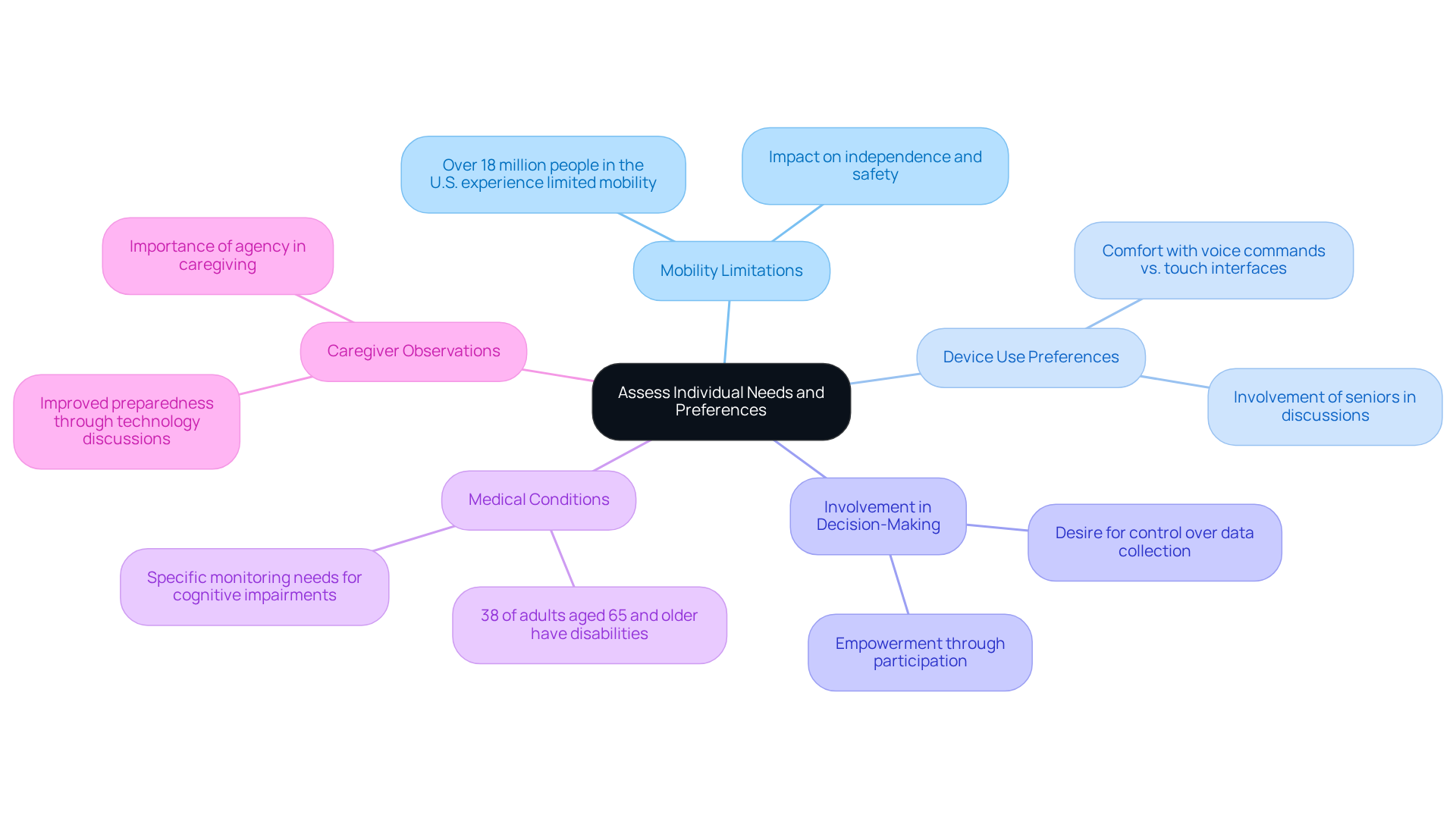
- It's essential to conduct a thorough needs assessment to uncover the specific challenges faced by individuals, such as mobility limitations or cognitive impairments. This step is crucial, especially considering that over 18 million people in the U.S. experience limited mobility. Tailored solutions can significantly enhance their independence and safety in a smart home for elderly and disabled individuals.
- Discussing preferences regarding device use is vital. Comfort levels with voice commands or touch interfaces can vary, and involving seniors in these conversations can greatly improve their readiness to embrace new innovations. This ensures that the solutions offered truly match their preferences.
- Engaging the person in the decision-making process is key. It helps them feel empowered and at ease with the tools they’ll be using. Research shows that older adults often desire more control over how their data is collected and used, making their involvement essential for fostering a sense of agency.
- It's also important to consider any existing medical conditions that may require specific monitoring or alert systems. For instance, individuals with cognitive impairments may benefit from supportive tools designed to aid their daily routines and enhance safety within a smart home for elderly and disabled. Notably, 38 percent of adults aged 65 and older have disabilities, underscoring the need for a smart home for elderly and disabled tailored monitoring solutions.
- Caregivers have observed that including seniors in technology discussions not only improves their preparedness but also fosters a sense of agency, which is vital for their overall well-being. As Tia Walker beautifully puts it, "To care for those who once cared for us is one of the highest honors." This highlights the reciprocal nature of caregiving and the importance of empowering seniors in their care decisions.
Evaluate Available Smart Home Devices
When it comes to a smart home for elderly and disabled individuals, it’s important to think about options that truly enhance safety, convenience, and independence. Here are some thoughtful choices:
-
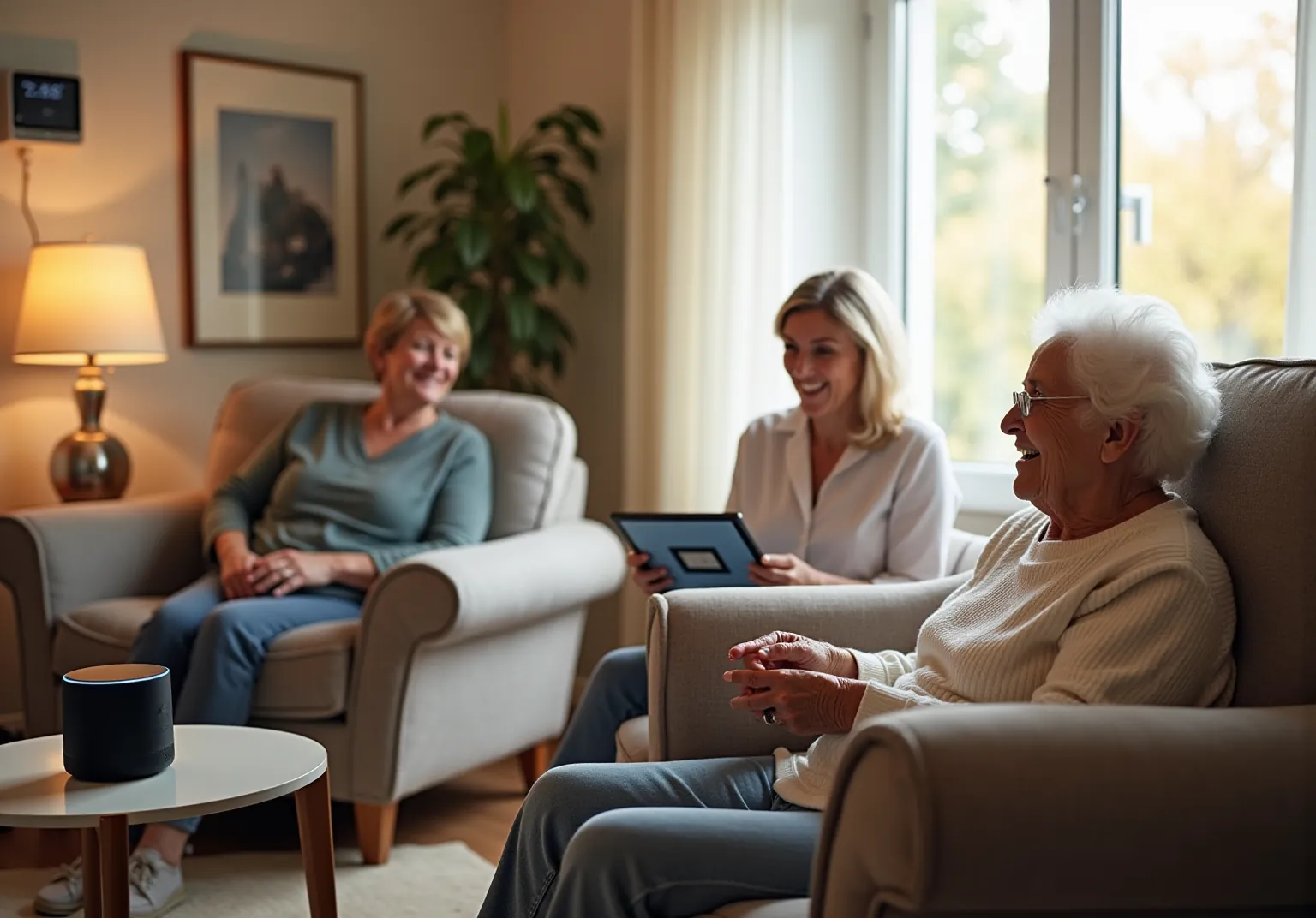
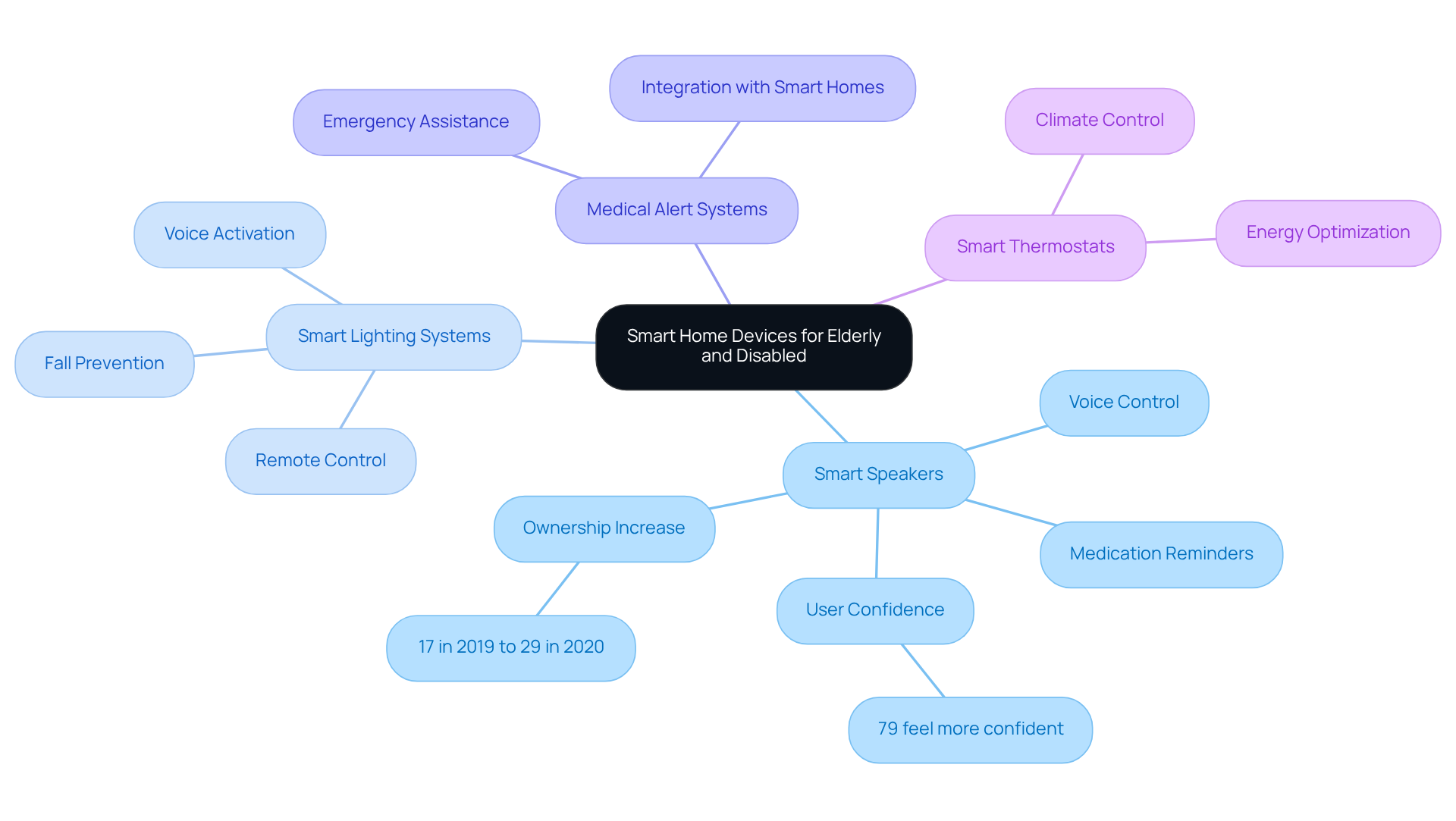
Smart Speakers: Devices like the Amazon Echo and Google Home are fantastic for voice control, allowing users to manage their environment hands-free. Imagine being able to set reminders for medications or connect with family through voice or video calls without lifting a finger. User feedback is heartening-79% of older adults using voice-activated speakers feel more confident in handling daily tasks independently. The rise in intelligent technology among seniors is evident, with ownership of these helpful tools increasing from 17% in 2019 to 29% in 2020. This trend highlights their growing importance in elderly care.
-
Smart Lighting Systems: Automated lighting solutions can be a game-changer, letting seniors control lights remotely or set schedules. This feature significantly reduces the risk of falls in dark areas. Plus, when combined with smart speakers for voice activation, they become even more user-friendly for those with mobility challenges.
-
Medical Alert Systems: These systems are essential for emergencies, providing peace of mind by allowing seniors to call for help quickly if needed. Many modern medical alert devices can connect to a smart home for elderly and disabled systems, enhancing their functionality and ensuring help is always within reach.
-
Smart Thermostats: These handy tools make climate control a breeze, enabling seniors to adjust temperatures without needing to get up. Smart thermostats can learn user preferences, optimizing energy usage while ensuring comfort and cost savings.
While these devices offer numerous benefits, it’s crucial to consider privacy concerns associated with smart home technology. Helping users understand how to manage privacy settings can ease worries about data security.
Reading reviews and testimonials from other users can provide valuable insights into the effectiveness and ease of use of these products. By comparing features and prices, you can find the best options that fit your budget and specific needs. Ultimately, the goal is to ensure that the chosen technology, particularly a smart home for elderly and disabled, enhances the quality of life for seniors and individuals with disabilities.
Check Compatibility with Home Infrastructure
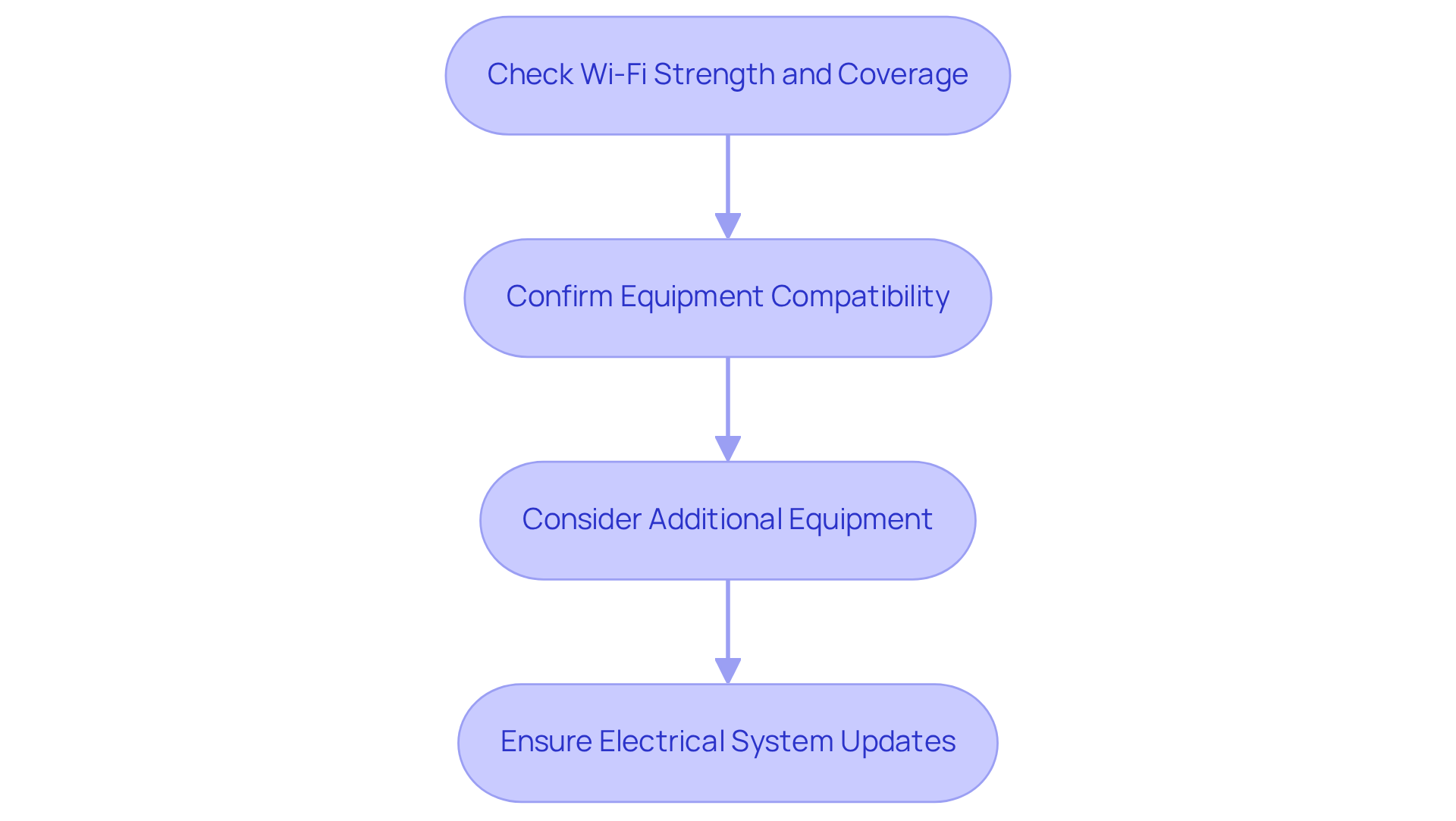
When setting up your home for intelligent gadgets, it’s important to start by evaluating your existing setup. Take a moment to check your Wi-Fi strength and coverage. This will help ensure that your smart devices can connect seamlessly and function as intended.
Next, let’s confirm that the equipment you’ve chosen is compatible with each other and with your current systems, like intelligent hubs and routers. This step is crucial to avoid any frustration down the line.
You might also want to consider whether you need any additional equipment, such as range extenders or intelligent hubs. These can significantly enhance your connectivity, making your experience smoother and more enjoyable.
Lastly, don’t forget to ensure that any necessary updates to your home’s electrical systems are made. This will help accommodate the smart technology you’re bringing in, ensuring everything works harmoniously together.
Establish User-Friendly Setup and Training
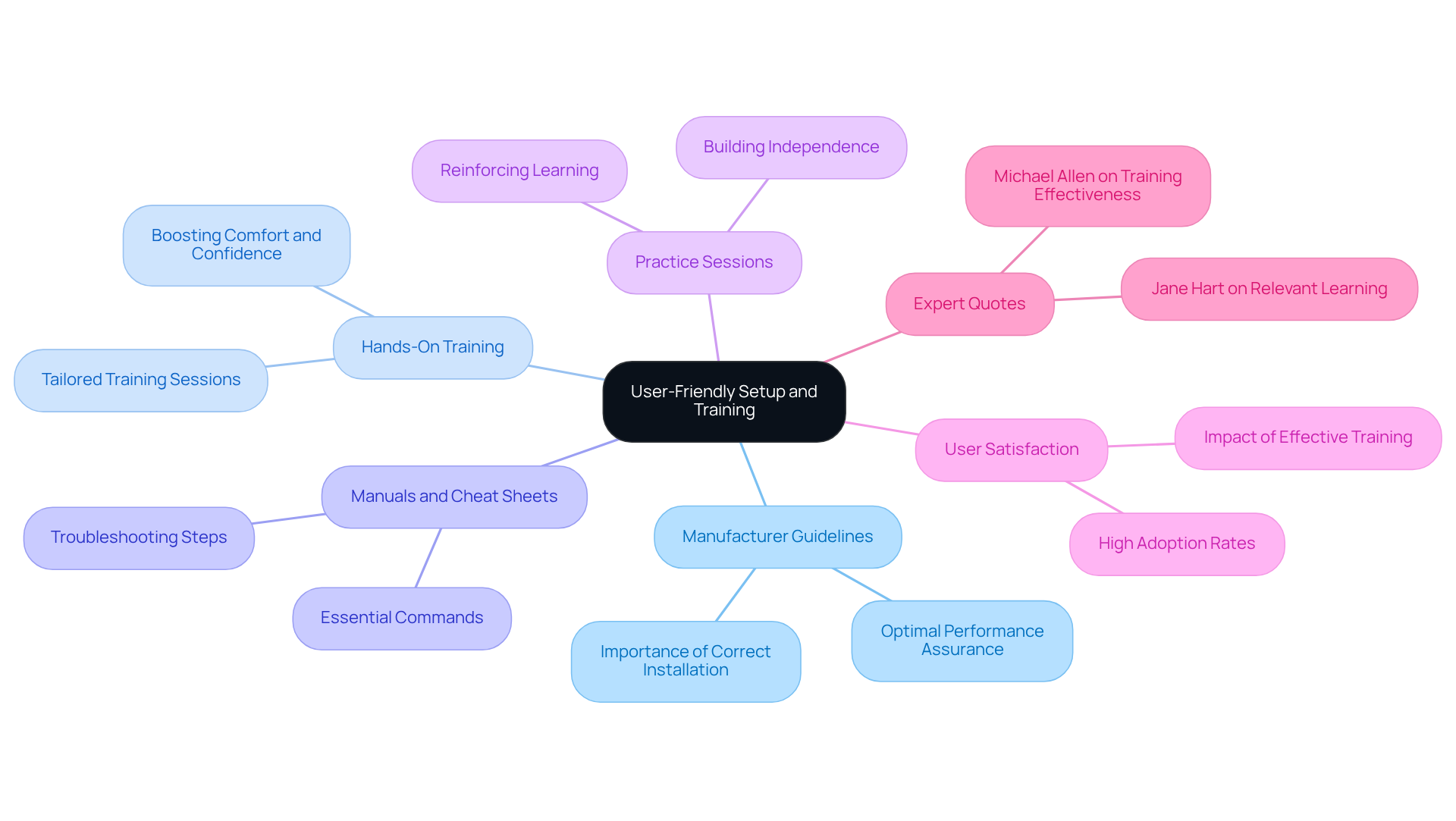
- It's essential to follow the manufacturer guidelines for equipment installation. This ensures that all components are set up correctly, allowing for optimal performance and peace of mind.
- Hands-on training sessions can be incredibly beneficial. Tailoring these sessions to each individual helps emphasize the key functions they’ll use most often, boosting their comfort and confidence.
- Creating simple manuals or cheat sheets can make a world of difference. These resources should clearly outline essential commands and troubleshooting steps, making it easier for seniors to navigate the tools they need in a smart home for elderly and disabled.
- Practice sessions are vital for reinforcing learning. They provide users with the opportunity to become more familiar with the devices, helping them build confidence in using them independently.
- Research shows that user satisfaction greatly improves with effective training. When seniors feel satisfied, they’re more likely to adopt a smart home for elderly and disabled solutions. For instance, a study found that participants who received comprehensive training reported an impressive adoption rate of 84%.
- Including quotes from specialists, like Jane Hart, can really highlight the importance of relevant learning. She emphasizes that instruction must meet the users' needs, which is especially crucial when teaching seniors about new tools. This approach not only aids understanding but also fosters a supportive learning environment.
It’s also important to reference specific training programs designed for a smart home for elderly and disabled individuals. These programs have been shown to enhance their comfort with gadgets, ensuring they can use advanced instruments confidently and independently.
Monitor and Adjust Smart Home Systems Regularly
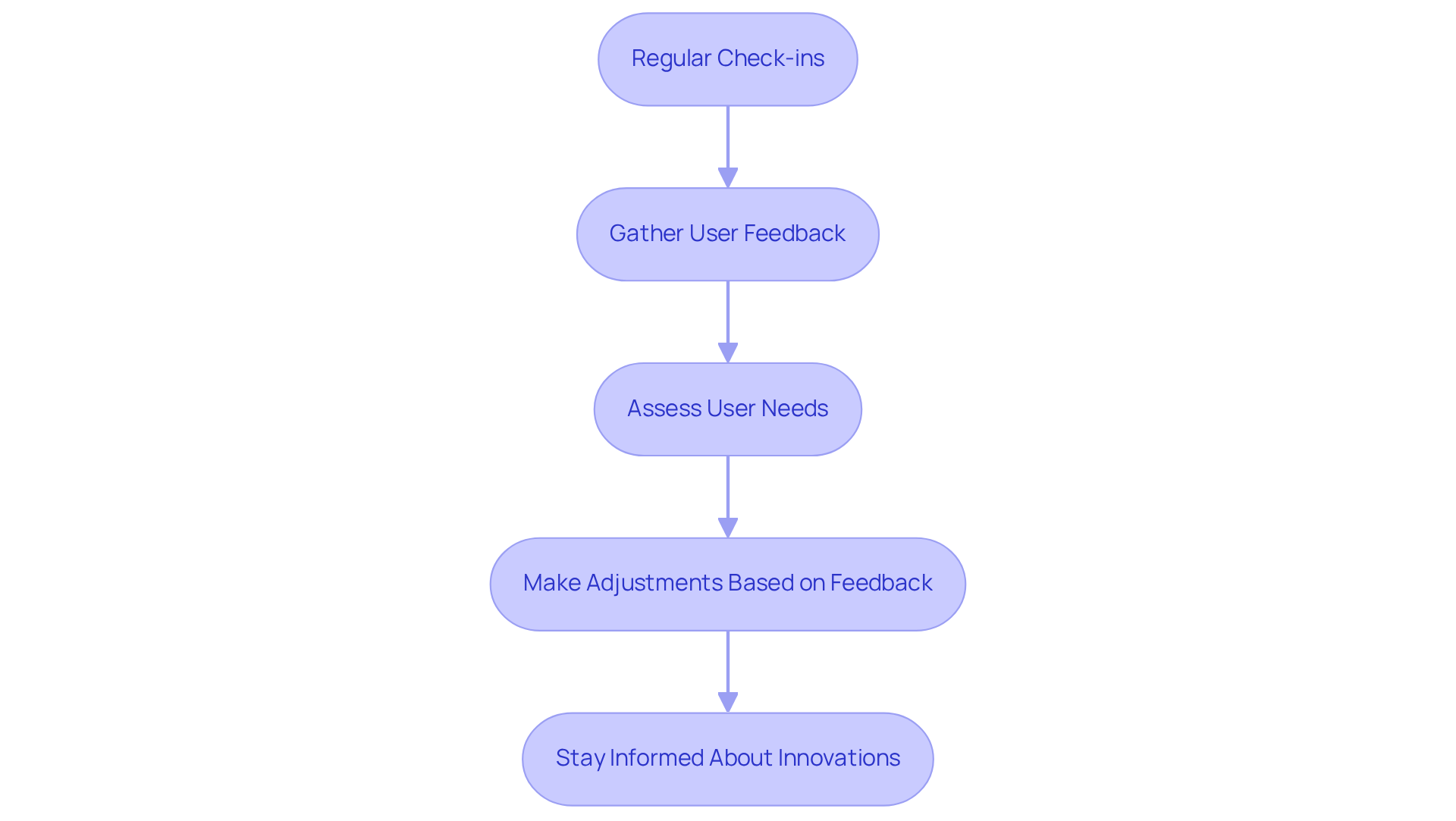
Regular check-ins are essential for assessing how well the smart home for elderly and disabled systems meet the needs and preferences of users. By scheduling these moments, caregivers can ensure that the technology truly supports those they care for.
It's important to actively seek feedback from users about their experiences with the technology. Understanding any difficulties they encounter is crucial. This feedback helps us grasp how well the systems are functioning in real-life situations, allowing for meaningful improvements.
Adjustments to equipment settings or configurations should be made based on user feedback and changing needs. For example, caregivers can modify alert thresholds or tweak device sensitivity to enhance the user's comfort and safety. This personalized approach fosters a sense of security and independence.
Staying informed about new innovations in intelligent dwellings is vital. Continuous learning about advancements in the field can lead to better care solutions, ensuring that we are always providing the best support possible.
Real-life stories illustrate how user input has led to significant improvements in smart home systems. Adjustments made from user experiences have resulted in more intuitive interfaces and enhanced functionality, ultimately promoting greater independence for users.
Recognizing the importance of user input not only helps improve current systems but also guides future advancements. This ensures that smart home for elderly and disabled individuals remains responsive to their needs, fostering a caring environment.
According to industry insights, the global intelligent dwelling market was valued at $127.67 billion in 2024 and is expected to grow nearly 1,000% to $1.4 trillion by 2034. This growth highlights the increasing significance of advanced residential solutions in caregiving.
Caregivers have observed that adapting technology based on user feedback is crucial for maximizing the effectiveness of smart home for elderly and disabled solutions. This approach allows for personalized care that truly meets individual needs, reinforcing the bond of trust and support.
Key Takeaways for Caregivers
Integrating smart home technology into the lives of elderly and disabled individuals offers a heartfelt opportunity to enhance their safety, comfort, and independence. By grasping the basics of smart technology and tailoring solutions to meet specific needs, caregivers can foster an environment that not only supports but truly empowers users. This thoughtful approach ensures that technology becomes a valuable ally, rather than a source of confusion or frustration.
Throughout this article, we’ve outlined key steps to facilitate this process. From assessing individual needs and evaluating compatible devices to establishing user-friendly setups and providing ongoing training, each stage is crucial for maximizing the benefits of smart home systems. Regular monitoring and adjustments based on user feedback further ensure that these technologies remain relevant and effective, adapting to the evolving needs of those they serve.
As the smart home market continues to grow, embracing these technologies is essential for improving the quality of life for seniors and individuals with disabilities. By prioritizing user involvement and customization, caregivers can nurture a sense of agency and confidence, ultimately leading to a more fulfilling and independent lifestyle. The time to invest in smart home solutions is now-creating a supportive and responsive living environment is not just a goal, but a necessity for enhancing the well-being of our loved ones.
https://iframe.tely.ai/cta/eyJhcnRpY2xlX2lkIjogIjY5MWZhYzU4ZDE4ZTkwODFlMzViYjUxNCIsICJjb21wYW55X2lkIjogIjY4ZWU1ZGNhNzMxNzYyNTU3ZjNjOTVjMSIsICJpbmRleCI6IG51bGwsICJ0eXBlIjogImFydGljbGUifQ==Frequently Asked Questions
What is smart home technology?
Smart home technology refers to devices and systems that use the Internet of Things (IoT) to enhance comfort, safety, and convenience in living environments through automation and connectivity.
How can smart home technology benefit elderly and disabled individuals?
Smart home technology can significantly enhance safety, convenience, and independence for elderly and disabled individuals, providing peace of mind for their loved ones.
What are some popular smart home products?
Popular smart home products include smart speakers, lights, thermostats, and security systems, all of which contribute to creating a nurturing home atmosphere.
Why is it important to assess individual needs and preferences when implementing smart home technology?
Conducting a thorough needs assessment helps identify specific challenges faced by individuals, allowing for tailored solutions that enhance their independence and safety.
How can engaging seniors in technology discussions improve their experience with smart home devices?
Involving seniors in discussions about their preferences and comfort levels with technology ensures that the solutions offered match their needs, fostering a sense of agency and preparedness.
What considerations should be made for individuals with existing medical conditions?
It is important to consider specific monitoring or alert systems that may be required for individuals with medical conditions, particularly those with cognitive impairments, to enhance their safety and daily routines.
What percentage of adults aged 65 and older have disabilities?
Approximately 38 percent of adults aged 65 and older have disabilities, highlighting the need for tailored smart home solutions for this demographic.
How does involving seniors in decision-making impact their well-being?
Engaging seniors in the decision-making process empowers them and promotes a sense of agency, which is vital for their overall well-being and comfort with technology.