

For families in our service areas
For families in our service areas, this guide explains caregiving and how non-medical in-home caregiving can support care planning in East Idaho, Treasure Valley & Magic Valley, Northern Wasatch, North Central West Virginia, and Northeast Ohio.
Why Find Elderly Care Assistance Near Me Matters
Navigating the complex landscape of elderly care assistance can be overwhelming for families grappling with the needs of their aging loved ones. Nearly 70% of family caregivers experience burnout, highlighting a significant problem that demands attention. Understanding the diverse types of care available is not just beneficial; it’s essential for ensuring the well-being of seniors and their caregivers.
The implications of caregiver burnout are profound. Families often find themselves torn between their loved one's care needs and their own responsibilities, leading to stress and exhaustion. This article explores a structured approach to finding the right elderly care assistance nearby, focusing on key considerations that can help alleviate this burden.
So, how can families effectively balance their loved one's care needs with their own? The first step is to assess the specific requirements of the senior in question. From in-home care to assisted living facilities, there are various options available. By understanding these choices, families can secure the best possible support for their loved ones while also taking care of their own well-being.
Identify Types of Elderly Care Assistance
Understanding the various forms of elderly care assistance near me is crucial for caregivers who face the challenges of providing adequate care. Caregiver burnout is a significant issue, affecting nearly 70% of family caregivers who struggle to balance their careers with caregiving duties. As families increasingly rely on elderly care assistance near me, it’s essential to assess the emotional and social needs of seniors when making these choices.
-
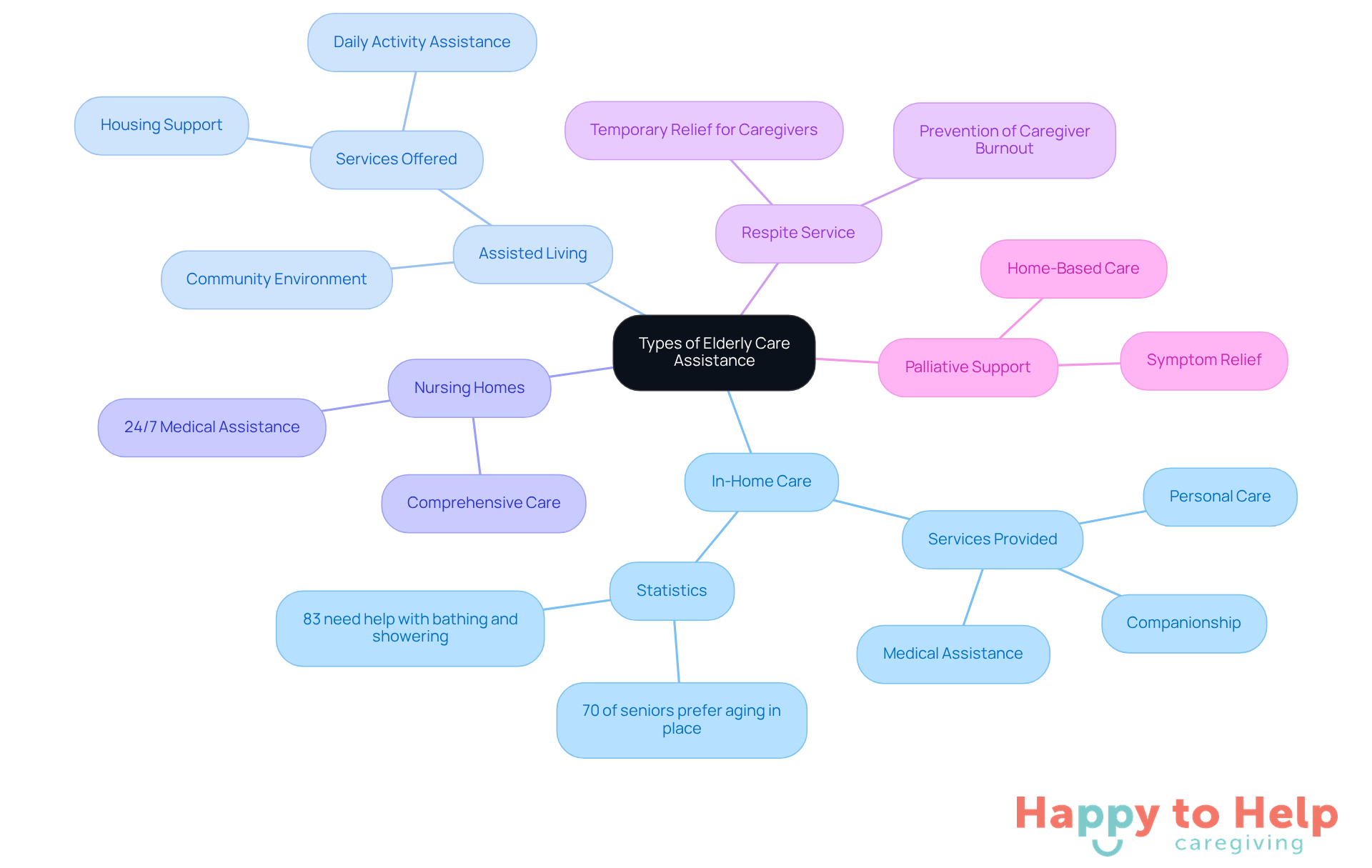
In-Home Care: Services provided in the individual's home, including personal care, companionship, and medical assistance. Almost 70% of seniors favor aging in place, highlighting the growing need for elderly care assistance near me that supports their independence and comfort. Notably, 83% of home assistance recipients require help specifically with bathing and showering, underscoring the importance of personal support.
-
Assisted Living: Facilities that offer housing and support services for seniors needing help with daily activities while maintaining some independence. While assisted living provides a community environment, it often lacks the individualized support found in home services.
-
Nursing Homes: Facilities that provide 24/7 medical assistance for individuals with significant health issues. These are typically suited for those requiring comprehensive medical supervision.
-
Respite Service: Temporary relief for primary caregivers, allowing them to take a break while ensuring their loved ones receive assistance. This service is vital for preventing caregiver burnout.
-
Palliative Support: Specialized medical assistance focused on relieving symptoms and stress from serious illness. This support can be provided at home, enabling patients to stay in familiar surroundings while receiving necessary care.
By understanding these categories, caregivers can determine the most appropriate type of elderly care assistance near me for their loved one’s situation. The home assistance market is expected to expand significantly by 2025, influenced by demographic shifts and senior preferences, making it an essential factor for families.
Assess Individual Care Needs
Assessing your loved one's care needs is crucial for ensuring they receive the appropriate elderly care assistance near me. Here are some key factors to consider:
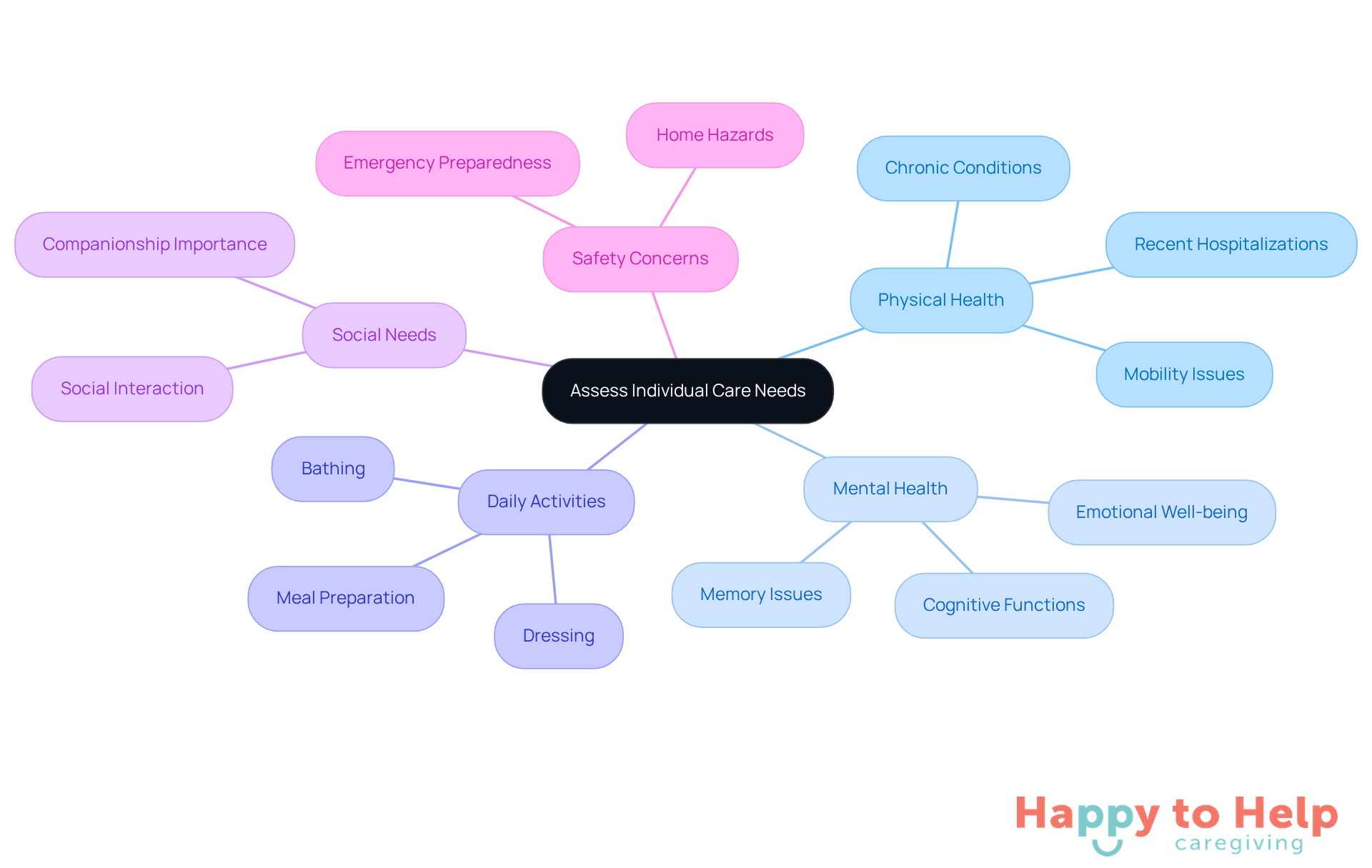
- Physical Health: Look into any chronic conditions, mobility issues, or recent hospitalizations that might require specialized care.
- Mental Health: Evaluate cognitive functions, memory issues, or emotional well-being that may need additional support.
- Daily Activities: Identify which daily tasks (like bathing, dressing, or meal preparation) your family member can handle independently and which ones require assistance.
- Social Needs: Consider the importance of companionship and social interaction in your loved one's life, as isolation can significantly impact mental health.
- Safety Concerns: Assess the home environment for potential hazards that could threaten your loved one’s safety.
Documenting these findings will assist you in your search for elderly care assistance near me.
Research Local Care Providers
Finding suitable care providers can be a daunting task for caregivers. With so many options available, it’s easy to feel overwhelmed. Caregivers often struggle with identifying reliable resources, which can lead to stress and uncertainty in making the best choices for their loved ones.
To tackle this challenge, consider the following actionable solutions:
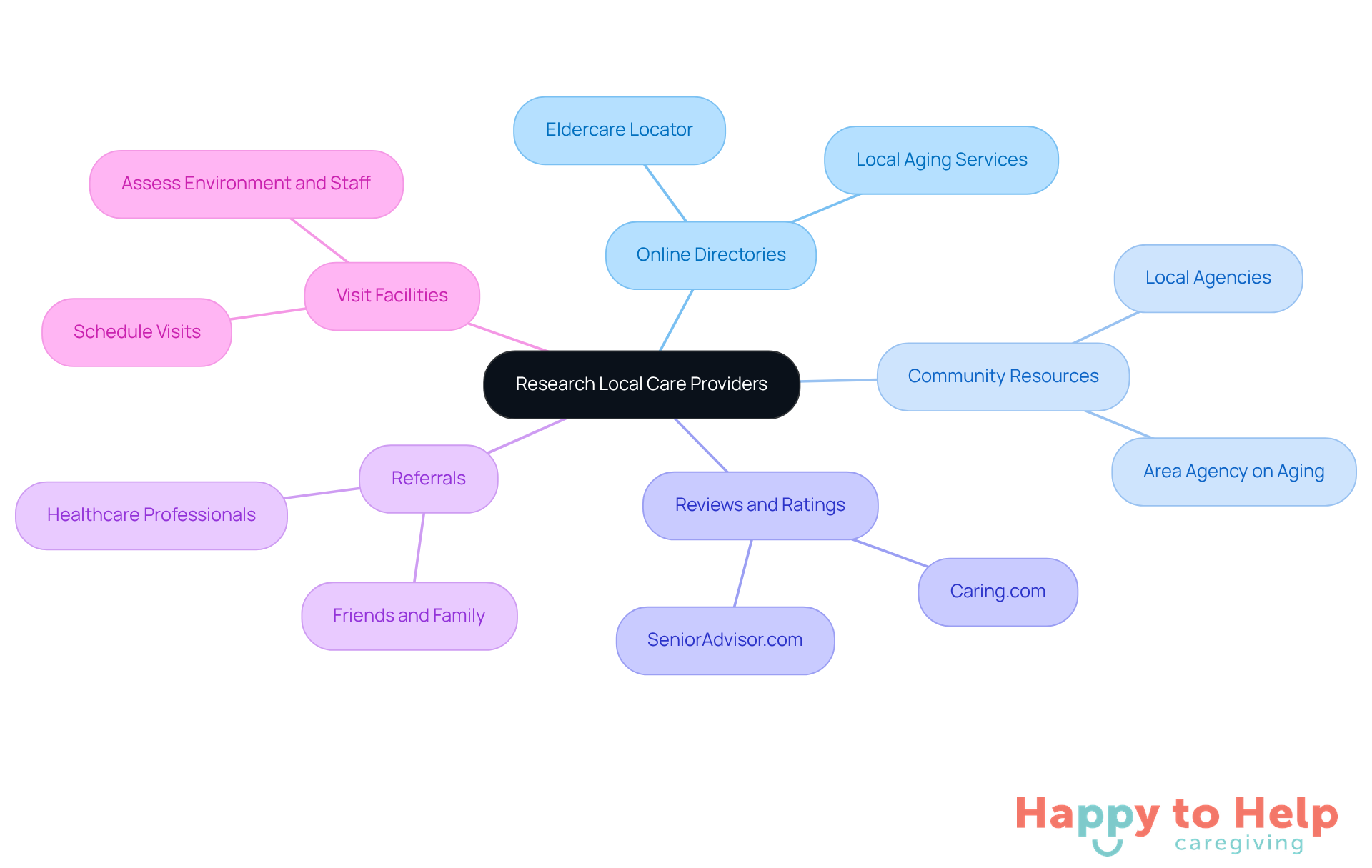
- Online Directories: Websites like Eldercare Locator and local aging services can help you find care providers in your area.
- Community Resources: Check with local agencies, such as the Area Agency on Aging, for recommendations and resources related to elderly care assistance near me.
- Reviews and Ratings: Look for reviews on platforms like Caring.com or SeniorAdvisor.com to gauge the experiences of other families.
- Referrals: Ask friends, family, or healthcare professionals for recommendations based on their experiences.
- Visit Facilities: If considering assisted living or nursing homes, schedule visits to assess the environment and meet staff.
By compiling a list of potential providers, you can evaluate your options more effectively and make informed decisions.
Evaluate and Interview Caregivers
Finding the right elderly care assistance near me for your loved one can feel like a daunting task. The stakes are high, as the quality of care directly impacts their well-being. Without proper evaluation, you risk selecting someone for elderly care assistance near me who may not meet your loved one's specific needs, leading to potential safety concerns and inadequate support.
To tackle this challenge, follow these essential steps:
-
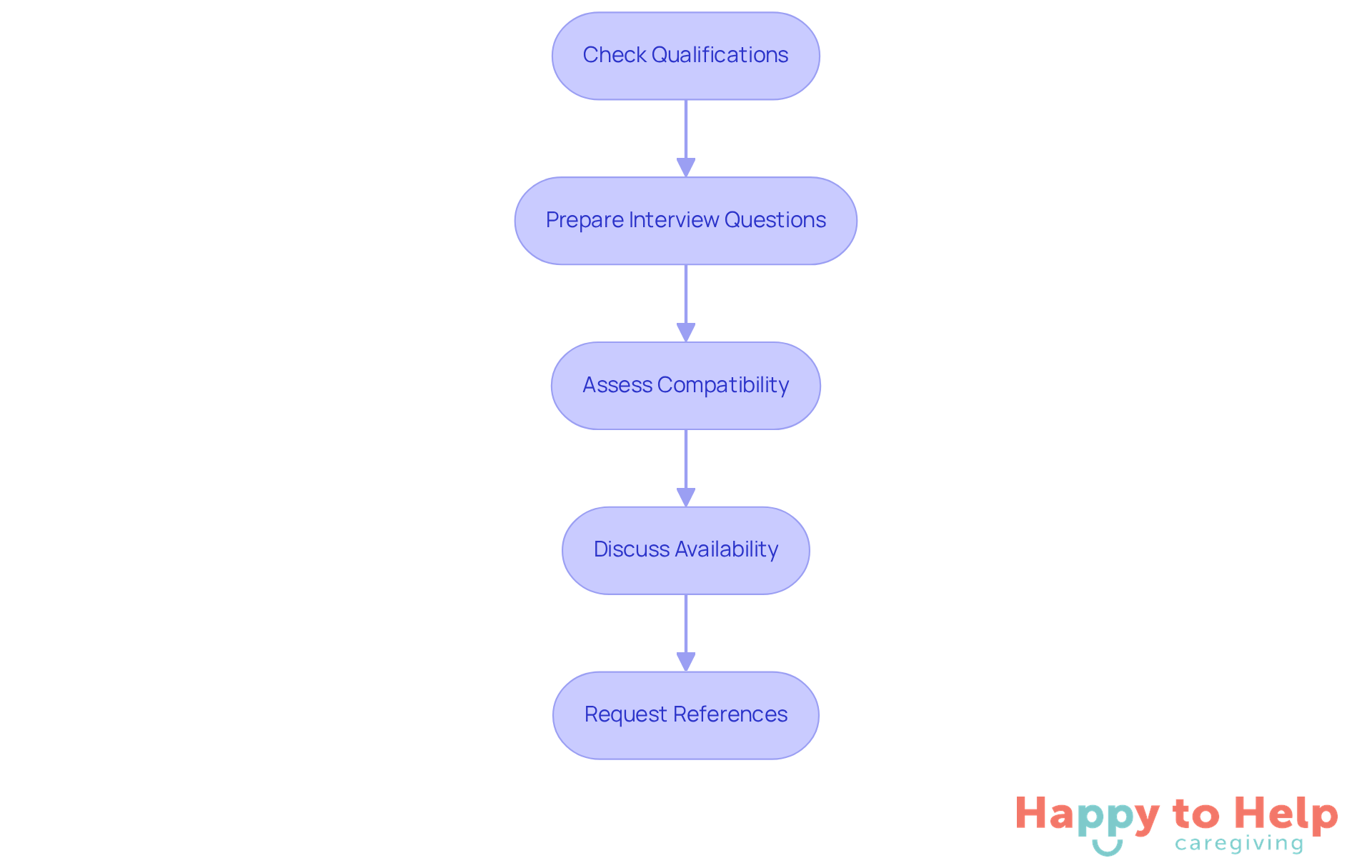
Check Qualifications: Verify certifications, training, and experience that align with your loved one's specific support requirements. Providers with relevant certifications, including CPR and first aid, can significantly improve the quality of elderly care assistance near me and ensure safety in emergencies.
-
Prepare Interview Questions: Formulate questions that explore their experience with similar clients, their caregiving philosophy, and their strategies for handling emergencies. This will help gauge their preparedness and approach to care.
-
Assess Compatibility: Observe the provider's interaction with your family member during the interview. Compatibility is crucial, as a positive rapport can lead to a more effective caregiving relationship. Remember, providers offer individualized attention that is often not feasible in institutional environments, which can significantly benefit your family member.
-
Discuss Availability: Confirm that the caregiver's schedule can accommodate your loved one's needs, including flexibility for emergencies or changes in routine. This ensures that elderly care assistance near me remains consistent and dependable.
-
Request References: Ask for references from previous clients or employers to gain insights into their reliability and quality of care. Feedback from others can provide valuable context about the provider's performance.
Conduct interviews with multiple candidates to identify the best fit for your loved one. This comprehensive method not only improves the chances of locating an appropriate provider but also cultivates a feeling of safety and ease for both the provider and the recipient. During the evaluation process for elderly care assistance near me, reliability and trustworthiness are non-negotiable qualities that should be prioritized. Additionally, caregivers can monitor changes in health, behavior, and mood, allowing for early detection of issues such as medication side effects.
Understand Costs and Payment Options
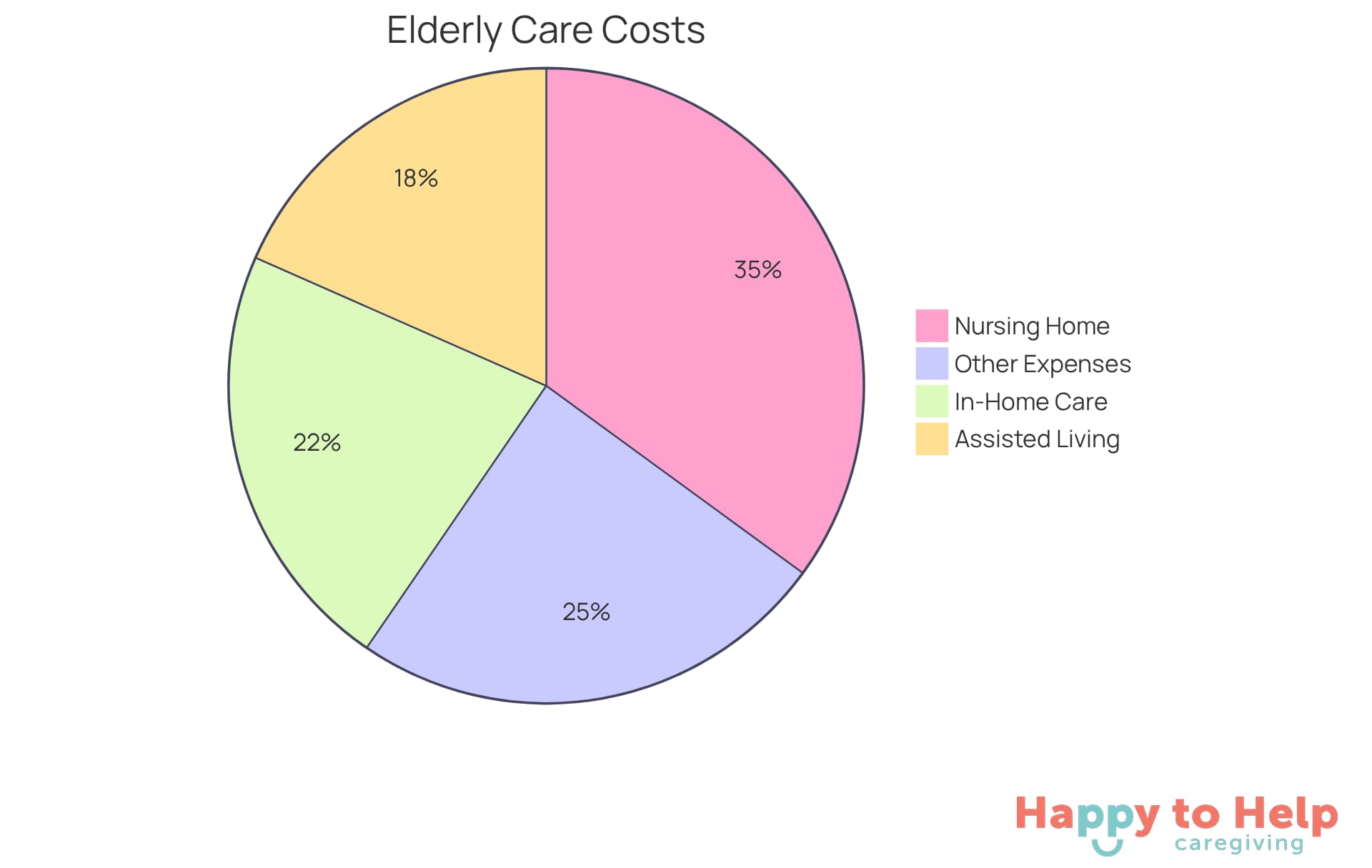
Understanding the financial landscape of elderly care assistance near me is crucial for families as they navigate their options. The costs associated with caregiving can be overwhelming, and without proper planning, families may face unexpected financial strain.
Cost Breakdown: In 2025, the national median cost for in-home care is around $33 per hour, with rates varying by location and service type. For instance, part-time assistance for 15 hours a week can total about $2,145 monthly, while full-time support (44 hours a week) might exceed $6,292. Assisted living centers typically charge between $4,500 and $6,000 monthly, and nursing home services can range from $9,000 to $11,000 each month for a semi-private room. This highlights the necessity of examining local prices for accurate budgeting.
Insurance Coverage: It's vital to check whether your loved one’s health insurance, Medicare, or Medicaid covers any necessary services. While Medicare may cover certain short-term home health services, ongoing support often requires private payment. Understanding the specifics of coverage can significantly influence financial planning.
Financial Assistance Programs: Investigate local and state initiatives that offer financial support for elderly care. Programs like the National Family Caregiver Support Program can provide valuable resources, easing some of the financial burdens associated with caregiving. Notably, nearly 25% of adults are financially assisting their parents, underscoring the widespread nature of these challenges.
Payment Plans: Engage in discussions with service providers about payment options, including hourly rates, flat fees, and potential sliding scale fees based on income. Many agencies offer flexible payment structures that can accommodate various financial situations, making it easier to manage costs.
Budgeting: Create a comprehensive budget that includes all potential expenses related to assistance. This should cover not only direct support costs but also ancillary expenses like transportation, medical supplies, and necessary home modifications. On average, families spend over $7,000 a year caring for an aging parent. A well-structured budget ensures families can maintain support over time without facing unexpected financial pressure.
This financial overview equips families with the knowledge needed to make informed decisions regarding elderly care assistance near me, ensuring that their loved ones receive the necessary support while managing costs effectively.
Make the Final Decision and Establish Care
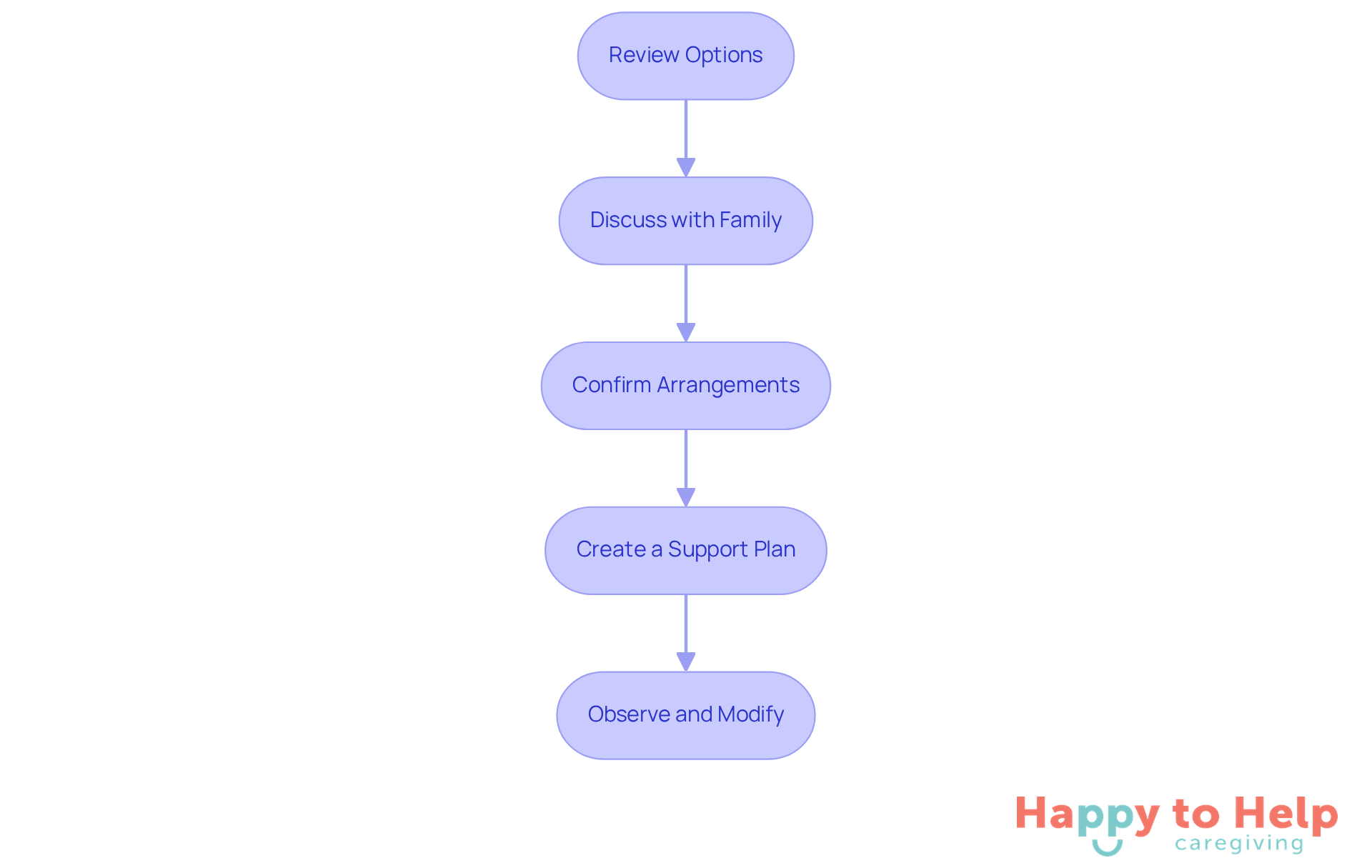
To finalize your decision and establish care, consider the following steps:
-
Review Options: Revisit your list of potential caregivers or agencies, taking into account all the information and impressions gathered from interviews.
-
Discuss with Family: Involve family members in the decision-making process. Their support is crucial, as studies show that collaborative decision-making leads to better outcomes in elderly care assistance near me. Notably, a CDC survey reveals that nearly 24% of women aged 55 and above provide unpaid family support, highlighting the importance of family dynamics in assistance.
-
Confirm Arrangements: Reach out to your chosen provider or agency to confirm the start date, schedule, and specific services that will be offered.
-
Create a Support Plan: Develop a comprehensive support plan detailing the caregiver's duties, daily activities, and any specific preferences or requirements of your loved one. Research indicates that personalized support plans significantly enhance client satisfaction, making this step vital. With 10,000 individuals turning 65 each day in the U.S., the need for elderly care assistance near me is greater than ever.
-
Observe and Modify: After assistance begins, maintain regular communication with your family member and the provider to ensure that the support meets expectations. This ongoing observation allows for timely adjustments to the support plan, ensuring it aligns with your family member's evolving needs.
By following these steps, you can ensure a smooth transition into elderly care assistance near me for your loved one, creating a supportive environment that prioritizes their well-being. Additionally, with the median cost of at-home health care estimated at $5,892 a month, it's essential to consider the financial implications of these decisions.
Your Path Forward
Finding the right elderly care assistance is a crucial challenge for families aiming to ensure the well-being of their loved ones. This task can feel overwhelming, especially when considering the diverse needs of seniors and the various care options available. Without a clear understanding, families may struggle to navigate this complex landscape, leading to stress and uncertainty.
To address this issue, it’s essential to start with a thorough assessment of individual care needs. This initial step allows families to identify the specific types of assistance required. Following this, diligent research and evaluation of potential providers can empower caregivers to make informed decisions. By weighing the options carefully, families can enhance the quality of life for seniors, ensuring they receive the support they deserve.
Key insights highlight the importance of recognizing the different forms of elderly care, such as:
- In-home care
- Assisted living
- Nursing homes
- Respite services
- Palliative support
Each option presents unique benefits and considerations, making it vital for families to explore these choices thoroughly. Additionally, understanding the financial implications and exploring payment options can alleviate some of the burdens associated with caregiving.
In conclusion, the quest for elderly care assistance is not merely about finding a service; it’s about fostering a supportive environment that honors the dignity and preferences of seniors. Engaging in open discussions with family members, utilizing local resources, and maintaining a flexible approach can lead to a more satisfying caregiving experience. As the demand for elderly care continues to rise, taking proactive steps today ensures that loved ones receive the compassionate and personalized support they need.
https://iframe.tely.ai/cta/eyJhcnRpY2xlX2lkIjogIjY5MjRmMWM4ZWM0Y2FiOGU3NGVjMDBiMCIsICJjb21wYW55X2lkIjogIjY4ZWU1ZGNhNzMxNzYyNTU3ZjNjOTVjMSIsICJpbmRleCI6IG51bGwsICJ0eXBlIjogImFydGljbGUifQ==Frequently Asked Questions
What is the significance of understanding elderly care assistance?
Understanding elderly care assistance is crucial for caregivers to provide adequate care and address the challenges they face, including caregiver burnout, which affects nearly 70% of family caregivers.
What types of elderly care assistance are available?
The main types of elderly care assistance include In-Home Care, Assisted Living, Nursing Homes, Respite Services, and Palliative Support.
What is In-Home Care?
In-Home Care involves services provided in the individual's home, including personal care, companionship, and medical assistance. It supports seniors' independence and comfort, with many preferring to age in place.
What are Assisted Living facilities?
Assisted Living facilities offer housing and support services for seniors needing help with daily activities while still maintaining some independence. They provide a community environment but may lack the individualized support found in home services.
When are Nursing Homes appropriate?
Nursing Homes are suitable for individuals requiring 24/7 medical assistance due to significant health issues, offering comprehensive medical supervision.
What is the purpose of Respite Services?
Respite Services provide temporary relief for primary caregivers, allowing them to take breaks while ensuring their loved ones receive necessary assistance, which helps prevent caregiver burnout.
What does Palliative Support entail?
Palliative Support focuses on relieving symptoms and stress from serious illness, and it can be provided at home, allowing patients to receive care in familiar surroundings.
How can caregivers assess individual care needs?
Caregivers can assess individual care needs by considering factors such as physical health, mental health, daily activities, social needs, and safety concerns.
Why is it important to document care needs?
Documenting care needs helps caregivers in their search for appropriate elderly care assistance, ensuring that the chosen support aligns with their loved one's specific requirements.
List of Sources
- Identify Types of Elderly Care Assistance
- 2025 Home Care Statistics: Trends & Insights To Know (https://premierhcinc.com/blog/home-care-statistics)
- Home Care Industry Trends to Watch in 2025 (https://firstlighthomecare.com/blog/home-care-industry-trends)
- Families caring for older adults at home say aging in place should not be taken lightly, but may be worth it (https://cbsnews.com/newyork/news/aging-in-place-home-remodeling-cost-of-caregiving)
- Types of Home Care Services in 2025 (https://websterhc.com/breaking-down-the-different-types-of-home-care-services-in-2025)
- Facts & Figures (https://ahcancal.org/Assisted-Living/Facts-and-Figures/Pages/default.aspx)
- Assess Individual Care Needs
- New Study Explores the Need for Expanded Long-Term Care Services to Support Aging-in-Place | Johns Hopkins Bloomberg School of Public Health (https://publichealth.jhu.edu/2025/new-study-explores-the-need-for-expanded-long-term-care-services-to-support-aging-in-place)
- 11 Signs Your Aging Parent Needs Senior Care (https://health.usnews.com/senior-care/caregiving/articles/identifying-the-right-time-for-senior-care)
- 'More pressure on families.' Nearly half of US states are on the brink of a caregiving emergency (https://usatoday.com/story/news/health/2025/05/21/columbia-university-state-caregiving-study/83651201007)
- The US is not ready for its aging population. New Northeastern research explains why (https://news.northeastern.edu/2025/08/16/aging-population-us-challenges)
- Research Local Care Providers
- Elder Care | Home (https://eldercare.acl.gov/home)
- New Online Directory Connects Dementia Caregivers with Support Resources (https://caregiver.org/news/new-online-directory-connects-dementia-caregivers-with-support-resources)
- 2025 Senior Living Statistics | SeniorLiving.org (https://seniorliving.org/companies/statistics)
- 61 Assisted Living Statistics Operators Should Know | Aline (https://alineops.com/blog/assisted-living-statistics)
- Elderly Care Statistics (https://rosewood-nursing.com/post/elderly-care-statistics)
- Evaluate and Interview Caregivers
- What Is the Caregiver Crisis? | Johns Hopkins Bloomberg School of Public Health (https://publichealth.jhu.edu/2025/what-is-the-caregiver-crisis)
- Professional Caregiver 101: How to Find the Right Fit for Your Loved One (https://seniorlivingnearme.com/resources/professional-caregiver-101-how-to-find-the-right-fit-for-your-loved-one)
- The senior population is booming. Caregiving is struggling to keep up (https://cnbc.com/2025/11/21/senior-caregiving-labor.html)
- How to Choose the Right In-Home Caregiver for Your Loved One (https://homeinstead.com/home-care/usa/tx/carrollton-coppell-irving/407/news-and-media/navigating-in-home-care-tips-for-choosing-the-right-caregiver-for-your-loved-one)
- Caregiver Statistics: Demographics (https://caregiver.org/resource/caregiver-statistics-demographics)
- Understand Costs and Payment Options
- Home Care Costs in 2025: A State-by-State Guide (https://aplaceformom.com/caregiver-resources/articles/in-home-care-costs)
- Understanding the Cost and Value of Home Care in 2025 (https://assistinghands.com/135/texas/nesanantonio/blog/understanding-the-cost-and-value-of-home-care-in-2025)
- Rising elder care costs trigger financial strain across generations (https://scrippsnews.com/us-news/rising-elder-care-costs-trigger-financial-strain-across-generations)
- How Much Does In-Home Care Cost in 2025? A State-by-State Guide - Elder Answers (https://elder-answers.com/how-does-in-home-care-cost-in-2025)
- Make the Final Decision and Establish Care
- Updates in Elder Law in 2025 | Kevin L. Miller, PC (https://kevinmillerpc.com/news/updates-in-elder-law-in-2025)
- How Harris Plans to Tackle the Home Health Care Crisis Facing Older Adults (https://scientificamerican.com/article/how-harriss-medicare-plan-could-make-at-home-care-for-older-adults-easier)
- Warning From Older Adults: Care for Aging in America Needs Urgent Rethinking (https://johnahartford.org/newsroom/view/warning-from-older-adults-care-for-aging-in-america-needs-urgent-rethinking)
- American Health Care Association Releases 2025 Policy Priorities For A Better Way (https://ahcancal.org/News-and-Communications/Press-Releases/Pages/AHCA-Releases-2025-Policy-Priorities-For-A-Better-Way.aspx)