
The Importance of Alzheimer Day Care Near Me
Caring for individuals with Alzheimer’s disease presents significant challenges, often leaving family caregivers feeling overwhelmed and isolated. This emotional burden can lead to stress and a decline in the caregiver's own well-being.
Alzheimer day care programs offer more than just care; they provide essential support that enhances the quality of life for both patients and their caregivers. However, many families struggle with a crucial question: how can these services effectively alleviate the burdens of caregiving while ensuring their loved ones receive the best possible support?
Exploring the multifaceted advantages of Alzheimer day care reveals practical solutions that can transform the caregiving experience. These programs not only foster well-being for patients but also create a sense of connection and relief for caregivers, ultimately improving the overall caregiving journey.
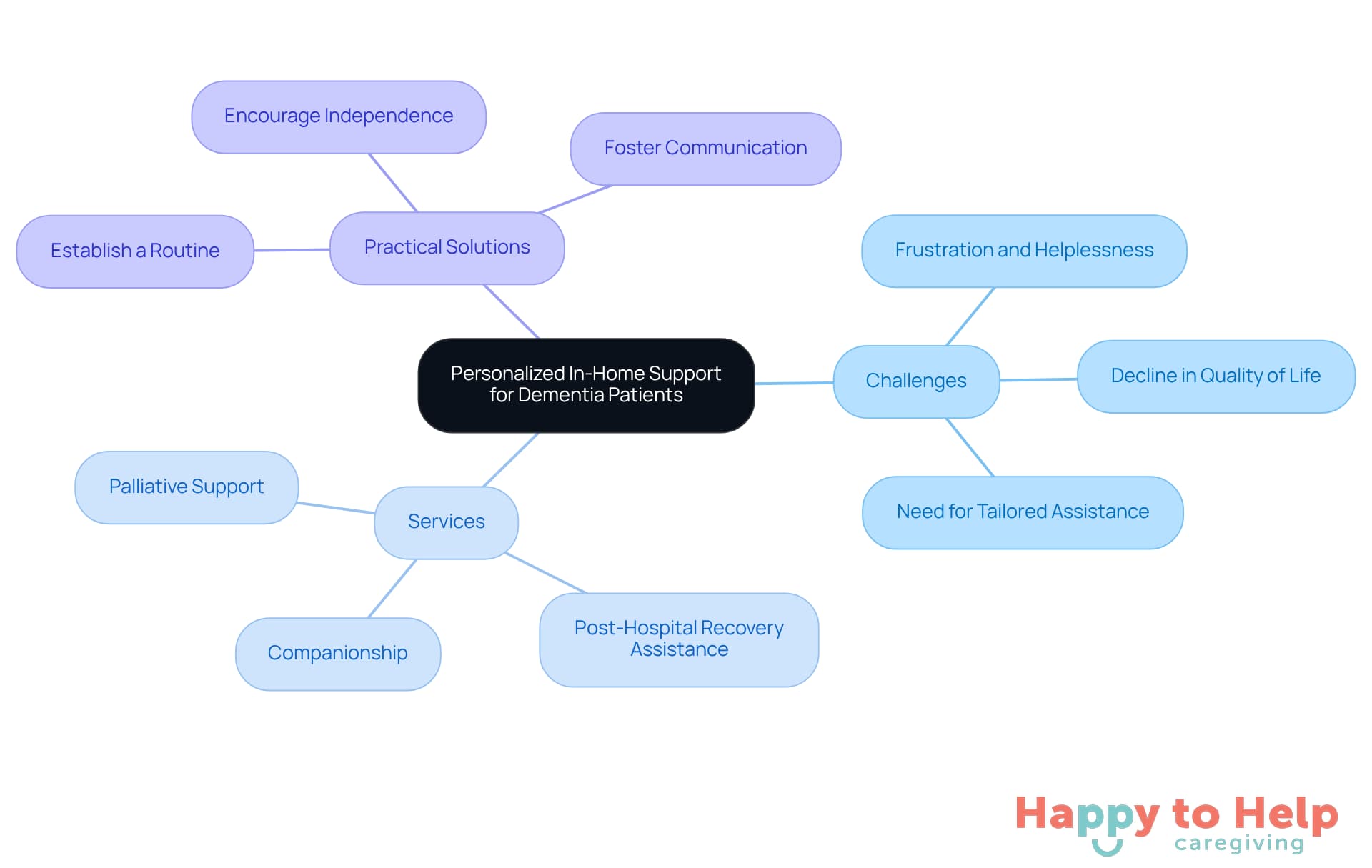
Happy to Help Caregiving: Personalized In-Home Support for Alzheimer Patients
Caring for individuals with dementia presents unique challenges for caregivers. Many struggle to provide the personalized support that these individuals need, which can lead to feelings of frustration and helplessness. Without tailored assistance, the quality of life for those with dementia can significantly decline, impacting their emotional and physical well-being.
Happy to Help Caregiving addresses these issues by offering customized in-home assistance designed specifically for individuals with dementia. Their services include companionship, post-hospital recovery assistance, and palliative support, all aimed at enhancing the quality of life for clients. By focusing on autonomy and comfort, caregivers can create a nurturing environment that fosters emotional wellness and safety in the familiar surroundings of home.
To effectively support individuals with dementia, caregivers can implement several practical solutions:
- Establish a Routine: Consistency can provide comfort and reduce anxiety for individuals with dementia.
- Encourage Independence: Allowing clients to make choices about their daily activities can enhance their sense of control.
- Foster Communication: Engaging in meaningful conversations can help maintain connections and improve emotional health.
By prioritizing these strategies, caregivers can significantly improve the caregiving experience for both themselves and the individuals they support.
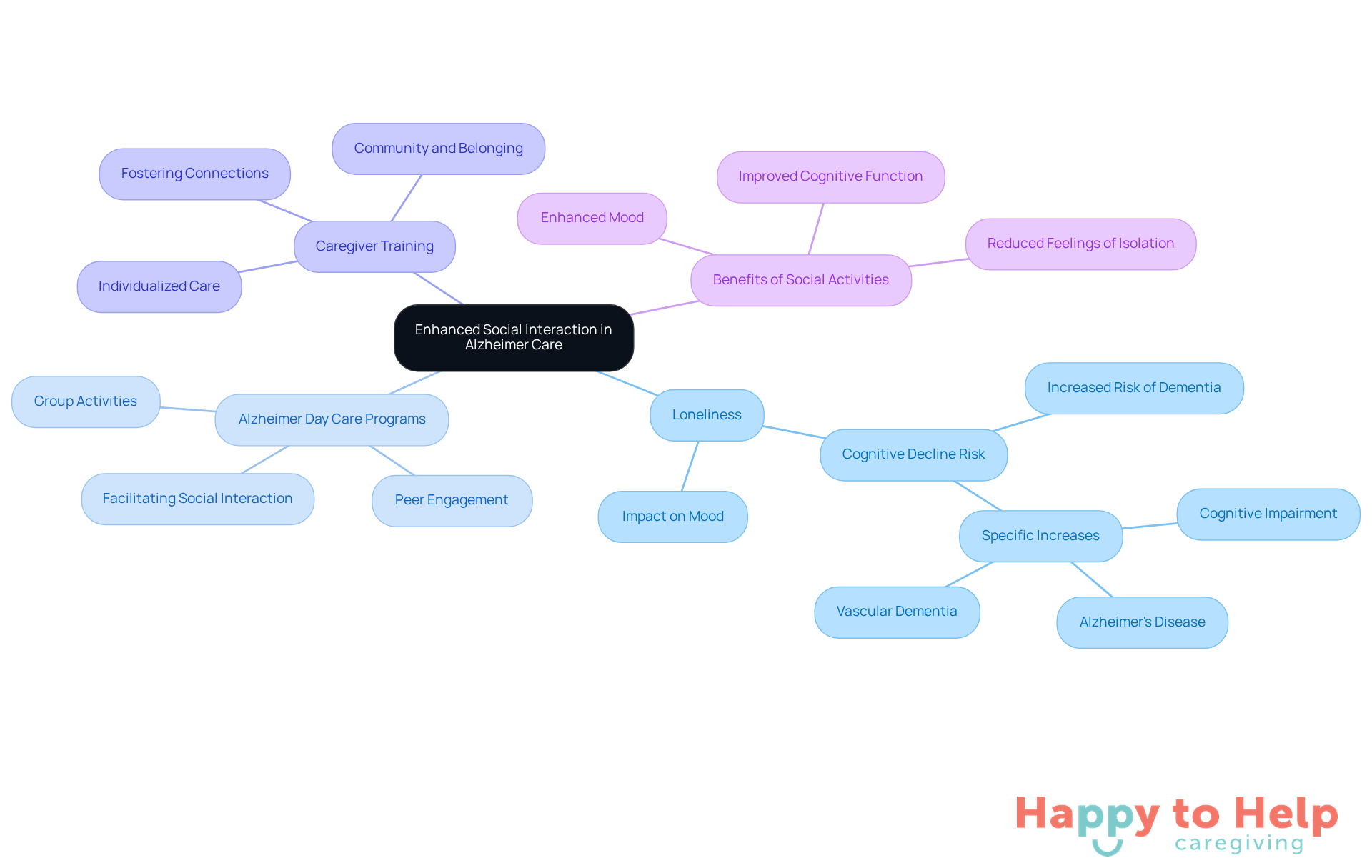
Enhanced Social Interaction: Combatting Isolation in Alzheimer Care
Loneliness is a significant challenge faced by individuals with dementia. Many patients experience feelings of isolation, which can negatively impact their mood and cognitive abilities. This issue highlights the need for effective solutions in dementia care.
Alzheimer day care near me offers a vital opportunity to combat loneliness. These alzheimer day care near me programs facilitate social interaction among patients, allowing them to engage with peers, participate in group activities, and form meaningful connections. Research indicates that regular social engagement can enhance mood and cognitive function, making it an essential component of dementia care.
At Happy to Help Caregiving, caregivers are trained to foster social interactions that align with clients' interests. By promoting these engagements, caregivers help create a sense of community and belonging, which is crucial for improving the overall well-being of dementia patients.
Incorporating social activities into daily routines not only alleviates feelings of loneliness but also enriches the lives of those affected by dementia. By prioritizing social interaction, caregivers can significantly enhance the quality of life for their clients.
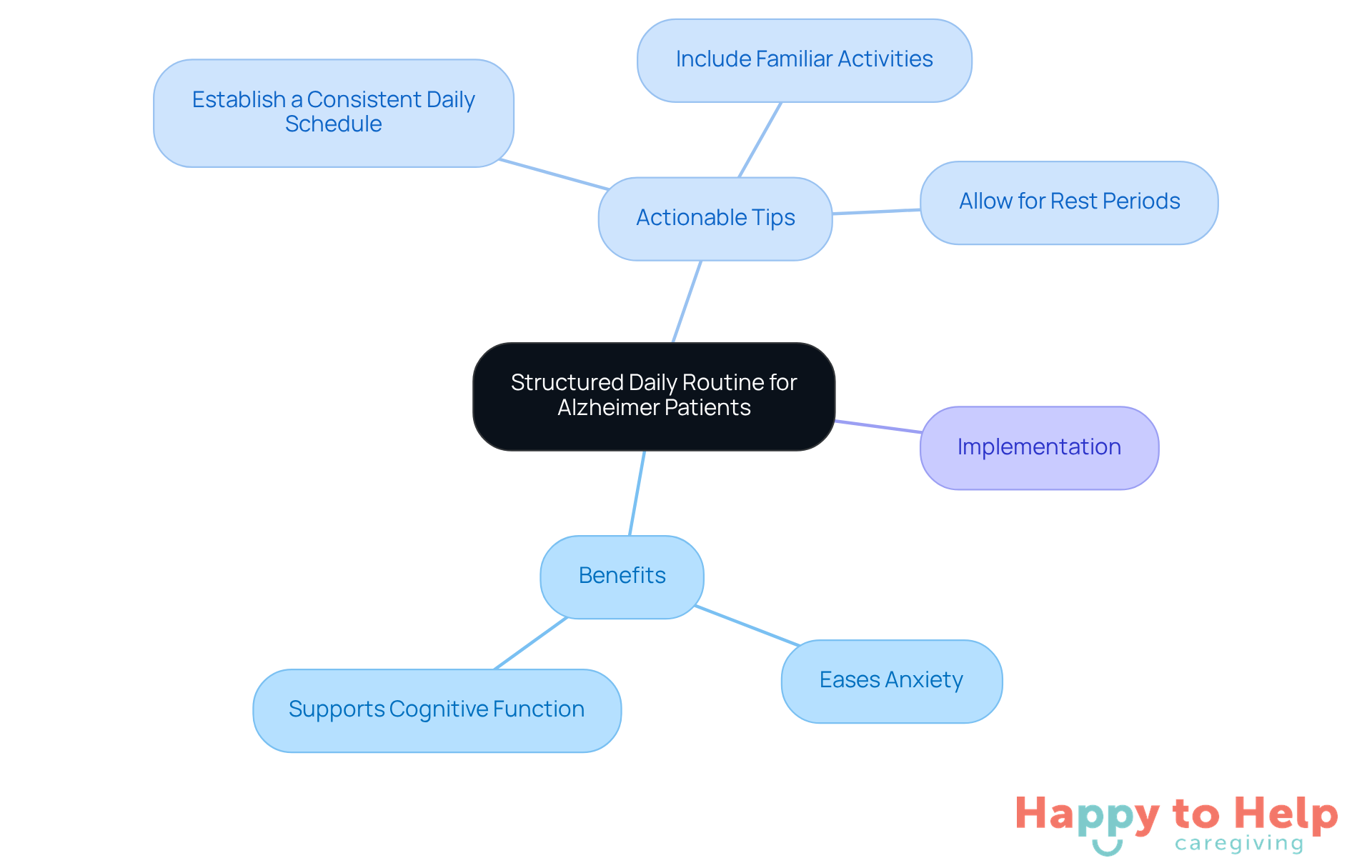
Structured Daily Routine: Promoting Stability for Alzheimer Patients
Creating a structured daily routine is crucial for individuals with Alzheimer's. The problem is that without this structure, patients often experience confusion and insecurity, which can lead to increased anxiety. Caregivers at Happy to Help Caregiving recognize this challenge and implement consistent schedules that include meals, events, and rest periods.
This predictability not only eases anxiety but also supports cognitive function. When patients can anticipate their daily activities, it fosters a sense of security. By integrating familiar activities and routines, caregivers help clients maintain a sense of control and independence in their lives.
To effectively support individuals with Alzheimer's, caregivers should consider the following actionable tips:
- Establish a consistent daily schedule.
- Include familiar activities that the patient enjoys.
- Allow for rest periods to prevent fatigue.
By following these strategies, caregivers can significantly improve the quality of life for those they support.
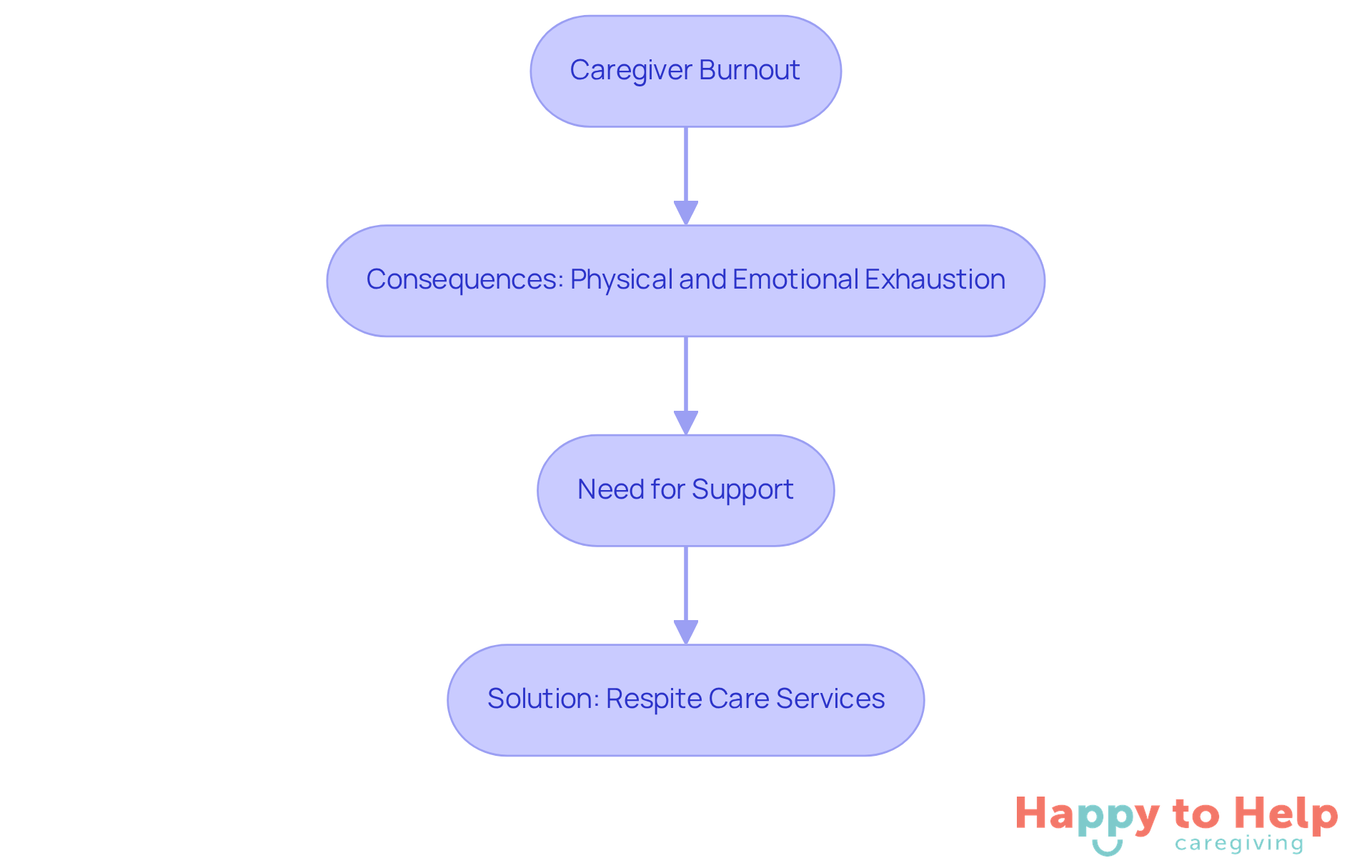
Respite for Family Caregivers: Alleviating Burnout Through Day Care Services
Problem: Caregivers often face the challenge of burnout, which can lead to physical and emotional exhaustion. This issue arises from the demanding nature of caregiving, leaving little time for personal rest or self-care.
Agitate: Without adequate support, caregivers may struggle to maintain their own well-being, which can negatively impact both their health and the quality of care they provide. The stress of constant responsibility can be overwhelming, making it crucial for caregivers to find ways to recharge.
Solution: Respite care services offered by Happy to Help Caregiving provide vital support for family assistants. By utilizing alzheimer day care near me, caregivers can take much-needed breaks to recharge, attend to personal matters, or simply rest. Knowing that their loved ones are in a safe and engaging environment allows caregivers to focus on their own well-being, ultimately benefiting both the caregiver and the patient.
Professional Care Services: Ensuring Quality Support for Alzheimer Patients
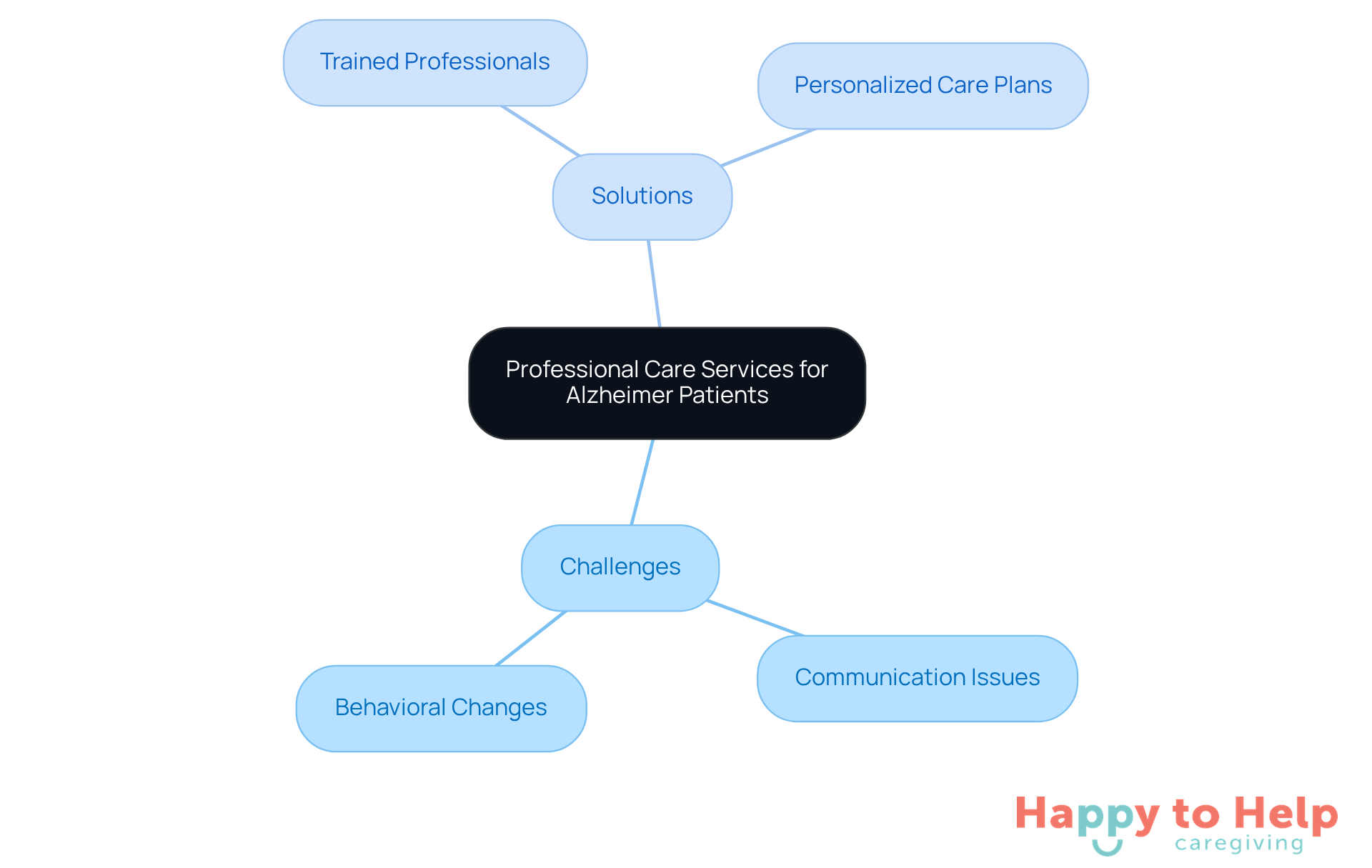
Caring for individuals with dementia presents unique challenges for caregivers. Communication issues and behavioral changes can complicate the caregiving process, making it difficult to provide the necessary support. These challenges not only affect the quality of care but also impact the dignity and respect that patients deserve.
To address these issues, Happy to Help Caregiving employs trained professionals who specialize in dementia care. These caregivers possess the essential skills to navigate the complexities of dementia, allowing them to create personalized care plans tailored to each patient's specific needs. By focusing on individual requirements, caregivers can enhance the overall quality of life for their clients, ensuring they receive the highest quality support.
Engaging Activities: Stimulating Cognitive Function in Alzheimer Care
Caring for individuals with Alzheimer’s presents significant challenges, particularly in maintaining cognitive function and emotional well-being. As cognitive decline progresses, caregivers often struggle to find effective ways to engage their loved ones meaningfully. This can lead to feelings of isolation and frustration for both the caregiver and the individual.
Happy to Help Caregiving offers a solution with a range of customized tasks designed to stimulate cognitive function and promote emotional health. Activities such as:
- Arts and crafts
- Music therapy
- Memory games
not only provide enjoyment but also play a crucial role in preserving cognitive abilities. These pursuits encourage social engagement, which is essential for overall mental well-being.
By incorporating these activities into daily routines, caregivers can foster a more enriching environment for their loved ones. Engaging in enjoyable tasks helps alleviate feelings of loneliness and enhances the quality of life for individuals with Alzheimer’s. This approach not only benefits the individual but also supports caregivers in their vital role.
Safety and Supervision: Ensuring a Secure Environment for Alzheimer Patients
A critical challenge in Alzheimer day care near me is ensuring safety and supervision. Without proper oversight, clients face risks such as wandering and accidents, which can lead to serious consequences. Families often worry about their loved ones' well-being, highlighting the need for effective caregiving strategies in Alzheimer day care near me.
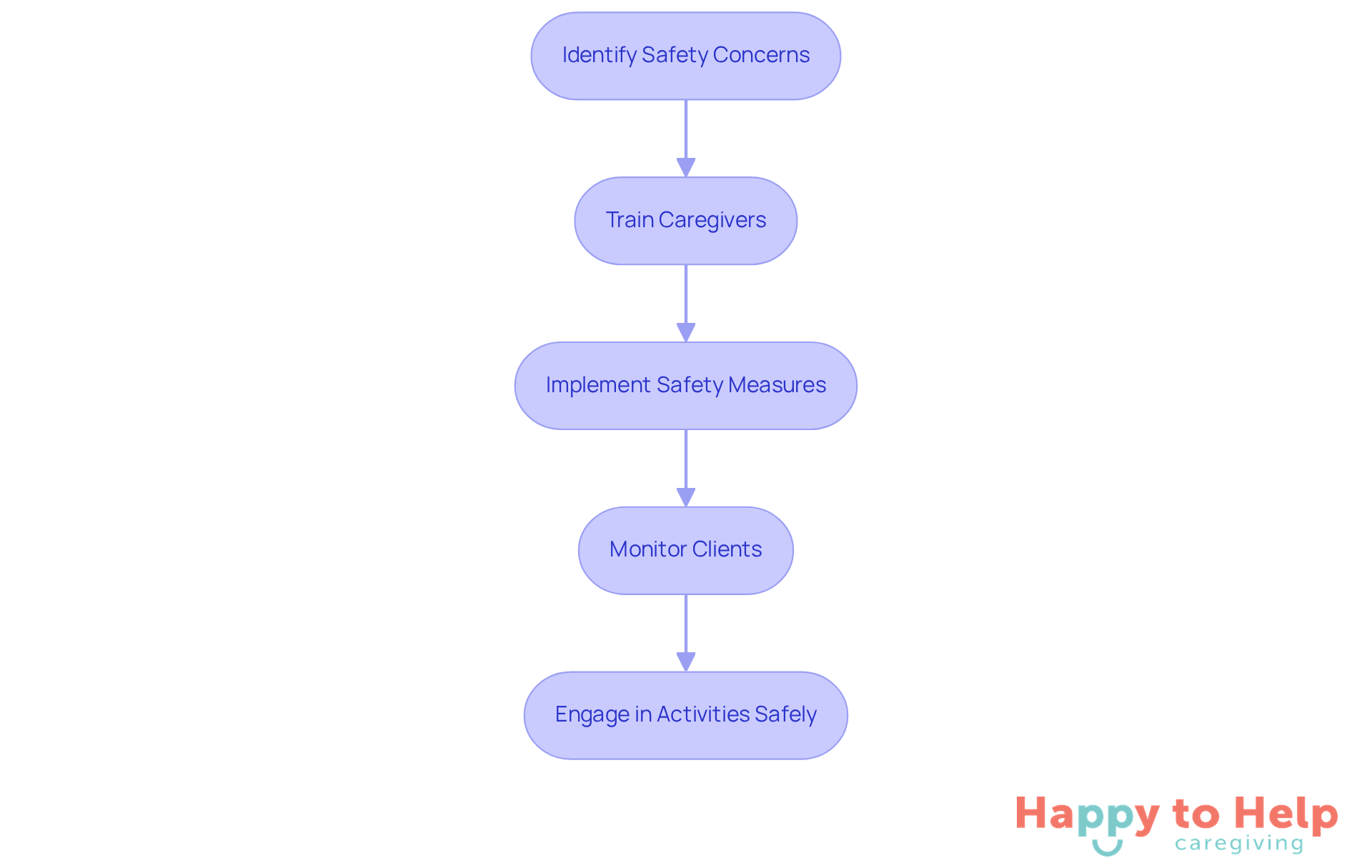
Happy to Help Caregiving addresses these concerns by implementing a range of comprehensive safety measures. Caregivers are trained to monitor clients vigilantly, creating secure environments that prevent wandering. They identify potential hazards and employ proactive strategies to mitigate risks, allowing patients to engage in activities safely.
This emphasis on safety not only protects clients but also provides peace of mind to families. As Rosalyn Carter aptly noted, everyone will either take on a supportive role or require assistance, underscoring the universal importance of effective supervision in caregiving. By fostering a secure environment, caregivers at an Alzheimer day care near me can significantly reduce the risk of accidents, ensuring that individuals with Alzheimer’s can thrive in their daily lives.
Making the Right Choice
Alzheimer day care services address significant challenges faced by caregivers, including isolation and burnout. These issues can lead to emotional strain, making it difficult for caregivers to provide the best support for their loved ones. Without proper assistance, caregivers may feel overwhelmed and unable to cope with the demands of dementia care.
By offering tailored support and fostering meaningful interactions, Alzheimer day care services provide a crucial solution. These services create structured routines and engaging activities that not only enhance the lives of individuals with Alzheimer’s but also offer much-needed respite for caregivers. This dual benefit is essential for promoting emotional and cognitive well-being.
Moreover, the focus on safety and supervision ensures that patients are cared for in a secure environment. This allows families to find peace of mind, knowing their loved ones are in good hands. Investing in Alzheimer day care services is not just beneficial for patients; it serves as a lifeline for caregivers, helping them maintain their own well-being.
In conclusion, prioritizing Alzheimer day care services fosters a supportive atmosphere that enhances the quality of life for both patients and caregivers. Embracing these solutions leads to a more balanced and fulfilling caregiving experience, reinforcing the importance of community and professional support in the journey of Alzheimer care.
https://iframe.tely.ai/cta/eyJhcnRpY2xlX2lkIjogIjY5Mjc5NTEyMjI0NDc2YzA3YjhmODljYyIsICJjb21wYW55X2lkIjogIjY4ZWU1ZGNhNzMxNzYyNTU3ZjNjOTVjMSIsICJpbmRleCI6IG51bGwsICJ0eXBlIjogImFydGljbGUifQ==Frequently Asked Questions
What challenges do caregivers face when caring for individuals with dementia?
Caregivers often struggle to provide personalized support, which can lead to feelings of frustration and helplessness. Without tailored assistance, the quality of life for individuals with dementia can decline, affecting their emotional and physical well-being.
How does Happy to Help Caregiving support individuals with dementia?
Happy to Help Caregiving offers customized in-home assistance, including companionship, post-hospital recovery assistance, and palliative support, all designed to enhance the quality of life for clients with dementia.
What strategies can caregivers implement to support individuals with dementia?
Caregivers can establish a routine to provide comfort, encourage independence by allowing clients to make choices about their daily activities, and foster communication through meaningful conversations to improve emotional health.
Why is social interaction important for individuals with dementia?
Social interaction helps combat loneliness, which can negatively impact mood and cognitive abilities. Regular engagement with peers can enhance mood and cognitive function, making it essential for dementia care.
How does Happy to Help Caregiving promote social interaction among clients?
Caregivers at Happy to Help Caregiving are trained to foster social interactions that align with clients' interests, helping to create a sense of community and belonging, which is crucial for improving the overall well-being of dementia patients.
What are the benefits of incorporating social activities into the daily routines of dementia patients?
Incorporating social activities can alleviate feelings of loneliness and enrich the lives of those affected by dementia, significantly enhancing their quality of life.
List of Sources
- Happy to Help Caregiving: Personalized In-Home Support for Alzheimer Patients
- Caregivers of a Person with Alzheimer's Disease or a Related Dementia (https://cdc.gov/caregiving/about)
- Caregiver Statistics: Demographics (https://caregiver.org/resource/caregiver-statistics-demographics)
- The Alzheimer’s Association and Rippl Partner to Improve Quality Dementia Care and Caregiver Support (https://alz.org/news/2024/the-alzheimer-s-association-and-rippl-partner-to-improve-quality-dementia-care-and-caregiver-support)
- Alzheimer's Disease Facts and Figures (https://alz.org/alzheimers-dementia/facts-figures)
- Enhanced Social Interaction: Combatting Isolation in Alzheimer Care
- Social connections as determinants of cognitive health and as targets for social interventions in persons with or at risk of Alzheimer’s disease and related disorders: a scoping review - PMC (https://pmc.ncbi.nlm.nih.gov/articles/PMC11058077)
- Ten minutes of social interaction improves wellbeing in dementia care (https://alzheimers.org.uk/news/2025-10-08/ten-minutes-social-interaction-improves-wellbeing-dementia-care)
- Loneliness linked to dementia risk in large-scale analysis (https://nia.nih.gov/news/loneliness-linked-dementia-risk-large-scale-analysis)
- Being Social May Delay Dementia Onset by Five Years (https://rush.edu/news/being-social-may-delay-dementia-onset-five-years)
- New Studies Suggest Social Isolation Is a Risk Factor for Dementia in Older Adults, Point to Ways to Reduce Risk (https://hopkinsmedicine.org/news/newsroom/news-releases/2023/01/new-studies-suggest-social-isolation-is-a-risk-factor-for-dementia-in-older-adults-point-to-ways-to-reduce-risk)
- Respite for Family Caregivers: Alleviating Burnout Through Day Care Services
- A bill in Congress would return $5,000 to millions of family caregivers every year, but will it pass? (https://cbsnews.com/newyork/news/credit-for-caring-act-family-caregiver-tax-credit)
- New Bill: Senator Edward J. Markey introduces S. 3231: Respite Care and Resources for Everyone Act | AMGN Stock News (https://quiverquant.com/news/New+Bill:+Senator+Edward+J.+Markey+introduces+S.+3231:+Respite+Care+and+Resources+for+Everyone+Act)
- Federal budget committee greenlights millions in spending for family caregivers, respite services (https://mcknightshomecare.com/news/federal-budget-committee-greenlights-millions-in-spending-for-family-caregivers-respite-services)
- Improving Support for Family Caregivers (https://nationalacademies.org/news/2025/07/improving-support-for-family-caregivers)
- News & Success Stories | Live Well San Diego (https://livewellsd.org/Home/Components/News/News/513/153)
- Professional Care Services: Ensuring Quality Support for Alzheimer Patients
- Virtual dementia training benefits caregivers (https://alz.org/co/news/virtual-dementia-training-benefits-caregivers)
- Caregivers: the invisible backbone of dementia care (https://publichealth.gmu.edu/news/2025-11/caregivers-invisible-backbone-dementia-care)
- Factors associated with receipt of caregiver training among family and unpaid caregivers of people living with dementia (https://sciencedirect.com/science/article/pii/S2667032125000186)
- Research: Caregiver Training Improves Skills & Knowledge of Alzheimer's, Study Shows (https://advancecaregivers.org/caregiver-training-improves-skills-knowledge-of-alzheimers-study-shows)
- Safety and Supervision: Ensuring a Secure Environment for Alzheimer Patients
- 4 Inspiring Quotes for Caring for a Loved One With Alzheimer’s | myALZteam (https://myalzteam.com/resources/inspiring-quotes-for-caring-for-a-loved-one-with-alzheimers)
- Data, Assessment, and Analysis | Alzheimer's Association (https://alz.org/professionals/public-health/public-health-topics/data-assessment-analysis)
- Alzheimer's Caregiving: Home Safety Tips (https://nia.nih.gov/health/safety/alzheimers-caregiving-home-safety-tips)
- Safety Measures at Assisted Living Communities (https://usnews.com/senior-living/articles/assisted-living-facility-safety-checklist)
- (https://belleviecare.co.uk/support-advice/dementia-quotes-to-lift-your-spirits)