

For families in our service areas
For families in our service areas, this guide explains companion care and how non-medical in-home caregiving can support care planning in East Idaho, Treasure Valley & Magic Valley, Northern Wasatch, North Central West Virginia, and Northeast Ohio.
Senior Companionship at a Glance
Caring for a loved one can be an emotional journey filled with challenges. Family caregivers often face feelings of stress and burnout, which can be overwhelming. That’s where senior companionship comes in, offering a lifeline of support.
The main benefits of senior companionship for family caregivers are profound. Enhanced emotional support, reduced feelings of loneliness, and improved overall quality of life for older adults are just a few of the gifts that personalized companionship services provide. These services not only help alleviate the emotional challenges faced by seniors but also foster meaningful connections that promote mental well-being and independence.
Imagine a scenario where a caregiver can take a moment for themselves, knowing their loved one is engaged in enriching activities and enjoying companionship. This not only eases the caregiver's burden but also significantly enriches the caregiving experience for families.
By nurturing these connections, we can create a supportive environment that uplifts both seniors and their caregivers. It’s about building a community of care, where everyone feels valued and understood. Together, we can navigate this journey with compassion and grace.
Understanding Senior Companionship
Caring for seniors can be an emotional journey filled with challenges. Families often find themselves navigating the complexities of ensuring their loved ones feel valued and connected. The benefits of senior companionship go far beyond just having someone around; they provide a lifeline that enriches the lives of older adults and eases the burdens that family caregivers often face.
But how can personalized companionship services truly transform this caregiving experience? Imagine a scenario where joy, resilience, and emotional well-being flourish for both seniors and their families. Exploring the many advantages of senior companionship reveals its profound impact on mental health and its essential role in enhancing the overall quality of life for older adults.
As we delve deeper, we’ll uncover not just the emotional support available but also the practical assistance that can make a world of difference. It’s about creating connections that matter, fostering a sense of belonging, and ultimately, nurturing a happier, healthier life for everyone involved.
Happy to Help Caregiving: Personalized Companionship Services for Seniors
At Happy to Help Caregiving, we truly understand the emotional challenges that seniors and their families face. Our personalized senior companionship services are designed with the unique needs of older adults in mind. Our caregivers are not just trained to provide essential psychological support; they also engage clients in enjoyable activities that uplift their spirits and enhance their quality of life.
Creating a secure and pleasant environment is at the heart of our approach. We attend to both physical and emotional needs, recognizing that psychological support is vital in elderly caregiving. It fosters resilience and stability, helping older adults navigate life's changes with confidence.
Current trends in in-home caregiving emphasize the importance of individualized care plans. We work closely with families to ensure that each senior's preferences and routines are honored. This tailored approach significantly boosts mental well-being by fostering senior companionship, as caregivers forge meaningful connections that help combat feelings of loneliness and isolation.
As one caregiver beautifully expressed, 'The presence of senior companionship can alleviate feelings of loneliness, reduce the risk of depression, and foster a sense of security.' This sentiment captures the essence of what we strive to provide.
Moreover, our companion care services are accessible, typically ranging from $20 to $30 per hour, making them a sensible choice for families. By prioritizing psychological support and resilience, Happy to Help Caregiving transforms the caregiving experience into one that nurtures both the heart and mind, ultimately enriching the lives of older adults.
https://iframe.tely.ai/cta/eyJhcnRpY2xlX2lkIjogIjY5MTEyYjEwMjkzYjNhZGQ5MWExYjhkOCIsICJjb21wYW55X2lkIjogIjY4ZWU1ZGNhNzMxNzYyNTU3ZjNjOTVjMSIsICJpbmRleCI6IDAsICJ0eXBlIjogImFydGljbGUifQ==Reduced Loneliness: The Emotional Impact of Companionship for Seniors
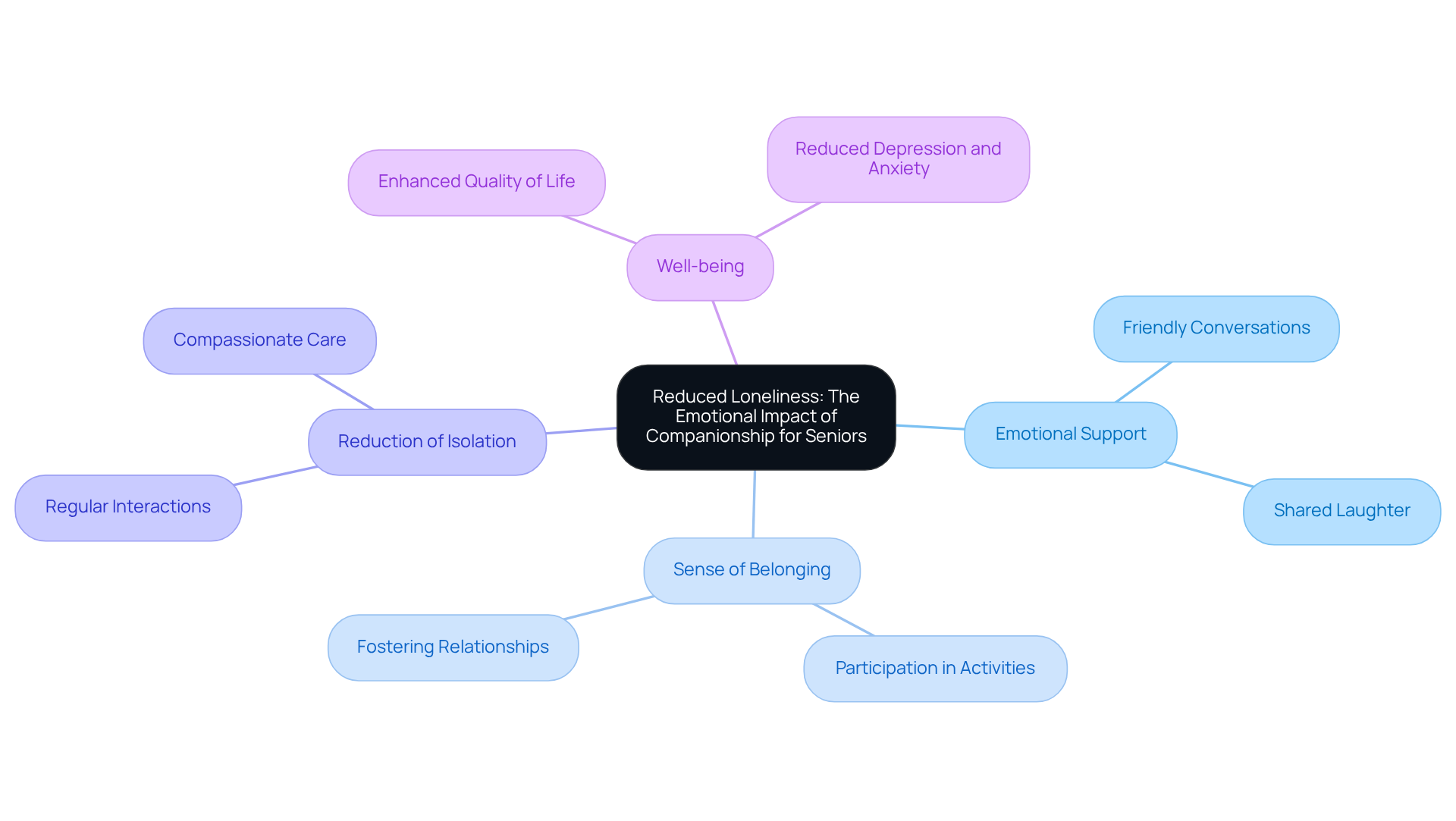
Senior companionship is vital for easing the loneliness that many older adults face. Regular interactions with caregivers or companions provide not only emotional support but also foster a sense of belonging through senior companionship. This connection can significantly enhance senior companionship and reduce feelings of isolation.
Imagine the warmth of a friendly conversation or the joy of shared laughter. Research shows that older adults who participate in senior companionship activities are less likely to experience depression and anxiety. This participation leads to a more fulfilling life, filled with meaningful moments.
It’s heartening to know that through compassionate care, we can help create these connections. By fostering relationships, we can offer senior companionship that provides the emotional and practical support that makes a real difference. Together, we can combat loneliness and promote well-being, ensuring that every older adult feels valued and connected.
Enhanced Mental Engagement: How Companionship Stimulates Happiness in Seniors
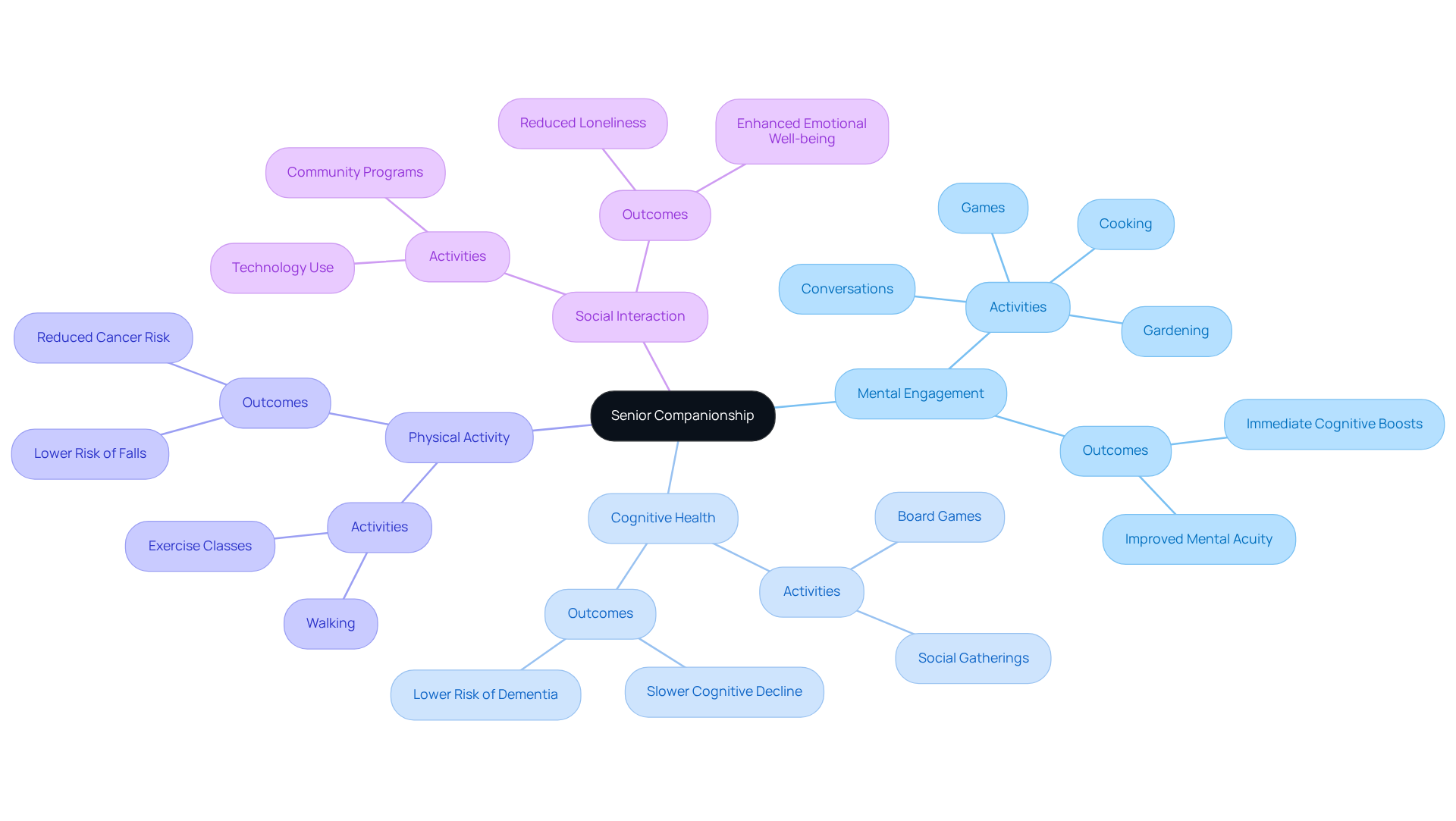
Senior companionship is crucial for older adults, providing not just joy but also vital mental engagement through conversations, games, and shared activities. These interactions can truly brighten their days and stimulate cognitive functions, helping to keep their minds sharp. Research shows that engaging with friends or companions can lead to immediate cognitive boosts. For instance, a study led by Ruixue Zhaoyang at Penn State revealed that older adults aged 70 to 90 who enjoyed frequent interpersonal interactions performed better on cognitive tests.
Activities like cooking, gardening, or even playing simple board games provide wonderful opportunities for mental stimulation and bonding. Moreover, senior companionship encourages more physical activity, which can significantly lower the risk of falls and certain types of cancer. This holistic approach to senior companionship not only enhances cognitive health but also contributes to a more fulfilling and enriched life for older adults.
As specialists emphasize, senior companionship plays a crucial role in preserving cognitive health. This highlights its importance in combating social isolation, a significant risk factor for cognitive decline. By fostering these connections, we can help our loved ones lead happier, healthier lives.
Peace of Mind: Family Reassurance Through Companion Care
Knowing that a loved one benefits from senior companionship can bring immense peace of mind to families. It’s a comforting thought, isn’t it? Companion caregivers offer senior companionship by not only assisting elderly individuals but also keeping family members updated on their loved one’s well-being. This reassurance allows families to focus on their own lives, knowing their loved ones are cared for and engaged.
Imagine the relief of receiving a call from a caregiver, sharing a smile or a story about your loved one’s day. It’s these small moments that make a big difference. Families can rest easy, knowing that someone is there to provide not just care, but also senior companionship.
The emotional support offered through senior companionship by caregivers is invaluable. They understand the stress and burnout that can come with caregiving. By stepping in, they allow families to take a breath, to recharge, and to find joy in their own lives again.
So, if you’re feeling overwhelmed, remember that you’re not alone. There are compassionate caregivers ready to help. They’re here to ensure your loved ones are not just safe, but also happy and engaged. You can trust that they will treat your family with the same love and respect you would.
In this journey, it’s important to find balance. With the right support, families can thrive while their loved ones receive the care they deserve. Let’s embrace this opportunity for connection and peace.
https://iframe.tely.ai/cta/eyJhcnRpY2xlX2lkIjogIjY5MTEyYjEwMjkzYjNhZGQ5MWExYjhkOCIsICJjb21wYW55X2lkIjogIjY4ZWU1ZGNhNzMxNzYyNTU3ZjNjOTVjMSIsICJpbmRleCI6IDMsICJ0eXBlIjogImFydGljbGUifQ==Customized Care Plans: Tailoring Companionship to Individual Needs
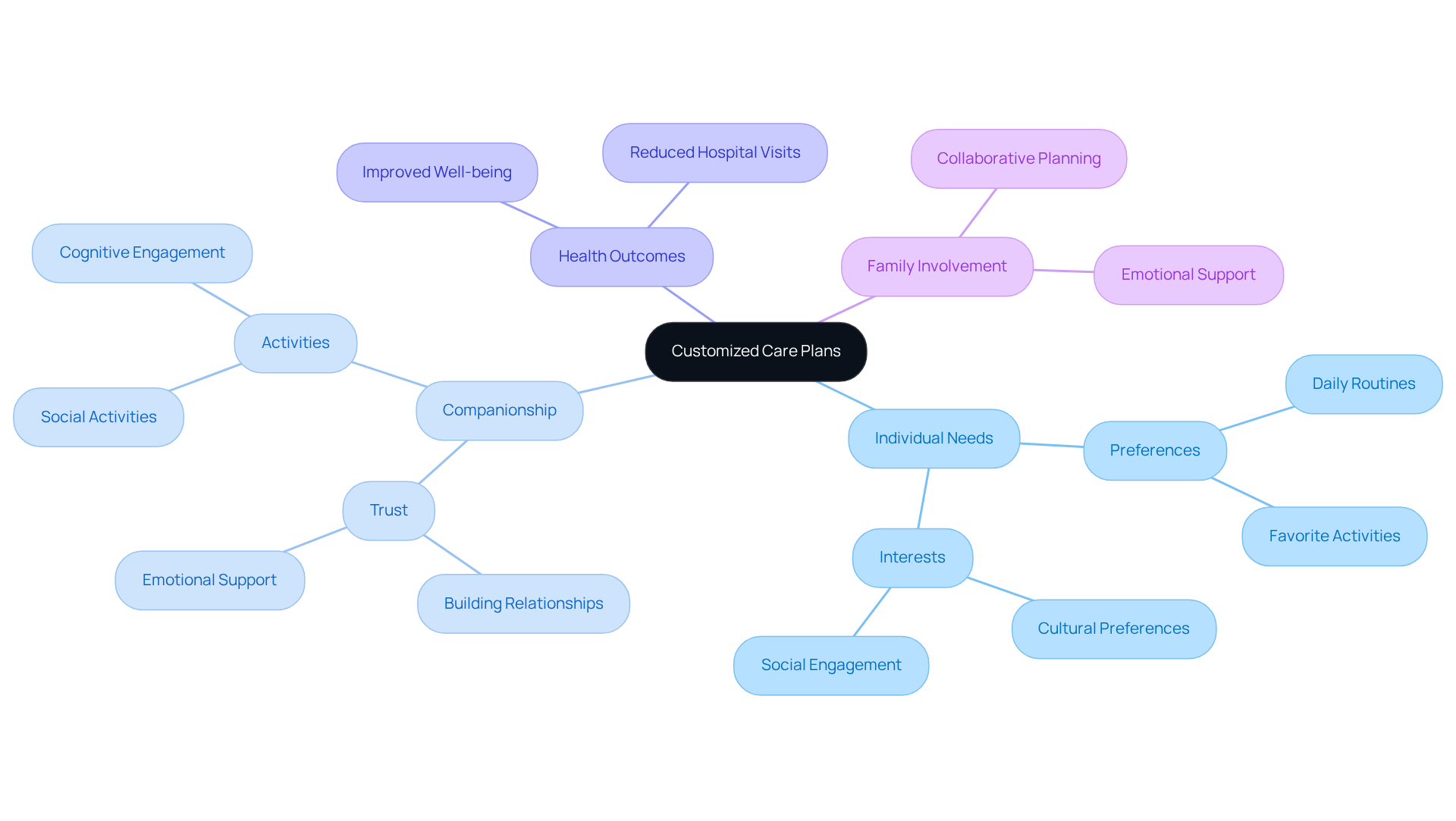
Personalized care plans play a vital role in fostering meaningful companionship among older adults. By taking the time to assess each person's unique needs, preferences, and interests, caregivers can create tailored plans that truly enhance the companionship experience. This thoughtful approach not only ensures that older adults receive the support they need but also encourages enjoyable activities and assistance with daily tasks, nurturing a sense of autonomy and respect.
Statistics reveal that personalized care plans can lead to improved health outcomes and emotional well-being for older adults. Studies show a reduction in hospital visits by up to 30% and a significant increase in happiness levels among those receiving customized care. For example, one case study illustrated how a visually impaired woman thrived with tailored support that enabled her to enjoy food from her homeland, highlighting the profound impact personalized care can have on quality of life.
Caregivers emphasize the importance of understanding older adults' routines and preferences, which fosters trust and companionship. As one caregiver noted, "By maintaining older adults' established routines and offering personalized care that aligns with their preferences, stress and anxiety levels are reduced." Involving family members in the care planning process ensures that the companionship provided resonates with the elderly individuals' lifestyles and values, ultimately enhancing their happiness and sense of belonging. This collaborative approach not only strengthens relationships but also empowers older adults to maintain control over their daily lives, reinforcing their autonomy and emotional well-being.
Increased Social Interaction: Companionship as a Catalyst for Engagement
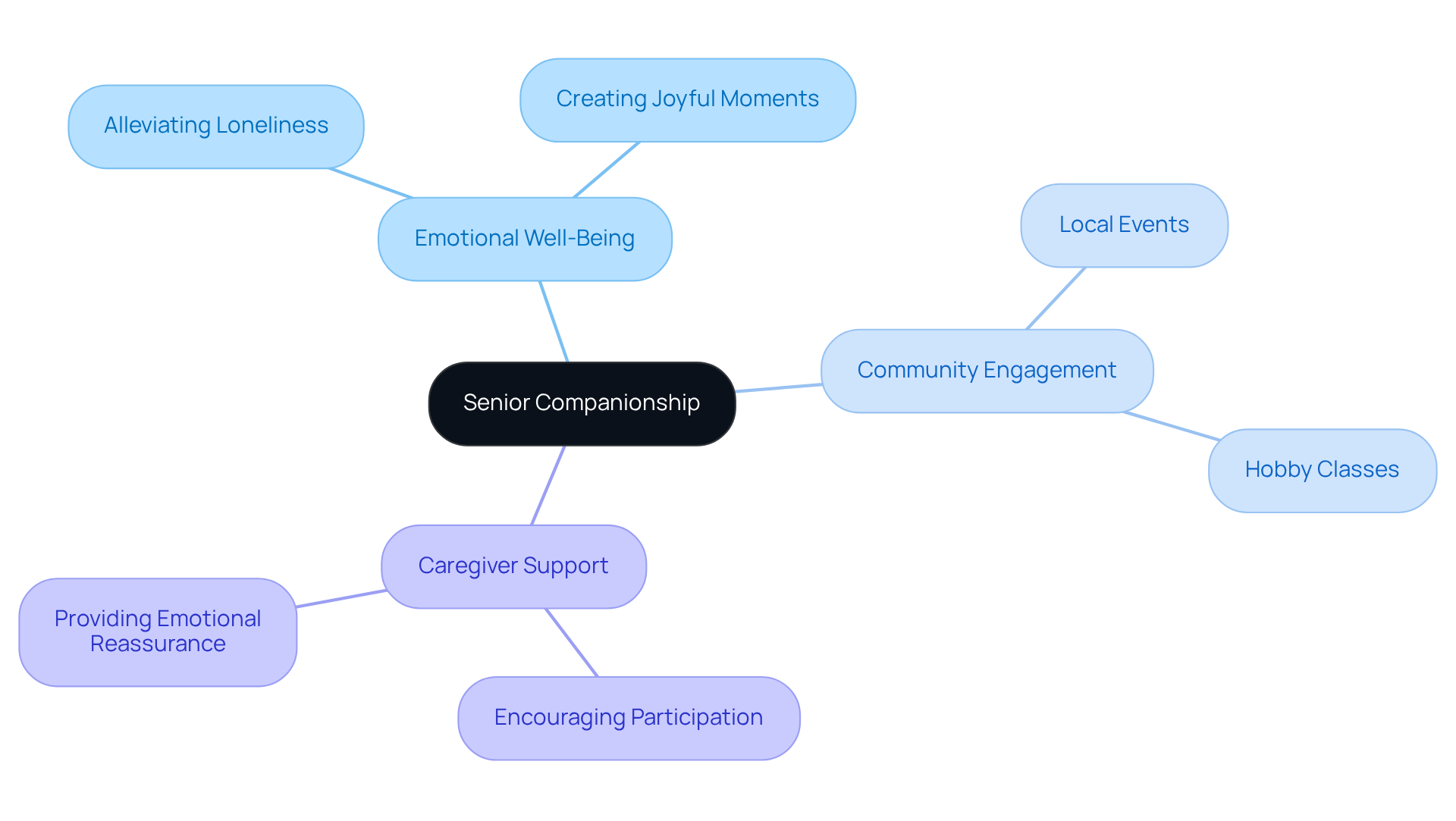
Senior companionship acts as a vital spark for fostering deeper connections among seniors. Caregivers play a crucial role in encouraging participation in community activities—be it attending local events, pursuing hobbies, or simply sharing heartfelt conversations. This social engagement not only helps to alleviate feelings of loneliness but also nurtures a sense of community and belonging, which is so important for emotional well-being.
Imagine the joy of a senior who, after a long day, finds comfort in the laughter shared during a hobby class or the warmth of a friendly chat at a community gathering. These moments are not just activities; they are lifelines that foster connection and support.
By promoting these interactions, caregivers help foster senior companionship, creating an environment where seniors feel valued and included. It’s about more than just keeping busy; it’s about building relationships through senior companionship that enriches lives. This sense of belonging can significantly enhance emotional health, making each day a little brighter.
In this nurturing space, caregivers not only provide practical support but also emotional reassurance. They understand the challenges faced by seniors and their families, offering a compassionate presence that makes all the difference. Together, they create a tapestry of care that weaves through the fabric of community life, reminding us all of the power of connection.
Promoting Independence: The Role of Companionship in Senior Living
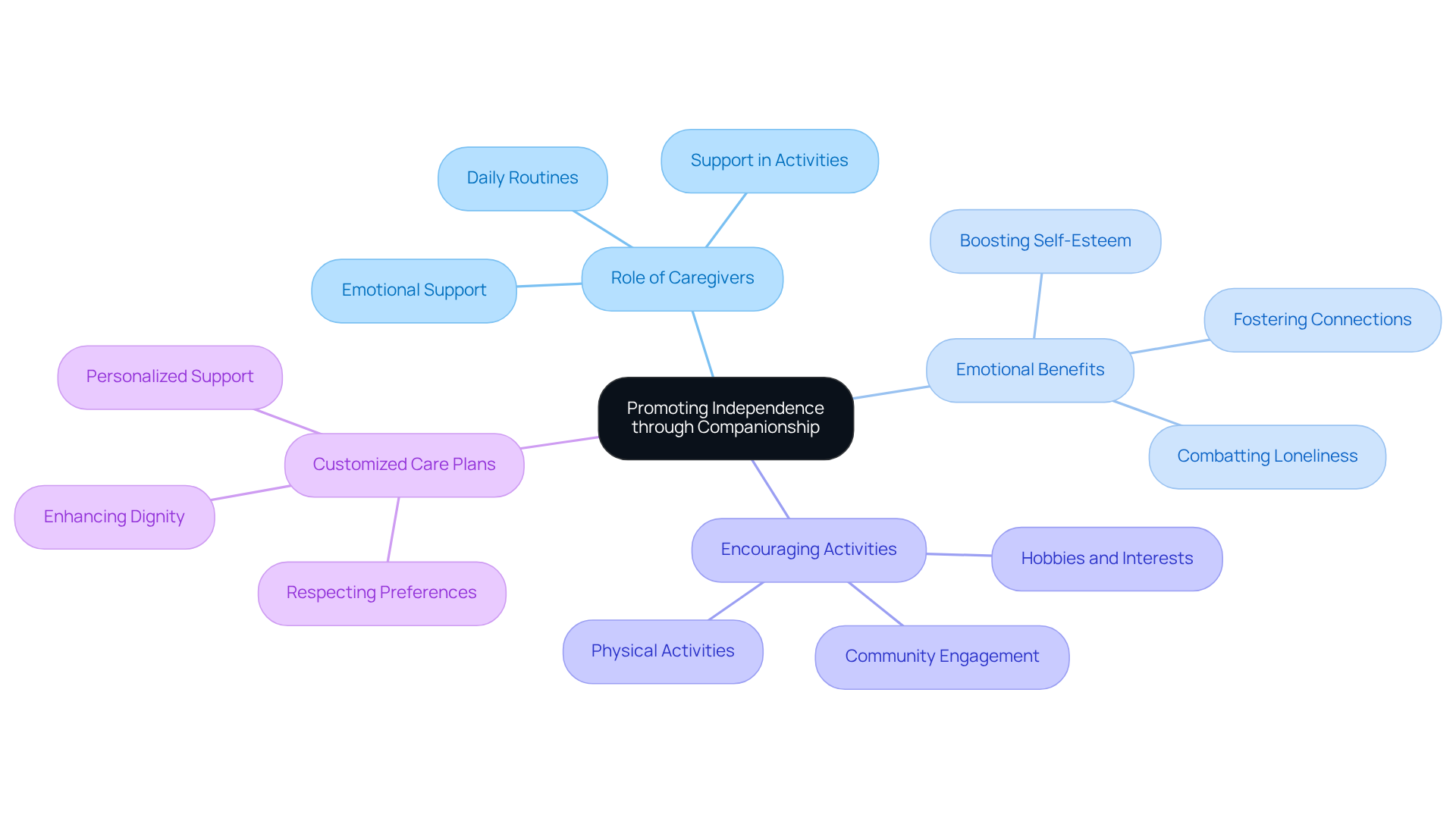
Senior companionship is essential for older adults, as it encourages them to participate in enjoyable and manageable activities. Caregivers play a crucial role in this process, supporting elderly individuals in maintaining their daily routines while offering assistance when needed. This careful balance empowers older adults, allowing them to feel in control of their lives—something vital for their self-esteem and overall well-being.
As one caregiver noted, enabling older adults in their daily activities nurtures a sense of purpose and confidence. This, in turn, strengthens their ability to thrive in familiar settings. Moreover, senior companionship combats loneliness and promotes mental health by fostering emotional connections and social engagement.
By emphasizing routine and assistance, caregivers help elderly individuals navigate their lives with dignity and independence. Involving older adults in hobbies, community events, and personalized activities tailored to their preferences significantly enhances their quality of life. It underscores the importance of customized care plans.
As Dr. Emily Roberts beautifully states, 'Senior companionship is more than just assistance—it's about friendship and mental engagement.' This highlights the emotional and social benefits that companionship brings to older adults, reminding us all of the profound impact of caring relationships.
Improved Physical Health: Companionship and Active Living for Seniors
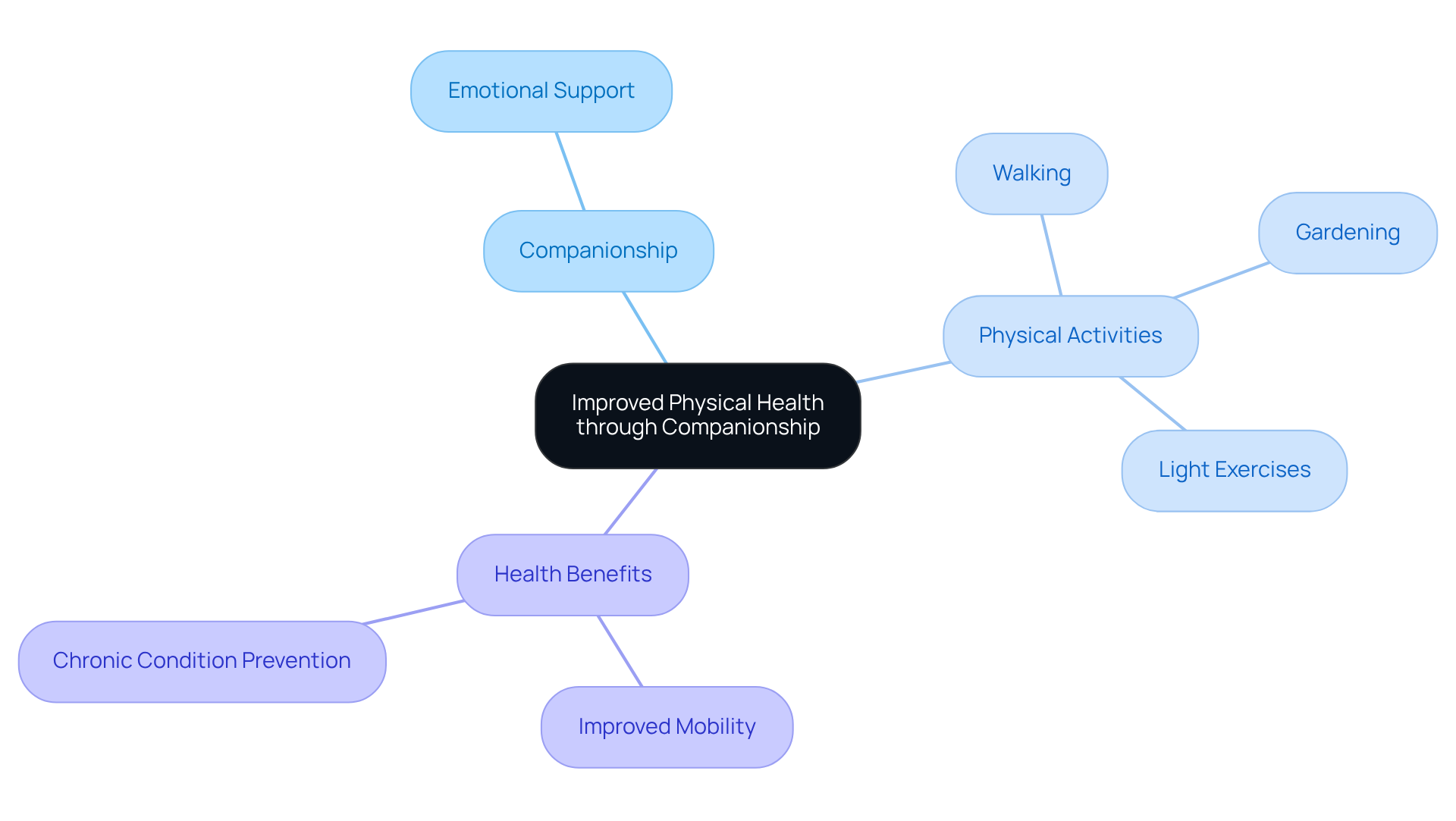
Senior companionship plays a vital role in enhancing the physical well-being of older adults. It motivates them to stay active, which is so important for their health. Caregivers often engage older adults in enjoyable physical activities like:
- Walking
- Gardening
- Light exercises
These activities not only boost mobility but also contribute to overall health.
Regular physical activity is essential for preventing chronic conditions and maintaining a healthy lifestyle. It’s heartwarming to see how these simple acts of companionship can lead to significant improvements in well-being. By fostering an active lifestyle, caregivers offer senior companionship that provides not just physical support but also emotional encouragement, helping older adults feel valued and connected.
Emotional Support: The Comfort of Companionship for Seniors
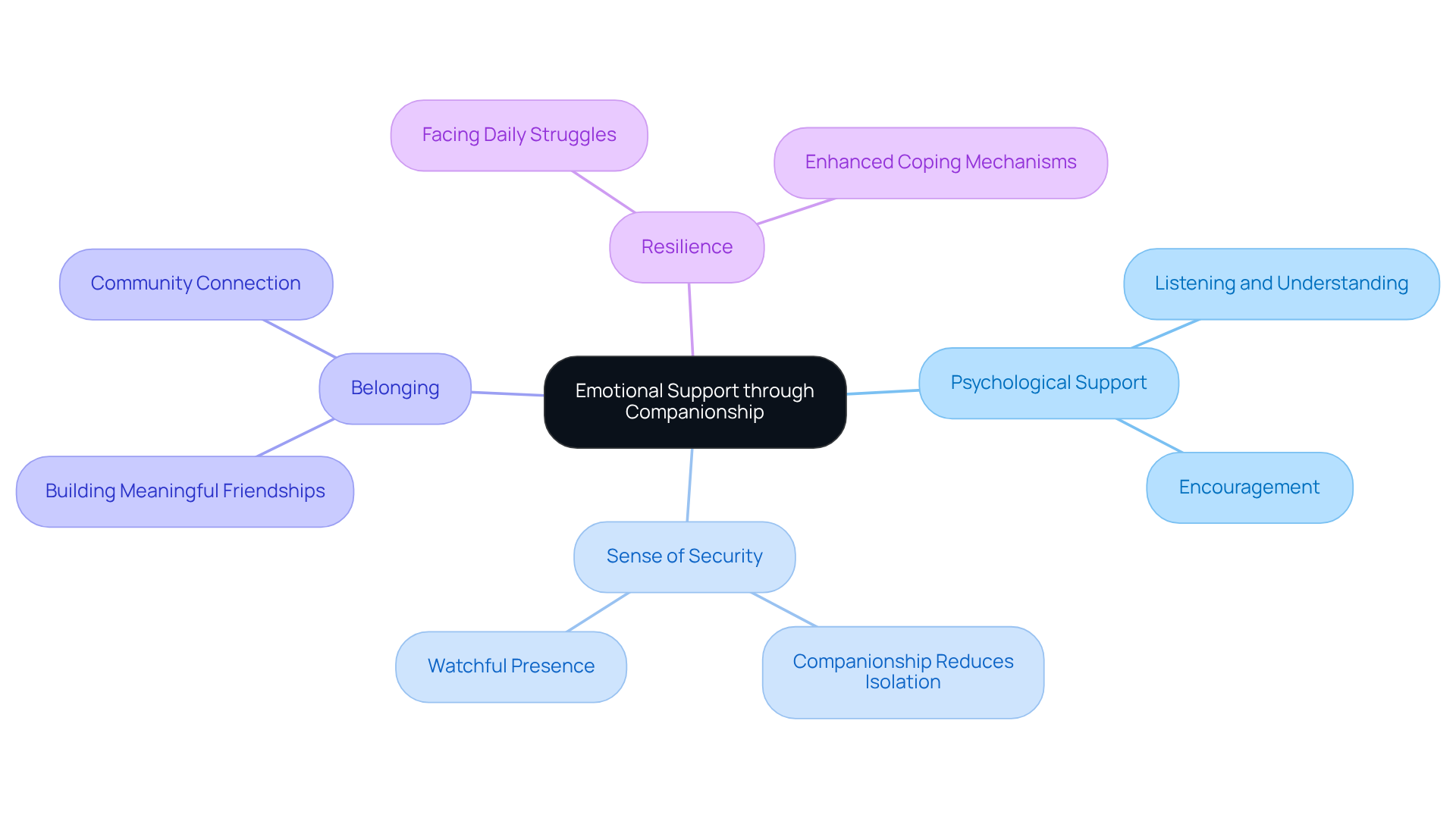
Senior companionship provides vital psychological support to older adults, helping them navigate the challenges that come with aging. Caregivers step in with a listening ear, genuine understanding, and encouragement. This compassionate presence can truly lighten feelings of sadness or anxiety.
Such heartfelt connections foster a sense of security and belonging, which is crucial for maintaining mental health, particularly through senior companionship. When older adults feel supported, they can face their daily struggles with greater resilience. It’s this nurturing bond of senior companionship that makes all the difference, reminding them they’re not alone on this journey.
Overall Quality of Life Enhancement: The Comprehensive Benefits of Senior Companionship
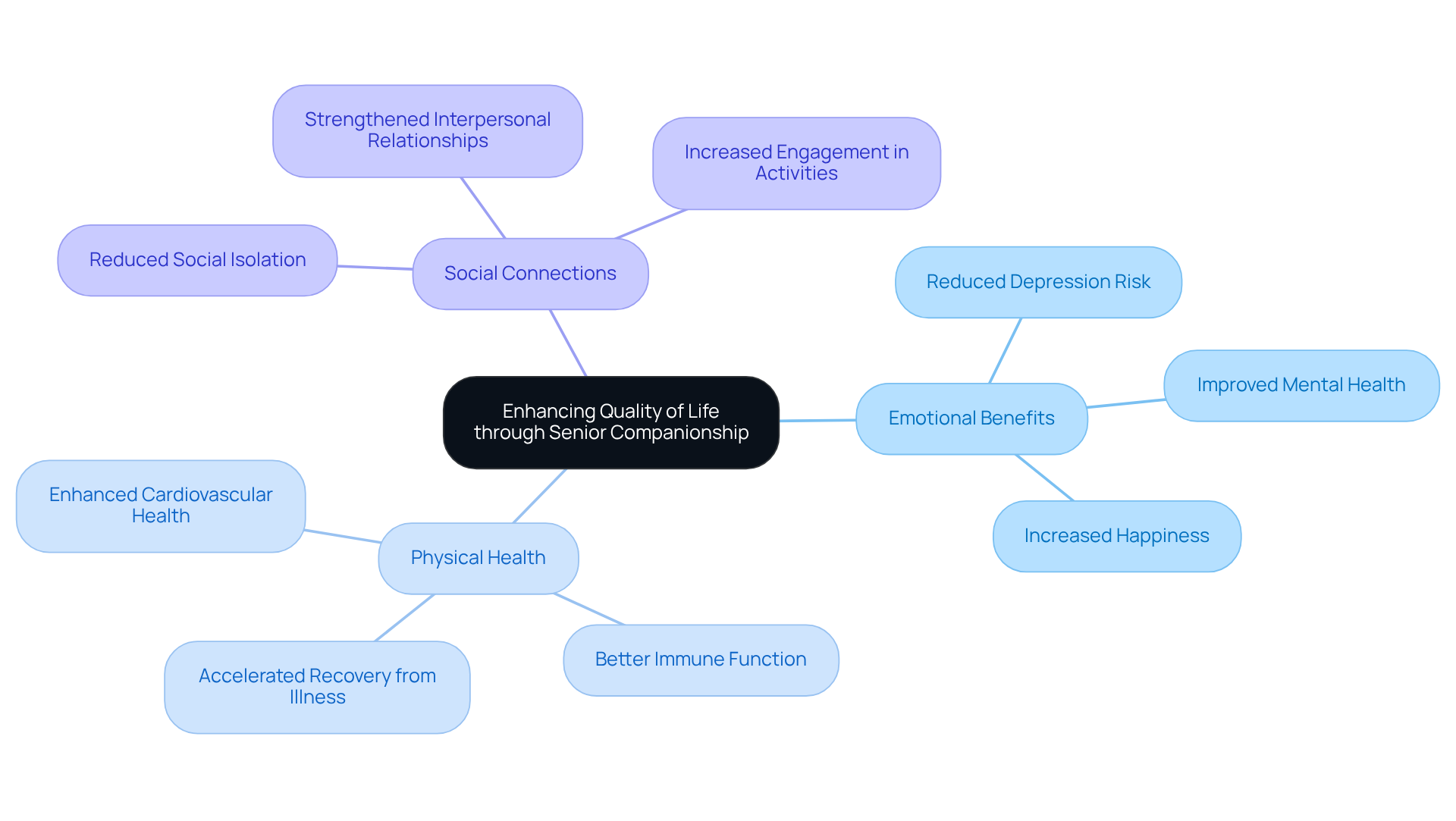
Senior companionship services play a vital role in enhancing the quality of life for older adults by meeting their emotional and physical needs. It’s heartening to know that research shows seniors who engage in regular senior companionship report significantly higher levels of happiness and improved mental health. For instance, studies reveal that strong interpersonal connections can reduce the risk of depression by up to 40% and boost cognitive function, which is crucial for maintaining independence and dignity as we age. Moreover, social isolation can increase the risk of premature death from all causes at rates comparable to smoking, obesity, and physical inactivity, highlighting the urgent need for senior companionship services.
Companionship also nurtures a sense of purpose, allowing older adults to engage in enjoyable activities and forge meaningful connections. This holistic approach not only eases feelings of loneliness but also leads to better physical health outcomes, such as enhanced cardiovascular health and a more robust immune system.
The benefits of senior companionship extend beyond mere existence; they provide emotional support that helps seniors navigate challenges, ultimately leading to a more fulfilling and enriched life. By incorporating senior companionship into in-home care, caregivers can significantly uplift the well-being of their clients, ensuring they feel valued and connected in their daily lives.
Key Takeaways for Caregivers
Senior companionship is truly a cornerstone in enhancing the lives of older adults and providing invaluable support to their families. It fosters emotional connections, promotes mental engagement, and ensures physical well-being. This companionship transforms the caregiving experience into one that nurtures both the heart and mind. It addresses not just the immediate needs of seniors but enriches their overall quality of life, making them feel valued and connected.
Throughout this article, we’ve highlighted key benefits of senior companionship. These include:
- Reducing loneliness and depression
- Promoting independence
- Enhancing mental and physical health
Personalized care plans tailored to individual preferences further emphasize the importance of creating meaningful relationships between caregivers and seniors. These connections lead to improved emotional support, increased social interaction, and a sense of purpose that significantly uplifts the lives of older adults.
The significance of senior companionship goes beyond individual well-being; it offers families peace of mind, knowing their loved ones are cared for and engaged. By prioritizing companionship in caregiving, families can alleviate stress, foster resilience, and create a nurturing environment that allows everyone to thrive. Embracing the power of companionship is essential not just for enhancing the lives of seniors, but for enriching the family dynamic as a whole.
In the words of one caregiver, "Seeing the joy on a senior's face when they connect with someone is priceless." This sentiment captures the essence of what companionship truly means. It’s about creating bonds that uplift and support, ensuring that both seniors and their families feel the warmth of connection.
https://iframe.tely.ai/cta/eyJhcnRpY2xlX2lkIjogIjY5MTEyYjEwMjkzYjNhZGQ5MWExYjhkOCIsICJjb21wYW55X2lkIjogIjY4ZWU1ZGNhNzMxNzYyNTU3ZjNjOTVjMSIsICJpbmRleCI6IG51bGwsICJ0eXBlIjogImFydGljbGUifQ==Frequently Asked Questions
What services does Happy to Help Caregiving provide for seniors?
Happy to Help Caregiving offers personalized companionship services designed to address the emotional and physical needs of older adults. Their caregivers provide psychological support and engage clients in enjoyable activities to enhance their quality of life.
Why is psychological support important in elderly caregiving?
Psychological support is vital in elderly caregiving as it fosters resilience and stability, helping older adults navigate life's changes with confidence. It also alleviates feelings of loneliness and reduces the risk of depression.
How does Happy to Help Caregiving create individualized care plans?
Happy to Help Caregiving works closely with families to ensure that each senior's preferences and routines are honored, creating tailored care plans that significantly boost mental well-being and foster meaningful connections.
What is the cost of companionship services provided by Happy to Help Caregiving?
The companion care services typically range from $20 to $30 per hour, making them an accessible choice for families.
How does senior companionship impact loneliness and mental health?
Senior companionship is essential for easing loneliness, providing emotional support, and fostering a sense of belonging. Regular interactions with caregivers can significantly reduce feelings of isolation and enhance overall mental well-being.
What activities are included in senior companionship services?
Activities may include conversations, games, cooking, gardening, and other shared experiences that stimulate cognitive functions and promote mental engagement.
How does companionship contribute to cognitive health in seniors?
Engaging with companions can lead to cognitive boosts, as studies show that older adults who have frequent interpersonal interactions perform better on cognitive tests. This engagement also encourages physical activity, which can lower health risks.
What is the overall goal of Happy to Help Caregiving's services?
The overall goal is to transform the caregiving experience into one that nurtures both the heart and mind, enriching the lives of older adults by combating loneliness and promoting well-being.