
Understanding Elderly Solutions
Navigating the complexities of elderly care can feel overwhelming for families. Emotional, physical, and logistical challenges often loom large, creating a pressing need for effective solutions. Ensuring the well-being of seniors while providing peace of mind for caregivers has never been more critical.
This article explores seven essential strategies designed to enhance the quality of life for elderly individuals. These strategies also empower family caregivers, helping them manage their responsibilities with confidence. How can families bridge the gap between care and support? By implementing these actionable solutions, they can ensure their loved ones thrive while finding balance in their own lives.
Happy to Help Caregiving: Companionship Care for Seniors
Loneliness and depression are significant challenges faced by older adults, often leading to a decline in mental well-being. Without adequate emotional support and social interaction, many seniors may feel isolated and disconnected from their communities. This is where companionship care comes into play, offering elderly solutions to these pressing issues.
Companionship care, provided by Happy to Help Caregiving, emphasizes emotional support and social engagement. Caregivers play a crucial role by engaging clients in meaningful conversations and activities, which can significantly alleviate feelings of loneliness. By nurturing these connections, caregivers help older adults maintain a sense of purpose and belonging, essential for their overall well-being.
Families can take comfort in knowing that their loved ones are receiving compassionate care that prioritizes emotional needs. This form of elderly solutions not only improves mental health but also encourages seniors to stay active and involved in their communities. Regular social engagement fosters a supportive environment, allowing older adults to thrive and enjoy a fulfilling life.
Post-Hospital Recovery Assistance: Ensuring Safe Transitions Home
Transitioning from hospital to home can be a daunting challenge for elderly individuals, highlighting the need for elderly solutions. This period often brings about uncertainty and anxiety, not just for the seniors but also for their families. Without adequate support, the risk of readmission increases, which can complicate recovery and strain family dynamics.
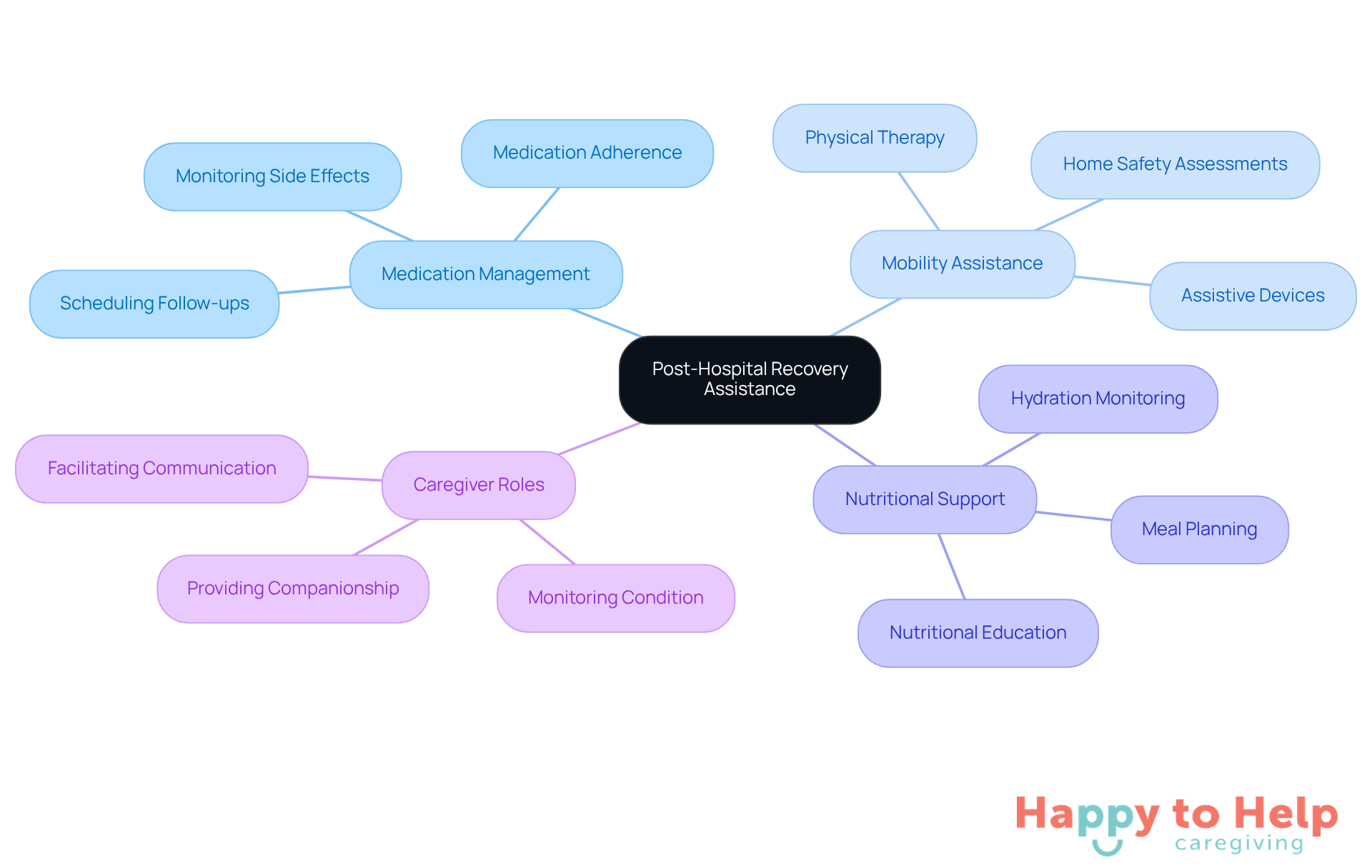
To address these concerns, elderly solutions like post-hospital recovery support programs are essential. These specialized services create personalized recovery plans tailored to the unique needs of each individual. Key components include:
- Medication management
- Mobility assistance
- Nutritional support
Caregivers play a vital role in this process, monitoring the senior's condition, providing companionship, and ensuring that follow-up appointments are scheduled and attended.
By fostering a calm and supportive atmosphere, caregivers significantly reduce the likelihood of readmission and promote a smoother recovery. Families can find peace of mind knowing their loved ones are receiving the necessary support during this critical time. Implementing these elderly solutions not only aids in recovery but also enhances the overall well-being of seniors as they navigate this transition.
Respite Care Services: Supporting Family Caregivers
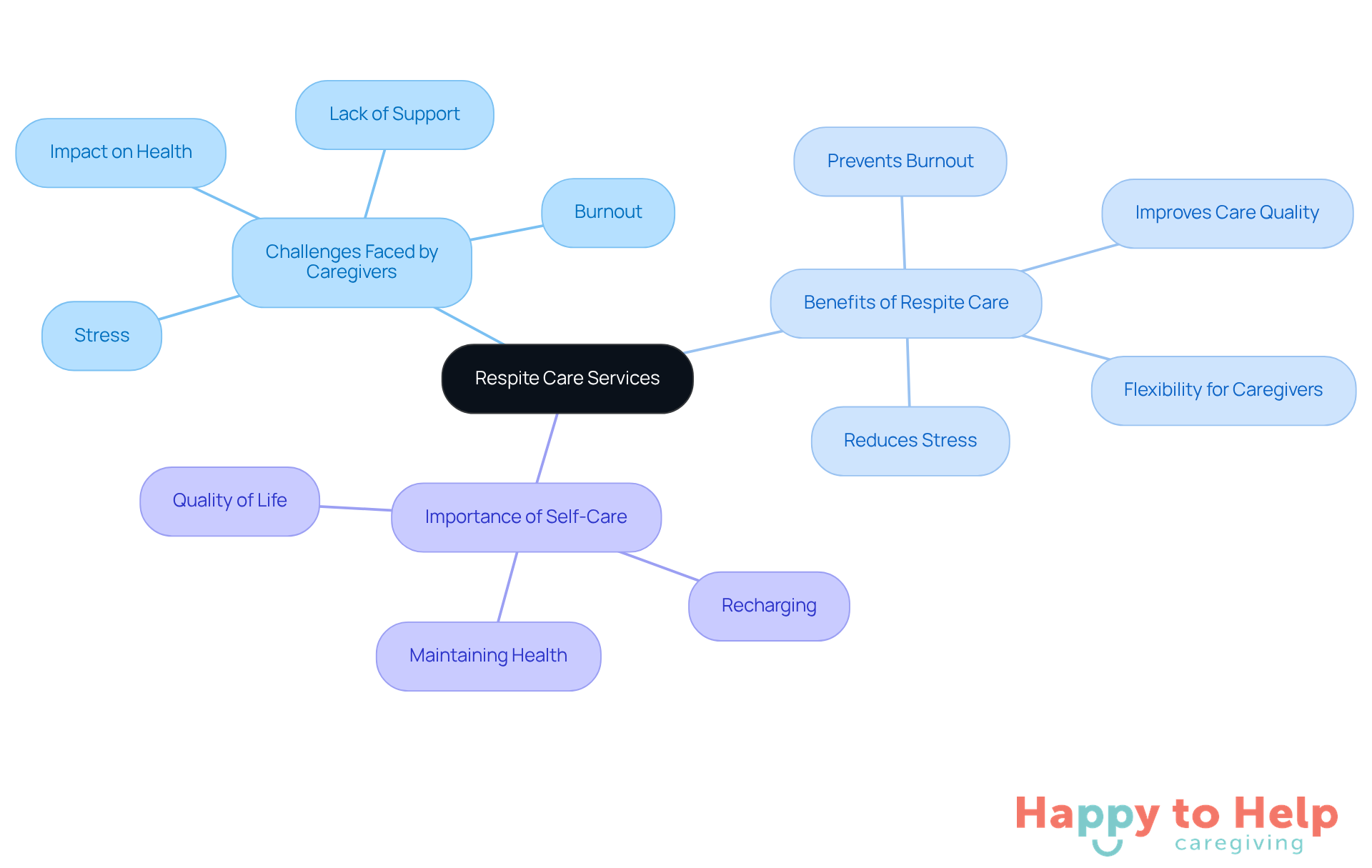
Caregivers face significant challenges, often leading to burnout and stress. The demands of providing care can be overwhelming, impacting both their physical and mental well-being. Without proper support, caregivers may struggle to manage their responsibilities effectively, which can ultimately affect the quality of care their loved ones receive.
Respite assistance is one of the elderly solutions that offers a practical response to this pressing issue. By providing temporary relief, it allows caregivers to take much-needed breaks while ensuring that their loved ones continue to receive quality care. This service can be tailored to fit various needs, whether for a few hours or longer durations, giving caregivers the flexibility they require.
The benefits of respite assistance are manifold:
- It not only helps prevent caregiver burnout but also reduces stress, enabling caregivers to recharge and maintain their overall health.
- Families can rest assured knowing their loved ones are in capable hands, allowing them to manage their responsibilities more effectively.
Incorporating elderly solutions such as respite care into a caregiving routine can enhance the overall experience for both caregivers and seniors. By prioritizing self-care, caregivers can improve their well-being, leading to better outcomes for those they care for. Consider respite assistance as a vital resource in your caregiving journey.
Key Takeaways for Caregivers
Elderly care presents a multifaceted challenge that demands thoughtful solutions to ensure both seniors and their caregivers can thrive. Family caregivers often face emotional, physical, and logistical hurdles that can be overwhelming. Addressing these needs is crucial for fostering a supportive environment that enhances the overall well-being of loved ones.
Companionship care is vital in combating loneliness and depression among seniors, highlighting the importance of social interaction. Additionally, post-hospital recovery assistance is necessary to ensure safe transitions home, preventing complications that can arise during this critical period. Respite care services play a crucial role in preventing caregiver burnout, allowing caregivers to recharge while ensuring their loved ones receive the care they need.
Embracing these elderly solutions goes beyond mere management of care; it nurtures relationships and enhances quality of life. Family caregivers are encouraged to explore these resources and strategies, ensuring their loved ones receive compassionate care while also prioritizing their own well-being. By investing in these essential solutions, families can cultivate a more fulfilling and balanced caregiving experience, paving the way for happier, healthier lives for everyone involved.
Frequently Asked Questions
What challenges do older adults face regarding mental well-being?
Older adults often face challenges such as loneliness and depression, which can lead to a decline in their mental well-being.
What is companionship care?
Companionship care is a service provided by Happy to Help Caregiving that emphasizes emotional support and social engagement for seniors.
How do caregivers contribute to companionship care?
Caregivers engage clients in meaningful conversations and activities, helping to alleviate feelings of loneliness and nurturing connections that maintain a sense of purpose and belonging.
What are the benefits of companionship care for seniors?
Companionship care improves mental health, encourages seniors to stay active and involved in their communities, and fosters a supportive environment for a fulfilling life.
How does companionship care affect families of seniors?
Families can take comfort in knowing that their loved ones are receiving compassionate care that prioritizes their emotional needs.
List of Sources
- Happy to Help Caregiving: Companionship Care for Seniors
- The Role of Companion Care in Reducing Depression Among Seniors (https://malamamaikai.com/role-of-companion-care-in-reducing-depression-among-seniors)
- The Impact of Elderly Companion Services (https://h2hhc.com/blog/elderly-companion-services)
- 10 Benefits of Professional Companion Services for Family Caregivers - Happy To Help (https://happytohelpcaregiving.com/10-benefits-of-professional-companion-services-for-family-caregivers)
- How Companionship in Home Care Boosts Seniors' Mental Health - Care With Love (https://carewithlove.com/how-companionship-in-home-care-boosts-seniors-mental-health)
- Trends in Loneliness Among Older Adults from 2018-2023 (https://ihpi.umich.edu/national-poll-healthy-aging/reports-and-resources/trends-loneliness-among-older-adults-2018-2023)
- Post-Hospital Recovery Assistance: Ensuring Safe Transitions Home
- Rehab at Home: The Advantages of Personalized Recovery Plans (https://inspirahealthnetwork.org/news/healthy-living/rehab-home-advantages-personalized-recovery-plans)
- Association of physical function with hospital readmissions among older adults: A systematic review (https://shmpublications.onlinelibrary.wiley.com/doi/10.1002/jhm.13538)
- Readmission rates and predictors of avoidable readmissions in older adults in a tertiary care centre - PMC (https://pmc.ncbi.nlm.nih.gov/articles/PMC9730993)
- Hospital Readmissions After Major Surgery Among Community-Living Older Adults (https://jamanetwork.com/journals/jamanetworkopen/fullarticle/2815588)
- Customized Care at Home: The Benefits of Personalized Care Plans - VNA Health Group (https://vnahg.org/customized-care-at-home-the-benefits-of-personalized-care-plans)
- Respite Care Services: Supporting Family Caregivers
- Caregiver Statistics: Health, Technology, and Caregiving Resources (https://caregiver.org/resource/caregiver-statistics-health-technology-and-caregiving-resources)
- 2023 Study — Caregiving in America, Statistics on Family Caregivers and Beyond | Guardian (https://guardianlife.com/reports/caregiving-in-america)
- Improving Support for Family Caregivers (https://nationalacademies.org/news/2025/07/improving-support-for-family-caregivers)
- A bill in Congress would return $5,000 to millions of family caregivers every year, but will it pass? (https://cbsnews.com/newyork/news/credit-for-caring-act-family-caregiver-tax-credit)