

For families in our service areas
For families in our service areas, this guide explains caregiving and how non-medical in-home caregiving can support care planning in East Idaho, Treasure Valley & Magic Valley, Northern Wasatch, North Central West Virginia, and Northeast Ohio.
What You Need to Know About Private Care Services for Elderly at
The aging population encounters significant challenges in maintaining independence and quality of life at home. As the demand for effective private care services increases, it becomes essential for families and caregivers to understand the support available. This article delves into seven vital private care services that enhance the well-being of elderly individuals. From companionship that alleviates loneliness to personalized care plans tailored to unique needs, these services play a crucial role in improving the lives of seniors.
How can families ensure their loved ones receive the best care possible while navigating the complexities of aging? By recognizing the challenges and exploring practical solutions, caregivers can make informed decisions that positively impact their loved ones' lives.
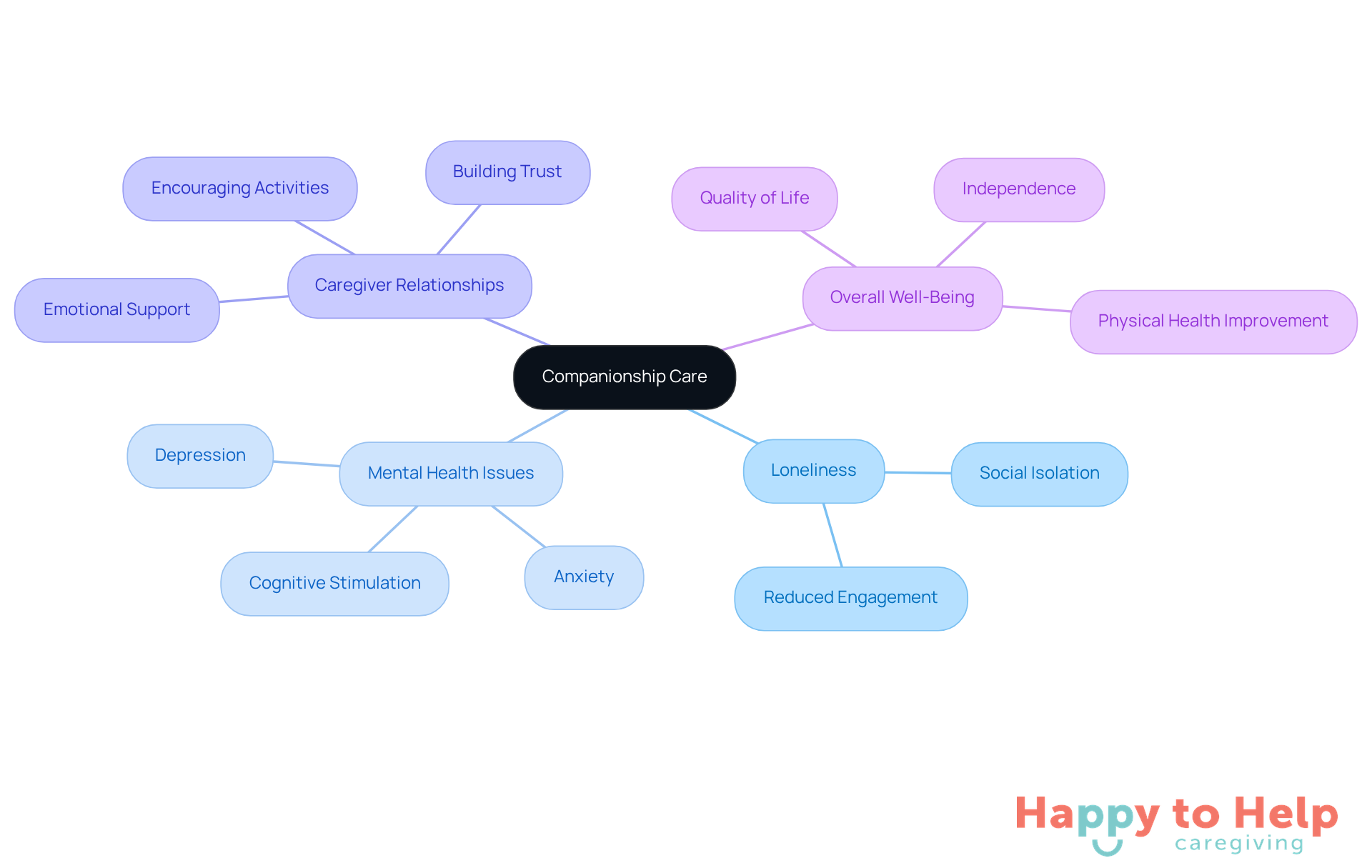
Happy to Help Caregiving: Companionship Care for Enhanced Well-Being
Companionship care addresses a significant problem: loneliness among older adults. This isolation can lead to serious mental health issues, including depression and anxiety, which diminish their quality of life. Without regular social interaction, many seniors struggle to maintain a sense of purpose and connection.
At Happy to Help Caregiving, caregivers are trained to build meaningful relationships with clients. These interactions not only alleviate feelings of loneliness but also encourage participation in enjoyable activities, promoting independence. Research shows that consistent companionship can dramatically lower the risk of mental health issues, fostering a more fulfilling and active lifestyle.
By prioritizing emotional support, Happy to Help Caregiving provides a solution that enhances the overall well-being of clients. This approach highlights the essential role of companionship in private care in the home for elderly, ensuring that older adults enjoy a better quality of life.
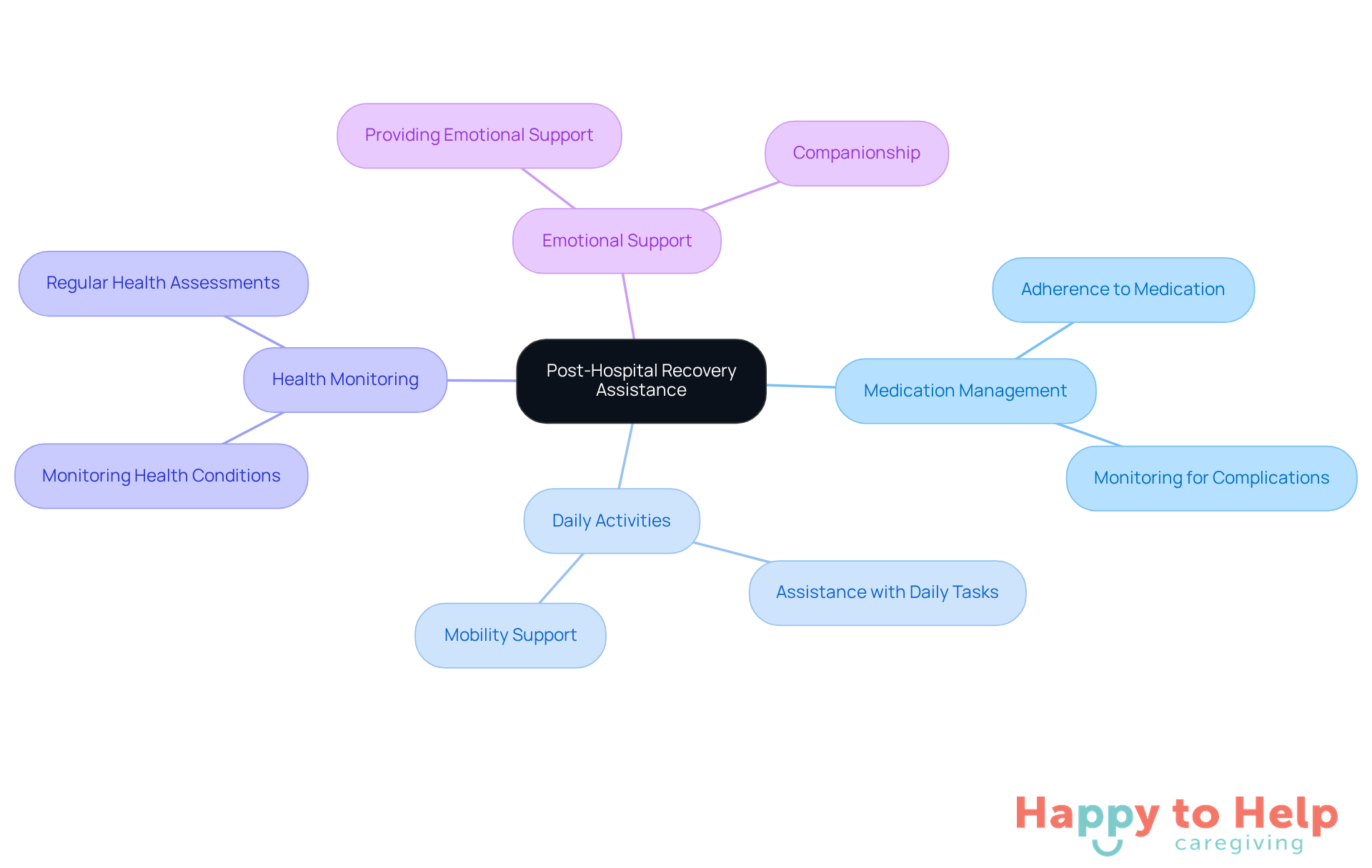
Post-Hospital Recovery Assistance: Facilitating Safe Transitions Home
Post-hospital recovery presents significant challenges for elderly individuals, making private care in the home for elderly essential after their hospital discharge. Many leave with complex medication regimens, which can lead to complications and increased readmission rates. In fact, studies show that 62% of patients recover within the first month post-hospitalization, highlighting the critical need for timely recovery assistance.
Caregivers from Happy to Help Caregiving play a crucial role in providing private care in the home for elderly to address these challenges. They ensure clients adhere to their prescribed medications, significantly reducing the risk of complications. Additionally, private care in the home for elderly can effectively manage medication schedules and provide necessary health monitoring, further lowering readmission rates.
Beyond medication management, caregivers also assist with daily activities and closely monitor health conditions. This support is vital, as older adults face a heightened risk of falls and other complications during recovery. Stress can impair the immune system, slow recovery, and elevate the risk of readmission, making emotional support from caregivers essential.
Happy to Help Caregiving offers private care in the home for elderly clients by fostering a safe and supportive environment that helps them regain their strength and independence. This ultimately enhances their overall well-being. The transition from hospital to home can be daunting, but with the right support, seniors can recover comfortably and confidently in familiar surroundings.
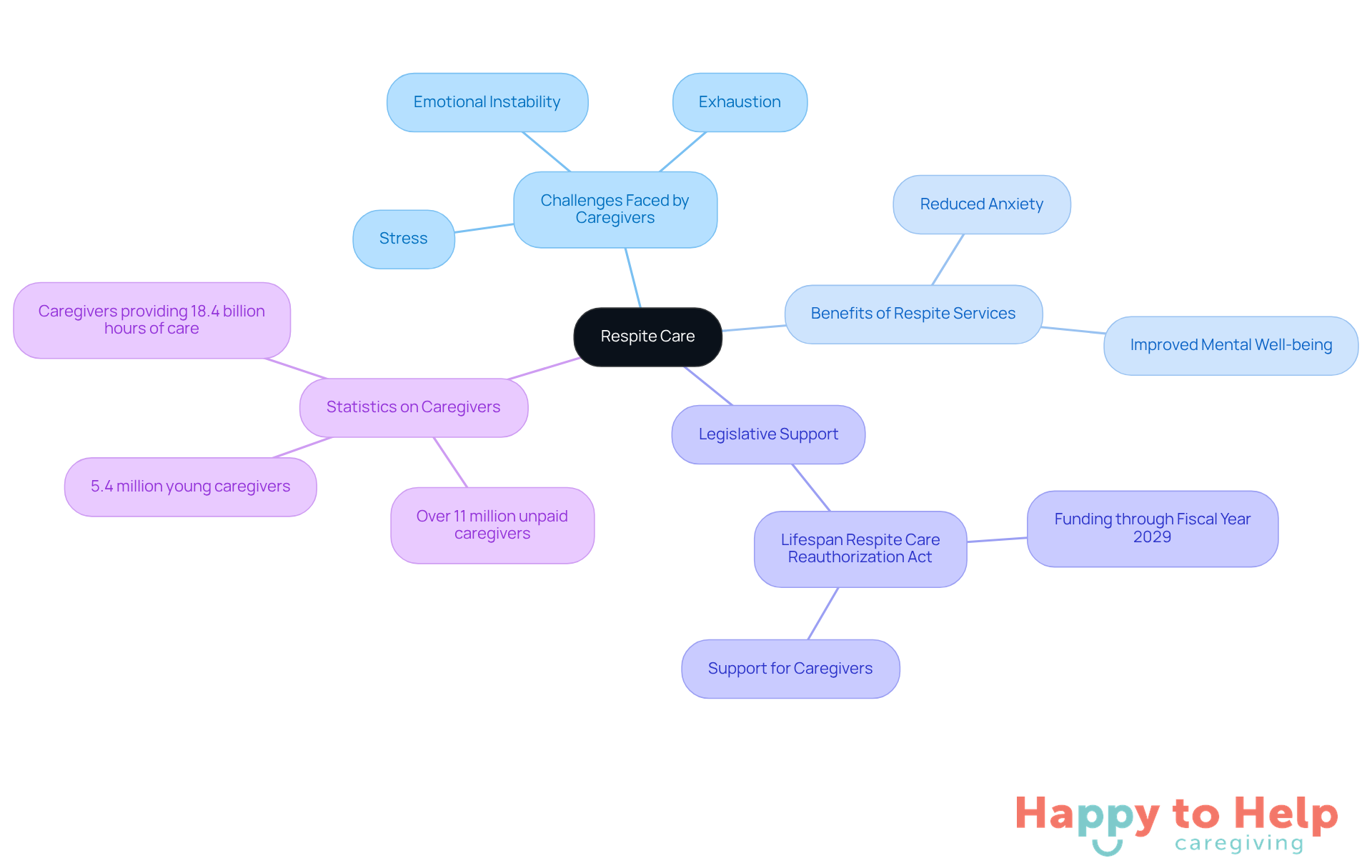
Respite Care: Supporting Family Caregivers with Temporary Relief
Caregivers often face significant challenges, including stress and exhaustion from their responsibilities. This burden can lead to emotional instability and even symptoms of depression, as highlighted by the Family Caregiver Alliance. Many caregivers find themselves overwhelmed, struggling to balance their own well-being with the needs of their loved ones.
Respite assistance offers a vital solution, providing temporary relief that allows caregivers to recharge. Happy to Help Caregiving offers flexible respite options, ensuring that family members can take necessary breaks without the constant worry about their loved one's care. Research shows that those who utilize respite services experience reduced anxiety and improved mental well-being.
By prioritizing the well-being of caregivers, respite services not only support individual helpers but also foster a healthier family environment. The Lifespan Respite Care Reauthorization Act underscores the importance of these services, ensuring continued support for essential programs through fiscal year 2029. With over 11 million Americans providing unpaid care for loved ones with Alzheimer’s, the significance of respite services cannot be overstated. They are crucial for maintaining the emotional stability of caregivers and enhancing the overall family dynamic.
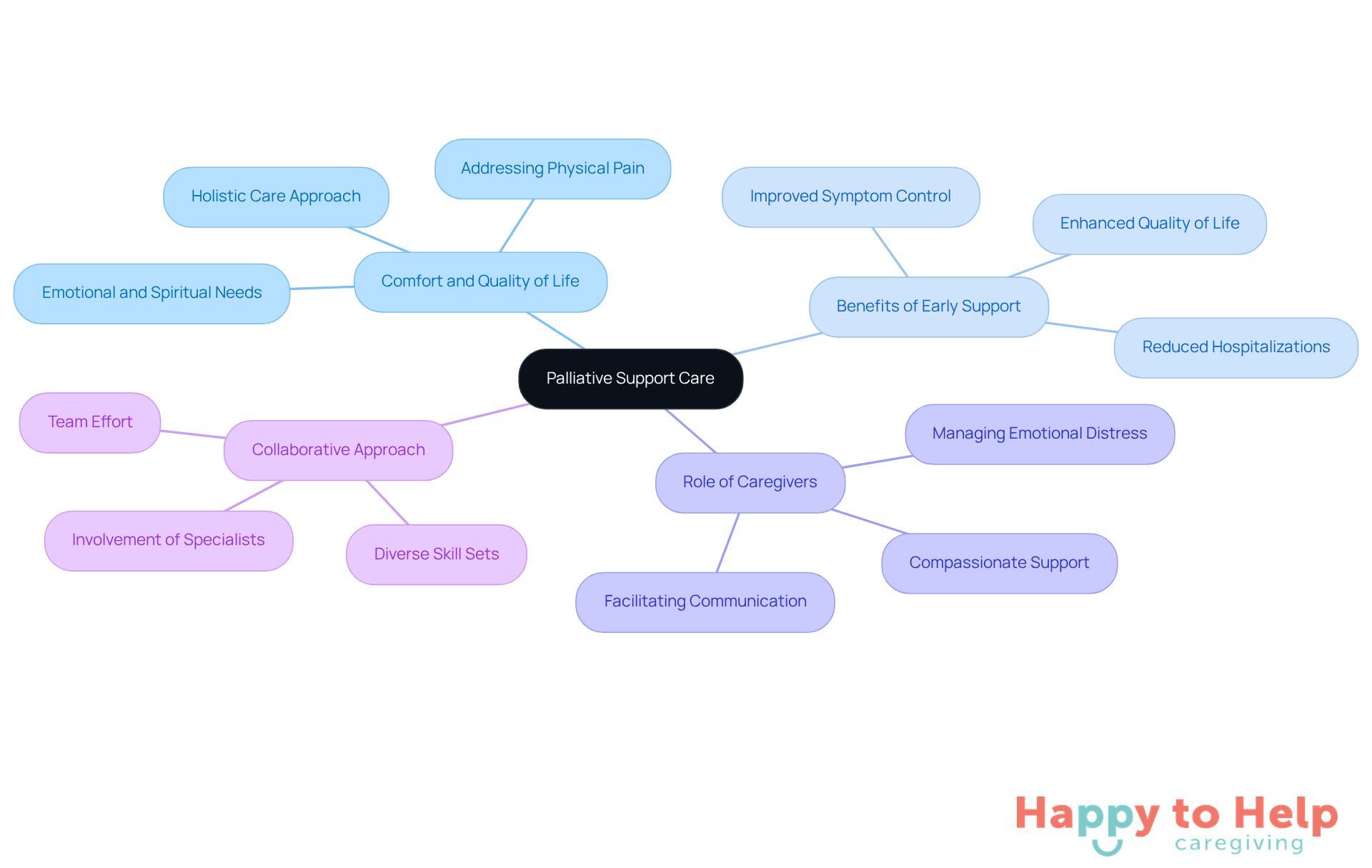
Palliative Support Care: Enhancing Comfort for Seniors with Serious Illnesses
Palliative assistance addresses a significant problem: the lack of comfort and quality of life for seniors facing serious illnesses. Many caregivers struggle to provide the necessary support, which can lead to increased suffering and diminished dignity for their loved ones.
This issue is critical, as research shows that early palliative support can improve symptom control, reduce hospitalizations, and enhance overall quality of life. A recent survey revealed that 79% of Michiganders expressed interest in palliative assistance once they understood its benefits, highlighting the need for greater public awareness.
At Happy to Help Caregiving, caregivers offer compassionate support that prioritizes both symptom management and emotional well-being. By addressing physical pain, emotional distress, and spiritual needs, palliative assistance ensures that seniors receive holistic care tailored to their unique circumstances.
As Sean O'Mahony, MD, states, "Palliative support is a team effort that relies on various skill sets of different providers." This collaborative approach not only manages illness but also enhances the overall experience of living with serious health challenges, ensuring that patients feel cared for and understood throughout their journey.
Personalized Care Plans: Tailoring Support to Individual Needs
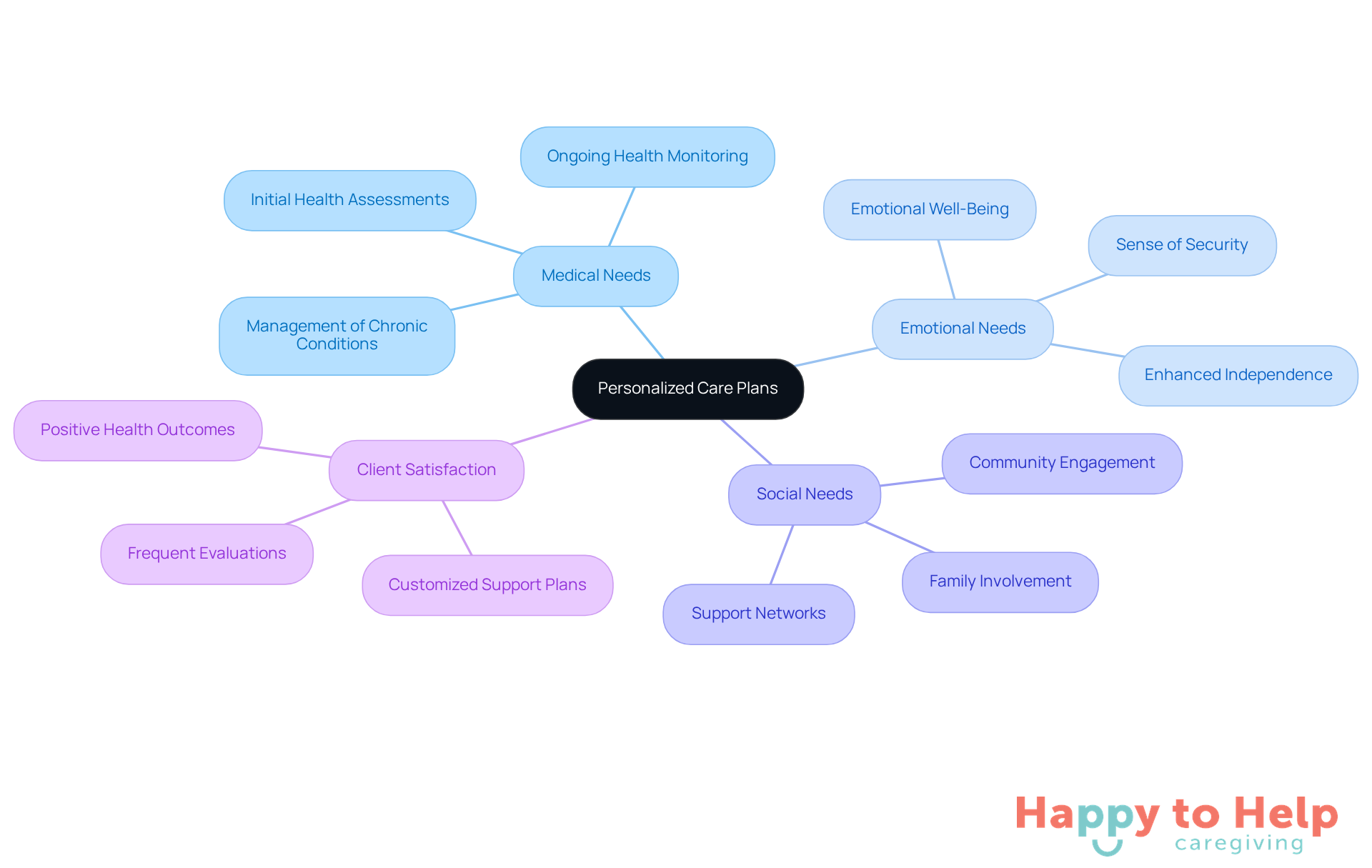
At Happy to Help Caregiving, many seniors face the challenge of receiving private care in the home for elderly that adequately addresses their unique medical, emotional, and social needs. This lack of private care in the home for elderly can lead to diminished quality of life and a loss of independence.
To combat this issue, personalized support plans are meticulously crafted for each client receiving private care in the home for elderly. This individualized approach in providing private care in the home for elderly not only enhances their quality of life but also fosters a sense of independence. Frequent evaluations and modifications to these management plans ensure they stay aligned with the changing requirements of clients, thus providing optimal private care in the home for elderly.
Data shows that clients receiving personalized support experience significantly higher satisfaction levels. Many report enhanced emotional well-being and a greater sense of security in their home environment. Care managers emphasize that this customization is crucial for providing private care in the home for elderly, as it allows caregivers to offer relevant support that resonates with each individual's lifestyle and preferences.
Ultimately, this leads to better health outcomes and a more fulfilling life for seniors.
Flexible Scheduling and 24/7 Availability: Adapting to Client Needs
Caregivers often face the challenge of finding reliable support when they need it most. This can lead to increased stress and a feeling of being overwhelmed. Without flexible scheduling, families may struggle to coordinate care, which can negatively impact both the caregiver and the recipient.
Happy to Help Caregiving addresses this issue by providing flexible scheduling and 24/7 availability. This ensures that clients receive assistance tailored to their specific needs, allowing families to select support times that fit their schedules. Whether it’s just a few hours a week or continuous help, caregivers can find the support they need, improving the overall caregiving experience.
By choosing a service that prioritizes flexibility, families can alleviate some of the pressures associated with caregiving. This not only enhances the quality of care but also promotes a healthier balance for everyone involved.
Emotional Support: Combating Loneliness and Isolation in Elderly Care
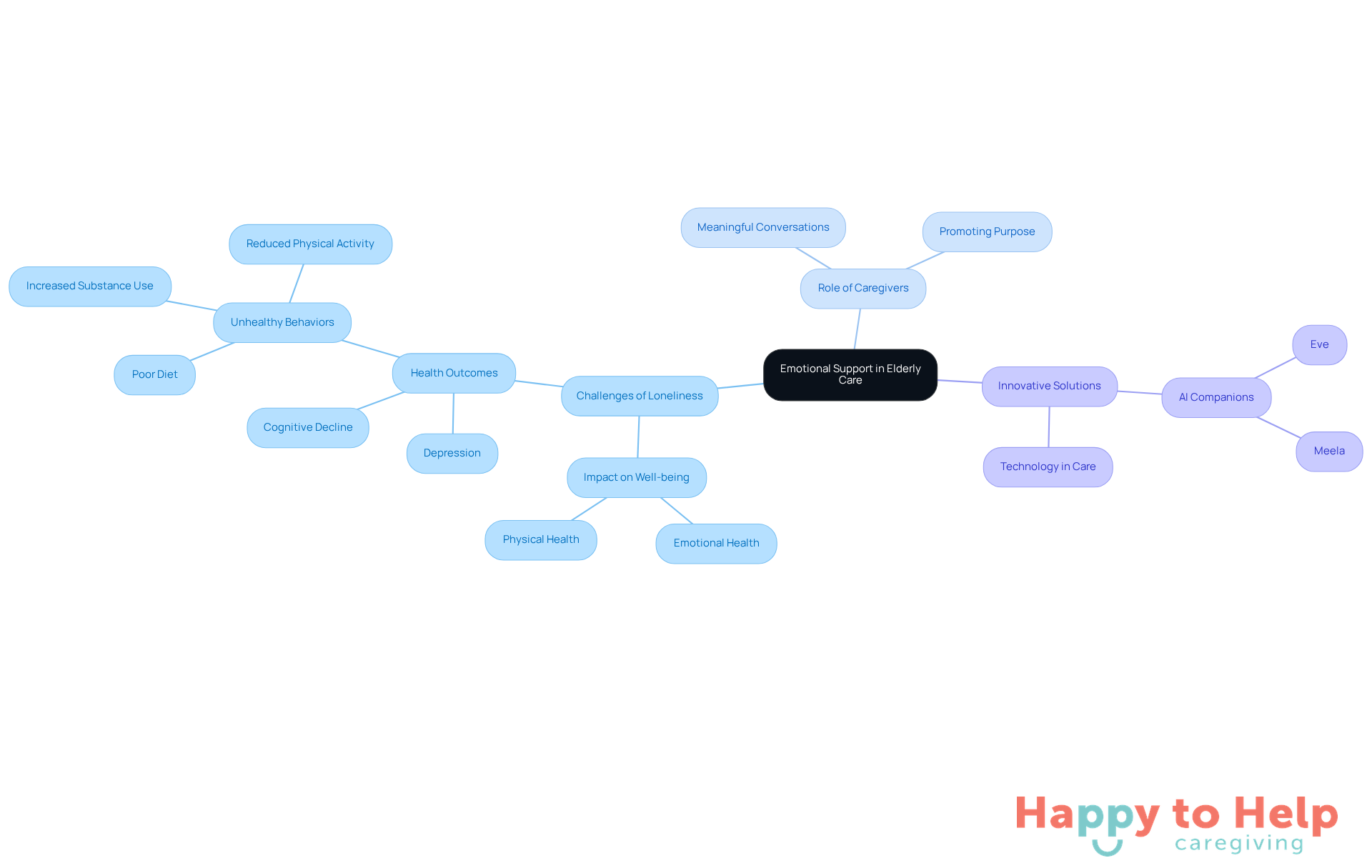
Loneliness and isolation pose significant challenges for the elderly, impacting their emotional and physical well-being. Research from the National Institute of Health (NIH) reveals that a lack of meaningful social connections can lead to reduced quality of life and adverse health outcomes, including depression and cognitive decline. This highlights the urgent need for effective emotional assistance in private care in the home for elderly.
Caregivers at Happy to Help Caregiving play a vital role in providing private care in the home for elderly to address these issues. By engaging clients in meaningful conversations and enjoyable activities, they foster connections that significantly enhance emotional well-being. Regular social interaction not only combats feelings of loneliness but also promotes a sense of purpose and belonging among older adults. This approach ensures that seniors feel valued and connected, which is essential for preserving mental health.
To further support older adults, innovative solutions like AI companions, such as Eve, are emerging. These technologies complement traditional caregiving methods, providing additional engagement and support for seniors facing loneliness. By combining compassionate understanding with modern tools, caregivers can offer private care in the home for elderly, creating a nurturing environment that allows older adults to flourish in their familiar surroundings.
In summary, addressing loneliness and isolation in elder care requires a multifaceted approach. Caregivers must prioritize emotional assistance while also exploring innovative solutions to enhance the quality of life for older adults.
Key Takeaways for Caregivers
The importance of private care services for the elderly at home cannot be overstated. Many families face the challenge of ensuring their aging loved ones receive the care they need while maintaining their independence. This situation can lead to feelings of helplessness and stress for both seniors and their caregivers.
Private care services address these challenges by catering to the unique needs of seniors, enhancing their quality of life. By focusing on:
- Companionship
- Recovery assistance
- Respite care
- Palliative support
- Personalized care plans
- Flexible scheduling
- Emotional support
caregivers play a pivotal role in ensuring that older adults thrive in their familiar environments.
Companionship care significantly reduces loneliness and boosts mental health, while post-hospital recovery assistance ensures safe transitions home. Respite care provides much-needed relief for family caregivers, preventing burnout and promoting a healthier family dynamic. Additionally, palliative support enhances comfort for those facing serious illnesses, and personalized care plans are tailored to meet individual needs, ultimately leading to better health outcomes. The flexibility of scheduling and 24/7 availability further allows families to adapt care to their specific requirements.
Investing in private care services for the elderly is not just a necessity but a compassionate choice that enriches lives. As society continues to recognize the significance of these services, embracing a holistic approach to elder care will foster a nurturing environment where seniors can flourish. Prioritizing emotional support and innovative solutions will pave the way for a future where older adults live with dignity, purpose, and connection.
https://iframe.tely.ai/cta/eyJhcnRpY2xlX2lkIjogIjY5MmY5MTg3ZGM0MTVjZWNlZTQ2NmMxYSIsICJjb21wYW55X2lkIjogIjY4ZWU1ZGNhNzMxNzYyNTU3ZjNjOTVjMSIsICJpbmRleCI6IG51bGwsICJ0eXBlIjogImFydGljbGUifQ==Frequently Asked Questions
What is companionship care and why is it important for older adults?
Companionship care addresses loneliness among older adults, which can lead to serious mental health issues such as depression and anxiety. It promotes social interaction, helping seniors maintain a sense of purpose and connection, ultimately enhancing their quality of life.
How does Happy to Help Caregiving approach companionship care?
Caregivers at Happy to Help Caregiving are trained to build meaningful relationships with clients. These interactions help alleviate loneliness and encourage participation in enjoyable activities, promoting independence and a more fulfilling lifestyle.
What are the benefits of companionship for seniors?
Consistent companionship can dramatically lower the risk of mental health issues, fostering a more fulfilling and active lifestyle for older adults.
What challenges do elderly individuals face during post-hospital recovery?
Elderly individuals often face complex medication regimens after hospital discharge, which can lead to complications and increased readmission rates. They are also at a heightened risk of falls and other complications during recovery.
How does Happy to Help Caregiving assist with post-hospital recovery?
Caregivers help ensure clients adhere to prescribed medications, manage medication schedules, and provide necessary health monitoring. They also assist with daily activities and offer emotional support, which is vital for recovery.
Why is emotional support important during post-hospital recovery?
Emotional support from caregivers helps reduce stress, which can impair the immune system and slow recovery. It also enhances overall well-being and lowers the risk of readmission.
What is the overall goal of Happy to Help Caregiving's services?
The goal is to provide private care in the home for elderly clients, creating a safe and supportive environment that helps them regain strength and independence while enhancing their quality of life.
List of Sources
- Happy to Help Caregiving: Companionship Care for Enhanced Well-Being
- How Companionship in Home Care Boosts Seniors' Mental Health - Care With Love (https://carewithlove.com/how-companionship-in-home-care-boosts-seniors-mental-health)
- Combat Loneliness: The Benefits of Companion Care for Seniors (https://allheartcare.com/more-than-just-company-the-vital-role-of-companion-care-for-seniors)
- Older adults find support through health care companions (https://news-medical.net/news/20250924/Older-adults-find-support-through-health-care-companions.aspx)
- AI Companions Redefine Elder Care: 3 Ways They Fight Loneliness, Boost Safety And Scale Support (https://forbes.com/sites/cathyrubin/2025/05/16/ai-companions-are-redefining-elder-care-3-ways-they-fight-loneliness-boost-safety-and-scale-support)
- Post-Hospital Recovery Assistance: Facilitating Safe Transitions Home
- Post-Hospital Recovery: Home Care for Transitions (https://anodyne-services.com/2025/08/09/post-hospital-recovery-home-care-for-transitions)
- Post Hospital Care: Why it is Critical for Recovery ? 2025 (https://safehandshhc.com/2025/01/10/post-hospital-care)
- Post-Hospital Home Care: The Key to a Smoother, Safer Recovery (https://heavenathomecare.com/how-post-hospital-home-care-helps-seniors-recover)
- Post-Hospital Recovery At Home: Helping Fort Worth Seniors Heal Safely With Care Crew (https://carecrewdfw.com/post-hospital-recovery-at-home-helping-fort-worth-seniors-heal-safely-with-care-crew)
- Recovery in Activities of Daily Living Among Older Adults Following Hospitalization for Acute Medical Illness - PMC (https://pmc.ncbi.nlm.nih.gov/articles/PMC2717728)
- Respite Care: Supporting Family Caregivers with Temporary Relief
- Caregivers and the Importance of Respite Care (https://benedictineliving.org/resources/news/caregivers-and-the-importance-of-respite-care)
- Respite Care Services: Essential Support for Caregivers (https://esoregon.com/the-benefits-of-respite-care-services-for-caregiver-relief)
- Improving Support for Family Caregivers (https://nationalacademies.org/news/2025/07/improving-support-for-family-caregivers)
- Congressman Nick Langworthy Introduces Bill to Support the Wellbeing of Family Caregivers (https://langworthy.house.gov/media/press-releases/congressman-nick-langworthy-introduces-bill-support-wellbeing-family)
- Stats, Facts and Things to Know About Respite Care (https://bethesdaseniorliving.com/senior-resources/stats-facts-and-things-to-know-about-respite-care)
- Palliative Support Care: Enhancing Comfort for Seniors with Serious Illnesses
- Palliative care and hospice poll reveals major gaps (https://ihpi.umich.edu/news-events/news/palliative-care-and-hospice-poll-reveals-major-gaps)
- Support for Serious Illness (https://newsinhealth.nih.gov/2025/07/support-serious-illness)
- How Early Palliative Care Enhances a Patient's Quality of Life (https://latimes.com/doctors-scientists/medicine/specialists/story/early-palliative-care-patient-quality-life)
- Hospice, Palliative Care Services Yield High Quality, Cost Savings (https://hospicenews.com/2025/09/22/hospice-palliative-care-services-yield-high-quality-cost-savings)
- Enhancing Comfort, Quality of Life through Expanded Palliative Medicine Services (https://utmb.edu/fgp/newsletter/article/newsletter/2024/10/09/enhancing-comfort--quality-of-life-through-expanded-palliative-medicine-services)
- Personalized Care Plans: Tailoring Support to Individual Needs
- Trends in Senior Care: What to Expect in 2025 (https://agingconnections.org/blog/trends-in-senior-care-what-to-expect-in-2025)
- 2025: AI enhances personalized care; caregiver experience in the spotlight (https://healthcareitnews.com/news/2025-ai-enhances-personalized-care-caregiver-experience-spotlight)
- Benefits of Personalized Care Plans in Nursing Homes (https://havenhealthaz.com/blog/benefits-of-personalized-care-plans-in-nursing-homes)
- Novel Care Model May Improve Outcomes for Older Adults With Multiple Chronic Conditions (https://consultqd.clevelandclinic.org/novel-care-model-may-improve-outcomes-for-older-adults-with-multiple-chronic-conditions)
- Flexible Scheduling and 24/7 Availability: Adapting to Client Needs
- How Flexible Scheduling Improves The Home Care Experience For Families – CCN – Columbus County News (https://columbuscountynews.com/2025/12/how-flexible-scheduling-improves-the-home-care-experience-for-families)
- Exploring the Rising Demand for Flexible Work in Healthcare (https://healthecareers.com/career-resources/nurse-career/rising-demand-for-flexible-work-in-healthcare)
- Why 24/7 Senior Care Works: Safety, Comfort, and Constant Support - With A Little Help (https://withalittlehelp.com/24-7-senior-care-works)
- Pros and Cons of Offering 24/7 Home Health Care Services (https://erspsolutions.com/resource/24-7-home-health-care)
- Around-the-Clock Support: The Benefits of 24-Hour Home Care for Seniors (https://afcsnc.com/around-the-clock-support-the-benefits-of-24-hour-home-care-for-seniors)
- Emotional Support: Combating Loneliness and Isolation in Elderly Care
- AI personal companions offers low-tech way to combat loneliness in senior living residents (https://mcknightsseniorliving.com/news/ai-personal-companions-offers-low-tech-way-to-combat-loneliness-in-senior-living-residents)
- AI companion helps Bronx senior living facility residents combat loneliness (https://cbsnews.com/newyork/news/ai-companionship-for-seniors-bronx)
- | Catholic Charities Serving Central Washington (https://catholiccharitiescw.org/news/companionship-can-counter-the-impacts-of-loneliness-and-isolation)
- NYSOFA’s Rollout of AI Companion Robot ElliQ Shows 95% Reduction in Loneliness (https://aging.ny.gov/news/nysofas-rollout-ai-companion-robot-elliq-shows-95-reduction-loneliness)
- Humana Foundation Expands National Efforts to Improve Seniors’ Emotional Health (https://humanafoundation.org/news-humana-foundation/press-releases/humana-foundation-expands-national-efforts-to-improve-seniors-emotional-health)