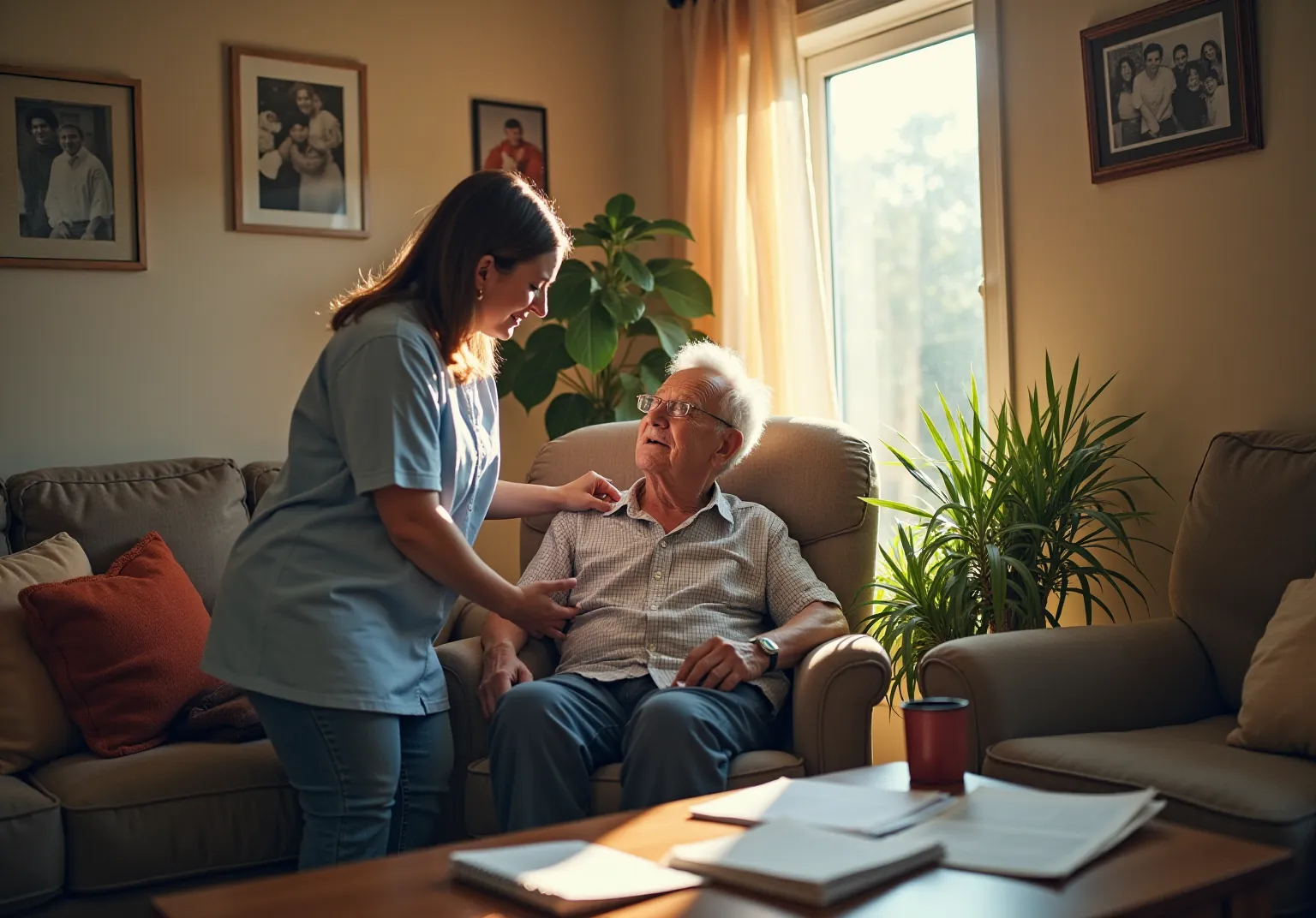
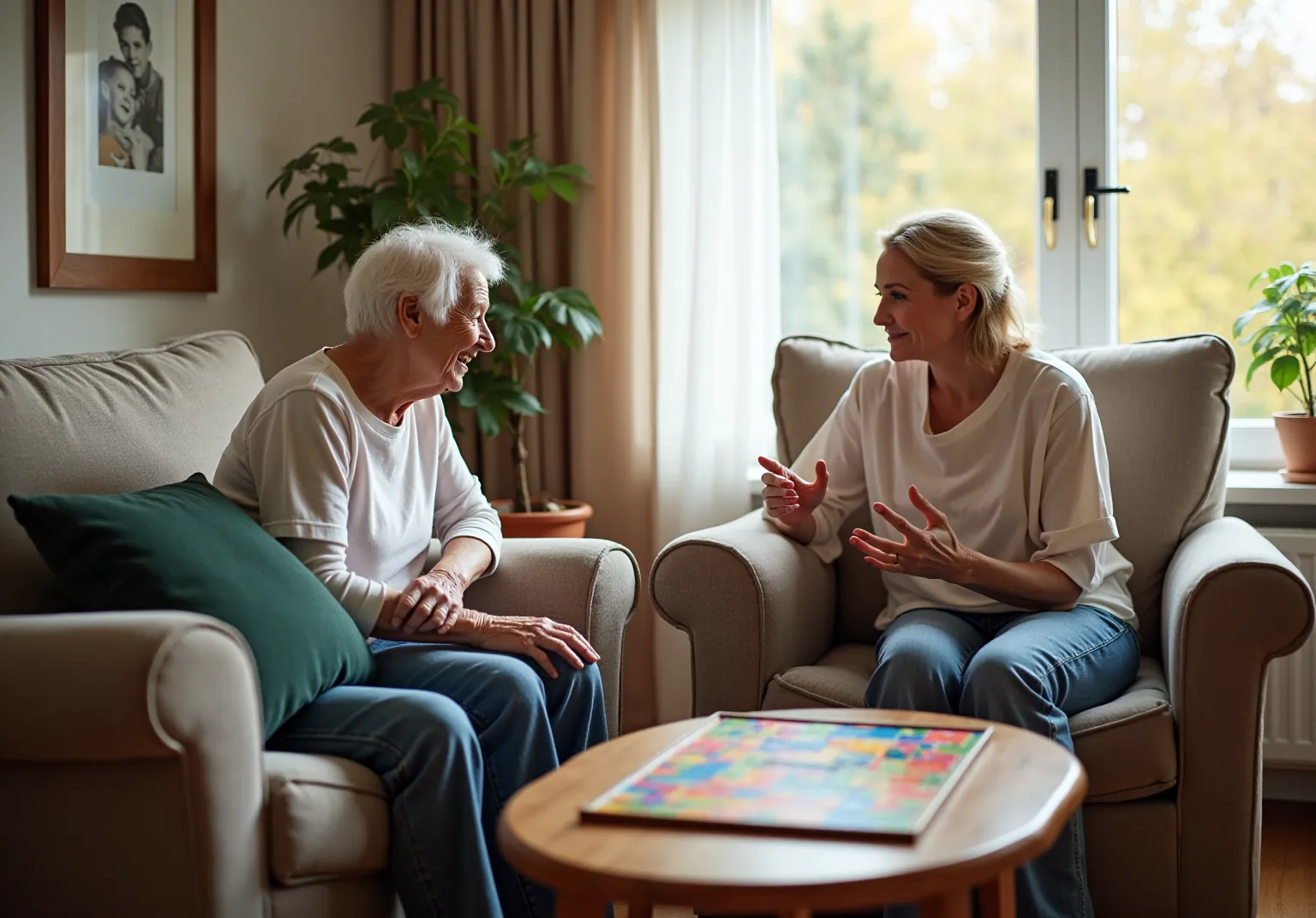
7 Essential Services for Finding Elderly Shelters Near You

For families in our service areas
For families in our service areas, this guide explains caregiving and how non-medical in-home caregiving can support care planning in East Idaho, Treasure Valley & Magic Valley, Northern Wasatch, North Central West Virginia, and Northeast Ohio.
What You Need to Know About Services for Finding Elderly Shelters
As the population of seniors continues to grow, finding appropriate housing and support services has become a pressing issue. Caregivers face the challenge of ensuring their loved ones receive the necessary care and companionship to enhance their quality of life. With so many options available, it can be overwhelming to navigate this landscape.
This article explores seven essential services designed to assist individuals in locating elderly shelters and improving the lives of older adults. Personalized care, companionship, and community resources play a crucial role in addressing the unique challenges seniors encounter. But how can families ensure they are choosing the best services to meet their loved ones' needs? Let's delve into practical solutions that can make a difference.
Happy to Help Caregiving: Personalized In-Home Care for Seniors
Happy to Help Caregiving addresses a pressing issue: the increasing need for personalized in-home assistance for elderly individuals. As the U.S. population aged 65 and older is projected to reach about 72 million by 2030, the demand for tailored care services is more urgent than ever. This growing trend highlights the importance of customized support, which not only meets the specific needs of older adults but also enhances their overall happiness and health.
The implications of this demand are significant. Many elderly individuals struggle to maintain their independence and quality of life without adequate support. Caregivers must be equipped to address both the physical and emotional needs of their clients, fostering an environment that promotes well-being. As caregiving expert Amy Goyer states, "Small changes - and big ones, too - can be put in place to accommodate loved ones."
To tackle these challenges, successful caregiving models focus on creating individualized care plans that adapt to the evolving needs of clients. By prioritizing empathy and communication, caregivers can ensure that their clients feel valued and understood. Additionally, the integration of technology, such as smart home tools and remote patient monitoring, supports caregivers in delivering high-quality care.
In summary, as institutional care options shrink, effective in-home solutions become increasingly critical. Happy to Help Caregiving stands out as a leader in this field, committed to enhancing the lives of those they serve through personalized care.

Companionship Care: Alleviating Loneliness for Seniors
Loneliness among elderly individuals is a pressing issue that significantly impacts their emotional and physical well-being. Research shows that up to 1 in 3 older adults experience feelings of isolation, which can lead to depression and anxiety. This highlights the critical need for effective companionship care to address these challenges.
Companionship care offers a solution by actively engaging seniors in meaningful conversations, activities, and hobbies. Caregivers play a vital role in fostering a sense of connection and purpose, which not only improves emotional well-being but also motivates older adults to stay active and involved in their daily lives. By providing emotional support and encouraging participation in enjoyable activities, caregivers help seniors overcome feelings of isolation, ultimately enhancing their mental and physical health.
Moreover, the presence of a caregiver can prevent accidents and promote safety, further contributing to the well-being of elderly clients. The World Health Assembly's resolution on social connection, adopted in May 2025, emphasizes the importance of fostering social connections for health, reinforcing the value of companionship care as an investment in holistic well-being.
To implement effective companionship care, caregivers can:
- Engage clients in regular social interactions to lower the risk of depression.
- Encourage participation in hobbies and activities that bring joy.
- Provide emotional support to help seniors feel valued and connected.
By addressing the problem of loneliness through companionship care, caregivers can significantly improve the quality of life for older adults.

Post-Hospital Recovery Assistance: Ensuring Safe Transitions Home
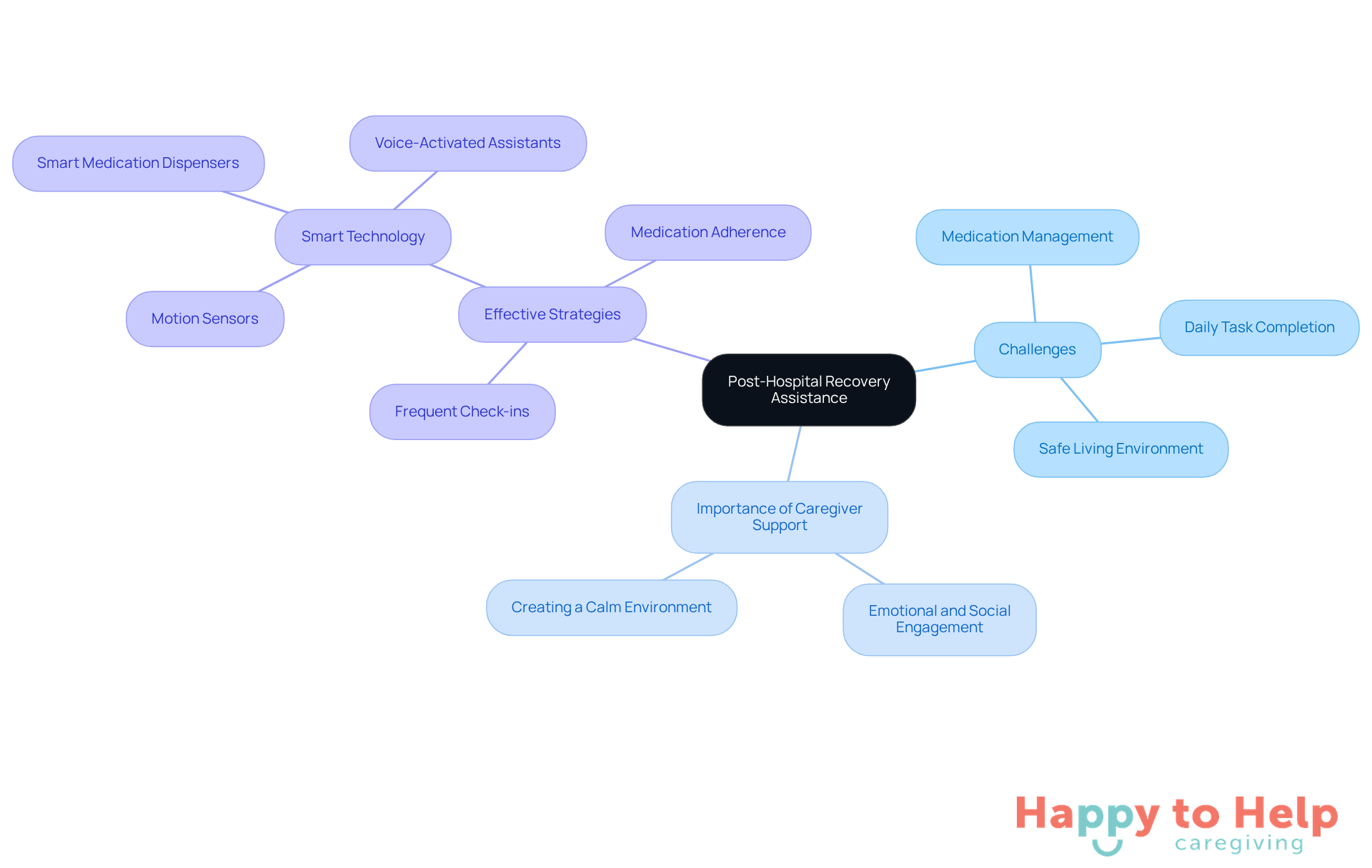
Post-hospital recovery support is a significant challenge for seniors transitioning back home after hospitalization. Without proper assistance, these individuals may face difficulties in managing medications, completing daily tasks, and ensuring a safe living environment, all of which are crucial for recovery. Studies indicate that residential care can lower hospital readmission rates by up to 25% for patients with chronic conditions. According to the Alliance for Home Health Quality and Innovation, "Home care can reduce hospital readmissions by up to 25% for patients with specific chronic conditions." This highlights the importance of caregiver support in helping older adults regain their strength and independence in a familiar setting, thereby reducing the risks associated with post-discharge complications.
Healthcare professionals emphasize that a successful transition back home requires not just physical support but also emotional and social engagement. Caregivers can facilitate this by creating a calm and stable environment, which is essential for recovery. Effective strategies include:
- Frequent check-ins to monitor well-being
- Utilizing smart technology for monitoring, such as motion sensors and intelligent medication dispensers
- Ensuring adherence to medication schedules
These methods not only enhance recovery but also foster a sense of security and well-being, allowing seniors to thrive in their own homes.
Respite Care: Supporting Family Caregivers with Temporary Relief
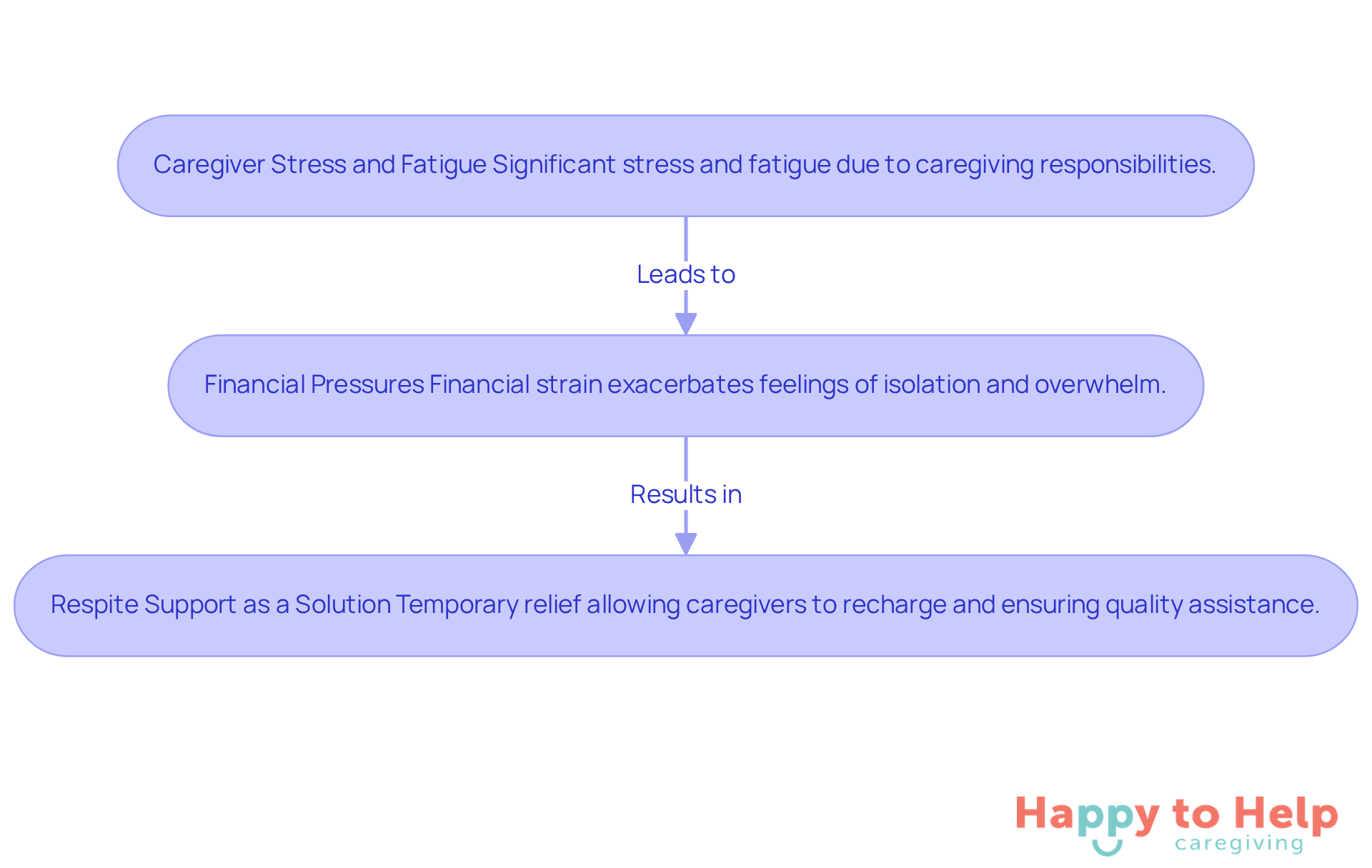
Problem: Caregivers often experience significant stress and fatigue due to their responsibilities. This can lead to burnout, affecting not only their health but also the well-being of their loved ones.
Agitate: Financial pressures compound these challenges. As Dalma Riquelme, a support worker, noted, "By the middle of the month, she already ran out of her diapers, her lotion... we would have to pay that out of pocket." This illustrates the financial strain caregivers frequently endure, which can exacerbate feelings of isolation and overwhelm.
Solution: Respite support offers vital temporary relief, allowing caregivers to recharge while ensuring their loved ones receive quality assistance. This service can be tailored to meet various needs, ranging from a few hours to several days, providing essential flexibility. By easing the stress associated with caregiving, respite support not only enhances the health of caregivers but also positively impacts family dynamics.
Current trends indicate a growing recognition of the importance of respite services, with innovative programs emerging to meet diverse caregiver needs. For instance, the ARCH National Respite Network has highlighted effective practices that improve caregiver satisfaction.
Incorporating respite care into family caregiving strategies is crucial for sustaining long-term caregiver resilience and promoting overall family harmony.
Home Safety Services: Creating Secure Living Environments for Seniors
Home safety services are essential for creating secure living environments for seniors. Falls pose a significant risk, being the leading cause of both fatal and non-fatal injuries among older adults. In fact, over half of these incidents occur indoors, highlighting the urgent need for effective safety measures.
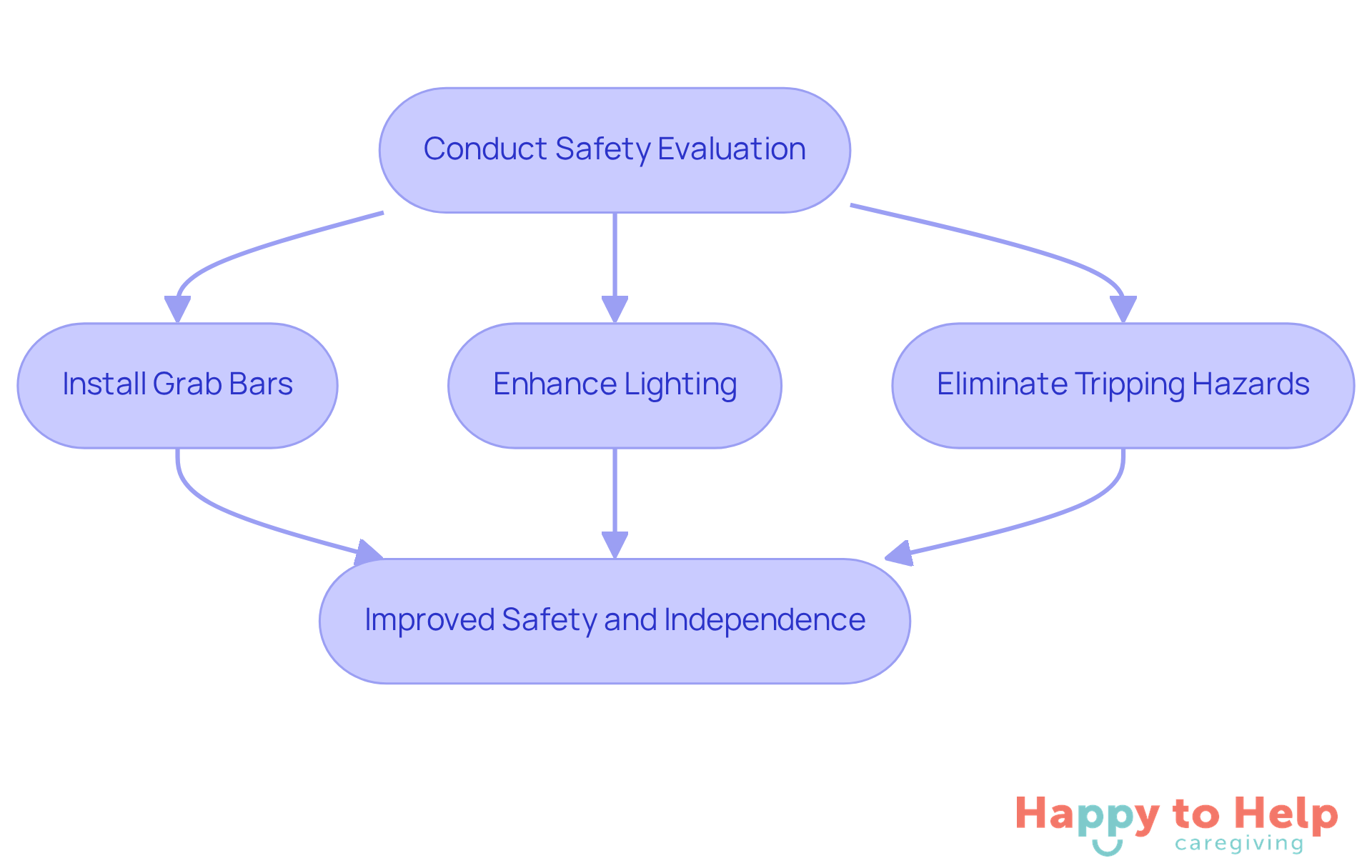
Caregivers can play a pivotal role by conducting thorough safety evaluations to pinpoint potential hazards in the home. They can suggest practical adjustments, such as:
- Installing grab bars
- Enhancing lighting
- Eliminating tripping hazards
These proactive steps are crucial in reducing the risk of falls and injuries, allowing older adults to maintain their independence while feeling secure in their familiar surroundings.
For instance, a case study on bathroom safety improvements revealed that adding grab bars and using textured strips can significantly lower the chances of accidents in this high-risk area. The bathroom is often where incidents occur most frequently, making these interventions vital.
Moreover, regular home safety evaluations can uncover issues that may affect an elderly person's well-being, leading to specific adjustments that enhance overall safety. As the aging population continues to grow, the importance of creating safe living environments cannot be overstated. These services are essential for promoting the health and independence of elderly individuals.
Transportation Services: Ensuring Mobility and Access for Seniors
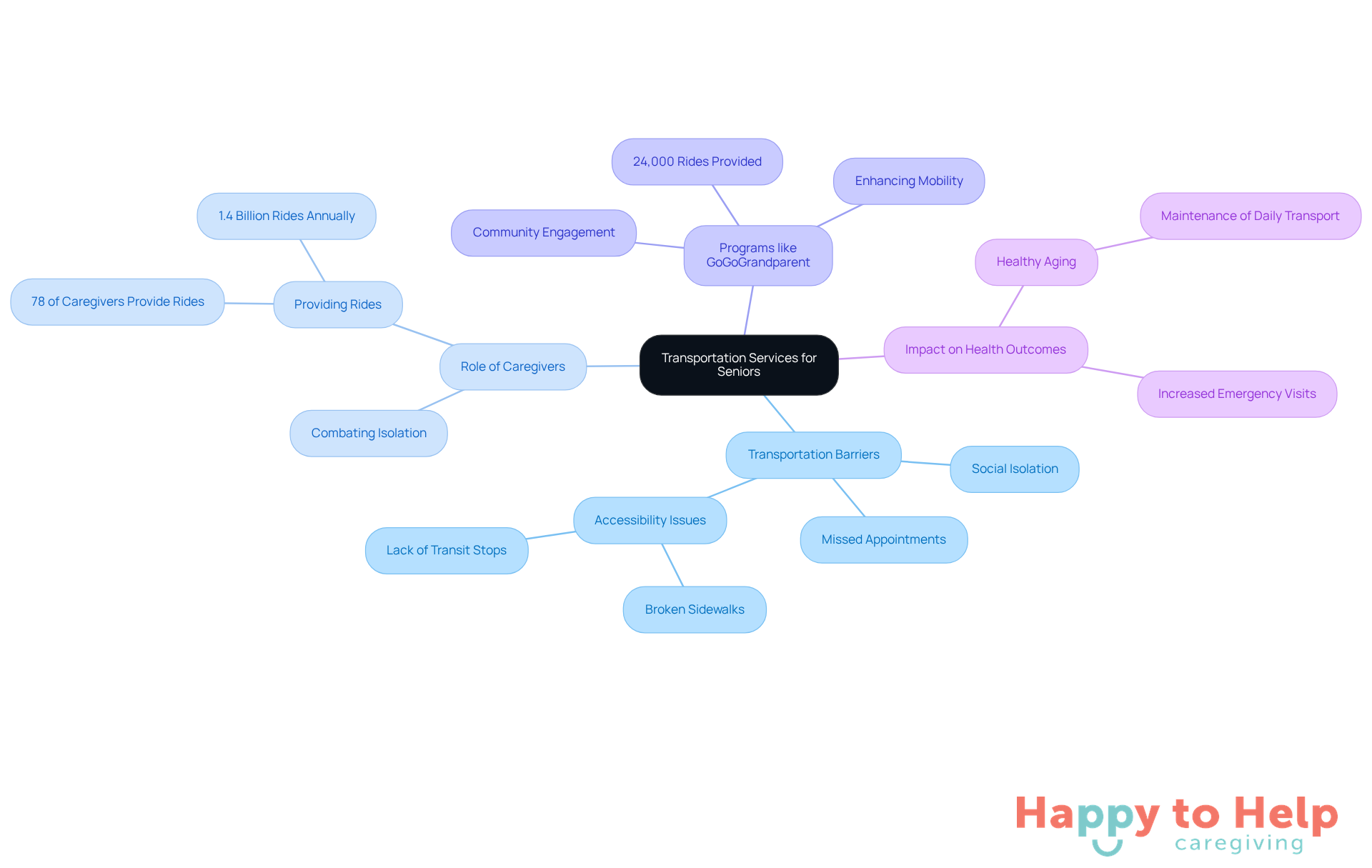
Transportation services are crucial for seniors who need assistance with medical appointments, grocery shopping, and community activities. However, many face significant transportation barriers that can lead to missed appointments and increased social isolation, ultimately affecting their health outcomes.
Caregivers play a vital role in addressing these challenges by providing safe and reliable transportation. This support not only helps seniors access essential resources but also combats feelings of isolation by promoting community engagement. With nearly 90% of older adults preferring to age in place, effective transportation options are essential for maintaining their independence.
Programs like GoGoGrandparent have made strides in this area, successfully providing over 24,000 rides since their inception. This initiative enhances mobility for older adults, allowing them to remain active and engaged in their communities. Furthermore, studies indicate that transportation barriers can lead to missed medical appointments and increased social isolation, negatively impacting health outcomes. As geriatric care specialists emphasize, "Maintenance of daily transport is essential for healthy aging in place," underscoring the importance of mobility for older adults' overall well-being.
It's also noteworthy that 78% of caregivers offer or organize rides for their loved ones, highlighting the essential role family caregivers play in facilitating transportation for older adults. By recognizing these challenges and implementing practical solutions, caregivers can significantly improve the quality of life for seniors.
Meals on Wheels: Delivering Nutrition Directly to Seniors' Homes
Meals on Wheels programs address a significant problem of food insecurity among elderly individuals, which can also be alleviated by finding elderly shelters near me. Many older adults in elderly shelters near me struggle with meal preparation and encounter challenges accessing grocery stores due to transportation issues. This situation can lead to poor nutrition, which negatively impacts their health and well-being.
The implications of inadequate nutrition are serious. Research indicates that older adults receiving Meals on Wheels experience an 85% decrease in hospitalizations within 30 days of starting the program. This statistic underscores the importance of proper nutrition in maintaining health. Additionally, 53% of participants report reduced feelings of isolation, highlighting the emotional benefits of these meal deliveries.
Meals on Wheels serves as a vital solution, delivering nutritious meals directly to seniors' homes. By addressing both their dietary and emotional needs, these programs in elderly shelters near me promote independence and enhance quality of life. Caregivers can support elderly individuals by connecting them with Meals on Wheels, ensuring they receive balanced diets tailored to their specific needs.

Caregiver Support Programs: Empowering Families in Caregiving Roles
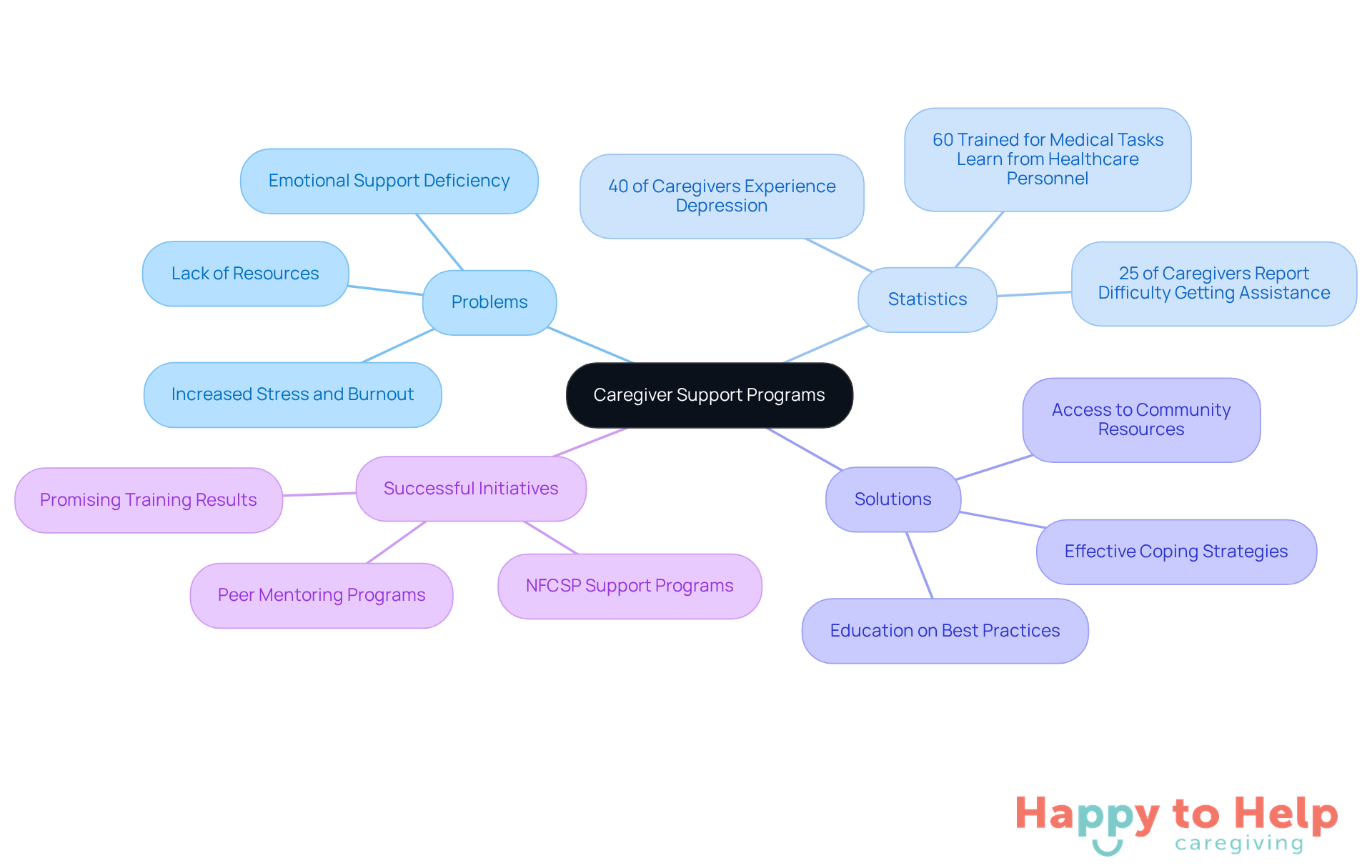
Support programs for family providers are essential in addressing a significant problem: the lack of resources, training, and emotional support for caregivers. This gap can lead to increased stress and burnout, impacting both caregivers and those they support.
The implications of inadequate support are serious. Research indicates that 40% of family supporters of individuals with dementia experience depression. This statistic underscores the urgent need for effective training and resources to alleviate stress and improve health outcomes for caregivers.
Fortunately, there are solutions available. Support programs offer education on best practices in caregiving, effective coping strategies, and access to vital community resources. By equipping caregivers with knowledge, these programs enhance the quality of assistance provided to seniors and significantly reduce the risk of burnout.
Successful training initiatives have shown promising results. For instance, 60% of individuals trained for medical or nursing tasks learned from healthcare personnel, highlighting the importance of structured training in improving caregiving skills. Organizations dedicated to caregiver support emphasize that ongoing education and access to resources, such as those provided by the National Family Caregiver Support Program (NFCSP), are crucial for sustaining caregiver well-being. This ultimately benefits the entire family unit.
Community Programs: Fostering Engagement and Support for Seniors
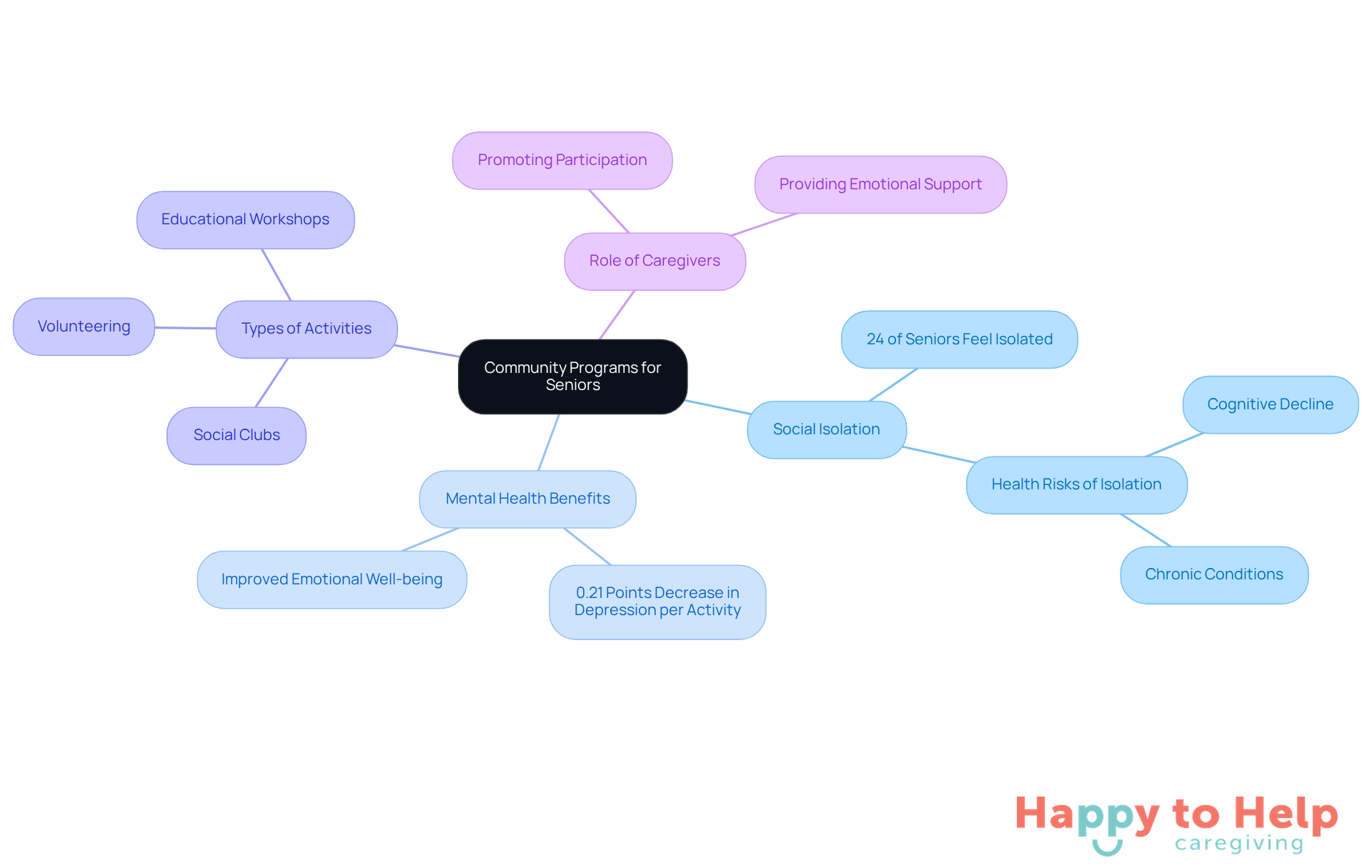
Community programs face a significant challenge: social isolation among seniors. In 2020, 24% of older adults reported feeling socially isolated, highlighting the urgent need for effective engagement initiatives. This isolation can lead to serious health risks, including cognitive decline and chronic conditions, making it crucial to address this issue.
Engaging in social activities can significantly improve mental health. Research shows that each additional activity correlates with a decrease of 0.21 points in depression levels among older adults. Community programs offer a diverse range of activities, events, and resources that encourage involvement in group activities, volunteer opportunities, and educational workshops. These initiatives foster interaction and mental stimulation, helping to combat feelings of loneliness.
By connecting older adults with their peers and local resources, community programs play a vital role in reducing isolation. Consistent interaction not only enhances emotional health but also provides seniors with a sense of purpose and belonging. As social workers emphasize, "fostering connections through community initiatives is essential for improving the mental health and overall quality of life for older adults."
To create opportunities for meaningful interactions, caregivers can actively promote participation in these programs. By doing so, they not only enrich the lives of seniors but also contribute to healthier aging.
Making the Right Choice
Finding effective services for elderly individuals is crucial, especially as our population ages and the demand for quality care rises. Many seniors face challenges that can hinder their independence and well-being. Without proper support, issues like loneliness, safety concerns, and mobility limitations can significantly impact their quality of life.
Companionship care is increasingly important to combat loneliness among seniors. Additionally, home safety services play a vital role in preventing accidents, while transportation services ensure that older adults can maintain their mobility. Caregiver support programs and respite care are essential to alleviate the stress caregivers experience, benefiting both them and the seniors they assist. These services are interconnected, forming a comprehensive support network that addresses the diverse challenges faced by older adults.
Recognizing and utilizing these essential services can lead to significant improvements in the lives of elderly individuals. Advocating for access to these resources and engaging with community programs that foster social connections is vital. By prioritizing the well-being of seniors and ensuring they have access to necessary services, we can create a more inclusive environment that values and uplifts our aging population.
https://iframe.tely.ai/cta/eyJhcnRpY2xlX2lkIjogIjY5Mjc5NTFiMTRjODUwNzI1NGI4N2M2YyIsICJjb21wYW55X2lkIjogIjY4ZWU1ZGNhNzMxNzYyNTU3ZjNjOTVjMSIsICJpbmRleCI6IG51bGwsICJ0eXBlIjogImFydGljbGUifQ==Frequently Asked Questions
What is the main focus of Happy to Help Caregiving?
Happy to Help Caregiving focuses on providing personalized in-home assistance for elderly individuals, addressing the increasing need for tailored care services as the population aged 65 and older grows.
Why is personalized care important for seniors?
Personalized care is important because it meets the specific needs of older adults, enhances their overall happiness and health, and helps them maintain their independence and quality of life.
What are the key components of effective caregiving?
Effective caregiving involves creating individualized care plans, prioritizing empathy and communication, and integrating technology to support high-quality care.
How does companionship care help alleviate loneliness in seniors?
Companionship care helps alleviate loneliness by engaging seniors in meaningful conversations, activities, and hobbies, which improves their emotional well-being and motivates them to stay active.
What are the benefits of companionship care for elderly individuals?
Companionship care improves emotional health, prevents feelings of isolation, promotes safety, and encourages seniors to participate in enjoyable activities, ultimately enhancing their quality of life.
What challenges do seniors face during post-hospital recovery?
Seniors may struggle with managing medications, completing daily tasks, and ensuring a safe living environment after hospitalization, which are crucial for their recovery.
How can caregiver support reduce hospital readmission rates?
Caregiver support can reduce hospital readmission rates by providing assistance that helps older adults regain strength and independence in a familiar setting, thereby decreasing risks associated with post-discharge complications.
What strategies can caregivers use to support seniors during post-hospital recovery?
Caregivers can use strategies such as frequent check-ins, utilizing smart technology for monitoring, and ensuring adherence to medication schedules to enhance recovery and foster a sense of security.
List of Sources
- Happy to Help Caregiving: Personalized In-Home Care for Seniors
- Family caregivers prefer in-home care over senior living, new industry report finds (https://mcknightshomecare.com/news/family-caregivers-prefer-in-home-care-over-senior-living-new-industry-report-finds)
- Top healthcare trends of 2026: Aging in place is driving innovation in home-based care and technology (https://definitivehc.com/blog/aging-in-place-driving-innovation)
- In-Home Care for Seniors - Caregiving News and Tips (https://aarp.org/caregiving/home-care)
- 2025 Home Care Statistics: Trends & Insights To Know (https://premierhcinc.com/blog/home-care-statistics)
- Home Care Industry Trends to Watch in 2025 (https://firstlighthomecare.com/blog/home-care-industry-trends)
- Companionship Care: Alleviating Loneliness for Seniors
- Social connection linked to improved health and reduced risk of early death (https://who.int/news/item/30-06-2025-social-connection-linked-to-improved-heath-and-reduced-risk-of-early-death)
- Social isolation, loneliness in older people pose health risks | Alzheimers.gov (https://alzheimers.gov/news/social-isolation-loneliness-older-people-pose-health-risks)
- Older adults find support through health care companions (https://news-medical.net/news/20250924/Older-adults-find-support-through-health-care-companions.aspx)
- Combat Loneliness: The Benefits of Companion Care for Seniors (https://allheartcare.com/more-than-just-company-the-vital-role-of-companion-care-for-seniors)
- Trends in Loneliness Among Older Adults from 2018-2023 (https://ihpi.umich.edu/national-poll-healthy-aging/reports-and-resources/trends-loneliness-among-older-adults-2018-2023)
- Post-Hospital Recovery Assistance: Ensuring Safe Transitions Home
- Smart Homes and Post-Hospital Care: Supporting Seniors Aging in Place (https://hcprosonline.com/smart-homes-and-post-hospital-care-supporting-seniors-aging-in-place)
- Helping seniors recover after a hospital stay through meal delivery (https://uhc.com/news-articles/community/senior-resources)
- Home Care Impact on Recovery of Patient (A Statistics Report) (https://lovinghomecareinc.com/home-care-recovery-statistics)
- Post-Hospital Care for Seniors Supports Healing (https://picseniorcare.com/how-post-hospital-care-for-seniors-makes-recovery-easier)
- Post-Hospital Home Care: The Key to a Smoother, Safer Recovery (https://heavenathomecare.com/how-post-hospital-home-care-helps-seniors-recover)
- Respite Care: Supporting Family Caregivers with Temporary Relief
- News & Updates | ARCH National Respite Network & Resource Center (https://archrespite.org/news)
- Funding Opportunity: National Lifespan Respite Care Program State Program Enhancement Grants | ACL Administration for Community Living (https://acl.gov/news-and-events/announcements/national-lifespan-respite-care-program-state-program-enhancement)
- A bill in Congress would return $5,000 to millions of family caregivers every year, but will it pass? (https://cbsnews.com/newyork/news/credit-for-caring-act-family-caregiver-tax-credit)
- New Bill: Senator Edward J. Markey introduces S. 3231: Respite Care and Resources for Everyone Act | AMGN Stock News (https://quiverquant.com/news/New+Bill:+Senator+Edward+J.+Markey+introduces+S.+3231:+Respite+Care+and+Resources+for+Everyone+Act)
- Federal budget committee greenlights millions in spending for family caregivers, respite services (https://mcknightshomecare.com/news/federal-budget-committee-greenlights-millions-in-spending-for-family-caregivers-respite-services)
- Home Safety Services: Creating Secure Living Environments for Seniors
- Get the Facts on Falls Prevention (https://ncoa.org/article/get-the-facts-on-falls-prevention)
- Home Safety Modifications to Promote Senior Independence (https://ohioanshhc.com/news/home-safety-modifications-to-promote-senior-independence)
- Home Safety for Seniors: Statistics & Proven Safety Solutions (https://agesafeamerica.com/home-safety-hub/articles/home-safety-seniors-statistics-solutions)
- As falling deaths rise for older adults, how home safety can make a difference (https://denver7.com/news/local-news/as-falling-deaths-rise-for-older-adults-how-home-safety-can-make-a-difference)
- Transportation Services: Ensuring Mobility and Access for Seniors
- Older Adults & Transportation - NADTC (https://nadtc.org/about/transportation-aging-disability/unique-issues-related-to-older-adults-and-transportation)
- Public transit use among American older adults: Insights from a nationally representative survey (https://sciencedirect.com/science/article/abs/pii/S2214140525000027)
- Epidemiology of Public Transportation Use Among Older Adults in the United States - PMC (https://pmc.ncbi.nlm.nih.gov/articles/PMC9771957)
- Senior Center hopes to continue free medical transportation program, but federal funding is set to run out - Brookline.News (https://brookline.news/senior-center-hopes-to-continue-free-medical-transportation-program-but-federal-funding-is-set-to-run-out)
- Governor Hochul Announces Expansion of Successful GoGoGrandparent Transportation Partnership for Older Adults (https://governor.ny.gov/news/governor-hochul-announces-expansion-successful-gogograndparent-transportation-partnership)
- Meals on Wheels: Delivering Nutrition Directly to Seniors' Homes
- Food Insecurity and Older Adults: Get the Facts (https://ncoa.org/article/what-is-food-insecurity-get-the-facts)
- Meals on Wheels: Supporting Seniors' Quality of Life - Meals on Wheels Contra Costa (https://mowcontracosta.org/impact-meals-on-wheels-quality-of-life)
- 17 Quotes About Health | Healthy eating quotes, Nutrition, Healthy lifestyle (https://pinterest.com/pin/17-quotes-about-health--132715520247776022)
- Facts about Senior Hunger in America | Feeding America (https://feedingamerica.org/hunger-in-america/senior-hunger-facts)
- MEALS ON WHEELS AMERICA URGES AN END TO THE GOVERNMENT SHUTDOWN THAT PRIORITIZES SENIORS AS COMMUNITY NEED SOARS AND FUNDING FOR SENIOR NUTRITION PROGRAMS RUNS OUT (https://prnewswire.com/news-releases/meals-on-wheels-america-urges-an-end-to-the-government-shutdown-that-prioritizes-seniors-as-community-need-soars-and-funding-for-senior-nutrition-programs-runs-out-302598944.html)
- Caregiver Support Programs: Empowering Families in Caregiving Roles
- VA.gov | Veterans Affairs (https://caregiver.va.gov)
- Establishing New Safety Nets for Caregivers | UNC Greensboro (https://uncg.edu/news/establishing-new-safety-nets-for-caregivers)
- VA extends caregiver support program eligibility for “legacy” Veterans, caregivers (https://news.va.gov/press-room/va-extends-caregiver-support-program-eligibility-for-legacy-veterans-caregivers)
- ECONOMIC IMPACTS OF PROGRAMS TO SUPPORT CAREGIVERS: FINAL REPORT (https://aspe.hhs.gov/reports/economic-impacts-programs-support-caregivers-final-report-0)
- Caregiver Statistics: Health, Technology, and Caregiving Resources (https://caregiver.org/resource/caregiver-statistics-health-technology-and-caregiving-resources)
- Community Programs: Fostering Engagement and Support for Seniors
- The Benefits of Social Engagement for Seniors (https://baptistretirement.org/news-blog/the-benefits-of-social-engagement-for-seniors)
- Social engagement helps older adults feel younger, live longer: study (https://mcknightsseniorliving.com/news/social-engagement-helps-older-adults-feel-younger-live-longer-study)
- The impact of social activities on mental health among older adults in China - PMC (https://pmc.ncbi.nlm.nih.gov/articles/PMC11371613)
- The Impact of Regular Social Activities on Seniors' Mental Health (https://thehighpointresidence.com/blog/the-impact-of-regular-social-activities-on-seniors-mental-health)