
For families in our service areas
For families in our service areas, this guide explains caregiver support and how non-medical in-home caregiving can support care planning in East Idaho, Treasure Valley & Magic Valley, Northern Wasatch, North Central West Virginia & Southwestern Pennsylvania, and Northeast Ohio.
Understanding LBD Stages Every Family Caregiver
Lewy Body Dementia (LBD) poses significant challenges for caregivers, impacting daily life and emotional well-being. Understanding the seven key stages of LBD is essential for those providing support, as it helps maintain the dignity of individuals affected by this complex and progressive neurological disorder.
Caregivers often face fluctuating symptoms and emotional burdens, leading to feelings of frustration and helplessness. This situation can be overwhelming, making it crucial for caregivers to equip themselves with effective strategies and knowledge. How can they foster a compassionate and supportive environment amidst these challenges?
To address these issues, caregivers can benefit from practical solutions that enhance their understanding and approach to LBD. By learning about the stages of the disease and implementing supportive techniques, caregivers can navigate the complexities of LBD more effectively.
Define Lewy Body Dementia and Its Impact on Caregiving
Lewy Body Dementia (LBD) presents a significant challenge for caregivers. This progressive neurological disorder is marked by the accumulation of Lewy bodies - abnormal protein deposits in the brain. As the LBD stages progress, they severely impact cognitive functions such as memory, attention, and motor skills, leading to a gradual decline in mental capabilities.
The implications of LBD are profound. Caregivers often face fluctuating cognitive symptoms in patients, which can include visual hallucinations and pronounced motor difficulties. These symptoms complicate daily caregiving tasks and contribute to a substantial emotional burden for both the patient and the caregiver, often resulting in feelings of frustration and helplessness.
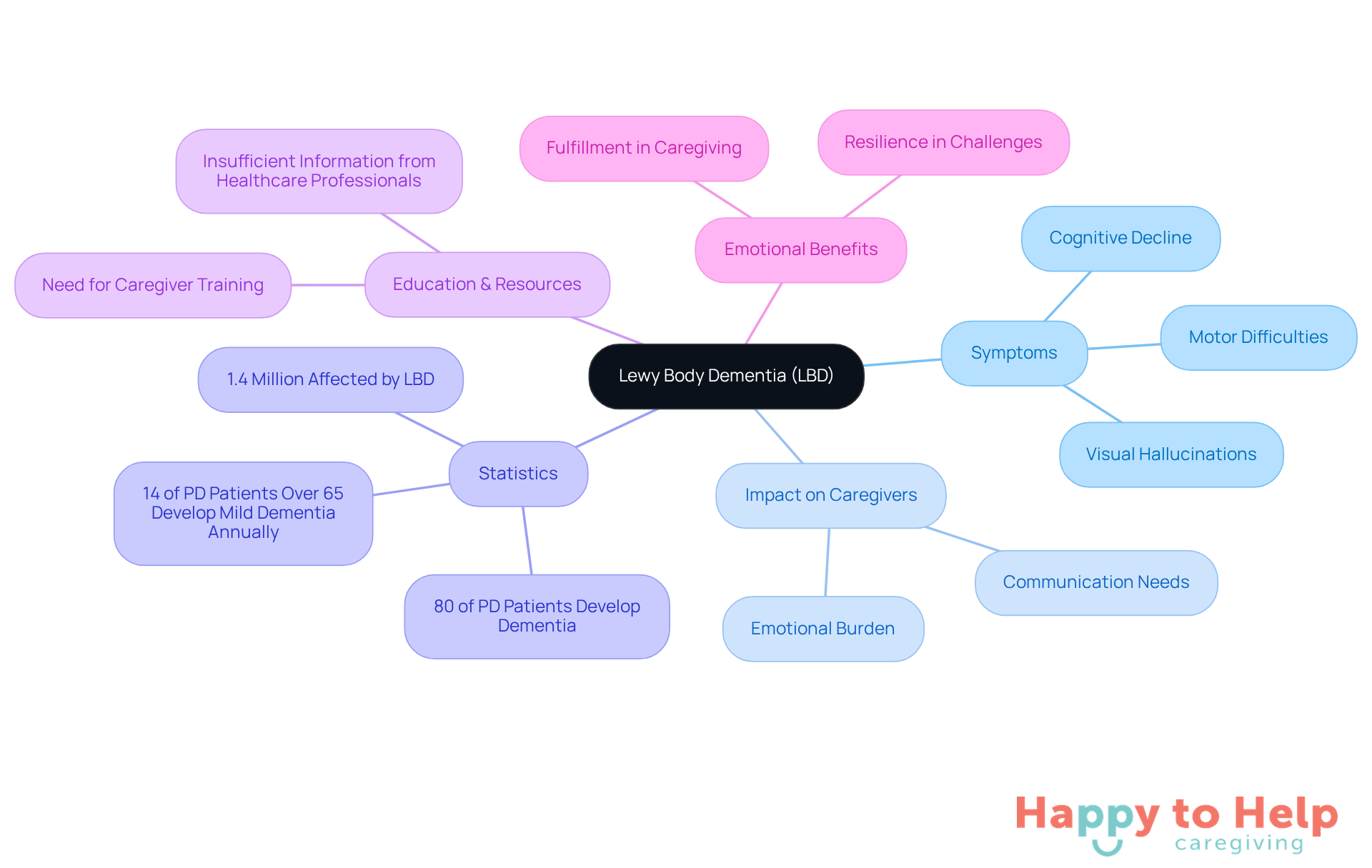
Statistics reveal the urgency of understanding LBD:
- Nearly 80% of individuals with Parkinson's Disease (PD) develop dementia within eight years.
- An estimated 14% of PD patients over age 65 will develop at least mild dementia each year.
This highlights the prevalence of LBD stages among older adults and the critical need for caregivers to be well-informed.
Despite the challenges, there are actionable solutions. Julia Wood, Director of Professional & Community Education at the Lewy Body Dementia Association, emphasizes that education is essential for those supporting individuals with this complex condition. Caregivers should seek out resources and training to better understand the LBD stages and their dynamics. This knowledge is vital for developing effective care plans that prioritize the well-being of both the individual during the LBD stages and their family members.
Additionally, studies show that over 40% of caregivers report receiving insufficient information about LBD from healthcare professionals. This underscores the need for improved communication and support. By adopting a compassionate and informed approach, caregivers can navigate the complexities of the LBD stages, fostering a supportive environment that addresses the unique challenges posed by this condition.
It's also important to recognize the emotional benefits of caregiving. Many individuals in this role find fulfillment despite the challenges they encounter. LBD stages affect an estimated 1.4 million Americans, highlighting the importance of caregivers being well-informed and supported in their caregiving journey.
Explore the Seven Stages of Lewy Body Dementia
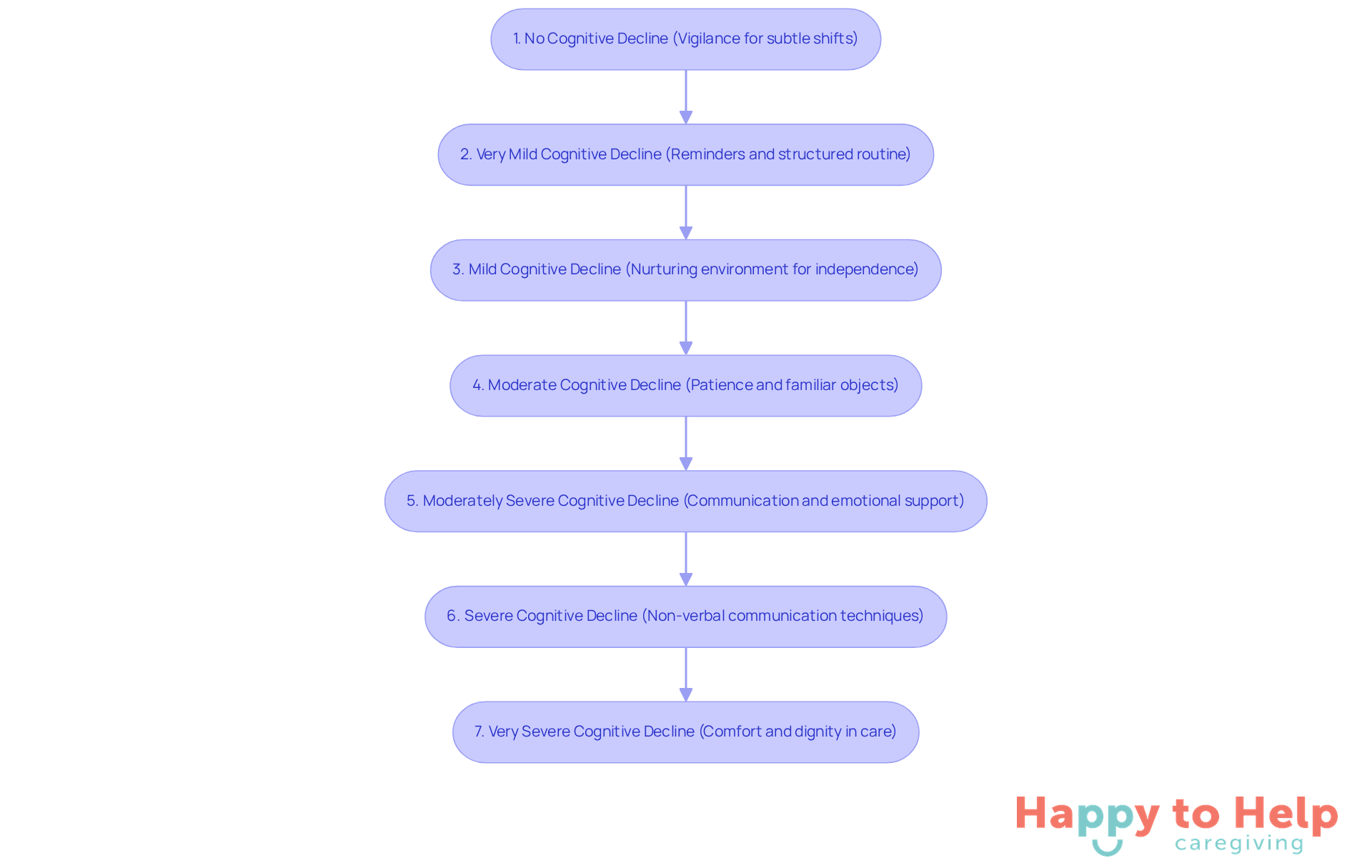
The progression of Lewy Body Dementia (LBD) presents significant challenges for caregivers, as it is typically categorized into seven distinct stages, each with unique caregiving needs:
-
No Cognitive Decline: In this initial stage, individuals may show no noticeable symptoms. Caregivers should remain vigilant for subtle shifts in behavior or mood that could indicate the onset of LBD.
-
Very Mild Cognitive Decline: Individuals may start to experience slight memory lapses or difficulty with complex tasks. Caregivers can assist by providing reminders and maintaining a structured routine.
-
Mild Cognitive Decline: Memory loss becomes more apparent at this stage, and individuals may struggle with daily activities. Caregivers should focus on creating a nurturing environment that promotes independence while ensuring safety.
-
Moderate Cognitive Decline: Significant confusion and difficulty recognizing familiar faces may occur. Caregivers should employ patience and use familiar objects or photographs to help orient the individual.
-
Moderately Severe Cognitive Decline: Increased dependence on caregivers for daily activities marks this stage. Caregivers should prioritize communication and emotional support, using straightforward language and maintaining eye contact to foster connection.
-
Severe Cognitive Decline: Individuals may lose the ability to communicate verbally and require assistance with basic needs. Caregivers should emphasize non-verbal communication techniques, such as touch and facial expressions, to convey love and support.
-
Very Severe Cognitive Decline: In the final stage, individuals may become entirely reliant on others for all aspects of care. Caregivers should ensure comfort and dignity, providing a peaceful environment and engaging in gentle, soothing interactions.
Understanding the LBD stages can help caregivers navigate the complexities of LBD, ensuring they provide essential support and compassion throughout the journey. It's important to note that the average time from LBD diagnosis to death typically ranges from 5 to 7 years, although some individuals may live up to 20 years post-diagnosis. Additionally, research indicates that individuals with LBD may experience an average annual decline of 2.1 points on the mini-mental state evaluation (MMSE), highlighting the variability in symptom onset and progression among individuals.
Recognize Common Symptoms Across Stages
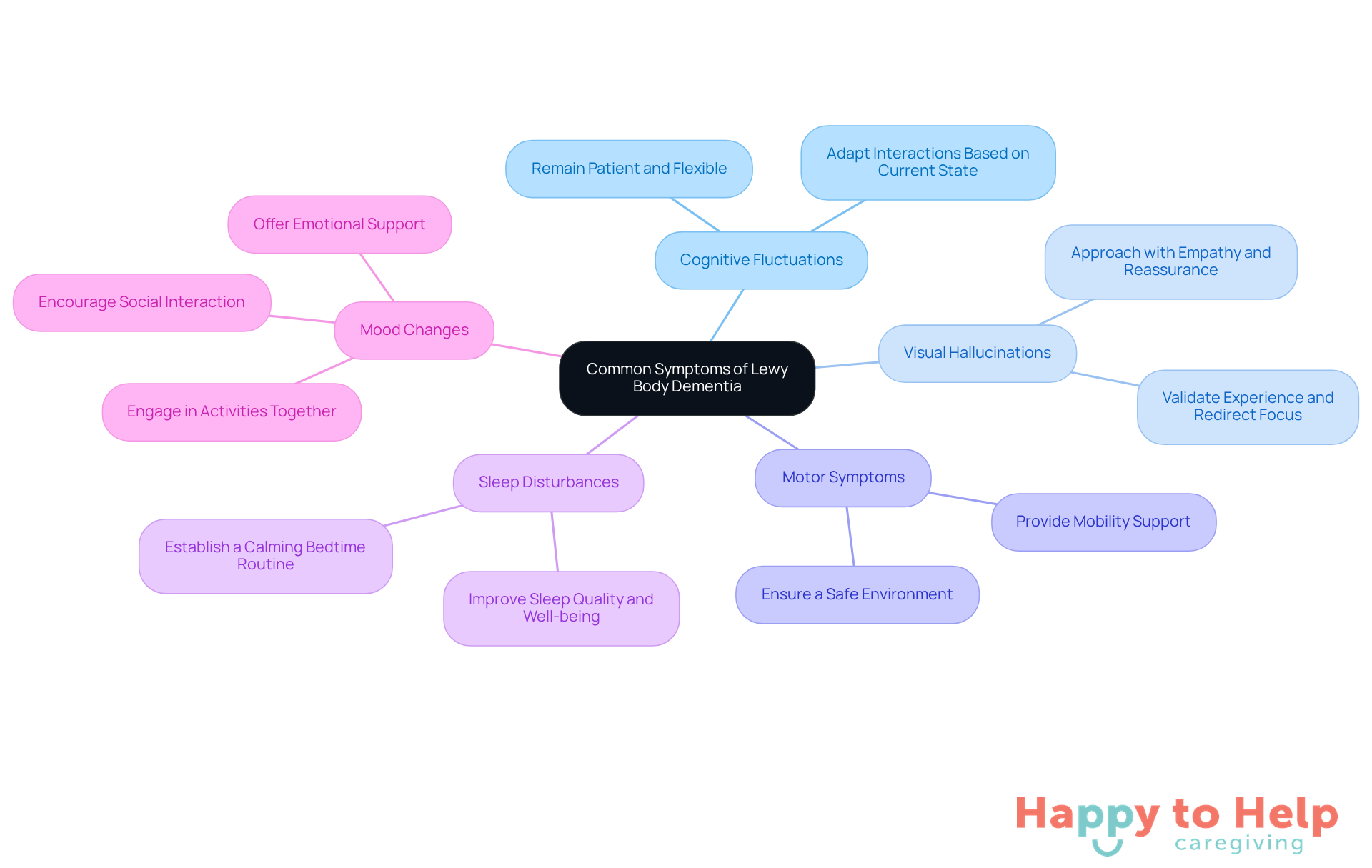
Caregivers of individuals with Lewy Body Dementia face several challenges as they navigate the LBD stages and symptoms progress. Understanding these common symptoms is crucial for providing effective support.
-
Cognitive Fluctuations can be particularly problematic. Individuals may experience varying levels of alertness and attention, making it difficult for caregivers to engage consistently. To address this, caregivers should remain patient and flexible, adapting their interactions based on the individual's current state.
-
Visual Hallucinations are another distressing symptom. Many individuals with LBD report seeing things that aren't there. Caregivers should approach these situations with empathy and reassurance, validating the individual's experience while gently redirecting their focus.
-
Motor Symptoms, such as stiffness, tremors, and difficulty with movement, can significantly impact daily activities. Caregivers can assist by providing mobility support and ensuring a safe environment to prevent falls and injuries.
-
Sleep Disturbances are common, including changes in sleep patterns and REM sleep behavior disorder. Caregivers can help by establishing a calming bedtime routine, which may improve sleep quality and overall well-being.
-
Lastly, Mood Changes like depression, anxiety, or apathy can arise. Caregivers should offer emotional support and encourage social interaction to help combat feelings of isolation. Engaging in activities together can foster connection and improve mood.
By recognizing these symptoms and implementing practical solutions, caregivers can enhance their support for individuals experiencing the LBD stages of Lewy Body Dementia.
Your Path Forward
Understanding the complexities of Lewy Body Dementia (LBD) presents a significant challenge for caregivers. This progressive disorder brings emotional and practical hurdles that can be overwhelming. Caregivers often struggle with fluctuating cognitive symptoms, emotional support needs, and the necessity for effective communication. These challenges can lead to caregiver burnout and decreased quality of life for both caregivers and those they support.
However, there are actionable solutions that can help. By recognizing the seven distinct stages of LBD, caregivers can tailor their approaches to meet the evolving needs of their loved ones. Engaging with support networks, attending educational sessions, and remaining adaptable in caregiving strategies are essential steps. These resources empower caregivers, enhancing their well-being and fostering a nurturing atmosphere for individuals experiencing LBD.
As the prevalence of LBD continues to rise, informed and compassionate care becomes increasingly vital. Caregivers should embrace this journey with understanding and empathy, which can lead to profound connections and a sense of fulfillment amidst the challenges. By prioritizing education and communication, caregivers can significantly enhance the quality of life for themselves and those they support.
https://iframe.tely.ai/cta/eyJhcnRpY2xlX2lkIjogIjY5MjY2NjI5Nzk5YjlmZWFhM2ZhMGUxMyIsICJjb21wYW55X2lkIjogIjY4ZWU1ZGNhNzMxNzYyNTU3ZjNjOTVjMSIsICJpbmRleCI6IG51bGwsICJ0eXBlIjogImFydGljbGUifQ==Frequently Asked Questions
What is Lewy Body Dementia (LBD)?
Lewy Body Dementia (LBD) is a progressive neurological disorder characterized by the accumulation of Lewy bodies, which are abnormal protein deposits in the brain. It significantly impacts cognitive functions such as memory, attention, and motor skills, leading to a gradual decline in mental capabilities.
What are the main challenges faced by caregivers of individuals with LBD?
Caregivers face fluctuating cognitive symptoms in patients, including visual hallucinations and pronounced motor difficulties. These symptoms complicate daily caregiving tasks and contribute to emotional burdens, often resulting in feelings of frustration and helplessness.
How prevalent is LBD among individuals with Parkinson's Disease?
Nearly 80% of individuals with Parkinson's Disease (PD) develop dementia within eight years, and an estimated 14% of PD patients over age 65 will develop at least mild dementia each year, highlighting the prevalence of LBD stages among older adults.
What resources are available for caregivers of individuals with LBD?
Caregivers are encouraged to seek out educational resources and training to better understand LBD stages and dynamics. This knowledge is vital for developing effective care plans that prioritize the well-being of both the individual and their family members.
What is the communication gap between caregivers and healthcare professionals regarding LBD?
Over 40% of caregivers report receiving insufficient information about LBD from healthcare professionals, indicating a need for improved communication and support.
What emotional aspects do caregivers experience while caring for individuals with LBD?
Despite the challenges, many caregivers find fulfillment in their role, recognizing the emotional benefits of caregiving while navigating the complexities of LBD stages.
How many Americans are affected by LBD?
LBD stages affect an estimated 1.4 million Americans, emphasizing the importance of caregivers being well-informed and supported in their caregiving journey.
List of Sources
- Define Lewy Body Dementia and Its Impact on Caregiving
- NADRC Webinar on Lewy Body Dementia Diagnosis, Care, and Support | ACL Administration for Community Living (https://acl.gov/news-and-events/announcements/nadrc-webinar-lewy-body-dementia-diagnosis-care-and-support)
- Lewy Body Dementia research (https://bannerhealth.com/newsroom/press-releases/lewy-body-research)
- All of a sudden, dementia treatment is becoming very exciting (https://statnews.com/2025/10/27/dementia-stigma-biomarker-based-therapeutics-treatment)
- Learn More About LBD From Lewy Body Dementia Association (https://lbda.org/about-lbd)
- Online Study Examines Daily Well-being of Caregivers for Lewy Body Dementia - Lewy Body Dementia Association (https://lbda.org/online-study-examines-daily-well-being-of-caregivers-for-lewy-body-dementia)
- Explore the Seven Stages of Lewy Body Dementia
- New research shows potential treatment for Lewy body dementia (https://azpbs.org/horizon/2025/10/lewy-body-dementia)
- Geriatrics Update Session Examines Lewy Body Dementia, Parkinson's Disease, Alzheimer's - UAMS News (https://news.uams.edu/2025/10/27/geriatrics-update-session-examines-lewy-body-dementia-parkinsons-disease-alzheimers)
- Progression rates of Lewy body dementia (https://medicalnewstoday.com/articles/lewy-body-dementia-fast-decline)
- 7 Stages of Lewy Body Dementia: A Caring Guide - Lewy Body Dementia Resource Center (https://lewybodyresourcecenter.org/7-stages-of-lewy-body-dementia-a-caring-guide)
- Recognize Common Symptoms Across Stages
- New research shows potential treatment for Lewy body dementia (https://azpbs.org/horizon/2025/10/lewy-body-dementia)
- Online Study Examines Daily Well-being of Caregivers for Lewy Body Dementia - Lewy Body Dementia Association (https://lbda.org/online-study-examines-daily-well-being-of-caregivers-for-lewy-body-dementia)
- Geriatrics Update Session Examines Lewy Body Dementia, Parkinson's Disease, Alzheimer's - UAMS News (https://news.uams.edu/2025/10/27/geriatrics-update-session-examines-lewy-body-dementia-parkinsons-disease-alzheimers)
- Presentation and Management of Psychosis, Depression, Agitation, Apathy, and RBD in People Living with Lewy Body Dementia (https://practicalneurology.com/archives/aug-2025-issue/presentation-and-management-of-psychosis-depression-agitation-apathy-and-rbd-in-people-living-with-lewy-body-dementia/36698)
- What is the ‘Lewy lean’? The odd sign of a type of dementia that progresses faster than Alzheimer’s (https://nypost.com/2025/09/29/health/what-is-the-lewy-lean-the-sign-of-a-type-of-dementia-that-progresses-faster-than-alzheimers)