What You Need to Know About Find the Best Home Care Nursing Near Me
Finding the right home care nursing services can be a daunting task. Caregivers often feel overwhelmed, especially when the well-being of a loved one is at stake. With so many options available, navigating this complex landscape is crucial for ensuring quality care.
The implications of making the wrong choice can be significant, affecting not just the physical health of the individual but also their emotional well-being. Caregivers may worry about safety, comfort, and the level of support their loved ones receive. This uncertainty can lead to stress and anxiety, making the decision-making process even more challenging.
So, what can caregivers do to confidently select the best home care provider tailored to their loved one's unique needs? This guide outlines a systematic approach, providing actionable steps that empower families to make informed decisions. By prioritizing safety, comfort, and emotional support, caregivers can ensure their loved ones receive the quality care they deserve.
Understand Your Home Care Needs
Begin by evaluating the specific needs of your loved one. This is crucial because understanding these needs can significantly impact their quality of life.
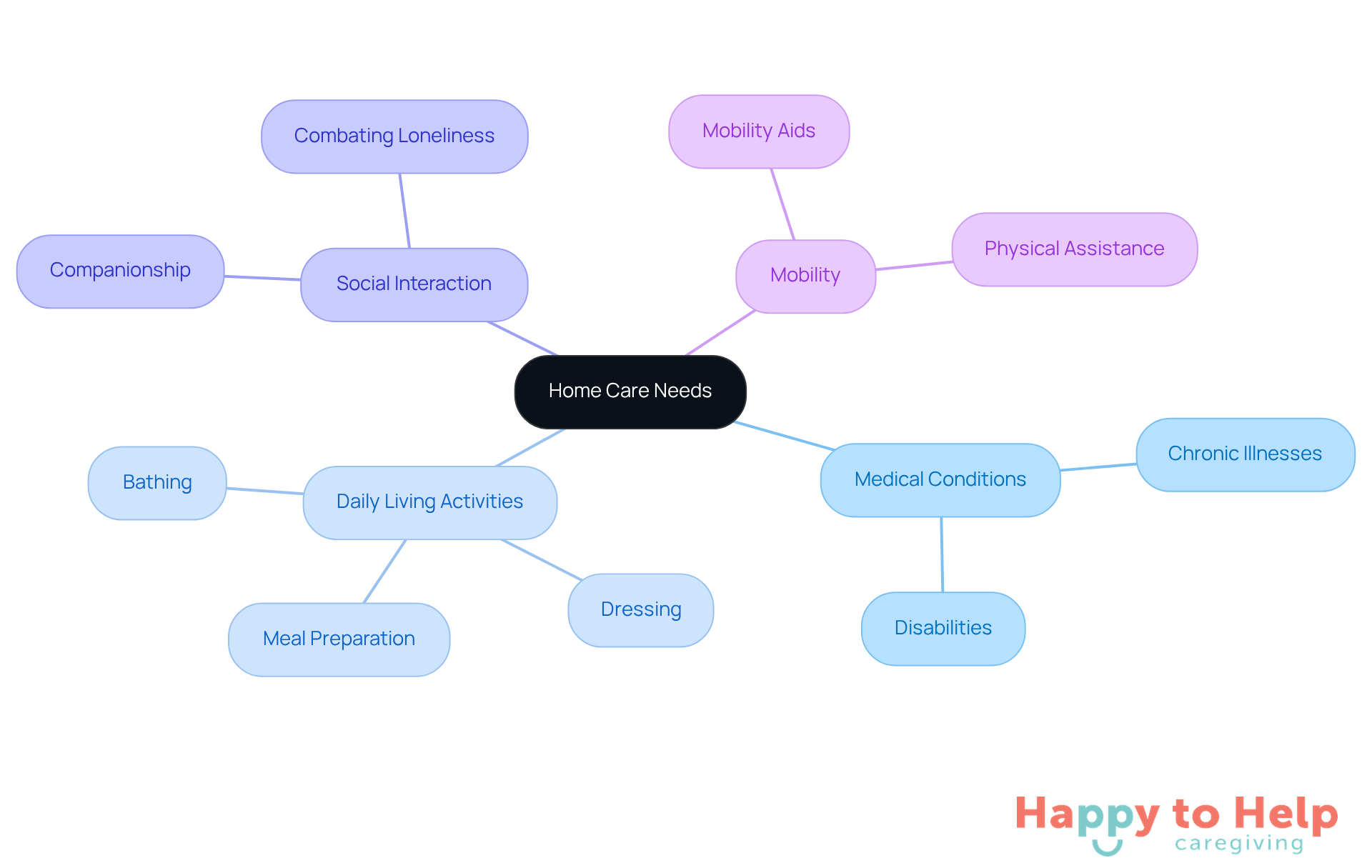
- Medical Conditions: Identify any chronic illnesses or disabilities that require specialized care. Failing to address these can lead to complications and increased stress for both the caregiver and the loved one.
- Daily Living Activities: Assess the level of assistance needed with activities like bathing, dressing, and meal preparation. Without proper support, daily tasks can become overwhelming.
- Social Interaction: Determine if companionship is necessary to combat loneliness. Isolation can have serious emotional and physical effects.
- Mobility: Evaluate if mobility aids or physical assistance are required. Inadequate mobility support can lead to accidents and decreased independence.
Making a list of these requirements will assist you in communicating effectively with possible providers of home care nursing near me. This proactive approach not only ensures that your loved one receives the care they need but also alleviates some of the burdens on you as a caregiver.
Research Local Home Care Providers
For caregivers, finding reliable home care nursing near me can be a daunting task. With so many options available, it’s crucial to navigate this landscape effectively to ensure your loved ones receive the best care possible.
-
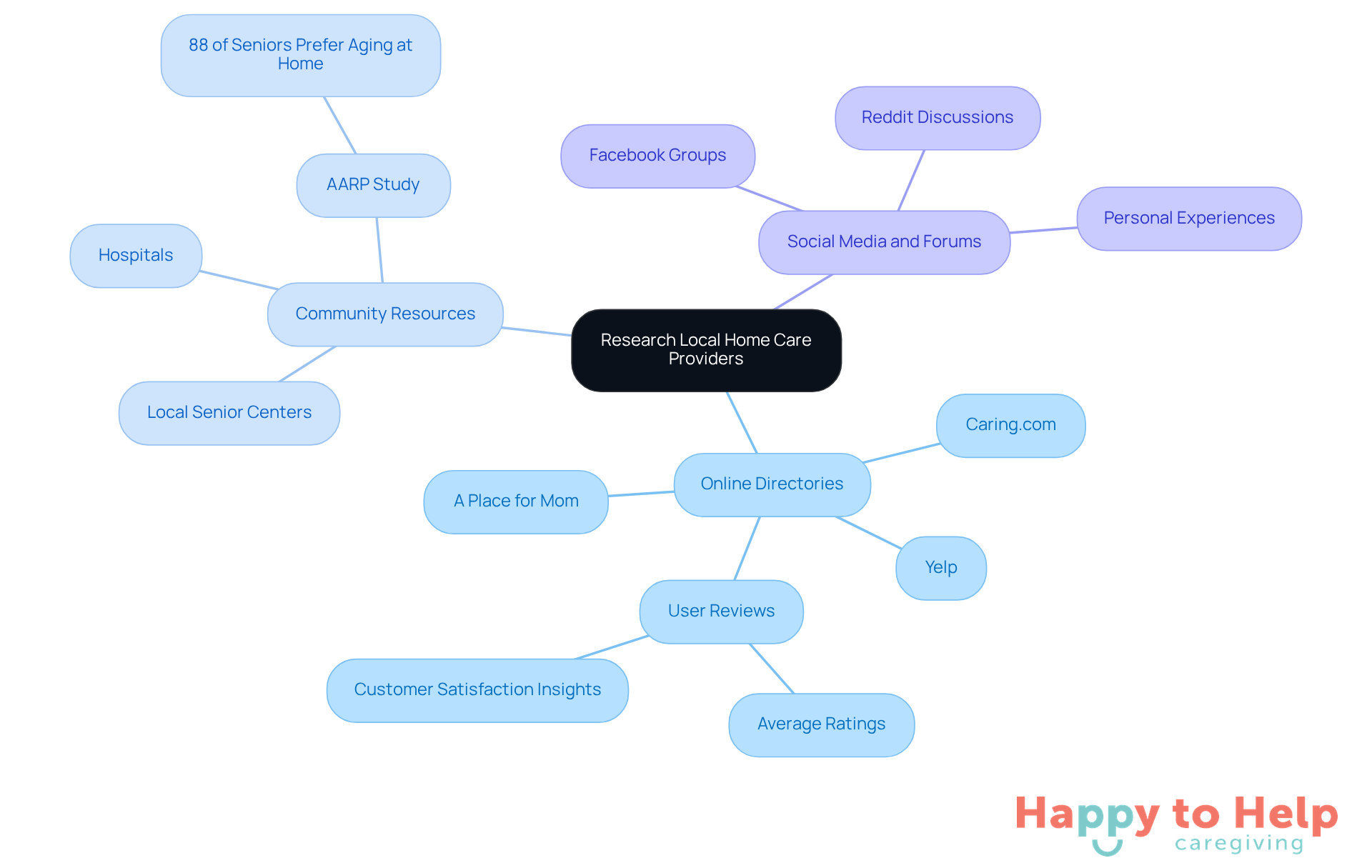
Online Directories: Websites like Yelp, Caring.com, and A Place for Mom provide extensive listings and user reviews of home care agencies in your area. These platforms offer insights into treatment standards and customer satisfaction. For instance, the average ratings of home support providers can help you assess their dependability and service quality.
-
Community Resources: Local senior centers and hospitals are invaluable for recommendations. They often have established connections with trustworthy home support organizations and can guide you toward providers that meet specific needs. According to an AARP study, 88% of individuals aged 50 and above prefer to stay at home, emphasizing the importance of utilizing local resources for finding home care nursing near me.
-
Social Media and Forums: Engaging with community groups on platforms like Facebook or Reddit allows you to gather personal experiences and suggestions from others who have faced similar challenges. These discussions can reveal insights about the reliability and service standards of various organizations.
As you research, be sure to note the services each provider offers, their availability, and contact information for further evaluation. This thorough approach will help ensure you find a home support agency that aligns with your loved one's needs and preferences.
Evaluate Caregiver Qualifications and Experience
When evaluating caregivers, it's crucial to address several key factors that can significantly impact the quality of care your loved ones receive.
Many families struggle with finding the right home care nursing near me, which can result in inadequate support and safety concerns for their loved ones.
Without proper qualifications, caregivers may lack the necessary skills to handle specific conditions, such as dementia or post-operative care. Research shows that caregivers with specialized training in dementia care can greatly enhance patient outcomes, improving both the quality of life for clients and the satisfaction of their families. A study indicates that better-trained providers lead to improved health outcomes and greater family satisfaction.
Here are essential factors to consider:
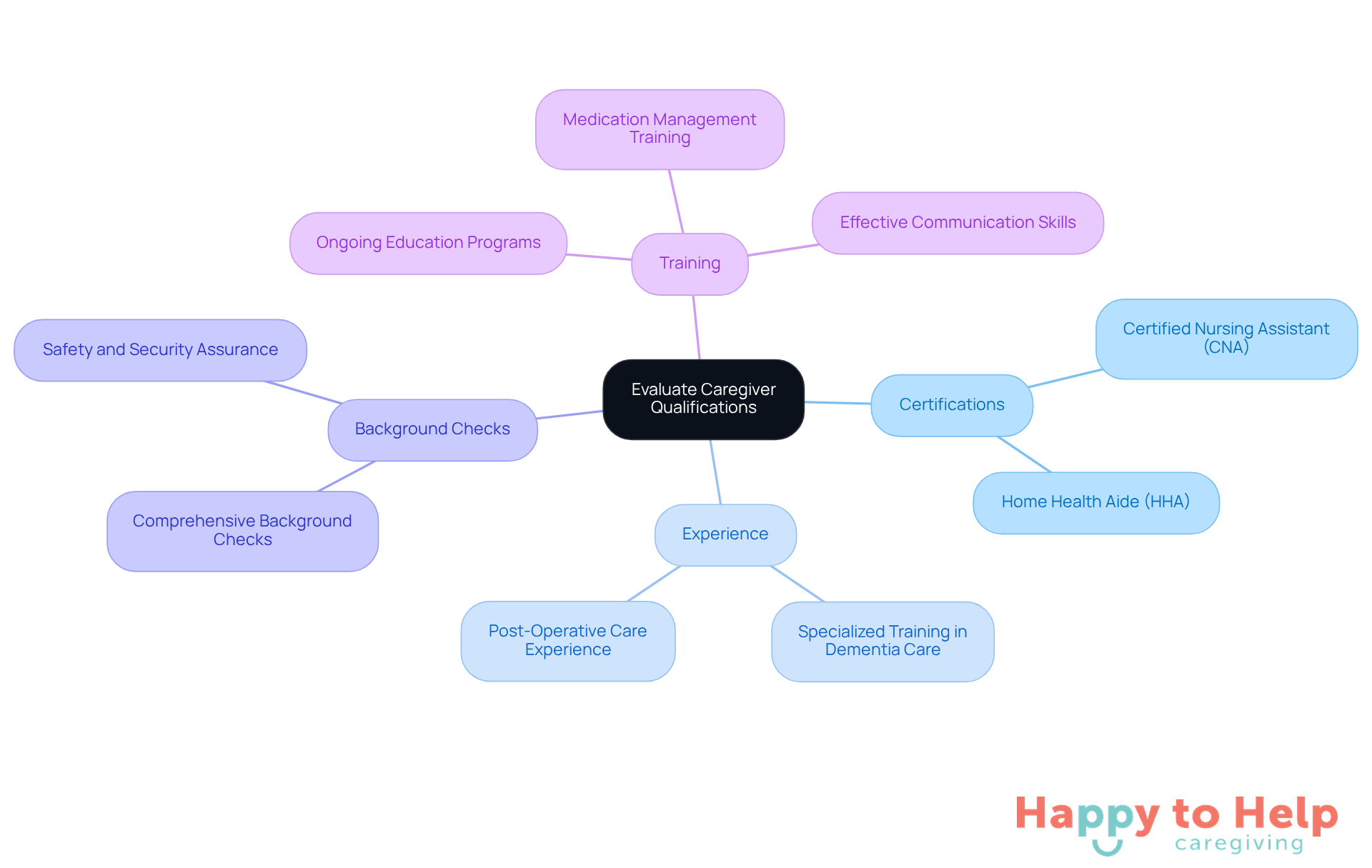
- Certifications: Verify that caregivers hold relevant certifications, such as Certified Nursing Assistant (CNA) or Home Health Aide (HHA). These credentials suggest a basic level of training and dedication to quality service.
- Experience: Ask about their particular experience with conditions like dementia or post-operative support. This knowledge is vital for ensuring effective care.
- Background Checks: Ensure that the agency conducts comprehensive background checks on their personnel. This step is crucial for ensuring the safety and security of your loved ones.
- Training: Inquire about ongoing training programs that staff engage in to stay updated with best practices. Ongoing education is essential, particularly in areas like medication management and effective communication, which are crucial for providing high-quality service. Beginning in 2025, Medicare will compensate healthcare providers for caregiver training services included in a patient’s treatment plan, highlighting the significance of continuous education.
Request documentation of these qualifications during your discussions with potential providers to ensure that you are making an informed choice.
Assess Services Offered and Flexibility
When assessing home care nursing near me, caregivers face a significant challenge: ensuring that the services provided meet the unique needs of their loved ones. With nearly 95% of individuals over 60 managing at least one chronic health condition, the variety of services offered becomes crucial.
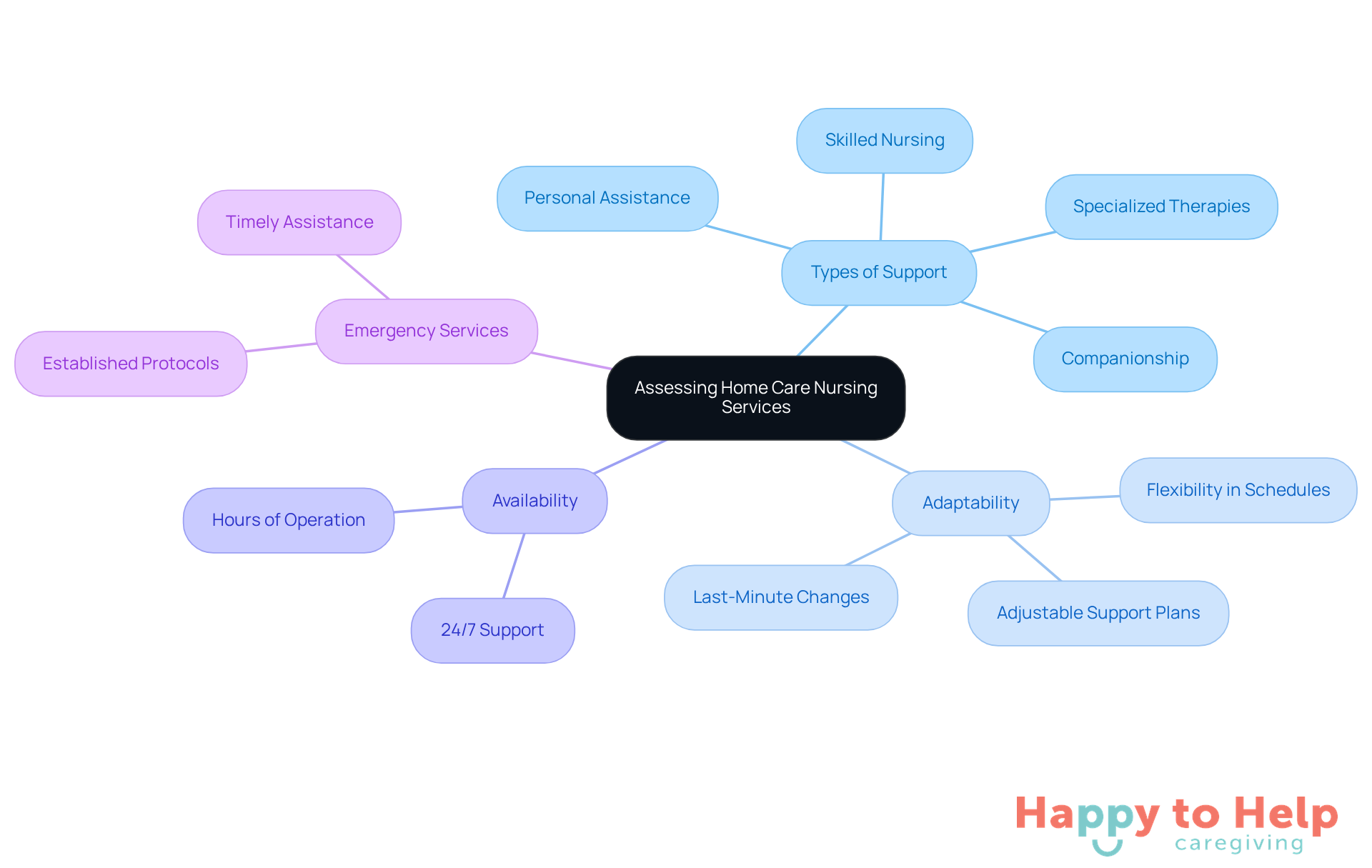
Types of Support: It's essential to choose an organization that provides a comprehensive range of services. Look for options that include personal assistance, companionship, skilled nursing, and specialized therapies tailored to specific health conditions. This diversity in support options is vital for addressing the varied needs of seniors.
Adaptability: Flexibility is another key factor. Inquire about the organization's ability to adjust support plans and schedules. As seniors' needs can change rapidly, organizations that can modify treatment plans not only enhance service quality but also foster a sense of security for families. Many families appreciate organizations that can accommodate last-minute changes or provide additional hours of support when necessary.
Availability: Verify the organization's hours of operation and whether they offer round-the-clock support. With the elderly population projected to reach 82 million by 2050, having access to care at all times can be a significant advantage.
Emergency Services: It's crucial to check if the organization has established protocols for emergencies or sudden health changes. A reliable organization should have a clear plan to address urgent situations, ensuring that your loved one receives timely assistance. Delays in home assistance services can hinder recovery, making it essential to have a dependable emergency response.
This thorough assessment will help you determine if the organization offering home care nursing near me can provide the necessary support over time, ensuring peace of mind for both you and your loved one.
Read Reviews and Testimonials
When searching for home assistance services, the challenge lies in identifying a trustworthy agency. Without thorough research, families may struggle to find the right support for their loved ones. This is where reviews across different platforms become essential.
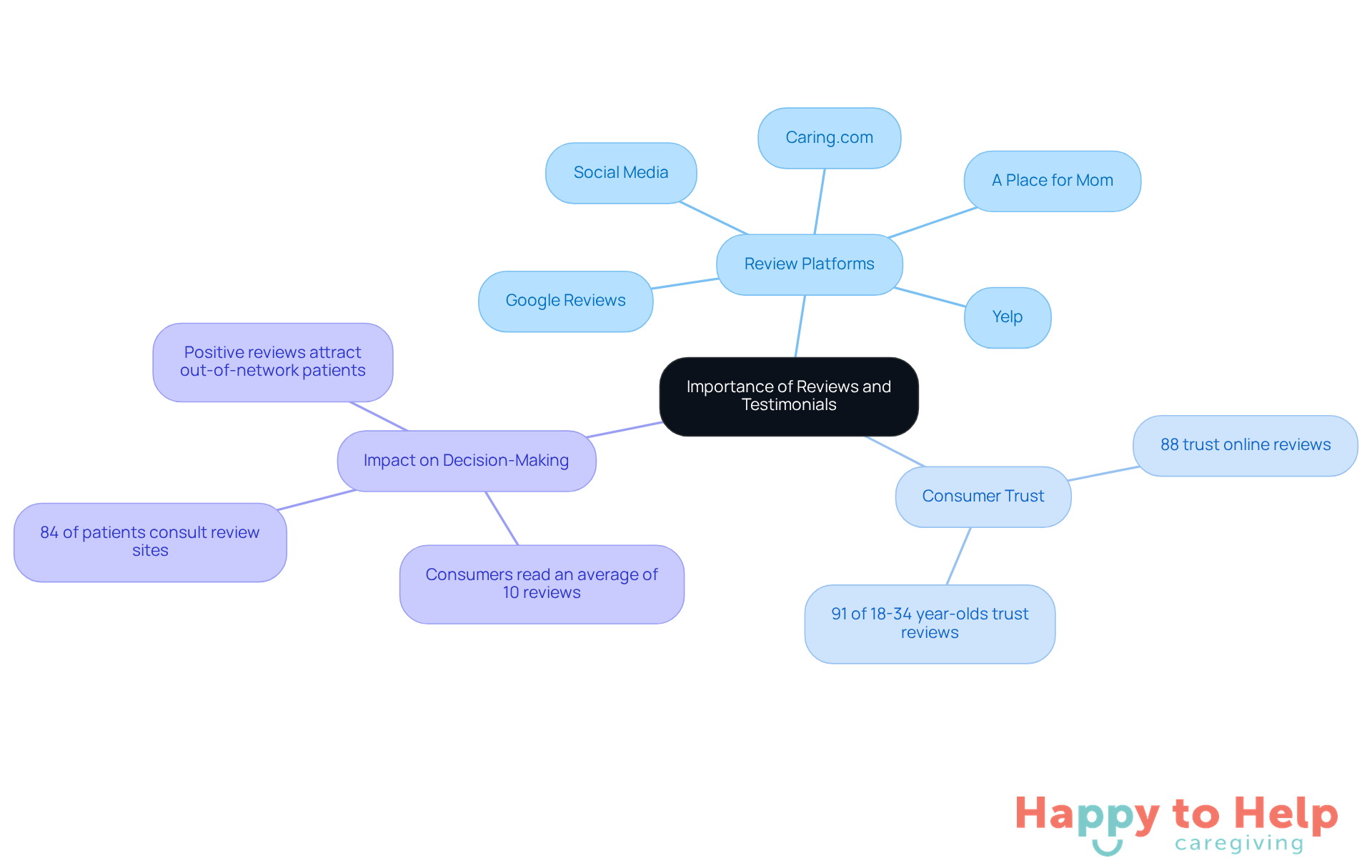
Start by exploring popular review sites like Yelp and Google Reviews. These platforms allow you to assess overall ratings and dive into individual comments, providing insights into the experiences of other families. In fact, consumers read an average of 10 online reviews before feeling confident in a local business, highlighting the necessity of comprehensive research.
Specialized sites such as Caring.com and A Place for Mom also offer detailed reviews from families who have used these services. These testimonials reveal crucial information about service quality, provider professionalism, and responsiveness.
Don’t forget about social media; the agency’s social media pages can provide real-time feedback and showcase interactions with clients. A significant 84% of patients regularly consult review sites to view or post comments about healthcare staff, underscoring the role of social media in the review process. Pay attention to recurring themes in evaluations, such as caregivers’ professionalism and the overall quality of assistance.
Understanding these testimonials is vital. A striking 88% of consumers trust online reviews as much as personal recommendations, with 91% of individuals aged 18-34 sharing this trust. This trust illustrates the considerable impact that both positive and negative reviews can have on family decisions regarding home care nursing near me. Negative reviews can damage a business’s reputation, while positive reviews can foster trust. By carefully interpreting these testimonials, families can make informed choices regarding home care nursing near me that align with their loved ones’ needs.
Conduct Interviews with Caregivers
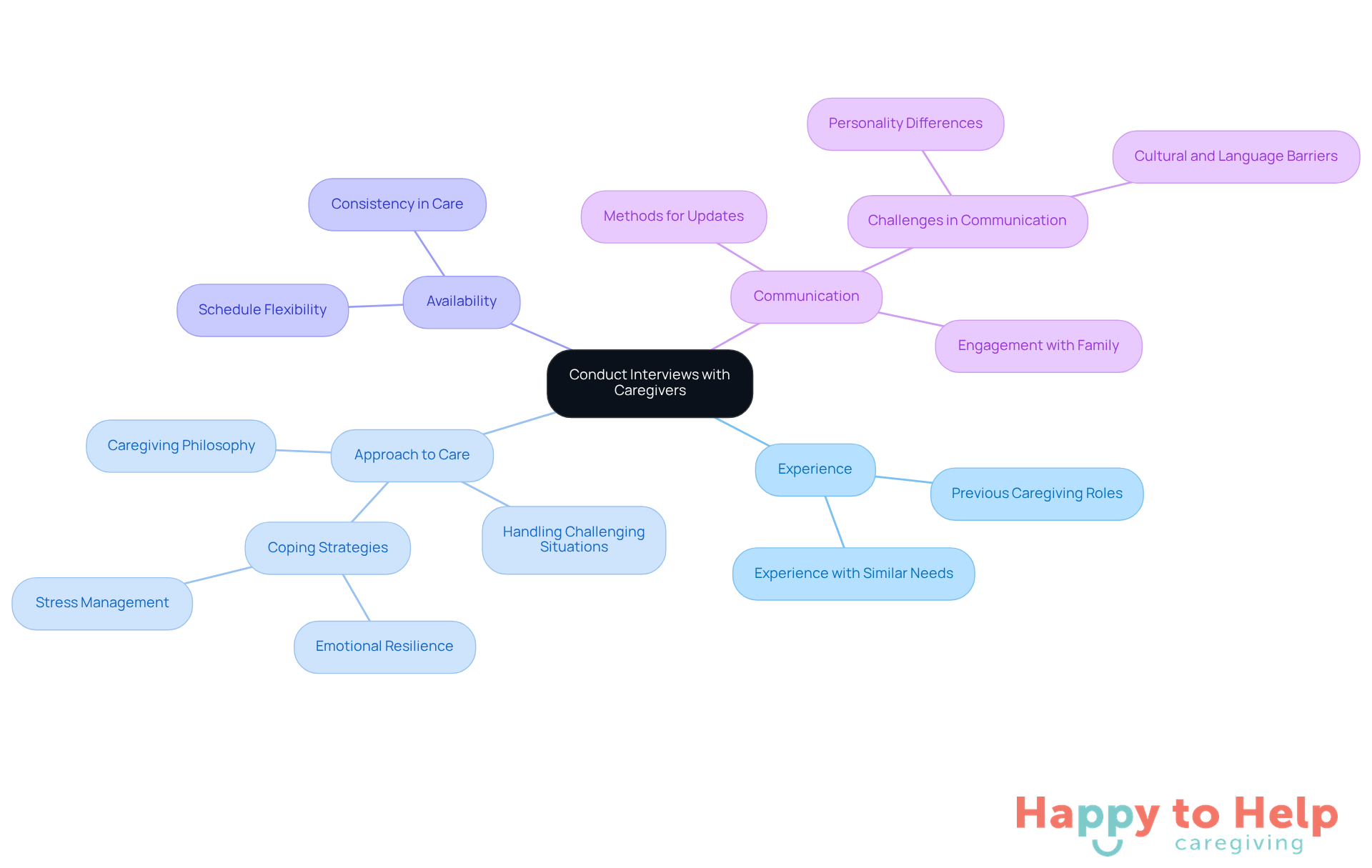
When interviewing prospective caregivers, it’s crucial to prepare a thoughtful list of questions that address key aspects of their experience and communication style. Here are some critical areas to focus on:
- Experience: Ask about their previous caregiving roles, especially with clients who have similar needs to your loved one. Understanding their background can provide insight into their capability and adaptability.
- Approach to Care: Inquire about their caregiving philosophy and how they handle challenging situations. This helps gauge their problem-solving skills and emotional resilience, which are vital in caregiving. Notably, almost 66% of caregivers report moderate to high emotional stress, making it essential to understand their coping strategies.
- Availability: Confirm their schedule and flexibility to ensure they can consistently meet your loved one’s needs. Caregivers often juggle multiple responsibilities, so understanding their availability is crucial.
- Communication: Discuss their preferred methods for updating family members about care progress. Effective communication is key; nearly 92% of family supporters actively engage in the patient experience, highlighting the need for regular and clear updates. Additionally, 45% of caregivers experience moderate to high physical strain, which can impact their communication effectiveness.
Conduct these interviews in a comfortable setting to encourage open dialogue. This approach not only promotes transparency but also allows you to assess the provider’s interpersonal skills, which are essential for building a trusting relationship with your family. Remember, the right caregiver will not only provide physical assistance but also engage in meaningful communication, reducing feelings of isolation and fostering a collaborative support environment. As Dr. Aaron Blight emphasizes, effective communication is vital in the caregiving sector for delivering quality support and nurturing strong connections with clients and their families.
Make Your Final Decision
Selecting the right home care nursing near me services can be a daunting task for caregivers. The emotional weight of ensuring your loved one receives the best care possible can lead to confusion and stress.
-
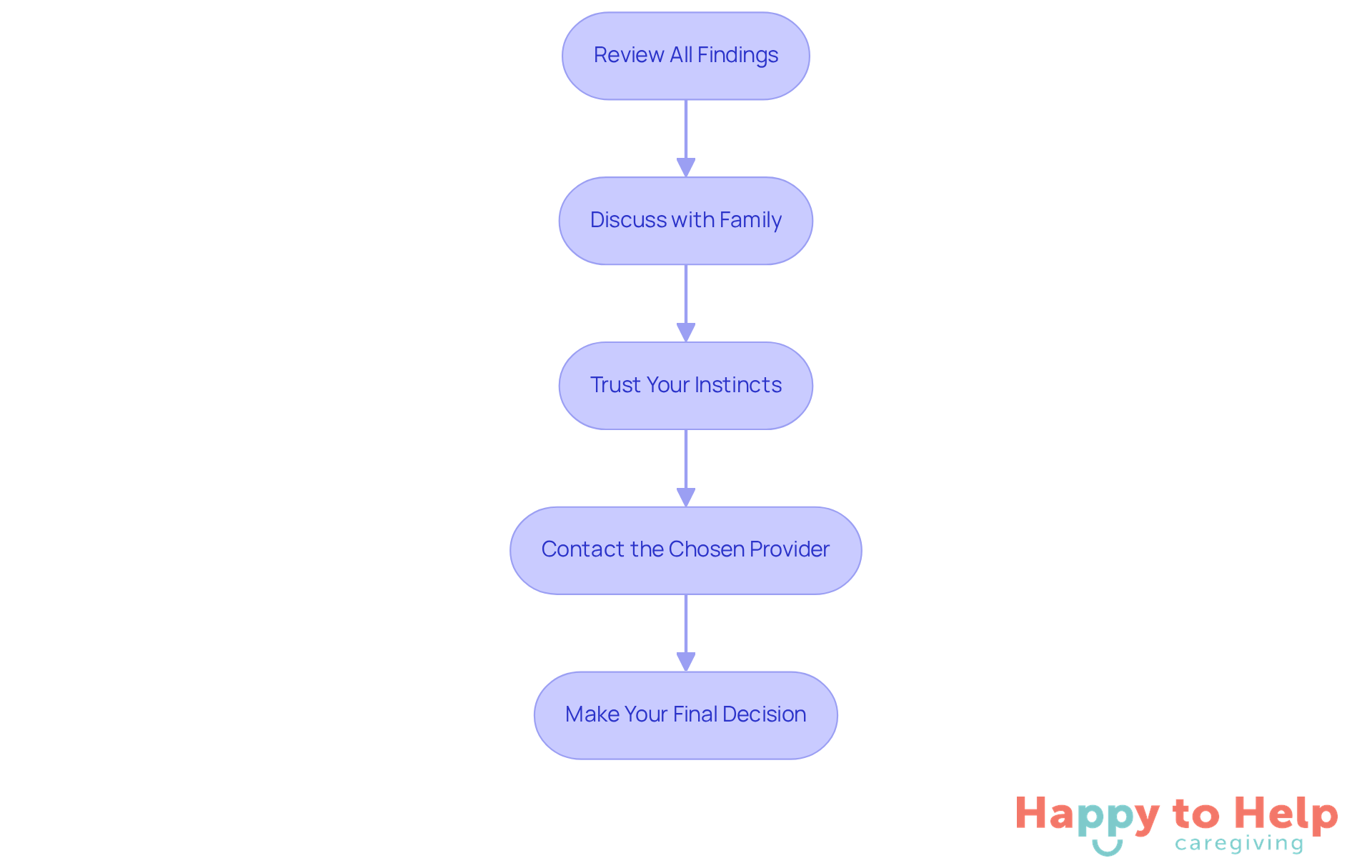
Review All Findings: Start by carefully examining your notes from research, interviews, and evaluations. This step is crucial to ensure you have a comprehensive understanding of your options.
-
Discuss with Family: Engage family members in the decision-making process. Involving loved ones fosters a sense of unity and ensures that everyone’s concerns and preferences are considered. Studies show that 75% of those providing assistance live within 20 minutes of their recipients, highlighting the importance of nearby support and emotional engagement in these decisions.
-
Trust Your Instincts: Reflect on your feelings during interviews with potential providers. Trust is vital in selecting a caregiver; many family supporters emphasize the significance of their intuition. As one caregiver noted, "Trusting my gut feeling about the caregiver made all the difference in my loved one's comfort and happiness."
-
Contact the Chosen Provider: Once you’ve made a decision, connect with the selected agency to discuss the next steps, including management plans and expectations. This proactive approach prepares you to address any questions or concerns that may arise.
By following this structured approach, you can confidently select the best home care nursing near me for your loved one, ensuring their needs are met with compassion and professionalism.
Taking the Next Steps
Finding the best home care nursing services can be a daunting task for caregivers. The challenge lies in understanding the unique needs of their loved ones while navigating a sea of potential providers. This journey is crucial, as the right choice directly impacts the quality of care and the overall well-being of both the caregiver and the recipient.
To tackle this problem, caregivers should follow a structured approach:
- Start by assessing individual needs - what specific support does your loved one require?
- Next, research local providers, focusing on their qualifications and the services they offer.
- Conducting interviews with potential caregivers is essential; this step allows you to gauge their experience and compatibility with your family member.
- Prioritizing flexibility, availability, and quality of service will help you make informed decisions that foster trust and comfort.
Ultimately, the quest for the right home care nursing service is about more than just finding assistance; it’s about ensuring peace of mind for everyone involved. As the elderly population continues to grow, the demand for accessible, high-quality home care is more critical than ever. By engaging in this process with diligence and compassion, caregivers can significantly enhance the lives of those who depend on these essential services.
https://iframe.tely.ai/cta/eyJhcnRpY2xlX2lkIjogIjY5MjBmZDQ1NzJkZTk4NjA5OWQwYjBjOCIsICJjb21wYW55X2lkIjogIjY4ZWU1ZGNhNzMxNzYyNTU3ZjNjOTVjMSIsICJpbmRleCI6IG51bGwsICJ0eXBlIjogImFydGljbGUifQ==Frequently Asked Questions
How do I begin understanding my home care needs for a loved one?
Start by evaluating the specific needs of your loved one, including their medical conditions, daily living activities, social interaction requirements, and mobility needs. This understanding is crucial for their quality of life.
Why is it important to identify medical conditions when assessing home care needs?
Identifying chronic illnesses or disabilities that require specialized care is important because failing to address these needs can lead to complications and increased stress for both the caregiver and the loved one.
What daily living activities should I assess for home care needs?
Assess the level of assistance needed with activities such as bathing, dressing, and meal preparation, as inadequate support can make these daily tasks overwhelming.
How can social interaction impact my loved one's well-being?
Companionship is necessary to combat loneliness, which can have serious emotional and physical effects on an individual.
What should I evaluate regarding mobility needs?
Evaluate if mobility aids or physical assistance are required, as inadequate support can lead to accidents and decreased independence.
How can I effectively research local home care providers?
Utilize online directories like Yelp, Caring.com, and A Place for Mom for listings and user reviews. Additionally, seek recommendations from local senior centers and hospitals, and engage with community groups on social media platforms for personal experiences.
Why are community resources important in finding home care providers?
Community resources, such as senior centers and hospitals, often have established connections with trustworthy home support organizations and can guide you toward providers that meet specific needs.
What should I consider when evaluating home care providers?
When researching providers, note the services they offer, their availability, and contact information for further evaluation to ensure they align with your loved one's needs and preferences.
List of Sources
- Understand Your Home Care Needs
- FastStats (https://cdc.gov/nchs/fastats/home-health-care.htm)
- State of home care in 2025 (https://mcknightshomecare.com/state-of-home-care-in-2025)
- Home Care Industry Trends to Watch in 2025 (https://firstlighthomecare.com/blog/home-care-industry-trends)
- Warning From Older Adults: Care for Aging in America Needs Urgent Rethinking (https://johnahartford.org/newsroom/view/warning-from-older-adults-care-for-aging-in-america-needs-urgent-rethinking)
- Bridging the Gap in Elderly Care: The Case for Comprehensive In-Home Assessment (https://reachmd.com/news/bridging-the-gap-in-elderly-care-the-case-for-comprehensive-in-home-assessment/2474101)
- Research Local Home Care Providers
- 2025 Home Care Statistics: Trends & Insights To Know (https://premierhcinc.com/blog/home-care-statistics)
- 52 Eye-Opening Home Health Statistics: Insights for 2025 (https://boosthomehealth.com/home-health-statistics)
- 10 Must-Know U.S. Home Care Industry Stats for 2025 - North American Community Hub (https://nchstats.com/us-home-care-industry-stats)
- 8 Quotes That Tell The Story Of Home-Based Care In 2022 -- And Beyond (https://homehealthcarenews.com/2022/12/8-quotes-that-tell-the-story-of-home-based-care-in-2022-and-beyond)
- Evaluate Caregiver Qualifications and Experience
- Research: Caregiver Training Improves Skills & Knowledge of Alzheimer's, Study Shows (https://advancecaregivers.org/caregiver-training-improves-skills-knowledge-of-alzheimers-study-shows)
- 2025 home care trends include tightened EVV oversight, investments in caregiver training (https://mcknightshomecare.com/2025-home-care-trends-include-tightened-evv-oversight-investments-in-caregiver-training)
- Why Ongoing Caregiver Training Matters More Than Ever in 2025 – Professional Association of Caregivers (https://professionalassociationofcaregivers.org/2025/07/21/why-ongoing-caregiver-training-matters-more-than-ever-in-2025)
- The Case For Stronger Caregiver Vetting In Home Care (https://homehealthcarenews.com/2024/10/the-case-for-stronger-caregiver-vetting-in-home-care)
- Medicare 2025 Initiatives Driving Change in Caregiver Training (https://learn2care.us/blog/how-medicare-2025-initiatives-will-shape-caregiver-training)
- Assess Services Offered and Flexibility
- A Better Solution Home Care (https://abs.care/Home-Care-Staffing-Shortages-How-They-Impact-Home-Care-Services)
- 52 Eye-Opening Home Health Statistics: Insights for 2025 (https://boosthomehealth.com/home-health-statistics)
- Home Care Providers Aim For Big Wins By Introducing Shorter Care Models Bypassing Service Minimums (https://homehealthcarenews.com/2025/02/home-care-providers-aim-for-big-wins-by-introducing-shorter-care-models-bypassing-service-minimums)
- 2025 Home Care Statistics: Trends & Insights To Know (https://premierhcinc.com/blog/home-care-statistics)
- DOL Proposes Rule to Reinstate Companionship & Live-in Exemptions from Minimum Wage and Overtime for Third-Party Employers | Littler (https://littler.com/news-analysis/asap/dol-proposes-rule-reinstate-companionship-live-exemptions-minimum-wage-and)
- Read Reviews and Testimonials
- MedMobile reduces medication round times for Amana Living - Telstra Health (https://telstrahealth.com/case\_studies/medmobile-reduces-medication-round-times-for-amana-living)
- LEVO Health - Online Review Statistics: Why They Matter (https://levohealth.com/online-review-statistics-why-they-matter)
- Why Home-Based Care Providers Can’t Ignore Their Online Reputation (https://homehealthcarenews.com/2025/07/why-home-based-care-providers-cant-ignore-their-online-reputation)
- 10 Inspiring Patient Experience Quotes | Relias (https://relias.com/blog/patient-experience-quotes)
- The Massive Influence of Online Reviews in Healthcare (https://direction.com/why-online-reviews-are-important)
- Conduct Interviews with Caregivers
- Caregiver Statistics: One in Four Americans Are Now Caregivers, According to New Report (https://caregivingkinetics.com/caregiver-statistics)
- Family Caregivers Deserve to be a Valued Part of the Healthcare Continuum - MedCity News (https://medcitynews.com/2024/11/family-caregivers-deserve-to-be-a-valued-part-of-the-healthcare-continuum)
- New U.S. Workforce Report: Nearly 70% of Family Caregivers Report Difficulty Balancing Career and Caregiving Responsibilities, Spurring Long-Term Impacts to U.S. Economy (https://press.aarp.org/2024-5-16-US-Workforce-Report-70-Caregivers-Difficulty-Balancing-Career-Caregiving-Responsibilities)
- Effective Communication as a Caregiver | Always Caring of CT (https://alwayscaringct.com/news/effective-communication-as-a-caregiver)
- Make Your Final Decision
- New numbers show 23% of Texas Adults are family Caregivers (https://familycaregiversonline.net/new-numbers-show-23-of-texas-adults-are-family-caregivers)
- The Importance of Family Involvement in Long Term Care - (https://shakerplace.org/news/the-importance-of-family-involvement-in-long-term-care)
- Fact Sheet: Trends in Family Care for Older Americans (https://prb.org/resources/fact-sheet-trends-in-family-care-for-older-americans)
- Caregiver Statistics: Demographics (https://caregiver.org/resource/caregiver-statistics-demographics)
- AARP Research Insights on Caregiving (https://aarp.org/pri/topics/ltss/family-caregiving/aarp-research-insights-caregiving)