
Why Skills for a Successful Care Giver Job Matters
In a time when compassionate care is more important than ever, caregivers play a vital role. The skills they master not only improve the quality of care but also deeply affect the lives of those they serve. This article explores the essential abilities every caregiver should develop, including:
- Effective communication
- Empathy
- Time management
- Cultural competency
How can caregivers face the emotional challenges of their roles while ensuring they provide the best support possible? By delving into these crucial skills, we uncover not just a path to professional growth, but also the foundation for building meaningful connections in caregiving.
Caregiving can be overwhelming, and feelings of stress and burnout are common. Yet, there is hope. With the right support and resources, caregivers can navigate these challenges and thrive. Let's explore how cultivating these skills can lead to a more fulfilling experience for both caregivers and those they care for.
Identify Essential Caregiver Skills
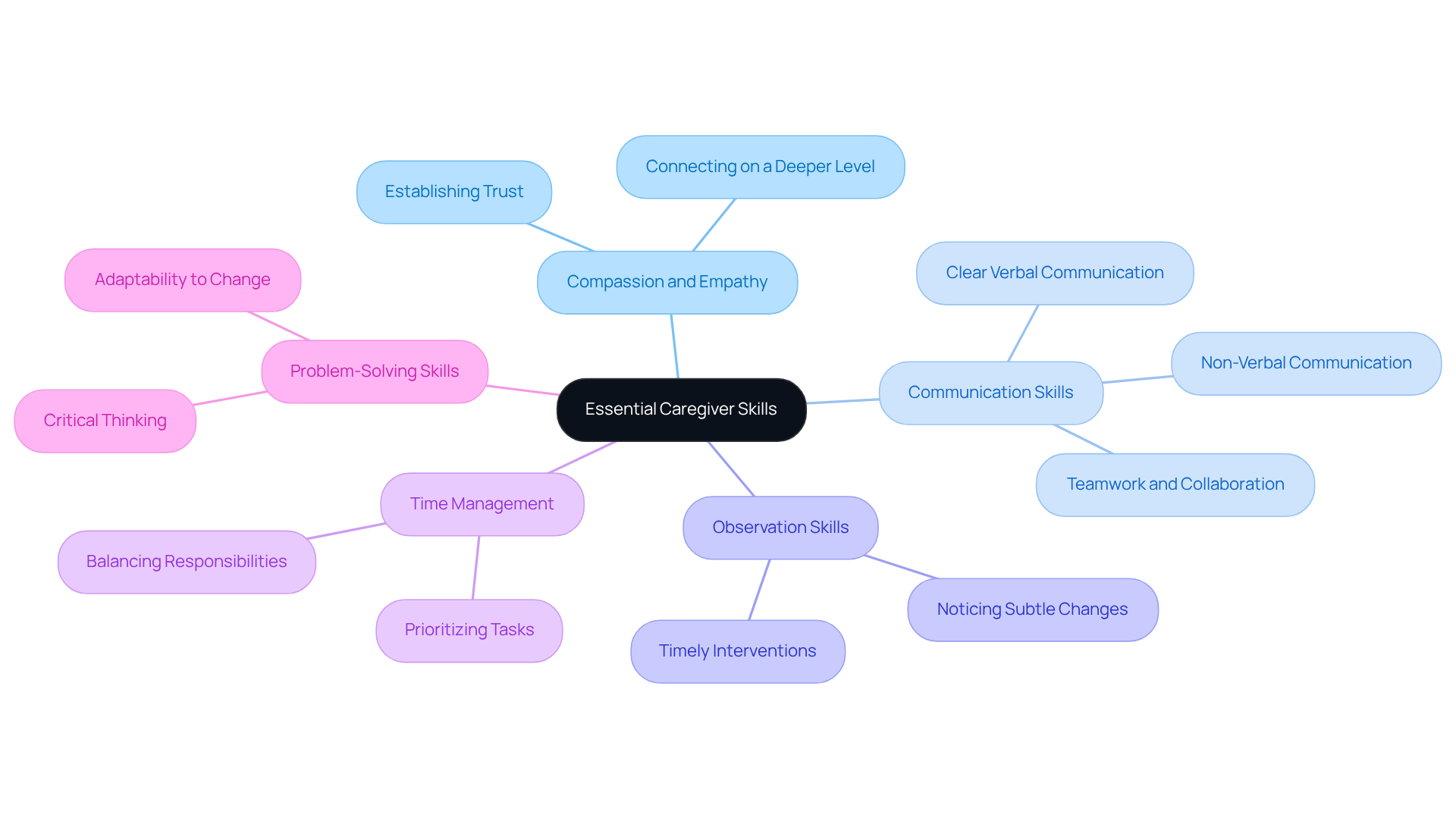
To be successful in a care giver job, it’s vital to nurture a range of essential skills that profoundly influence the quality of care provided. These skills not only enhance the ability of caregivers in their care giver job but also significantly impact the lives of those they serve.
-
Compassion and Empathy are at the heart of caregiving. Understanding and sharing the feelings of others helps establish trust and rapport with clients. When caregivers show empathy, they connect on a deeper level, making individuals feel truly valued and respected.
-
Communication Skills are equally crucial. Clear verbal and non-verbal communication ensures that information is conveyed effectively and that caregivers understand the needs of those they support. This fosters teamwork among providers, families, and healthcare teams, ensuring everyone is united in delivering the best possible care.
-
Observation Skills play a key role as well. Being attentive to subtle changes in a client’s condition allows caregivers to provide timely and appropriate assistance. Often, caregivers are the first to notice health issues, which can lead to early interventions and better outcomes.
-
Time Management is essential for balancing responsibilities without feeling overwhelmed. By prioritizing tasks effectively, caregivers can manage personal care and household duties, ensuring that nothing important slips through the cracks.
-
Problem-Solving Skills are necessary too. The ability to think critically and adapt to changing circumstances is vital in caregiving. Caregivers frequently face unpredictable situations that require quick decision-making and flexibility to ensure their clients' comfort and safety.
Training programs that emphasize compassion and empathy are particularly beneficial. They equip caregivers with the tools needed to navigate the emotional complexities of their role. Resources like partnerships with Nevvon and CareAcademy offer integrated training options that can enhance these essential skills.
It’s also important for caregivers to recognize the risk of burnout, which can hinder their ability to provide quality support. Building emotional resilience through self-care and support networks is crucial for maintaining well-being. As the demand for care giver jobs continues to grow, understanding and developing caregiving skills will become increasingly important.
Remember, you’re not alone in this journey. Many caregivers share similar experiences, and there’s a community ready to support you. Together, we can foster a nurturing environment that prioritizes both care and caregiver well-being.
Master Effective Communication Techniques
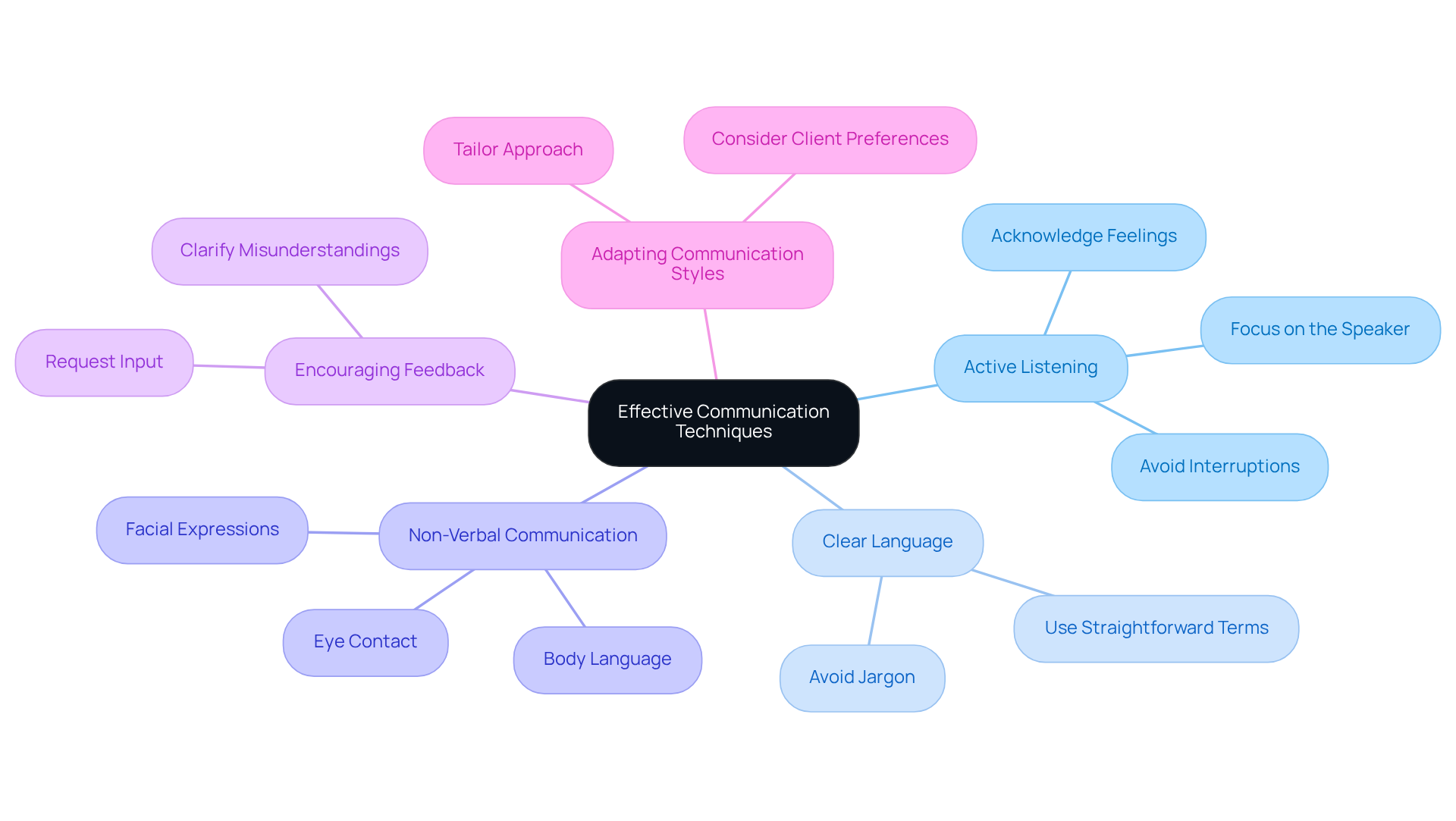
To truly master effective communication techniques, caregivers need to embrace a few key practices:
-
Practice Active Listening: It’s essential to focus fully on the speaker. Acknowledge their feelings and concerns without interrupting. This simple act can make a world of difference.
-
Use Clear Language: Avoiding jargon is crucial. Speaking in straightforward terms ensures that everyone understands, fostering a sense of trust and clarity.
-
Non-Verbal Communication: Pay close attention to body language, eye contact, and facial expressions. These cues convey empathy and understanding, reinforcing your message.
-
Encourage Feedback: Actively request input from clients and their families. This not only ensures their needs are being met but also clarifies any misunderstandings, creating a more supportive environment.
-
Adapt Communication Styles: Tailor your approach based on the client’s preferences and needs, especially for those with cognitive impairments. This flexibility shows that you truly care.
By applying these methods, individuals in a caregiver job can enhance their effectiveness and cultivate deeper connections with those they support. Remember, every interaction is an opportunity to show compassion and understanding.
Cultivate Empathy and Compassion
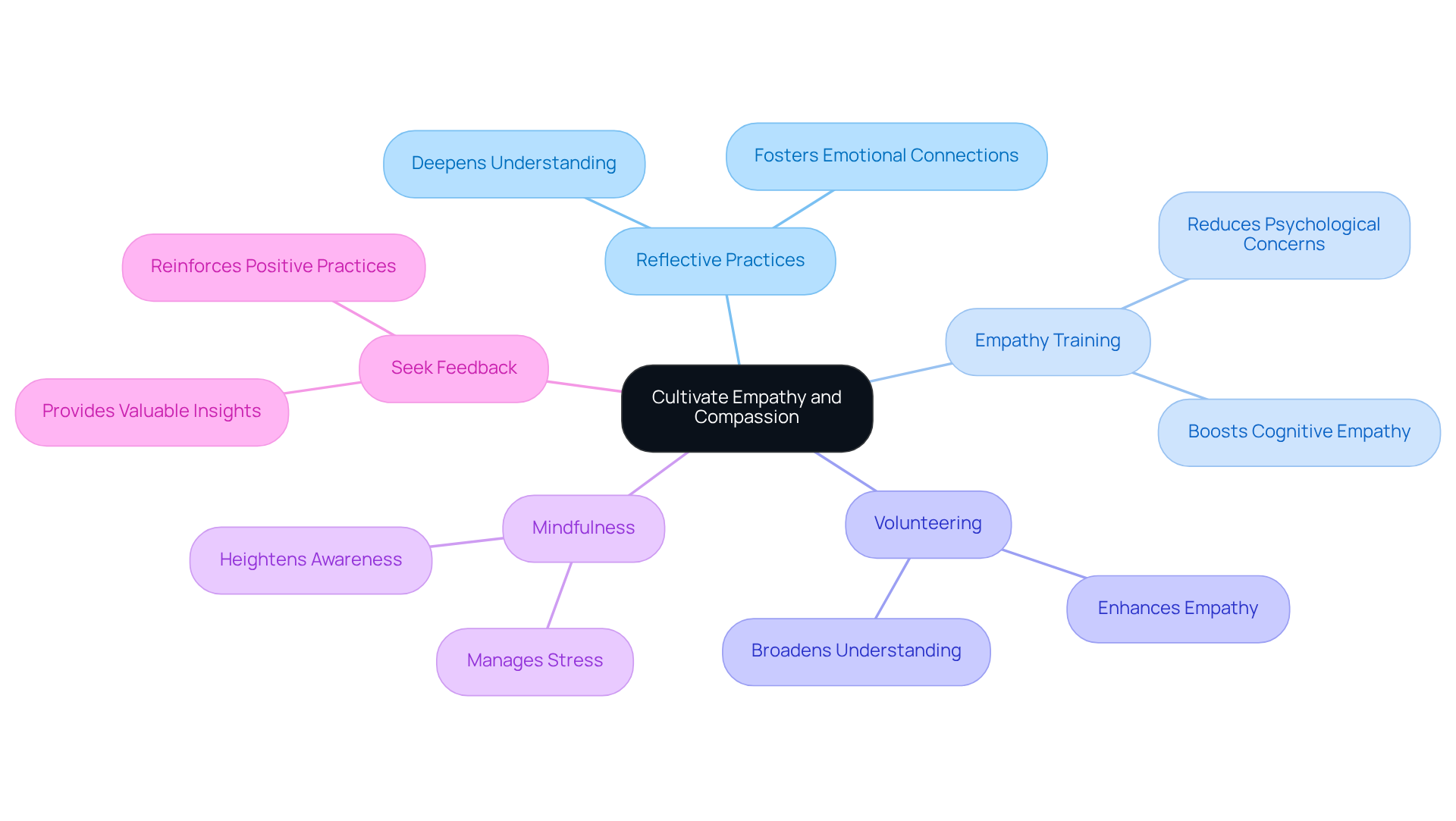
Caring for others in a caregiver job can be incredibly rewarding, but it often presents emotional challenges that can lead to stress and burnout. To cultivate empathy and compassion, caregivers can adopt several effective strategies that not only support their well-being but also enhance their connections with those they care for.
-
Engage in Reflective Practices: Take a moment to regularly reflect on your interactions with clients. Consider their perspectives and feelings. This practice not only deepens your understanding but also fosters stronger emotional connections, allowing you to truly see and hear those you serve.
-
Participate in Empathy Training: Consider attending workshops or training sessions focused on developing empathetic communication skills. Research shows that such programs can significantly reduce psychological concerns among caregivers while boosting cognitive empathy over time. This makes empathy training a vital strategy for anyone pursuing a caregiver job.
-
Volunteer: Gaining experience in various caregiving settings can broaden your understanding of diverse needs and challenges. This exposure enhances your ability to empathize with individuals from different backgrounds, enriching your caregiving practice.
-
Practice Mindfulness: Engaging in mindfulness exercises can heighten your awareness and attentiveness to the emotional states of those around you. Mindfulness not only helps manage stress but also allows you to maintain a compassionate approach in your interactions.
-
Seek Feedback: Regularly asking for feedback from clients and colleagues can provide valuable insights into how your actions affect others. Constructive feedback is a powerful tool for personal growth and can reinforce positive nurturing practices.
Statistics reveal that compassion fatigue rates in nursing and home care reached as high as 52.55% in 2021. This underscores the importance of implementing these strategies to combat such fatigue. By actively applying these approaches, caregivers in a caregiver job can strengthen their empathetic bonds with individuals, creating a more supportive and compassionate environment. Real-life examples, like engaging patients in casual conversations, illustrate how these practices can significantly enhance emotional well-being.
Enhance Observation and Attention to Detail
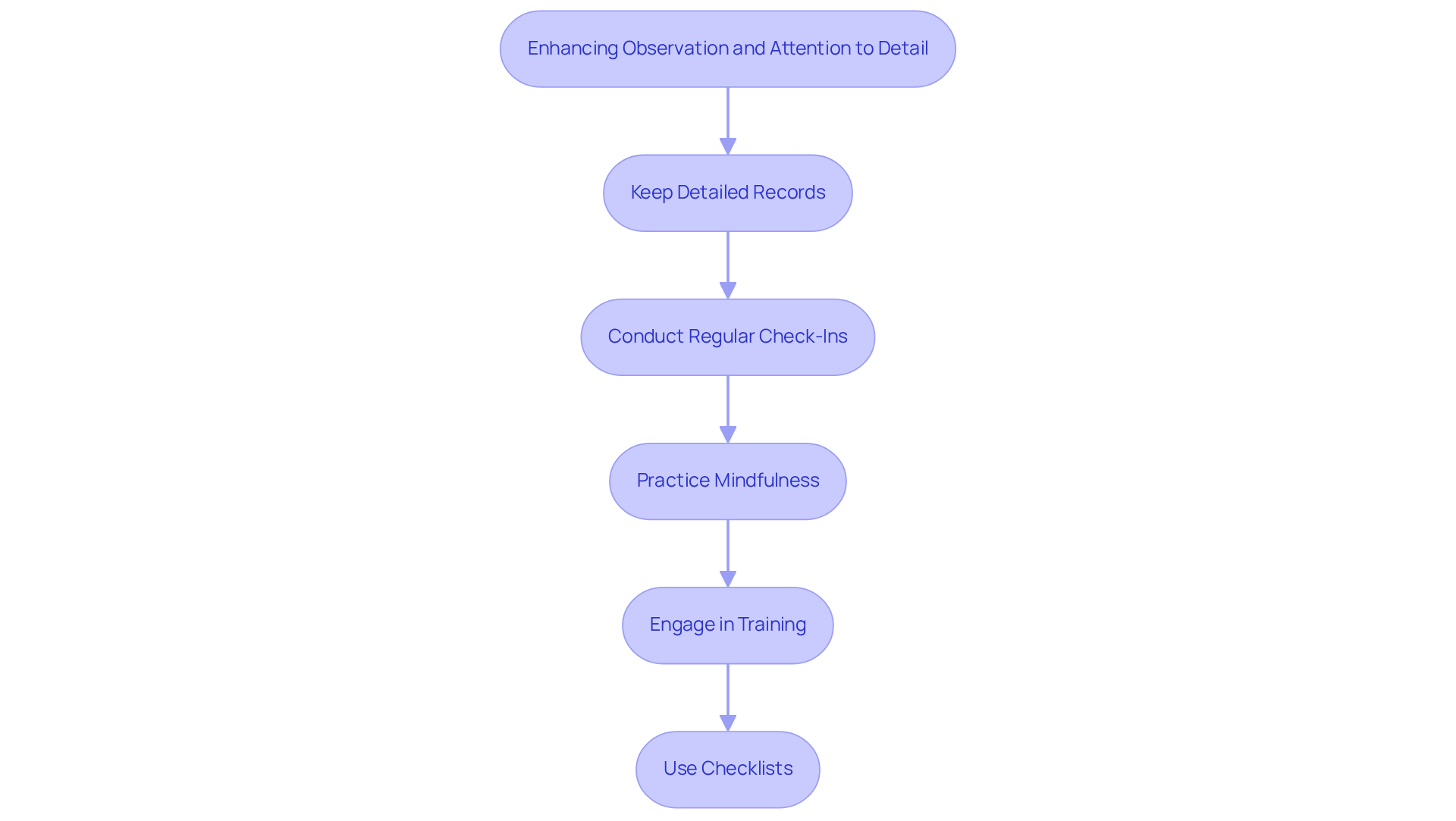
To enhance observation and attention to detail, caregivers can take several compassionate steps:
-
Keep Detailed Records: It’s vital to maintain accurate notes on clients' daily activities, moods, and any changes in their health status. Proper documentation not only supports continuity of treatment but also helps reduce risks related to malpractice claims. As Dr. Schillinger emphasizes, good documentation practices are crucial for ensuring appropriate reimbursement and quality care.
-
Conduct Regular Check-Ins: Frequent evaluations of individuals' physical and emotional states are essential for early detection of changes. Statistics show that those in a caregiver job are increasingly dedicating time to these check-ins, with many now spending over 26 hours per week on caregiving activities. This growing commitment highlights the necessity for effective documentation practices.
-
Practice Mindfulness: Being present in the moment can significantly enhance the ability to notice subtle changes in individuals, which can impact their well-being. Routine check-ins not only benefit clients but also support the mental well-being of caregivers, as only 23% of them report having 'good' mental health.
-
Engage in Training: Participating in workshops focused on observational skills and documentation techniques equips caregivers with the resources needed for efficient service delivery.
-
Use Checklists: Implementing checklists for daily tasks ensures that no detail is overlooked, promoting thoroughness in caregiving. Neglecting thorough documentation can lead to considerable risks, including compromised service quality and potential legal concerns.
By concentrating on these strategies, individuals in a caregiver job can significantly enhance their observational abilities, leading to improved care outcomes and a better quality of life for their clients. Remember, every small effort counts in making a meaningful difference.
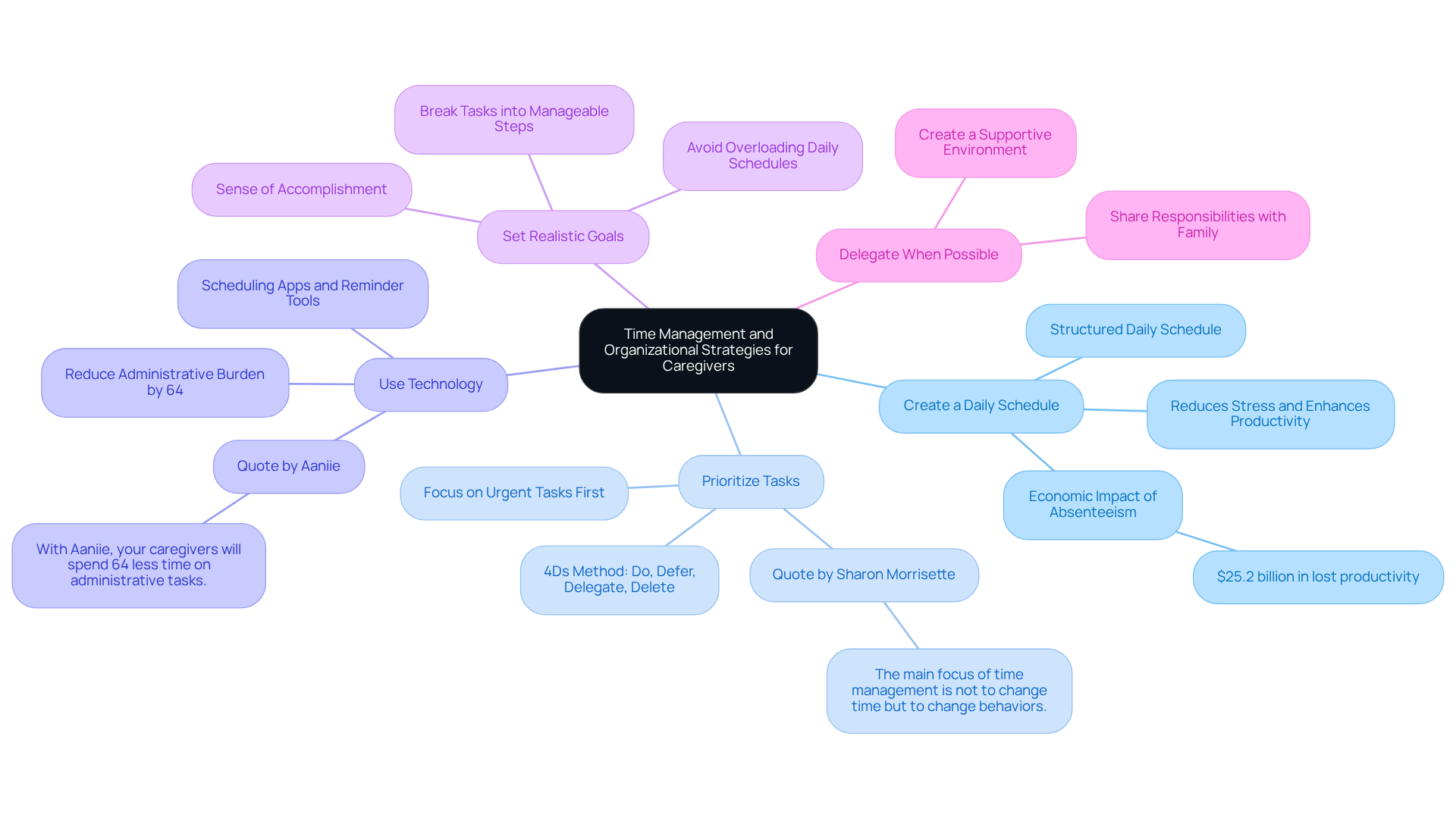
Implement Time Management and Organizational Strategies
A care giver job can be incredibly rewarding, but it often comes with its own set of challenges. To help caregivers manage their time and stay organized, here are some nurturing strategies that can make a real difference:
-
Create a Daily Schedule: Establishing a structured daily schedule can be a game-changer. It allows caregivers to outline tasks and appointments, helping them stay organized and focused. This approach not only reduces stress but also enhances productivity. In fact, caregiver absenteeism costs the U.S. economy an estimated $25.2 billion in lost productivity, highlighting just how vital effective time management is.
-
Prioritize Tasks: It’s essential to identify urgent tasks and tackle them first. The 4Ds method—Do, Defer, Delegate, and Delete—can guide caregivers in focusing on what truly matters. This way, they can avoid feeling overwhelmed. As Sharon Morrisette wisely said, "The main focus of time management is not to change time but to change behaviors."
-
Use Technology: Embracing technology can really lighten the load. Scheduling apps and reminder tools can streamline caregiving tasks. For instance, caregivers can reduce their administrative burdens by as much as 64% with the right tools, allowing them to devote more time to providing quality assistance.
-
Set Realistic Goals: Breaking larger tasks into smaller, manageable steps can help caregivers feel less overwhelmed. This approach not only makes tasks feel more achievable but also fosters a sense of accomplishment as they check off completed items. However, it’s important to avoid overloading daily schedules, as this can lead to burnout.
-
Delegate When Possible: Sharing responsibilities with family members or other helpers can significantly ease the burden. This collaborative approach not only boosts efficiency but also creates a supportive environment where everyone feels valued.
By embracing these strategies, individuals in a care giver job can enhance their efficiency and effectiveness, ultimately improving the quality of care they provide. Remember, it’s okay to seek additional resources and support to navigate the typical challenges of caregiving. You’re not alone on this journey.
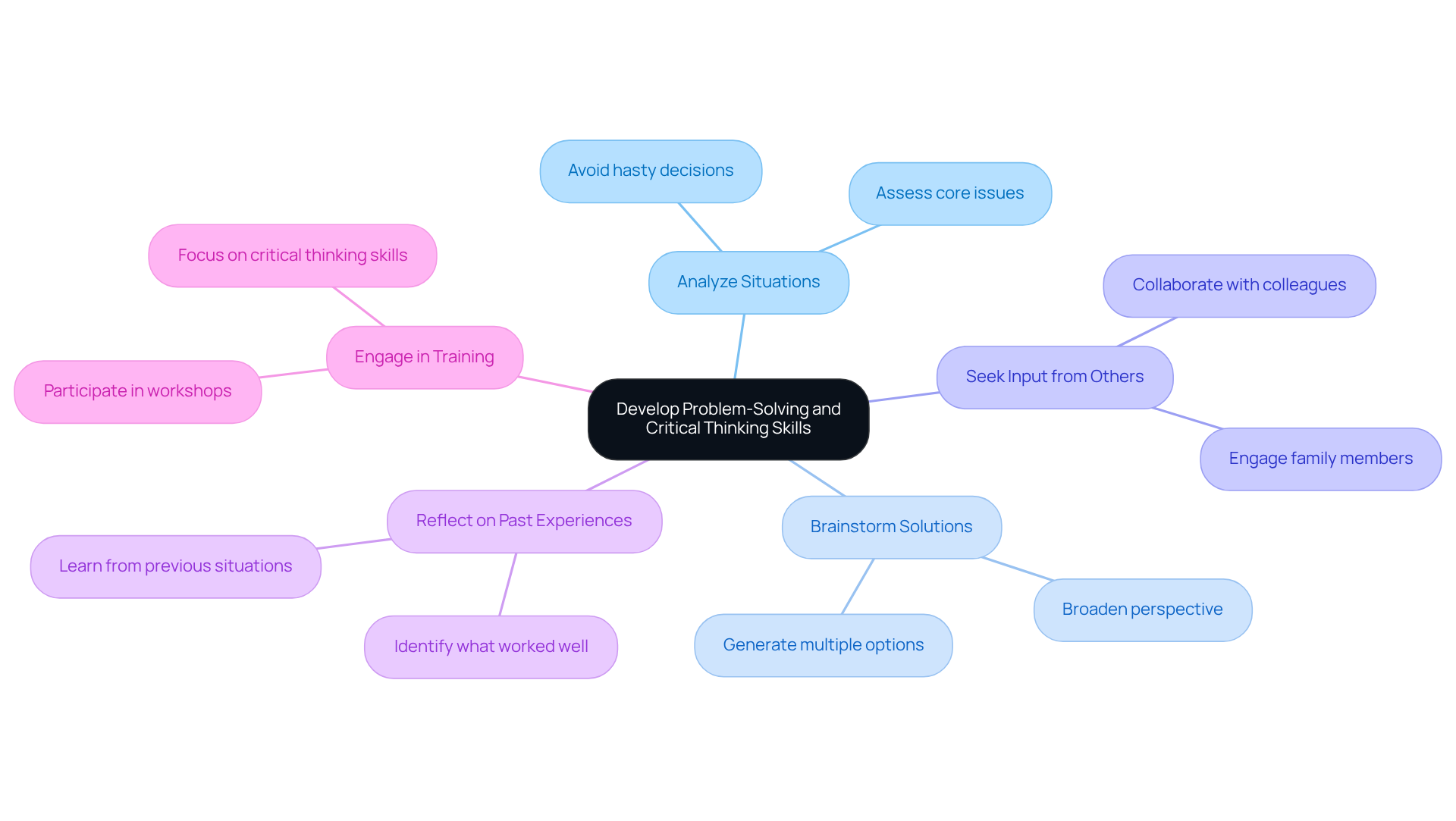
Develop Problem-Solving and Critical Thinking Skills
A care giver job can be incredibly rewarding, but it often comes with its own set of emotional challenges. Caregivers frequently face stress and burnout in their care giver job, making it essential to cultivate effective problem-solving and critical thinking skills to navigate these complexities. Here are some nurturing strategies to consider:
-
Analyze Situations: Take a moment to truly assess the problems at hand. This thoughtful analysis can help prevent hasty decisions that might overlook the core issues, allowing you to approach challenges with clarity.
-
Brainstorm Solutions: Don’t hesitate to generate a variety of potential solutions for each problem. This approach not only broadens your perspective but also increases the chances of finding the most effective strategy to tackle the challenges you face.
-
Seek Input from Others: Collaborating with colleagues or family members can provide diverse perspectives on support challenges. Engaging others in the decision-making process can lead to innovative solutions and enrich your caregiving experience.
-
Reflect on Past Experiences: Learning from previous caregiving situations can significantly enhance your future problem-solving efforts. Reflecting on what worked well and what didn’t can help you refine your approach and build confidence.
-
Engage in Training: Participating in workshops and training programs focused on critical thinking and problem-solving strategies can be incredibly beneficial. Such training has been shown to enhance the skills of those in a care giver job, enabling them to manage complex situations more effectively.
By nurturing these skills, you can navigate the complexities of your role with greater confidence and competence. Remember, you’re not alone in this journey. With the right support and strategies, you can enhance the quality of care you provide, making a meaningful difference in the lives of those you serve.
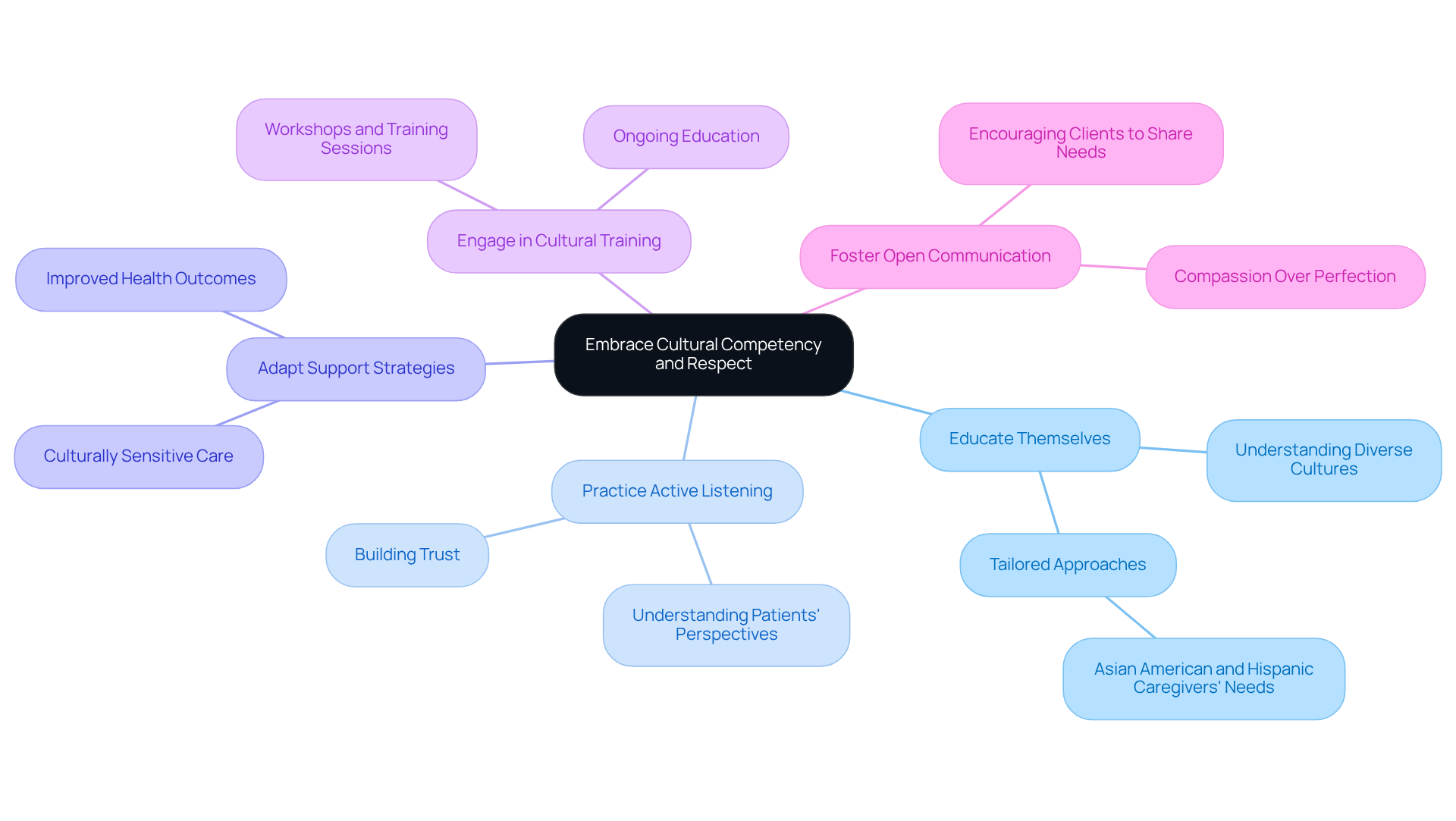
Embrace Cultural Competency and Respect
To truly embrace cultural competency and respect, caregivers can consider a few heartfelt strategies:
-
Educate Themselves: Understanding diverse cultures, beliefs, and practices is vital for providers. This knowledge helps them appreciate their clients' backgrounds and needs, fostering a more inclusive care environment. For instance, studies show that Asian American and Hispanic caregivers often report greater needs and worse outcomes than their White counterparts. This highlights the importance of tailored approaches that honor each individual's unique story.
-
Practice Active Listening: When caregivers show genuine interest in their clients' narratives and experiences, they build deeper connections and trust. This connection is essential for effective support. As Brett H. Lewis reminds us, those in a caregiver job are the backbone of the healthcare system, and understanding patients' perspectives is crucial.
-
Adapt Support Strategies: Customizing support plans to align with clients' cultural preferences not only respects their individuality but also enhances their comfort and collaboration. Real-world examples illustrate that culturally sensitive care leads to improved health outcomes, reinforcing the idea that every client deserves personalized attention.
-
Engage in Cultural Training: Participating in workshops or training sessions focused on cultural competency equips providers with the skills needed to navigate diverse support scenarios effectively. Tia Walker emphasizes that caregiving invites us to love in ways we might not have realized were possible, underscoring the need for ongoing education.
-
Foster Open Communication: Encouraging clients to share their cultural needs and preferences creates a supportive environment. This allows caregivers to offer personalized assistance that aligns with clients' values. As Mother Teresa wisely said, prioritizing compassion over perfection is essential in caregiving.
By applying these strategies, caregivers not only enhance the quality of service in their caregiver job but also strengthen the caregiver-client relationship. This ultimately leads to better health outcomes and increased satisfaction for everyone involved.
Pursue Certification for Professional Growth
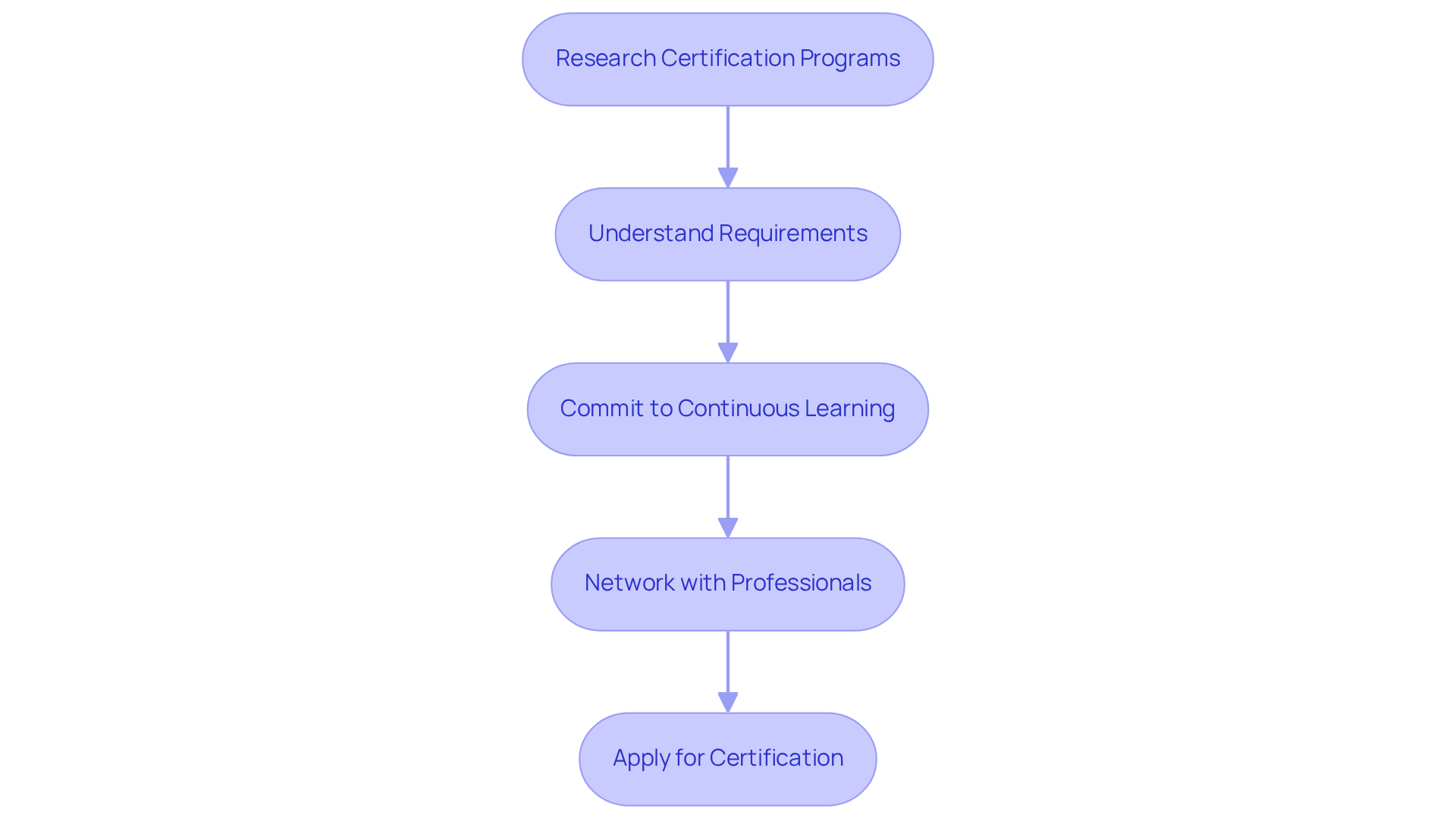
To pursue certification for professional growth, caregivers can take some meaningful steps:
-
Research Certification Programs: Start by identifying accredited programs that resonate with your career goals and interests. With the support profession projected to grow by 34% by 2029, and California expected to create over 750,000 new direct care positions annually through 2034, selecting the right program can truly shape your career path.
-
Understand Requirements: It’s important to familiarize yourself with the prerequisites and coursework involved in certification. Many programs require a foundational training of 75 hours, which includes 5 hours of Orientation & Safety Training, 30 hours of Population Specific Training, and 40 hours of Basic Core Training. You can complete this training online or in-person, offering flexibility for those balancing work and education.
-
Commit to Continuous Learning: Engage in ongoing education to stay updated on best practices in caregiving. As noted by HomeChoice Home Care Solutions, "Continuing education can assist providers in improving their abilities and understanding, ultimately resulting in better results for those they support." Dedicating yourself to ongoing education shows a commitment to delivering the highest quality of support possible.
-
Network with Professionals: Connecting with other providers and experts in the field can provide invaluable insights and support. Joining professional associations opens doors to resources and networking opportunities that can enhance your career.
-
Apply for Certification: Take the necessary steps to obtain certification, which can enhance your qualifications and career prospects. Caregivers with certifications often report improved job satisfaction. In fact, 94% say that having access to education and training is a crucial factor in deciding which jobs to accept. This makes pursuing certification a worthwhile investment in your professional journey.
By pursuing certification, caregivers can significantly enhance their skills and open new doors in their caregiver job, ultimately leading to better care for those they serve.
Taking the Next Steps
To truly thrive in a caregiver role, it’s essential to master a diverse set of skills. These abilities not only elevate the quality of care provided but also profoundly affect the lives of those receiving support. By emphasizing:
- Compassion
- Effective communication
- Keen observation
- Strong problem-solving skills
caregivers lay a solid foundation for success. Moreover, recognizing the importance of self-care and cultural competency enriches the caregiver-client relationship, fostering an environment of trust and understanding.
Throughout this journey, we’ve shared key insights, such as:
- The necessity of time management
- The benefits of pursuing certification
- The value of empathy training
Caregivers are encouraged to engage in reflective practices, seek feedback, and participate in ongoing education to continuously enhance their skills. Each of these strategies contributes to a more effective and fulfilling caregiving experience, ultimately leading to better outcomes for clients.
The path of caregiving is both rewarding and challenging, requiring dedication and resilience. By embracing these essential skills and strategies, caregivers can enhance their professional growth while making a meaningful difference in the lives of those they serve. This commitment to developing competencies is not just an investment in one’s career; it’s a profound contribution to the well-being of individuals and communities. Remember, every effort you make in this role is a step toward creating a brighter future for those in your care.
https://iframe.tely.ai/cta/eyJhcnRpY2xlX2lkIjogIjY5MTUzMGU3OWE0ZGRiODU1YzQ2MWQyZCIsICJjb21wYW55X2lkIjogIjY4ZWU1ZGNhNzMxNzYyNTU3ZjNjOTVjMSIsICJpbmRleCI6IG51bGwsICJ0eXBlIjogImFydGljbGUifQ==Frequently Asked Questions
What are the essential skills needed for a caregiver job?
Essential skills for caregivers include compassion and empathy, communication skills, observation skills, time management, and problem-solving skills.
Why are compassion and empathy important in caregiving?
Compassion and empathy help establish trust and rapport with clients, making them feel valued and respected.
How do communication skills impact caregiving?
Clear verbal and non-verbal communication ensures effective information exchange and understanding of client needs, fostering teamwork among caregivers, families, and healthcare teams.
What role do observation skills play in caregiving?
Observation skills allow caregivers to notice subtle changes in a client's condition, enabling timely and appropriate assistance.
Why is time management important for caregivers?
Time management helps caregivers balance responsibilities and prioritize tasks effectively, ensuring that essential duties are completed without feeling overwhelmed.
What are problem-solving skills, and why are they necessary in caregiving?
Problem-solving skills involve critical thinking and adaptability in unpredictable situations, which are vital for ensuring clients' comfort and safety.
How can training programs benefit caregivers?
Training programs that emphasize compassion and empathy equip caregivers with tools to navigate the emotional complexities of caregiving.
What resources are available for caregiver training?
Partnerships with organizations like Nevvon and CareAcademy offer integrated training options that enhance essential caregiving skills.
What is the risk of burnout for caregivers?
Burnout can hinder caregivers' ability to provide quality support, making it important to build emotional resilience through self-care and support networks.
How can caregivers foster a supportive community?
Caregivers can connect with others who share similar experiences, creating a nurturing environment that prioritizes both care and caregiver well-being.
What are some effective communication techniques for caregivers?
Effective communication techniques include practicing active listening, using clear language, paying attention to non-verbal cues, encouraging feedback, and adapting communication styles.
Why is active listening important in caregiving?
Active listening helps caregivers fully focus on the speaker, acknowledge their feelings, and concerns, which can significantly improve the caregiving relationship.
How can caregivers adapt their communication styles?
Caregivers can tailor their communication approach based on the client's preferences and needs, particularly for those with cognitive impairments, demonstrating care and understanding.