

For families in our service areas
For families in our service areas, this guide explains caregiving and how non-medical in-home caregiving can support care planning in East Idaho, Treasure Valley & Magic Valley, Northern Wasatch, North Central West Virginia, and Northeast Ohio.
The Importance of Arrange Rides
Navigating senior transportation presents a significant challenge, particularly when ensuring that elderly individuals can reach essential medical appointments. With over 11 million older adults in the U.S. relying on alternative travel means, understanding their unique needs is crucial.
This guide highlights various transportation options and offers a step-by-step approach to arranging rides that prioritize safety, comfort, and independence. However, unexpected challenges can arise, such as late arrivals or communication barriers. These issues can complicate the travel experience for seniors, potentially causing missed appointments.
By exploring these potential pitfalls, caregivers can create a seamless travel experience for seniors. This ensures that they never miss an important appointment, ultimately enhancing their quality of life.
Assess Senior Transportation Needs
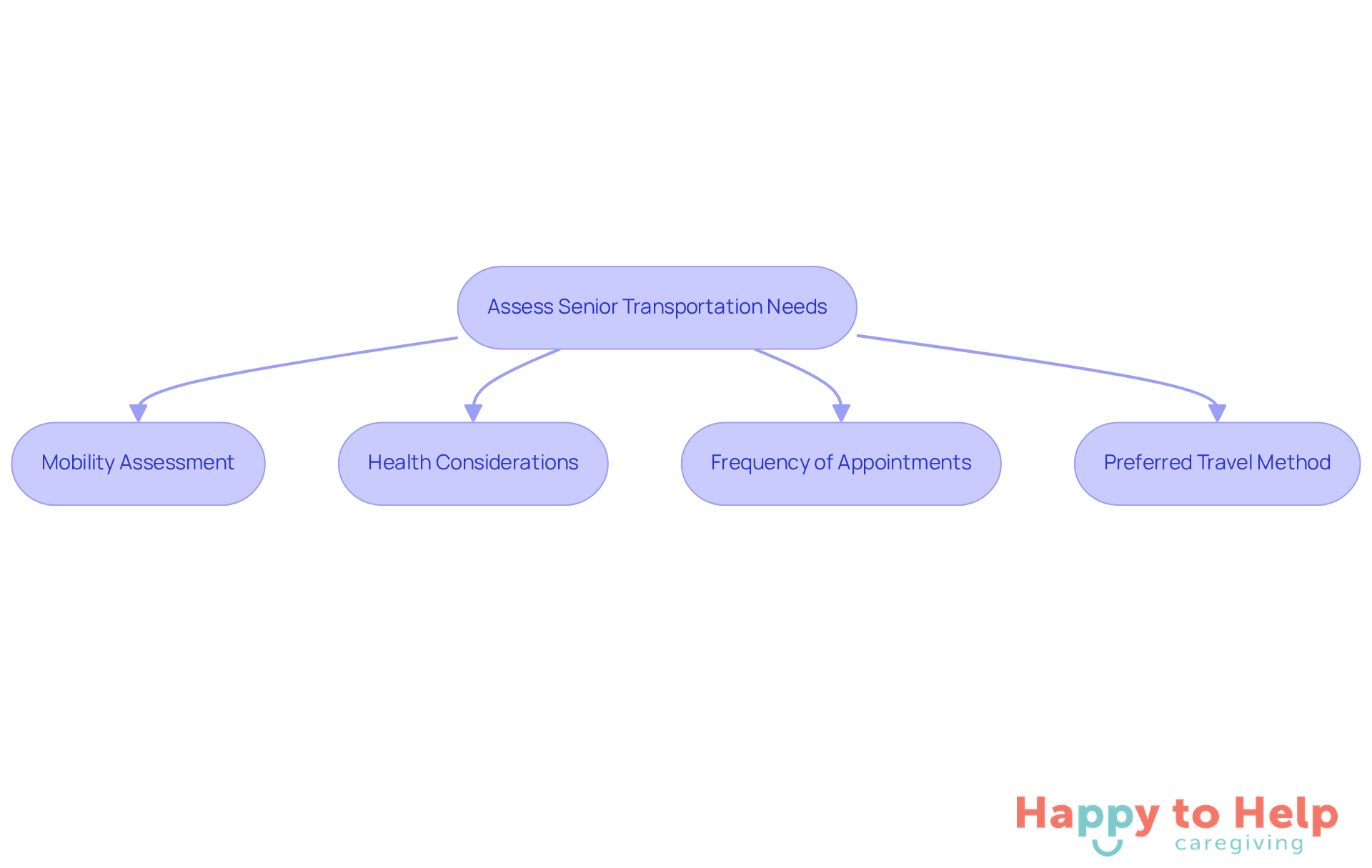
Start by assessing the elder's mobility level, health conditions, and specific travel needs. This initial evaluation is crucial for understanding the challenges they face.
Mobility Assessment: Determine whether the senior can walk independently or requires assistance. Utilize the Elderly Mobility Scale, a widely recognized tool, to effectively gauge their mobility capabilities. This scale helps identify the level of support needed, ensuring safe and suitable travel options. Notably, over 11 million U.S. older adults are non-drivers, emphasizing the importance of accurate mobility assessments.
Health Considerations: Document any medical conditions that may affect travel, such as mobility impairments, arthritis, or cognitive issues. These factors are essential in identifying the most appropriate means of conveyance and ensuring the elderly individual's safety during transit. As Suzanne Burke, CEO of the Council on Aging, observes, 'When we discuss rides for seniors to dr appointments and mobility, it’s easy to grasp the health consequences of not being able to reach a doctor’s appointment or the pharmacy to collect prescriptions.'
Frequency of Appointments: Assess how often the senior needs assistance getting to medical appointments, social activities, or errands. Understanding this frequency can help in planning and organizing dependable travel solutions, such as rides for seniors to dr appointments, that accommodate their schedule. Significantly, 13.4% of older Ohioans indicated that they skipped necessary healthcare due to transportation-related challenges, highlighting the need for reliable access.
Preferred Travel Method: Engage in a conversation with the elder about their comfort level with various travel options, including public transit, rideshares, or private vehicles. This dialogue is crucial for ensuring that the selected approach aligns with their preferences and requirements.
By gathering this information, you can create a detailed profile of the elder's travel needs, guiding your next steps in organizing appropriate and efficient travel solutions. For instance, the case study of Michelle Turnbow illustrates the emotional and practical challenges faced by elderly individuals reliant on public transit, underscoring the necessity of customized travel solutions.
Explore Transportation Options for Seniors
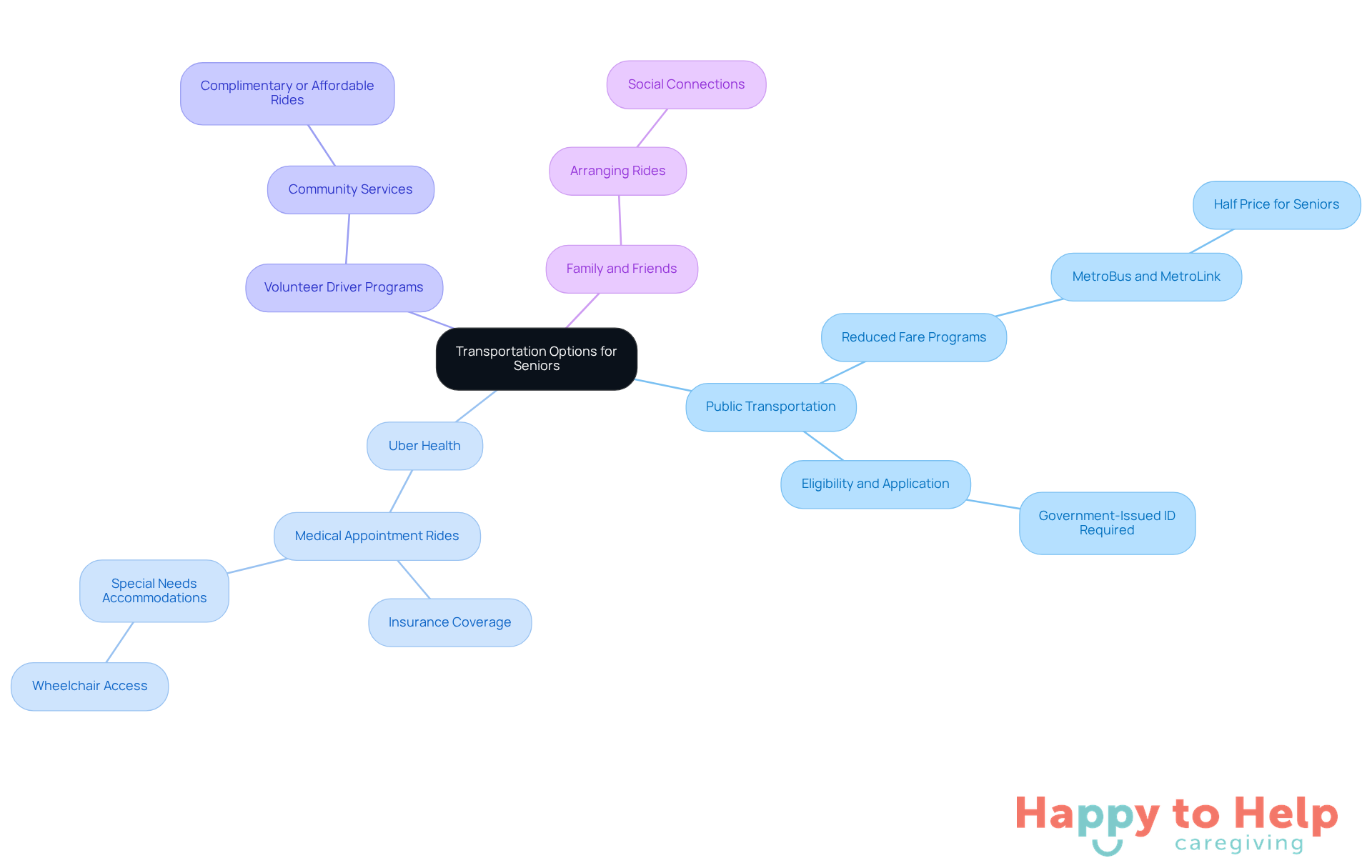
Transportation can be a significant barrier for seniors, highlighting the need for rides for seniors to dr appointments to access essential health services. In fact, it ranks as the third-most frequent obstacle they encounter. Understanding the various transportation options available can help caregivers ensure that older adults maintain their independence and access vital services.
Public Transportation: Many cities offer reduced fare programs for seniors on buses and trains. For example, individuals aged 65 and older can ride MetroBus and MetroLink for half price, making it an economical choice. Check local transit authority websites for specific details on eligibility and application processes.
Services like Uber Health provide rides for seniors to dr appointments and cater specifically to medical appointments, often covered by insurance. This option is particularly beneficial for older adults with special requirements, such as those needing wheelchair access.
Volunteer Driver Programs: Numerous organizations provide complimentary or affordable transportation through volunteer drivers. Investigate local community services that offer rides for seniors to dr appointments, as these programs can significantly enhance mobility and reduce feelings of isolation.
Some caregiving agencies provide transportation services, including rides for seniors to dr appointments, ensuring safe and comfortable journeys tailored to their specific needs.
Family and Friends: Don't overlook the possibility of arranging rides with family members or friends who may be willing to help. This personal touch not only offers mobility but also fosters social connections, which are crucial for mental well-being.
By evaluating these options, caregivers can determine the most suitable solution for the elderly person's mobility needs, ensuring they retain their autonomy and access to essential services.
Arrange Rides: Step-by-Step Process
Arranging transportation for seniors can be a significant challenge for caregivers. Many older adults prefer to age in place, with nearly 90% choosing to remain in their homes and communities. This highlights the urgent need for accessible transportation solutions, including rides for seniors to dr appointments, that cater to their specific needs.
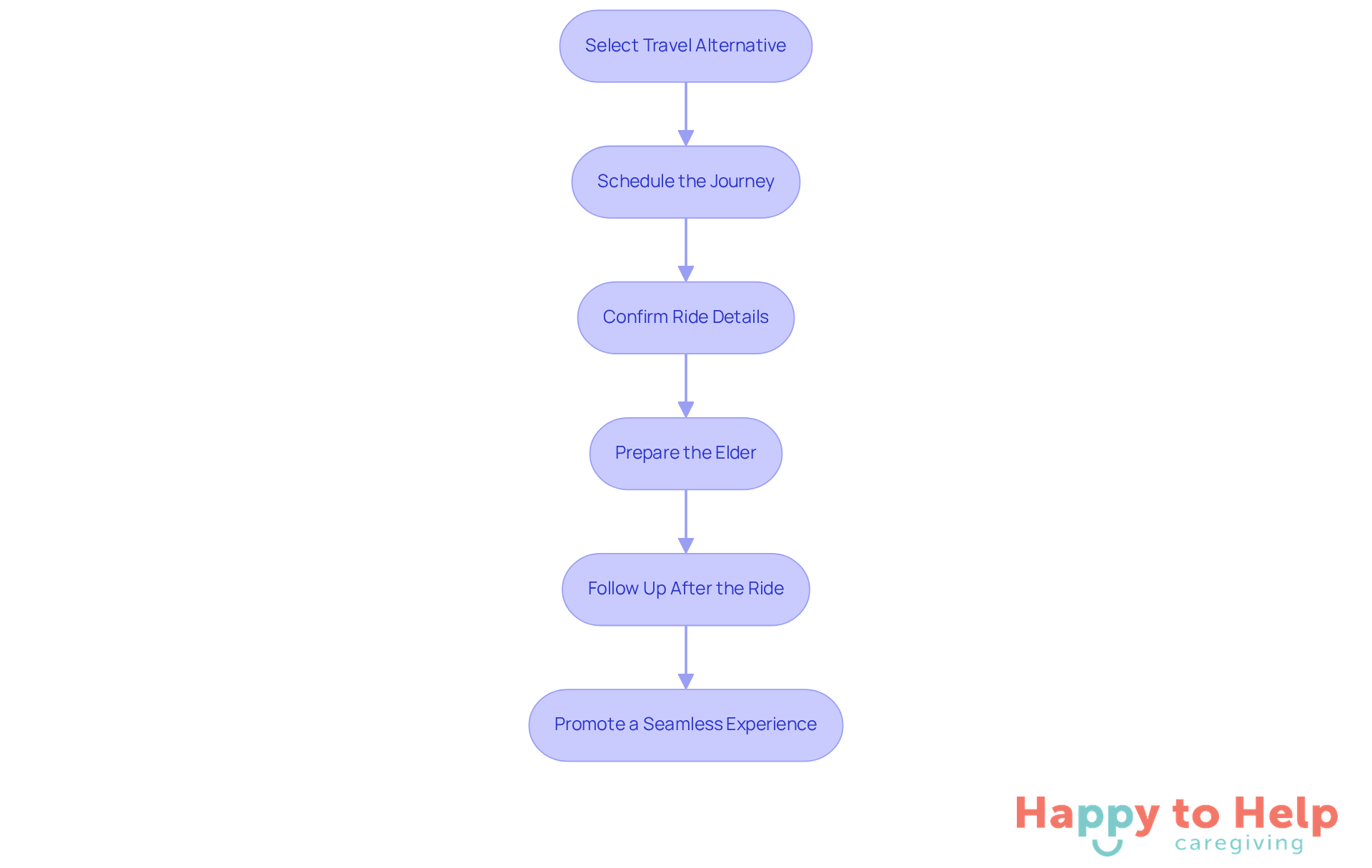
To tackle this issue, start by selecting the right travel alternative. Evaluate the senior's requirements and explore available options such as:
- Rideshare services
- Paratransit
- Community shuttles
Identifying the most appropriate choice is crucial for ensuring their comfort and safety.
Once you've made a selection, schedule the journey by contacting the chosen service. Provide essential details like pickup location, destination, date, and time. If you're using a rideshare app, ensure the senior has it installed or assist them in booking through your device. It's worth noting that 78% of caregivers coordinate transportation for their loved ones, underscoring the vital role they play in this process.
Next, confirm the ride details. Verify the driver's name, vehicle type, and estimated arrival time. Sharing this information with the elder can help them feel secure and prepared for their trip.
Prepare the elder by reminding them about the appointment and what they should bring. Assist them in getting ready and ensure they have any mobility aids they may need.
Finally, follow up after the ride. Check in with the participant to discuss their experience and identify any adjustments needed for future rides. By following these steps, you can promote a seamless and stress-free travel experience for older adults, which includes providing rides for seniors to dr appointments to ensure they receive the assistance they require during medical appointments and outings.
Troubleshoot Common Transportation Issues
To effectively manage common transportation issues for seniors, caregivers must first recognize the challenges they face:
-
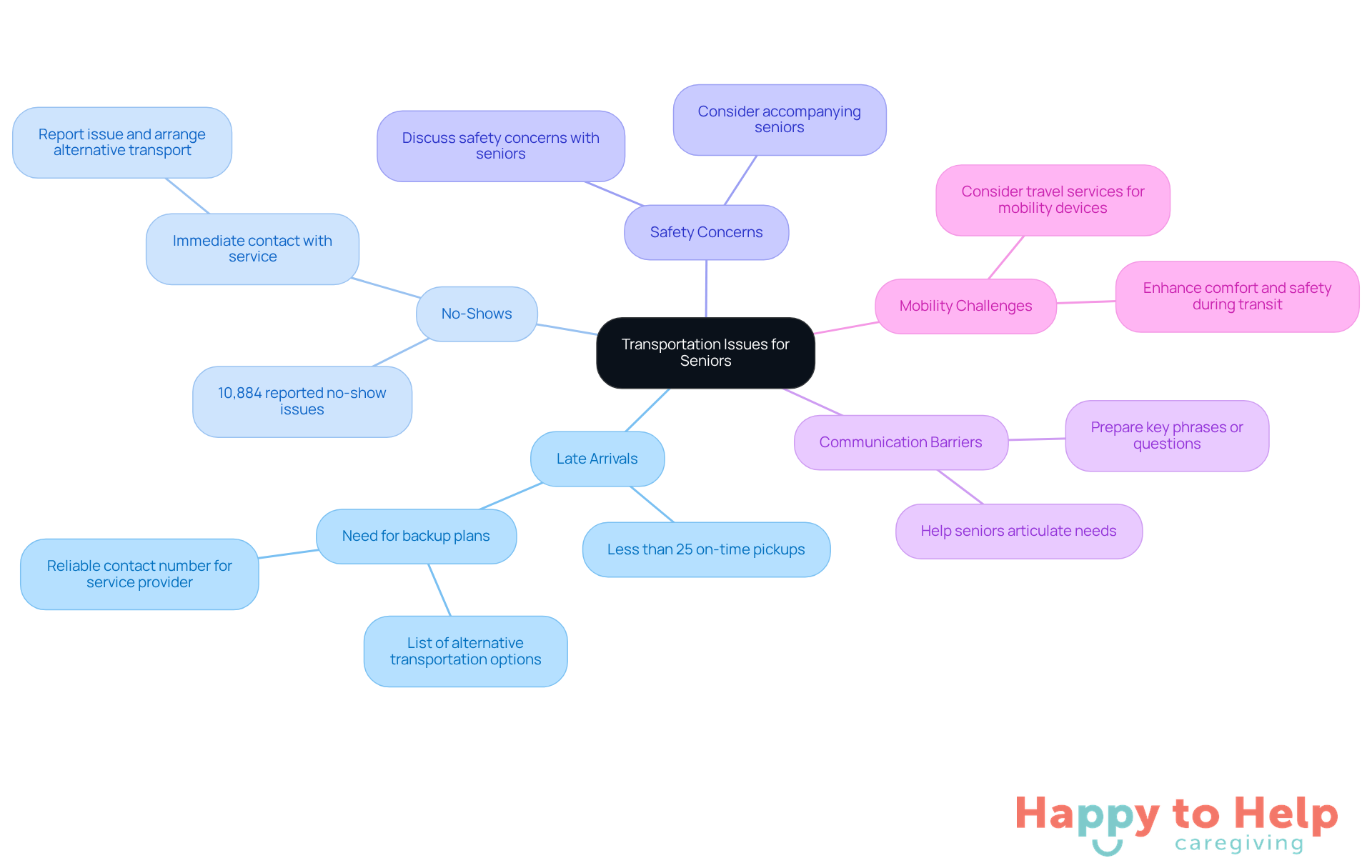
Late Arrivals: One significant issue is the frequent occurrence of late arrivals. Research shows that less than 25% of Pace paratransit pickups happen within 10 minutes of their scheduled time. This highlights the need for a backup plan, such as a list of alternative transportation options or a reliable contact number for the service provider.
-
No-Shows: Another pressing concern is no-shows. If a vehicle fails to arrive, it's crucial to contact the service immediately to report the issue and arrange alternative transport. Data reveals that there were 10,884 reported problems involving transportation that didn’t arrive at all, underscoring the necessity for swift action.
-
Safety Concerns: Safety is paramount for elderly individuals during their rides. Caregivers should discuss any safety concerns the seniors may have and consider accompanying them if necessary. As one experienced care specialist noted, "Transportation barriers lead to rescheduled or missed appointments, delayed care, and missed or delayed medication use."
-
Communication Barriers: Communication can also pose challenges. If an elder struggles to articulate their needs, caregivers can prepare a list of key phrases or questions for them to use with the driver. This approach helps bridge communication gaps and ensures their needs are understood.
-
Mobility Challenges: For older adults facing mobility issues, it's essential to consider travel services that provide support or vehicles designed for mobility devices. This can significantly enhance their comfort and safety during transit.
By anticipating these challenges and implementing effective solutions, caregivers can help ensure that seniors enjoy a smooth and comfortable transportation experience, particularly with rides for seniors to dr appointments.
Key Takeaways for Caregivers
Arranging reliable transportation for seniors to their medical appointments is a significant challenge that can impact their health and independence. Without proper transportation, older adults may miss vital healthcare services, leading to deteriorating health conditions and increased reliance on caregivers. This guide addresses these issues by outlining a comprehensive approach to assessing transportation needs and implementing effective strategies for organizing rides.
Key points discussed include:
- The necessity of conducting a thorough mobility assessment
- Considering health conditions
- Identifying preferred travel methods
Various transportation options, such as public transit, rideshare services, and volunteer driver programs, serve as potential solutions to overcome barriers faced by seniors. Additionally, practical steps for arranging rides emphasize the importance of communication and preparation to enhance the travel experience.
Fostering a supportive environment for seniors goes beyond securing transportation; it also involves addressing common challenges that may arise during the process. Caregivers can significantly improve the quality of life for older adults by being proactive and implementing strategies to troubleshoot issues like late arrivals and safety concerns. Taking action to ensure that seniors can attend their appointments and maintain their independence is crucial. Therefore, caregivers are encouraged to utilize the insights and resources shared in this guide to create effective transportation solutions tailored to individual needs.
https://iframe.tely.ai/cta/eyJhcnRpY2xlX2lkIjogIjY5MjNiYmZhMDE4MDFjZjljYzI2NzJhMSIsICJjb21wYW55X2lkIjogIjY4ZWU1ZGNhNzMxNzYyNTU3ZjNjOTVjMSIsICJpbmRleCI6IG51bGwsICJ0eXBlIjogImFydGljbGUifQ==Frequently Asked Questions
How should I start assessing a senior's transportation needs?
Begin by evaluating the elder's mobility level, health conditions, and specific travel needs. This initial assessment is crucial for understanding the challenges they face.
What tools can help in assessing a senior's mobility?
The Elderly Mobility Scale is a widely recognized tool that can effectively gauge a senior's mobility capabilities, helping to identify the level of support needed for safe and suitable travel options.
Why is it important to assess mobility in seniors?
Over 11 million U.S. older adults are non-drivers, making accurate mobility assessments essential to ensure they have safe and appropriate travel options.
What health considerations should be documented when assessing transportation needs?
Document any medical conditions that may affect travel, such as mobility impairments, arthritis, or cognitive issues, as these factors are crucial in identifying suitable means of conveyance and ensuring safety during transit.
How does the frequency of appointments impact transportation planning for seniors?
Understanding how often a senior needs assistance getting to medical appointments, social activities, or errands helps in organizing dependable travel solutions that accommodate their schedule.
What statistics highlight the transportation challenges faced by seniors?
A significant 13.4% of older Ohioans reported skipping necessary healthcare due to transportation-related challenges, emphasizing the need for reliable access.
How can I determine a senior's preferred travel method?
Engage in a conversation with the elder about their comfort level with various travel options, including public transit, rideshares, or private vehicles, to ensure the selected approach aligns with their preferences.
Why is it important to create a detailed profile of a senior's travel needs?
Gathering detailed information about a senior's travel needs helps in organizing appropriate and efficient travel solutions, ensuring that their emotional and practical challenges are addressed.
List of Sources
- Assess Senior Transportation Needs
- Transportation for Independence | Council on Aging (https://help4seniors.org/news/transportation-is-something-we-take-for-granted-until-we-no-longer-have-access-to-it)
- The Coordinating Council on Access and Mobility Celebrates 20 Years of Uniting Transportation Efforts across the Federal Government - News & Events | odphp.health.gov (https://odphp.health.gov/news/202501/coordinating-council-access-and-mobility-celebrates-20-years-uniting-transportation-efforts-across-federal-government)
- Public Transit Is Failing Frail Patients - News (https://umaryland.edu/news/archived-news/october-2022/public-transit-is-failing-frail-patients.php)
- Common Challenges Seniors Face Without Reliable Medical Transportation (https://palmmedicalcenters.com/common-challenges-seniors-face-without-reliable-medical-transportation)
- New National Poll: Inability to Drive, Lack of Transportation Options are Major Concerns for Older Adults, People With Disabilities and Caregivers (https://prnewswire.com/news-releases/new-national-poll-inability-to-drive-lack-of-transportation-options-are-major-concerns-for-older-adults-people-with-disabilities-and-caregivers-300761774.html)
- Explore Transportation Options for Seniors
- Reduced Fare Programs (https://metrostlouis.org/reduced-fare-program)
- Visiting Angels | Plano, TX | Murphy, TX (https://visitingangels.com/plano/articles/visiting-angels-helps-keep-non-driving-seniors-active-and-on-the-road-with-transportation-resources-in-plano-tx-and-nearby-cities/17958)
- Nonemergency Medical Transportation Program | Texas Health and Human Services (https://hhs.texas.gov/services/health/medicaid-chip/medicaid-chip-members/nonemergency-medical-transportation-program)
- Free transportation for older adults through Medicare (https://medicalnewstoday.com/articles/free-transportation-for-senior-citizens)
- Arrange Rides: Step-by-Step Process
- Transportation Services for Seniors – Herewith Inc. (https://herewith.com/transportation-for-seniors)
- Older Adults & Transportation - NADTC (https://nadtc.org/about/transportation-aging-disability/unique-issues-related-to-older-adults-and-transportation)
- What Caregivers Should Know About Transportation Services (https://aarp.org/caregiving/home-care/transportation-services)
- Epidemiology of Public Transportation Use Among Older Adults in the United States - PMC (https://pmc.ncbi.nlm.nih.gov/articles/PMC9771957)
- Troubleshoot Common Transportation Issues
- Millions of Americans Lack Reliable Transportation. It May Affect Their Health. (https://usnews.com/news/health-news/articles/2024-01-11/millions-of-americans-lack-reliable-transportation)
- Seniors wail when Access-A-Ride fails • Brooklyn Paper (https://brooklynpaper.com/seniors-wail-when-access-a-ride-fails)
- Traveling Towards Disease: Transportation Barriers to Health Care Access - PMC (https://pmc.ncbi.nlm.nih.gov/articles/PMC4265215)
- When 30 Minutes Late Is ‘On Time': NBC 5 Investigates PACE Paratransit's Late Pickups (https://nbcchicago.com/investigations/when-30-minutes-late-is-on-time-nbc-5-investigates-pace-paratransits-late-pickups/2679339)