Become a Certified Caretaker: Steps and at a Glance
Becoming a certified caretaker is a journey that requires dedication and compassion. It’s essential to understand the steps involved:
- Researching credential options
- Completing necessary training
- Passing a certification exam
- Maintaining your credentials
These steps are not just about meeting requirements; they prepare you for the vital role you’ll play in the lives of others.
As you embark on this path, it’s important to recognize the emotional challenges that caregivers often face. The stress and burnout can feel overwhelming at times. However, by honing skills like communication and empathy, you can not only enhance your ability to provide high-quality care but also improve patient outcomes.
Imagine the difference you can make in someone’s life by simply being there for them, listening, and understanding their needs. This journey is about more than just certification; it’s about connecting with others on a deeper level.
Remember, you’re not alone in this. Many have walked this path before you, and their stories are filled with hope and resilience. They’ve faced the same challenges and emerged stronger, equipped with the skills to make a real impact.
So, as you take these steps, know that you are building a foundation for a fulfilling career. Embrace the journey with an open heart, and let your compassion guide you. You have the power to change lives, one caring interaction at a time.
Understanding Become a Certified Caretaker: Steps and
Becoming a certified caretaker isn’t just a career choice; it’s a heartfelt commitment to enhancing the lives of those in need. The growing demand for qualified caregivers—projected to reach 1.3 million more providers by 2030—highlights the importance of understanding the certifications available and the steps to achieve them.
However, navigating this certification landscape can feel overwhelming. The varying requirements, combined with the emotional and physical challenges of caregiving, can lead to feelings of stress and burnout. It’s completely normal to feel this way.
So, what essential skills and strategies can you adopt to not only secure your certification but also thrive in this rewarding yet demanding field? By focusing on practical support and nurturing your emotional well-being, you can find your path forward. Remember, you’re not alone in this journey; many have walked this path and found fulfillment in their roles.
Let’s explore how you can embrace this journey with confidence and compassion.
Explore Caregiver Certification: Importance and Types
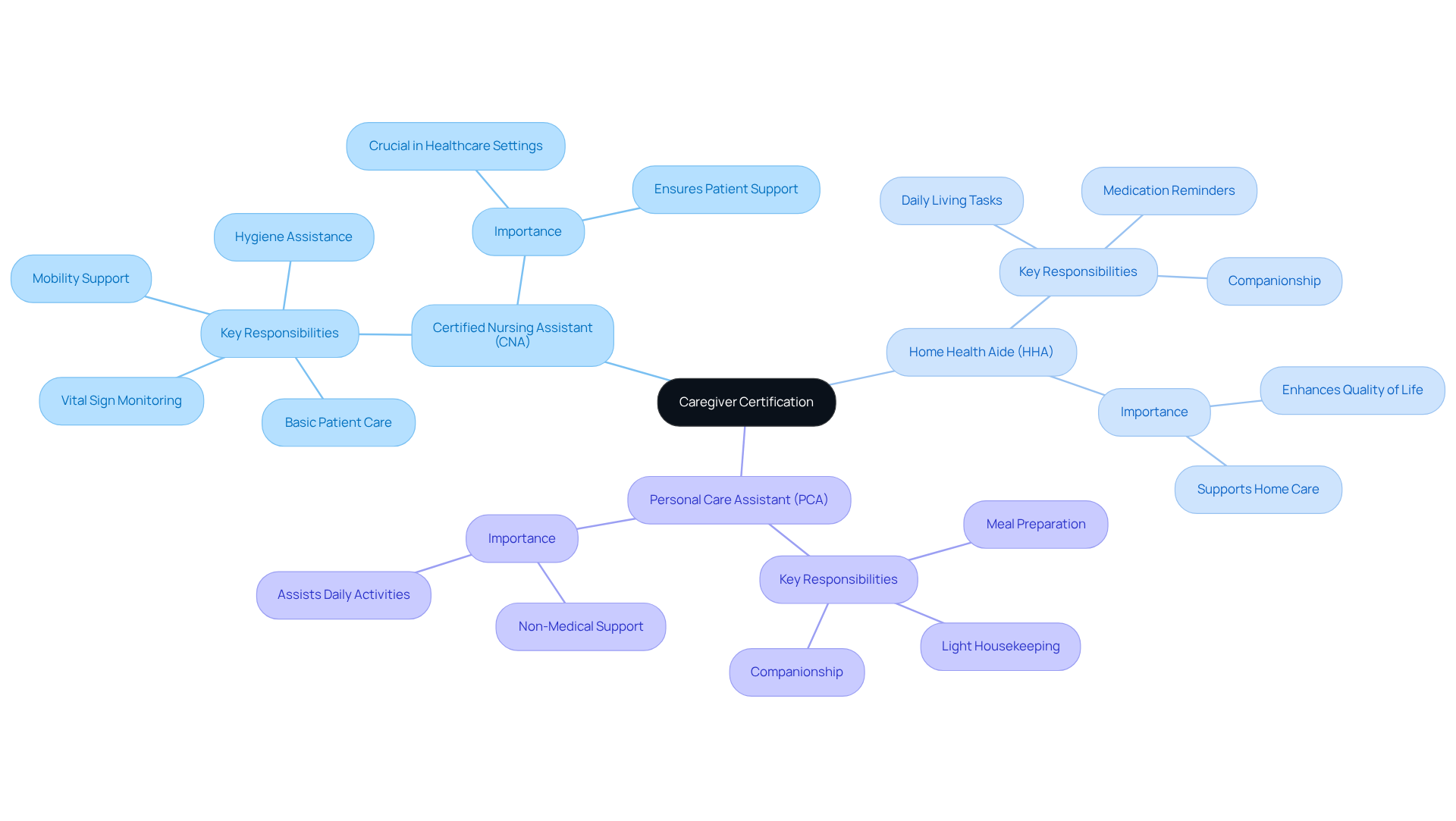
Qualifications for a certified caretaker are vital for those entering the caregiving field. They not only affirm skills but also build trust with families seeking help for their loved ones. As we look ahead to 2025, several key caregiver certifications stand out, each playing a unique role in the caregiving landscape:
- Certified Nursing Assistant (CNA): This certification provides caregivers with essential skills in basic patient care, such as hygiene, mobility assistance, and vital sign monitoring. CNAs are crucial in healthcare settings, ensuring patients receive the support they need.
- Home Health Aide (HHA): Tailored for those who assist clients in their homes, this qualification focuses on daily living tasks, medication reminders, and companionship. HHAs significantly enhance the quality of life for individuals who wish to stay in their familiar surroundings.
- Personal Care Assistant (PCA): Concentrating on non-medical support, the PCA qualification prepares helpers to assist with daily activities like meal preparation, light housekeeping, and companionship. PCAs are essential for those needing help without requiring medical care.
Each credential comes with specific training courses and prerequisites that can vary by state. It’s important for aspiring support professionals to understand these differences. For instance, in 2025, new Medicare training codes for aides aim to simplify the certification process, making training and support more accessible. Codes like G0541 for individual training and G0542 for additional training time are designed to streamline documentation and reimbursement, easing the path to necessary training.
Statistics reveal that around 43.5 million individuals have provided unpaid assistance to an adult or child in the past year, highlighting the growing demand for qualified caregivers. Furthermore, by 2030, the U.S. will need 1.3 million more providers to meet the rising demand for elderly assistance. Professionals with formal qualifications often experience greater job satisfaction and improved patient outcomes. Better-trained staff lead to fewer hospital visits and higher family satisfaction. Real-world examples show that certified caretakers are often better equipped to handle complex support situations, with studies indicating improved patient outcomes linked to certified caretaker training. By obtaining the right qualifications, support providers can profoundly impact the lives of those they assist, ensuring clients receive the highest quality of care.
Navigate the Certification Process: Steps to Become a Certified Caregiver
Becoming a certified caretaker is a journey filled with purpose and compassion. It involves several essential steps that pave the way for a fulfilling career in this vital field:
-
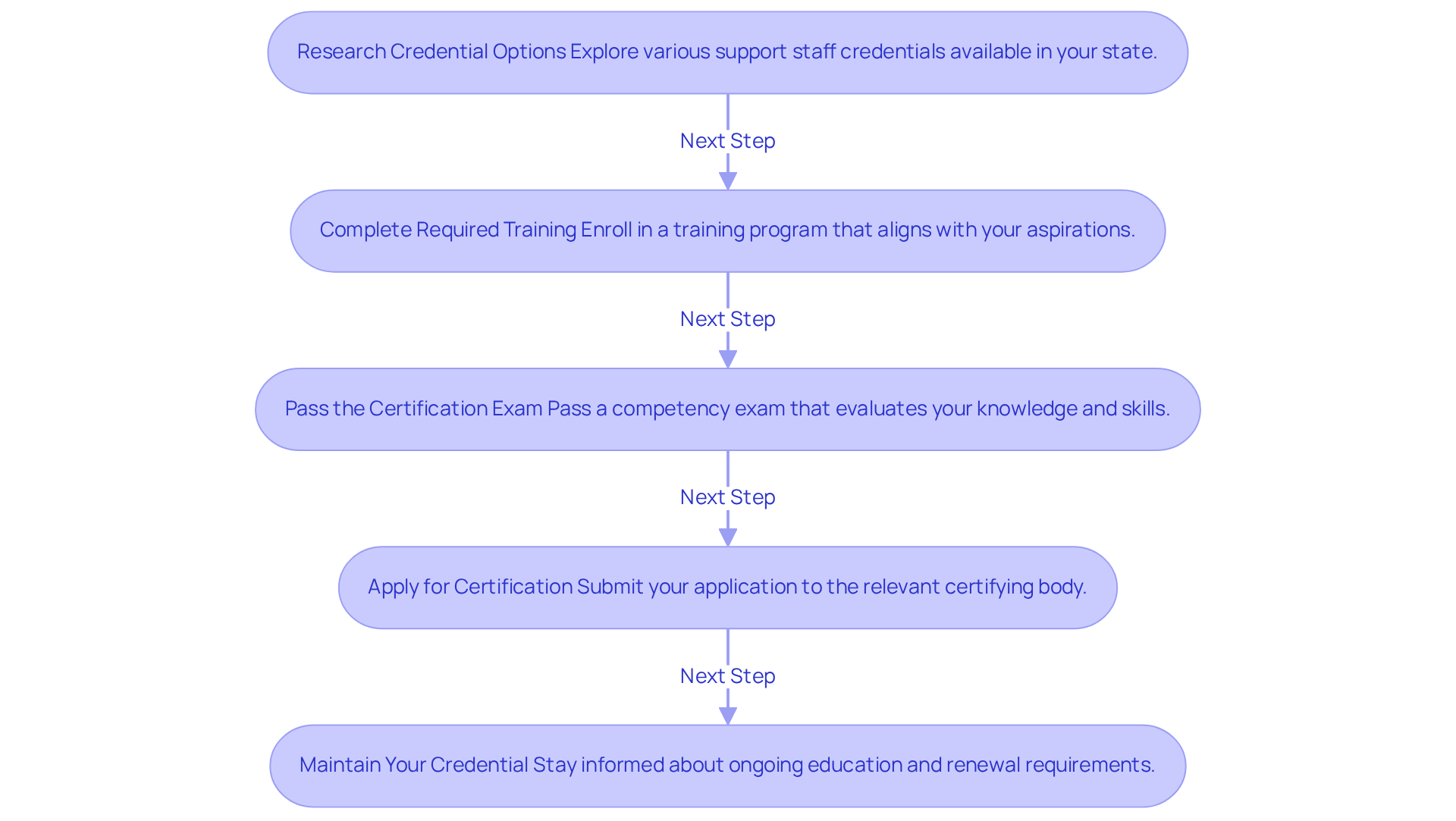
Research Credential Options: Begin by exploring the various support staff credentials available in your state, such as Certified Nursing Assistant (CNA), Home Health Aide (HHA), and Personal Care Aide (PCA). Think about your professional goals and the specific groups you wish to assist. This reflection will guide your choice of credentials. Most states require caregivers to be at least 18 years old, though some allow those as young as 16 to enter this rewarding field.
-
Complete Required Training: Enroll in a training program that aligns with your aspirations. These programs typically blend classroom instruction with hands-on experience, covering essential skills like basic nursing, emergency response, and patient management techniques. The duration can vary, often lasting from a few weeks to several months. Certification courses for support workers usually range from $199.00 to $298.95, a small investment for a meaningful career.
-
Pass the Certification Exam: After completing your training, you’ll need to pass a competency exam that evaluates your knowledge and skills. This exam usually includes both written and practical components, ensuring you’re well-prepared for real-world caregiving scenarios. It covers a wide range of topics, including basic care, emergencies, record keeping, and ethical considerations. You can expect to receive your certificate electronically within 3-5 business days after passing the exam.
-
Apply for Certification: Once you’ve successfully passed the exam, it’s time to submit your application to the relevant certifying body. Include any required documentation, such as proof of training and background checks. This step is crucial for officially recognizing your qualifications to become a certified caretaker in the caregiving field. The application process begins after you’ve chosen the right caregiver training program.
-
Maintain Your Credential: Many credentials require ongoing education and renewal every few years. Stay informed about the specific requirements for maintaining your credential, which may involve completing continuing education courses and keeping up with health screenings and immunizations. Additionally, developing soft skills like communication, empathy, and patience is vital for effective caregiving and can significantly enhance your performance in this role.
By following these steps, you can navigate the approval process with confidence and position yourself for a rewarding career dedicated to improving the quality of life for those in need. Remember, every step you take is a step toward making a meaningful difference in someone’s life.
Identify Key Skills for Caregivers: Essential Competencies for Certification
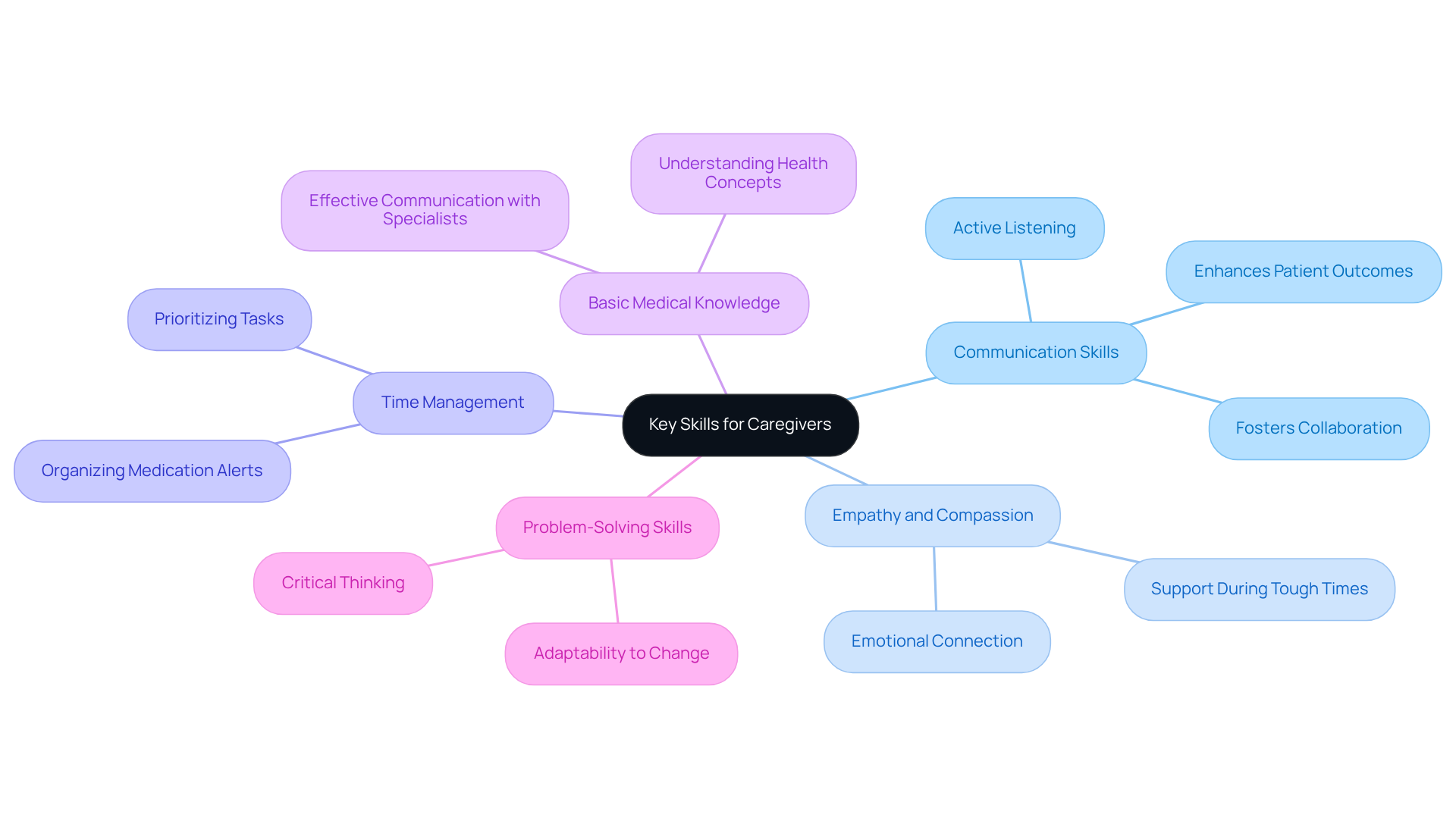
To truly excel as a certified caretaker, it's essential to master certain skills that help you achieve certification and ensure you deliver high-quality care. Here are some key competencies that can make a significant difference:
-
Communication Skills: Effective communication is at the heart of caregiving. It allows you to understand the needs of patients, families, and healthcare professionals, fostering a collaborative environment. Research shows that strong communication can enhance patient outcomes, reducing hospitalization rates by up to 30% and boosting overall satisfaction. For instance, when a caregiver actively listens to a person's concerns, they can spot potential health issues early, leading to timely interventions.
-
Empathy and Compassion: Connecting emotionally with individuals is vital. Caregivers who demonstrate empathy provide invaluable support, helping people navigate tough times with kindness and understanding. As Tia Walker beautifully puts it, "In the heart of every individual who provides care is a knowing that we are all connected."
-
Time Management: Balancing multiple responsibilities is a common challenge for caregivers. Strong organizational skills are crucial for prioritizing tasks effectively, ensuring that all needs are met promptly. For example, a support provider who organizes medication alerts well can prevent missed doses, which is essential for maintaining a patient's health.
-
Basic Medical Knowledge: Having a grasp of basic health concepts and medical terminology is important. This knowledge enables you to monitor patients' health accurately and communicate effectively with healthcare specialists, ensuring comprehensive support. Understanding terms like "hypertension" or "diabetes" empowers you to advocate for those you assist.
-
Problem-Solving Skills: Caregiving often comes with unexpected challenges. The ability to think critically and adapt to changing situations is key to providing effective support and ensuring safety. For instance, if a client experiences a sudden change in condition, a provider's quick assessment and response can be life-saving.
By honing these skills, you not only prepare for certification but also enhance your ability as a certified caretaker to provide compassionate and competent care. This ultimately improves the quality of life for those you assist, making a meaningful impact in their journey.
Address Caregiver Challenges: Support Systems and Resources
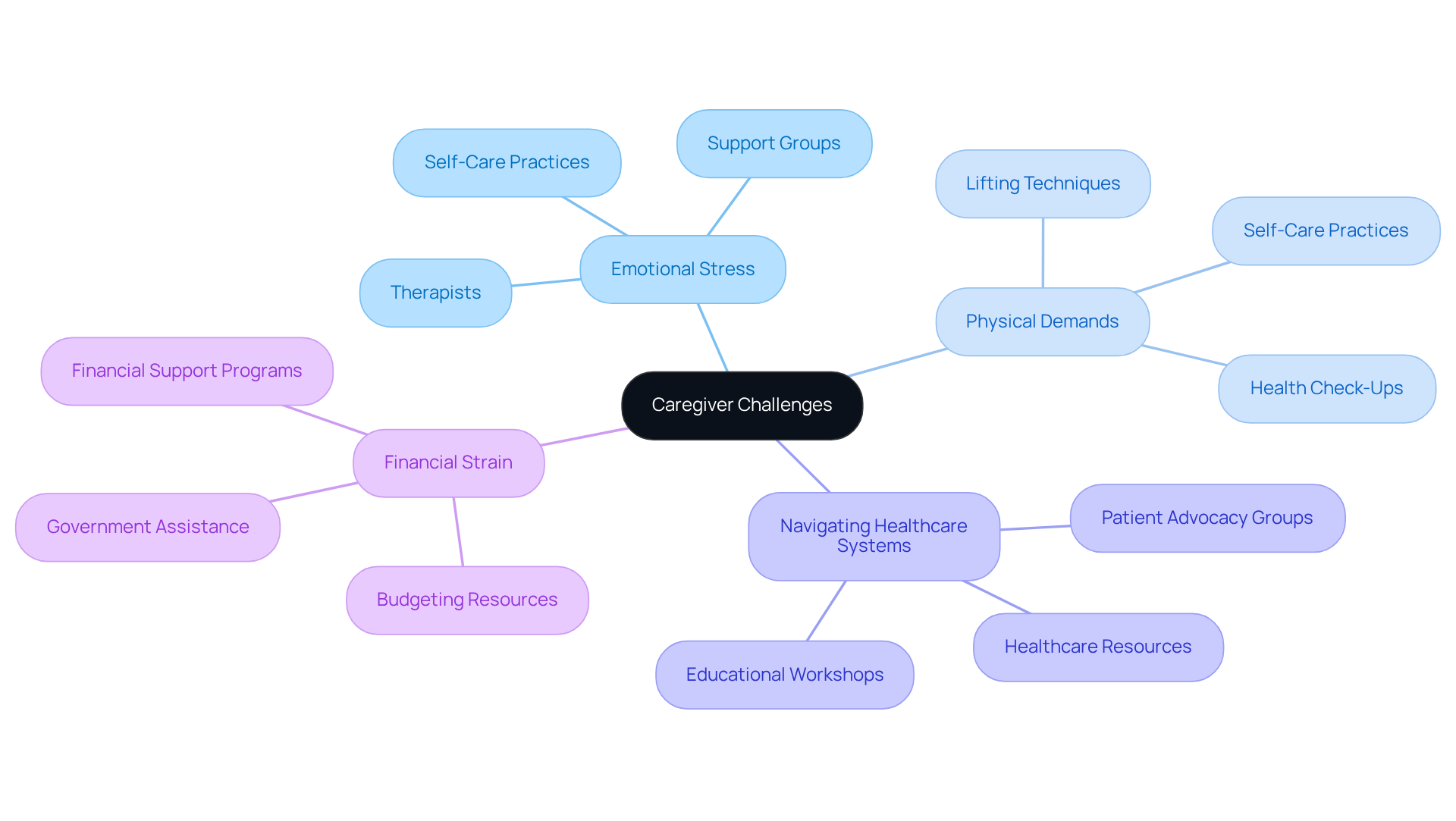
Caregiving can be incredibly rewarding, yet it also brings significant challenges. Many caregivers face emotional stress, physical demands, and financial strain. Let’s explore these common issues together, along with some resources that can help.
-
Emotional Stress: It’s not uncommon for caregivers to feel isolated and burned out. In fact, around 60% of caregivers report experiencing moderate to high stress levels. Joining support groups, whether in-person or online, can provide a vital space for sharing experiences and receiving encouragement. These connections help combat loneliness and emotional fatigue, reminding caregivers that they’re not alone in their journey.
-
Physical Demands: The physical nature of caregiving can lead to fatigue and even injury. Many caregivers find that lifting and assisting their loved ones takes a toll on their bodies. Learning proper lifting techniques and prioritizing self-care practices are essential steps to mitigate these risks and maintain personal health. Remember, taking care of yourself is just as important as caring for others.
-
Navigating Healthcare Systems: Understanding medical terminology and healthcare processes can feel overwhelming. Resources like patient advocacy groups are here to help. They offer guidance, assisting caregivers in navigating complex healthcare systems and ensuring they can effectively advocate for their loved ones.
-
Financial Strain: Providing care often leads to significant financial challenges. Family members who assist typically spend an average of $7,200 annually out of pocket on related expenses. Exploring financial support programs, such as Medicaid and veterans benefits, can help ease some of this burden. This way, caregivers can focus more on their loved ones’ needs rather than monetary stress.
By recognizing these challenges and utilizing available resources, caregivers can enhance their resilience and effectiveness in their roles. Remember, you’re doing an incredible job, and by taking care of yourself, you’re also improving the well-being of those you care for.
Taking the Next Steps
Becoming a certified caretaker is more than just a professional milestone; it’s a heartfelt commitment to enhancing the quality of life for those in need. The journey we’ve explored highlights the significance of obtaining the right certifications—like CNA, HHA, and PCA—that equip caregivers with essential skills and knowledge. These credentials not only build trust with families but also empower caretakers to provide high-quality, compassionate care.
The article outlines the steps to attain caregiver certification, including:
- Researching credential options
- Completing necessary training
- Passing certification exams
- Maintaining credentials through ongoing education
It also emphasizes key skills caregivers must develop, such as:
- Effective communication
- Empathy
- Time management
- Problem-solving abilities
These competencies are vital for navigating the complexities of caregiving and have a profound impact on patient outcomes.
Ultimately, the role of a certified caregiver is invaluable in today’s society, where the demand for qualified support professionals continues to grow. By acknowledging the challenges caregivers face and utilizing available resources, individuals can improve their own well-being while creating a positive ripple effect in the lives of those they assist. Embracing the path to certification is a powerful way to make a lasting difference in the caregiving landscape, ensuring that vulnerable populations receive the compassionate care they truly deserve.
https://iframe.tely.ai/cta/eyJhcnRpY2xlX2lkIjogIjY5MDU0ZGIzMWQwYWE1MDgwYzAzN2ZmZCIsICJjb21wYW55X2lkIjogIjY4ZWU1ZGNhNzMxNzYyNTU3ZjNjOTVjMSIsICJpbmRleCI6IG51bGwsICJ0eXBlIjogImFydGljbGUifQ==Frequently Asked Questions
Why are qualifications important for caregivers?
Qualifications are vital for caregivers as they affirm skills and build trust with families seeking help for their loved ones.
What are the main types of caregiver certifications?
The main types of caregiver certifications include Certified Nursing Assistant (CNA), Home Health Aide (HHA), and Personal Care Assistant (PCA).
What does the Certified Nursing Assistant (CNA) certification entail?
The CNA certification provides caregivers with essential skills in basic patient care, including hygiene, mobility assistance, and vital sign monitoring.
What is the role of a Home Health Aide (HHA)?
HHAs assist clients in their homes with daily living tasks, medication reminders, and companionship, significantly enhancing the quality of life for individuals who wish to stay at home.
What does a Personal Care Assistant (PCA) do?
PCAs focus on non-medical support, helping with daily activities such as meal preparation, light housekeeping, and companionship for those who do not require medical care.
Are there specific training courses for each caregiver certification?
Yes, each certification comes with specific training courses and prerequisites that can vary by state.
What changes are expected in caregiver training by 2025?
By 2025, new Medicare training codes for aides are expected to simplify the certification process, making training and support more accessible.
What is the significance of the statistics regarding unpaid assistance?
Statistics indicate that around 43.5 million individuals have provided unpaid assistance to an adult or child in the past year, highlighting the growing demand for qualified caregivers.
How many additional caregivers will the U.S. need by 2030?
By 2030, the U.S. will need 1.3 million more providers to meet the rising demand for elderly assistance.
What are the benefits of obtaining formal qualifications for caregivers?
Professionals with formal qualifications often experience greater job satisfaction, improved patient outcomes, fewer hospital visits, and higher family satisfaction.