What You Need to Know About Become a Home Health Aide in
The demand for compassionate caregivers is rising, especially in California, where an aging population increasingly relies on home health aides for support. This essential role not only involves assisting with daily living tasks but also plays a crucial part in enhancing the emotional well-being of clients, fostering dignity and independence.
However, the path to certification can be daunting for aspiring aides. With various training options and regulatory requirements to navigate, many may feel overwhelmed. This situation not only complicates the journey for individuals but also impacts the ability of communities to meet the growing needs for caregiving services.
So, how can individuals effectively prepare for this rewarding career? By understanding the certification process and exploring available training programs, aspiring caregivers can equip themselves with the necessary skills and knowledge. Engaging in hands-on training, seeking mentorship from experienced professionals, and staying informed about industry standards are practical steps that can lead to success in this vital field.
Understand the Role of a Home Health Aide
A Personal Care Aide (PCA) plays a crucial role in supporting individuals who need assistance with daily living tasks. This support significantly enhances their quality of life. However, many individuals face challenges due to a lack of adequate care, which can lead to feelings of isolation and diminished dignity.
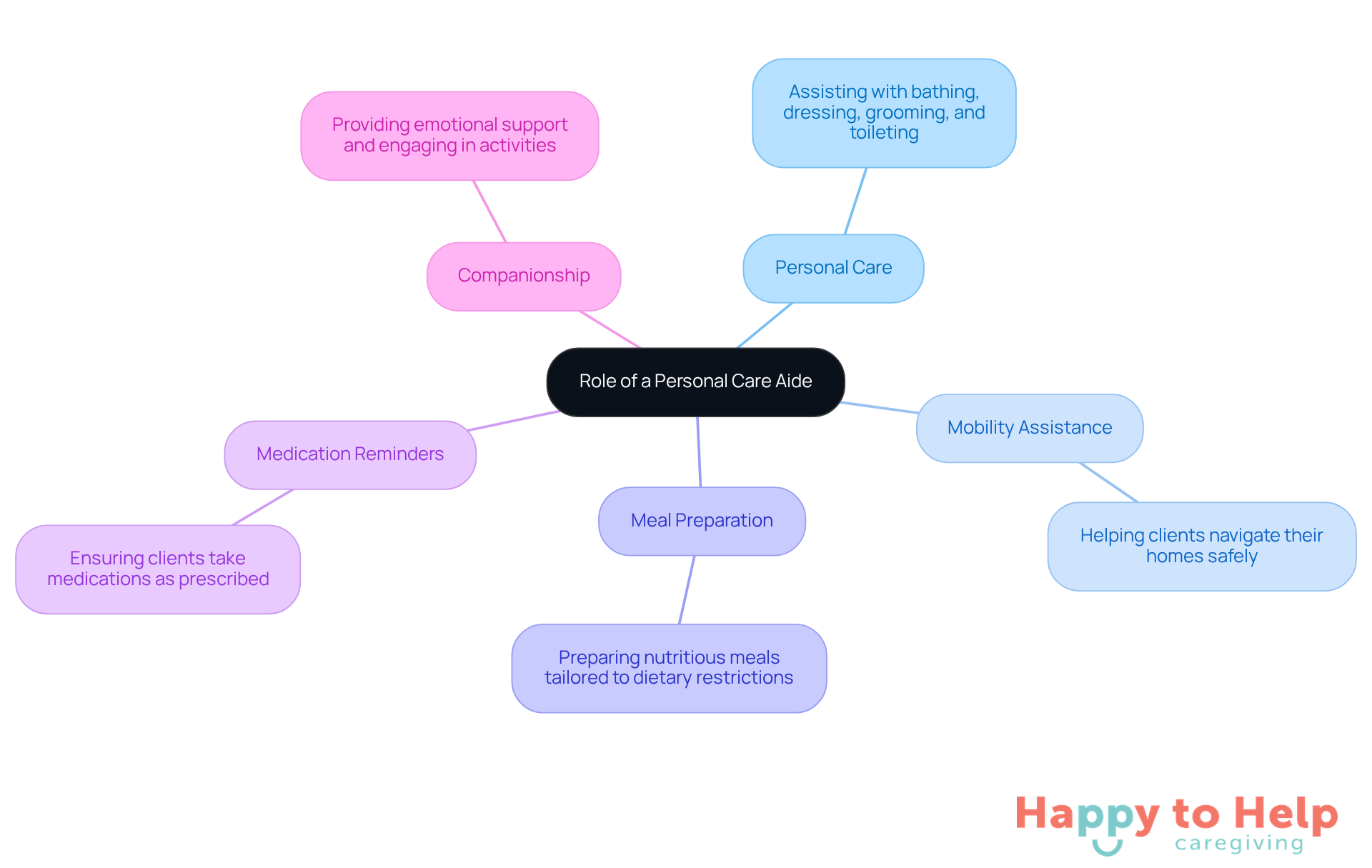
Key Responsibilities of a PCA:
- Personal Care: Assisting clients with bathing, dressing, grooming, and toileting fosters dignity and self-esteem.
- Mobility Assistance: Helping clients navigate their homes safely, including transferring from bed to wheelchair, is essential for maintaining independence.
- Meal Preparation: Preparing nutritious meals tailored to clients' dietary restrictions and preferences ensures proper nutrition and health.
- Medication Reminders: Ensuring clients take their medications as prescribed is vital for managing health conditions effectively.
- Companionship: Providing emotional support and engaging clients in conversation and activities alleviates feelings of isolation, a significant concern for many seniors.
Currently, approximately 15 million Americans receive in-home care services, which emphasizes the growing demand for home health aide California. Between 2021 and 2031, there is a projected need for 924,000 personal care aides and home health aide California positions. Their contributions not only assist with physical tasks but also promote emotional well-being, making them indispensable in the caregiving landscape.
As the home care industry has grown at an average rate of 2.3% per year from 2018 to 2023, understanding these responsibilities is essential for those considering a career in this rewarding field. According to U.S. News & World Report, "70% of people turning 65 will develop severe long-term care needs in their lifetimes," underscoring the importance of PCAs in supporting an aging population. Case studies show that PCAs significantly enhance the daily lives of seniors, allowing them to maintain independence and dignity in their own homes.
Review California State Certification Requirements
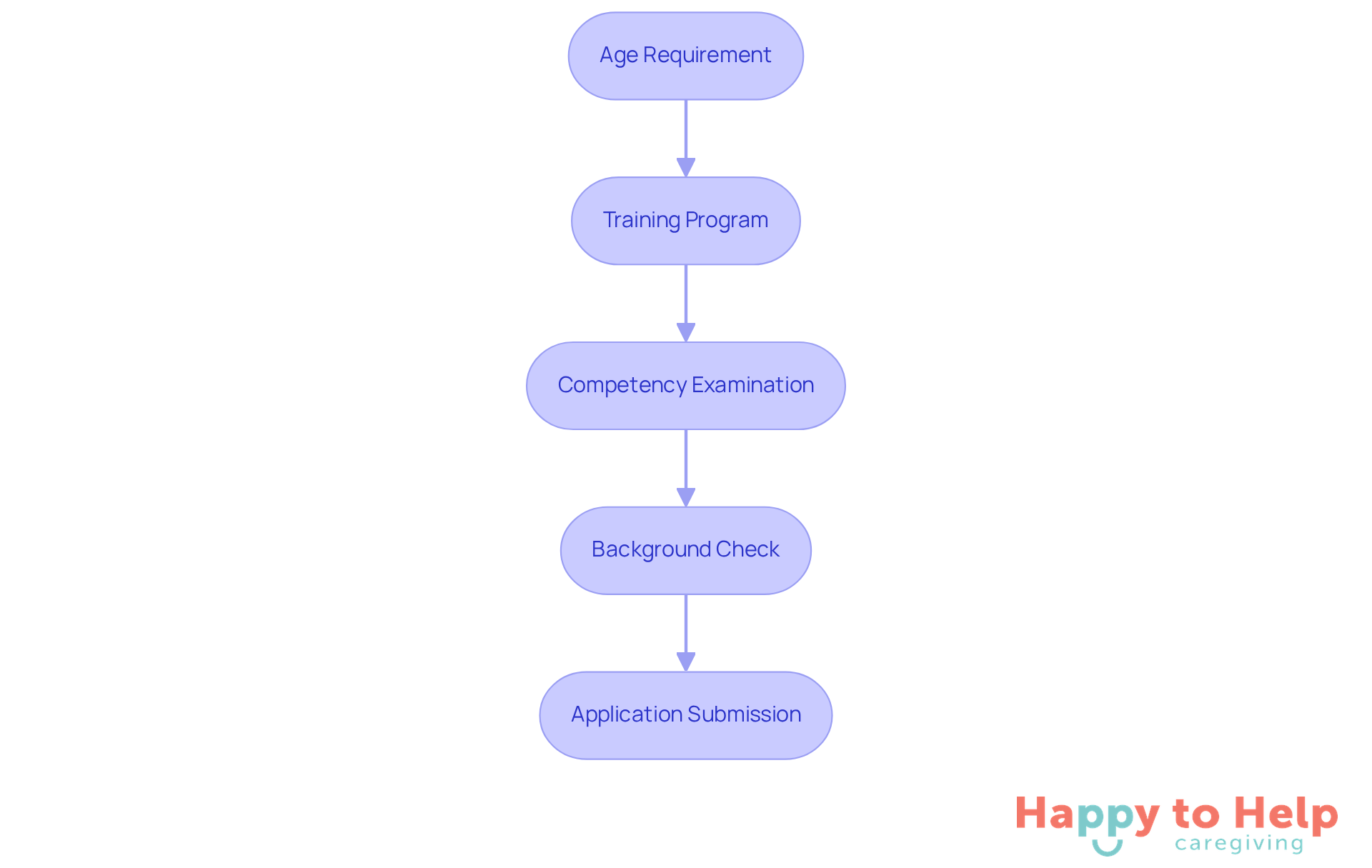
To become a certified Home Health Aide in California, you must fulfill several essential requirements:
- Age: Candidates must be at least 16 years old to qualify for certification.
- Training: Completion of a state-approved training program is mandatory. This can be either a 40-hour course for those with prior qualifications, such as Certified Nursing Assistants, or a 120-hour course for new entrants into the field.
- Examination: A competency examination must be passed, assessing knowledge and skills in basic patient care, which is crucial for ensuring quality service.
- Background Check: A criminal background check is required to safeguard clients and maintain trust in caregiving services.
- Application: Finally, submit a completed application along with any necessary fees to the California Department of Public Services (CDPH).
As of 2025, California has seen a significant increase in the number of certified home health aides, which reflects the growing demand for in-home care services driven by an aging population. Recent legislative updates, including AB 1495, have broadened education opportunities, enabling online courses that improve accessibility, especially in rural regions. Experts emphasize that these advancements are vital for preparing a qualified workforce to meet the state's caregiving needs. Successful initiatives throughout California are now integrating innovative approaches to ensure that aspiring aides are well-equipped to deliver compassionate and effective care.
Choose Your Training Program: CNA vs. Non-CNA Options
When selecting a training program, caregivers face a crucial decision: which path will best prepare them for a rewarding career in healthcare? The options available can be overwhelming, but understanding the implications of each choice is essential.
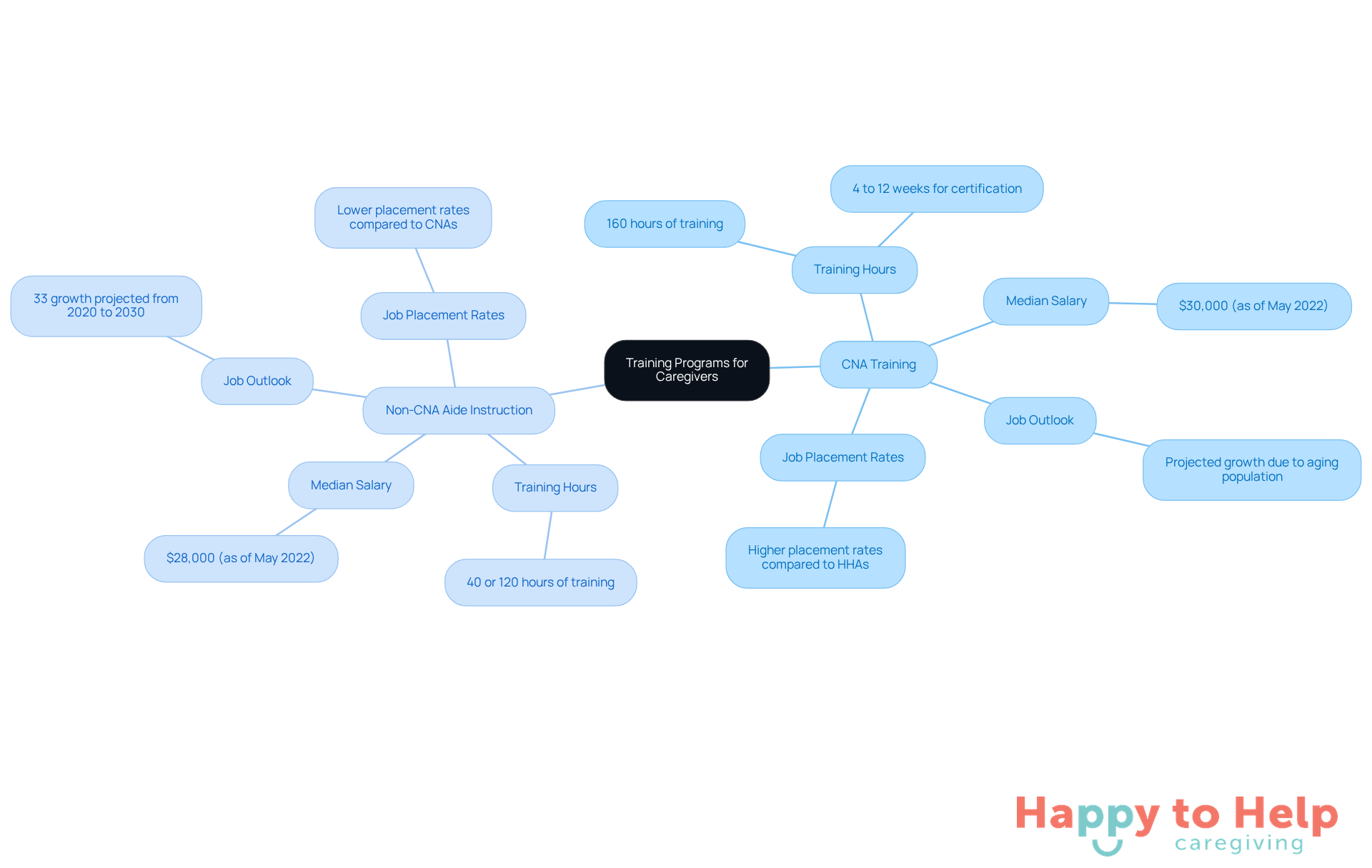
Certified Nursing Assistant (CNA) Training: This comprehensive program typically requires around 160 hours of training, combining classroom instruction with clinical practice. Completing this course not only qualifies you to work as a CNA but also allows you to take the Aide certification exam, expanding your career opportunities. As of May 2022, the median annual salary for CNAs is about $30,000, reflecting the demand for their skills in various healthcare settings. The job outlook for CNAs is projected to grow significantly due to an aging population needing healthcare services.
Non-CNA Aide Instruction: For those who prefer a more concentrated approach, shorter courses (40 or 120 hours) are available specifically for home health aide California (HHAs). These courses focus on essential personal care skills and may not delve deeply into medical training, making them suitable for individuals looking to enter the field quickly. The estimated growth rate for home health aide California positions is 33% from 2020 to 2030, indicating a strong demand for these roles in the coming years.
As you evaluate your career aspirations, consider the job placement rates: CNA graduates often enjoy higher placement rates compared to HHA graduates, reflecting the broader scope of practice and demand for CNAs in various healthcare settings. Choose an option that aligns with your goals, whether you seek the versatility of a CNA role or the specialized focus of an HHA position.
Complete Your Training and Certification Application
Navigating the certification process for home health aide California can be challenging, especially with the increasing demand for qualified professionals in the state's growing senior population. Without proper certification, caregivers may miss out on job opportunities and the ability to provide essential services.
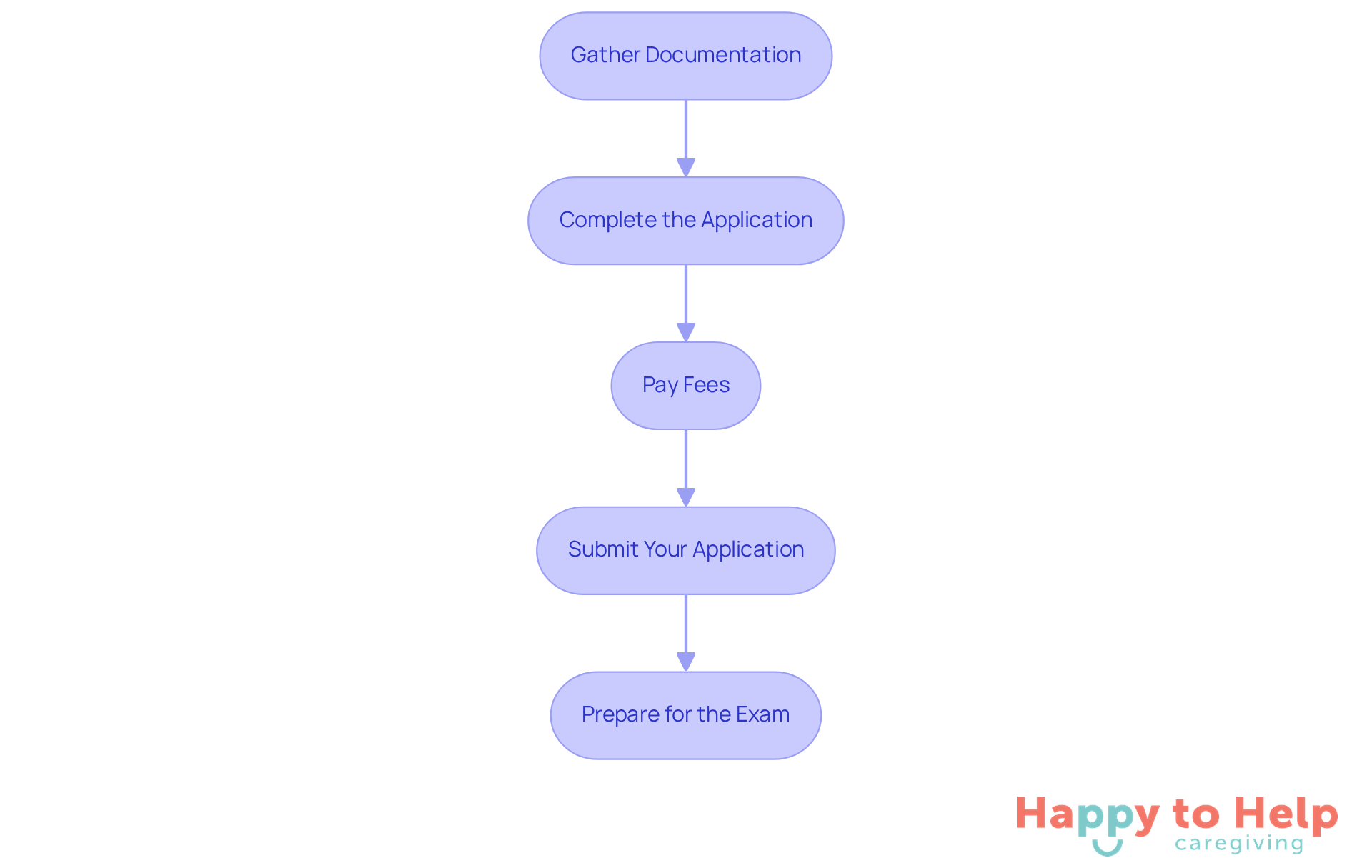
To help you successfully apply for your Home Health Aide certification, follow these essential steps:
- Gather Documentation: Collect all necessary documents, including proof of training completion, valid identification, and results from any required background checks.
- Complete the Application: Fill out the certification application form available on the California Department of Public Health (CDPH) website. Ensure that all sections are accurately completed to avoid delays.
- Pay Fees: Include the required application fee, which typically ranges from $50 to $150, depending on the specific program and processing method.
- Submit Your Application: Send your completed application and documentation to the CDPH. You can submit your application online or by mail, keeping in mind that portal submissions may take up to 30 days for processing, while mailed submissions may take up to 45 days.
- Prepare for the Exam: If applicable, study for the certification exam using the materials provided during your instruction. Remember, certification needs to be renewed every two years, necessitating at least 12 hours of in-service education each year.
Recent legislation, AB 1495, has introduced new training requirements for home health aides, emphasizing the importance of ongoing education in this field. Once your application is processed and you successfully pass the exam, you will receive your certification, allowing you to work as a home health aide in California. Stay informed about updates to the application process, as these changes aim to streamline procedures and enhance the quality of care provided.
Taking the Next Steps
Becoming a Home Health Aide in California presents a significant opportunity to positively impact the lives of individuals needing assistance with daily living tasks. However, the increasing demand for home health aides poses challenges for aspiring caregivers who must navigate the necessary steps to enter this rewarding profession.
The key responsibilities of a Personal Care Aide (PCA) include personal care, mobility assistance, meal preparation, medication reminders, and companionship. Understanding these responsibilities is crucial, as they not only enhance the quality of life for clients but also promote dignity and independence. Additionally, the certification process involves essential training, examination, and application steps that must be completed to become a certified Home Health Aide in California. It's also important to compare CNA and non-CNA training options to clarify the pathways available for those entering this field.
Given the growing need for qualified home health aides, taking proactive steps is essential. Prospective aides should evaluate their training options, ensure they meet certification requirements, and stay informed about legislative updates that may impact their careers. By pursuing this path, individuals contribute to the well-being of others while securing a stable and fulfilling career in the evolving healthcare landscape.
Embracing the role of a Home Health Aide can lead to profound fulfillment, as caregivers become vital members of their communities, enhancing lives one day at a time. Here are some actionable steps to consider:
- Research training programs that fit your schedule and needs.
- Connect with current home health aides for insights and advice.
- Stay updated on certification requirements and legislative changes.
By taking these steps, you can ensure a successful entry into this vital profession.
https://iframe.tely.ai/cta/eyJhcnRpY2xlX2lkIjogIjY5MjY2NjFlNzk5YjlmZWFhM2ZhMGUxMSIsICJjb21wYW55X2lkIjogIjY4ZWU1ZGNhNzMxNzYyNTU3ZjNjOTVjMSIsICJpbmRleCI6IG51bGwsICJ0eXBlIjogImFydGljbGUifQ==Frequently Asked Questions
What is the role of a Personal Care Aide (PCA)?
A Personal Care Aide (PCA) supports individuals who need assistance with daily living tasks, significantly enhancing their quality of life and helping to alleviate feelings of isolation and diminished dignity.
What are the key responsibilities of a PCA?
The key responsibilities of a PCA include personal care (bathing, dressing, grooming, toileting), mobility assistance (helping clients navigate their homes), meal preparation (cooking nutritious meals), medication reminders (ensuring clients take prescribed medications), and companionship (providing emotional support and engaging clients in activities).
How many Americans currently receive in-home care services?
Approximately 15 million Americans receive in-home care services, indicating a growing demand for home health aides.
What is the projected need for personal care aides and home health aides in California between 2021 and 2031?
Between 2021 and 2031, there is a projected need for 924,000 personal care aides and home health aide positions in California.
Why are PCAs considered indispensable in the caregiving landscape?
PCAs are indispensable because they assist with physical tasks and promote emotional well-being, which is vital for supporting an aging population and enhancing the daily lives of seniors.
What trend has been observed in the home care industry from 2018 to 2023?
The home care industry has grown at an average rate of 2.3% per year from 2018 to 2023.
What statistic highlights the importance of PCAs for the aging population?
According to U.S. News & World Report, "70% of people turning 65 will develop severe long-term care needs in their lifetimes," highlighting the importance of PCAs in providing support for the aging population.
List of Sources
- Understand the Role of a Home Health Aide
- Home care aides largest occupation in US as of last May, BLS reports (https://mcknightshomecare.com/news/home-care-aides-largest-occupation-in-us-as-of-last-may-bls-reports)
- Home Care Statistics In 2025: Key Insights In Home Care (https://sagapixel.com/marketing/home-care-statistics)
- 2025 Home Care Statistics: Trends & Insights To Know (https://premierhcinc.com/blog/home-care-statistics)
- Celebrating compassionate care during National Home Health Aide Week (https://trinityhealthathome.org/newsroom/blog-articles/celebrating-compassionate-care-during-national-home-health-aide-week)
- How Home Health Aides Improve Seniors’ Quality of Life (https://allaboutyouhha.com/news/how-home-health-aides-enhance-quality-of-life-for-seniors)
- Review California State Certification Requirements
- Suspension of Professional Certification Requirements for Home Health Aide Training Programs (HHA Training Programs) - CANHR COVID-19 News & Resources (https://canhrnews.com/suspension-of-professional-certification-requirements-for-home-health-aide-training-programs-hha-training-programs-5)
- California's Care Workforce (https://ppic.org/publication/californias-care-workforce)
- Proposed Home Health Training Legislation Seeks to Permit On-Line Training - California Association For Health Services At Home (https://cahsah.org/news/proposed-home-health-training-legislation-seeks-to-permit-on-line-training)
- AB 1495: Home health aides: training and certification. | Digital Democracy (https://calmatters.digitaldemocracy.org/bills/ca\_202520260ab1495)
- Choose Your Training Program: CNA vs. Non-CNA Options
- Proposed Home Health Training Legislation Seeks to Permit On-Line Training - California Association For Health Services At Home (https://cahsah.org/news/proposed-home-health-training-legislation-seeks-to-permit-on-line-training)
- States Working to Fill Gaps in Homecare Industry With New Training Programs (https://homecaremag.com/news/states-working-fill-gaps-homecare-industry-new-training-programs)
- Home Helpers Launches Home Health Aide Training Program To Build The Next Wave Of Caregivers (https://homehealthcarenews.com/2025/07/home-helpers-launches-home-health-aide-training-program-to-build-the-next-wave-of-caregivers)
- Difference between CNA vs. Home Health Aide Programs | Diamond School (https://diamondnursingschool.com/post/exploring-the-nuances-cna-vs-home-health-aide-programs-in-the-healthcare-industry)
- SisuCare - Your next career step (https://sisucare.com/articles/sisucare-education-expands-its-impact-with-the-launch-of-cdph-approved-home-health-aide-training-programs-in-southern-california)
- Complete Your Training and Certification Application
- Proposed Home Health Training Legislation Seeks to Permit On-Line Training - California Association For Health Services At Home (https://cahsah.org/news/proposed-home-health-training-legislation-seeks-to-permit-on-line-training)
- AB 1495: Home health aides: training and certification. | Digital Democracy (https://calmatters.digitaldemocracy.org/bills/ca\_202520260ab1495)
- Processing Times (https://cdph.ca.gov/Programs/CHCQ/LCP/Pages/Processing-Times.aspx)
- Application Fees (https://cdss.ca.gov/inforesources/community-care/home-care-services/application-fees)