

For families in our service areas
For families in our service areas, this guide explains companion care and how non-medical in-home caregiving can support care planning in East Idaho, Treasure Valley & Magic Valley, Northern Wasatch, North Central West Virginia, and Northeast Ohio.
Best Companionship Care at a Glance
The best companionship care for seniors focuses on fostering social connections and offering emotional and practical support. This approach is essential in combating loneliness and enhancing overall well-being. Regular social interactions and personalized care plans play a significant role in improving mental health outcomes. They reduce feelings of isolation and help seniors maintain a sense of purpose and dignity in their lives.
By nurturing these connections, we can truly make a difference in the lives of our seniors, addressing their emotional challenges with compassion. Each interaction is an opportunity to uplift and support, ensuring that they feel valued and understood. Together, we can create an environment where seniors thrive, filled with warmth and care.
Understanding Best Companionship Care
Aging brings with it an emotional landscape that can be quite challenging. Many seniors grapple with the heavy burden of loneliness and isolation. In this context, companionship care emerges as a vital lifeline. It not only provides essential social interaction but also paves the way for improved mental well-being and a better quality of life.
As family caregivers navigate the complexities of offering support, a pressing question arises: how can they foster meaningful connections and create personalized care plans that truly resonate with the unique needs of elderly individuals? By exploring best practices in companionship care, we uncover essential strategies designed to combat loneliness, promote engagement, and ultimately empower seniors to thrive during their golden years.
Understand the Importance of Companionship Care for Seniors
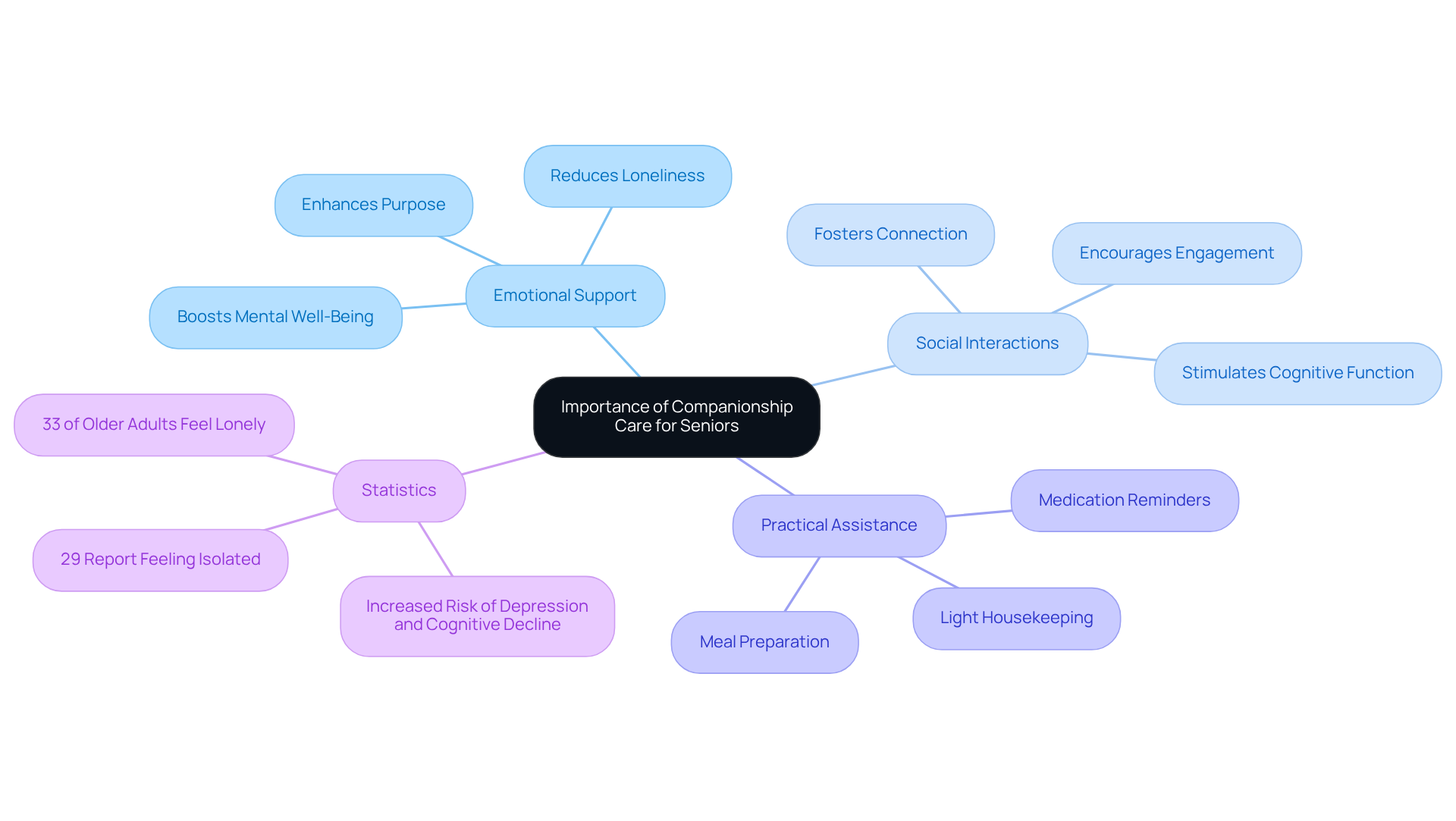
The best companionship care for seniors plays a crucial role in supporting elderly individuals. It effectively addresses the feelings of loneliness and isolation that can lead to serious mental health issues such as depression and cognitive decline. Research suggests that social isolation can elevate the risk of dementia, depression, and early mortality among older adults. Regular social interactions significantly enhance mental well-being, fostering a greater sense of purpose among older adults.
For instance, studies reveal that 33% of older adults felt lonely some of the time or often in the previous year. This statistic highlights the prevalence of loneliness and its impact on mental health. Seniors who engage frequently with companions experience a marked reduction in the risk of depression. Furthermore, the best companionship care for seniors not only alleviates feelings of isolation but also fosters cognitive stimulation through meaningful conversations and shared activities that spark joy and connection.
Family supporters should acknowledge the significance of emotional assistance as a crucial element of their caregiving method. Realizing that fostering social relationships helps elderly individuals regain a sense of purpose, feel appreciated, and remain involved in life is vital. Additionally, the best companionship care for seniors includes practical assistance such as light housekeeping, meal preparation, and medication reminders, which are essential components of the service.
By emphasizing the best companionship care for seniors, support providers can assist older adults in preserving their dignity and enhancing their overall quality of life. This nurturing approach not only addresses emotional needs but also fosters a supportive environment where elderly individuals can thrive.
Implement Strategies to Foster Meaningful Connections
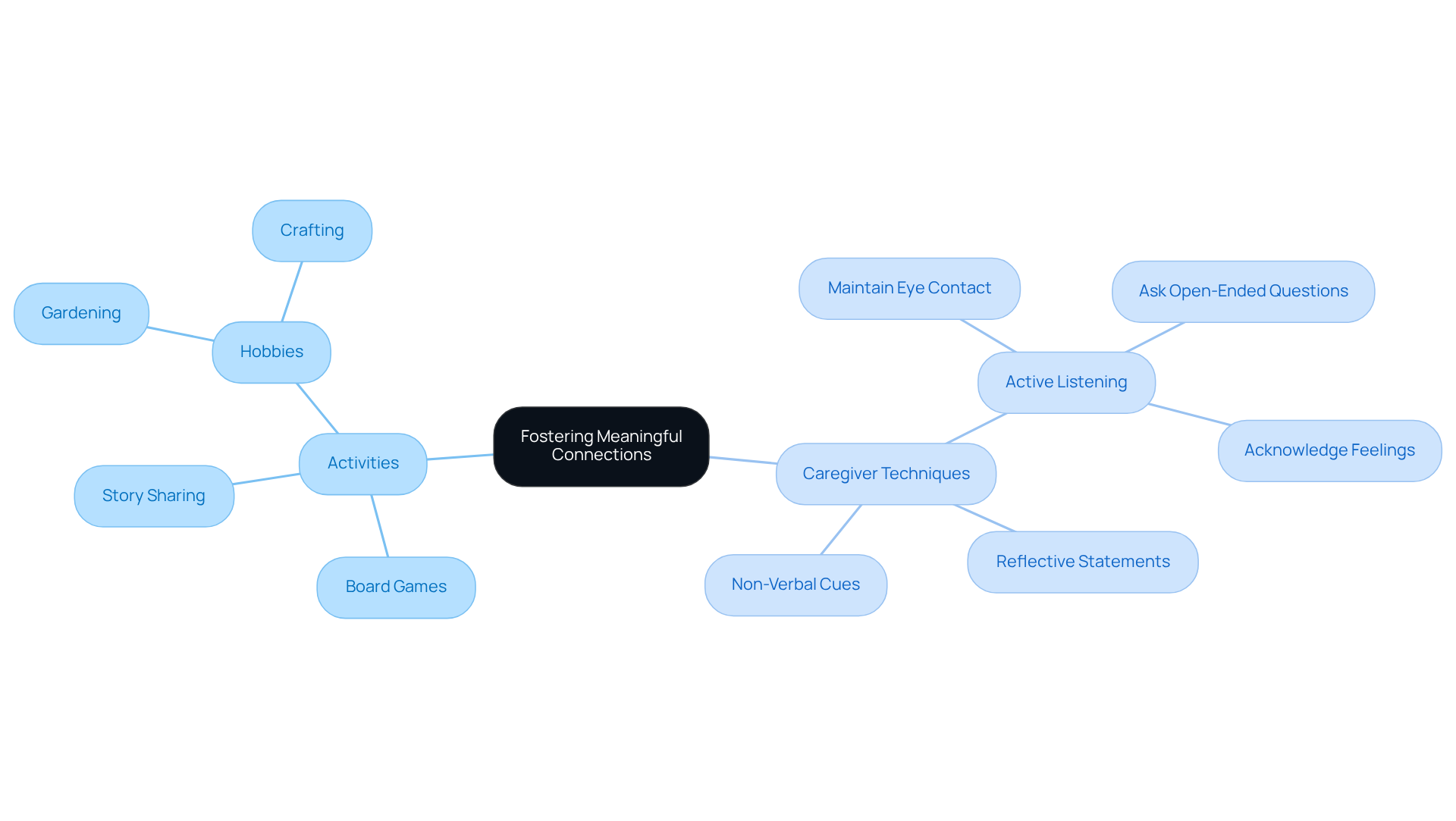
To foster significant relationships and provide the best companionship care for seniors, it is essential to involve older adults in activities that resonate with their preferences and cherished memories. This could include:
- Playing board games
- Sharing stories from their past
- Engaging in hobbies like gardening or crafting
Not only do these recreational activities strengthen the body and sharpen the mind, but they also uplift the spirit, significantly enhancing emotional well-being.
Active listening is crucial in this process. Caregivers should:
- Maintain eye contact
- Ask open-ended questions
- Acknowledge the feelings of the elderly
For example, asking, 'What was your favorite childhood memory?' can spark meaningful conversations and reinforce the elders' sense of worth and understanding. Additionally, caregivers can utilize non-verbal cues and reflective statements to deepen connections.
Establishing a routine with regular visits or activities is essential for providing the best companionship care for seniors, giving older adults something to look forward to and greatly improving their emotional stability and overall wellness. It’s important to recognize that frequent social interactions can reduce cognitive decline in older adults by 70% over a 12-year period, highlighting the significance of nurturing these connections.
Develop Personalized Care Plans for Individual Needs
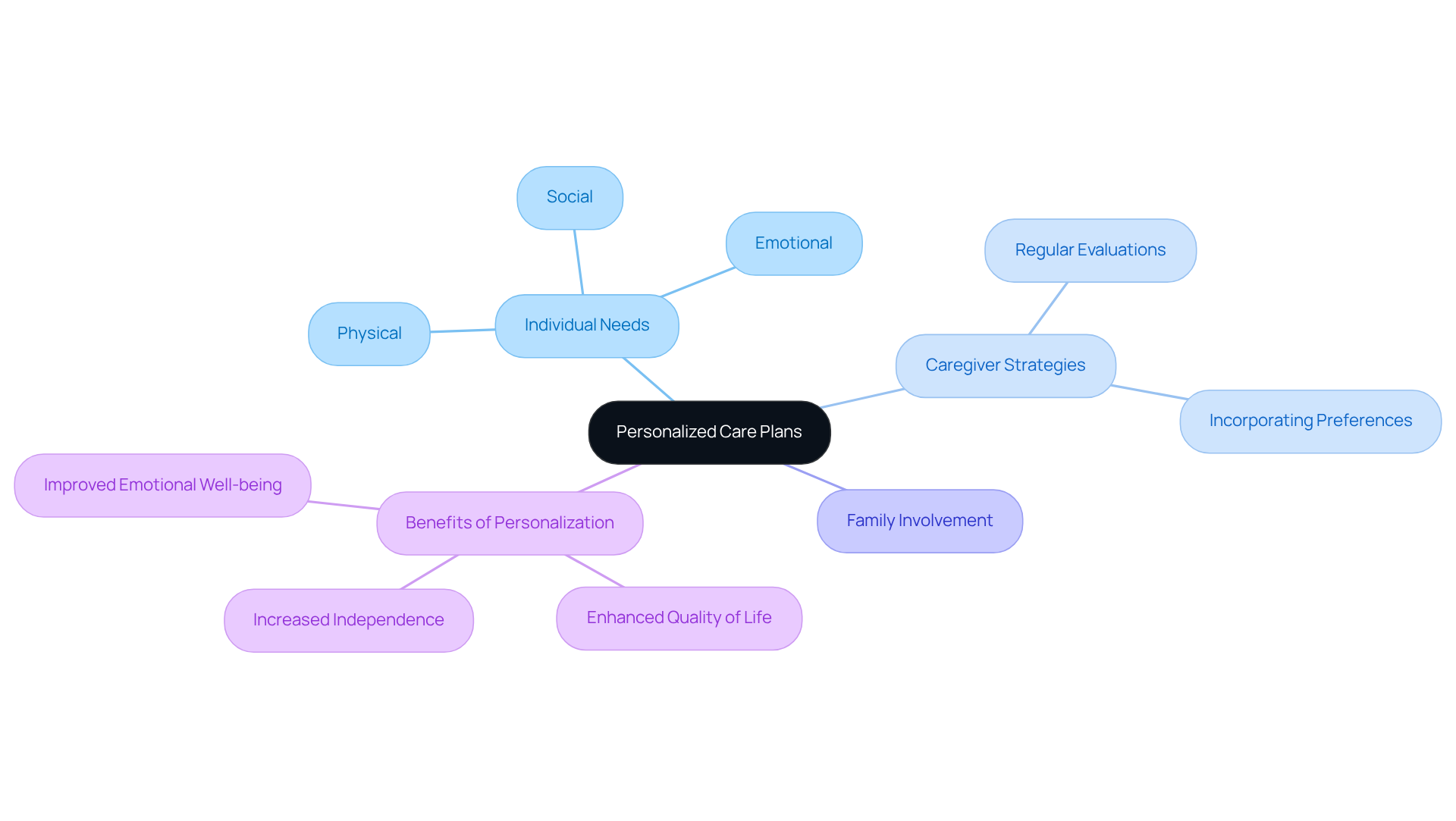
Creating individualized care plans requires a deep understanding of an elderly individual's physical, emotional, and social needs. Caregivers should take the time to gather insights about the elder's preferences, hobbies, and the specific challenges they face. For example, if an elder loves reading, caregivers can incorporate dedicated reading sessions into their daily routine. This not only boosts engagement but also brings joy to their day.
Regular evaluations and adjustments to the support plan are essential. They allow caregivers to respond to the individual's evolving needs. This adaptive approach empowers older adults by honoring their preferences and strengthens the caregiver-older adult relationship, fostering a sense of respect and value in the support process.
By focusing on the best companionship care for seniors, supporters can greatly enhance the quality of life for elderly individuals, ensuring that assistance is both effective and compassionate. Involving family members in this journey is crucial; their insights can further tailor the support plan to meet the senior's unique needs. Research indicates that personalized support can alleviate feelings of loneliness and boost self-esteem. Therefore, it is vital for those providing assistance to thoughtfully implement these strategies.
Utilize Technology to Enhance Caregiver-Family Communication
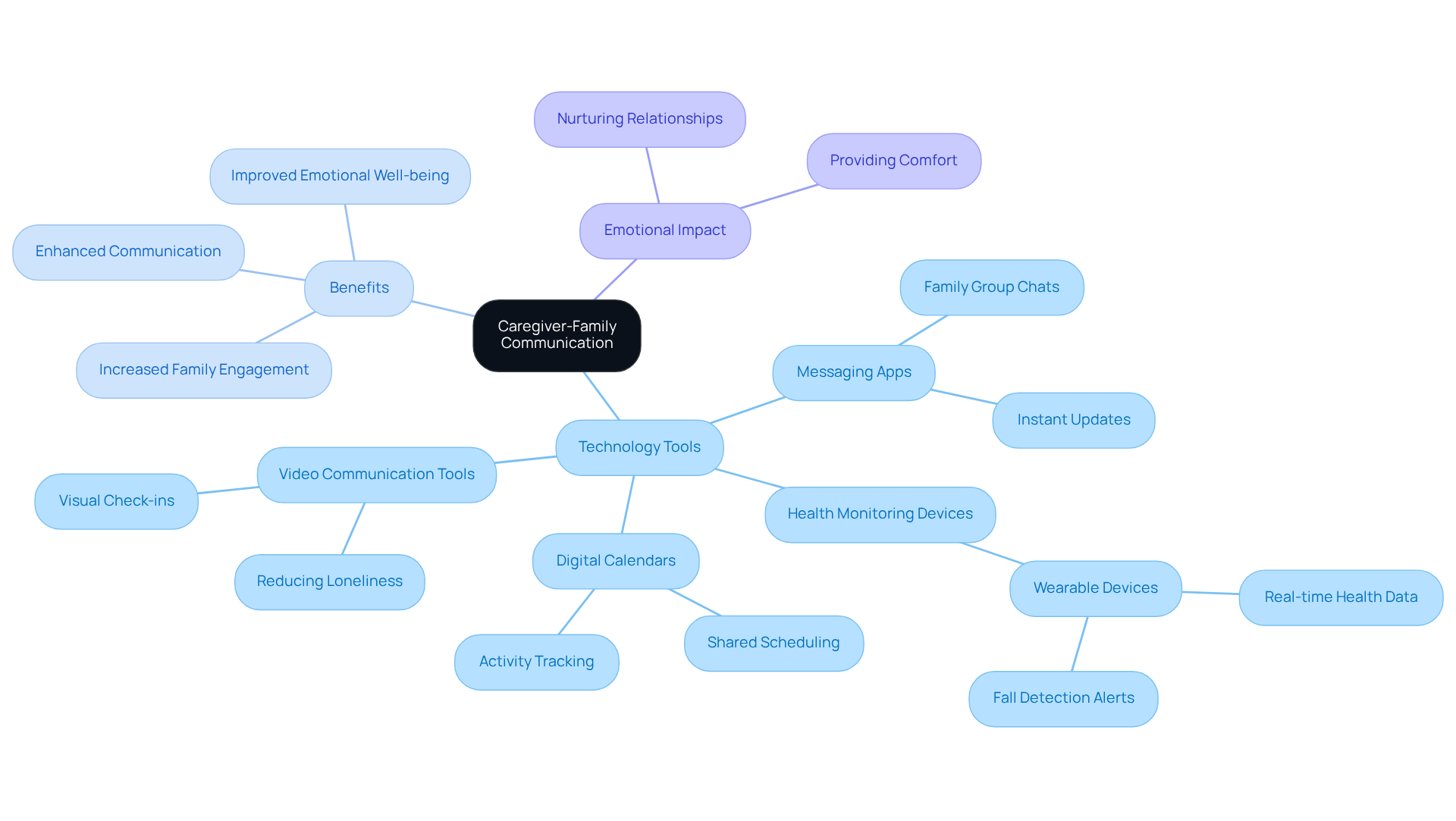
Technology plays a pivotal role in enhancing communication between caregivers and family members, fostering a more connected caregiving environment. Tools like shared digital calendars, messaging applications, and health monitoring devices keep everyone updated about the elder's daily routines and health condition. For instance, family group chats enable swift updates and conversations regarding treatment strategies or alterations in the elder's condition.
Additionally, platforms like Care.ly allow support providers to log daily activities and share notes with family members, promoting transparency and reassurance. According to the National Institutes of Health, video communication tools significantly reduce feelings of loneliness among older adults, highlighting the emotional benefits of staying connected.
By leveraging these digital tools, caregivers can improve the best companionship care for seniors. This ensures that seniors receive the best companionship care for seniors, which enhances family relationships and emotional well-being. Remember, staying connected is not just about sharing information; it’s about nurturing relationships and providing comfort to those we love.
Key Takeaways for Caregivers
The essence of providing optimal companionship care for seniors lies in recognizing the profound impact that social interaction has on their mental and emotional well-being. By prioritizing meaningful connections, caregivers can significantly reduce feelings of loneliness and isolation, which are known to contribute to various health issues among the elderly. This nurturing approach enhances the quality of life for seniors and fosters a sense of purpose and belonging.
Key strategies include:
- Engaging seniors in activities that resonate with their interests
- Developing personalized care plans that cater to their unique needs
- Utilizing technology to improve communication between caregivers and family members
Each element plays a vital role in creating an environment where older adults can thrive—emotionally, socially, and physically. Regular social interactions, active listening, and adaptive care plans are essential practices that empower seniors and promote their overall well-being.
Ultimately, the importance of companionship care for seniors cannot be overstated. It is a multifaceted approach that requires commitment, empathy, and creativity from caregivers. By embracing these best practices, caregivers can alleviate loneliness and enrich the lives of elderly individuals. Encouraging family involvement and leveraging technology further strengthens this support network, ensuring that seniors receive the compassionate care they deserve. Prioritizing companionship care is not just beneficial; it is essential for fostering a fulfilling and dignified life for seniors.
https://iframe.tely.ai/cta/eyJhcnRpY2xlX2lkIjogIjY4ZmFjYzFlZTQxY2ZjY2ZiY2IzZDg4OCIsICJjb21wYW55X2lkIjogIjY4ZWU1ZGNhNzMxNzYyNTU3ZjNjOTVjMSIsICJpbmRleCI6IG51bGwsICJ0eXBlIjogImFydGljbGUifQ==Frequently Asked Questions
What is companionship care for seniors?
Companionship care for seniors involves providing emotional support and social interaction to elderly individuals, helping to alleviate feelings of loneliness and isolation.
Why is companionship care important for seniors?
Companionship care is important because it addresses loneliness and isolation, which can lead to serious mental health issues such as depression and cognitive decline. Regular social interactions enhance mental well-being and foster a greater sense of purpose among older adults.
What are the mental health risks associated with social isolation in seniors?
Social isolation can elevate the risk of dementia, depression, and early mortality among older adults. Studies indicate that a significant percentage of older adults experience loneliness, which can negatively impact their mental health.
How does companionship care benefit seniors' mental health?
Seniors who engage frequently with companions experience a marked reduction in the risk of depression. Companionship care also provides cognitive stimulation through meaningful conversations and shared activities.
What practical assistance is included in companionship care for seniors?
The best companionship care for seniors includes practical assistance such as light housekeeping, meal preparation, and medication reminders, in addition to emotional support.
How can family supporters enhance companionship care for seniors?
Family supporters should recognize the importance of emotional assistance in caregiving, understanding that fostering social relationships helps elderly individuals regain a sense of purpose, feel appreciated, and remain involved in life.
What overall impact does companionship care have on seniors' quality of life?
Companionship care helps seniors preserve their dignity and enhances their overall quality of life by addressing both emotional and practical needs, creating a supportive environment where they can thrive.