Best Fiber for Seniors: Essential Choices for Caregivers
For families in our service areas
For families in our service areas, this guide explains caregiver support and how non-medical in-home caregiving can support care planning in East Idaho, Treasure Valley & Magic Valley, Northern Wasatch, North Central West Virginia, and Northeast Ohio.
The Importance of Best Fiber
Many seniors face a hidden danger: inadequate fiber intake. This dietary oversight can lead to serious health complications, impacting their overall well-being. Caregivers play a crucial role in addressing this issue, as the right fiber choices can significantly enhance digestive health for older adults.
However, navigating the complexities of fiber-rich diets can be challenging. Caregivers often wonder how to ensure their loved ones reap the maximum benefits from their meals. This article explores essential fiber sources, offers recommendations, and provides strategies that empower caregivers to improve the nutritional quality of senior diets.
Defining Fiber: Importance for Senior Health
Many older adults struggle with inadequate fiber intake, highlighting the need for the best fiber for seniors to prevent serious health issues.
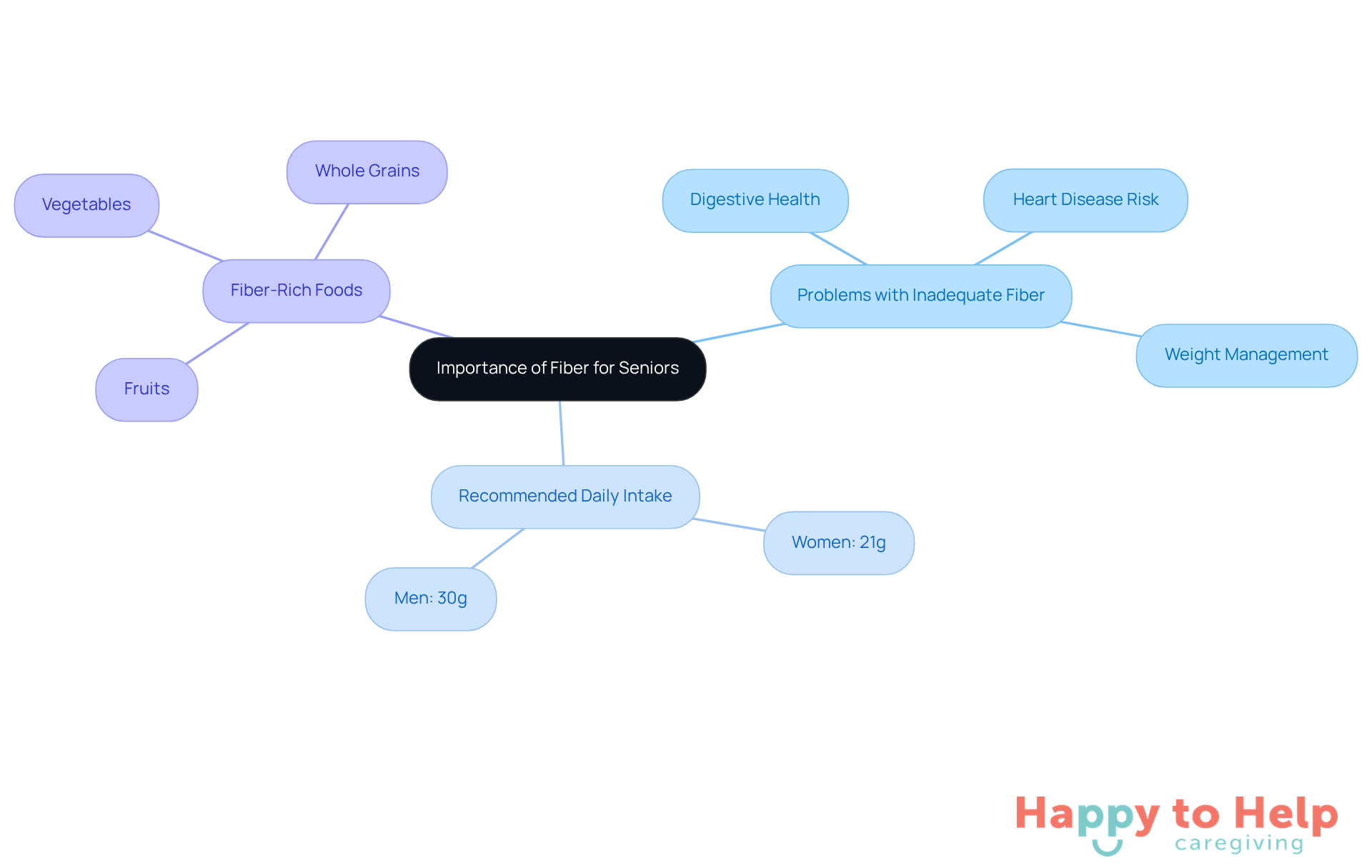
Agitate: Insufficient dietary roughage can negatively impact digestive health, increase the risk of heart disease, and contribute to weight management challenges. For instance, a combined analysis of 10 prospective cohort studies found that the risk of cardiovascular disease mortality decreased by about 19% for each 10 g/day increase in dietary roughage consumption. This highlights the critical need for caregivers to address the best fiber for seniors in their loved ones' diets.
Experts recommend that older adults consume approximately 25 to 30 grams of the best fiber for seniors daily, with specific guidelines suggesting around 21 grams for women and 30 grams for men. The American Heart Association emphasizes that this fiber should come from dietary sources rather than supplements. Caregivers can help achieve this intake by incorporating a variety of fiber-rich foods, such as:
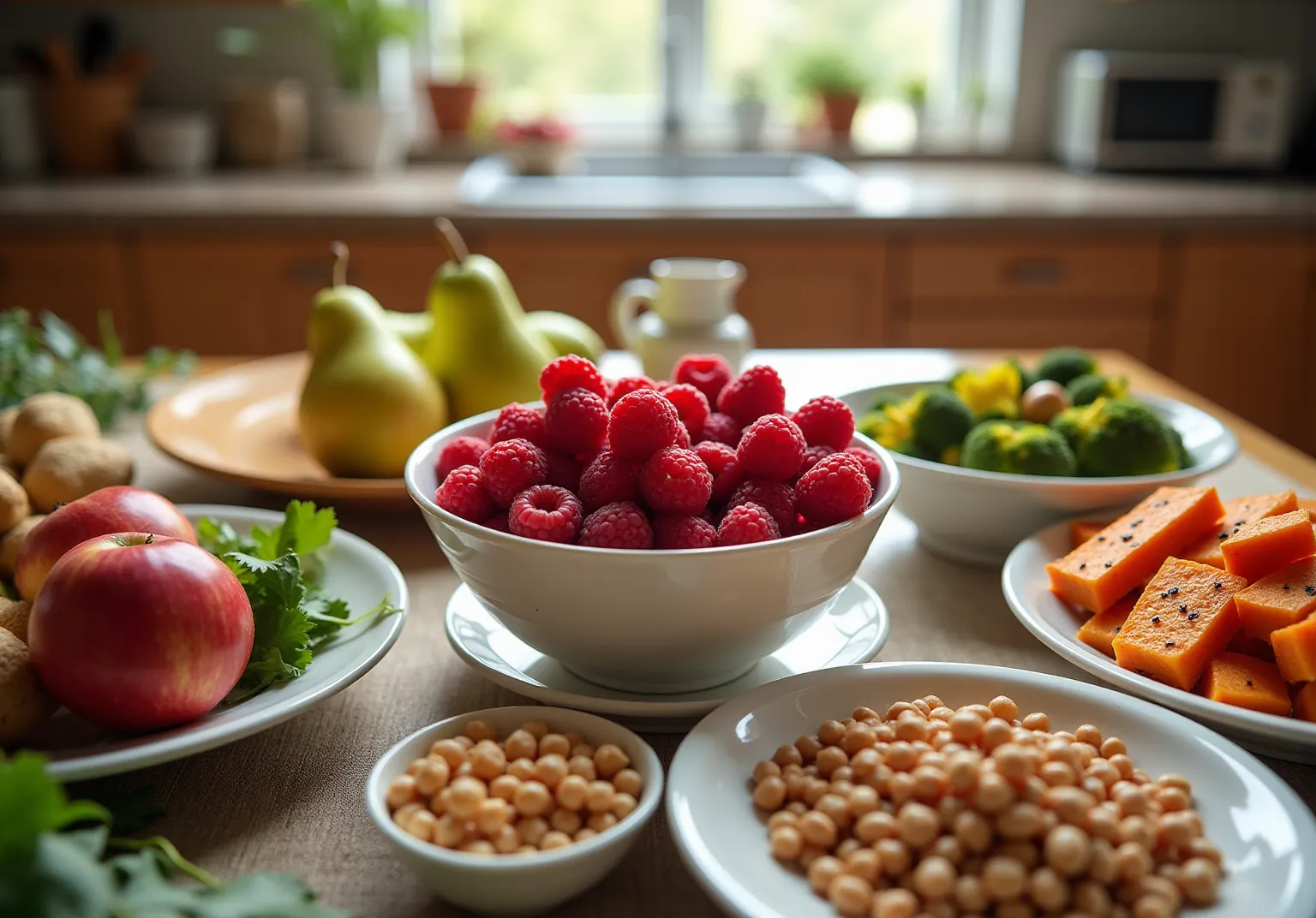
- Fruits: One cup of raspberries contains about 8 grams of roughage.
- Vegetables: Each 1/2 cup of kidney beans or chickpeas offers roughly 7 to 8 grams.
- Whole grains and legumes: These are also excellent sources of dietary fiber.
These foods not only enhance digestive health but also provide the best fiber for seniors, contributing to overall wellness and a balanced diet. As noted in the NIH-AARP Diet and Health Study, "Making fiber-rich food choices more often may provide significant health benefits." By prioritizing fiber-rich foods, caregivers can play a vital role in improving the health and quality of life for older adults.
Why Seniors Require More Fiber: Health Benefits and Considerations
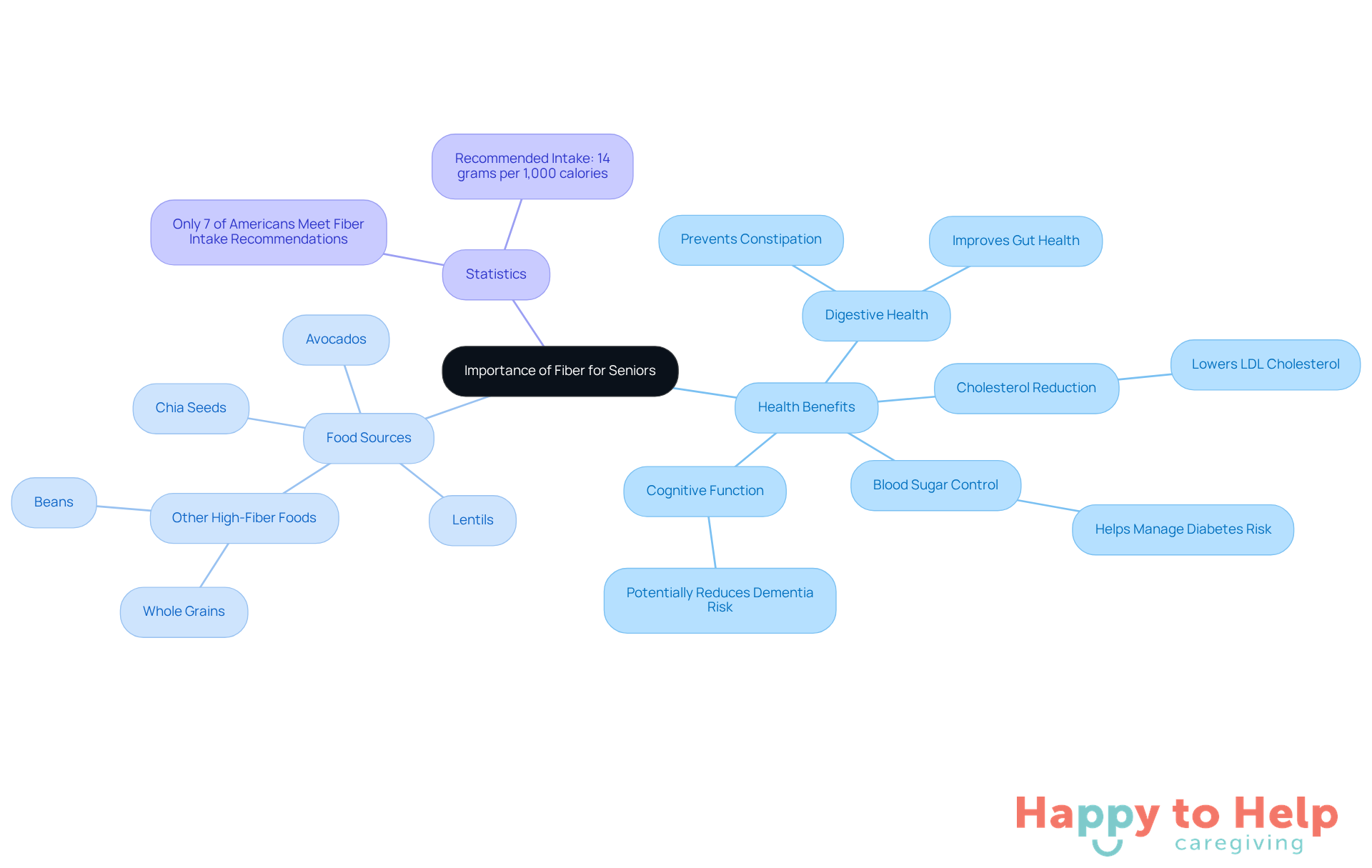
As individuals age, their digestive systems often become less efficient, highlighting the importance of the best fiber for seniors to prevent issues such as constipation and slower metabolism. This decline can significantly impact their overall health and quality of life. For older adults, these digestive challenges can increase the risk of diabetes and heart disease, making it crucial to address them effectively.
One effective solution is to increase the intake of plant-based nutrients. The best fiber for seniors not only promotes regular bowel movements but also improves overall gut health. Moreover, it assists in controlling blood sugar levels, making it one of the best fiber for seniors, especially those at risk of diabetes. Studies have shown that the best fiber for seniors can help lower cholesterol levels, reduce the risk of heart disease, and even support cognitive function.
Incorporating the best fiber for seniors into the diet can also aid in weight management, which is essential for sustaining health in older adults. Foods like avocados, lentils, and chia seeds are excellent sources of dietary fiber. However, it's concerning that only around 7% of Americans achieve the suggested intake of 14 grams per 1,000 calories. This statistic highlights the necessity for greater consumption of the best fiber for seniors among older adults.
Caregivers can play a vital role in this by providing practical guidance on incorporating these specific fiber-rich foods into daily meals. Overall, incorporating the best fiber for seniors in an elderly person's diet is a proactive step toward improving their quality of life and lifespan.
Strategies for Increasing Fiber Intake in Senior Diets
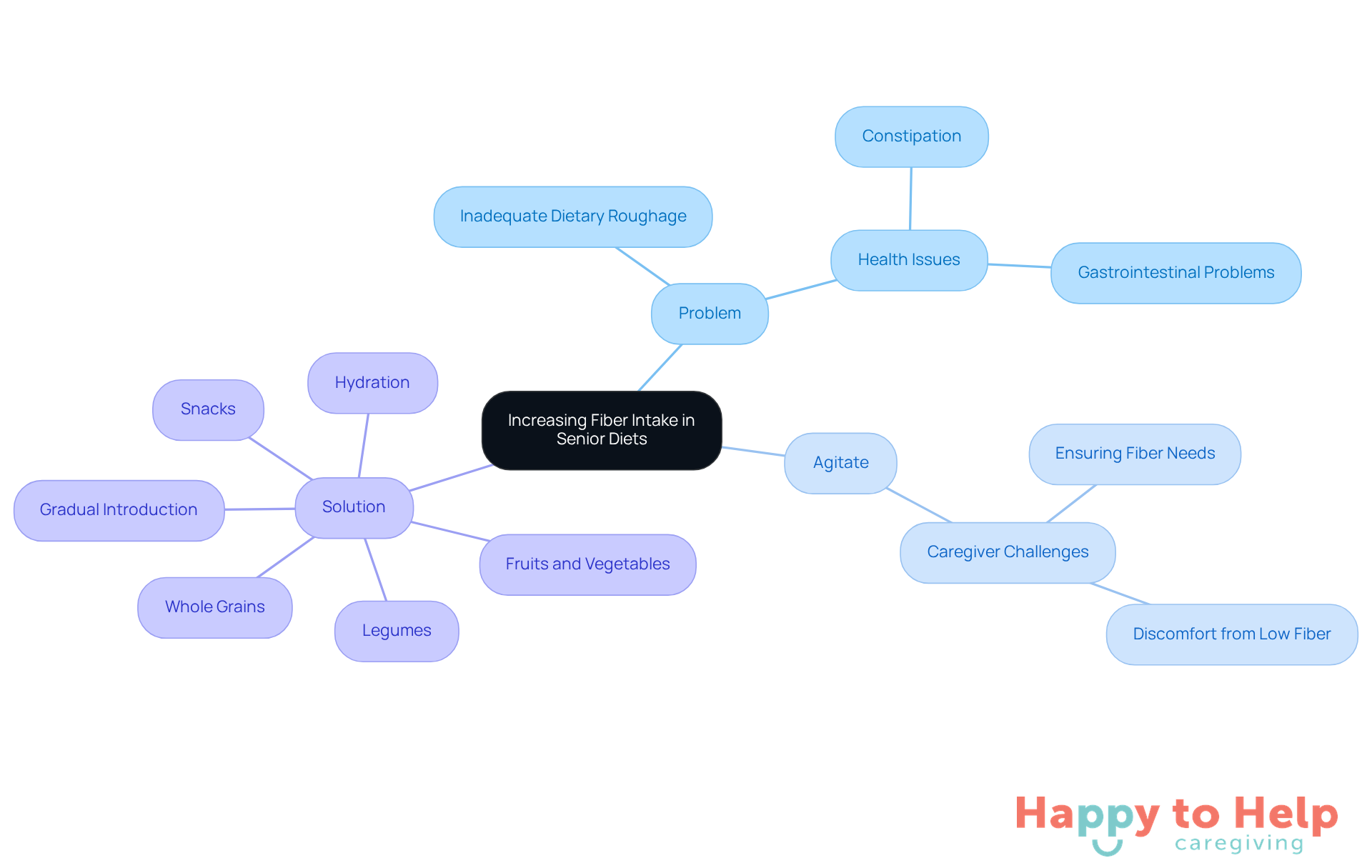
Many elderly individuals struggle to consume adequate dietary roughage, which includes the best fiber for seniors and is essential for digestive health. This can lead to various health issues, including constipation and other gastrointestinal problems.
Agitate: Caregivers often face challenges in ensuring that their elderly loved ones meet their fiber needs. Low fiber intake can lead to discomfort and a decline in overall well-being, making it crucial for seniors to focus on the best fiber for seniors to address this dietary gap.
Solution: Here are several effective strategies caregivers can adopt to boost dietary roughage consumption in elderly meals:
- Gradual Introduction: Slowly incorporate fiber-rich foods into meals to allow the digestive system to adjust.
- Whole Grains: Replace refined grains with whole grains, such as brown rice, whole wheat bread, and oats.
- Fruits and Vegetables: Encourage the consumption of whole fruits and vegetables, particularly those with edible skins, such as apples and pears.
- Legumes: Include beans, lentils, and chickpeas in soups, salads, and main dishes.
- Snacks: Offer high-fiber snacks like popcorn, nuts, and seeds instead of processed snacks.
- Hydration: Remind elderly individuals to consume ample water, as roughage functions optimally when it takes in moisture.
By applying these strategies, caregivers can assist elderly individuals in fulfilling their dietary requirements while also improving their overall nutrition by incorporating the best fiber for seniors.
Fiber-Rich Foods: Top Choices for Seniors
Incorporating the best fiber for seniors into their diets is essential for maintaining optimal health. However, many caregivers face the challenge of ensuring that older adults consume the best fiber for seniors, as neglecting this can lead to various health issues.
To address this problem, here are some top sources of dietary fiber that caregivers should consider:
-
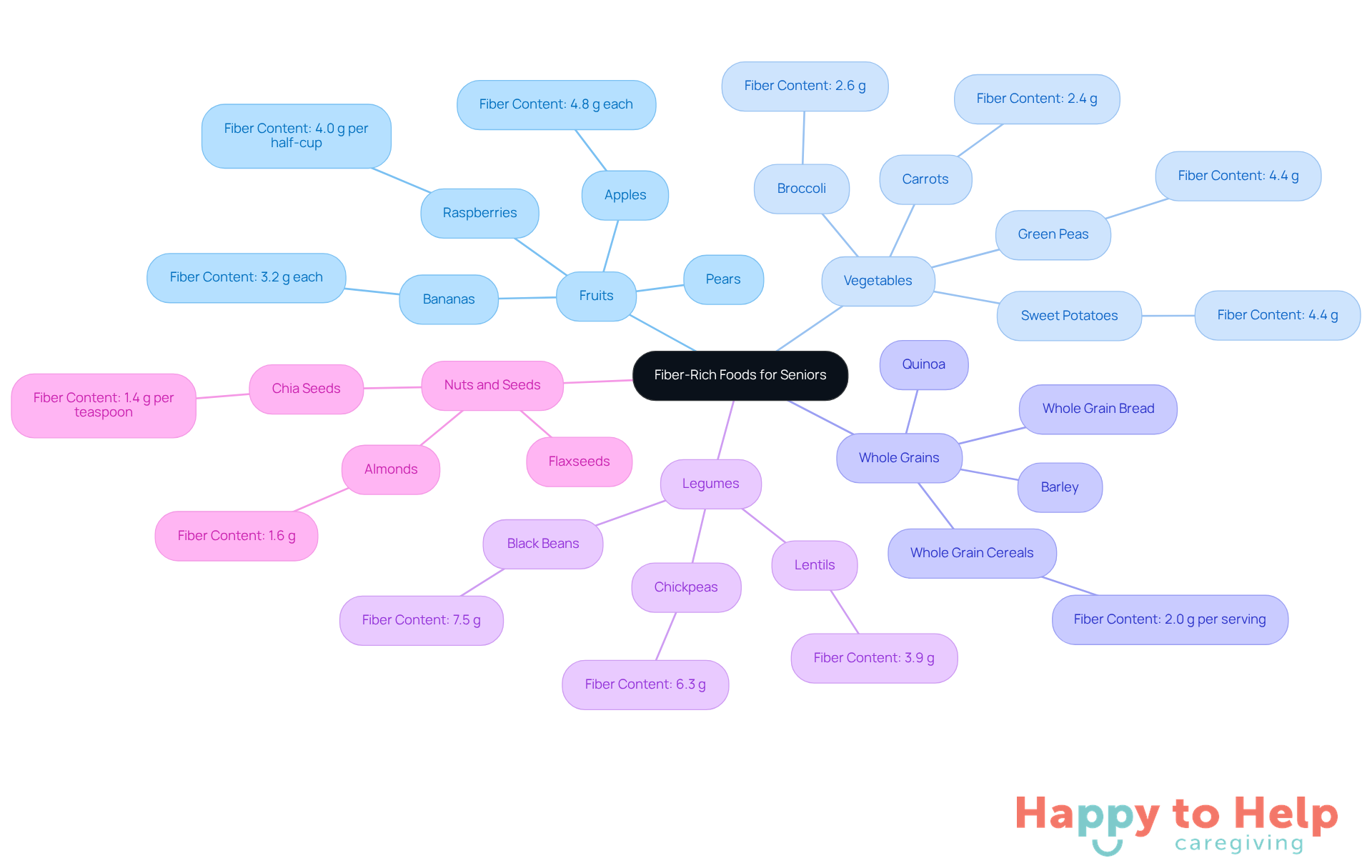
Fruits: Raspberries (4.0 g per half-cup), pears, apples (4.8 g each), and bananas (3.2 g) are not only rich in roughage but also loaded with essential vitamins and minerals, making them outstanding snack choices.
-
Vegetables: Broccoli (2.6 g), carrots (2.4 g), sweet potatoes (4.4 g), and green peas (4.4 g) are fiber-rich options that can be easily incorporated into meals, whether roasted, steamed, or blended into soups.
-
Whole Grains: Foods like quinoa, barley, and whole grain bread offer significant amounts of roughage. Switching from refined grains to whole grains can greatly improve dietary roughage consumption, with whole grain cereals providing approximately 2.0 grams of roughage per serving.
-
Legumes: Lentils (3.9 g), black beans (7.5 g), and chickpeas (6.3 g) are versatile ingredients that can enhance soups, stews, and salads, contributing to a balanced diet abundant in dietary roughage.
-
Nuts and Seeds: Almonds (1.6 g), chia seeds (1.4 g per teaspoon), and flaxseeds are nutritious snacks that can be added to various dishes for extra roughage and healthy fats.
By incorporating these fiber-rich foods into daily meal plans, caregivers can help seniors reach the best fiber for seniors, which is the suggested intake of 22 grams for females and 28 grams for males aged 51 and older. Additionally, aiming for a two-to-one ratio of insoluble to soluble fiber can promote better digestion, heart health, and overall well-being, which is why it is considered the best fiber for seniors.
As noted by Jennifer Lee, a scientist at the Jean Mayer USDA Human Nutrition Research Center on Aging, "Fiber is important for the overall health of older adults - not just their digestion." This highlights the urgency for caregivers to prioritize the best fiber for seniors, as inadequate consumption can lead to various health issues that ultimately affect their quality of life.
Your Path Forward
In summary, inadequate fiber intake poses a significant challenge for seniors. As individuals age, the need for dietary fiber becomes increasingly critical to support digestive health, manage weight, and reduce the risk of chronic diseases. Caregivers must recognize their vital role in ensuring that older adults receive the essential fiber their bodies require for optimal health and well-being.
To address this issue, it's important to incorporate a variety of fiber-rich foods into seniors' diets. The following foods not only provide necessary nutrients but also contribute to improved digestive function and overall health:
- Fruits
- Vegetables
- Whole grains
- Legumes
Caregivers can implement strategies such as:
- Gradually introducing fiber
- Choosing whole grains
- Promoting hydration
to effectively enhance fiber intake in their loved ones' diets.
Ultimately, prioritizing fiber-rich foods is a proactive approach to improving the quality of life for older adults. By embracing these dietary choices, caregivers can help mitigate health risks and promote longevity, demonstrating the profound impact of nutrition on senior health. Taking action today to increase fiber intake can lead to significant health benefits for seniors, making it a fundamental aspect of their care and nutrition.
https://iframe.tely.ai/cta/eyJhcnRpY2xlX2lkIjogIjY5M2Y3NTlmZDBhZjMzZjhjODczZTZmYiIsICJjb21wYW55X2lkIjogIjY4ZWU1ZGNhNzMxNzYyNTU3ZjNjOTVjMSIsICJpbmRleCI6IG51bGwsICJ0eXBlIjogImFydGljbGUifQ==Frequently Asked Questions
Why is fiber important for senior health?
Fiber is crucial for senior health as it supports digestive health, reduces the risk of heart disease, and aids in weight management. Inadequate fiber intake can lead to serious health issues for older adults.
What are the recommended daily fiber intake levels for seniors?
Experts recommend that older adults consume approximately 25 to 30 grams of fiber daily, with specific guidelines suggesting around 21 grams for women and 30 grams for men.
Should seniors get their fiber from supplements or dietary sources?
The American Heart Association emphasizes that seniors should obtain their fiber from dietary sources rather than supplements.
What are some fiber-rich foods that caregivers can include in seniors' diets?
Caregivers can incorporate a variety of fiber-rich foods, such as: - Fruits: One cup of raspberries contains about 8 grams of fiber. - Vegetables: Each 1/2 cup of kidney beans or chickpeas offers roughly 7 to 8 grams of fiber. - Whole grains and legumes are also excellent sources of dietary fiber.
What health benefits can result from increasing fiber intake in seniors?
Increasing fiber intake can lead to significant health benefits, including improved digestive health, reduced risk of cardiovascular disease, and overall wellness.
How can caregivers help improve seniors' fiber intake?
Caregivers can help by prioritizing fiber-rich foods in the diets of older adults, which can enhance their health and quality of life.
List of Sources
- Defining Fiber: Importance for Senior Health
- Dietary fiber intake and mortality in the NIH-AARP Diet and Health Study - PMC (https://pmc.ncbi.nlm.nih.gov/articles/PMC3513325)
- ‘The next protein’: Fiber is shaping up to be the latest grocery obsession (https://cnbc.com/2025/12/12/fibermaxxing-high-fiber-foods-pepsi-nestle-olipop.html)
- Increasing Fiber Intake (https://ucsfhealth.org/education/increasing-fiber-intake)
- Carbohydrates and fiber linked to healthier aging in some groups, study finds (https://foxnews.com/health/carbohydrates-fiber-linked-healthier-aging-some-groups-study-finds)
- Why Seniors Require More Fiber: Health Benefits and Considerations
- Dietary fiber intake and mortality in the NIH-AARP Diet and Health Study - PMC (https://pmc.ncbi.nlm.nih.gov/articles/PMC3513325)
- 5 Good Reasons to Eat More Fiber (https://aarp.org/health/healthy-living/eat-more-fiber)
- Why people need fibre at every age (https://tateandlyle.com/news/why-people-need-fibre-at-every-age)
- Why Is Increased Fiber Important In Older Adults? (https://webmd.com/healthy-aging/increased-fiber-important-older-adults)
- The facts on fiber - Harvard Health (https://health.harvard.edu/nutrition/the-facts-on-fiber)
- Strategies for Increasing Fiber Intake in Senior Diets
- 10 Ways To Ensure Your Senior Is Eating Enough Fiber (https://synergyhomecare.com/co-englewood-80112/knowledge-center/2024/10/28/10-ways-to-ensure-your-senior-is-eating-enough-fiber)
- Good Fiber Sources for Seniors (https://medicalnewstoday.com/articles/high-fiber-foods-for-older-adults)
- Four Tips for Increasing Your Senior’s Fiber Intake - Fresh Perspective Home Care (https://freshperspectivehomecare.com/four-tips-for-increasing-your-seniors-fiber-intake)
- Fiber intake of the U.S. population - FSRG Dietary Data Briefs - NCBI Bookshelf (https://ncbi.nlm.nih.gov/books/NBK589559)
- Rough Up Your Diet (https://newsinhealth.nih.gov/2019/07/rough-up-your-diet)
- Fiber-Rich Foods: Top Choices for Seniors
- Eat more fiber-rich foods to foster heart health - Harvard Health (https://health.harvard.edu/heart-health/eat-more-fiber-rich-foods-to-foster-heart-health)
- Maxing Out Your Fiber Intake Can Have Broad Health Benefits (https://now.tufts.edu/2025/10/30/maxing-out-your-fiber-intake-can-have-broad-health-benefits)
- Best Fiber Sources for Older Adults (https://healthline.com/health/senior-health/high-fiber-foods-for-older-adults)
- The Best Fiber-Rich Foods For Seniors (https://homeinstead.com/home-care/usa/ut/bountiful/109/news-and-media/the-best-fiber-rich-foods-for-seniors)
- High-Fiber Diet Reduces Risk of Hardened Arteries (https://usnews.com/news/health-news/articles/2025-06-27/high-fiber-diet-reduces-risk-of-hardened-arteries)