What You Need to Know About Best Practices for Choosing Sitters for
Navigating the complexities of caregiving for individuals with Alzheimer's presents a significant challenge. Caregivers often face unique hurdles that can vary widely from one patient to another. Understanding the specific needs of these individuals is crucial for providing effective and compassionate support.
However, families may wonder: how can they ensure they choose sitters who are not only qualified but also prepared to handle the intricacies of Alzheimer's care? This article explores best practices for selecting the right caregivers. It highlights the importance of:
- Specialized training
- Effective communication strategies
- Comprehensive care plans
These elements can significantly enhance the quality of life for both patients and their families.
Understand the Unique Needs of Alzheimer's Patients
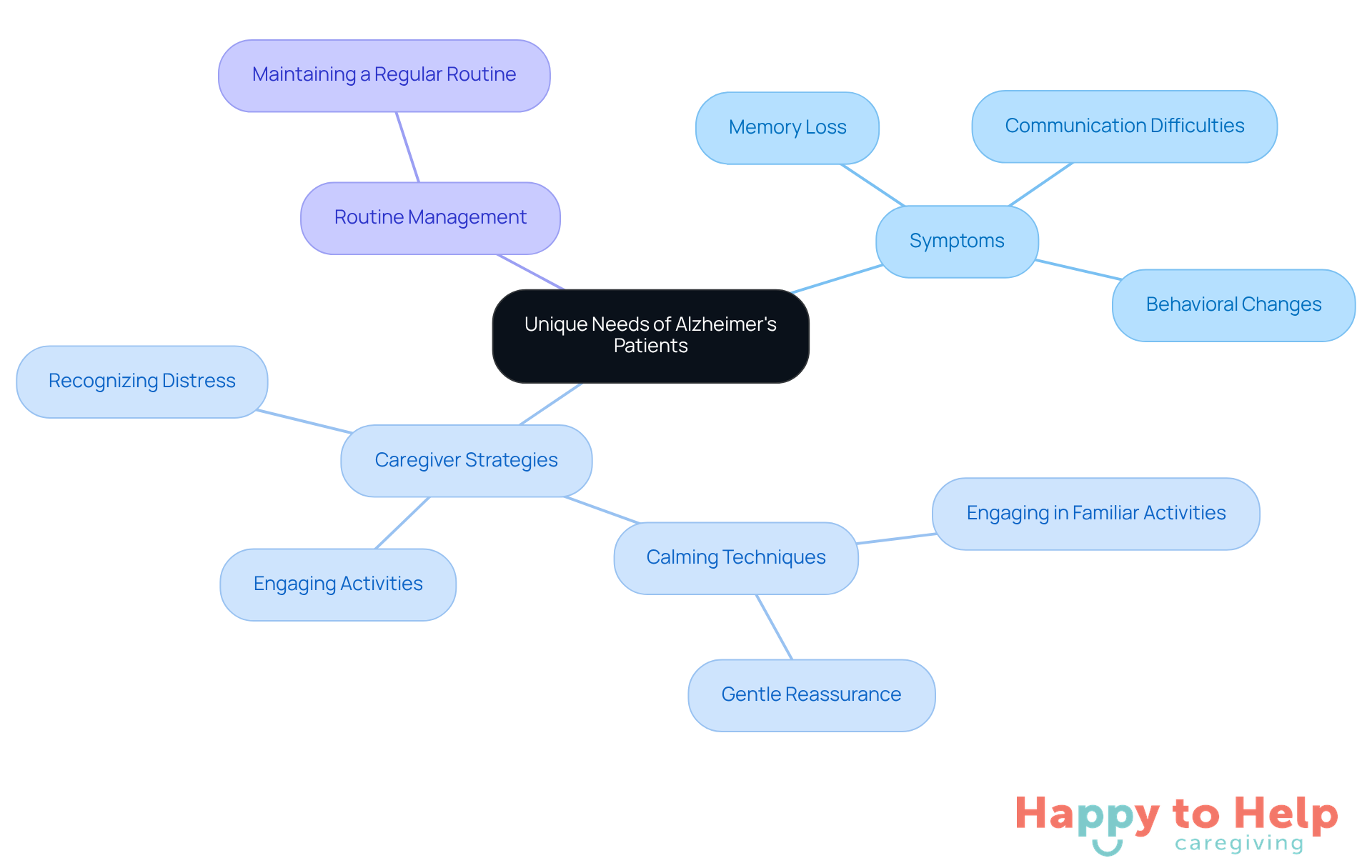
Alzheimer's patients face a significant challenge: their symptoms can vary widely from one individual to another. This variability can lead to confusion and frustration for caregivers, who must navigate unique needs such as memory loss, communication difficulties, and behavioral changes.
Understanding these challenges is crucial for establishing a supportive environment that promotes safety and comfort. Caregivers should be trained to recognize signs of agitation or distress. For example, responding with calming techniques - like gentle reassurance or engaging in familiar activities - can make a substantial difference.
To further alleviate anxiety and confusion, maintaining a regular routine is essential. This consistency helps individuals with dementia manage their daily lives more effectively. By implementing these strategies, caregivers can create a more stable and comforting atmosphere for those they care for.
Select Qualified Sitters with Specialized Training
Choosing the right sitters for Alzheimer's patients can be challenging. Many caregivers lack specialized training in dementia care, which can significantly affect the quality of support provided. This gap in training can lead to misunderstandings and inadequate care, leaving families feeling overwhelmed and uncertain about their loved ones' well-being.
To address this issue, consider the following actionable steps:
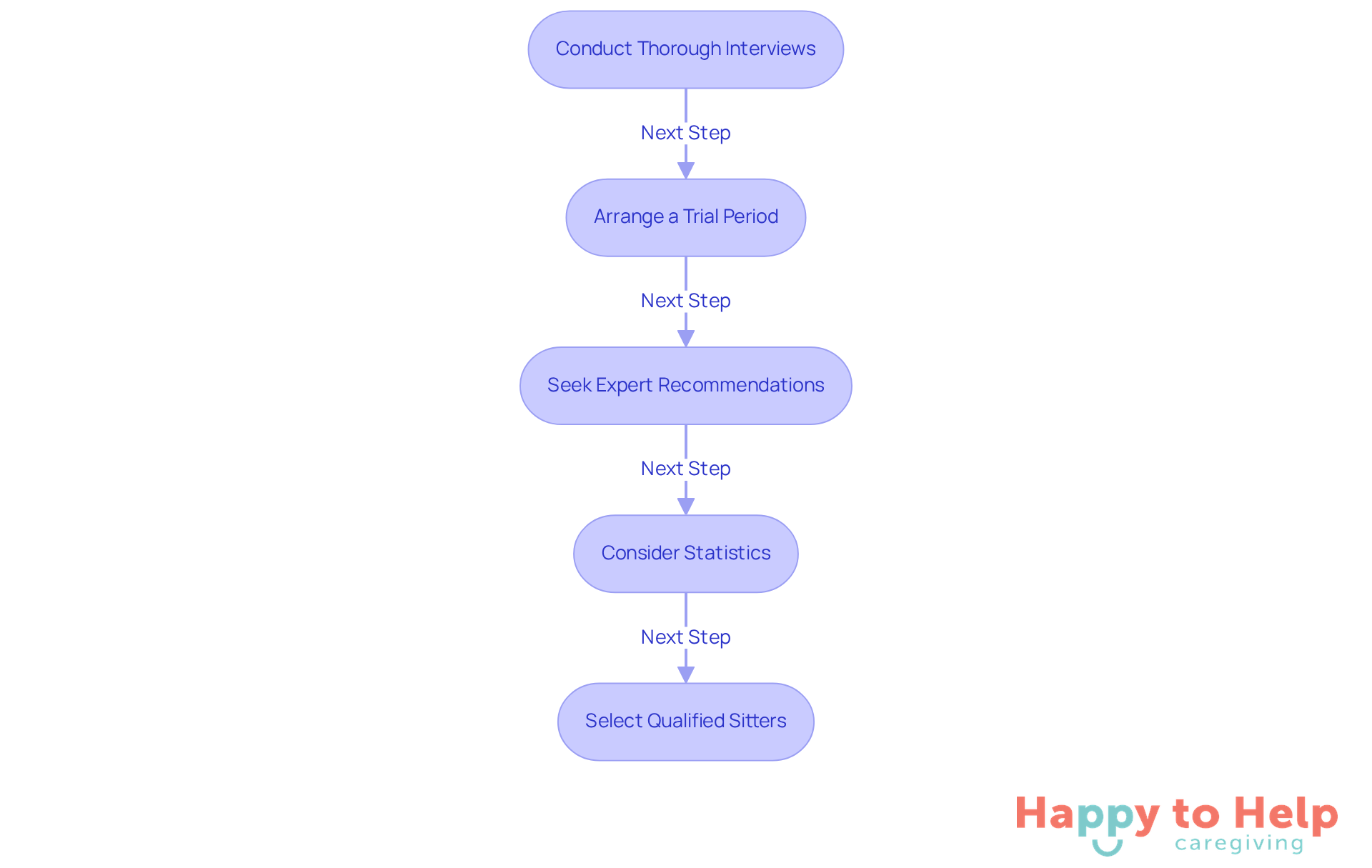
- Conduct Thorough Interviews: Ask candidates about their specific experience with Alzheimer's patients and their personalized approach to care. Inquire about the accredited training programs they have completed.
- Arrange a Trial Period: This allows you to observe how the caregiver interacts with your loved one, ensuring compatibility and comfort for both parties.
- Seek Expert Recommendations: According to Allan Levine, "Providing high-quality support for individuals with dementia requires a comprehensive understanding of the condition, specialized training for those who assist, and innovative methods for assistance." This highlights the necessity of selecting caregivers with the appropriate training.
- Consider Statistics: Research indicates that a significant portion of caregivers lack accredited dementia training, which can compromise the quality of assistance. Ensuring that sitters for Alzheimer's patients have the necessary qualifications can lead to better outcomes for your loved one.
By following these recommendations, you can enhance your chances of finding a suitable caregiver who offers compassionate and effective support for your family member with dementia.
Develop Comprehensive Care Plans and Communication Strategies
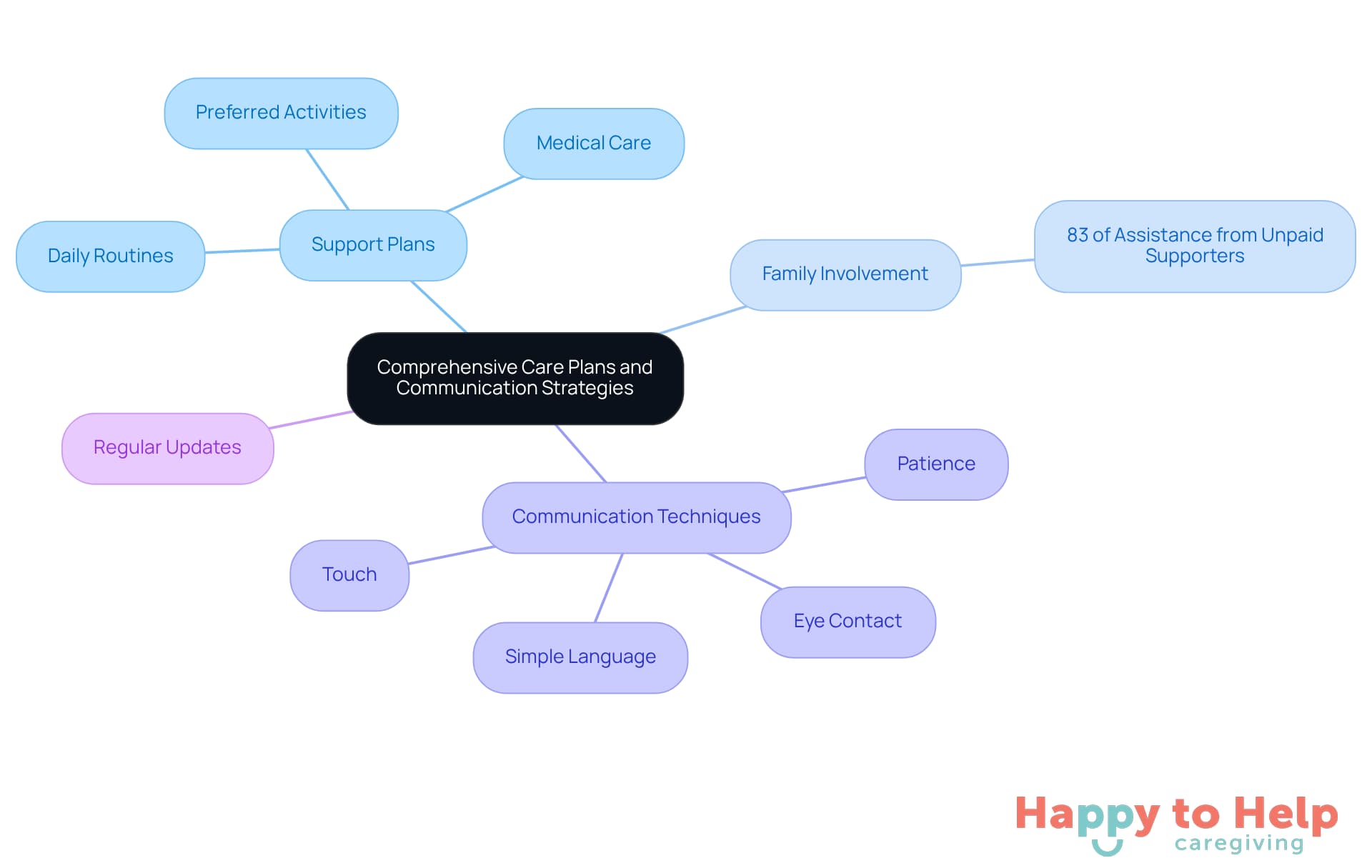
A well-organized support plan is crucial for addressing the unique needs of individuals with Alzheimer's disease. Without such a plan, caregivers may struggle to provide the necessary daily routines, preferred activities, and medical care that align with the individual's lifestyle and values. This lack of structure can lead to increased stress for both caregivers and patients.
Engaging family members in the planning process is vital. Their involvement not only fosters a cooperative approach that enhances the quality of support but also ensures that the treatment plan reflects the individual's preferences. In fact, statistics show that 83% of assistance for older adults in the U.S. comes from unpaid supporters, highlighting the importance of family participation in care planning.
Effective communication strategies are essential for improving interactions between caregivers and individuals with Alzheimer's. Techniques such as:
- Using simple language
- Maintaining eye contact
- Exercising patience
can significantly enhance understanding. For instance, caregivers should ask yes-or-no questions to simplify choices and avoid overwhelming the individual. Incorporating touch, like holding hands, can also provide reassurance and comfort. Dr. Salamon emphasizes that effective communication involves speaking with affection and firmness, which can greatly enhance these interactions.
Regularly reviewing and updating the treatment plan is necessary as the patient's condition evolves. This practice ensures that support remains relevant and effective in meeting changing needs. By focusing on thorough support planning and efficient communication, caregivers can improve the overall wellness of individuals with dementia, fostering a nurturing and empathetic environment. Additionally, caregivers should be aware of common pitfalls, such as miscommunication or assumptions about the individual's comprehension, to prevent potential challenges in service delivery.
Provide Support and Resources for Family Caregivers
Family supporters face a significant challenge in caring for individuals with dementia, often experiencing high levels of stress and exhaustion. This situation not only affects their well-being but also the quality of care they can provide.
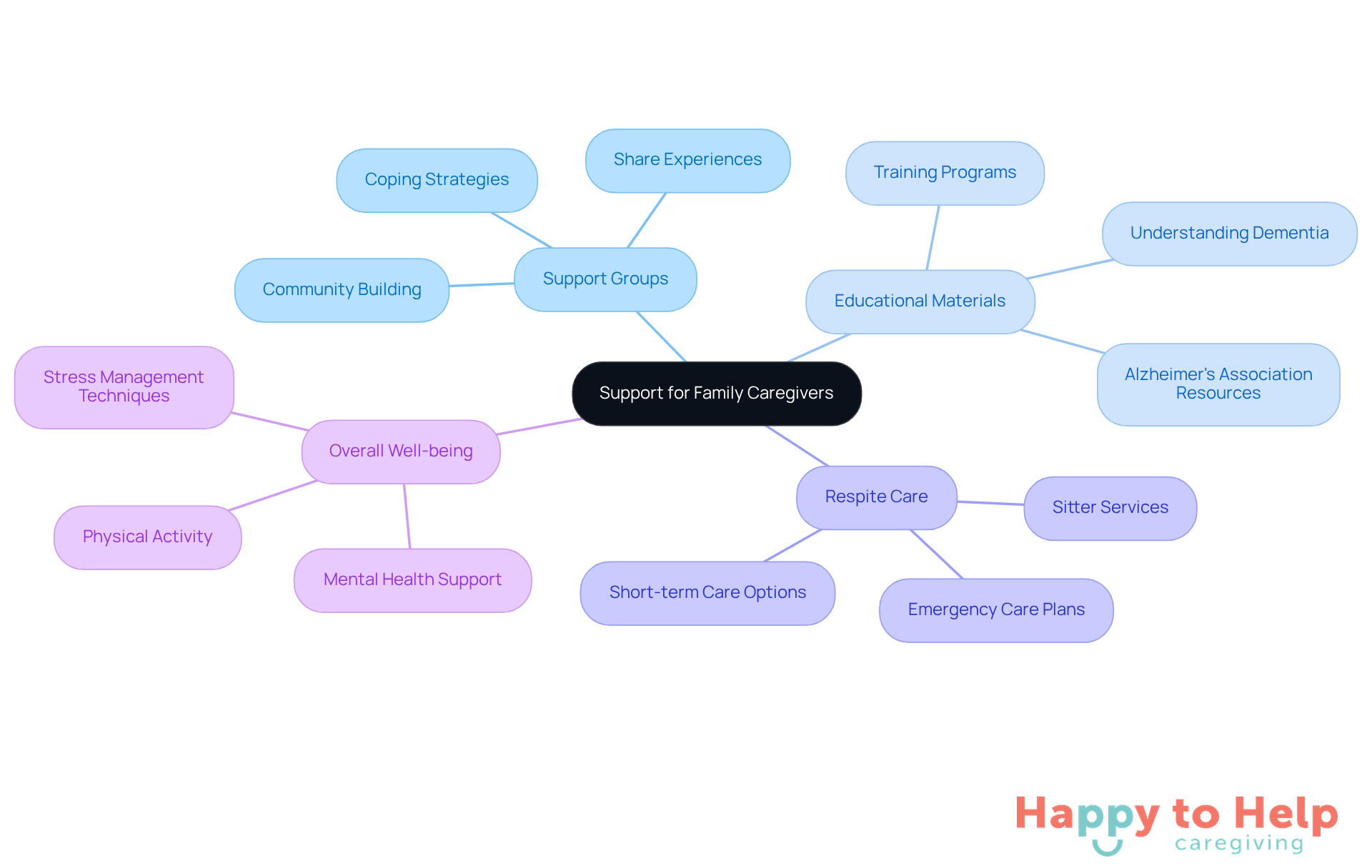
To address this issue, it’s crucial to offer family caregivers access to support resources. Encourage them to participate in support groups specifically designed for caregivers. These groups provide a platform to share experiences and coping strategies, fostering a sense of community and understanding.
Additionally, supplying educational materials can greatly assist caregivers in understanding dementia and its progression. Organizations like the Alzheimer's Association offer valuable information and training that can empower caregivers with knowledge.
It is important to consider respite care options, such as sitters for Alzheimer's patients, as well. These services offer sitters for Alzheimer's patients, allowing family caregivers to take a much-needed break, helping them recharge and maintain their health while ensuring their loved ones continue to receive quality care. By implementing these solutions, we can better support those who dedicate themselves to caring for individuals with dementia.
Taking the Next Steps
Choosing the right sitters for individuals with Alzheimer's presents a significant challenge. Caregivers must navigate the unique needs of these patients, which can be daunting without the right training and support. The implications of this issue are profound, affecting not only the quality of care but also the overall well-being of both patients and their families.
To address this problem, it is crucial to select caregivers who are not only qualified but also specifically trained in dementia care. This specialized training ensures that the support provided is compassionate and effective, ultimately enhancing the quality of life for those living with Alzheimer's. Additionally, developing comprehensive care plans tailored to the specific needs of Alzheimer's patients is essential.
Effective communication strategies play a vital role in caregiving. Involving family members in the caregiving process fosters a collaborative environment that benefits everyone involved. Furthermore, addressing the well-being of family caregivers through support resources and respite care options is essential to sustain their ability to provide care.
In conclusion, while the journey of caring for someone with Alzheimer's can be daunting, implementing best practices for choosing sitters can create a supportive and nurturing environment. Engaging qualified caregivers, fostering open communication, and prioritizing caregiver support are not just beneficial; they are essential for ensuring that both patients and their families navigate this challenging experience with dignity and compassion. Taking proactive steps today can lead to a brighter future for those affected by Alzheimer's disease.
https://iframe.tely.ai/cta/eyJhcnRpY2xlX2lkIjogIjY5MjEwYWJlODgxMzBmMWQ0ZDY5YmEyMiIsICJjb21wYW55X2lkIjogIjY4ZWU1ZGNhNzMxNzYyNTU3ZjNjOTVjMSIsICJpbmRleCI6IG51bGwsICJ0eXBlIjogImFydGljbGUifQ==Frequently Asked Questions
What are the unique challenges faced by Alzheimer's patients?
Alzheimer's patients experience a range of challenges, including variability in symptoms, memory loss, communication difficulties, and behavioral changes.
Why is it important for caregivers to understand the needs of Alzheimer's patients?
Understanding the unique needs of Alzheimer's patients is crucial for establishing a supportive environment that promotes safety and comfort.
What should caregivers be trained to recognize in Alzheimer's patients?
Caregivers should be trained to recognize signs of agitation or distress in Alzheimer's patients.
What techniques can caregivers use to respond to agitation or distress?
Caregivers can use calming techniques such as gentle reassurance or engaging in familiar activities to help alleviate agitation or distress.
How does maintaining a regular routine benefit Alzheimer's patients?
Maintaining a regular routine helps individuals with dementia manage their daily lives more effectively, reducing anxiety and confusion.
What is the overall goal for caregivers when caring for Alzheimer's patients?
The overall goal for caregivers is to create a stable and comforting atmosphere that supports the well-being of those they care for.
List of Sources
- Select Qualified Sitters with Specialized Training
- Research: Caregiver Training Improves Skills & Knowledge of Alzheimer's, Study Shows (https://advancecaregivers.org/caregiver-training-improves-skills-knowledge-of-alzheimers-study-shows)
- Virtual dementia training benefits caregivers (https://alz.org/co/news/virtual-dementia-training-benefits-caregivers)
- New dementia training promises better communication, reduced turnover (https://mcknights.com/news/new-dementia-training-promises-better-communication-reduced-turnover)
- Enhancing Dementia Care: Strategies, Insights, and the Role of Specialized Training (https://blog.nevvon.com/enhancing-dementia-care-specialized-training)
- Develop Comprehensive Care Plans and Communication Strategies
- 4 Inspiring Quotes for Caring for a Loved One With Alzheimer’s | myALZteam (https://myalzteam.com/resources/inspiring-quotes-for-caring-for-a-loved-one-with-alzheimers)
- Alzheimer’s Care Planning with Age-Friendly Support (https://ncoa.org/article/planning-and-decision-making-for-age-friendly-alzheimers-care)
- Bridging the gap: Dementia communication strategies - Harvard Health (https://health.harvard.edu/mind-and-mood/bridging-the-gap-dementia-communication-strategies)
- Alzheimer's Disease Facts and Figures (https://alz.org/alzheimers-dementia/facts-figures)
- Most effective way to communicate with Alzheimer's patients identified (https://medicalxpress.com/news/2024-11-effective-communicate-alzheimer-patients.html)
- Provide Support and Resources for Family Caregivers
- Improving Support for Family Caregivers (https://nationalacademies.org/news/2025/07/improving-support-for-family-caregivers)
- New Report Reveals Crisis Point for America’s 63 million Family Caregivers (https://press.aarp.org/2025-07-24-New-Report-Reveals-Crisis-Point-for-Americas-63-million-Family-Caregivers)
- Impact of Alzheimer’s Disease on Caregivers in the United States - PMC (https://pmc.ncbi.nlm.nih.gov/articles/PMC9392839)
- New Alzheimer’s Association Report Reveals Top Stressors for Caregivers and Lack of Care Navigation Support and Resources (https://alz.org/news/2024/new-alzheimers-association-report-reveals-top-stressors-caregivers)
- Caregiver Statistics: Health, Technology, and Caregiving Resources (https://caregiver.org/resource/caregiver-statistics-health-technology-and-caregiving-resources)