Best Practices for In Home Care Referral Services Success

For families in our service areas
For families in our service areas, this guide explains in-home care and how non-medical in-home caregiving can support care planning in East Idaho, Treasure Valley & Magic Valley, Northern Wasatch, North Central West Virginia, and Northeast Ohio.
The Importance of Best Practices for In Home Care
In-home care referral services are essential for connecting families with the support they need for their loved ones. However, many families find themselves overwhelmed by the complexities of the available options. A staggering 88% of families express a desire for more guidance in navigating these services, highlighting the critical need for clarity in ensuring quality care.
This article explores best practices that can empower families to make informed decisions. From evaluating key selection criteria to fostering effective communication with caregivers, we aim to provide actionable solutions. How can families ensure they choose the right referral service to meet their unique needs while avoiding pitfalls that can lead to inadequate support?
Understand In-Home Care Referral Services
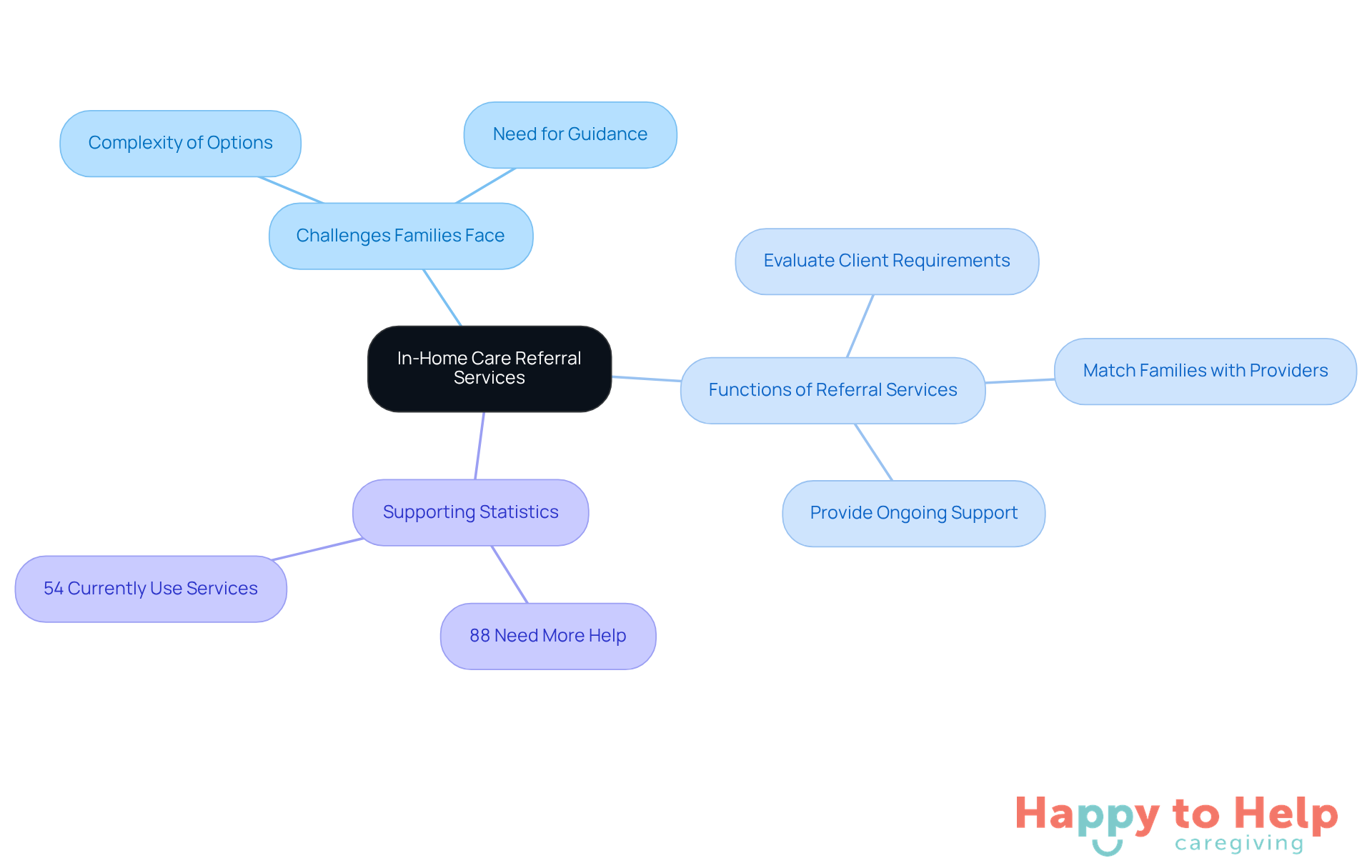
In home care referral services serve as a vital link for families seeking assistance for their loved ones. The problem is clear: many households struggle to navigate the complex landscape of in home care referral services. Studies reveal that 88% of families feel they need more help exploring options for elder assistance. This highlights the urgency of understanding these services.
The implications are significant. Without proper guidance, families may find themselves overwhelmed, unsure of how to assess client needs or verify caregiver credentials. This confusion can lead to poor choices that affect the quality of care for their loved ones.
So, what’s the solution? In home care referral services offer a range of functions to ease this burden. They:
- Evaluate client requirements
- Match families with suitable providers
- Provide ongoing support
By creating a tailored support plan that aligns with the client’s preferences, these services empower families to make informed decisions.
Moreover, around 54% of households currently utilize these referral services, showcasing their effectiveness in enhancing the quality of assistance. By grasping the essential elements of these services, families can ensure they are making the best choices for their loved ones' well-being.
Evaluate Key Selection Criteria for Referral Services
When selecting an in home care referral services, families face a significant challenge: ensuring they make the best choice for their loved ones. With so many options available, it can be overwhelming to navigate the landscape of care services. Making the wrong decision can lead to inadequate support and stress for both the caregiver and the recipient.
To tackle this issue, families should consider several key criteria:
-
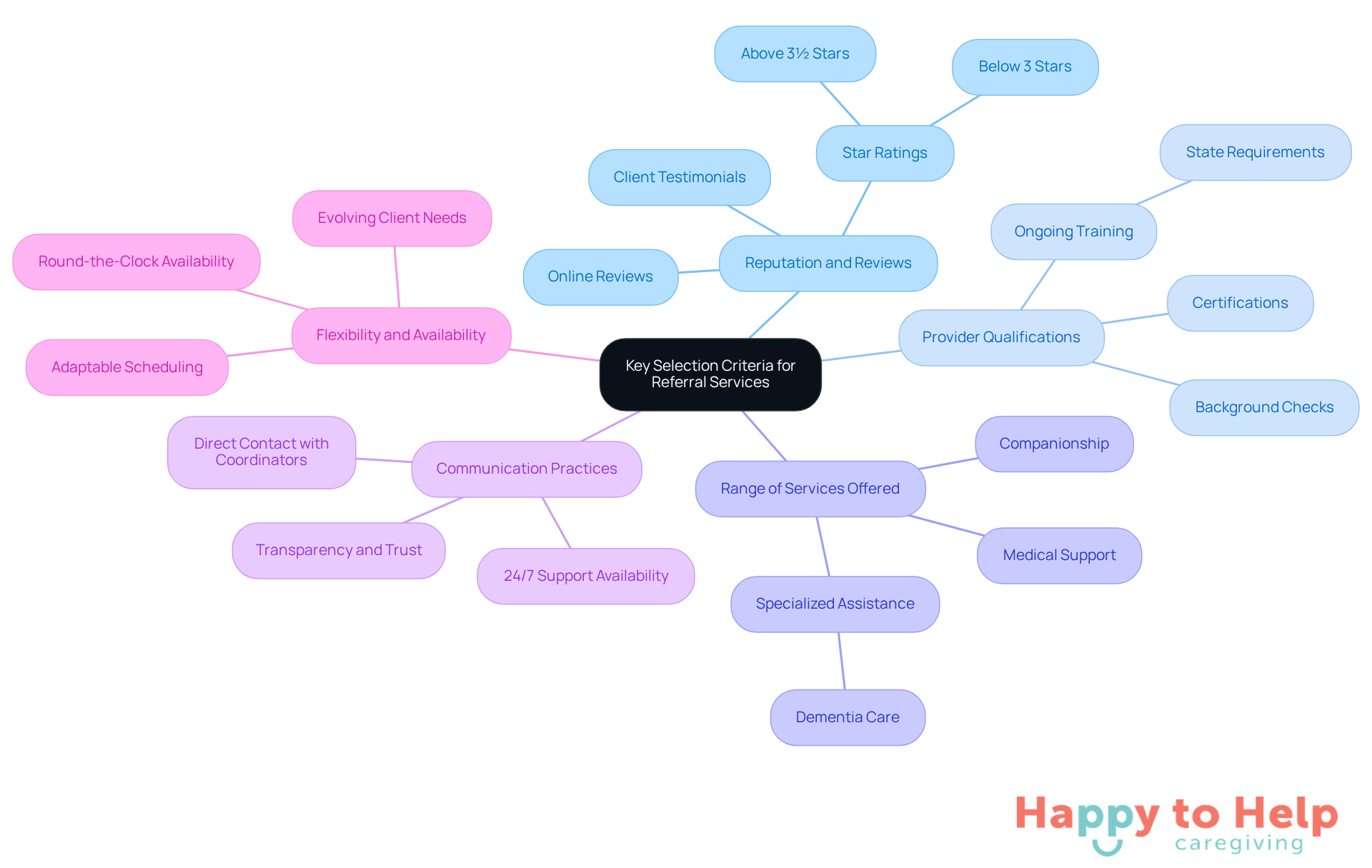
Reputation and Reviews: Researching the agency's reputation through client testimonials and online reviews is essential. Agencies rated above 3½ stars typically perform better than average, while those below 3 stars may indicate potential issues. Positive feedback from families can provide valuable insights into the quality of care provided.
-
Provider Qualifications: Understanding the qualifications and training of providers is crucial. Families should inquire about background checks, certifications, and ongoing training programs. Some states mandate extensive training, with requirements of up to 75 hours before certification. Agencies that conduct thorough background checks and ensure caregivers have relevant certifications can offer peace of mind regarding safety and competency.
-
Range of Services Offered: Different agencies may specialize in various types of assistance. Families ought to guarantee that the agency can fulfill their particular requirements, whether it be companionship, medical support, or specialized assistance for conditions such as dementia. A wide range of services suggests a robust home assistance agency capable of adapting to evolving client needs.
-
Communication Practices: Efficient interaction among the agency, caregivers, and families is essential for guaranteeing that support plans are adhered to and modified as necessary. Families should ask about direct communication with support coordinators and the availability of 24/7 assistance for emergencies, which promotes transparency and trust.
-
Flexibility and Availability: Evaluating the agency's capacity to offer adaptable scheduling and round-the-clock availability is essential for addressing the changing demands of clients. As the requirements of seniors can shift over time, organizations that provide flexible support options can greatly improve a senior's quality of life.
By assessing these standards, families can choose a referral service in home care referral services that not only addresses their urgent needs but also promotes a long-term relationship in support, ensuring their loved ones receive the tailored and respectful assistance they deserve.
Foster Effective Communication with Caregivers
Effective communication is the cornerstone of successful in home care referral services. However, families often face challenges in their interactions with caregivers in home care referral services, which can hinder the quality of care provided. To address this issue, families can implement the following strategies:
-
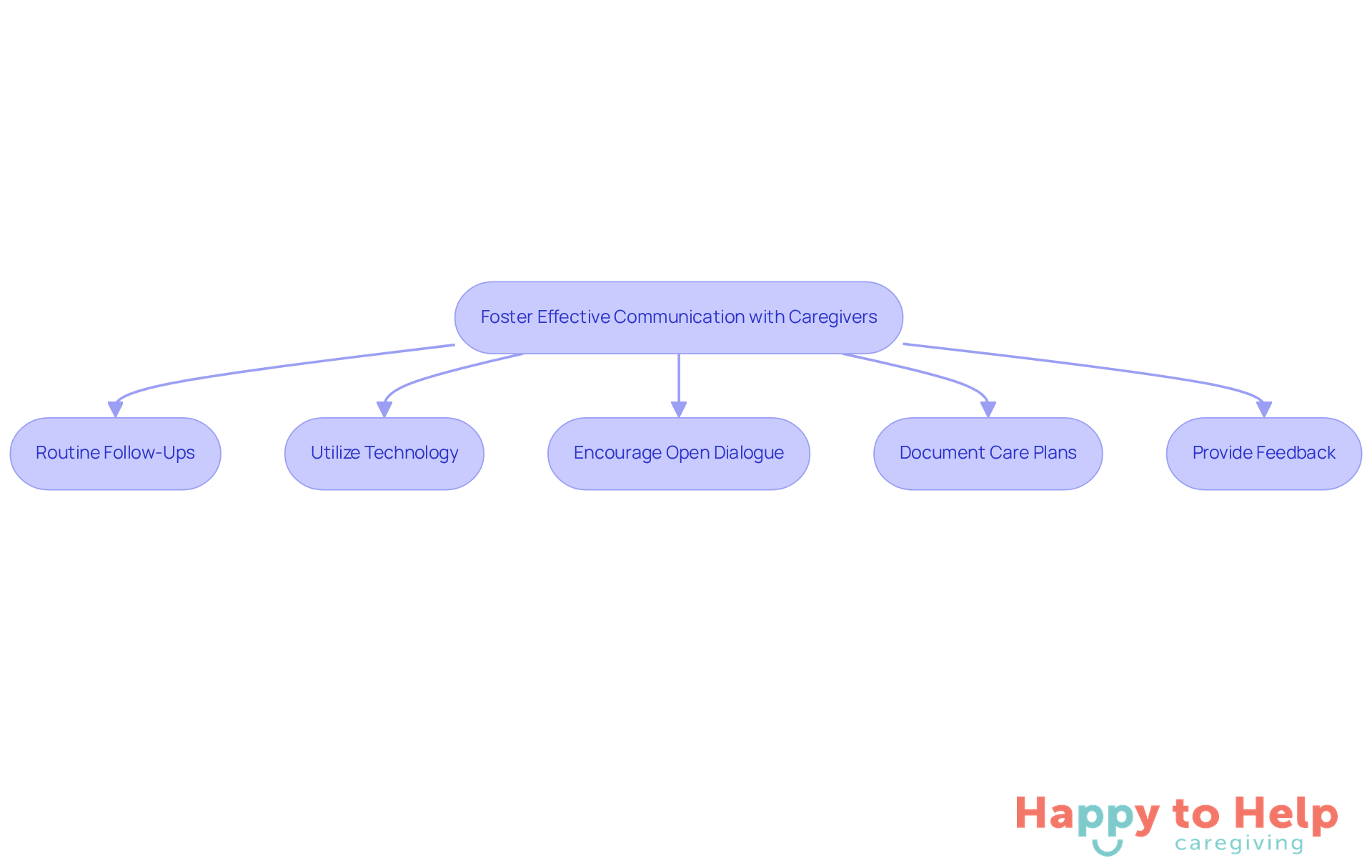
Routine Follow-Ups: Arrange frequent meetings or phone conversations with support providers to review the client's advancement, tackle any issues, and implement required modifications to the support strategy. This practice promotes a collaborative approach to support.
-
Utilize Technology: Leverage support apps and online platforms that facilitate real-time updates and communication between families and providers. These tools can significantly improve transparency and responsiveness in service delivery.
-
Encourage Open Dialogue: Create an environment where providers feel comfortable sharing their observations and concerns. This can be achieved by asking open-ended questions and actively listening to their feedback, which helps build trust and rapport.
-
Document Care Plans: Ensure that care plans are thoroughly recorded and available to both families and support providers. This transparency allows everyone involved to stay aligned on the client's needs and preferences, reducing the likelihood of misunderstandings.
-
Provide Feedback: Constructive feedback is essential for providers to improve their services. Families should feel empowered to share their thoughts on what is working well and what could be improved, fostering a culture of continuous improvement.
By emphasizing communication, households can guarantee that caregivers are well-informed and prepared to deliver the highest quality of support, ultimately improving the well-being of their loved ones.
Implement Continuous Care Plan Evaluation
Ongoing assessment of support plans is crucial in home care referral services to ensure that the services offered meet the evolving needs of clients. Without regular evaluations, caregivers in home care referral services may struggle to provide the most effective support, potentially impacting the quality of care.
Agitate: Families often face challenges in keeping track of their loved ones' health status and preferences. Changes in a client's condition can go unnoticed, leading to outdated support plans that do not address current needs. This can result in frustration for both caregivers and clients, ultimately diminishing the quality of life.
Solution: To combat these challenges, families can implement effective evaluation practices:
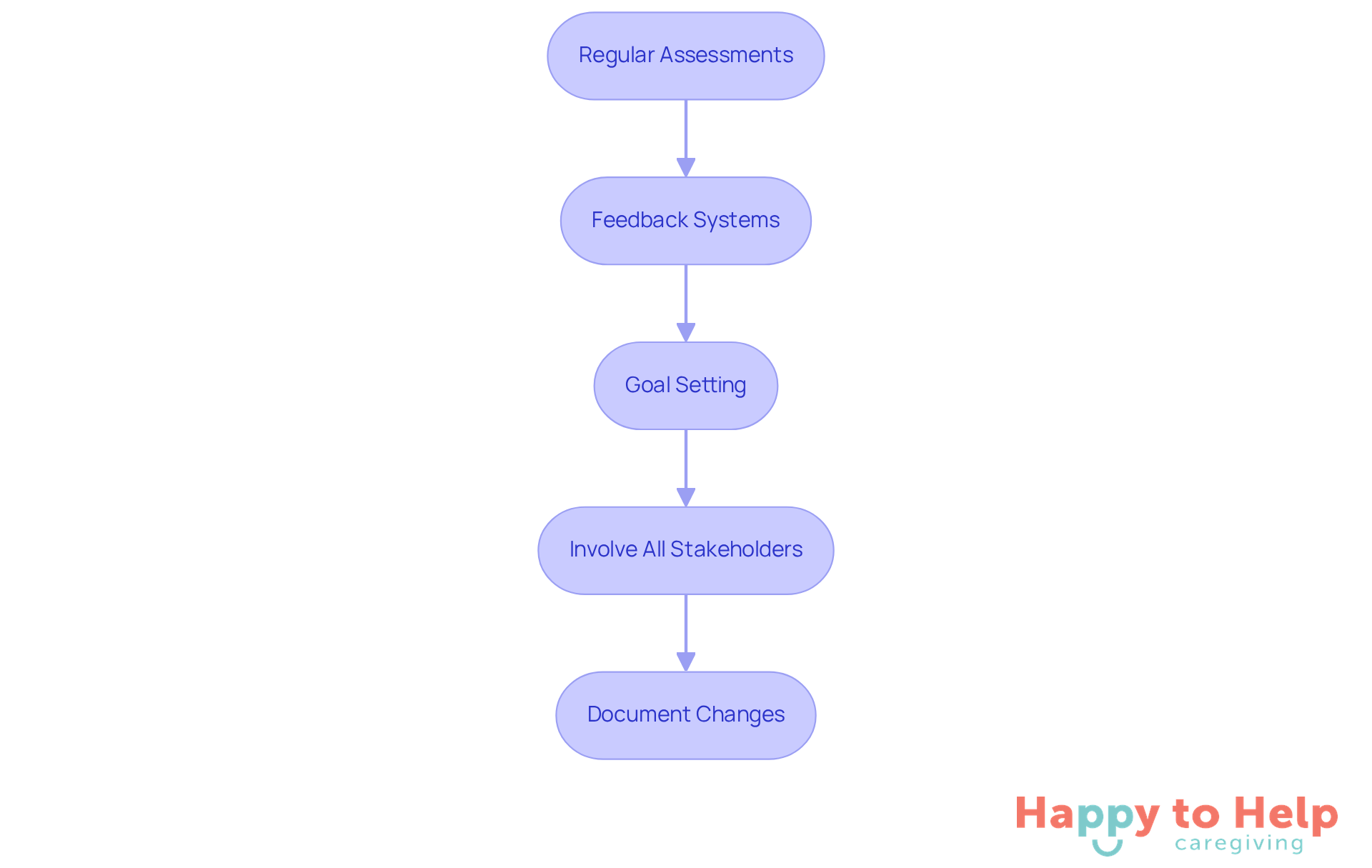
- Regular Assessments: Schedule periodic assessments to review the client's health status, preferences, and any changes in their condition. This can involve both formal evaluations by healthcare professionals and informal check-ins by family members.
- Feedback Systems: Create feedback systems that enable caregivers to comment on the efficiency of the support plan and propose modifications based on their insights.
- Goal Setting: Establish specific, measurable objectives for the plan and consistently assess progress towards these objectives. This assists in recognizing areas where the plan may require adjustment.
- Involve All Stakeholders: Include caregivers, relatives, and healthcare professionals in the evaluation process to ensure a comprehensive understanding of the client's needs.
- Document Changes: Keep detailed records of any alterations made to the treatment plan and the reasons for those adjustments. This documentation can help in tracking the effectiveness of different approaches over time.
By implementing these practices, families can ensure that care remains responsive and effective, ultimately enhancing the quality of life for their loved ones.
Moving Forward with Best Practices for In Home Care
Home care referral services play a crucial role in supporting families as they navigate the complexities of providing care for their loved ones. However, many families feel overwhelmed by the choices available, which can lead to confusion and stress. This urgency for clarity underscores the essential guidance provided by referral services, helping families make informed decisions that significantly enhance the quality of care.
To effectively evaluate potential referral services, families should consider several key factors:
- Reputation: Research the service's standing in the community.
- Provider Qualifications: Ensure caregivers are properly trained and certified.
- Service Range: Look for a service that offers a variety of care options.
- Communication Practices: Prioritize services that maintain open lines of communication.
- Flexibility: Choose a service that can adapt to changing needs.
By prioritizing these criteria, families can select a service that meets their unique needs and fosters a long-term, trusting relationship. Effective communication and continuous evaluation of care plans are vital components that contribute to successful outcomes in home care.
Ultimately, the significance of choosing the right in-home care referral service cannot be overstated. Families are encouraged to take proactive steps in their selection process, fostering open dialogue with caregivers and regularly assessing care plans. By doing so, they not only improve the quality of support for their loved ones but also create a more positive and responsive care environment that adapts to changing needs. Embracing these best practices will lead to better outcomes and peace of mind for families navigating this essential journey.
https://iframe.tely.ai/cta/eyJhcnRpY2xlX2lkIjogIjY5M2Y1MDk2MmI4ODNiM2YwNWZiOTk3YiIsICJjb21wYW55X2lkIjogIjY4ZWU1ZGNhNzMxNzYyNTU3ZjNjOTVjMSIsICJpbmRleCI6IG51bGwsICJ0eXBlIjogImFydGljbGUifQ==Frequently Asked Questions
What are in-home care referral services?
In-home care referral services are organizations that help families find suitable assistance for their loved ones by evaluating client needs, matching families with providers, and offering ongoing support.
Why are in-home care referral services important?
They are important because many families struggle to navigate the complex landscape of in-home care, and these services provide essential guidance to help ensure quality care for their loved ones.
What percentage of families feel they need more help with elder assistance options?
Studies reveal that 88% of families feel they need more help exploring options for elder assistance.
What challenges do families face when seeking in-home care?
Families often feel overwhelmed and unsure about how to assess client needs or verify caregiver credentials, which can lead to poor choices regarding care quality.
How do in-home care referral services assist families?
They assist families by evaluating client requirements, matching them with suitable care providers, and providing ongoing support to help create a tailored support plan.
What percentage of households currently utilize in-home care referral services?
Approximately 54% of households currently utilize these referral services, indicating their effectiveness in enhancing the quality of assistance.
How can understanding in-home care referral services benefit families?
By understanding these services, families can make informed decisions that align with their loved ones' preferences, ensuring better care and support.
List of Sources
- Understand In-Home Care Referral Services
- Topic: Home care in the U.S. (https://statista.com/topics/4049/home-care-in-the-us?srsltid=AfmBOooJzBenIJa9sXk1\_V-k0kH4z97vkxr0d5wfMLkfzhK\_7TW76JgY)
- Families Prefer In-Home Care To Senior Living – Yet Struggle To Identify Needed Support (https://homehealthcarenews.com/2025/11/families-prefer-in-home-care-to-senior-living-yet-struggle-to-identify-needed-support)
- Data-Driven Statistics About In-Home Care - Phoenix Home Care & Hospice (https://phoenixhomehc.com/news/data-driven-statistics-about-in-home-care)
- White Paper: The Future of Home Care: A 2025 Survey of the Home Care Industry & Future Trends (https://axiscare.com/white-papers/access-home-care-industry-survey-and-trends-report)
- Family caregivers prefer in-home care over senior living, new industry report finds (https://mcknightshomecare.com/news/family-caregivers-prefer-in-home-care-over-senior-living-new-industry-report-finds)
- Evaluate Key Selection Criteria for Referral Services
- 10 Tips to Choose the Best Home Care Agency | Sunrise Services (https://sunriseservicesinc.com/10-tips-to-choose-the-best-home-care-agency)
- 8 Tips for Choosing a Home Care Agency (https://careindeed.com/blogs/8-tips-for-choosing-a-home-care-agency)
- 5 Factors to Consider When Choosing Home Care Services – Care Partners (https://carepartners.us/5-factors-to-consider-when-choosing-home-care-services)
- Home Health Agency Quality Of Patient Care Star Rating | Medicare (https://medicare.gov/care-compare/resources/home-health/quality-of-patient-care)
- 5 Most Important Criteria for Choosing a Home Health Agency (https://3hc.org/blog/what-is-the-best-local-home-health-agency-for-you-5-criteria-to-consider)
- Foster Effective Communication with Caregivers
- The Importance of Communication Between Home Care Providers and Families (https://ultimatecareny.com/resources/the-importance-of-communication-between-home-care-providers-and-families)
- Effective Communication Strategies in Senior Care: Empowering Residents, Families, and Caregivers - MedCity News (https://medcitynews.com/2023/12/effective-communication-strategies-in-senior-care-empowering-residents-families-and-caregivers)
- Effects of Poor Communication in Healthcare - 2025 Update (https://hipaajournal.com/effects-of-poor-communication-in-healthcare)
- The Importance of Communication in Home Care Services - Anodyne (https://anodyne-services.com/2023/07/31/the-importance-of-communication-in-home-care-services)
- The importance of communication in home care (https://caremark.co.uk/gloucester-and-stroud/news/the-importance-of-communication-in-home-care)
- Implement Continuous Care Plan Evaluation
- Monitoring and evaluating the effectiveness of the care plan | RT Medical Home Healthcare (https://rtmedhealth.com/monitoring-and-evaluating-the-effectiveness-of-the-care-plan)
- Importance of Regular Review and Adaptation of Care Plans (https://catalystgrp.co.uk/blog/importance-of-regular-review-and-adaptation-of-care-plans)
- The Importance of Regular Health Assessments in Home Care Plans (https://regencyhcs.com/blog/the-importance-of-regular-health-assessments-in-home-care-plans?4393cdce\_page=35)
- New Study Reveals Mixed Results in Advance Care Planning for Older Adults | Johns Hopkins Bloomberg School of Public Health (https://publichealth.jhu.edu/2024/new-study-reveals-mixed-results-in-advance-care-planning-for-older-adults)