The Importance of Best Practices
Navigating the complexities of senior care in California can feel like an overwhelming journey for families. It’s often filled with emotional challenges and tough decisions that can weigh heavily on the heart. But take comfort in knowing that a wealth of resources and services exists to support you in providing the best care for your elderly loved ones.
This article explores essential best practices, from understanding the various types of senior care options available to creating personalized care plans and implementing effective caregiver training. How can families ensure they are making the right choices in a system that can often seem daunting and fragmented?
You’re not alone in this journey. Many families share similar feelings of stress and uncertainty, but there are compassionate solutions out there. Together, we can navigate this path with care and understanding.
Explore Types of Senior Care Available in California
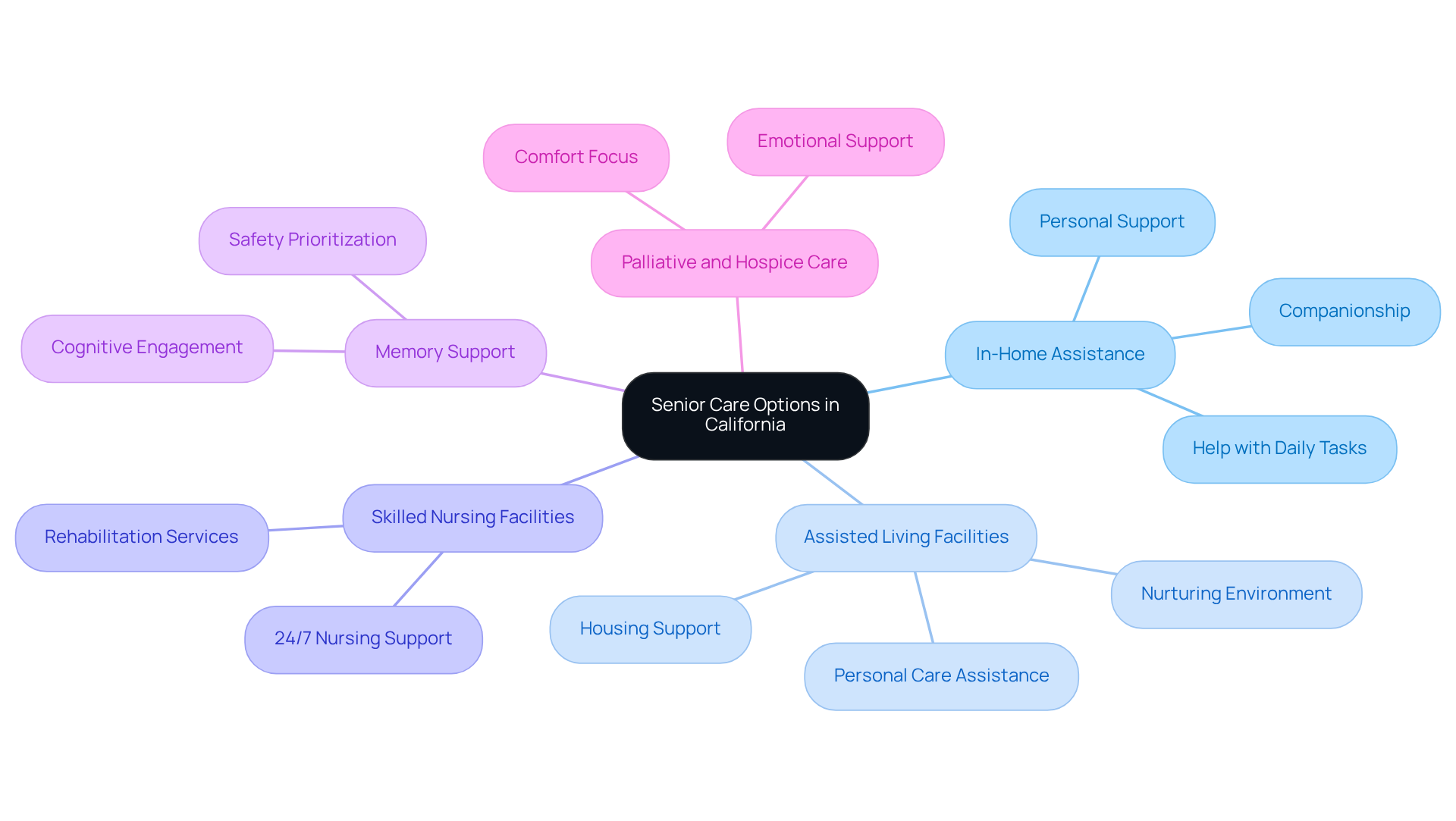
In California, families often find themselves navigating the emotional challenges associated with senior care in California for their elderly loved ones. It can be overwhelming, but there’s hope. Families have access to a diverse range of services for senior care in California, designed to meet varying needs and providing the support that can make a real difference.
-
In-Home Assistance offers personal support, companionship, and help with daily tasks. This allows elderly individuals to remain in their homes while receiving essential care, fostering a sense of independence and comfort.
-
Assisted Living Facilities provide housing and personal support for seniors who need help with daily activities but still wish to maintain some independence. It’s a nurturing environment where they can thrive.
-
For those requiring more intensive medical assistance, Skilled Nursing Facilities are available. These facilities offer 24/7 nursing support and rehabilitation services, ensuring that every medical need is met with compassion and expertise.
-
Memory Support services cater specifically to individuals with Alzheimer’s or other types of dementia. Here, safety and cognitive engagement are prioritized, creating a secure space for loved ones to flourish.
-
Lastly, Palliative and Hospice Care focus on comfort and quality of life for individuals facing serious illnesses. These services provide both medical and emotional support, allowing families to cherish precious moments together.
Understanding these options empowers families to choose the most suitable senior care in California for their loved ones. It’s about ensuring their needs are met effectively, with love and care at the forefront.
Develop Personalized Care Plans for Individual Needs
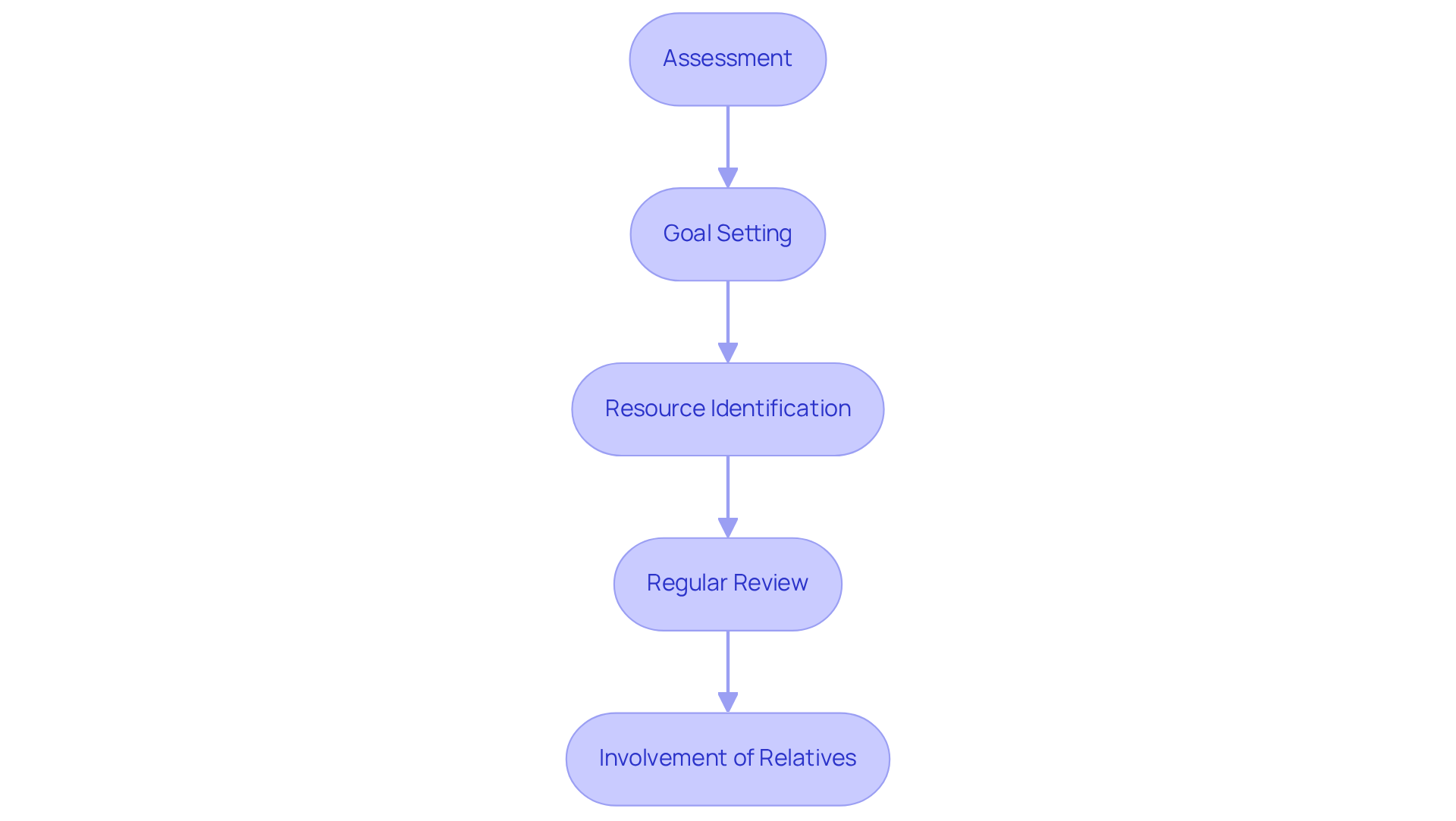
Customized support plans are essential for ensuring that elderly individuals receive the personalized assistance they truly need. It’s important to recognize the unique challenges faced by caregivers and the emotional weight they carry. Here are some key steps to develop an effective care plan:
-
Assessment: Begin with a thorough evaluation of the elderly individual's physical, emotional, and social needs. This may involve consultations with healthcare providers and heartfelt discussions with family members to gather valuable insights.
-
Goal Setting: Define clear, achievable goals that resonate with the senior's preferences and health objectives. These goals might include maintaining independence, enhancing mobility, or fostering social connections. As the World Health Organization highlights, autonomy plays a vital role in enhancing physical, emotional, and social health as we age, making goal-setting a crucial step in this journey.
-
Resource Identification: Identify available resources such as in-home assistance services, community programs, and family support systems that can help achieve the established goals. Embracing technology, like AI and predictive analytics, can further enhance resource identification and service delivery, making life a bit easier for everyone involved.
-
Regular Review: Establish a schedule for consistent evaluations of the support plan. This allows for adjustments in response to any changes in the senior's condition or circumstances, ensuring the plan remains effective and relevant. Utilizing data analytics can help monitor health outcomes and adapt treatment strategies as needed.
-
Involvement of Relatives: Actively involve relatives in the planning process to foster a supportive atmosphere. This ensures that everyone is aligned with the support strategy. Studies show that nearly 70% of household caregivers in California engage in planning for senior care in California, significantly improving the quality of support provided. As Terry Fulmer emphasizes, age-friendly support prioritizes the needs and wishes of older adults, making the involvement of relatives essential.
Moreover, it’s crucial to acknowledge that loneliness and social isolation affect a significant portion of older individuals. This highlights the importance of promoting social connections within support strategies. By prioritizing individualized support, families can greatly enhance their loved ones' overall well-being and satisfaction, creating a nurturing environment that truly makes a difference.
Implement Comprehensive Caregiver Training and Support Programs
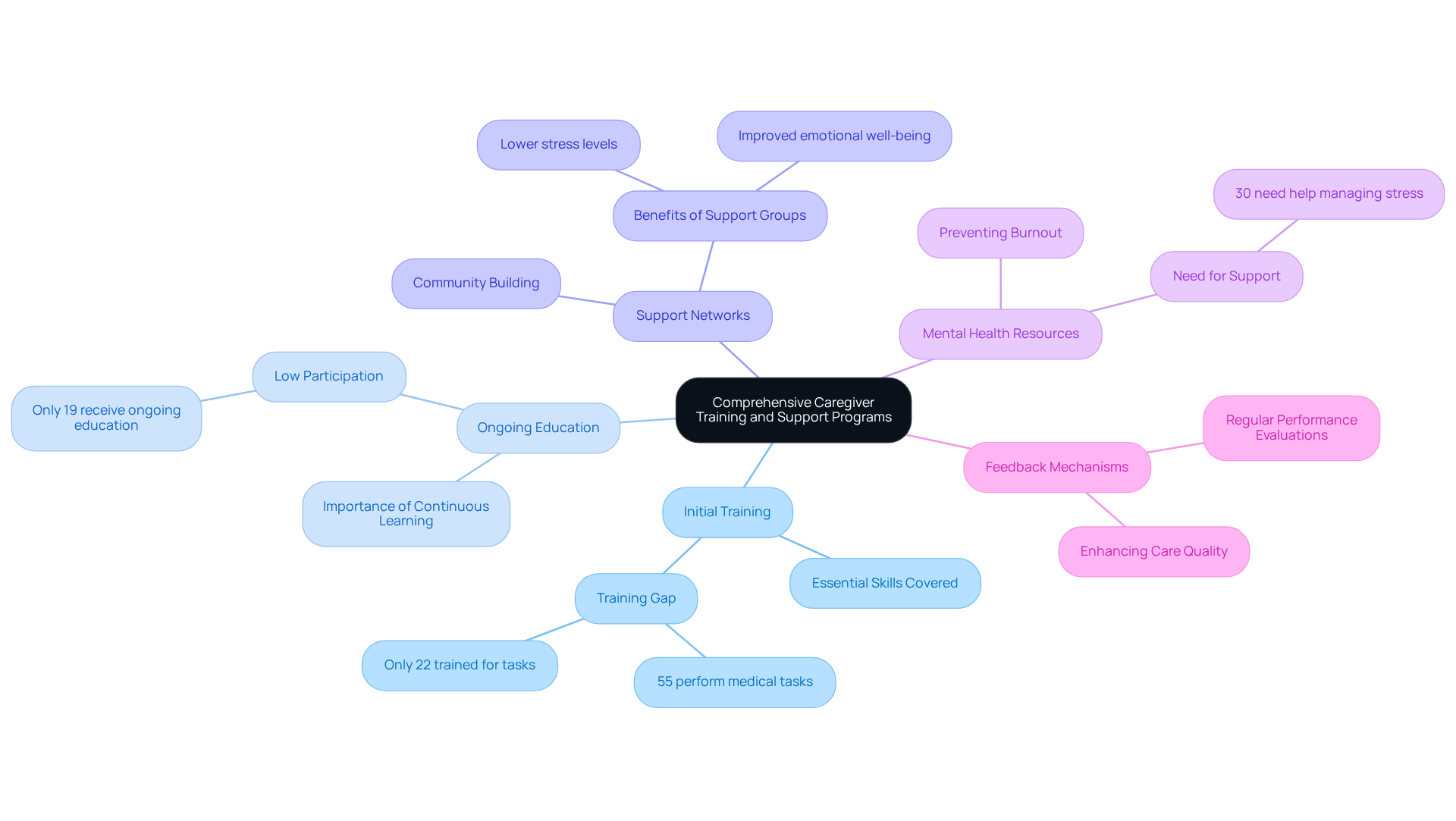
To ensure that seniors receive the excellent assistance they deserve, it’s vital to establish comprehensive training and support initiatives for their caregivers. Let’s explore some key components that can make a real difference:
-
Initial Training: New assistants should embark on foundational training that covers essential skills like personal support, medication management, and emergency response. This initial training is crucial. Studies reveal that while 55% of support providers perform medical tasks, only 22% have received the necessary training for these responsibilities. This gap can lead to stress and uncertainty for both caregivers and those they care for.
-
Ongoing Education: Continuous education opportunities are essential for keeping providers informed about best practices, new technologies, and evolving care standards. Despite the increasing demands of caregiving, only 19% of those in this role report receiving ongoing education. This highlights a significant gap that needs to be addressed, as staying informed can alleviate feelings of overwhelm and enhance confidence.
-
Support Networks: Creating support groups allows caregivers to share their experiences, challenges, and solutions. This fosters a sense of community and helps alleviate feelings of isolation. Research shows that those who participate in support networks often report lower stress levels and improved emotional well-being. It’s comforting to know that they’re not alone in their journey.
-
Mental Health Resources: Access to mental health resources is vital for caregivers to manage stress and prevent burnout. Approximately 30% of those providing care express a need for help in managing their emotional or physical stress. This underscores the importance of mental health support, as it can provide the tools needed to navigate the challenges of caregiving.
-
Feedback Mechanisms: Regular feedback sessions should be implemented to evaluate provider performance and satisfaction. This practice not only allows for necessary adjustments in training and support but also ensures that caregivers feel valued and prepared to deliver the highest quality of care.
By investing in training and support for caregivers, families can enhance the quality of assistance their loved ones receive while also promoting the well-being of those who provide care. This comprehensive approach not only benefits the recipients of support but also empowers caregivers, creating a more sustainable and nurturing environment for everyone involved.
Utilize Technology to Enhance Care Coordination and Communication
Technology plays a vital role in enhancing coordination and communication in senior support, and it’s important to recognize the emotional challenges caregivers face. The stress and burnout can be overwhelming, but there are effective strategies to help lighten the load and improve care.
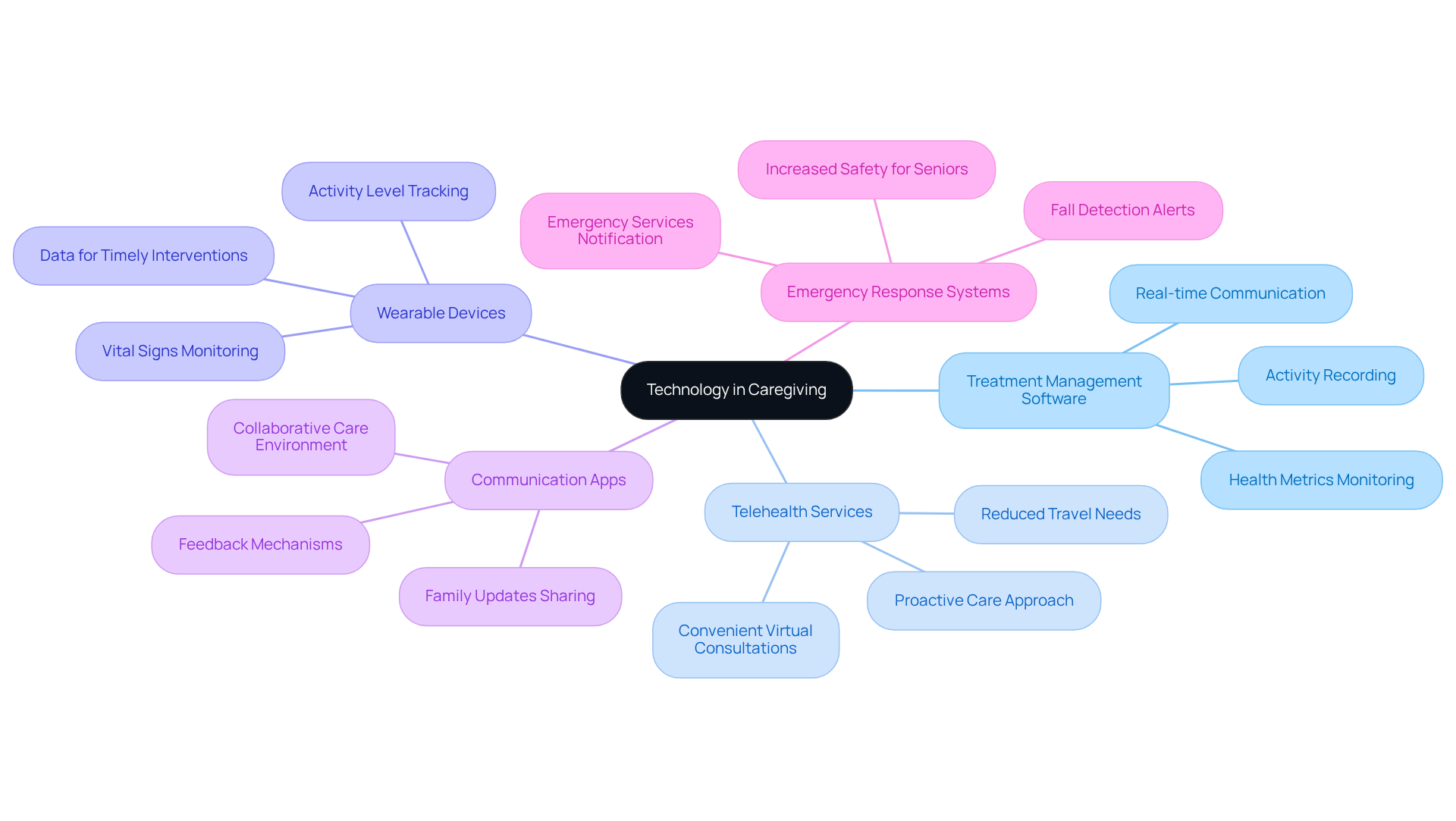
Treatment Management Software: Imagine a tool that allows providers to record support activities, monitor health metrics, and communicate with family members in real-time. This is exactly what treatment management software offers. It’s increasingly being adopted, with around 30% of caregivers in California utilizing such tools to streamline their workflows and enhance senior care in California. With about 93% of adults aged 65 and older living with at least one chronic condition, these tools become essential for effective management.
Telehealth Services: Think about the convenience of virtual consultations. Telehealth platforms enable older adults to connect with healthcare professionals without the hassle of travel. This not only saves precious time but also ensures that seniors receive prompt medical advice, which is crucial for managing chronic conditions. As Ethan Popowitz highlights, this proactive approach shifts care from reactive to preventive, significantly benefiting older adults.
Wearable Devices: Encouraging the use of wearable technology can greatly benefit seniors. These devices monitor vital signs and activity levels, providing support personnel and healthcare providers with valuable data. This facilitates proactive health management and timely interventions. Research shows that older adults who actively use remote patient monitoring devices report better health outcomes and a reduced likelihood of hospital readmission.
Communication Apps: Imagine the ease of staying connected with family. Utilizing applications designed for family interaction allows guardians to share updates and receive feedback effortlessly. This fosters a collaborative care environment, ensuring that everyone involved is informed and engaged in the care process.
Emergency Response Systems: Providing elderly individuals with emergency response systems can be a game-changer. These systems notify caregivers and emergency services in case of a fall or medical emergency, improving safety and offering reassurance for both seniors and their loved ones.
By integrating technology into caregiving practices, families can enhance the efficiency and effectiveness of care. This ensures that seniors receive the timely support and attention they need, allowing caregivers to feel more at ease knowing their loved ones are well cared for.
Moving Forward with Best Practices
Navigating the complexities of senior care in California can be overwhelming for families. It’s essential to prioritize the unique needs of elderly individuals and their loved ones. By understanding the various types of care available - from in-home assistance to skilled nursing facilities - families can make informed decisions that truly enhance the quality of life for their seniors. Personalized care plans play a crucial role, ensuring that each individual receives tailored support that addresses their specific health and emotional needs.
Key insights highlight the importance of comprehensive caregiver training and the integration of technology in improving care coordination. Training programs equip caregivers with essential skills, while technological advancements facilitate better communication and monitoring of health outcomes. These strategies not only empower caregivers but also foster a supportive environment for seniors, ultimately enhancing their overall well-being.
The significance of adopting best practices in senior care cannot be overstated. By embracing personalized strategies and utilizing available resources, families can create a nurturing atmosphere that promotes independence and dignity for their elderly loved ones. As the landscape of senior care continues to evolve, staying informed and proactive will be crucial in ensuring that every individual receives the compassionate and effective support they deserve. Remember, you’re not alone in this journey; there are resources and communities ready to support you every step of the way.
https://iframe.tely.ai/cta/eyJhcnRpY2xlX2lkIjogIjY5MWU1YWI1MDAzNjA5ODRkZWZlZjk5NCIsICJjb21wYW55X2lkIjogIjY4ZWU1ZGNhNzMxNzYyNTU3ZjNjOTVjMSIsICJpbmRleCI6IG51bGwsICJ0eXBlIjogImFydGljbGUifQ==Frequently Asked Questions
What types of senior care are available in California?
In California, there are several types of senior care available, including In-Home Assistance, Assisted Living Facilities, Skilled Nursing Facilities, Memory Support services, and Palliative and Hospice Care.
What is In-Home Assistance?
In-Home Assistance provides personal support, companionship, and help with daily tasks, allowing elderly individuals to remain in their homes while receiving essential care.
What do Assisted Living Facilities offer?
Assisted Living Facilities offer housing and personal support for seniors who need help with daily activities but still wish to maintain some independence in a nurturing environment.
What services are provided by Skilled Nursing Facilities?
Skilled Nursing Facilities provide 24/7 nursing support and rehabilitation services for individuals requiring more intensive medical assistance.
What are Memory Support services?
Memory Support services cater specifically to individuals with Alzheimer’s or other types of dementia, prioritizing safety and cognitive engagement in a secure environment.
What is the focus of Palliative and Hospice Care?
Palliative and Hospice Care focus on comfort and quality of life for individuals facing serious illnesses, providing both medical and emotional support for families.
How can families choose suitable senior care in California?
Understanding the various options available empowers families to select the most appropriate senior care for their loved ones, ensuring their needs are met with love and care.