What You Need to Know About Best Practices in Home Health Care for
Dementia care presents a unique set of challenges that require a nuanced approach to home health care. Caregivers face the complexities of cognitive decline, making it essential to understand the specific needs of dementia patients. This situation not only affects the quality of care provided but also places significant emotional and physical demands on caregivers.
As caregivers navigate these challenges, they often struggle to balance their responsibilities while ensuring that their loved ones receive compassionate and tailored care. The emotional toll can be overwhelming, leading to caregiver burnout and decreased quality of life for both the caregiver and the patient.
To address these issues, it’s crucial to implement best practices that enhance the quality of care for individuals with dementia. Caregivers can benefit from practical strategies such as:
- Establishing a routine
- Utilizing memory aids
- Seeking support from community resources
By prioritizing self-care and connecting with support networks, caregivers can better manage their responsibilities and maintain their well-being.
In summary, understanding the challenges of dementia care is the first step toward providing effective support. By adopting actionable solutions, caregivers can ensure that their loved ones receive the compassionate care they deserve while also taking care of their own needs.
Understand the Unique Needs of Dementia Patients
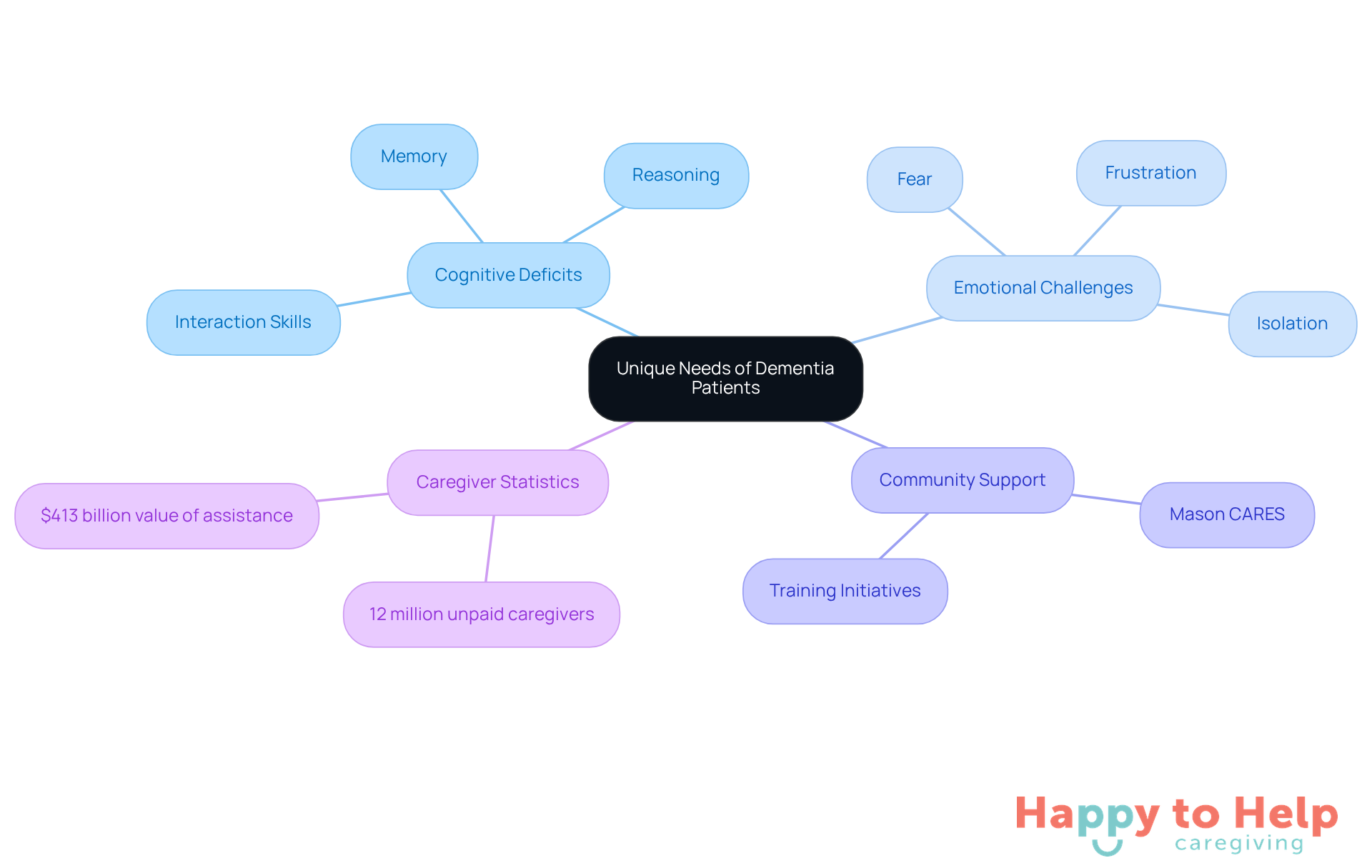
Dementia patients face significant cognitive deficits that impact their memory, reasoning, and interaction skills. This decline can range from mild cognitive impairment to advanced stages, where effective communication may be lost. Caregivers often struggle with identifying behavioral changes, such as increased confusion or agitation, which can indicate discomfort or unmet needs.
The emotional aspects of caregiving are equally critical. Feelings of fear, frustration, and isolation are common among those living with dementia. Involving individuals in familiar activities and maintaining established routines can provide comfort and stability, reducing anxiety and fostering a sense of security.
To address these challenges, initiatives like Mason CARES have shown that community support and organized training for caregivers can significantly lower stress levels among providers. This not only benefits the caregivers but also enhances the quality of care provided in home health care for dementia patients.
Statistics reveal that nearly 12 million Americans provide unpaid assistance to those with memory disorders, valued at over $413 billion. This underscores the urgent need for effective training and resources to support these caregivers in home health care for dementia patients while navigating the complexities of memory care.
Create a Safe and Supportive Home Environment
Creating a secure and encouraging environment in home health care for dementia patients is a significant challenge for caregivers. The risks associated with a cluttered or poorly lit environment can lead to accidents and increased anxiety for those affected by dementia.
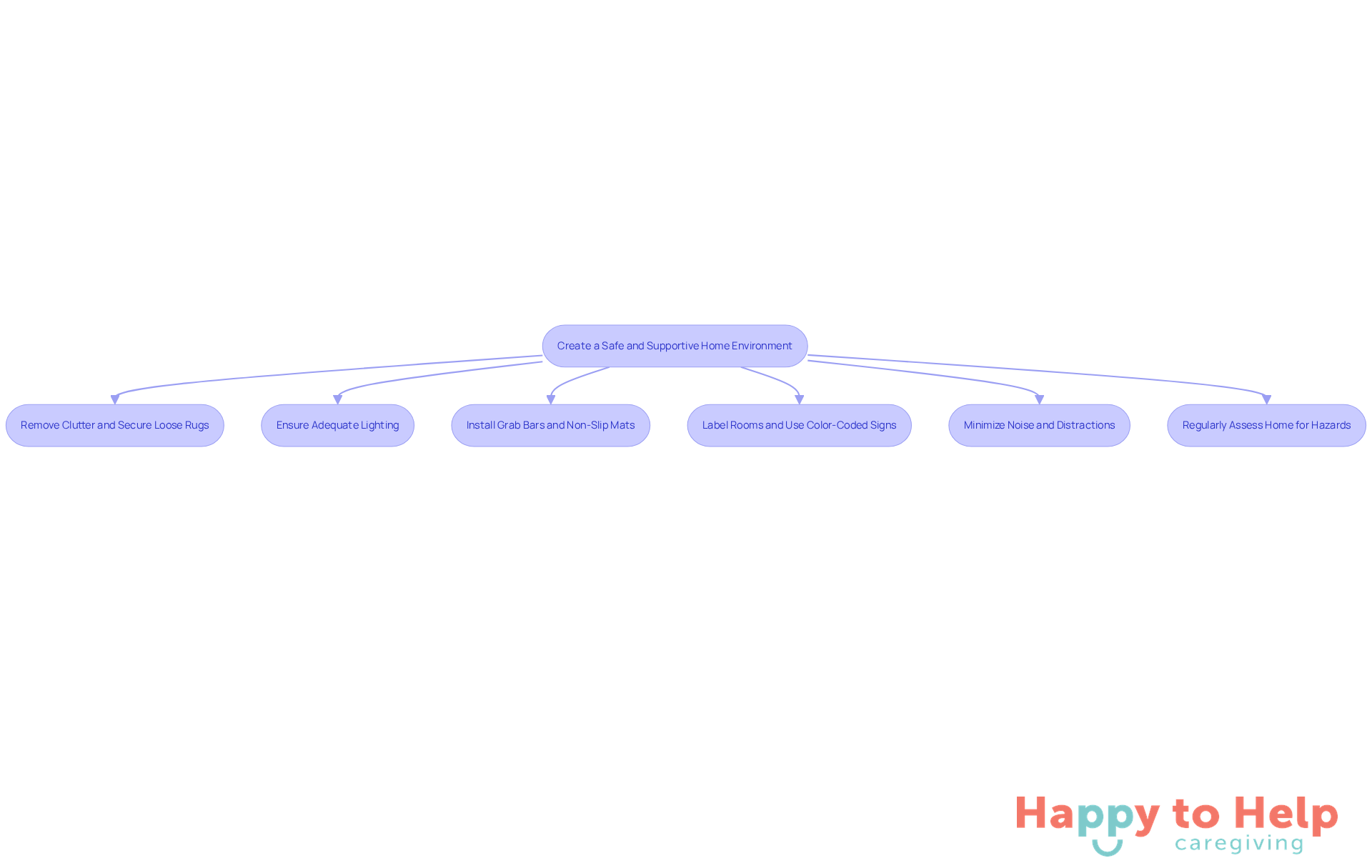
To address these concerns, caregivers should focus on reducing hazards and facilitating navigation. Start by:
- Removing clutter and securing loose rugs to prevent trips.
- Ensuring adequate lighting throughout the home, as it helps individuals move safely.
- Installing grab bars in bathrooms and using non-slip mats to further prevent falls, which are a common risk.
Labeling rooms and employing color-coded signs can assist individuals in navigating their surroundings more easily. Additionally, creating a tranquil environment by minimizing noise and distractions can help individuals feel more at ease.
Regularly assessing the home for potential hazards and making necessary adjustments is crucial for maintaining a safe living space. By implementing these strategies, caregivers can significantly enhance the safety and comfort of individuals receiving in home health care for dementia patients.
Implement Effective Communication Strategies
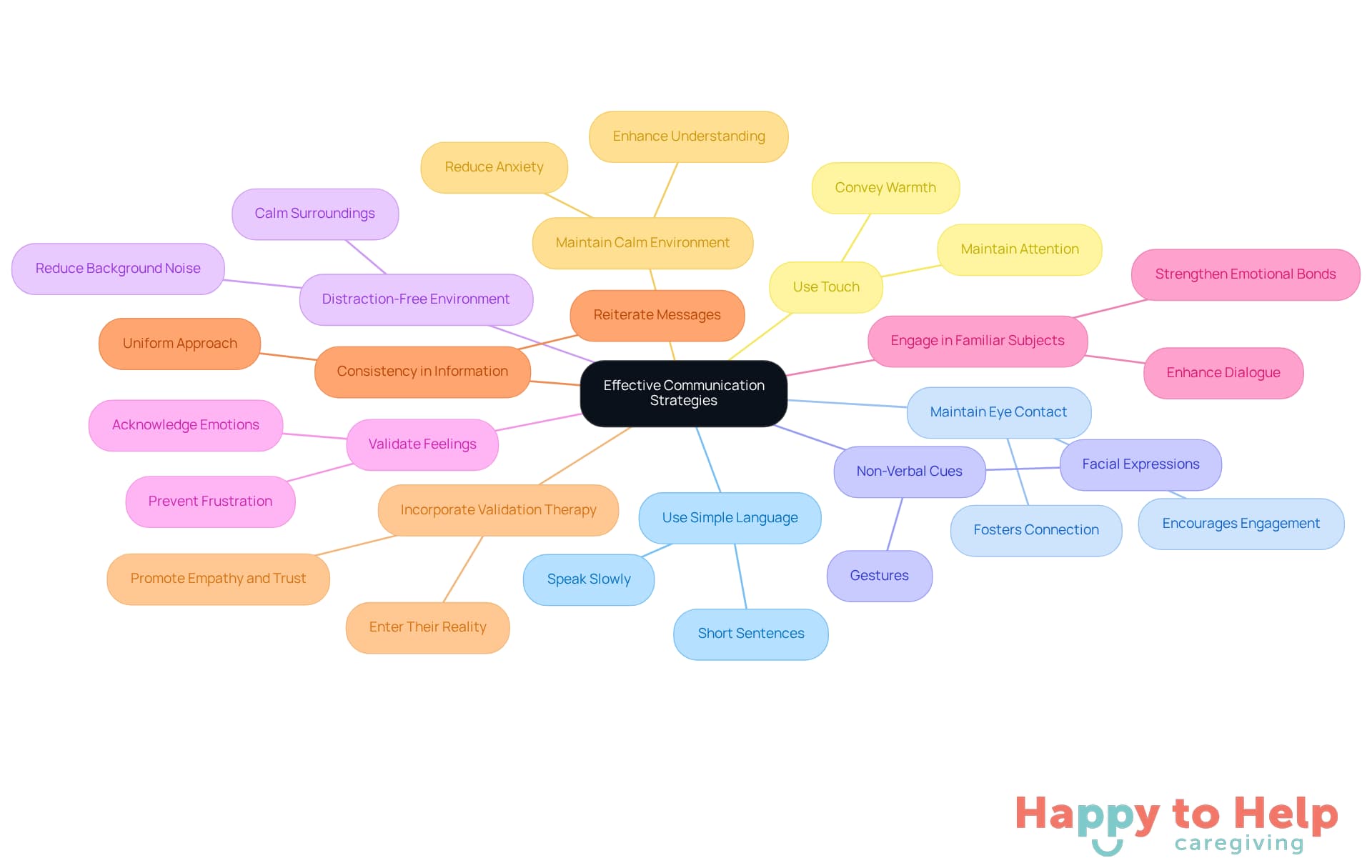
Effective communication in home health care for dementia patients poses significant challenges for caregivers. These challenges can lead to misunderstandings and frustration, both for the caregiver and the individual. To navigate this complex landscape, caregivers must adopt specific strategies that enhance understanding and foster meaningful interactions.
One key approach is to use simple language and speak slowly. This helps individuals grasp the conversation better. Maintaining eye contact is also essential, as it fosters a connection and encourages engagement. Non-verbal cues, such as gestures and facial expressions, are crucial in conveying emotions and intentions, often more effectively than words alone.
Creating a distraction-free environment is vital. Reducing background noise allows individuals to focus better during discussions. Caregivers should also validate the feelings of those with cognitive impairments, acknowledging their emotions even when their perceptions differ from reality. This validation helps prevent frustration that can arise from attempts to correct them.
Engaging individuals in familiar subjects or activities not only enhances dialogue but also strengthens emotional bonds, making interactions more meaningful. Consistency in conveying information is another effective strategy; reiterating messages in a uniform manner can reduce uncertainty for individuals with dementia.
Incorporating validation therapy into interactions promotes empathy and trust. This approach allows caregivers to enter the individual's reality rather than attempting to correct them. Additionally, maintaining a calm environment is crucial for effective communication, as it reduces anxiety and enhances understanding.
Finally, caregivers should consider using touch to maintain attention and convey warmth, reinforcing the emotional connection during interactions. By implementing these strategies, caregivers can significantly improve their communication in home health care for dementia patients, fostering a supportive and understanding environment.
Develop Personalized Care Plans for Each Patient
Creating effective care plans can be a challenge for caregivers. Without a personalized approach, individuals may not receive the tailored support they need, leading to disengagement and unmet care requirements.
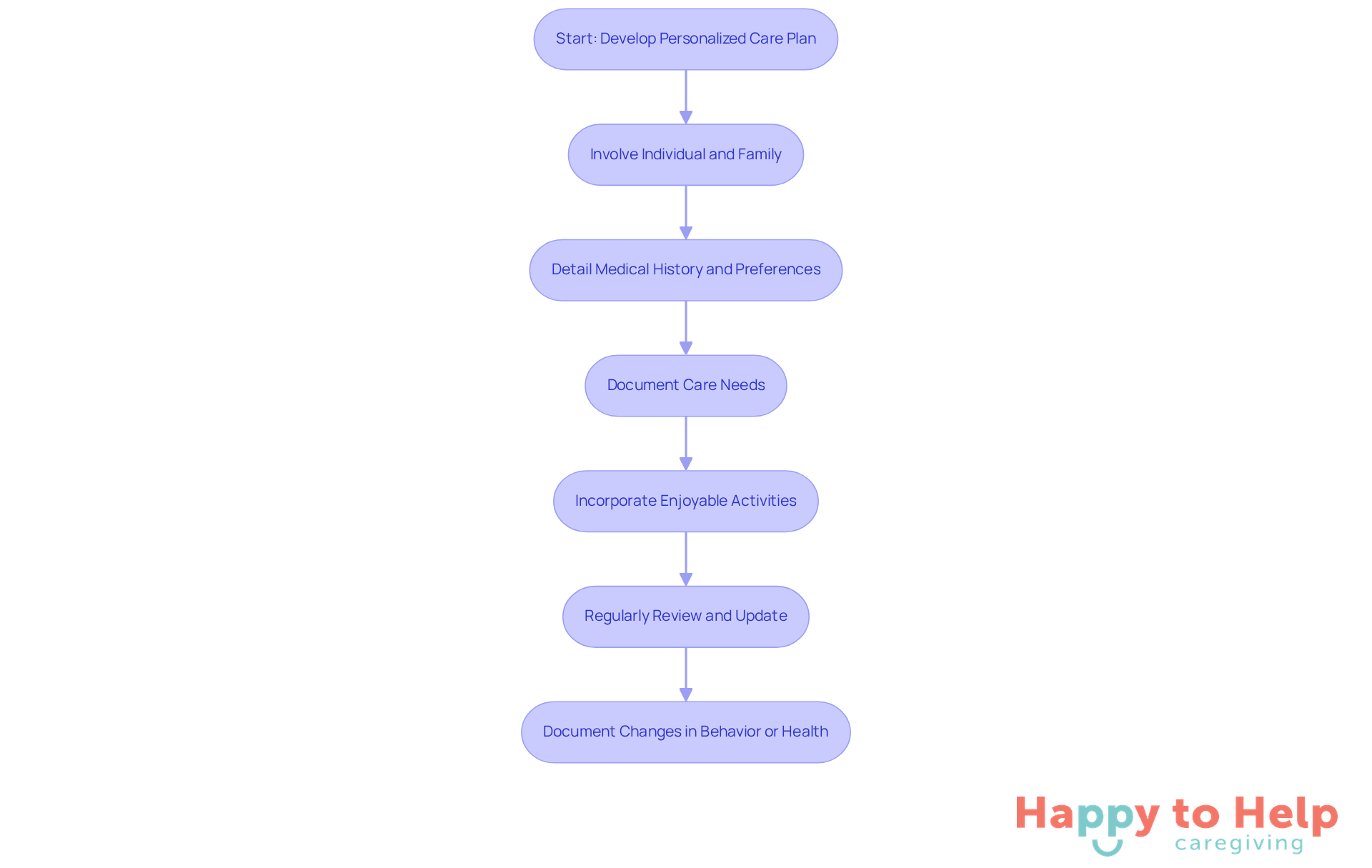
To address this issue, customized care plans should be developed collaboratively, involving the individual (when possible) and their family members. These plans must detail the individual's medical history, preferences for daily activities, and specific care needs. Regularly reviewing and updating the care plan is crucial to adapt to the individual's changing condition.
Incorporating enjoyable activities can significantly enhance engagement and provide a sense of purpose. Caregivers should also document any changes in behavior or health, which will inform future modifications to the care plan, ensuring it remains relevant and effective.
Prioritize Caregiver Well-Being and Support
Caregivers face a significant challenge: to deliver effective care for dementia patients, they must prioritize their own well-being. Neglecting this crucial aspect can lead to increased stress and burnout, ultimately affecting the quality of care provided.
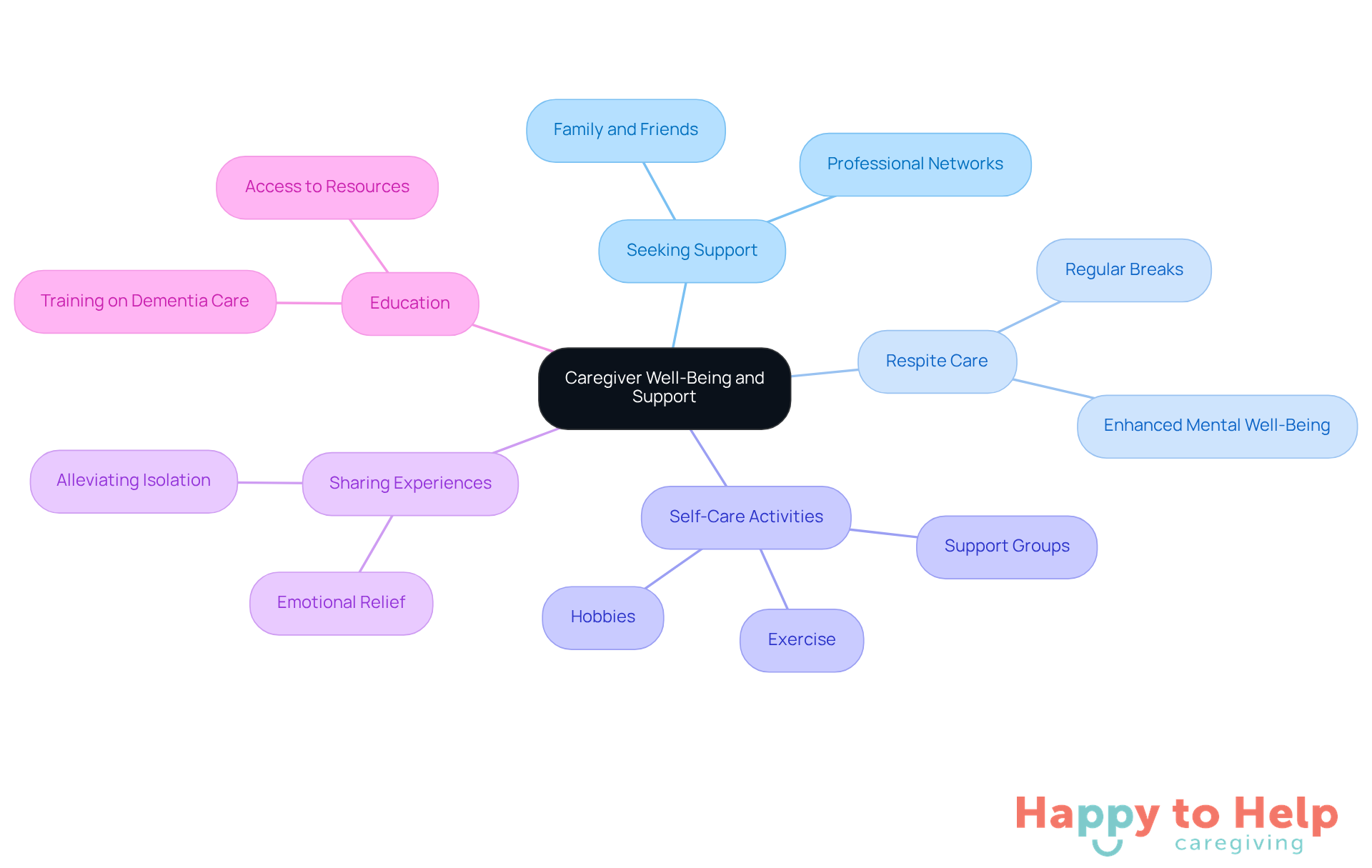
To combat this issue, caregivers should actively seek support from family, friends, or professional networks. Regular breaks, known as respite care, are vital for recharging. Research indicates that respite support can greatly enhance the mental well-being of caregivers, allowing them to return to their duties with renewed energy and focus. Effective respite care programs have been shown to reduce burnout and improve overall satisfaction with caregiving roles.
Engaging in self-care activities - like exercise, hobbies, or joining support groups - is essential for maintaining mental and emotional health. Mental health professionals stress that caregivers should not hesitate to share their experiences and feelings, as this can alleviate feelings of isolation and provide valuable emotional relief.
Education about the challenges faced in home health care for dementia patients is also crucial. Caregivers equipped with knowledge about dementia can better manage their responsibilities in home health care for dementia patients and navigate the complexities of care. Access to training and resources empowers caregivers, enhancing their skills and confidence in handling daily challenges. By prioritizing their own well-being, caregivers can foster a more positive environment for themselves and the individuals they care for.
Your Path Forward
Understanding the challenges in home health care for dementia patients is crucial for improving the quality of life for both patients and caregivers. Caregivers often face the daunting task of addressing the unique needs of those with dementia, which can lead to feelings of overwhelm and frustration. Without proper support and strategies, both patients and caregivers may struggle with physical safety and emotional well-being.
To tackle these issues, several key strategies can be implemented:
- Effective communication is vital; it helps caregivers connect with patients and understand their needs better.
- Creating a safe home environment is equally important, as it minimizes risks and promotes independence.
- Developing personalized care plans tailored to individual needs ensures that patients receive the specific support they require.
- Prioritizing caregiver well-being is essential; caregivers must take care of themselves to provide the best care possible.
By fostering a compassionate and well-structured care environment, caregivers can navigate the complexities of dementia more effectively. Seeking support, engaging in self-care, and continuously educating themselves about dementia care are practical steps caregivers can take. Implementing these best practices not only improves the lives of those they care for but also enhances caregivers' resilience and satisfaction in their roles. Embracing these strategies leads to a more dignified and fulfilling experience for everyone involved in home health care for dementia patients.
https://iframe.tely.ai/cta/eyJhcnRpY2xlX2lkIjogIjY5M2Y1MDk3MmI4ODNiM2YwNWZiOTk3YyIsICJjb21wYW55X2lkIjogIjY4ZWU1ZGNhNzMxNzYyNTU3ZjNjOTVjMSIsICJpbmRleCI6IG51bGwsICJ0eXBlIjogImFydGljbGUifQ==Frequently Asked Questions
What are the unique needs of dementia patients?
Dementia patients experience cognitive deficits that affect their memory, reasoning, and interaction skills, ranging from mild impairment to advanced stages where communication may be lost.
What behavioral changes should caregivers look for in dementia patients?
Caregivers should be aware of increased confusion or agitation in dementia patients, as these can indicate discomfort or unmet needs.
How can familiar activities and routines help dementia patients?
Involving dementia patients in familiar activities and maintaining established routines can provide comfort and stability, reducing anxiety and fostering a sense of security.
What initiatives have been shown to support caregivers of dementia patients?
Initiatives like Mason CARES provide community support and organized training for caregivers, which can lower stress levels and enhance the quality of care for dementia patients.
How many Americans provide unpaid assistance to those with memory disorders?
Nearly 12 million Americans provide unpaid assistance to individuals with memory disorders, with the value of this care exceeding $413 billion.
What are some key strategies for creating a safe home environment for dementia patients?
Caregivers should remove clutter, secure loose rugs, ensure adequate lighting, install grab bars, and use non-slip mats to prevent falls.
How can labeling and color-coded signs assist dementia patients?
Labeling rooms and using color-coded signs can help dementia patients navigate their surroundings more easily.
Why is it important to regularly assess the home for potential hazards?
Regular assessments are crucial for identifying and mitigating hazards, ensuring a safe living space for individuals receiving in-home health care for dementia patients.
List of Sources
- Understand the Unique Needs of Dementia Patients
- Alzheimer's Disease Facts and Figures (https://alz.org/alzheimers-dementia/facts-figures)
- Caregivers: the invisible backbone of dementia care (https://publichealth.gmu.edu/news/2025-11/caregivers-invisible-backbone-dementia-care)
- ADI - Dementia statistics (https://alzint.org/about/dementia-facts-figures/dementia-statistics)
- Improv training: A new approach to dementia care | Emory University | Atlanta GA (https://news.emory.edu/stories/2025/01/hs\_improving\_dementia\_care\_through\_improv\_15-01-2025/story.html)
- Dementia training program significantly improves home care worker skills, study finds (https://mcknights.com/news/dementia-training-program-significantly-improves-home-care-worker-skills-study-finds)
- Implement Effective Communication Strategies
- Dementia - communication (https://betterhealth.vic.gov.au/health/conditionsandtreatments/dementia-communication)
- Communication | Alzheimer's Association (https://alz.org/help-support/caregiving/daily-care/communications)
- Care managers say ED program improves communication for assisted living residents with dementia (https://mcknights.com/news/care-managers-say-ed-program-improves-communication-for-assisted-living-residents-with-dementia)
- Prioritize Caregiver Well-Being and Support
- The Caregiving Landscape: Data & Insights on the Caregiver Experience in the U.S. (https://caregiveraction.org/caregiver-statistics)
- The D-CARE Trial Finds No Differences Between Dementia Care Approaches on Patient Behavioral Symptoms or Caregiver Strain, But Comprehensive Care Improved Caregiver Self-Efficacy (https://newsroom.wakehealth.edu/news-releases/2025/01/trial-finds-no-differences-between-dementia-care-approaches-or-caregiver-strain)
- Caregiver Statistics: Demographics (https://caregiver.org/resource/caregiver-statistics-demographics)
- Research: Caregiver Training Improves Skills & Knowledge of Alzheimer's, Study Shows (https://advancecaregivers.org/caregiver-training-improves-skills-knowledge-of-alzheimers-study-shows)