Understanding California Home Health Care vs.
Navigating the landscape of senior care can be a daunting task for families, especially in California, where options are plentiful. Many seniors express a strong preference for remaining in their homes, leading to a growing debate between California home health care and traditional care settings. This situation presents a significant challenge for families trying to make the best choice for their loved ones.
The implications of this choice are profound. Families must weigh the benefits of home health care, such as personalized attention and comfort, against the structured environment of traditional care facilities. Each option has its own set of challenges, making the decision even more complex.
So, how can families navigate this intricate care environment? By understanding the nuances of both approaches, families can make informed decisions that prioritize their loved ones' health and well-being. This article will explore the benefits and challenges of each option, providing practical insights to help caregivers choose the best path forward.
Defining Home Health Care and Traditional Care
Many seniors face the challenge of inadequate support for their health care needs, particularly in California home health care. Traditional assistance often occurs in institutional settings like nursing homes or hospitals, where care can feel impersonal and uniform. This lack of personalized support can lead to feelings of isolation and decreased autonomy for patients.
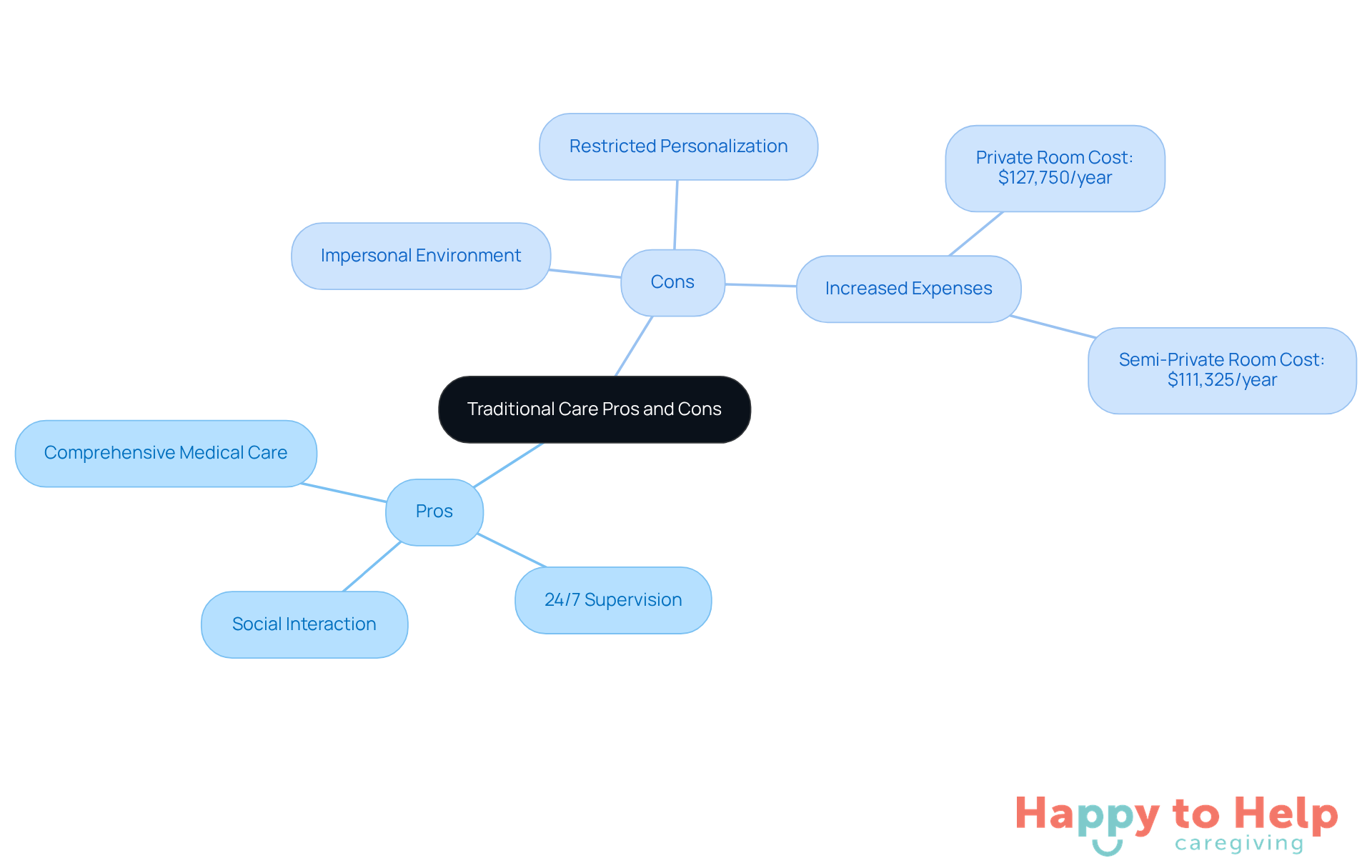
Agitate: In fact, 9 out of 10 seniors prefer to remain in their own homes rather than move to institutional living arrangements. This preference highlights the need for a more tailored approach to health care. Conventional treatment often results in longer hospital stays and can contribute to increased anxiety and depression among patients. Statistics reveal that patients receiving in-home support have a 15% lower hospital readmission rate and experience a 25% improvement in their anxiety and depression scores compared to those in traditional settings.
California home health care provides in-home health support that offers a variety of medical and non-medical services delivered right in the patient's residence. This model emphasizes personalized care, allowing patients to recuperate in a familiar environment. Additionally, in-home medical assistance significantly reduces the risk of infection compared to traditional treatment environments. Understanding these benefits is crucial for families as they evaluate the best support options for their loved ones.
Key Services and Benefits of Home Health Care
Caregivers often face significant challenges when it comes to providing adequate support for their loved ones. The emotional and physical toll can be overwhelming, leading to stress and burnout. This is where California home health care can truly make a significant difference.
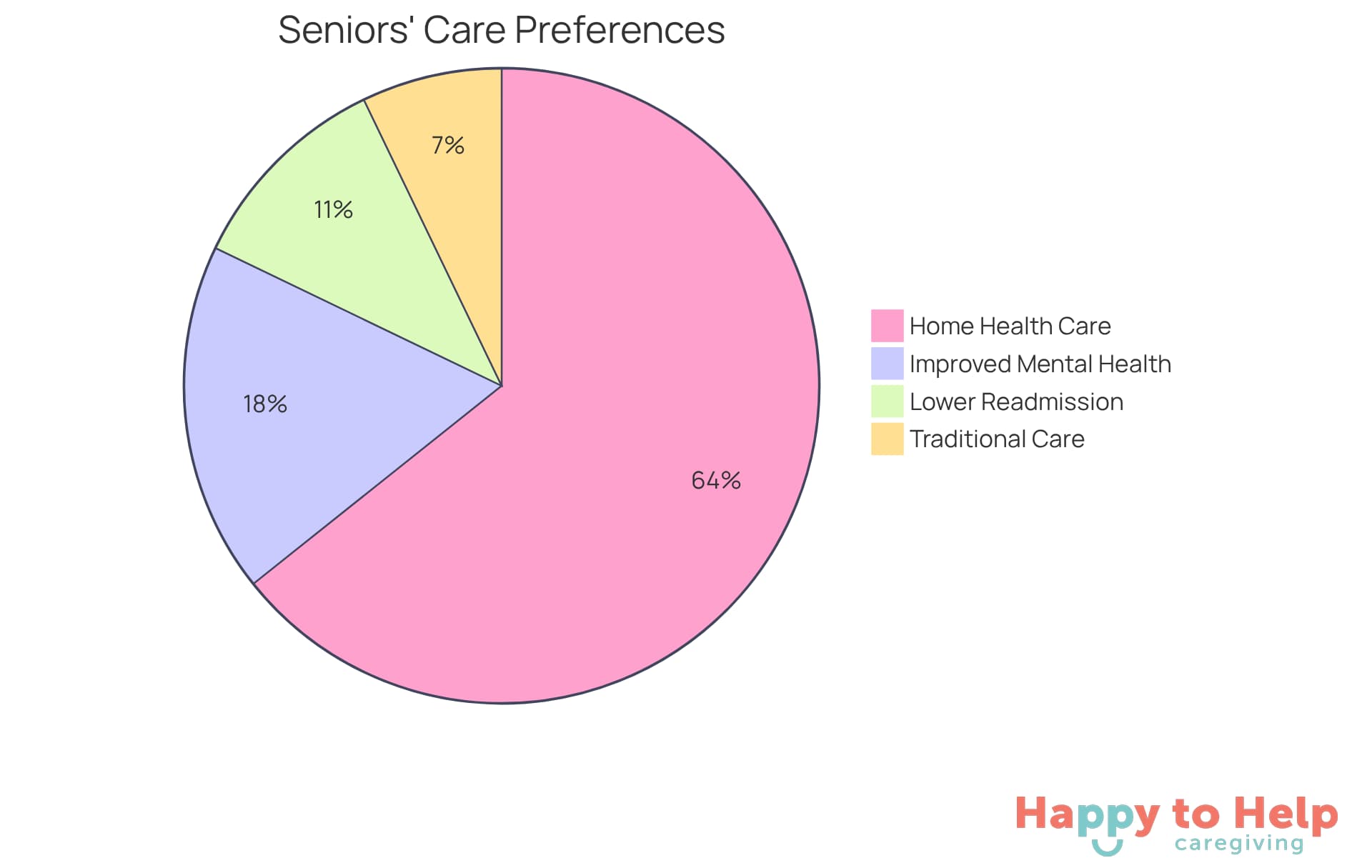
Home medical support encompasses a variety of services, including skilled nursing, physical therapy, occupational therapy, and personal assistance. These services address the unique needs of each client, ensuring that care is both relevant and effective.
Key Benefits of Home Medical Support:
- Personalized Care Plans: Tailored to meet the specific needs of each client, ensuring that care is relevant and effective.
- Comfort of Home: Patients can recover in a familiar environment, which can lead to faster recovery times and improved emotional well-being.
- Independence: Home assistance promotes autonomy, allowing clients to engage in daily activities with support rather than full reliance on caregivers.
- Cost-Effectiveness: Frequently, residential support can be more economical than conventional treatment centers, particularly when factoring in the expenses linked to extended durations in nursing facilities.
These factors make California home health care an appealing option for many families seeking quality support for their loved ones. By opting for home medical support, caregivers can alleviate some of their burdens while ensuring their loved ones receive the care they need.
Pros and Cons of Traditional Care
Traditional care presents families with a significant dilemma: weighing the advantages and disadvantages of various care options.
Pros:
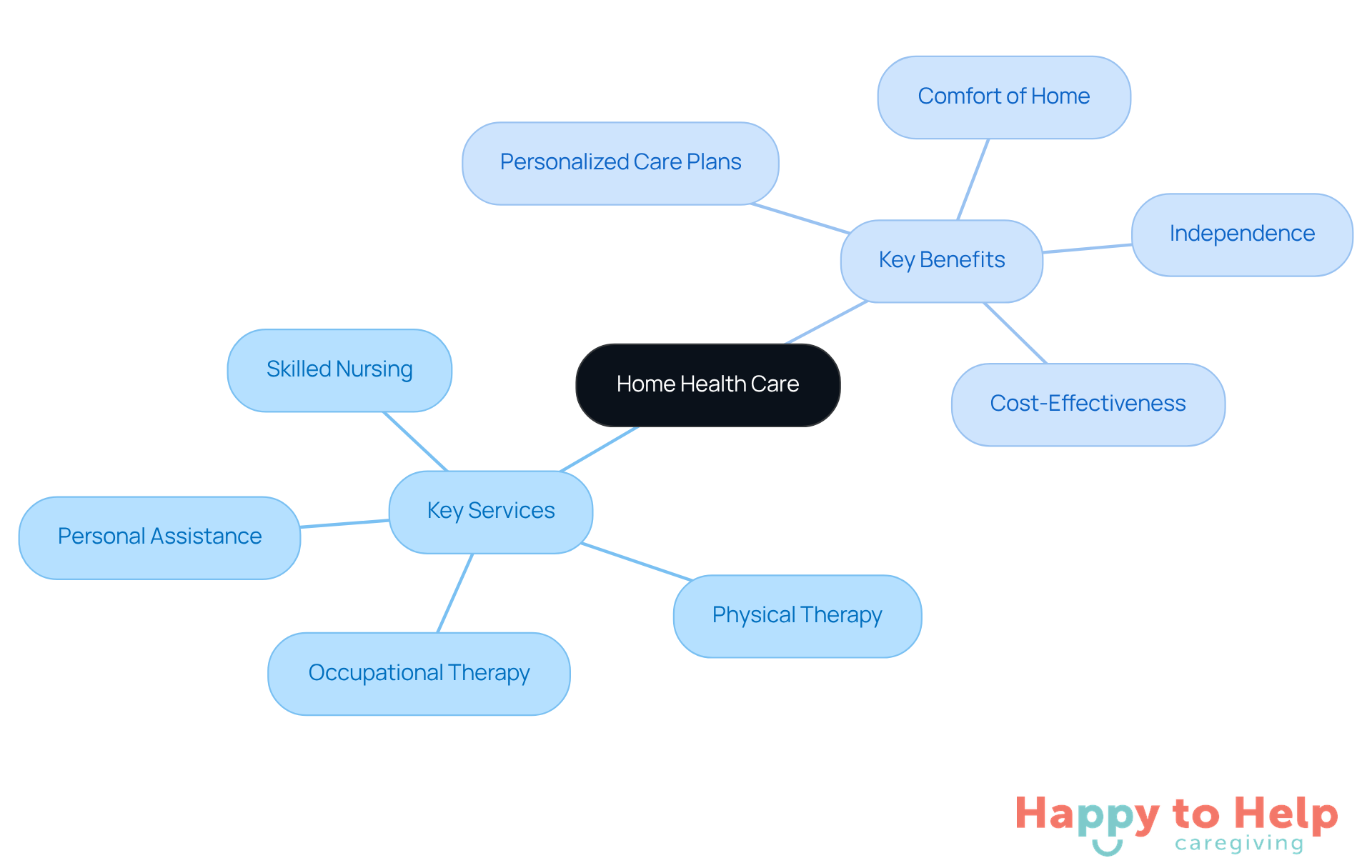
- Comprehensive Medical Care: Patients benefit from a wide array of medical services and specialists available in one location, facilitating coordinated care.
- 24/7 Supervision: Continuous oversight by trained staff is essential for individuals with complex medical needs, ensuring immediate assistance when required.
- Social Interaction: Engaging with fellow residents can significantly reduce feelings of loneliness and isolation, fostering a sense of community and belonging. As Maya Angelou observed, 'They may forget your name, but they will never forget how you made them feel,' emphasizing the significance of emotional bonds in support environments.
However, the advantages of California home health care come with notable drawbacks.
Cons:
- Impersonal Environment: The institutional nature of care facilities can create a cold atmosphere, potentially affecting residents' emotional well-being. This corresponds with the belief that a welcoming environment is essential for mental well-being.
- Restricted Personalization: Assistance in conventional environments may frequently be uniform, missing the personalized focus that domestic health support can offer.
- Increased Expenses: The financial load of conventional support can be significant, with costs for accommodation and meals contributing to the total amount. For example, nursing facility assistance in a private room costs approximately $127,750 each year, while a semi-private room costs around $111,325. These figures can strain family resources significantly.
These factors are essential for families as they assess whether California home health care meets the needs and preferences of their loved ones. By understanding both the pros and cons, families can make informed decisions that best suit their circumstances.
Choosing the Right Care Option for Your Family
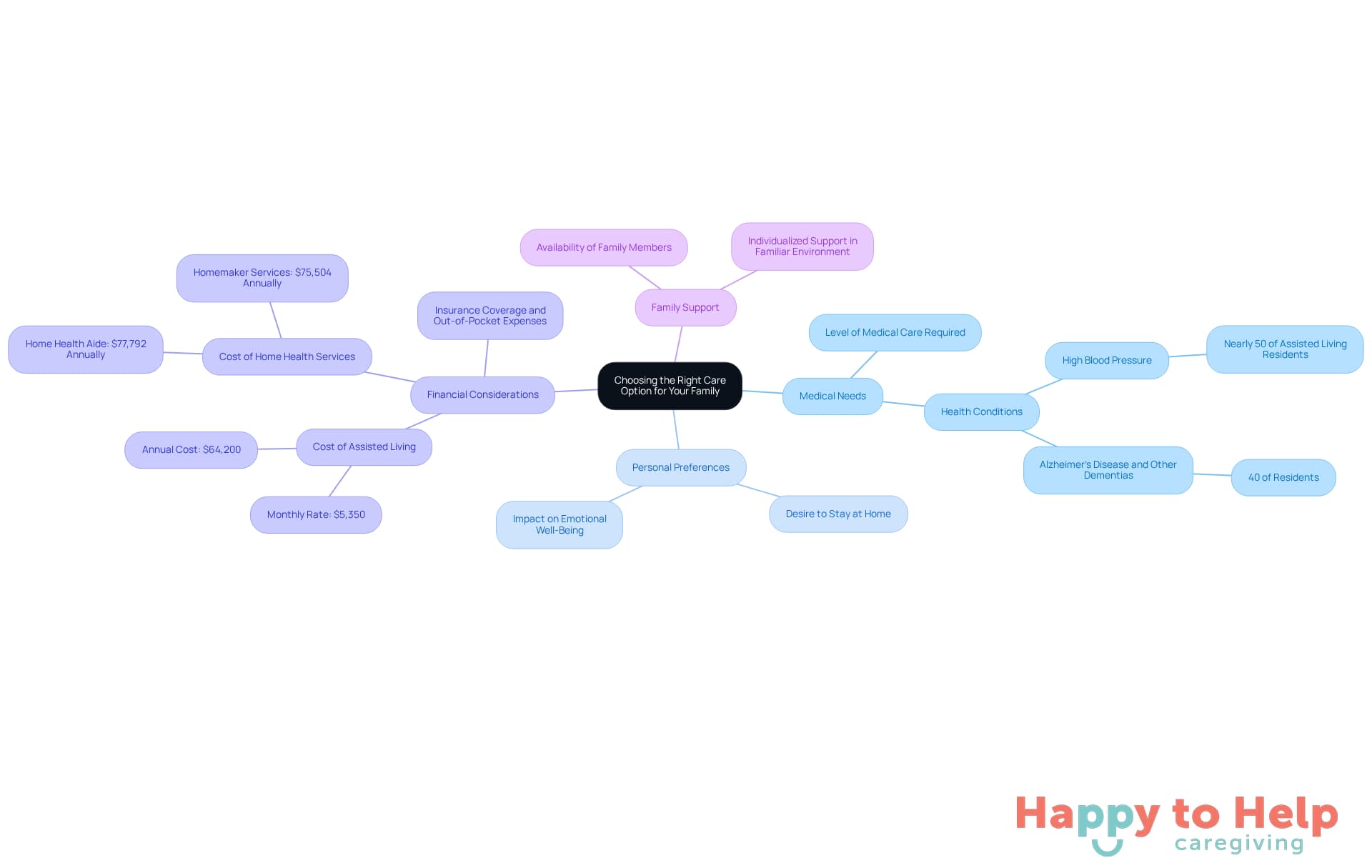
When families face the challenge of choosing between California home health care and traditional care, several key factors must be carefully evaluated.
-
Medical Needs: Assessing the level of medical care required is crucial. California home health care services are ideal for individuals who require less intensive medical supervision. In contrast, traditional assistance may be necessary for those with complex health issues. For instance, nearly half of assisted living residents have high blood pressure, and 40% are living with Alzheimer’s disease or other dementias, which often require more extensive support options.
-
Personal Preferences: It's important to consider the preferences of the individual requiring care. Many seniors express a strong desire to remain in the comfort of their own homes rather than moving to institutional environments. This preference can significantly impact their emotional well-being.
-
Financial Considerations: Evaluating the costs associated with each option is essential. The national median rate for assisted living services is approximately $5,350 monthly, translating to an annual cost of $64,200. In comparison, personal care aide services can cost around $77,792 per year, while homemaker services are noted at $75,504 annually. Understanding insurance coverage and potential out-of-pocket expenses is crucial for making an informed decision.
-
Family Support: Assessing the availability of family members to help with assistance is vital. If family support is strong, California home health care can be a viable option, allowing loved ones to receive individualized support in a familiar environment. Conversely, conventional support may be more appropriate if family members are unable to provide adequate assistance.
By thoughtfully weighing these factors, families can select the care option that best aligns with their loved one's needs, ultimately enhancing their quality of life.
Your Path Forward
Choosing between California home health care and traditional care presents a significant challenge for families navigating senior care complexities. This decision can lead to emotional strain and financial burdens, making it crucial to understand the implications of each option.
Home health care emerges as a compassionate solution, prioritizing personalized support that allows seniors to maintain their independence in familiar surroundings. This model not only enhances emotional well-being but also reduces the risks of hospital readmissions and infections.
Key advantages of home health care include:
- Tailored care plans that meet individual needs
- Improved mental health outcomes
- Cost-effectiveness compared to traditional facilities
In contrast, traditional care offers comprehensive medical services and 24/7 supervision but often lacks the personal touch, which can lead to feelings of isolation for seniors. Families must weigh medical needs, personal preferences, financial implications, and available support to make informed decisions that best suit their loved ones.
Ultimately, selecting the right care option is vital. Families should consider the unique needs of their loved ones and the numerous benefits of home health care, which can lead to a more fulfilling and dignified quality of life. Thoughtful decision-making empowers seniors to thrive in an environment that respects their individuality and fosters their well-being.
https://iframe.tely.ai/cta/eyJhcnRpY2xlX2lkIjogIjY5MjEwYTk4Y2E3OGI5ZDliYTJkYTUyOSIsICJjb21wYW55X2lkIjogIjY4ZWU1ZGNhNzMxNzYyNTU3ZjNjOTVjMSIsICJpbmRleCI6IG51bGwsICJ0eXBlIjogImFydGljbGUifQ==Frequently Asked Questions
What is home health care?
Home health care refers to in-home health support that provides a variety of medical and non-medical services delivered directly in the patient's residence, emphasizing personalized care.
How does home health care differ from traditional care?
Traditional care often occurs in institutional settings like nursing homes or hospitals, which can feel impersonal and uniform. In contrast, home health care allows patients to recuperate in a familiar environment with tailored support.
What are the benefits of home health care for seniors?
Home health care offers several benefits, including a 15% lower hospital readmission rate, a 25% improvement in anxiety and depression scores, and a significantly reduced risk of infection compared to traditional treatment environments.
Why do many seniors prefer home health care?
Many seniors prefer to remain in their own homes rather than move to institutional living arrangements because it allows for greater autonomy and personalized support, reducing feelings of isolation.
What impact does traditional care have on seniors' mental health?
Conventional treatment often results in longer hospital stays and can contribute to increased anxiety and depression among patients. In contrast, home health care has been shown to improve mental health outcomes.
What is the significance of personalized support in home health care?
Personalized support in home health care is crucial as it addresses the unique needs of each patient, enhancing their comfort and promoting better health outcomes in a familiar setting.
List of Sources
- Defining Home Health Care and Traditional Care
- In-Home Medical Care vs. Traditional Treatment Options (https://breakthroughhealthcarestlouis.com/in-home-medical-care-vs-traditional-treatment-options)
- 10 Must-Know U.S. Home Care Industry Stats for 2025 - North American Community Hub (https://nchstats.com/us-home-care-industry-stats)
- FastStats (https://cdc.gov/nchs/fastats/home-health-care.htm)
- Home Care Impact on Recovery of Patient (A Statistics Report) (https://lovinghomecareinc.com/home-care-recovery-statistics)
- Home Health Agency Utilization Trends 2014-2023 - California Association For Health Services At Home (https://cahsah.org/news/home-health-agency-utilization-trends-2014-2023)
- Key Services and Benefits of Home Health Care
- 52 Eye-Opening Home Health Statistics: Insights for 2025 (https://boosthomehealth.com/home-health-statistics)
- State of home care in 2025 (https://mcknightshomecare.com/state-of-home-care-in-2025)
- What’s Next For Home Health As The Industry Faces Its Biggest Test Yet (https://homehealthcarenews.com/2025/10/whats-next-for-home-health-as-the-industry-faces-its-biggest-test-yet)
- Home Care Industry Statistics & Facts (https://h2hhc.com/blog/home-care-industry-statistics-facts)
- Governor Hochul Announces Next Steps in Plans to Strengthen Home Care Services for New Yorkers (https://governor.ny.gov/news/governor-hochul-announces-next-steps-plans-strengthen-home-care-services-new-yorkers)
- Pros and Cons of Traditional Care
- 30 Inspirational Quotes for Healthcare Workers (https://chicomm.com/blog/30-inspirational-quotes-for-healthcare-workers)
- 10 Inspiring Patient Experience Quotes | Relias (https://relias.com/blog/patient-experience-quotes)
- Facts & Figures (https://ahcancal.org/Assisted-Living/Facts-and-Figures/Pages/default.aspx)
- The top inspirational quotes from famous healthcare personalities (https://devorerecruiting.com/blog/top-inspirational-quotes-from-famous-healthcare-personalities.htm)
- Choosing the Right Care Option for Your Family
- 30 Inspirational Quotes for Caregivers (https://agingcare.com/articles/caregivers-quotes-inspiration-141133.htm)
- CaringBridge (https://caringbridge.org/resources/inspirational-quotes-on-caregiving)
- Facts & Figures (https://ahcancal.org/Assisted-Living/Facts-and-Figures/Pages/default.aspx)
- 40 Inspirational Quotes for Caregivers - Care Options for Kids (https://careoptionsforkids.com/blog/inspirational-quotes-for-caregivers)
- 20 Caregiver Quotes That Will Inspire You - MD Home Health (https://mdhomehealth.com/2018/06/10/20-caregiver-quotes-that-will-inspire-you)