

For families in our service areas
For families in our service areas, this guide explains caregiver support and how non-medical in-home caregiving can support care planning in East Idaho, Treasure Valley & Magic Valley, Northern Wasatch, North Central West Virginia, and Northeast Ohio.
Why Can UTI Cause Memory Loss? Essential Matters
Urinary tract infections (UTIs) pose a significant problem, particularly for older adults, as they can lead to cognitive decline. This connection is increasingly recognized in research, highlighting a critical issue for caregivers who support this vulnerable population. The implications are profound: a common infection can result in memory loss and confusion, complicating caregiving efforts.
Caregivers must be vigilant in recognizing the symptoms of UTIs, which can often be overlooked. Understanding this relationship is essential for enhancing the well-being of those they care for. So, what can be done? Here are some practical strategies:
- Stay Informed: Educate yourself about the signs of UTIs and their potential impact on cognitive health.
- Monitor Symptoms: Regularly check for changes in behavior or cognitive function in older adults.
- Implement Prevention Strategies: Encourage hydration and proper hygiene to reduce the risk of UTIs.
By taking these steps, caregivers can play a vital role in mitigating the effects of UTIs on cognitive health, ensuring better outcomes for those they support.
Explore the Link Between UTIs and Cognitive Decline
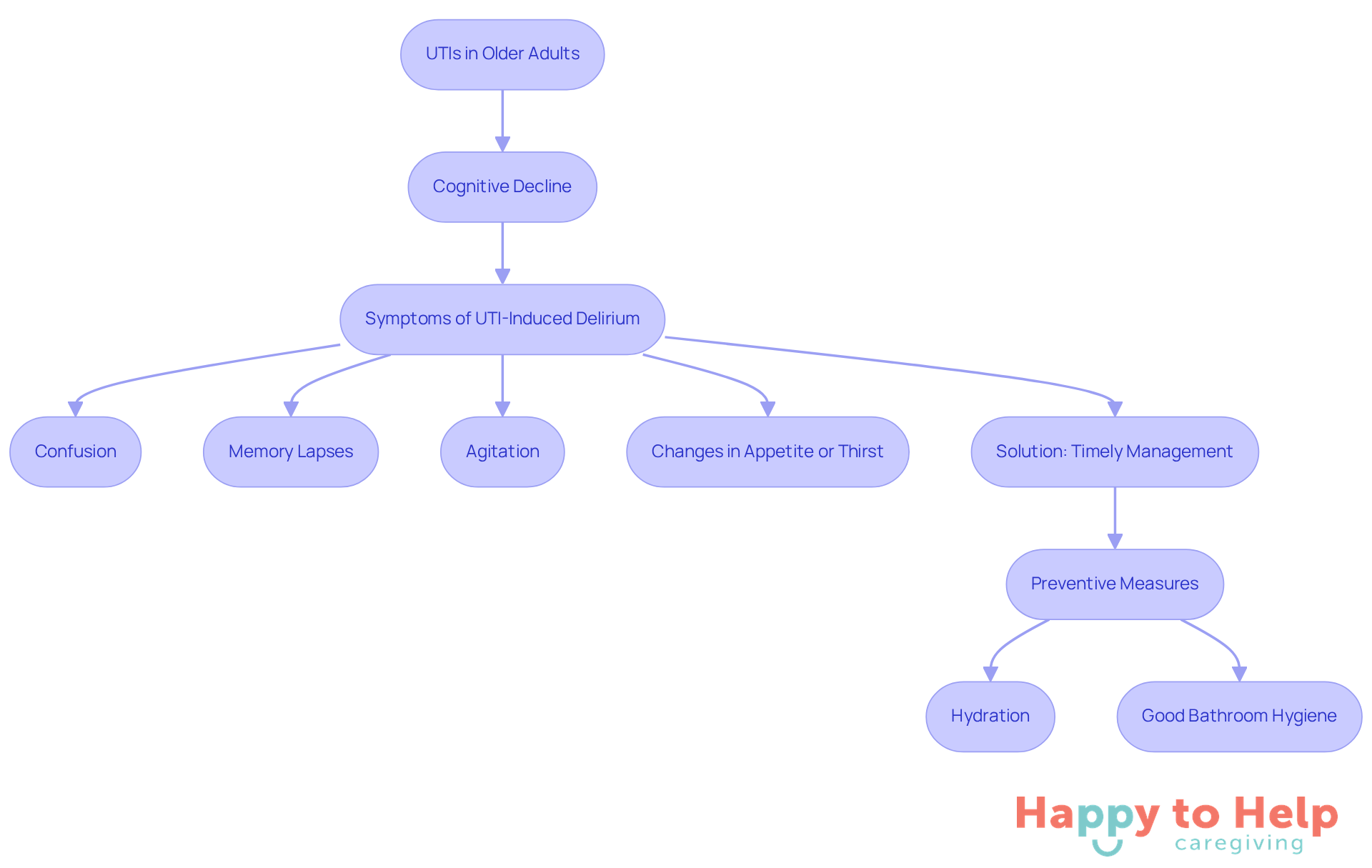
Urinary tract infections (UTIs) are prevalent among older adults and can uti cause memory loss, leading to significant mental changes, such as acute confusion, commonly known as delirium.
Research has established a direct link between UTIs and mental disturbances, particularly in individuals with pre-existing conditions like dementia, which leads to the question of if can uti cause memory loss. The inflammation from the infection can disrupt neurotransmitter balance in the brain, resulting in cognitive impairments that may mimic or exacerbate dementia symptoms. Caregivers must be alert to sudden behavioral or mental status changes, as these may signal a UTI, necessitating prompt medical evaluation. Symptoms of UTI-induced delirium often include:
- Confusion
- Memory lapses
- Agitation
- Changes in appetite or thirst
Solution: Timely identification and management of UTIs can lead to significant improvements in cognitive function, often within 24 to 72 hours. Understanding this connection is crucial for caregivers, as early intervention can prevent further complications and enhance the overall well-being of seniors. Additionally, ensuring adequate hydration and practicing good bathroom hygiene are essential preventive measures. Caregivers should actively promote these practices to reduce the risk of UTIs.
Identify UTI Symptoms in Seniors to Prevent Memory Loss
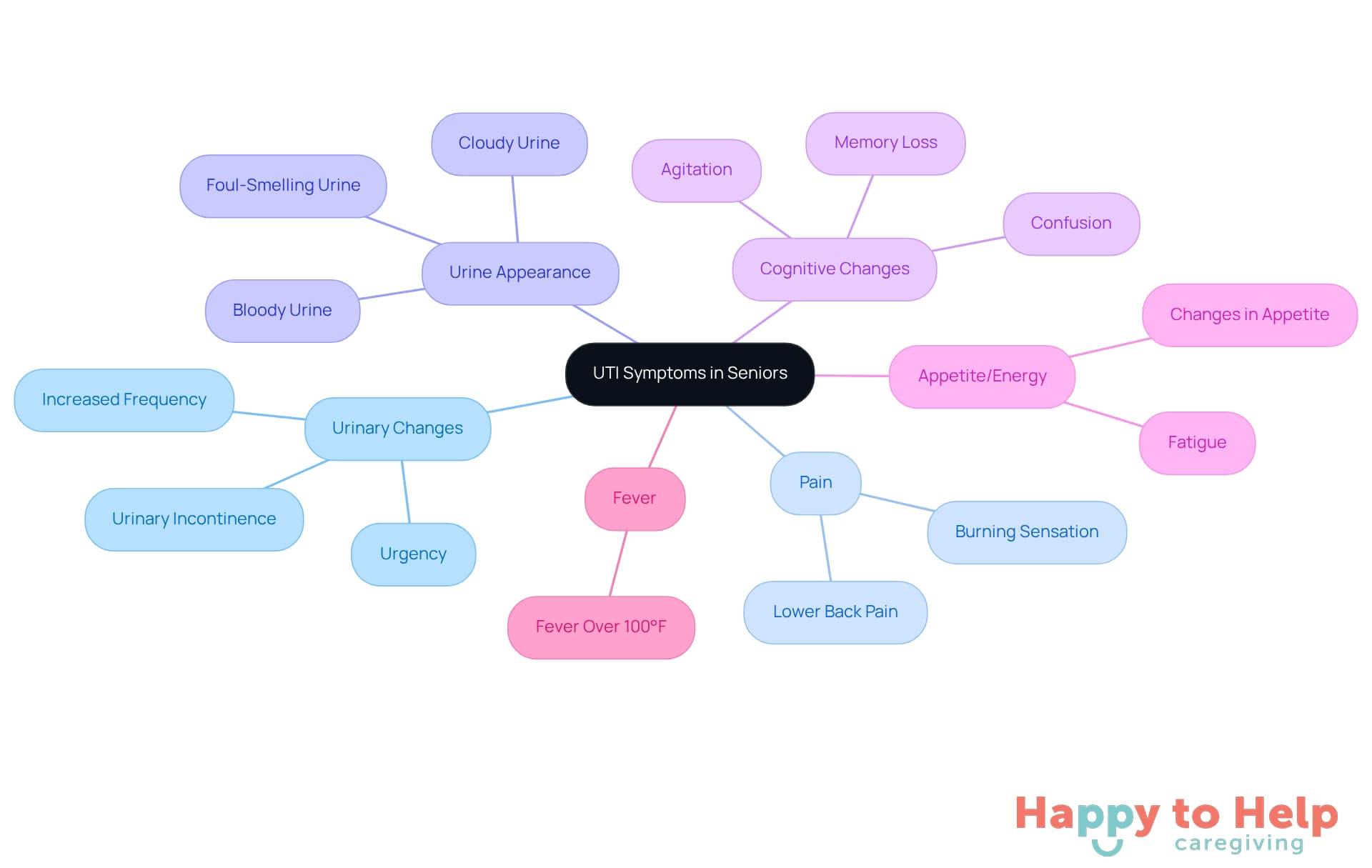
Urinary tract infections (UTIs) in seniors often present with atypical symptoms that differ from those seen in younger populations. This can pose a significant challenge for caregivers, who must be vigilant for the following signs:
- Sudden changes in urinary habits, such as increased frequency or urgency
- Pain or a burning sensation during urination
- Cloudy, bloody, or foul-smelling urine
- Confusion or agitation, which may be mistaken for dementia
- Changes in appetite or energy levels
- Fever over 100°F, indicating a potential spread of infection
- Urinary or bowel incontinence, which can be a risk factor for UTIs
Recognizing these symptoms early is vital. Prompt medical intervention can significantly mitigate the risk of cognitive decline. For instance, a case study highlighted a 78-year-old woman who experienced sudden confusion, prompting the inquiry: can UTI cause memory loss, as it was initially misinterpreted as worsening dementia. With timely treatment, her cognitive clarity was restored within days. Geriatric specialists emphasize that confusion and agitation in older adults can often signal a UTI, raising the question of whether a UTI can cause memory loss, underscoring the necessity for caregivers to act promptly.
Furthermore, maintaining proper hydration is essential in preventing urinary tract infections, as it aids in flushing out bacteria. By understanding these differences in symptom presentation, caregivers can play a crucial role in preventing memory loss and ensuring the well-being of their loved ones.
Implement Strategies to Prevent UTIs and Protect Cognitive Health
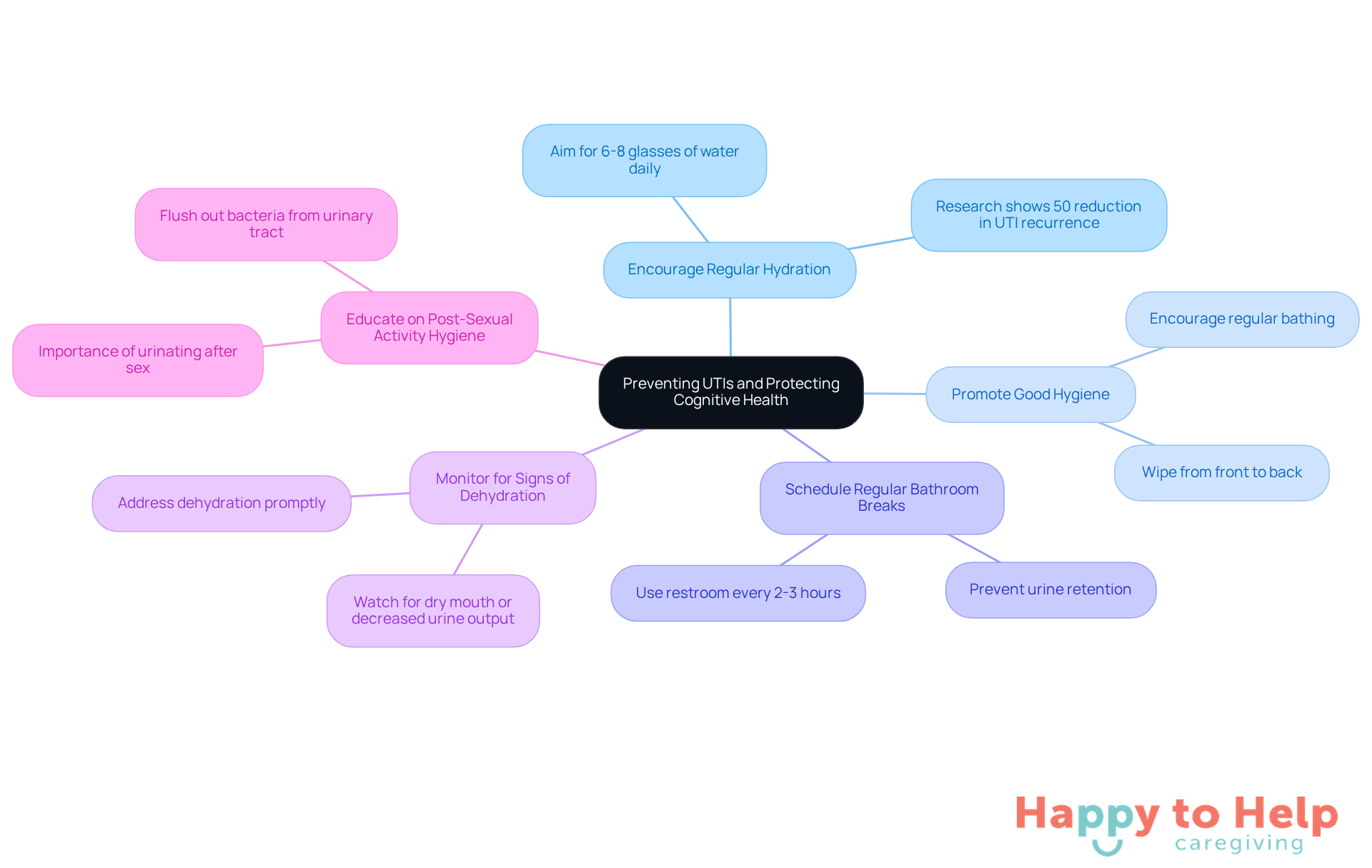
To effectively prevent urinary tract infections (UTIs) in seniors, caregivers face a significant challenge. A common concern is whether UTIs can cause memory loss, as they can lead to serious health complications, including confusion, which is particularly alarming in elderly individuals. However, there are several key strategies caregivers can implement to mitigate this risk:
- Encourage Regular Hydration: Aim for at least 6-8 glasses of water daily. Adequate hydration helps dilute urine and flush out bacteria, significantly reducing UTI risk. Research indicates that boosting daily fluid consumption over a 12-month span decreased urinary tract infection recurrence by almost 50% in over 100 individuals assigned female at birth (AFAB) with recurring infections.
- Promote Good Hygiene: Emphasize proper wiping techniques, such as wiping from front to back, and encourage regular bathing. Good hygiene practices can limit bacterial exposure and are essential in preventing urinary tract infections.
- Schedule Regular Bathroom Breaks: Encourage seniors to use the restroom every 2-3 hours. Regular urination helps prevent urine retention, which can create an environment conducive to bacterial growth.
- Monitor for Signs of Dehydration: Be vigilant for symptoms like dry mouth or decreased urine output, which can indicate inadequate hydration. Addressing dehydration promptly is crucial for maintaining urinary health.
- Educate on Post-Sexual Activity Hygiene: Inform seniors about the importance of urinating after sexual activity to help flush out any bacteria that may have entered the urinary tract.
By implementing these strategies, caregivers can greatly reduce the risk of urinary infections, which raises the question of whether UTIs can cause memory loss, ensuring better health outcomes for seniors.
Understand Treatment Options for UTIs and Their Impact on Memory
Antibiotics are the primary treatment for urinary tract infections (UTIs), effectively eliminating the infection. However, caregivers must be aware that certain antibiotics can cause temporary mental side effects, including confusion, and they should consider if can UTI cause memory loss. This is concerning, especially since studies indicate that while antibiotics are crucial for treating UTIs, they can disrupt the gut microbiome, which plays a vital role in overall health and mental function. Such disruptions may raise concerns about whether can UTI cause memory loss and affect mental health, particularly in older adults.
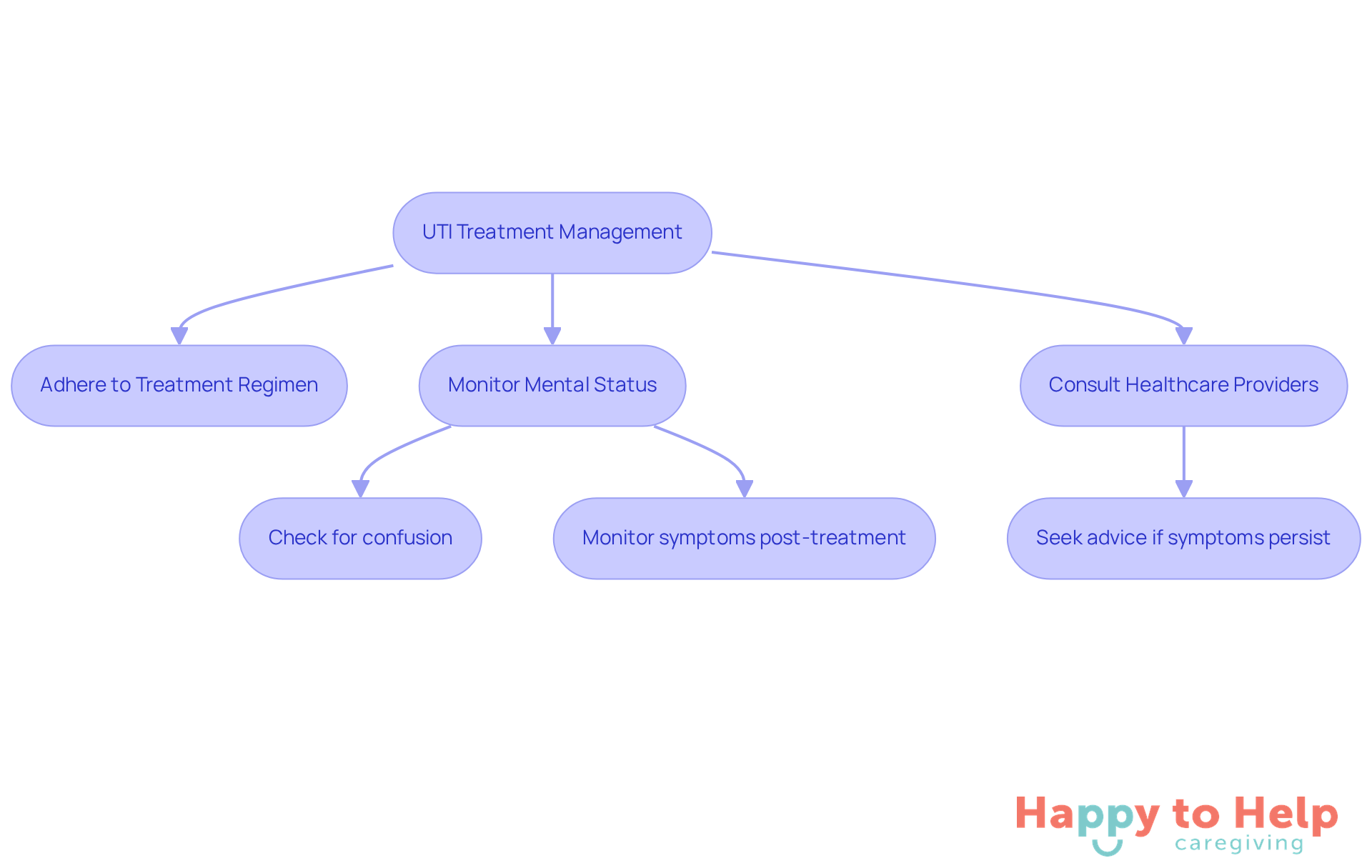
To address these challenges, caregivers should take the following steps:
- Adhere strictly to the prescribed treatment regimen.
- Monitor the senior's mental status during and after the treatment period.
- Consult healthcare providers if mental symptoms persist beyond the treatment phase.
Real-world examples highlight the importance of vigilant monitoring during UTI treatment. For instance, research shows that early intervention with antibiotics can prevent the worsening of mental symptoms associated with UTIs. Additionally, a study published in Neurology found no link between antibiotic use in older adults and an increased risk of dementia or mental decline, providing reassurance for caregivers. Dr. Andrew Chan, a senior researcher at Harvard Medical School, noted, "Given that older adults are more frequently prescribed antibiotics and are also at higher risk for cognitive decline, these findings offer reassurance about using these medications." By understanding the treatment landscape and its implications, caregivers can effectively advocate for their clients' health needs, ensuring a comprehensive approach to care.
Moving Forward with Can UTI Cause Memory Loss? Essential
Understanding the connection between urinary tract infections (UTIs) and cognitive health is crucial for caregivers, especially regarding the risk of memory loss in older adults. UTIs can lead to significant cognitive disturbances, such as acute confusion and memory lapses, which may be mistaken for more serious conditions like dementia. Recognizing this link empowers caregivers to take proactive measures to safeguard their loved ones' mental well-being.
The symptoms of UTIs in seniors can often be atypical, making early detection a challenge. Caregivers must stay vigilant for changes in behavior, urinary habits, and overall health, as these could signal an underlying infection. Timely intervention is essential; addressing UTIs promptly can lead to a swift restoration of cognitive function.
To reduce the risk of UTIs and their cognitive impacts, caregivers can implement several preventive strategies:
- Encourage hydration
- Practice good hygiene
- Monitor for signs of dehydration
Ultimately, the importance of this information cannot be overstated. By staying informed and proactive, caregivers can play a pivotal role in preventing memory loss linked to UTIs. It is vital to foster an environment that prioritizes hydration and hygiene while remaining alert to the subtle signs of infection. This holistic approach not only enhances the quality of life for seniors but also reinforces the caregiver's ability to advocate for their health, ensuring that cognitive decline is addressed effectively and compassionately.
https://iframe.tely.ai/cta/eyJhcnRpY2xlX2lkIjogIjY5NDFmMzRlMjI1ZjA3N2M1ZmMwYzAzNSIsICJjb21wYW55X2lkIjogIjY4ZWU1ZGNhNzMxNzYyNTU3ZjNjOTVjMSIsICJpbmRleCI6IG51bGwsICJ0eXBlIjogImFydGljbGUifQ==Frequently Asked Questions
What is the relationship between urinary tract infections (UTIs) and cognitive decline in older adults?
UTIs are common among older adults and can lead to significant mental changes, such as acute confusion or delirium. Research shows a direct link between UTIs and cognitive disturbances, especially in individuals with pre-existing conditions like dementia.
How can a UTI affect memory and cognitive function?
The inflammation caused by a UTI can disrupt the balance of neurotransmitters in the brain, leading to cognitive impairments that may mimic or worsen dementia symptoms. This can result in confusion, memory lapses, and other behavioral changes.
What are the symptoms of UTI-induced delirium?
Symptoms of UTI-induced delirium often include confusion, memory lapses, agitation, and changes in appetite or thirst.
How quickly can cognitive function improve after treating a UTI?
Timely identification and management of UTIs can lead to significant improvements in cognitive function, often within 24 to 72 hours.
Why is it important for caregivers to monitor changes in behavior or mental status in older adults?
Caregivers should be alert to sudden behavioral or mental status changes, as these may signal a UTI that requires prompt medical evaluation. Early intervention can prevent further complications and enhance the well-being of seniors.
What preventive measures can caregivers take to reduce the risk of UTIs in older adults?
Caregivers should ensure adequate hydration and promote good bathroom hygiene practices to help reduce the risk of UTIs in older adults.
List of Sources
- Explore the Link Between UTIs and Cognitive Decline
- UTIs and Senior Health: A Hidden Risk for Cognitive Decline (https://inspirahealthnetwork.org/news/healthy-living/utis-and-senior-health-hidden-risk-cognitive-decline)
- Unlocking the Cause of UTI-Induced Delirium (https://cedars-sinai.org/newsroom/unlocking-the-cause-of-uti-induced-delirium)
- The Surprising Link Between UTI and Confusion (https://nm.org/healthbeat/healthy-tips/the-surprising-link-between-uti-and-confusion)
- UTIs and delirium (https://alzheimers.org.uk/get-support/living-with-dementia/UTIs-and-delirium)
- UTIs and Delirium in Older Adults: What You Need to Know (https://villagemedical.com/journey-to-well/utis-and-delirium-in-older-adults-what-you-need-to-know)
- Identify UTI Symptoms in Seniors to Prevent Memory Loss
- UTI in seniors: Symptoms, causes, and dementia (https://medicalnewstoday.com/articles/322770)
- The risk of UTIs increases with age — here's why | HCA Florida (https://hcafloridahealthcare.com/healthy-living/blog/the-risk-of-utis-increases-with-age-heres-why)
- UTIs and Senior Health: A Hidden Risk for Cognitive Decline (https://inspirahealthnetwork.org/news/healthy-living/utis-and-senior-health-hidden-risk-cognitive-decline)
- UTIs and Delirium in Older Adults: What You Need to Know (https://villagemedical.com/journey-to-well/utis-and-delirium-in-older-adults-what-you-need-to-know)
- Implement Strategies to Prevent UTIs and Protect Cognitive Health
- What doctors wish patients knew about UTI prevention (https://ama-assn.org/public-health/prevention-wellness/what-doctors-wish-patients-knew-about-uti-prevention)
- New Treatments for Common Urinary Tract Infections (https://aarp.org/health/conditions-treatments/new-uti-treatments)
- 7 tips to prevent a UTI (https://uclahealth.org/news/article/7-tips-prevent-uti)
- Urinary Tract Infections in Older Adults or Elderly | Banner (https://bannerhealth.com/healthcareblog/better-me/the-risk-of-utis-as-you-age)
- What You Need to Know About UTIs in Seniors (https://homewellcares.com/blogs/what-you-need-to-know-about-utis-in-seniors)
- Understand Treatment Options for UTIs and Their Impact on Memory
- Antibiotics Do Not Increase Risks for Cognitive Decline, Dementia in Older Adults, New Data Says (https://usnews.com/news/health-news/articles/2024-12-20/antibiotics-do-not-increase-risks-for-cognitive-decline-dementia-in-older-adults-new-data-says)
- Antibiotic use not linked to incident dementia, cognitive impairment (https://mcknightsseniorliving.com/news/antibiotic-use-not-linked-to-incident-dementia-cognitive-impairment)
- Antibiotic use in older adults doesn't increase dementia risk, study finds (https://cidrap.umn.edu/antimicrobial-stewardship/antibiotic-use-older-adults-doesnt-increase-dementia-risk-study-finds)
- American Academy of Neurology: Neurology Resources | AAN (https://aan.com/pressroom/home/pressrelease/5220)
- Antibiotics reduce UTI-related delirium in preclinical study (https://medicalxpress.com/news/2025-10-antibiotics-uti-delirium-preclinical.html)