
Why Can You Develop Allergies as You Get Matters
As the years go by, our immune system can change in ways that might surprise us, leading to challenges like developing allergies. For caregivers, it’s essential to grasp how aging impacts immune responses. This understanding can pave the way for better support for elderly loved ones who may suddenly find themselves sensitive to allergens they once tolerated without a second thought.
With new environmental exposures and the complexities of managing multiple medications, one might wonder: can individuals really develop allergies later in life? This question is more than just a curiosity; it underscores the importance of being vigilant in recognizing symptoms. It also highlights the need for effective management strategies that ensure the well-being of seniors as they navigate these changes.
By staying informed and proactive, caregivers can provide the compassionate support that makes a real difference in the lives of those they care for.
Understand Allergies and Their Development in Older Adults
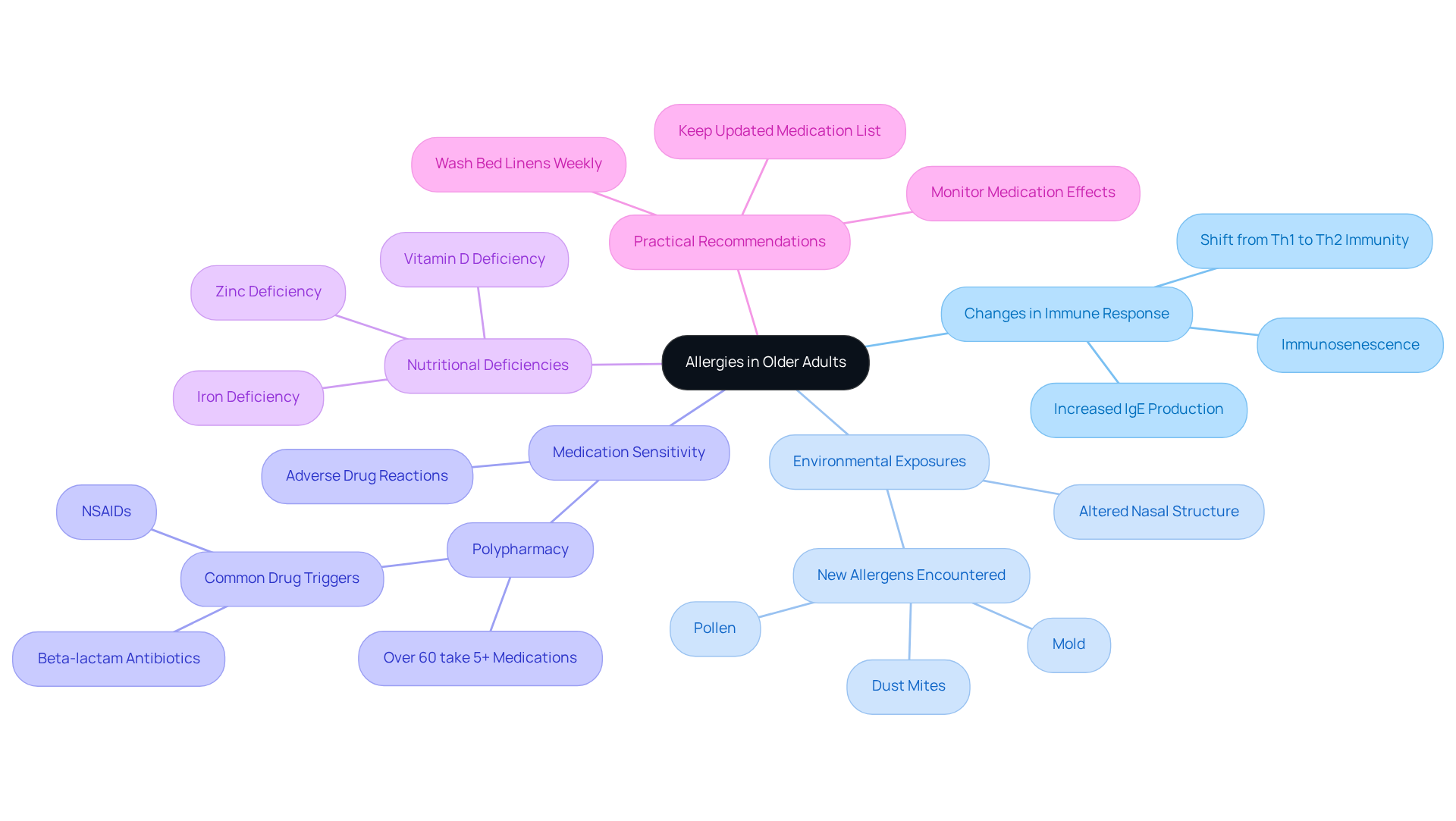
As we age, our immune systems undergo significant changes, a process known as immunosenescence. This can lead to new sensitivities or worsen existing ones, which can be concerning for caregivers. Understanding these changes is crucial for providing the best support for our loved ones.
Changes in Immune Response: The aging immune system may find it challenging to distinguish between harmful and harmless substances. This can lead to allergic reactions to allergens that were once tolerated, prompting the inquiry: can you develop allergies as you get older? As immune function declines, older adults may shift from Th1 to Th2 immunity, leading to increased IgE antibody production and raising the question of whether you can develop allergies as you get older.
Environmental Exposures: Seniors often encounter new allergens in their environment, such as dust mites, mold, and pollen. These factors can trigger allergic responses, especially since aging can alter the nasal structure, making symptoms of allergic rhinitis more pronounced.
Medication Sensitivity: Many older adults take multiple medications, a situation known as polypharmacy, which raises the risk of adverse drug reactions. Research shows that over 60% of elderly individuals take five or more medications simultaneously, with beta-lactam antibiotics frequently causing issues. It’s essential to monitor any new symptoms after starting a new medication and to keep an updated list of all medications, including over-the-counter drugs and supplements, to share with healthcare providers.
Nutritional Deficiencies: Deficiencies in vital nutrients like vitamin D, zinc, and iron can weaken immune function, making seniors more susceptible to sensitivities. Ensuring proper nutrition is vital for supporting overall health and immune resilience.
Practical Recommendations: To help reduce irritants, washing bed linens weekly in hot water is a simple yet effective step.
By understanding these factors, caregivers can better anticipate and manage allergy-related issues, ensuring that seniors receive the compassionate care they need as their health evolves.
Implement Effective Allergy Management Strategies
For caregivers, managing allergies in older adults raises the question of whether you can develop allergies as you get older, making it a daunting task filled with emotional challenges and concerns. It’s essential to approach this with understanding and compassion. Here are some strategies that can help:
-
Identify Allergens: Work closely with healthcare providers to identify specific allergens through testing methods like skin tests or blood tests. This targeted approach not only helps in understanding individual triggers but also alleviates some of the stress caregivers may feel when trying to pinpoint the cause of allergic reactions.
-
Create Allergen-Free Environments: A clean living space is vital. Regularly dusting, vacuuming with HEPA filters, and using air purifiers can significantly enhance indoor air quality. Additionally, utilizing hypoallergenic bedding and washing sheets weekly in hot water can greatly reduce irritants like dust, mold, and pet fur, creating a safer haven for seniors.
-
Monitor Outdoor Activities: During high pollen seasons, it’s wise to limit outdoor exposure. Encourage seniors to stay indoors on windy days or when pollen counts are elevated. Keeping windows closed during these times can further minimize indoor allergen exposure, providing peace of mind for caregivers.
-
Medication Management: It’s important to consult healthcare providers about suitable antihistamines or other treatment options. Second-generation antihistamines are often preferred for seniors due to their lower risk of side effects, making them safer choices that caregivers can feel confident about.
-
Dietary Considerations: Be vigilant about potential food sensitivities. Preparing meals with safe ingredients and keeping a food diary can help identify any adverse reactions to specific foods, ensuring that seniors enjoy their meals without worry.
-
Emergency Preparedness: Establishing an action plan for allergic reactions is crucial. Ensure immediate access to emergency medications like epinephrine auto-injectors when necessary. This preparedness not only helps in managing severe allergic responses effectively but also provides caregivers with a sense of control and reassurance.
By implementing these strategies, caregivers can navigate the complexities of managing allergies in older adults while considering if you can develop allergies as you get older, fostering a nurturing environment that prioritizes health and well-being.

Recognize Allergy Symptoms and Know When to Seek Help
As caregivers, it's essential to stay alert in recognizing allergy signs, particularly when considering can you develop allergies as you get older, as they can manifest differently in older adults. This responsibility can feel overwhelming at times, but understanding these signs can make a significant difference in the lives of those we care for.
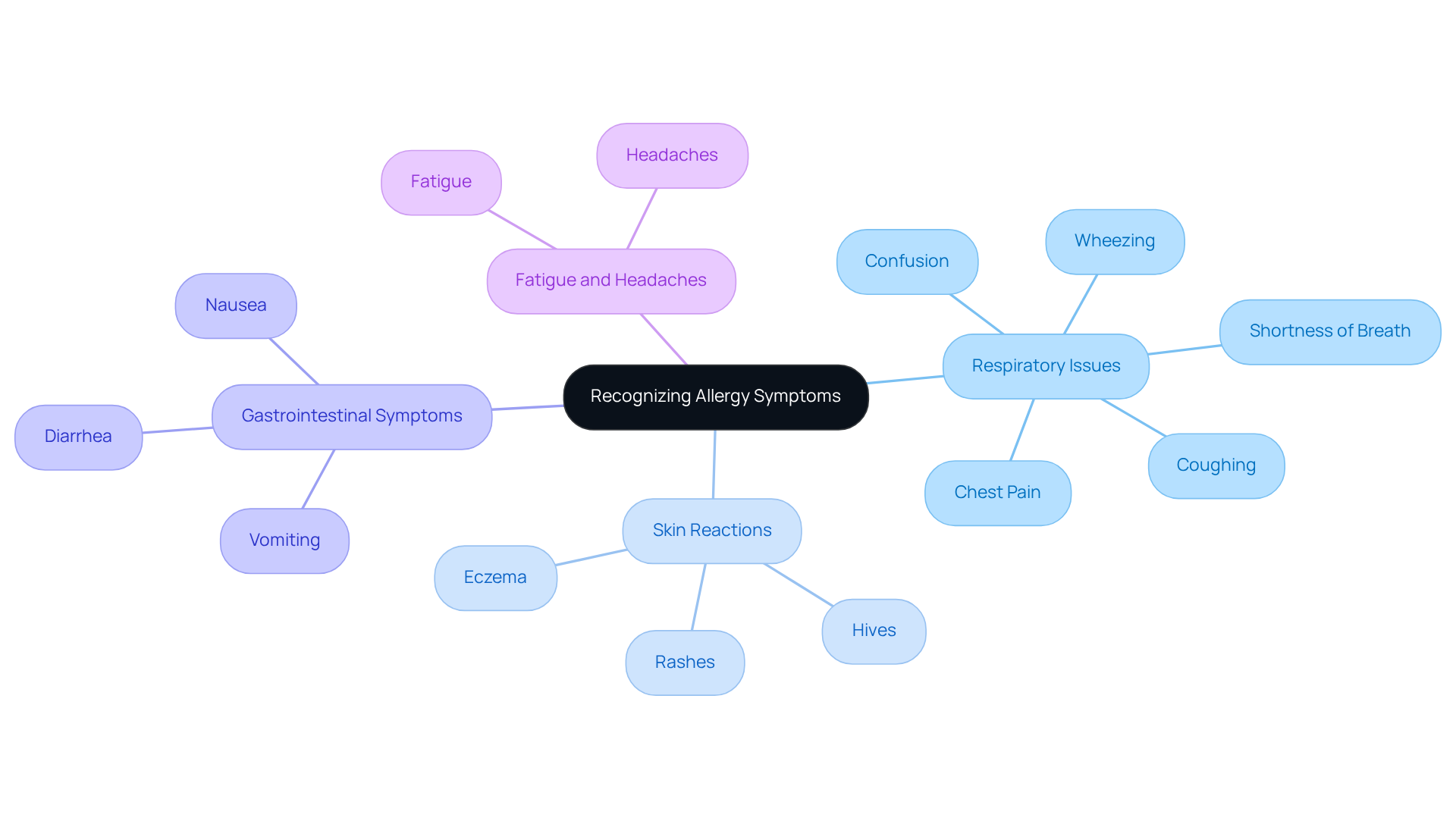
Respiratory Issues: Symptoms like coughing, wheezing, or shortness of breath may indicate an allergic reaction, particularly in individuals with asthma. It's important to remember that older adults might not show classic allergic reactions, such as skin rashes or difficulty breathing. Instead, they may present with chest pain or confusion. These respiratory symptoms can easily be mistaken for other conditions, which is why awareness is so crucial.
Skin Reactions: Hives, rashes, or eczema can develop after exposure to allergens. Caregivers should keep a close eye on any changes in skin condition, as these reactions can be subtle yet significant. Monitoring these changes can help ensure timely intervention.
Gastrointestinal Symptoms: Nausea, vomiting, or diarrhea can occur, especially with food sensitivities. These symptoms might be overlooked or misattributed to other health issues, and delayed responses can complicate diagnosis. Being attentive to these signs is vital for effective care.
Fatigue and Headaches: Older adults may experience fatigue or headaches as a response to allergens, which can often be dismissed as just part of aging. However, recognizing these symptoms can lead to better management of their health.
As the prevalence of allergies in older adults continues to rise, it begs the question: can you develop allergies as you get older, which makes it even more essential for caregivers to remain vigilant. If any of these signs persist or worsen, seeking medical advice promptly is crucial. Severe symptoms, such as swelling of the face or throat, difficulty breathing, or a rapid heartbeat, require immediate emergency medical attention.
Additionally, caregivers should ensure that seniors at risk of anaphylaxis carry an epinephrine auto-injector or nasal spray and know how to use it. Understanding these signs is vital for effective allergy management and ensuring the safety and well-being of our beloved seniors. Remember, you’re not alone in this journey; support is available, and your attentive care can truly make a difference.
Taking the Next Steps
As the immune system changes with age, it’s natural for caregivers to wonder if allergies can develop later in life. This concern is valid, and understanding how immunosenescence affects sensitivity to allergens is crucial for those supporting older adults. By recognizing that new allergies can emerge or existing ones may worsen, caregivers can offer informed and compassionate care.
Several key factors contribute to the development of allergies in seniors:
- Changes in immune response
- Exposure to new environmental allergens
- Medication sensitivities
- Nutritional deficiencies
Caregivers can empower themselves by implementing practical strategies for managing these allergies:
- Creating allergen-free environments
- Monitoring symptoms
- Maintaining open communication with healthcare providers
Fostering awareness of allergy symptoms and knowing when to seek medical help can significantly enhance the quality of life for older adults. Caregivers are essential in this process; their vigilance can lead to timely interventions that ensure the safety and well-being of those they care for. By embracing these insights and strategies, caregivers can truly make a meaningful difference in managing allergies and supporting the health of seniors in their care.
https://iframe.tely.ai/cta/eyJhcnRpY2xlX2lkIjogIjY5MWU1YWJmMDAzNjA5ODRkZWZlZjlhYSIsICJjb21wYW55X2lkIjogIjY4ZWU1ZGNhNzMxNzYyNTU3ZjNjOTVjMSIsICJpbmRleCI6IG51bGwsICJ0eXBlIjogImFydGljbGUifQ==Frequently Asked Questions
What is immunosenescence and how does it affect older adults?
Immunosenescence refers to the significant changes that occur in the immune system as we age, which can lead to new sensitivities or worsen existing allergies.
Can older adults develop allergies as they age?
Yes, as immune function declines, older adults may experience allergic reactions to substances they previously tolerated due to a shift in immune response from Th1 to Th2, resulting in increased IgE antibody production.
What environmental factors can trigger allergies in seniors?
Seniors may encounter new allergens such as dust mites, mold, and pollen in their environment, which can trigger allergic responses, particularly as aging can alter nasal structures, worsening symptoms of allergic rhinitis.
How does polypharmacy affect older adults in relation to allergies?
Polypharmacy, or the use of multiple medications, increases the risk of adverse drug reactions in older adults. Over 60% of elderly individuals take five or more medications, and certain medications, like beta-lactam antibiotics, can frequently cause issues.
What role do nutritional deficiencies play in allergy development in seniors?
Deficiencies in vital nutrients such as vitamin D, zinc, and iron can weaken immune function, making older adults more susceptible to sensitivities and allergies.
What practical steps can caregivers take to help reduce allergens for seniors?
One simple and effective step is to wash bed linens weekly in hot water to help reduce irritants and allergens in the environment.
Why is it important for caregivers to understand allergies in older adults?
Understanding the factors that contribute to allergies can help caregivers anticipate and manage allergy-related issues, ensuring that seniors receive the compassionate care they need as their health evolves.