
The Importance of Caregiver Advocacy: Overcome Challenges
Navigating the complex landscape of healthcare can be a daunting task for caregivers. They often find themselves caught between the needs of their loved ones and the intricacies of medical systems. This situation presents a significant problem: effective caregiver advocacy is essential for ensuring that the voices of care recipients are heard and respected.
However, many caregivers struggle with emotional strain, financial burdens, and a lack of support. These challenges can lead to inadequate representation and care for their loved ones. The implications are serious; without proper advocacy, care recipients may not receive the dignity and respect they deserve.
So, how can caregivers overcome these hurdles and become effective advocates? Here are some actionable solutions:
- Educate Yourself: Understanding the healthcare system can empower caregivers to navigate it more effectively.
- Build a Support Network: Connecting with other caregivers can provide emotional support and practical advice.
- Communicate Clearly: Advocating for a loved one requires clear communication with healthcare providers.
By implementing these strategies, caregivers can enhance their advocacy efforts, ensuring their family members receive the care and respect they deserve.
Define Caregiver Advocacy and Its Importance
Use english for answers
The Challenge of Caregiver Support
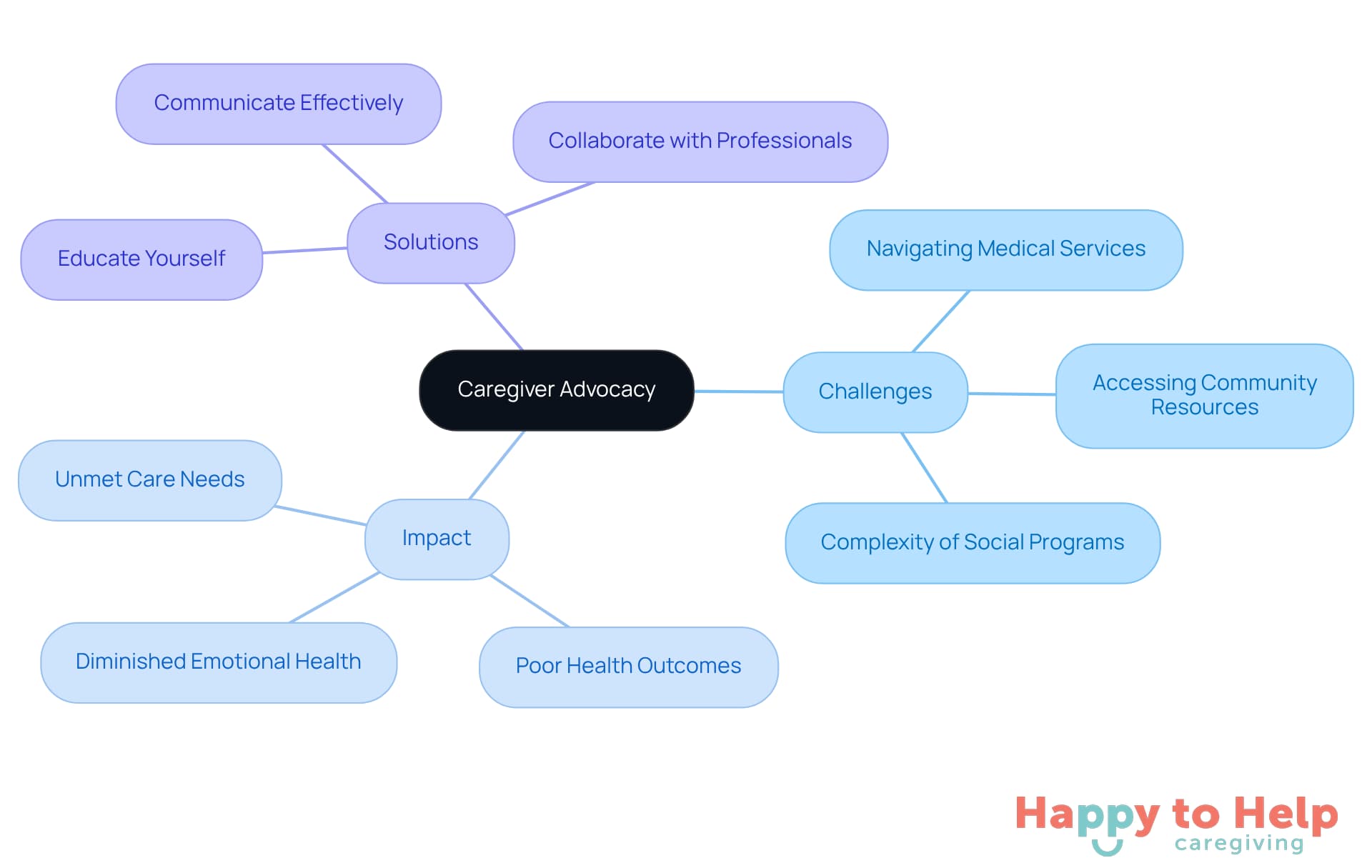
Caregiver support is crucial for representing and upholding the needs, rights, and preferences of loved ones. However, many caregivers struggle to navigate the complexities of medical services, social programs, and community resources. This lack of effective representation can lead to care recipients feeling unheard and undervalued, ultimately impacting their emotional health and overall well-being.
The Impact of Inadequate Representation
When caregivers fail to advocate effectively, the consequences can be significant. Studies indicate that care recipients often experience poorer health outcomes and diminished emotional health. For instance, caregivers who struggle to communicate their loved ones' needs may find that care plans are not tailored to individual circumstances, leading to a less satisfactory care experience. Successful advocacy has shown to influence policy changes, ensuring better access to services for patients with chronic conditions.
Empowering Caregivers Through Advocacy
To tackle these challenges, caregivers can take proactive steps to enhance their advocacy efforts. Here are some actionable solutions:
- Educate Yourself: Gain a deep understanding of the healthcare system and available resources.
- Communicate Effectively: Build strong relationships with healthcare professionals to ensure your loved one’s needs are clearly conveyed.
- Collaborate: Encourage cooperation between support providers and medical professionals to create comprehensive care plans that address unique patient requirements.
By implementing these strategies, caregivers not only facilitate better access to care but also promote dignity and respect for those they assist. This collaborative approach empowers caregivers, reinforcing their vital role in the healthcare continuum.
Identify Common Challenges Faced by Family Caregivers
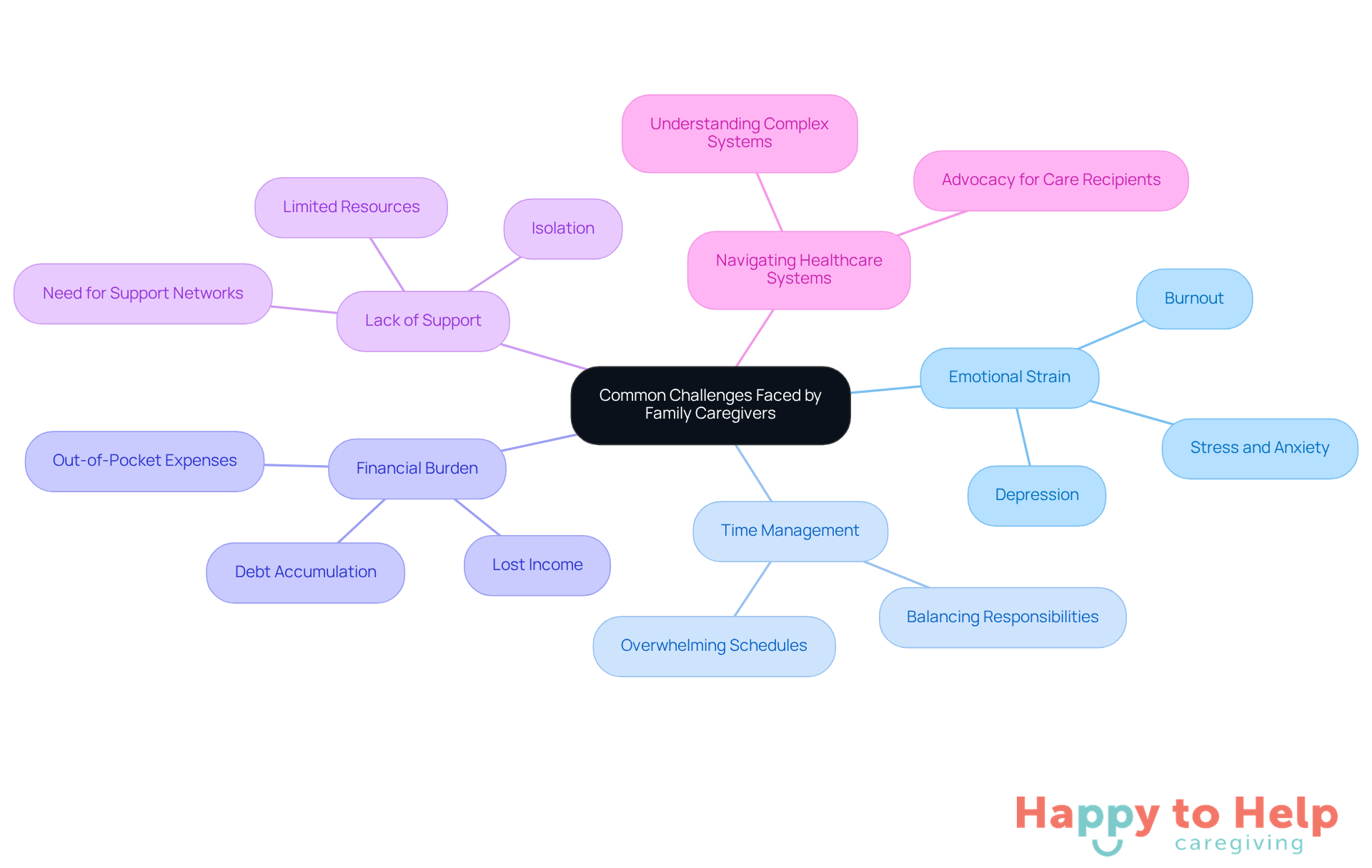
Family supporters often face a variety of challenges that can significantly impact their ability to provide care effectively. Here are some common challenges:
- Emotional Strain: Caregivers frequently experience stress, anxiety, and depression due to the demands of caregiving.
- Time Management: Balancing caregiving responsibilities with personal and professional obligations can feel overwhelming.
- Financial Burden: The costs associated with caregiving, including medical expenses and lost income, can create substantial financial strain.
- Lack of Support: Many caregivers feel isolated and lack access to support networks or resources that could assist them.
- Navigating Healthcare Systems: Understanding and navigating complex healthcare systems can be challenging, especially when it comes to caregiver advocacy for a family member’s needs.
Recognizing these challenges is the first step toward developing effective strategies to address them. Caregivers can benefit from seeking support groups, utilizing time management tools, and exploring financial assistance programs. By taking proactive steps, caregivers can alleviate some of the burdens they face and enhance their capacity to provide care.
Explore Effective Advocacy Strategies and Resources
Effective caregiver advocacy presents a significant challenge. Caregivers often find themselves navigating complex medical systems, which can lead to frustration and inadequate care for their loved ones. This complexity is compounded by the emotional and financial strains that many caregivers face, with 71% reporting financial difficulties.
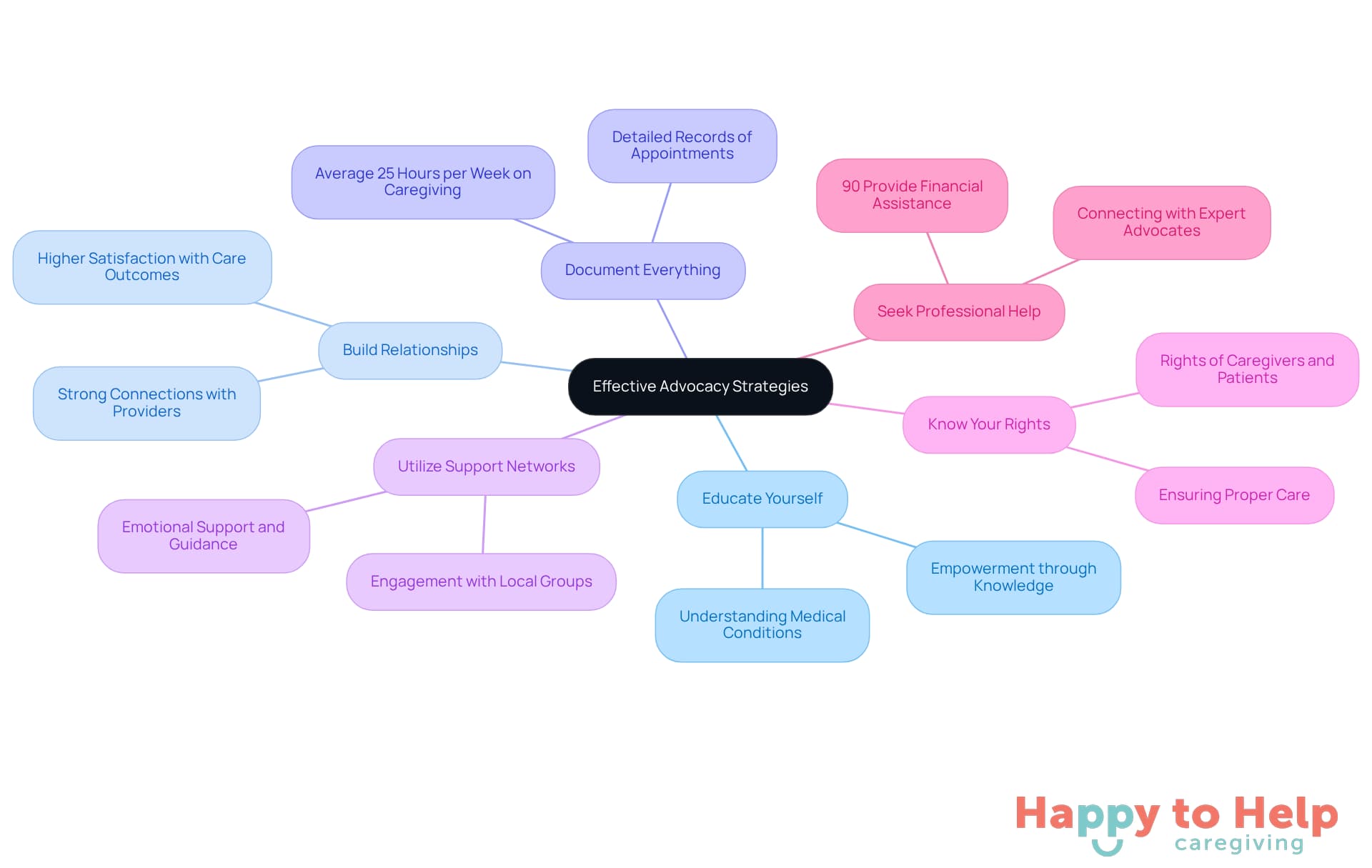
To address these challenges, caregivers can implement several key strategies:
-
Educate Yourself: Understanding the medical conditions and care needs of your loved one is essential. This knowledge empowers you to engage in caregiver advocacy effectively, as informed supporters are better prepared to navigate intricate medical systems.
-
Build Relationships: Establishing strong connections with medical providers facilitates better communication and collaboration in care planning. Statistics show that caregivers who maintain open lines of communication with medical professionals report higher satisfaction with care outcomes.
-
Document Everything: Keeping detailed records of medical appointments, treatments, and communications with healthcare professionals is crucial. Caregiver advocacy is crucial, considering that caregivers spend an average of 25 hours a week on caregiving activities, which makes thorough documentation invaluable in advocating for your loved one’s needs.
-
Utilize Support Networks: Engaging with local assistance support groups or online communities can provide emotional support and practical guidance. These networks are vital, especially when 71% of caregivers report financial difficulties.
-
Know Your Rights: Familiarizing yourself with the rights of caregivers and patients can enhance your advocacy efforts. Understanding these rights ensures that your family member receives the care they deserve.
-
Seek Professional Help: Connecting with expert advocates or organizations focused on caregiver support can be beneficial. Notably, 90% of family supporters provide some financial assistance for their relative’s care, underscoring the importance of professional guidance in managing these challenges.
By employing these strategies, caregivers can enhance their caregiver advocacy efforts, ensuring their loved ones receive the best possible care.
Your Path Forward
Caregiver advocacy is crucial for ensuring that the needs and rights of loved ones are met within the healthcare system. Caregivers face significant challenges, including emotional strain, time management difficulties, and financial pressures. These obstacles can hinder their ability to effectively represent their family members, ultimately impacting the quality of care and emotional well-being of those they support.
Recognizing these challenges is the first step. Caregivers often navigate complex medical landscapes while managing their own burdens. This dual responsibility can lead to feelings of overwhelm and frustration. However, by implementing effective strategies, caregivers can enhance their advocacy efforts.
- Educating themselves about healthcare systems
- Building strong relationships with medical providers
- Utilizing support networks
These are all proactive measures that can lead to better care outcomes.
The significance of caregiver advocacy cannot be overstated. It serves as a powerful tool that fosters dignity and respect for care recipients while alleviating the burdens faced by caregivers. By taking action and embracing these strategies, caregivers can transform their advocacy efforts, ensuring that their loved ones receive the compassionate and tailored care they deserve.
In summary, caregivers must prioritize their advocacy roles. By acknowledging the challenges they face and actively seeking solutions, they can significantly improve the quality of care for their loved ones and enhance their own emotional well-being.
https://iframe.tely.ai/cta/eyJhcnRpY2xlX2lkIjogIjY5MjY0MzYxMTRjODUwNzI1NGI4N2FhOSIsICJjb21wYW55X2lkIjogIjY4ZWU1ZGNhNzMxNzYyNTU3ZjNjOTVjMSIsICJpbmRleCI6IG51bGwsICJ0eXBlIjogImFydGljbGUifQ==Frequently Asked Questions
What is caregiver advocacy?
Caregiver advocacy involves representing and upholding the needs, rights, and preferences of loved ones, ensuring they receive appropriate support and care.
Why is caregiver support important?
Caregiver support is crucial because it helps navigate the complexities of medical services and community resources, preventing care recipients from feeling unheard and undervalued, which can negatively impact their emotional health and well-being.
What are the consequences of inadequate representation by caregivers?
Inadequate representation can lead to poorer health outcomes and diminished emotional health for care recipients, as care plans may not be tailored to their individual needs, resulting in a less satisfactory care experience.
How can successful advocacy influence healthcare policies?
Successful advocacy can lead to policy changes that improve access to services for patients with chronic conditions, ensuring they receive the necessary support.
What steps can caregivers take to enhance their advocacy efforts?
Caregivers can enhance their advocacy by educating themselves about the healthcare system, communicating effectively with healthcare professionals, and collaborating with support providers to create comprehensive care plans.
How does empowering caregivers through advocacy benefit care recipients?
Empowering caregivers through advocacy facilitates better access to care and promotes dignity and respect for care recipients, reinforcing caregivers' vital role in the healthcare continuum.
List of Sources
- Define Caregiver Advocacy and Its Importance
- Caregiving Statistics US 2025: Insights for Family Caregivers (https://zencaregiving.org/caregiving-statistics-us-2025)
- National Alliance for Caregiving: Caregiving in the US 2025 Report (https://johnahartford.org/resources/view/national-alliance-for-caregiving-caregiving-in-the-us-2025-report)
- Advocating for Caregivers During National Family Caregiver Awareness Month - NRG Oncology (https://nrgoncology.org/Home/News/Post/advocating-for-caregivers-during-national-family-caregiver-awareness-month)
- New Report Reveals U.S. Family Caregivers Perform Equivalent of a Staggering $873.5 Billion Worth of Labor, Would Surpass Revenue of Top Global Companies | Otsuka US (https://otsuka-us.com/news/new-report-reveals-us-family-caregivers-perform-equivalent-staggering-8735-billion-worth-labor)
- Caregiving in the US 2025 (https://aarp.org/pri/topics/ltss/family-caregiving/caregiving-in-the-us-2025)
- Identify Common Challenges Faced by Family Caregivers
- New Report Reveals Crisis Point for America’s 63 million Family Caregivers - Massachusetts Healthy Aging Collaborative (https://mahealthyagingcollaborative.org/new-report-reveals-crisis-point-for-americas-63-million-family-caregivers)
- Opinion | America’s Caregivers Are in Crisis (https://nytimes.com/2025/11/24/opinion/caregiving-crisis.html)
- The Caregiving Landscape: Data & Insights on the Caregiver Experience in the U.S. (https://caregiveraction.org/caregiver-statistics)
- Caregiver Statistics: Demographics (https://caregiver.org/resource/caregiver-statistics-demographics)
- Caregiving’s Mental Health Crisis (https://forbes.com/sites/otsuka/2025/10/02/caregivings-mental-health-crisis)
- Explore Effective Advocacy Strategies and Resources
- How to Effectively Advocate for Aging Parents — Care Advocate Network (https://careadvocate.org/news/effectively-advocate-for-aging-parents)
- Advocating for Caregivers During National Family Caregiver Awareness Month - NRG Oncology (https://nrgoncology.org/Home/News/Post/advocating-for-caregivers-during-national-family-caregiver-awareness-month)
- The Caregiving Landscape: Data & Insights on the Caregiver Experience in the U.S. (https://caregiveraction.org/caregiver-statistics)
- Caregiver Statistics: Demographics (https://caregiver.org/resource/caregiver-statistics-demographics)
- Caregiver Action Network (https://caregiveraction.org)