Overview
Caring for others is a profound journey, and it’s essential to recognize the key differences between caregiver and caretaker nurse roles. Caregivers primarily focus on providing personal and emotional support, while nurses deliver skilled medical care and treatment.
Caregivers often face significant emotional challenges. Many have minimal formal education, which can lead to feelings of stress and burnout. It’s important to acknowledge these struggles and offer support. On the other hand, nurses undergo extensive training and work in clinical settings, bringing a wealth of knowledge to patient care.
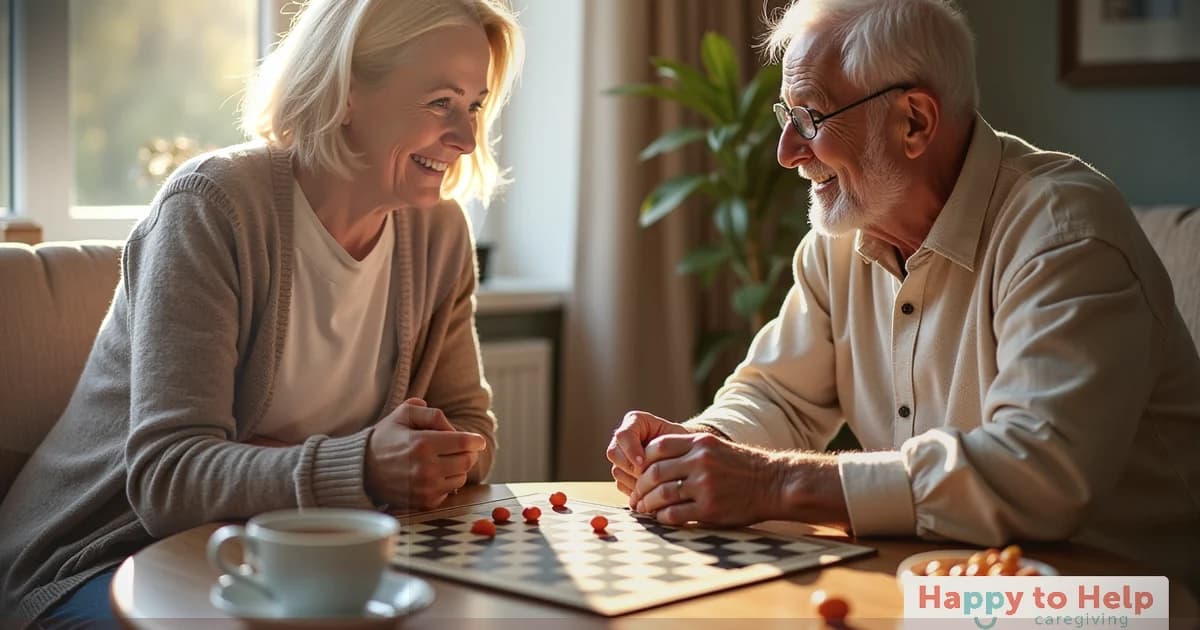
The collaboration between caregivers and nurses is vital for comprehensive patient care. Together, they create a nurturing environment that addresses both the emotional and medical needs of those they serve. By working hand in hand, they can ensure that every patient receives the compassionate care they deserve.
Let’s remember that both roles are crucial in the healing process, and by supporting one another, we can foster a more caring and effective healthcare experience.
Introduction
Understanding the nuances between caregiver and caretaker nurse roles is essential in today’s healthcare landscape. The demand for personalized support is on the rise, and it’s crucial to recognize the unique contributions of each role. Caregivers provide vital emotional and practical assistance, often forming deep bonds with their clients. In contrast, nurses bring a wealth of medical expertise, managing complex health conditions with professionalism and care.
This distinction raises an important question: how can families navigate these roles to ensure their loved ones receive the comprehensive care they deserve? It’s a journey filled with emotional challenges, and acknowledging these feelings is the first step. Families may feel overwhelmed, stressed, or even burnt out as they seek the best support for their loved ones.
Exploring the differences in responsibilities, training, and emotional challenges faced by both caregivers and nurses reveals a complex interplay that can significantly impact patient outcomes and overall well-being. By understanding these roles, families can make informed decisions that lead to better care. Remember, you’re not alone in this journey; there are compassionate professionals ready to support you and your loved ones every step of the way.
Define Caregiver and Nurse Roles
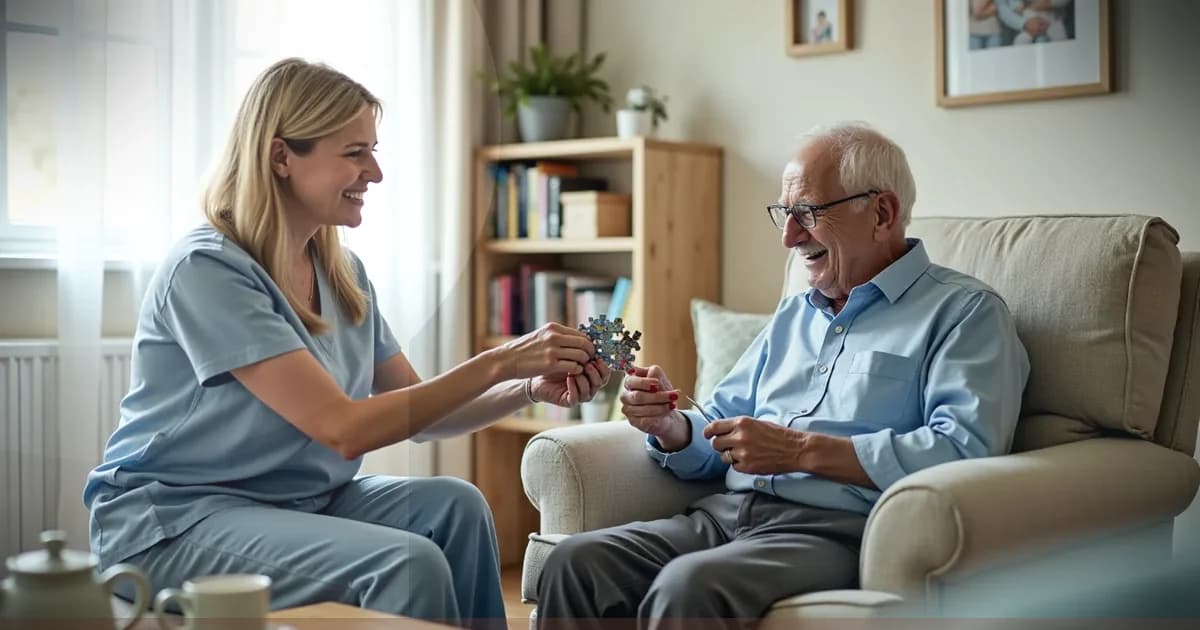
Being a caretaker nurse is more than just a job; it’s a heartfelt commitment to assisting those who need help with daily activities like bathing, dressing, and meal preparation. These trained experts often form personal connections with their clients, providing not just assistance but companionship that can truly enhance quality of life. However, the emotional toll on caregivers can be significant. They often face psychological challenges that can affect their well-being and the quality of support they provide.
In contrast, nurses are licensed healthcare professionals who assess patient health, administer medications, and deliver medical treatments. They work in clinical settings like hospitals and nursing facilities, managing complex medical situations and performing tasks such as wound care and IV therapy. The distinction between these roles is important; caregivers focus on personal and emotional support, while nurses are trained to provide skilled medical care.
For instance, caregivers might assist with mobility and household tasks, whereas nurses monitor health and respond to medical emergencies. Understanding these differences is crucial for families as they navigate the type of assistance their loved ones need.
Moreover, the collaboration between caregivers and nurses is essential for providing comprehensive support. Both roles complement each other, ensuring that patients receive the holistic care they deserve. By recognizing the unique contributions of each, families can feel more confident in the care their loved ones receive, knowing that both caregivers and nurses are dedicated to enhancing their quality of life.

Compare Duties and Responsibilities
Caretaker nurses play a vital role in assisting with daily living activities, including personal hygiene, meal preparation, light housekeeping, and providing companionship. Their primary goal is to enhance the quality of life for clients by offering emotional support and engaging them in enjoyable activities. In contrast, nurses focus on medical duties, including administering medications, monitoring vital signs, and coordinating services with other healthcare professionals. They also inform patients and families about health issues and treatment strategies, reflecting a more clinical approach to support.
Statistics reveal that those who provide assistance dedicate an average of 26 hours each week to delivering support, a significant increase from just 9 hours in 2020. This shift highlights the growing demand for caregiving services, especially as 41% of care recipients are older adults. Real-world examples illustrate the hands-on nature of support roles; for instance, these professionals often assist clients with mobility, help them manage medications, and provide companionship to alleviate feelings of loneliness. Many individuals in the 'sandwich generation' juggle responsibilities for both elderly parents and children, which can increase their mental and physical load.
While support providers focus on the psychological and social aspects of care, caretaker nurses are essential for the clinical management of health conditions. This distinction is crucial for families trying to understand the assistance available for their loved ones. Effective teamwork between caretaker nurses and caregivers can lead to improved patient outcomes and satisfaction. It's also important to note that 41% of those providing care report low overall well-being, which is 32% more than those who do not provide care. This statistic underscores the emotional toll that caring for others can take. The nursing workforce has faced challenges as well, with U.S. nursing institutions rejecting over 90,000 qualified applications in 2021 due to inadequate resources, which may indirectly affect the availability of assistance for providers.

Examine Training and Education Requirements
Caregivers often find themselves in challenging situations, and it’s important to recognize the emotional weight they carry. Typically, they require minimal formal education, often just a high school diploma or equivalent, along with specific training that can vary by state. Many support providers complete brief training courses that cover essential skills like first aid, CPR, and basic caregiving techniques.
In fact, about 20% of caregivers have a high school education or less, according to the Gallup-Healthways survey. This contrasts with 15% of college graduates and 16% of postgraduates. It’s a stark reminder of the diverse backgrounds from which caregivers come, often driven by compassion rather than formal qualifications.
This stands in sharp contrast to the educational requirements for nurses, who must undergo extensive training, including an associate's degree, bachelor's degree, or higher in nursing, followed by passing a licensing exam (NCLEX). This rigorous preparation equips nurses with the medical knowledge and clinical skills necessary to provide comprehensive patient care.
Understanding these differences can help us appreciate the dedication of caregivers, who often work tirelessly to support others, sometimes at the expense of their own well-being. It’s crucial to acknowledge their efforts and provide the emotional and practical support they need to thrive in their roles.

Assess Emotional and Physical Care Challenges
Caregivers often encounter significant psychological challenges, such as burnout, stress, and feelings of isolation, especially when caring for loved ones. The emotional investment in their clients can lead to overwhelming stress if not managed properly. Alarmingly, nearly 47% of family support providers reported experiencing anxiety and depression in the past year, underscoring the mental health toll of caregiving. Moreover, around 63 million Americans provided continuous support for an adult or a child with a complex medical condition or a disability last year, highlighting the extensive nature of caregiving in the U.S.
Physically, those who offer support frequently deal with fatigue from the demands of lifting or assisting clients with mobility, which can lead to chronic pain and other health issues. In fact, over 44 million family supporters contribute the equivalent of $873.5 billion worth of paid labor annually, emphasizing the economic impact of caregiving and the critical need for support systems.
In contrast, nurses work in high-stress environments marked by long hours and the emotional weight of patient care. They, too, face physical challenges, such as the risk of injury from lifting patients and exposure to infectious diseases. Research shows that 40 to 70% of caregivers exhibit symptoms of depression, reflecting the intense pressures both caregivers and nurses endure.
The role of a caretaker nurse necessitates strong coping strategies and support systems to navigate these challenges effectively. Seeking emotional assistance, engaging in self-care practices, and utilizing community resources can significantly lighten the burdens associated with caregiving. As Debra Barrett, Head of Corporate Affairs at Otsuka, emphasizes, "Providing family supporters with the appropriate assistance is essential to enable them to look after their loved ones while preserving their own mental well-being." By prioritizing mental health and well-being, caretaker nurses can bolster their resilience and enhance the quality of care they provide.

Conclusion
Understanding the distinct roles of caregivers and caretaker nurses is essential for families navigating the complexities of care. Caregivers primarily focus on providing emotional and personal support, enhancing the quality of life for their clients through companionship and daily assistance. In contrast, caretaker nurses are equipped with extensive medical training, enabling them to manage health conditions and deliver clinical care. This differentiation highlights the importance of recognizing both roles as vital components of comprehensive patient support.
Key arguments throughout the article reveal the unique responsibilities and challenges faced by both caregivers and nurses. Caregivers often experience emotional stress and physical exhaustion due to their demanding roles, while nurses contend with the pressures of clinical environments and the emotional weight of patient care. The collaboration between these two professions is crucial, as it ensures that clients receive holistic support tailored to their needs. Furthermore, the educational requirements underscore the varying levels of training, with nurses undergoing rigorous preparation compared to the more informal training paths for caregivers.
Ultimately, acknowledging the challenges and contributions of both caregivers and nurses fosters a deeper appreciation for the care provided to loved ones. It’s important for families to seek appropriate support systems and resources to help both caregivers and nurses thrive in their roles. By advocating for mental health and well-being, society can enhance the quality of care for individuals in need, ensuring that both caregivers and nurses are recognized for their indispensable roles in the healthcare continuum.
Frequently Asked Questions
What is the role of a caregiver?
A caregiver assists individuals with daily activities such as bathing, dressing, and meal preparation. They often form personal connections with clients, providing companionship and emotional support to enhance quality of life.
What are the primary responsibilities of a nurse?
Nurses are licensed healthcare professionals who assess patient health, administer medications, and deliver medical treatments. They work in clinical settings and manage complex medical situations, including tasks like wound care and IV therapy.
How do the roles of caregivers and nurses differ?
Caregivers focus on personal and emotional support, assisting with mobility and household tasks, while nurses provide skilled medical care and respond to medical emergencies. Understanding these differences helps families determine the type of assistance needed for their loved ones.
Why is collaboration between caregivers and nurses important?
Collaboration between caregivers and nurses is essential for providing comprehensive support, ensuring that patients receive holistic care. Both roles complement each other, enhancing the overall quality of life for patients.
What emotional challenges do caregivers face?
Caregivers often experience significant emotional toll and psychological challenges that can affect their well-being and the quality of support they provide to their clients.