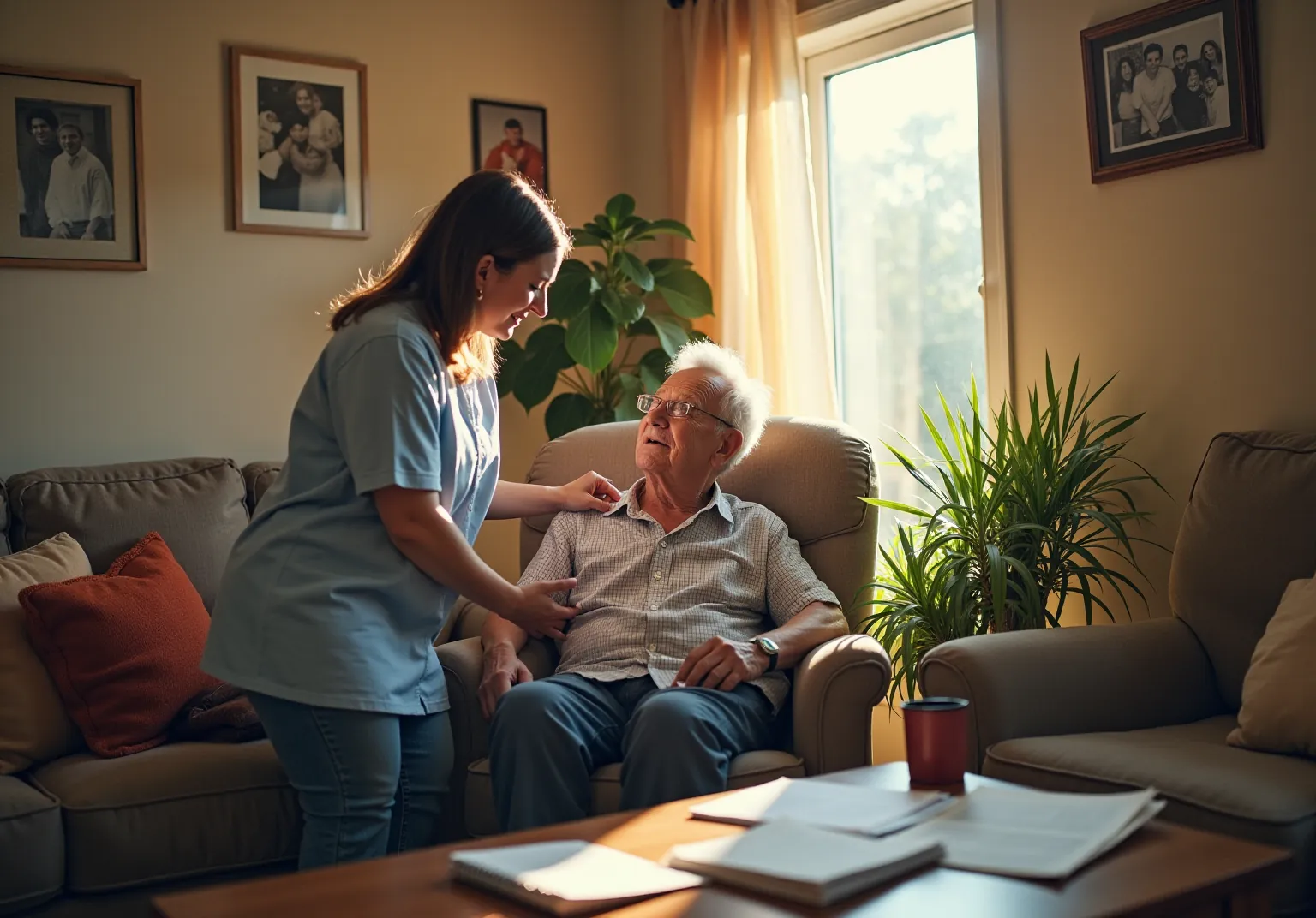
Checklist: Key Considerations for Home Companions for the Elderly
For families in our service areas
For families in our service areas, this guide explains companion care and how non-medical in-home caregiving can support care planning in East Idaho, Treasure Valley & Magic Valley, Northern Wasatch, North Central West Virginia, and Northeast Ohio.
The Importance of Checklist: Key Considerations for Home
The growing need for companionship among the elderly reveals a heartfelt concern in our society: many older adults experience isolation and loneliness, which can deeply affect their health and happiness. Home companions provide a caring solution, offering not just essential daily assistance but also emotional support that nurtures connection and well-being.
But with so many options out there, how can families find the right companion who truly understands and meets the unique needs of their loved ones? This checklist serves as a vital guide, helping you navigate the key considerations in selecting the ideal home companion for seniors, ensuring they receive the care and companionship they truly deserve.
Define Companion Care for Seniors
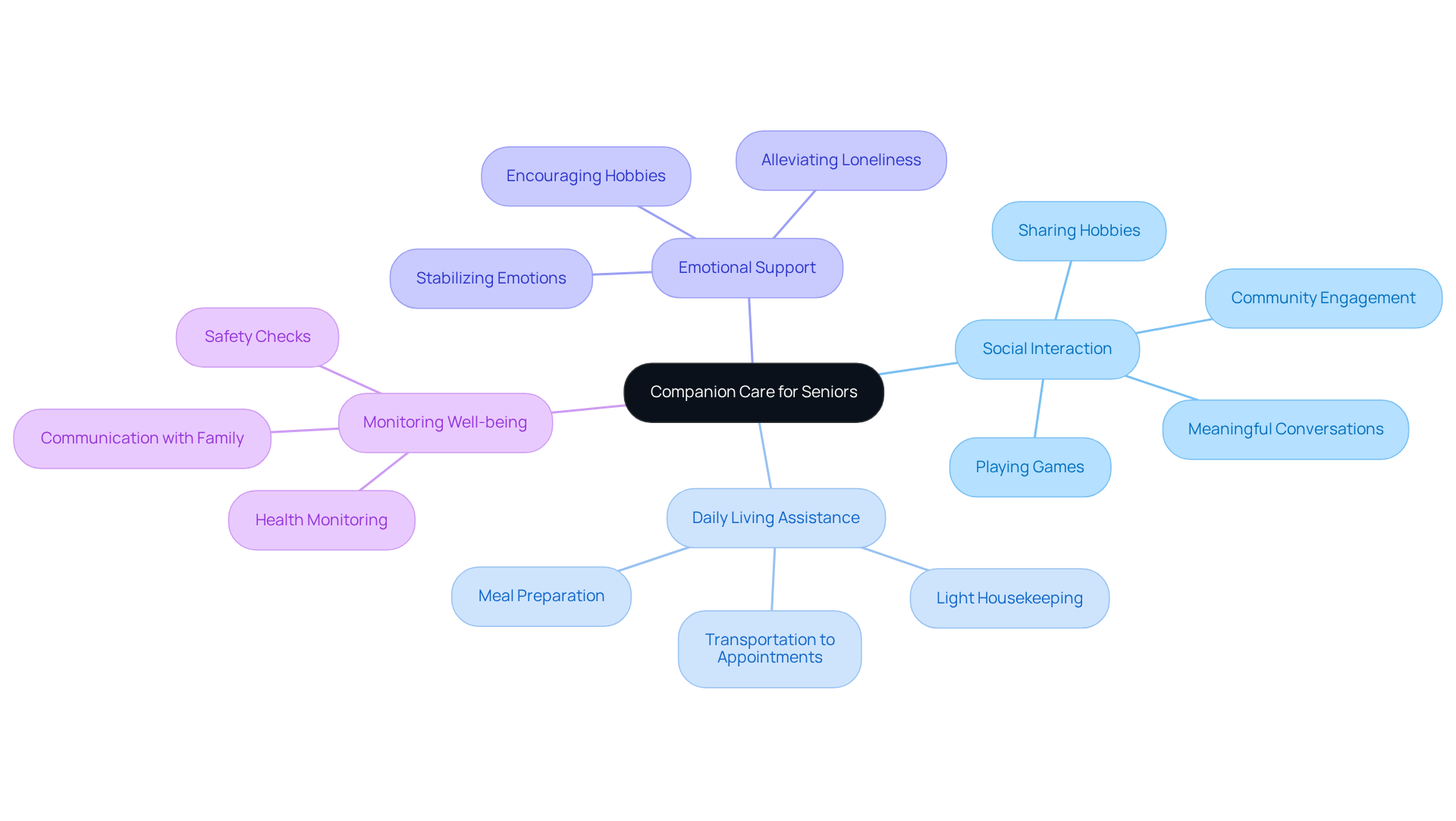
Home companions for the elderly provide vital non-medical assistance that focuses on enhancing the emotional well-being and quality of life for our older adults. For those who are relatively independent yet crave social interaction and light assistance, this service can be a game changer.
-
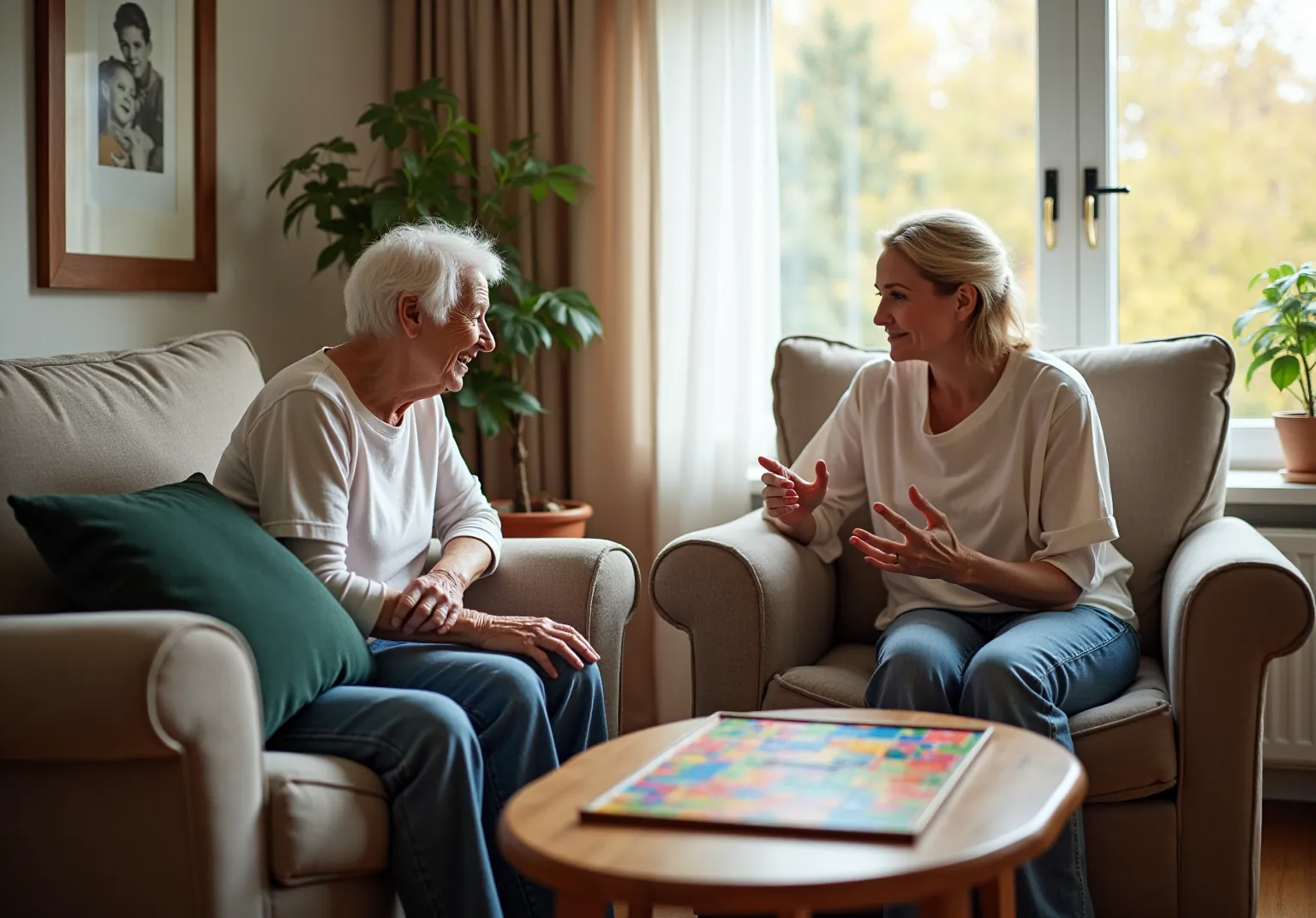
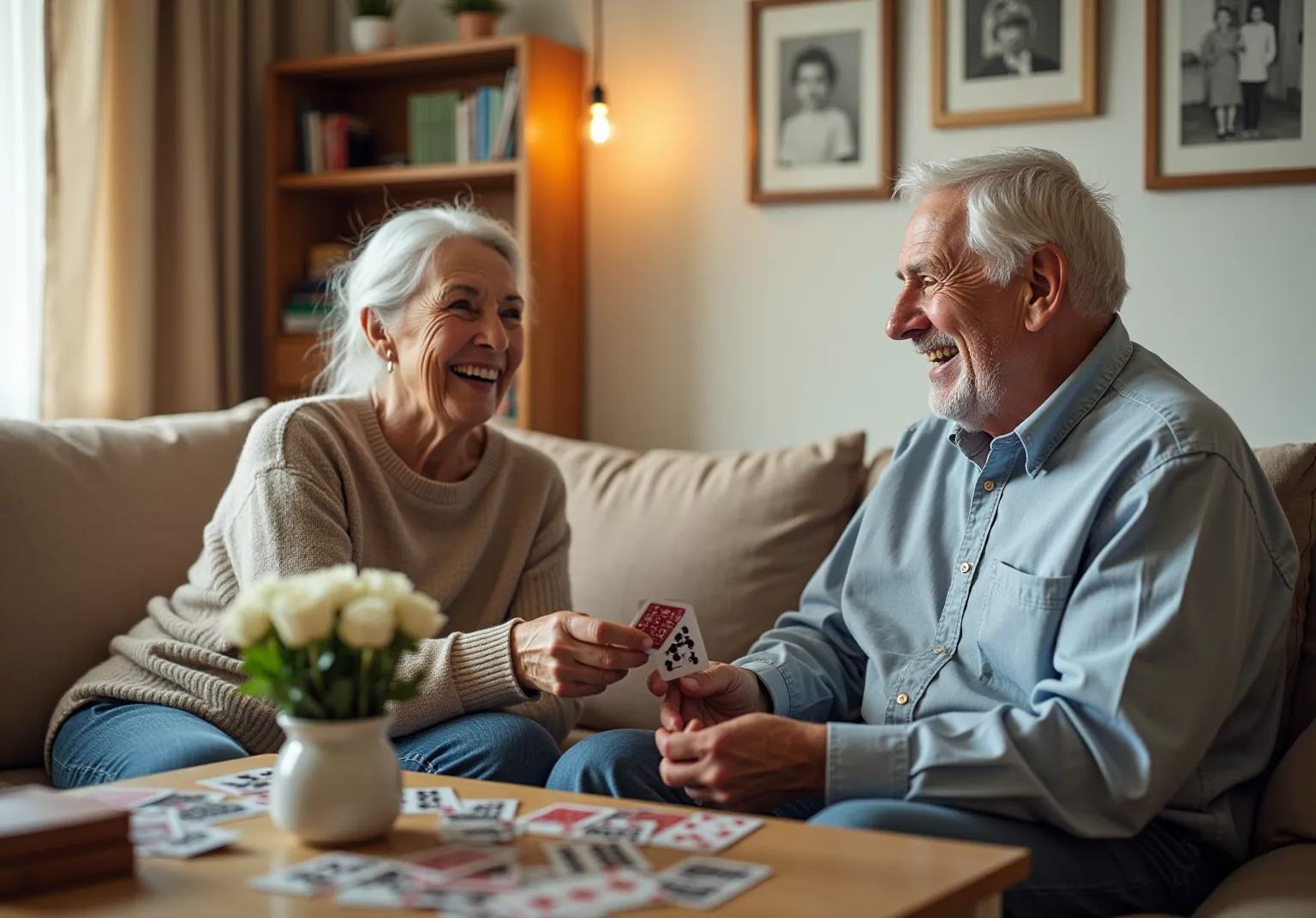
Social Interaction is at the heart of companion care. Engaging in meaningful conversations, playing games, or sharing hobbies fosters a sense of connection and belonging. It’s heartbreaking to know that one in three older adults feels isolated, as highlighted by the University of Michigan’s National Poll on Healthy Aging. This isolation can take a toll on their mental and physical health.
-
Daily Living Assistance is another crucial aspect. Caregivers step in to help with essential tasks like meal preparation, light housekeeping, and transportation to appointments. This support allows older adults to maintain their independence while receiving the help they need.
-
Emotional Support is perhaps the most significant part of companion care. Providing companionship can alleviate feelings of loneliness and isolation. Research indicates that chronic loneliness may shorten life expectancy even more than being overweight or sedentary, and just as much as smoking. This underscores the importance of emotional support in companion care.
-
Monitoring Well-being is also essential. Caregivers keep a watchful eye on the elder's well-being and safety, promptly notifying family members or healthcare professionals of any concerns. This proactive approach aids in the early detection of potential health issues, leading to better overall outcomes.
The importance of supportive assistance cannot be overstated. It not only addresses the emotional needs of elderly individuals but also enhances their overall quality of life. By nurturing social relationships and providing essential assistance, home companions for the elderly play a crucial role in helping elderly individuals thrive in their own homes. With 90% of older adults preferring to age in their own residences, supportive assistance is key to fulfilling this heartfelt wish.
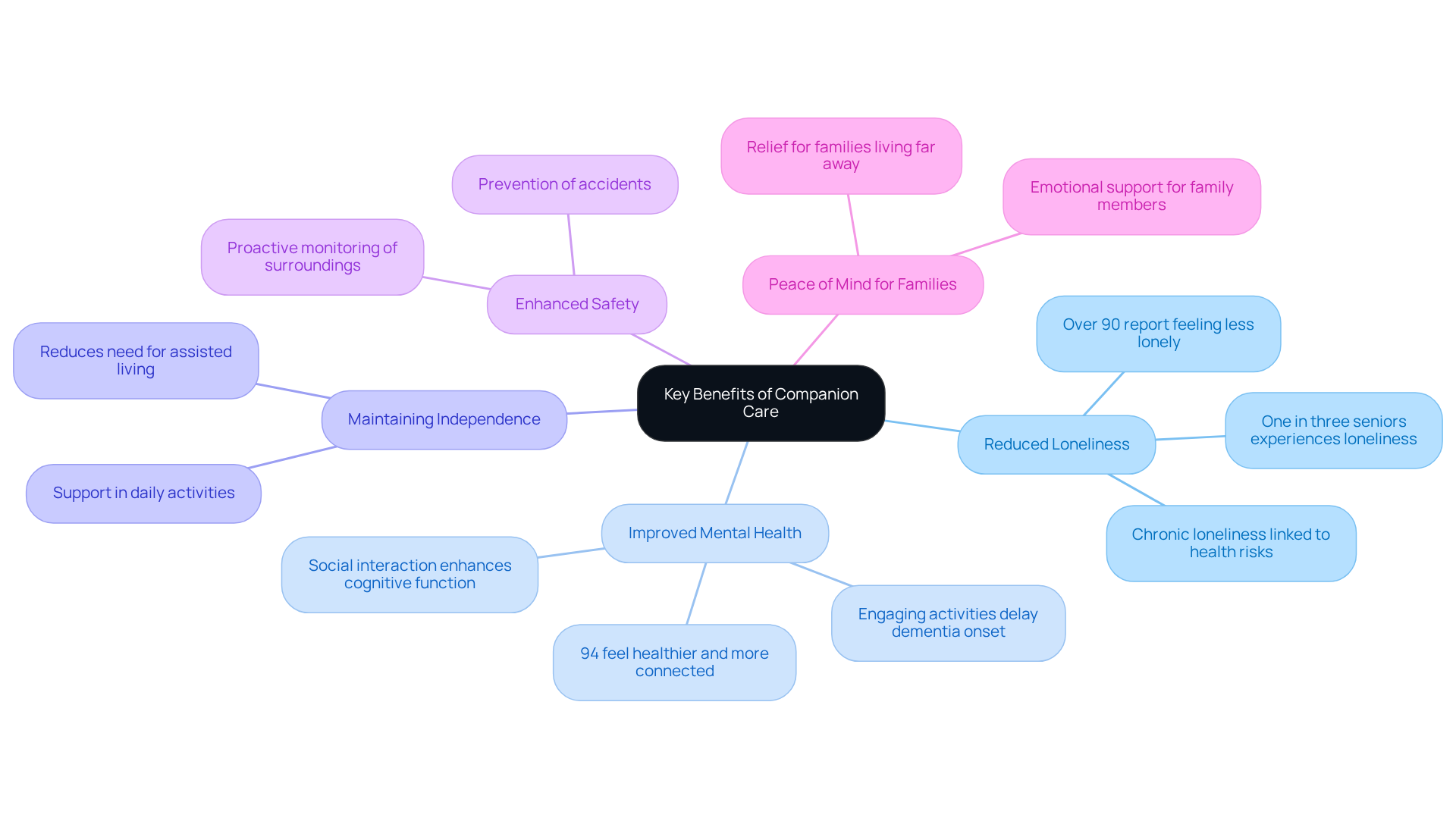
Identify Key Benefits of Companion Care
The advantages of having home companions for the elderly are truly significant and heartwarming. Let’s explore some of these benefits:
-
Reduced Loneliness: Regular companionship can be a powerful antidote to feelings of isolation, which often lead to depression. It’s heartbreaking to know that one in three seniors experiences loneliness, a condition that can increase the risk of cognitive decline and heart disease. The National Poll on Healthy Aging reveals that chronic loneliness may even shorten life expectancy more than being overweight or sedentary.
-
Improved Mental Health: Home companions for the elderly can support improved mental health, as engaging in social activities and conversations greatly enhances cognitive function and emotional well-being. Research shows that social interaction stimulates the brain, helping to preserve cognitive abilities and delay the onset of dementia. Dor Skuler notes that over 90% of users report feeling less lonely, underscoring how companionship can uplift mental health.
-
Maintaining Independence: With the help of home companions for the elderly in daily activities, older adults can maintain their independence while receiving the support they need. This support is essential for those who wish to age in place, as it lowers the chances of needing to transition to assisted living.
-
Enhanced Safety: Home companions for the elderly provide enhanced safety, as they keep a watchful eye on the individual's surroundings, ensuring safety and addressing any hazards promptly. This proactive approach can prevent accidents and provide peace of mind for both older adults and their families.
-
Peace of Mind for Families: Knowing that home companions for the elderly are present brings immense relief to family members concerned about their loved one’s well-being. This emotional support is crucial, especially for families living far away, as it fosters a sense of security and connection.
Assess Individual Needs
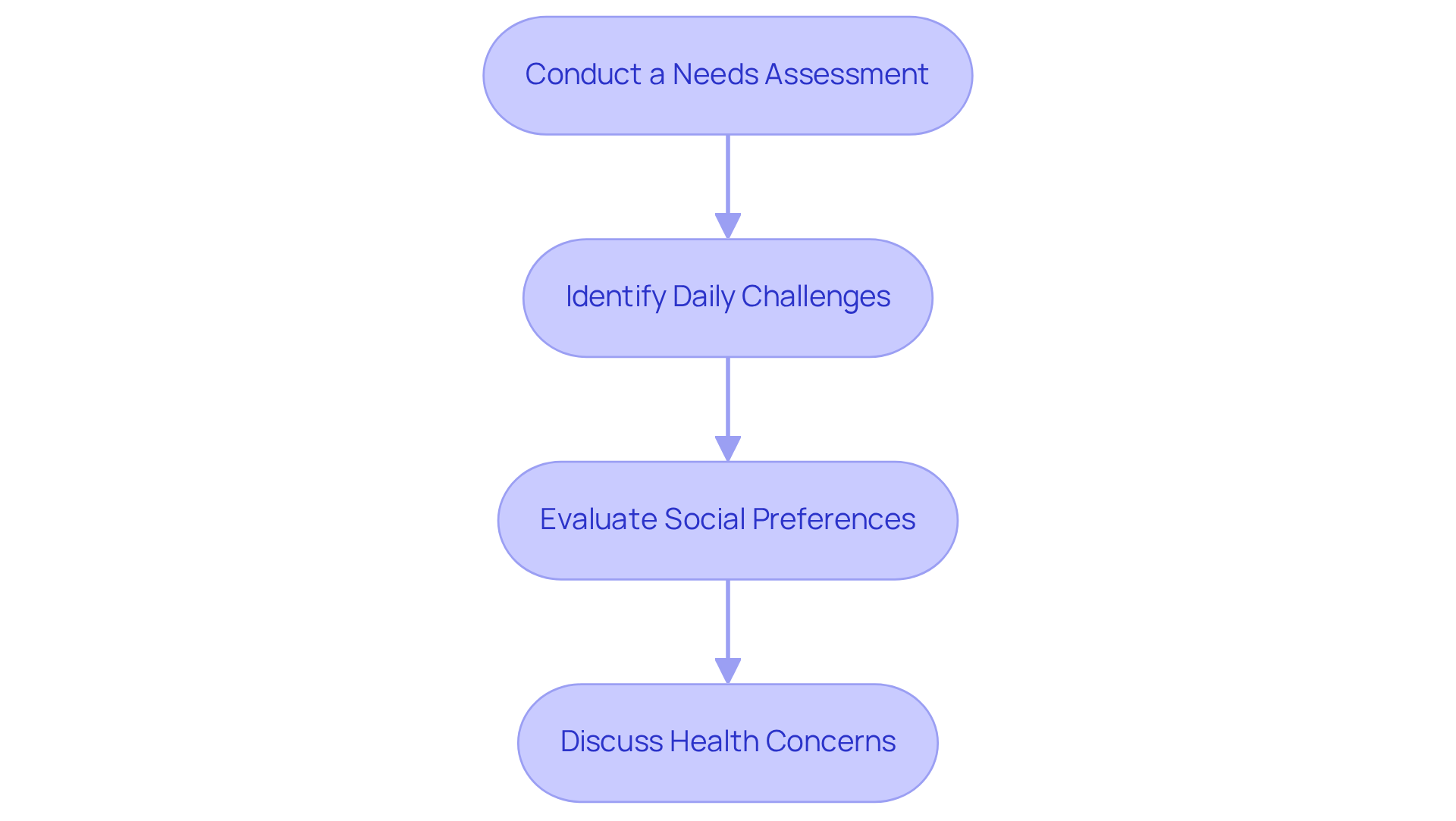
To effectively assess individual needs, let’s consider a few important steps:
-
Conduct a Needs Assessment: Start by having heartfelt conversations with the senior and their family members. This dialogue is crucial to understanding their physical, emotional, and social needs. It’s concerning that fewer than half of older adults feel their medical providers assess their cognitive and mental well-being, highlighting a significant gap in comprehensive support. A nationwide survey reveals that 68% of older adults worry about affording future health and long-term care needs, which can deeply affect their overall well-being.
-
Identify Daily Challenges: Pay attention to the specific tasks that the elderly individual finds difficult, like meal preparation or transportation. Many older adults share their struggles with daily activities, which can lead to feelings of isolation and frustration. Addressing these challenges is vital, as social isolation is a pressing concern for many seniors.
-
Evaluate Social Preferences: Take the time to understand the elder's interests and hobbies. This ensures that caregivers can engage them in meaningful ways. Social activities are incredibly important for older adults, significantly contributing to their overall happiness and well-being. As Suzanne Burke, CEO of the Council on Aging, points out, community needs assessments are essential for aligning programs with the needs of older adults.
-
Discuss Health Concerns: It’s important to consider any medical conditions that may require special attention or monitoring. With a significant shortage of qualified geriatric care providers-only 10% of medical schools require training in geriatric care-it’s crucial that caregivers are aware of these health needs and can address them effectively.
Choose the Right Companion
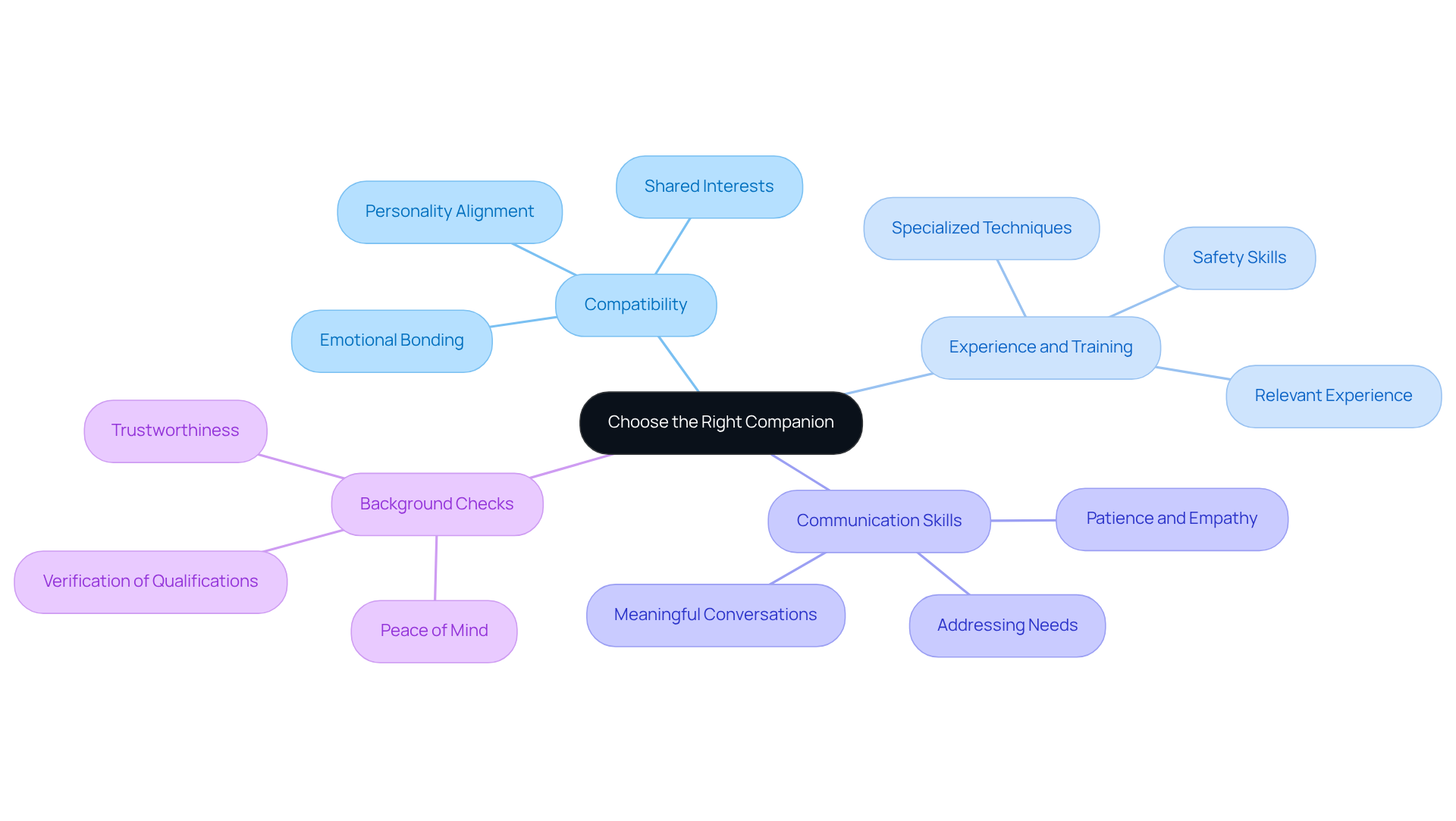
When choosing a companion for an elderly loved one, it’s important to consider a few key factors that can make a world of difference:
-
Compatibility: Finding a caregiver whose personality and interests align with those of the senior is crucial. A well-matched caregiver can greatly enhance the physical comfort and emotional wellness of elderly individuals, serving as valuable home companions for the elderly. This connection fosters a genuine bond that promotes overall well-being, making every interaction meaningful.
-
Experience and Training: Look for a caregiver with relevant experience in elderly assistance, especially in areas like dementia support or mobility aid. Caregivers trained in specialized techniques, such as fall prevention and balance support, serve as essential home companions for the elderly with mobility issues. Their expertise helps tackle the unique challenges older adults face, ensuring safer and more effective care.
-
Communication Skills: Choose a caregiver who shows patience and empathy. Effective communication is key to understanding and addressing the needs of home companions for the elderly. Caregivers should engage in meaningful conversations, which can ease feelings of loneliness and boost emotional health. This connection is essential for creating a positive caregiving experience with home companions for the elderly.
-
Background Checks: It’s essential to conduct thorough background checks to verify the caregiver's qualifications and reliability. Families deserve peace of mind knowing that the individuals providing support are trustworthy. Confirming qualifications and certifications is a crucial step in ensuring caregiver reliability.
By prioritizing these considerations, families can make informed decisions that lead to lasting satisfaction and peace of mind in the caregiving journey.
Establish a Care Plan
Creating an effective care plan is essential for ensuring your loved one receives the support they need. Here’s how to approach it with care:
-
Define Goals: Start by thinking about what you want to achieve through companion care. Whether it’s fostering better social interactions or getting help with daily tasks, having clear goals can guide your efforts.
-
Outline Responsibilities: It’s important to specify the tasks the aide will handle. This includes any special requests from your elder, ensuring they feel heard and respected in the process.
-
Establish a Timetable: Consider how often the companion will visit and for how long. Aligning this schedule with your elder's routine can make a significant difference in their comfort and well-being.
-
Review and Adjust: Regularly check in on how the care plan is working. Gather feedback from your loved one and their family, and be open to making adjustments as needed. This ongoing dialogue fosters trust and ensures that the care remains effective and compassionate.

Moving Forward with Checklist: Key Considerations for Home
Home companions for the elderly truly make a difference in enhancing the quality of life for older adults. They address emotional, physical, and social needs, providing vital support that promotes independence and helps combat feelings of isolation. These caregivers play an instrumental role in fostering a sense of well-being and belonging among seniors.
As we reflect on the key considerations for selecting the right companion, it’s essential to think about:
- Compatibility
- Experience
- Communication skills
- Thorough background checks
The benefits of companion care are significant:
- Reduced loneliness
- Improved mental health
- Enhanced safety for elderly individuals
Creating a personalized care plan ensures that each senior's unique needs are met effectively.
Given these insights, families should prioritize finding home companions who offer not just assistance but also companionship. By investing time and thought into this decision, families can greatly improve the lives of their elderly loved ones, allowing them to thrive in the comfort of their own homes. Embracing the value of companion care can lead to a more fulfilling and enriched life for seniors, ultimately highlighting the importance of emotional and social support during their golden years.
https://iframe.tely.ai/cta/eyJhcnRpY2xlX2lkIjogIjY5MWU1YWJlMDAzNjA5ODRkZWZlZjlhNiIsICJjb21wYW55X2lkIjogIjY4ZWU1ZGNhNzMxNzYyNTU3ZjNjOTVjMSIsICJpbmRleCI6IG51bGwsICJ0eXBlIjogImFydGljbGUifQ==Frequently Asked Questions
What is companion care for seniors?
Companion care for seniors provides vital non-medical assistance focused on enhancing the emotional well-being and quality of life for older adults, particularly those who are relatively independent but desire social interaction and light assistance.
How does companion care address social interaction?
Companion care emphasizes meaningful conversations, playing games, and sharing hobbies to foster a sense of connection and belonging, which is crucial as many older adults feel isolated.
What types of daily living assistance do caregivers provide?
Caregivers assist with essential tasks such as meal preparation, light housekeeping, and transportation to appointments, allowing older adults to maintain their independence while receiving necessary support.
Why is emotional support important in companion care?
Emotional support alleviates feelings of loneliness and isolation, which can significantly impact mental and physical health. Chronic loneliness can shorten life expectancy, making this aspect of companion care vital.
How do caregivers monitor the well-being of seniors?
Caregivers keep a watchful eye on the elder's well-being and safety, promptly notifying family members or healthcare professionals of any concerns, which aids in the early detection of potential health issues.
What are the key benefits of companion care?
Key benefits include reduced loneliness, improved mental health, maintaining independence, enhanced safety, and peace of mind for families.
How does companion care reduce loneliness?
Regular companionship can counter feelings of isolation, which can lead to depression and increase the risk of cognitive decline and heart disease.
In what ways does companion care improve mental health?
Engaging in social activities and conversations with home companions enhances cognitive function and emotional well-being, helping to preserve cognitive abilities and delay the onset of dementia.
How does companion care help seniors maintain their independence?
By providing assistance with daily activities, home companions enable older adults to receive support while still living independently, reducing the likelihood of needing to transition to assisted living.
What safety benefits do home companions provide?
Home companions ensure safety by monitoring the individual's surroundings and addressing hazards promptly, which can prevent accidents and provide peace of mind.
How does companion care provide peace of mind for families?
Knowing that home companions are present offers relief to family members concerned about their loved one’s well-being, fostering a sense of security and connection, especially for those living far away.