
Why Comparing In-Home Care for Dementia Matters
Caring for a loved one with dementia presents significant emotional and physical challenges. Families often find themselves overwhelmed, especially when trying to navigate the complex landscape of in-home care services. This situation can lead to confusion and stress, making it difficult to determine the best options for their loved ones.
Understanding the various in-home care services available is crucial. It empowers families to make informed decisions that can enhance the quality of life for both patients and caregivers. However, with so many choices, how can one identify which type of care best meets the unique needs of their loved one?
This article explores the different in-home care services for dementia patients, highlighting their benefits and providing families with practical solutions to find the most suitable support in their local area.
Types of In-Home Care Services for Dementia Patients
In-home care for dementia patients near me poses a significant challenge for caregivers, who often experience emotional and physical strain. The stress of caring for someone with cognitive decline can lead to burnout, impacting both the caregiver's well-being and the quality of care provided.
-
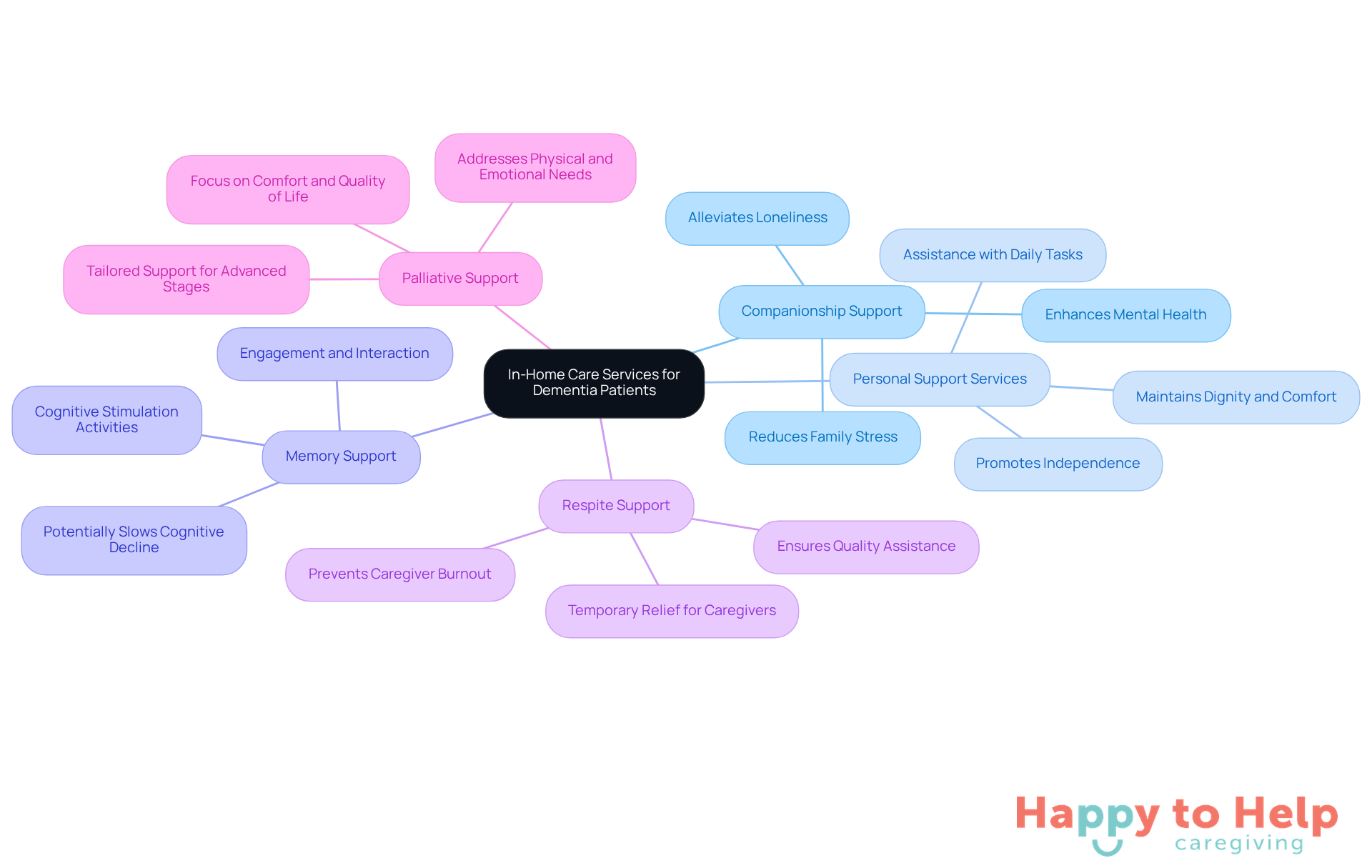
Companionship Support is vital in alleviating feelings of loneliness among individuals with cognitive impairment. Research shows that companionship can enhance mental health outcomes, fostering a sense of belonging and security. Caregivers frequently note that this support not only benefits the individual but also reduces family stress, highlighting the importance of in-home care for dementia patients near me.
-
Personal Support Services offer customized help with daily tasks like bathing, dressing, and grooming, ensuring individuals maintain their dignity and comfort. In-home care for dementia patients near me is essential, as many individuals with dementia require assistance with activities of daily living (ADLs) to promote their independence.
-
Memory Support involves cognitive stimulation activities designed to engage patients and potentially slow cognitive decline. Programs focused on memory support can significantly improve the quality of life for individuals, providing meaningful interactions and activities.
-
Respite Support provides temporary relief for primary caregivers, allowing family members to take necessary breaks while ensuring their loved ones receive quality assistance. This service is crucial in preventing caregiver burnout, which can lead to withdrawal and fatigue. Statistics indicate that caring for someone with cognitive decline can result in considerable stress for caregivers, making respite support an essential resource.
-
Palliative Support focuses on comfort and quality of life, addressing the physical and emotional needs of individuals in advanced stages of dementia. This comprehensive approach ensures that individuals receive empathetic support tailored to their unique situations.
Each of these services, such as in-home care for dementia patients near me, can be customized to meet the specific needs of the individual, fostering well-being and autonomy. Caregiver testimonials emphasize the transformative impact of companionship assistance, with many observing that it not only aids the individual but also alleviates family stress, underscoring the importance of personalized support in memory care.
Benefits of In-Home Care for Dementia Patients
Caring for dementia patients presents unique challenges, particularly when they are placed in unfamiliar environments. This can lead to increased confusion and anxiety, making it difficult for both patients and caregivers to manage daily activities effectively.
In-home care for dementia patients near me provides a viable solution to these challenges. Here are some key benefits:
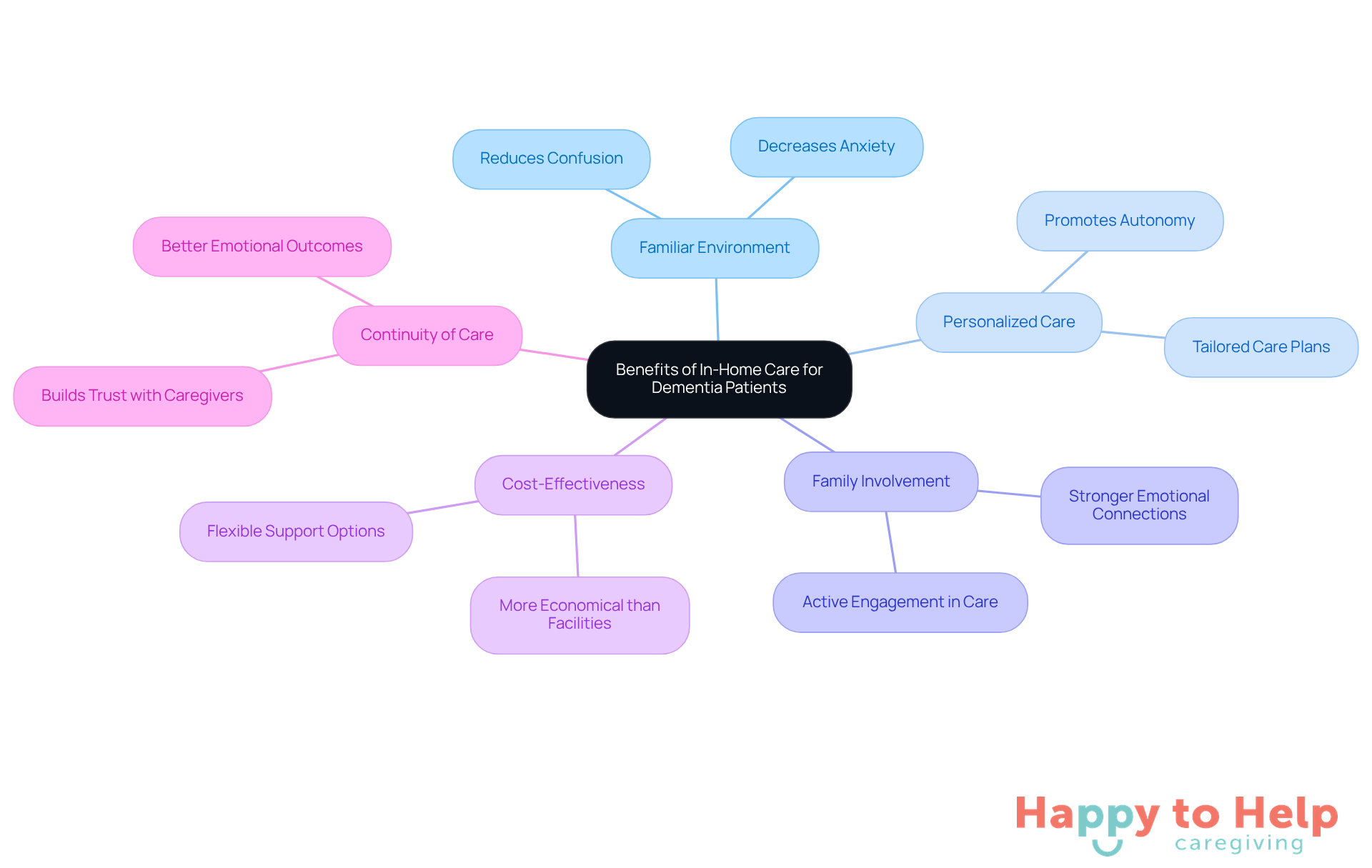
- Familiar Environment: Patients stay in their own homes, which can significantly reduce confusion and anxiety associated with new settings.
- Personalized Care: Care plans can be tailored to meet the specific needs and preferences of the patient, promoting a sense of autonomy and comfort.
- Family Involvement: In-home assistance allows family members to engage more actively in their loved one's care, fostering stronger emotional connections and support.
- Cost-Effectiveness: Often, in-home care can be more economical than residential facilities, especially for families needing flexible support options.
- Continuity of Care: Consistent caregivers build trust and rapport with patients, leading to better emotional and psychological outcomes.
By opting for in-home care for dementia patients near me, families can effectively address the emotional and practical needs of these patients, ensuring they receive the best possible support in a familiar and comforting environment.
Key Considerations for Choosing In-Home Care Providers
Choosing the right in-home care for dementia patients near me can be a daunting task. Caregivers often face the challenge of ensuring that their loved ones receive the best possible support tailored to their unique needs. This decision is crucial, as the quality of in-home care for dementia patients near me can significantly impact the well-being of both the patient and their family.
To navigate this process effectively, consider the following actionable solutions:
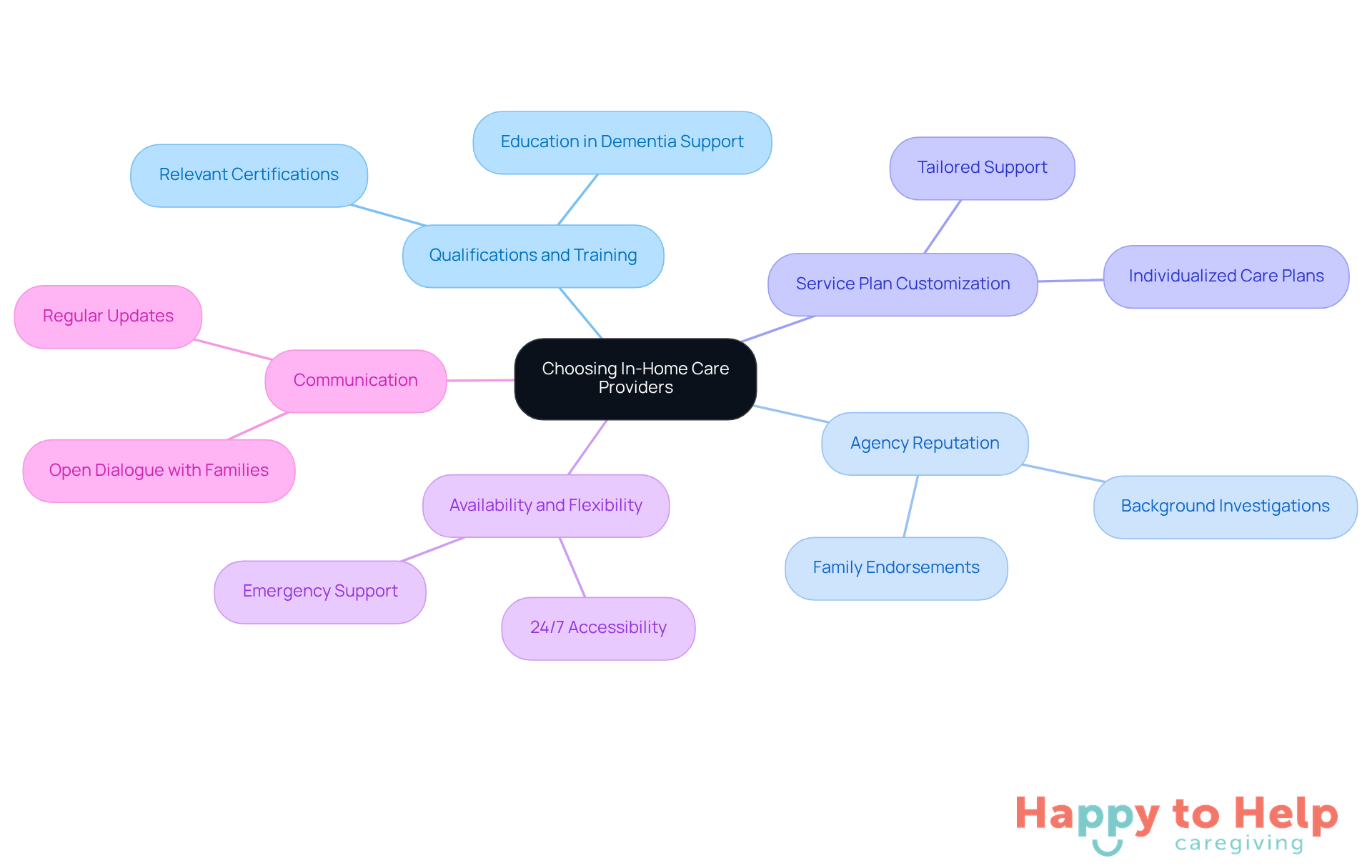
- Qualifications and Training: Ensure caregivers are educated in dementia support and hold relevant certifications. This knowledge is vital for providing appropriate care.
- Agency Reputation: Investigate the agency's background, evaluations, and endorsements from other families. This will help you assess reliability and quality of service.
- Service Plan Customization: Seek out providers that offer in-home care for dementia patients near me with individualized service plans designed for the specific needs of the patient. Tailored care can make a significant difference in the patient's comfort and progress.
- Availability and Flexibility: Evaluate the agency's capability to offer support on a flexible timetable, including 24/7 accessibility if required. This flexibility can be crucial in emergencies.
- Communication: Select a provider that keeps open channels of dialogue with family members. Regular updates and involvement in treatment decisions foster a collaborative care environment.
Comparative Analysis of In-Home Care Options
When assessing in-home care for dementia patients near me, caregivers face a significant challenge: understanding the unique characteristics and costs associated with each service category. This decision can greatly impact the quality of life for both the individual and their family.
The implications of this challenge are profound. Caregivers often feel overwhelmed by the variety of options available, which can lead to confusion and stress. Selecting the right type of in-home care for dementia patients near me is crucial, as it directly impacts emotional well-being and daily functioning. To aid in this decision-making process, a comparison of key service features can provide clarity.
-
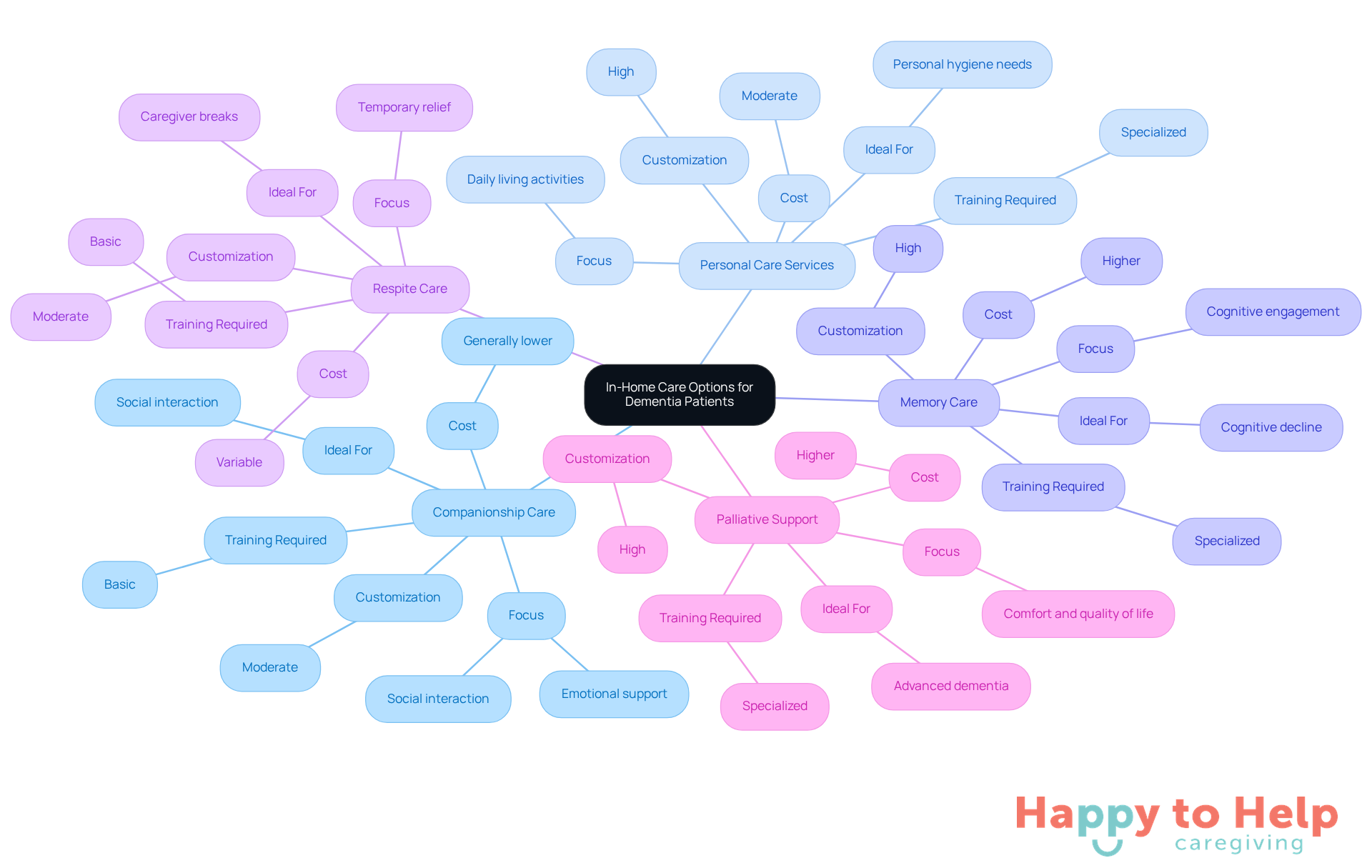
Feature:
- Companionship Care
- Personal Care Services
- Memory Care
- Respite Care
- Palliative Support
-
Focus:
- Emotional support
- Daily living activities
- Cognitive engagement
- Temporary relief
- Comfort and quality of life
-
Customization:
- Moderate
- High
- High
- Moderate
- High
-
Cost:
- Generally lower
- Moderate
- Higher
- Variable
- Higher
-
Training Required:
- Basic
- Specialized
- Specialized
- Basic
- Specialized
-
Ideal For:
- Social interaction
- Personal hygiene needs
- Cognitive decline
- Caregiver breaks
- Advanced dementia
Companionship care primarily focuses on providing emotional support and social interaction, making it ideal for individuals who may feel isolated. This service usually requires basic training for providers and is often more economical than personal assistance services, which focus on daily living tasks and require specialized training. Memory care facilities offer a higher level of cognitive engagement but come with increased costs.
Case studies show that in-home care for dementia patients near me can significantly enhance their quality of life by reducing feelings of loneliness and promoting involvement in enjoyable activities. Support providers often emphasize that the emotional bond developed through companionship is invaluable, fostering trust and rapport essential for effective assistance.
On the other hand, personal assistance services concentrate on aiding with personal hygiene and daily activities, making them vital for those who need more hands-on support. Families should carefully consider these differences when selecting the most suitable in-home care for dementia patients near me, ensuring that the chosen service aligns with their specific needs and preferences.
Making the Right Choice
In-home care for dementia patients presents a significant challenge for families grappling with the complexities of caregiving. Caregivers often face emotional and physical burdens that can be overwhelming. The need for a solution that not only supports the patient but also alleviates caregiver stress is crucial.
By opting for in-home care, families can provide their loved ones with the comfort of familiar surroundings while ensuring personalized support tailored to unique needs. This approach enhances the quality of life for individuals with dementia and helps caregivers manage their responsibilities more effectively.
The article highlights various types of in-home care services, including:
- Companionship support
- Personal assistance
- Memory care
- Respite support
- Palliative care
Each service addresses specific challenges faced by dementia patients and their families. Understanding the benefits of these services and selecting the right provider empowers caregivers to make informed decisions that enhance both patient well-being and caregiver sustainability.
Ultimately, the importance of in-home care for dementia patients cannot be overstated. It allows families to maintain meaningful connections while ensuring their loved ones receive the best possible care. As the demand for local in-home dementia care services grows, families must explore their options and prioritize quality, compassionate support. By doing so, they can create an environment that nurtures dignity, comfort, and emotional security for those affected by dementia.
https://iframe.tely.ai/cta/eyJhcnRpY2xlX2lkIjogIjY5MjY0MzVmMDBmNGUzMjBmNzc3ZTdjNiIsICJjb21wYW55X2lkIjogIjY4ZWU1ZGNhNzMxNzYyNTU3ZjNjOTVjMSIsICJpbmRleCI6IG51bGwsICJ0eXBlIjogImFydGljbGUifQ==Frequently Asked Questions
What are the main types of in-home care services for dementia patients?
The main types of in-home care services for dementia patients include Companionship Support, Personal Support Services, Memory Support, Respite Support, and Palliative Support.
How does Companionship Support benefit dementia patients?
Companionship Support helps alleviate feelings of loneliness among individuals with cognitive impairment, enhancing mental health outcomes and fostering a sense of belonging and security.
What do Personal Support Services provide for dementia patients?
Personal Support Services offer customized assistance with daily tasks such as bathing, dressing, and grooming, helping individuals maintain their dignity and comfort.
What is the purpose of Memory Support in dementia care?
Memory Support involves cognitive stimulation activities designed to engage patients and potentially slow cognitive decline, improving the quality of life through meaningful interactions.
How does Respite Support assist caregivers of dementia patients?
Respite Support provides temporary relief for primary caregivers, allowing them to take breaks while ensuring their loved ones receive quality assistance, which helps prevent caregiver burnout.
What does Palliative Support focus on for dementia patients?
Palliative Support focuses on comfort and quality of life, addressing the physical and emotional needs of individuals in advanced stages of dementia with empathetic support tailored to their unique situations.
Why is in-home care important for dementia patients?
In-home care is essential for dementia patients as it provides personalized support that fosters well-being and autonomy, while also reducing stress for family members and caregivers.
List of Sources
- Types of In-Home Care Services for Dementia Patients
- Medicare covers at-home nursing care for dementia patients for the first time this year (https://tampabay.com/news/health/2025/08/14/medicare-covers-at-home-nursing-care-dementia-patients-first-time-this-year)
- In-Home Care | Alzheimer's Association (https://alz.org/help-support/caregiving/care-options/in-home-care)
- New Medicare program offers much-needed relief for caregivers of dementia patients (https://finance.yahoo.com/news/new-medicare-program-offers-much-needed-relief-for-caregivers-of-dementia-patients-203450020.html)
- ADI - Dementia statistics (https://alzint.org/about/dementia-facts-figures/dementia-statistics)
- In-Home Care Options for Seniors With Dementia (https://villagecaregiving.com/blog/care-options-for-dementia)
- Benefits of In-Home Care for Dementia Patients
- Medicare covers at-home nursing care for dementia patients for the first time this year (https://tampabay.com/news/health/2025/08/14/medicare-covers-at-home-nursing-care-dementia-patients-first-time-this-year)
- Caregivers of a Person with Alzheimer's Disease or a Related Dementia (https://cdc.gov/caregiving/about)
- Why More Families Are Choosing In-Home Dementia Care in 2025 (https://ambassadorhomeagency.com/choosing-in-home-dementia-care-in-2025)
- New Medicare program offers much-needed relief for caregivers of dementia patients (https://finance.yahoo.com/news/new-medicare-program-offers-much-needed-relief-for-caregivers-of-dementia-patients-203450020.html)
- Medicare offering dementia caregiver benefit: It's a start, advocates say (https://naplesnews.com/story/news/local/2025/08/20/medicare-now-offers-2500-dementia-caregiving-stipend-how-it-helps/84334583007)
- Key Considerations for Choosing In-Home Care Providers
- The Importance Of 24-Hour Home Care For Dementia Patients | In-Home Senior Care In Palm Desert, CA (https://alwaysbestcare.com/palm-desert/resources/the-importance-of-24-hourhome-care-for-dementia-patients)
- Home Care Statistics In 2025: Key Insights In Home Care (https://sagapixel.com/marketing/home-care-statistics)
- Dementia training program significantly improves home care worker skills, study finds (https://mcknights.com/news/dementia-training-program-significantly-improves-home-care-worker-skills-study-finds)
- Caregiver Statistics: Demographics (https://caregiver.org/resource/caregiver-statistics-demographics)
- Comparative Analysis of In-Home Care Options
- New study compares dementia care approaches and the impact on caregivers (https://news-medical.net/news/20250129/New-study-compares-dementia-care-approaches-and-the-impact-on-caregivers.aspx)
- Dementia care costs lowest for patients living in home care settings, study finds (https://mcknightshomecare.com/news/dementia-care-costs-lowest-for-patients-living-in-home-care-settings-study-finds)
- Dementia’s staggering financial cost is revealed in new report: ‘Bankrupting families’ (https://nypost.com/2023/10/23/health/dementias-staggering-financial-cost-revealed-in-new-report)
- Cost Of Dementia Care (Statistics, Affordability & Medicare) (https://optoceutics.com/cost-of-dementia-memory-residential-home-care?srsltid=AfmBOor9gGAQr-wDDzCa0xRMSWbO029l39oxkTvlWbiNKpFXpjBe90pc)