
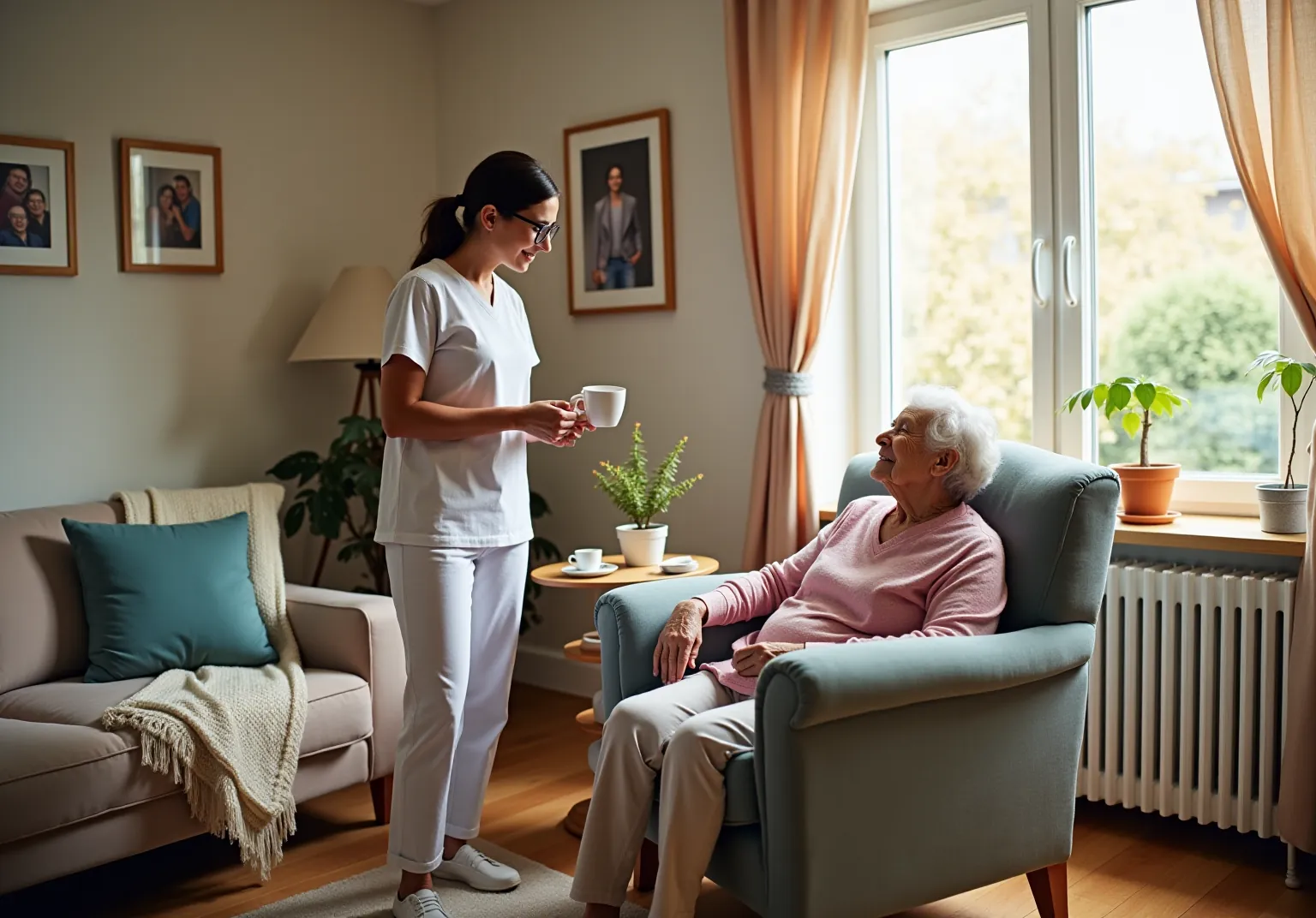
For families in our service areas
For families in our service areas, this guide explains in-home care and how non-medical in-home caregiving can support care planning in East Idaho, Treasure Valley & Magic Valley, Northern Wasatch, North Central West Virginia, and Northeast Ohio.
What You Need to Know About Comparing the Best In-Home Care vs.
As seniors age, the quest for maintaining independence while ensuring safety and support becomes increasingly complex. Families face a significant dilemma: should they choose in-home care, which offers personalized assistance in familiar surroundings, or assisted living, which provides a structured environment with round-the-clock support? This article explores the nuanced differences between these two options, revealing the benefits and potential drawbacks of each.
How can families navigate this critical decision? It’s essential to ensure that their loved ones receive the best possible care while preserving their autonomy.
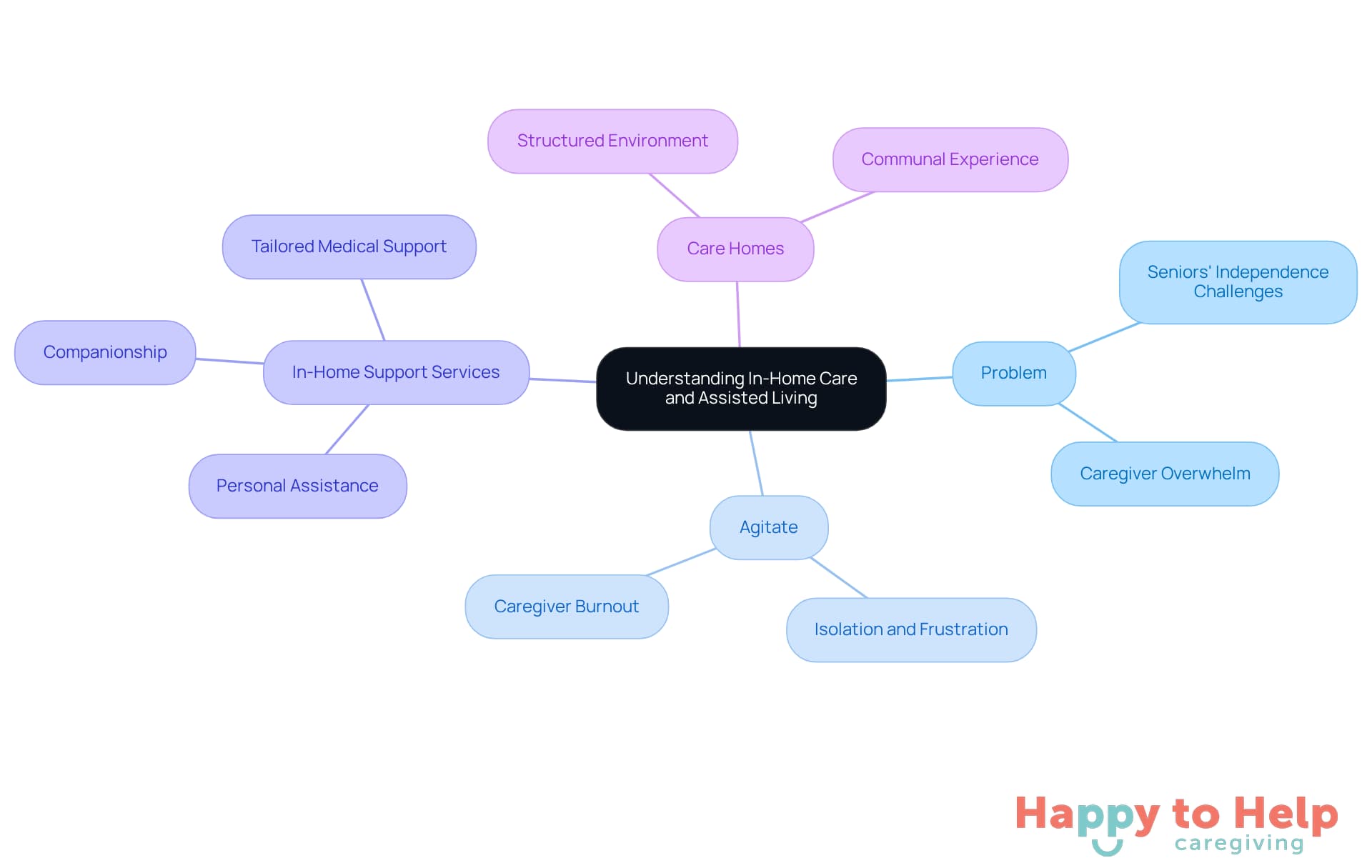
Understanding In-Home Care and Assisted Living
Problem: Many seniors struggle to maintain their independence as they age, often requiring assistance with daily tasks. This can be a significant challenge for caregivers who want to ensure their loved ones receive the support they need without sacrificing their autonomy.
Agitate: The implications of this struggle can be profound. Seniors may feel isolated or frustrated when they cannot perform everyday activities, leading to a decline in their overall quality of life. Caregivers, on the other hand, may feel overwhelmed by the demands of providing constant support, which can lead to burnout and stress.
In-home support services provide the best in-home care, offering a range of assistance right in the comfort of an individual’s residence. This can include:
- Personal assistance
- Companionship
- Tailored medical support
These services allow seniors to preserve their independence while receiving the help they need. In contrast, care homes provide a structured environment where residents receive help with daily activities, meals, and social interactions. While both options aim to enhance the quality of life for seniors, the best in-home care is often more adaptable and personalized compared to care homes, which offer a communal experience with round-the-clock assistance. By understanding these options, caregivers can make informed decisions that best suit their loved ones' needs.
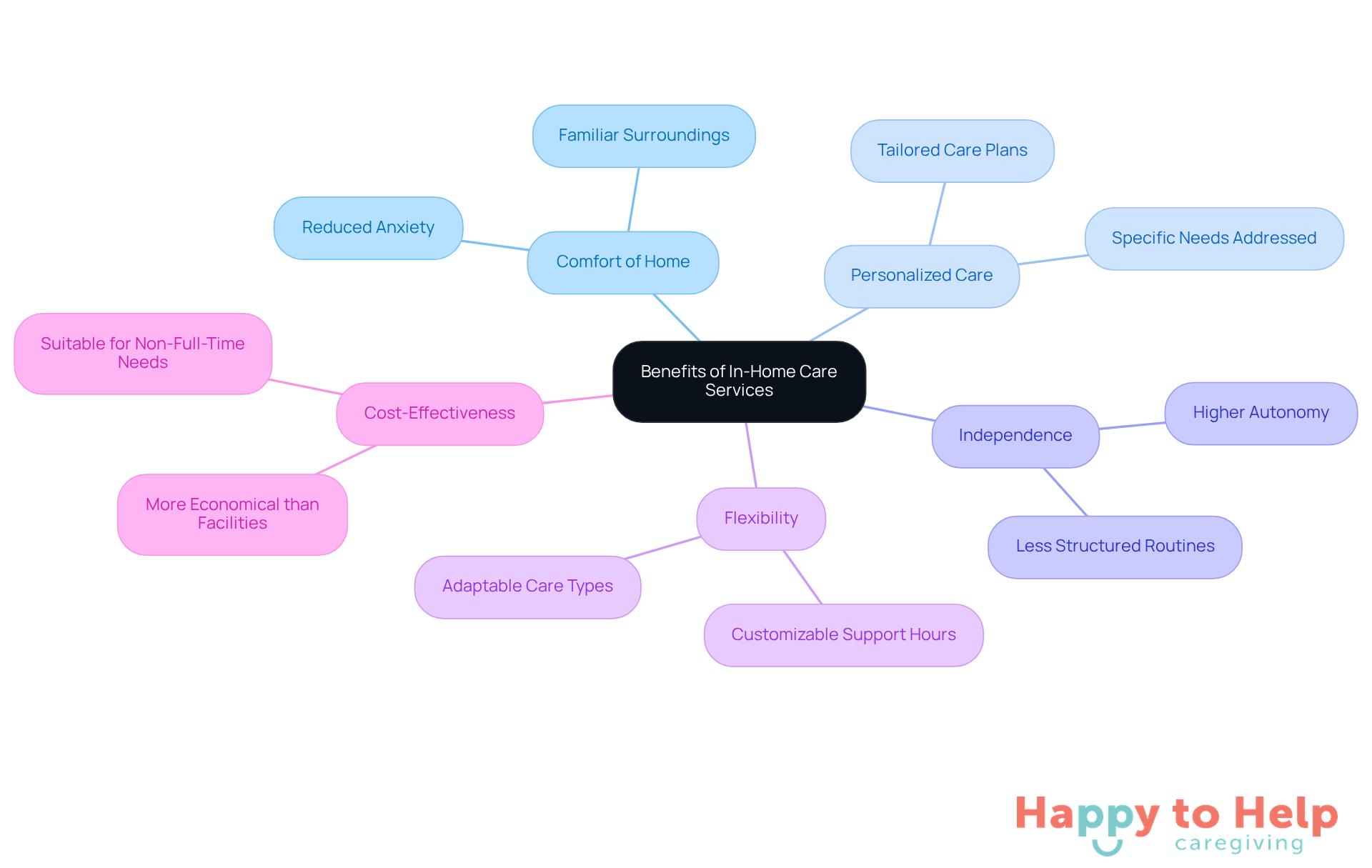
Benefits of In-Home Care Services
Caregiving for seniors often presents significant challenges for families. Many caregivers struggle with the emotional toll of seeing their loved ones face declining health and independence. This situation can lead to anxiety and stress for both the caregiver and the senior.
In-home assistance, often considered the best in-home care, emerges as a viable solution to these challenges. It offers numerous advantages that make it an attractive option for many families:
- Comfort of Home: Seniors can remain in familiar surroundings, which can significantly reduce anxiety and promote emotional well-being.
- Personalized Care: Care plans can be tailored to meet the specific needs and preferences of the individual, ensuring that they receive the right level of support.
- Independence: In-home support enables seniors to uphold a higher level of autonomy compared to supported housing, where routines might be more organized.
- Flexibility: Families can select the hours and types of support needed, which can be modified as situations evolve.
- Cost-Effectiveness: In many cases, home-based support can be more economical than supported housing, particularly for individuals who do not require full-time assistance.
These advantages highlight why many families choose the best in-home care as a practical alternative to care facilities, especially for elderly individuals who value their autonomy and comfort.
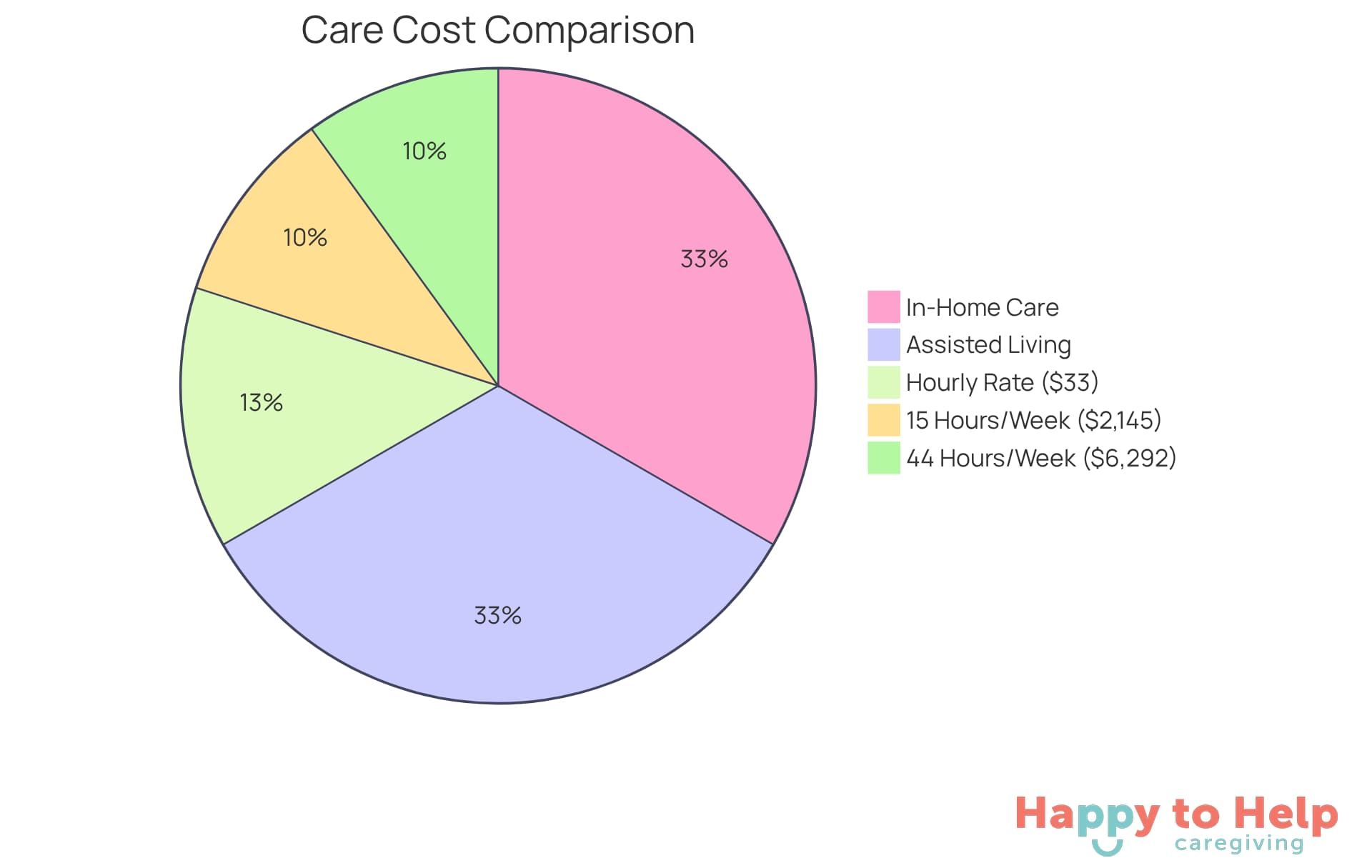
Comparative Costs of In-Home Care vs. Assisted Living
When evaluating the financial implications of at-home support versus assisted living, caregivers face a significant challenge. The costs associated with domestic assistance services can range from $24 to $43 per hour, which translates to approximately $2,145 for 15 hours a week or about $6,292 for 44 hours a week. In 2025, the national average expense for at-home assistance is projected to be $33 per hour. On the other hand, assisted living facilities typically charge between $4,500 and $8,000 each month, depending on the level of support and amenities offered.
While the hourly rate for the best in-home care may appear high, it can actually be more cost-effective for families who do not require full-time support. For instance, hourly fees for domestic assistance vary by state, with:
- Alaska averaging $40 per hour
- Florida at $29 per hour
This flexibility allows families to tailor support to their specific needs, potentially leading to the best in-home care while reducing overall costs by minimizing reliance on extensive facility-based services.
Moreover, the best in-home care fosters greater family involvement in care decisions, leading to more personalized and economical support options. Caregivers should also consider that domestic support costs may be tax-deductible if they exceed 7.5% of adjusted gross income, providing additional financial relief.
Social Interaction and Community Engagement
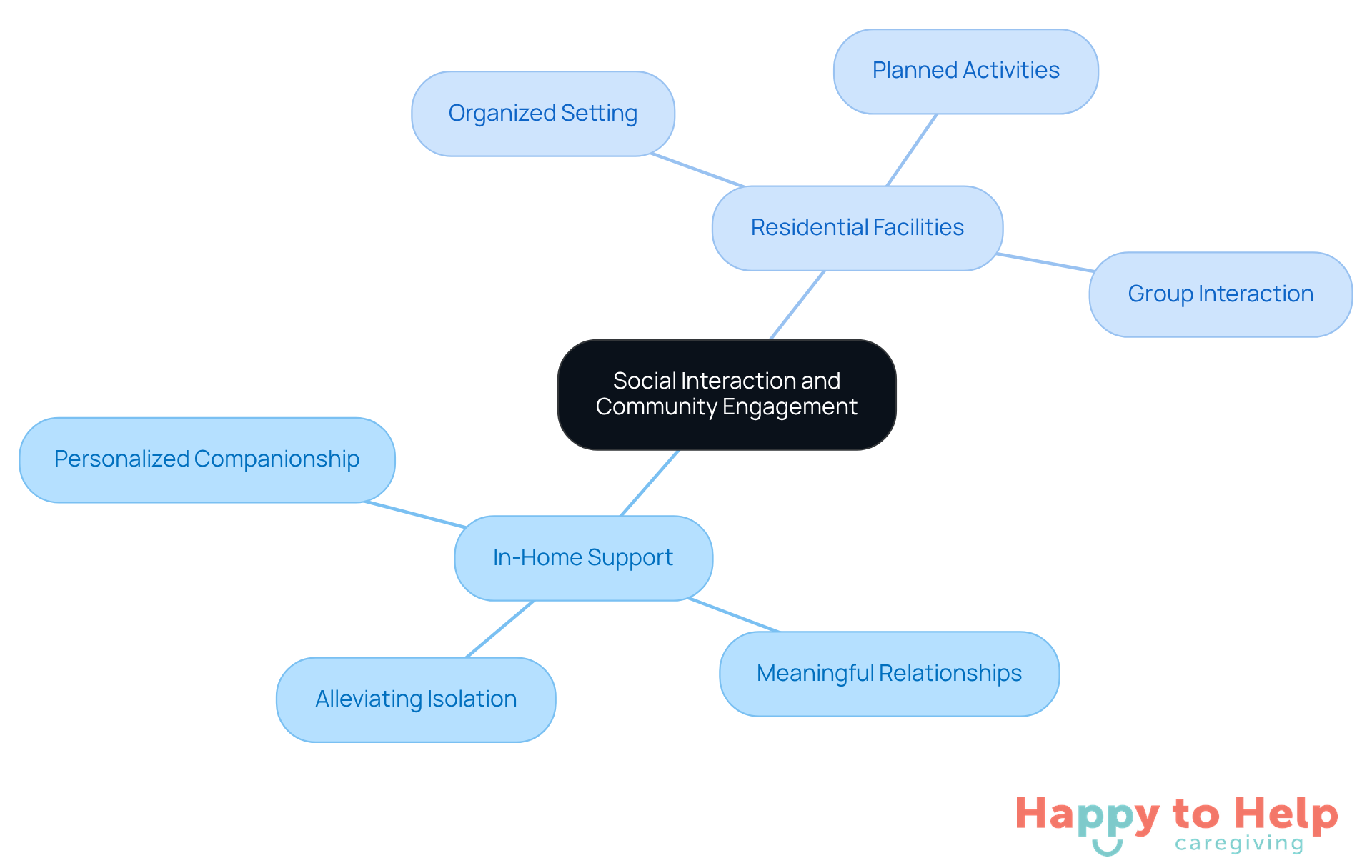
Social interaction presents a significant challenge for caregivers when choosing between in-home support and residential facilities. Many seniors experience feelings of loneliness, which can be exacerbated by the type of care they receive.
The best in-home care often provides personalized companionship tailored to individual interests and preferences. This customization fosters meaningful relationships, allowing caregivers to engage clients in activities they enjoy. Such interactions can significantly alleviate feelings of isolation.
Conversely, support housing facilities typically offer a more organized setting with planned activities and shared meals. While this structure encourages social interaction among residents, it may not cater to the unique needs of every individual.
Although assisted living may present more opportunities for group activities, the best in-home care can provide more satisfying and personalized interactions for certain seniors. Families must carefully consider their loved one's social needs when deciding between these options.
To ensure the best choice, families should assess the social preferences of their loved ones and explore how each option can meet those needs effectively.
Level of Care and Support
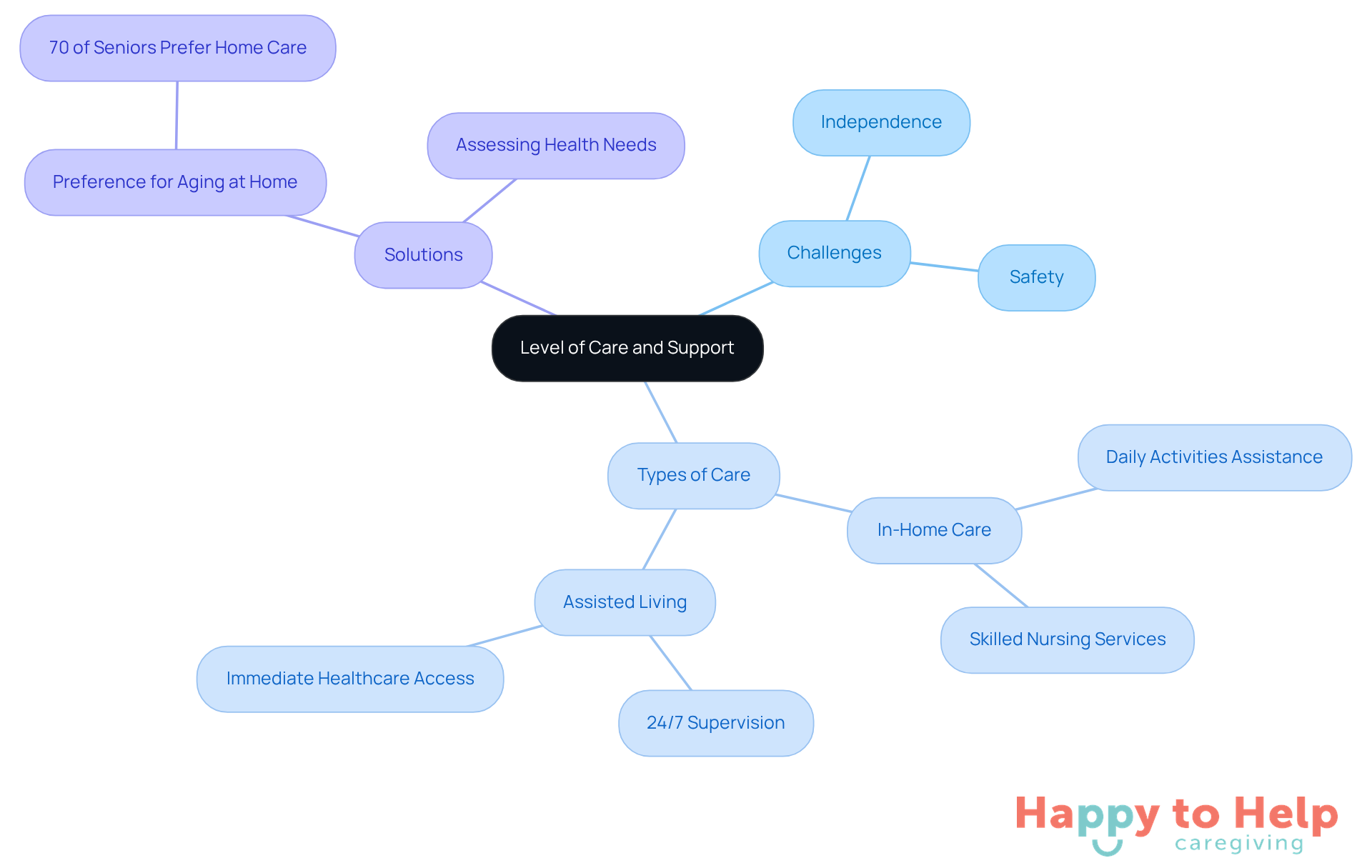
Problem: Many seniors face challenges as they age, particularly when it comes to receiving the support they need.
Agitate: The best in-home care encompasses a broad spectrum of assistance, from help with daily activities to skilled nursing services for individuals with complex medical needs. Without proper support, seniors may struggle with independence and safety in their own homes. In contrast, assisted living facilities offer a higher level of medical support, including 24/7 supervision and immediate access to healthcare professionals. This is especially beneficial for seniors with chronic health issues or those requiring consistent medical attention.
Solution: Based on recent information, nearly 70% of seniors prefer aging in their own homes. This highlights the importance of assessing their health conditions and support needs to find the most suitable assistance option. Families often view the best in-home care as a viable choice, as it promotes independence while fostering a sense of safety and comfort.
Ultimately, families should carefully evaluate their loved one's needs to ensure they receive the appropriate level of care, whether through in-home services or assisted living.
Your Path Forward
Choosing between in-home care and assisted living presents a significant challenge for families, as this decision can greatly affect the quality of life for seniors. The implications of this choice are profound, impacting not only the immediate care environment but also the overall well-being and happiness of loved ones.
In-home care offers personalized support, allowing seniors to stay in their cherished environments while receiving necessary assistance to maintain independence. This option fosters a sense of autonomy and often proves to be more cost-effective than assisted living facilities. Additionally, in-home care enhances social interactions through personalized companionship, addressing the emotional needs of seniors who might otherwise feel isolated.
Conversely, assisted living provides a structured setting with comprehensive care, which is crucial for those requiring consistent medical attention, especially seniors with chronic health conditions. While this option may offer a higher level of medical support, it may not align with every senior's desire for independence.
Ultimately, families should conduct a thorough assessment of their loved ones' health, preferences, and social needs. By weighing these factors carefully, they can make informed decisions that prioritize personalized care options. This approach ensures that seniors receive the support they need while preserving their dignity and autonomy.
https://iframe.tely.ai/cta/eyJhcnRpY2xlX2lkIjogIjY5MjNhMGE0YzVlZWQyYmRiNTU3YmYwNCIsICJjb21wYW55X2lkIjogIjY4ZWU1ZGNhNzMxNzYyNTU3ZjNjOTVjMSIsICJpbmRleCI6IG51bGwsICJ0eXBlIjogImFydGljbGUifQ==Frequently Asked Questions
What is in-home care?
In-home care refers to support services provided to seniors in their own residences, including personal assistance, companionship, and tailored medical support. This allows seniors to maintain their independence while receiving necessary help.
How does in-home care differ from assisted living?
In-home care offers personalized and adaptable support in familiar surroundings, whereas assisted living provides a structured environment with communal activities and round-the-clock assistance.
What are the benefits of in-home care services?
Benefits of in-home care services include the comfort of home, personalized care plans, greater independence for seniors, flexibility in selecting support hours, and potential cost-effectiveness compared to care facilities.
Why might seniors prefer in-home care over assisted living?
Seniors may prefer in-home care because it allows them to remain in familiar surroundings, maintain a higher level of autonomy, and receive tailored support that suits their individual needs.
What challenges do caregivers face when providing support to seniors?
Caregivers often struggle with the emotional toll of witnessing their loved ones' declining health and independence, which can lead to anxiety, stress, and feelings of being overwhelmed.
How can in-home care help alleviate caregiver stress?
In-home care can reduce caregiver stress by providing professional support, allowing caregivers to share responsibilities and ensuring that seniors receive the necessary assistance without the burden falling solely on family members.
List of Sources
- Understanding In-Home Care and Assisted Living
- State of home care in 2025 (https://mcknightshomecare.com/state-of-home-care-in-2025)
- Place-Agnostic Models Signal New Era For Home-Based Care, Senior Living (https://homehealthcarenews.com/2025/11/place-agnostic-models-signal-new-era-for-home-based-care-senior-living)
- 5 Benefits of Senior In-Home Care in 2025 | Valley Home Care (https://valleyhca.com/the-top-5-benefits-of-in-home-senior-care-for-aging-loved-ones-in-2025)
- Home Care Industry Trends to Watch in 2025 (https://firstlighthomecare.com/blog/home-care-industry-trends)
- 28 Senior Care Statistics: In-Home & Assisted Living | Shortlister (https://myshortlister.com/insights/senior-care-statistics)
- Comparative Costs of In-Home Care vs. Assisted Living
- Home Care Costs in 2025: A State-by-State Guide (https://aplaceformom.com/caregiver-resources/articles/in-home-care-costs)
- Most Americans expect to need long-term care in the future, and they don’t want that care in assisted living (https://mcknightsseniorliving.com/news/most-americans-expect-to-need-long-term-care-in-the-future-and-they-dont-want-that-care-in-assisted-living)
- 24/7 In-Home Care Costs in 2025 - Assisted Living Magazine (https://assistedlivingmagazine.com/24-7-in-home-care-costs-in-2025)
- What Is the Cost of Assisted Living vs. Home Care? - Cappella of Grand Junction (https://cappellagrandjunction.com/blog/what-is-the-cost-of-assisted-living-vs-home-care)
- 52 Eye-Opening Home Health Statistics: Insights for 2025 (https://boosthomehealth.com/home-health-statistics)
- Social Interaction and Community Engagement
- The importance of social connections for seniors in 2025 | Helping Hands (https://helpinghandshomecare.co.uk/care-advice/the-importance-of-social-connections-for-seniors-in-2025)
- 1 in 3 older adults still experience loneliness and isolation (https://michiganmedicine.org/health-lab/1-3-older-adults-still-experience-loneliness-and-isolation)
- 2025 Home Care Statistics: Trends & Insights To Know (https://premierhcinc.com/blog/home-care-statistics)
- Trends in Loneliness Among Older Adults from 2018-2023 (https://ihpi.umich.edu/national-poll-healthy-aging/reports-and-resources/trends-loneliness-among-older-adults-2018-2023)
- Social connection linked to improved health and reduced risk of early death (https://who.int/news/item/30-06-2025-social-connection-linked-to-improved-heath-and-reduced-risk-of-early-death)
- Level of Care and Support
- The senior population is booming. Caregiving is struggling to keep up (https://cnbc.com/2025/11/21/senior-caregiving-labor.html)
- State of home care in 2025 (https://mcknightshomecare.com/state-of-home-care-in-2025)
- What’s Next For Home Health As The Industry Faces Its Biggest Test Yet (https://homehealthcarenews.com/2025/10/whats-next-for-home-health-as-the-industry-faces-its-biggest-test-yet)
- Caregiving in the US 2025 (https://aarp.org/pri/topics/ltss/family-caregiving/caregiving-in-the-us-2025)
- 52 Eye-Opening Home Health Statistics: Insights for 2025 (https://boosthomehealth.com/home-health-statistics)