Comparing Top Home Care Agencies: Why Choose Happy to Help?

For families in our service areas
For families in our service areas, this guide explains home care and how non-medical in-home caregiving can support care planning in East Idaho, Treasure Valley & Magic Valley, Northern Wasatch, North Central West Virginia, and Northeast Ohio.
The Importance of Comparing Top Home Care Agencies: Why
Selecting the right home care agency can feel overwhelming, especially when it comes to the well-being of loved ones. Families face numerous choices, each claiming to provide quality care, yet they often differ significantly in their services. This situation creates a dilemma: how can families ensure they choose the best option for their needs?
The implications of this decision are profound. A wrong choice can lead to inadequate care, increased stress, and emotional turmoil for both the caregiver and the recipient. Therefore, understanding what sets one agency apart from the rest is crucial. This article explores the key factors that distinguish Happy to Help Caregiving from its competitors, emphasizing the unique benefits and personalized services tailored to individual needs.
So, how does Happy to Help Caregiving rise above the competition? What makes it the preferred choice for families seeking compassionate and reliable support? By focusing on personalized care and a commitment to quality, this agency addresses the core concerns of families, providing them with the peace of mind they deserve.
Key Comparison Criteria for Home Care Agencies
When it comes to selecting one of the top home care agencies, families often face a significant challenge: how to choose the right one that meets their specific needs. This decision can be overwhelming, given the variety of options available and the importance of quality care for loved ones.
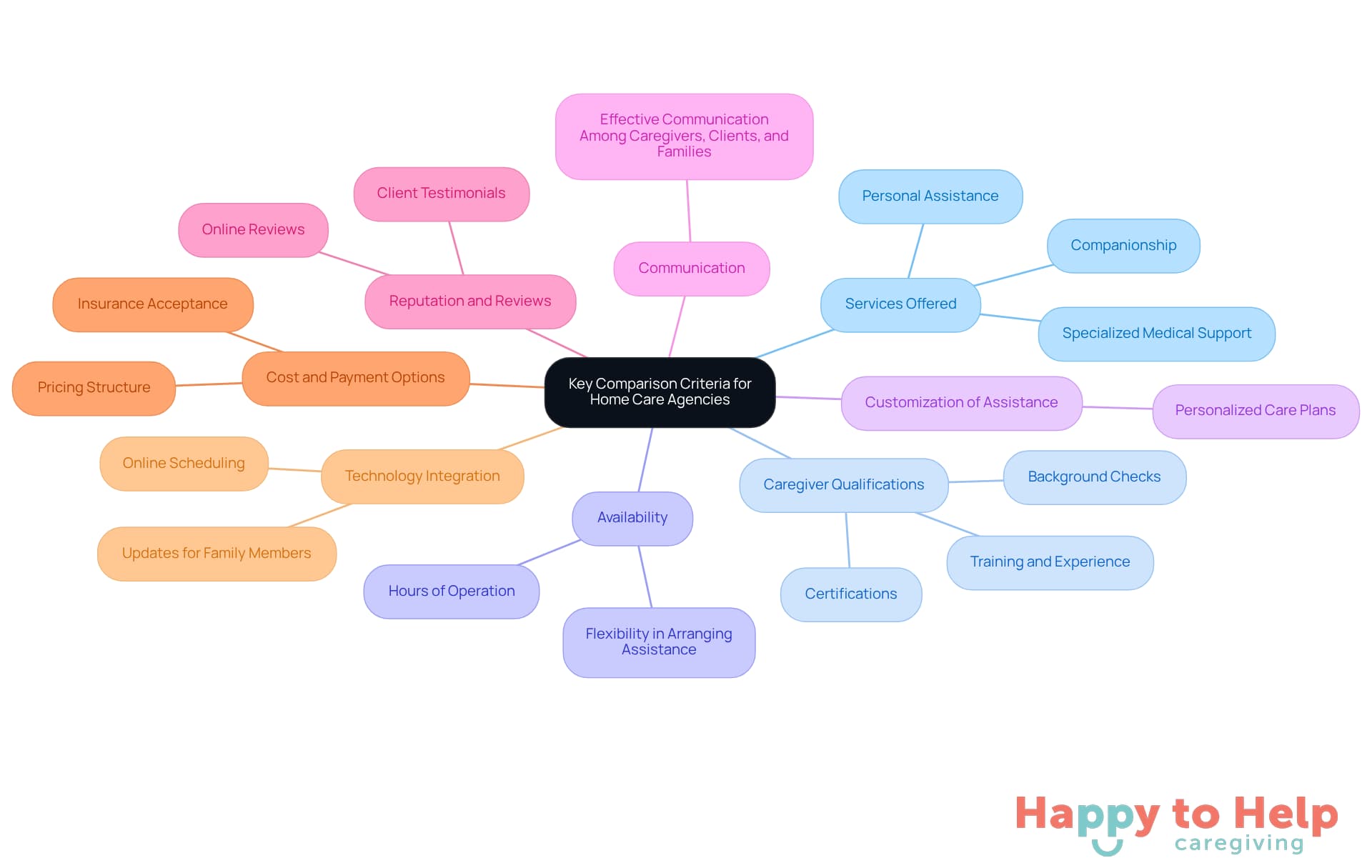
To navigate this process effectively, consider the following key criteria:
- Services Offered: Look for a range of services, such as companionship, personal assistance, and specialized medical support.
- Caregiver Qualifications: Evaluate the training and experience of caregivers, including their certifications and background checks.
- Availability: Check the agency's hours of operation and their flexibility in arranging assistance.
- Customization of Assistance: Seek agencies that offer personalized care plans tailored to individual client needs.
- Communication: Ensure there is effective communication among caregivers, clients, and family members, as this is crucial for quality support.
- Reputation and Reviews: Research online reviews and testimonials to assess client satisfaction and the agency's reliability.
- Cost and Payment Options: Understand the pricing structure and available payment methods, including whether they accept insurance.
- Technology Integration: Investigate how technology is used to enhance support, such as through online scheduling and updates for family members.
By considering these criteria, families can make informed decisions that align with their unique requirements and preferences when selecting top home care agencies.
Unique Services Offered by Happy to Help Caregiving
Happy to Help Caregiving addresses significant challenges in the home care sector with its comprehensive service offerings:
-
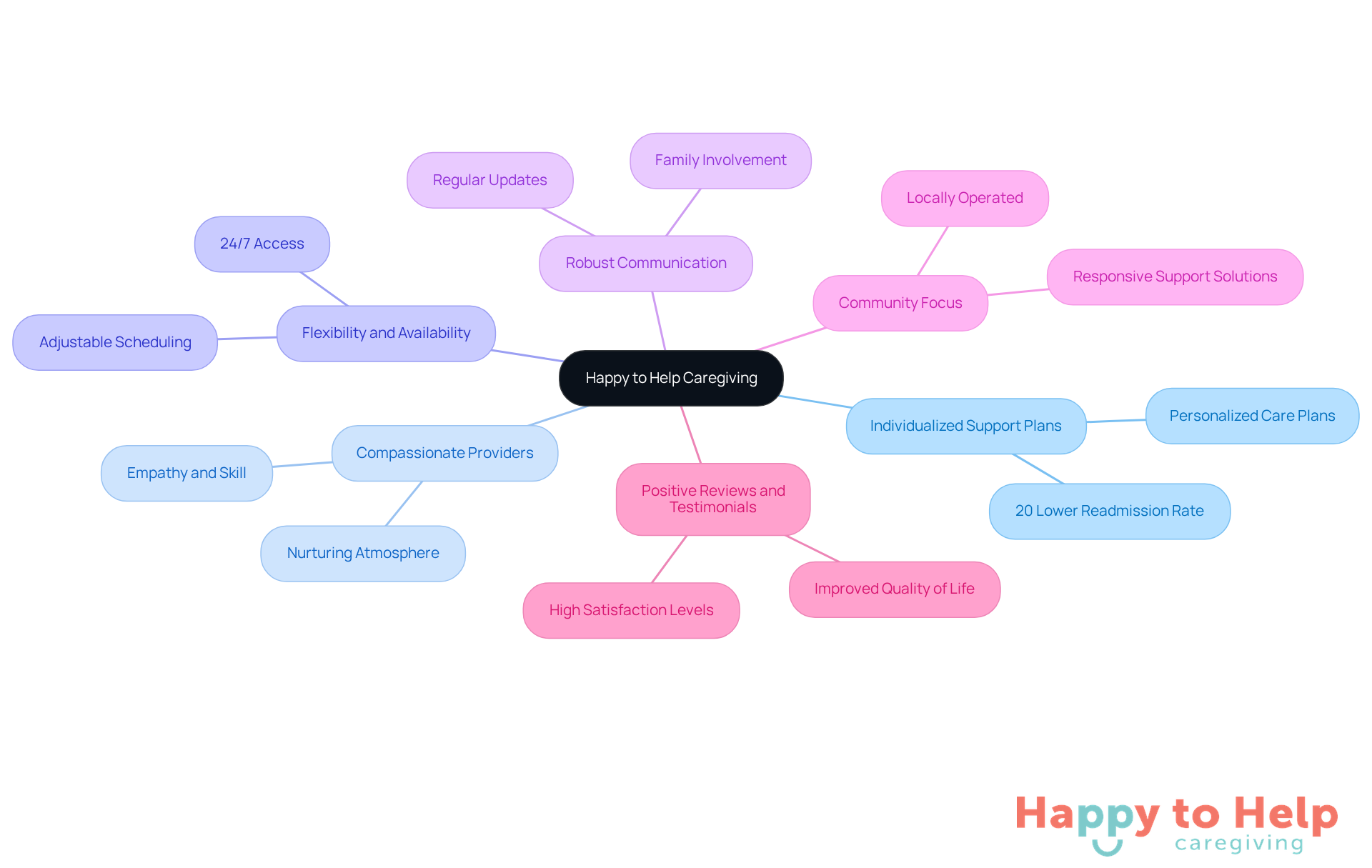
Companionship Care: Loneliness among seniors is a pressing issue that can severely impact mental well-being. Caregivers engage clients in meaningful activities and conversations, fostering emotional connections. Studies show that regular social interaction can enhance cognitive function and reduce health risks associated with isolation. A case study highlighted that companionship support positively influences health outcomes, underscoring its importance in senior care.
-
Post-Hospital Recovery Assistance: Transitioning from hospital to home can be daunting. Research indicates that patients receiving home support post-discharge experience lower readmission rates and quicker recovery times. For instance, a senior who had dedicated assistance regained mobility and independence within weeks of returning home, showcasing the effectiveness of personalized support plans. With the elderly population projected to reach 80 million by 2050, the demand for such services is increasingly vital.
-
Respite Service: Family caregivers often face burnout, impacting nearly 70% of those providing assistance. Respite services offer essential support, allowing caregivers to rejuvenate while ensuring their loved ones receive high-quality care. This support is crucial for maintaining the well-being of both caregivers and their family members.
-
Palliative Support Services: Clients with serious illnesses require compassionate assistance that enhances their quality of life. This service focuses on comfort and emotional support, addressing both physical and psychological needs, helping clients navigate challenging health journeys with dignity.
-
Technology Integration: Happy to Help Caregiving utilizes technology to enhance communication and streamline processes. Features like online notes for relatives and autopay options improve the caregiving experience, keeping families informed and involved. With a reported 95% customer satisfaction rate in 2024, families can trust the quality of service provided.
These services are designed to promote independence and well-being, making Happy to Help Caregiving a preferred choice for families seeking reliable and compassionate home support solutions.
Strengths and Weaknesses of Competing Home Care Agencies
When evaluating Happy to Help Caregiving against top home care agencies, distinct strengths and weaknesses become apparent.
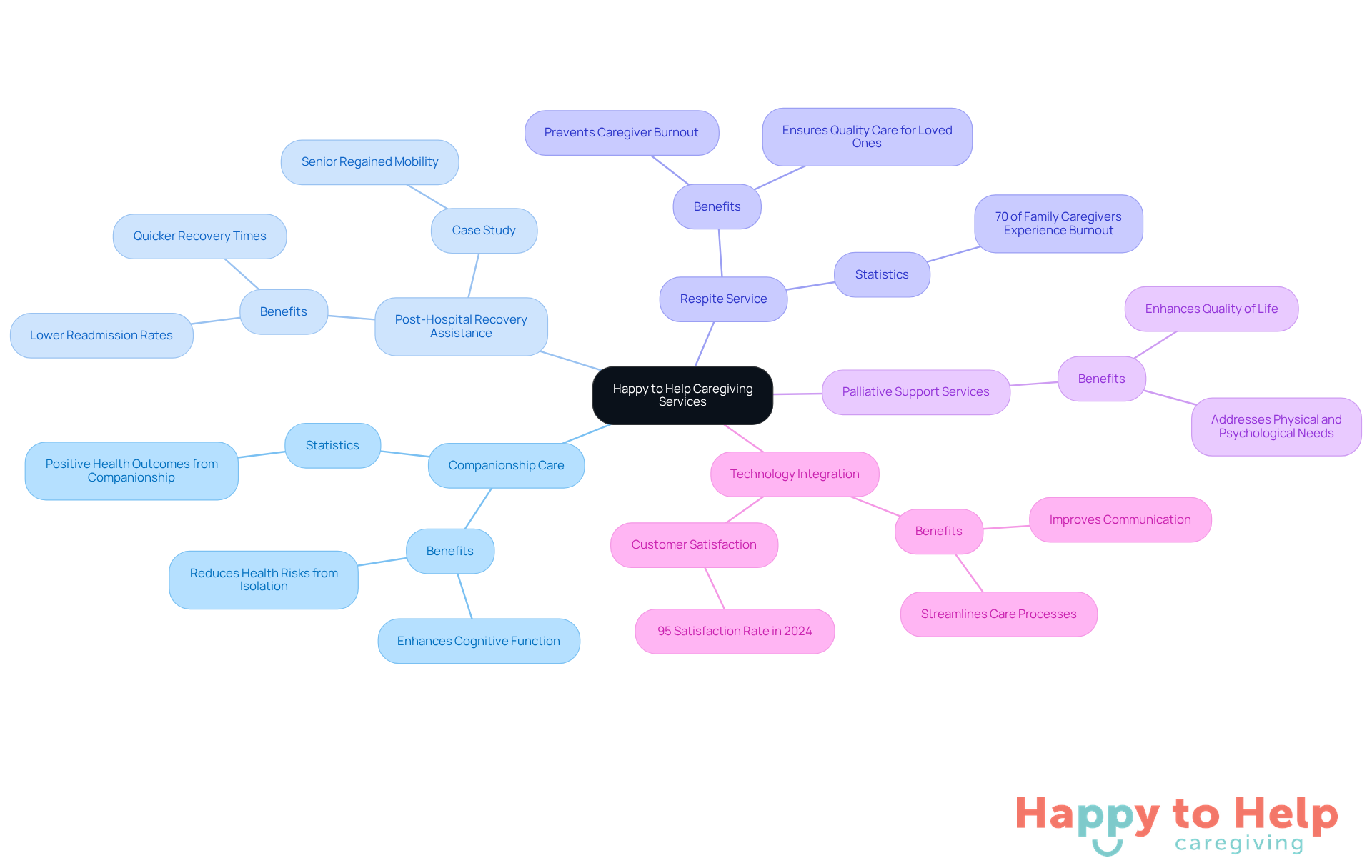
Strengths of Competing Agencies:
- Broader Service Range: Some agencies provide a more extensive array of medical services, including skilled nursing and therapy, catering to diverse health needs.
- Established Brand Recognition: Larger firms often benefit from substantial marketing budgets, resulting in greater visibility and trust among potential clients.
- Advanced Technology: Certain competitors utilize state-of-the-art technology for monitoring and communication, which can improve the efficiency and effectiveness of service delivery.
Weaknesses of Competing Agencies:
- Less Personalized Care: The size and client volume of larger agencies can hinder their ability to offer individualized attention, leading to a more generic care experience.
- Increased Expenses: Numerous reputable agencies demand elevated fees, which may not be within reach for all households, potentially restricting access to essential services.
- Variable Caregiver Quality: Differences in caregiver training and experience within larger organizations can lead to uneven quality of assistance, affecting client satisfaction.
Understanding these challenges is crucial for families considering services from top home care agencies. The increasing number of older adults-projected to reach 71.4 million by 2029-highlights the growing need for personalized assistance services. Approximately 70% of these individuals will require some form of help during their lifetime. As Tia Walker aptly states, "Caregiving often calls us to lean into love we didn’t know possible," underscoring the emotional depth of caregiving. Furthermore, with nearly 80% of caregivers leaving their positions within the first 100 days, the importance of caregiver retention becomes evident. This situation emphasizes the difficulties larger organizations face in maintaining quality support.
Happy to Help Caregiving addresses these issues by emphasizing individualized support and a commitment to excellence, providing a more customized and empathetic approach to in-home assistance.
Why Choose Happy to Help Caregiving Over Competitors?
Caregivers often face significant challenges in providing adequate support for their loved ones. The lack of personalized care can lead to feelings of frustration and helplessness, especially when families are unsure of how to meet the unique needs of their relatives. This is where Happy to Help Caregiving steps in with effective solutions.
-
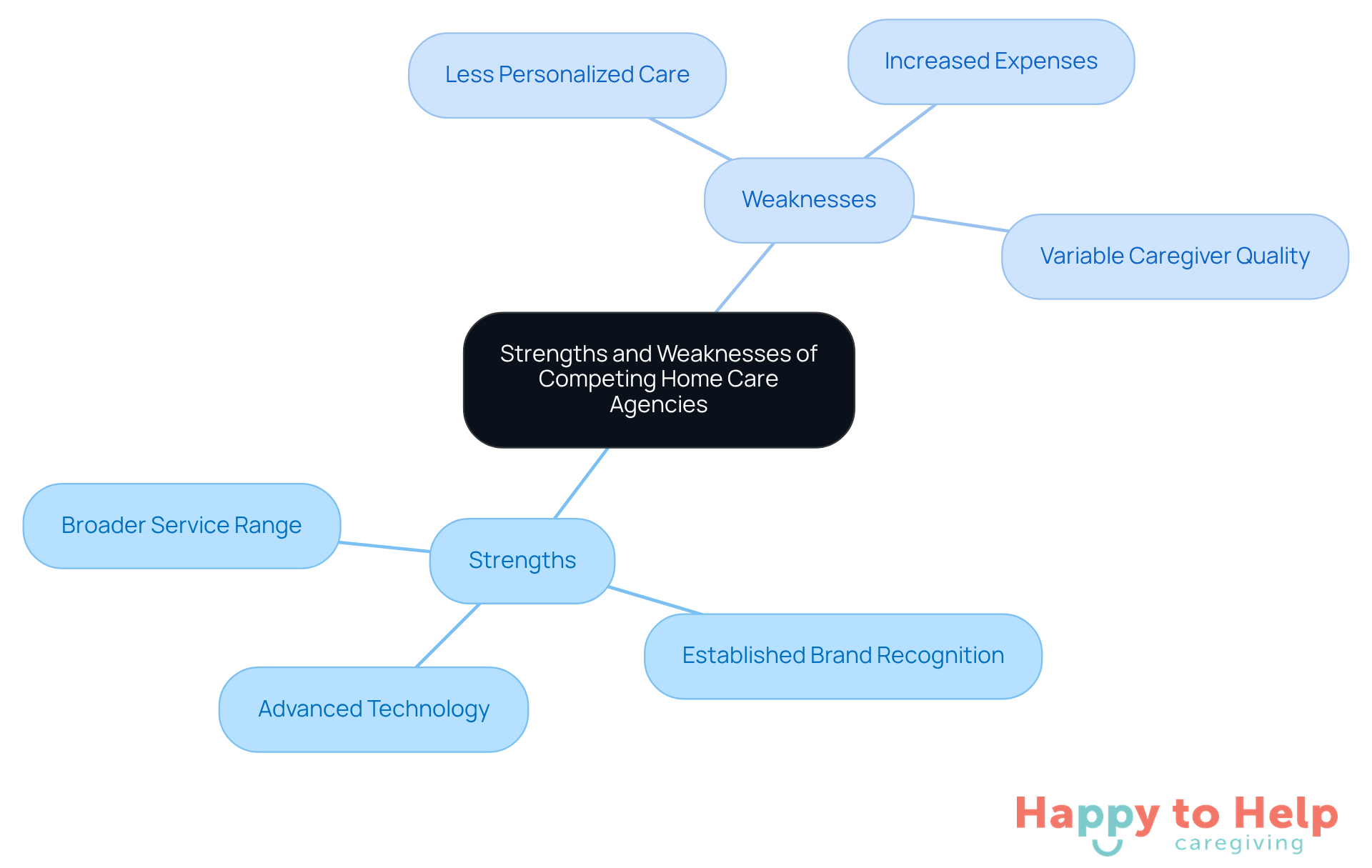
Individualized Support Plans: Each client receives a personalized support plan tailored to their specific needs and preferences. This approach not only enhances the caregiving experience but also contributes to a 20% lower readmission rate for home care patients compared to those receiving hospital care.
-
Compassionate Providers: Happy to Help prioritizes hiring individuals who are not only skilled but also deeply empathetic. This creates a nurturing, family-like atmosphere that fosters trust and comfort. As one caregiver noted, "Compassion is central to our work; it’s about treating clients as if they were our own."
-
Flexibility and Availability: With 24/7 access and adjustable scheduling, families can rest assured that their loved ones will receive prompt assistance whenever needed. This flexibility is crucial, especially as the demand for home assistance services continues to rise due to an aging population.
-
Robust Communication: The agency emphasizes clear communication with families, providing regular updates and involving them in support decisions. This approach not only improves the overall caregiving experience but also ensures that families remain informed and engaged in their loved ones' well-being.
-
Community Focus: As a locally operated organization, Happy to Help understands the unique needs of the communities it serves, allowing for more relevant and responsive support solutions.
-
Positive Reviews and Testimonials: Families frequently express high satisfaction levels, highlighting the agency's commitment to quality and compassionate care. Many households report that the individualized attention has significantly improved their loved ones' quality of life.
These attributes make Happy to Help Caregiving one of the top home care agencies for families looking for reliable and personalized in-home care.
Taking the Next Steps
Choosing the right home care agency is a crucial decision that can greatly affect the quality of life for loved ones needing support. Many families face the challenge of finding an agency that not only meets immediate needs but also fosters a nurturing environment. This is where Happy to Help Caregiving stands out, prioritizing personalized care and compassionate service to ensure clients receive the attention they deserve.
When evaluating home care agencies, families should consider several essential criteria:
- The range of services offered
- Caregiver qualifications
- The importance of effective communication
Happy to Help excels in these areas, providing unique services such as companionship care, post-hospital recovery assistance, and technology integration. These offerings are designed to enhance the caregiving experience and ensure that clients feel supported.
Moreover, the agency's commitment to individualized support plans and flexible scheduling sets it apart from larger competitors, who often struggle with providing personalized attention. In a landscape where the demand for home care services is rapidly increasing, selecting an agency like Happy to Help Caregiving is about more than just immediate needs; it’s about promoting independence and well-being.
Families are encouraged to take these factors seriously when choosing a home care provider. The right choice can lead to improved health outcomes and a better quality of life for loved ones. By embracing the values of compassion and individualized care, families can make a significant difference in the caregiving journey.
https://iframe.tely.ai/cta/eyJhcnRpY2xlX2lkIjogIjY5MjRmMjAzZWM0Y2FiOGU3NGVjMDEwMiIsICJjb21wYW55X2lkIjogIjY4ZWU1ZGNhNzMxNzYyNTU3ZjNjOTVjMSIsICJpbmRleCI6IG51bGwsICJ0eXBlIjogImFydGljbGUifQ==Frequently Asked Questions
What should I consider when choosing a home care agency?
Key criteria to consider include the services offered, caregiver qualifications, availability, customization of assistance, communication, reputation and reviews, cost and payment options, and technology integration.
What types of services should a home care agency provide?
A home care agency should offer a range of services such as companionship, personal assistance, and specialized medical support.
Why are caregiver qualifications important?
Caregiver qualifications are important because they reflect the training, experience, certifications, and background checks that ensure caregivers can provide quality care.
How can I check the availability of a home care agency?
You can check the agency's hours of operation and their flexibility in arranging assistance to ensure they meet your needs.
What does customization of assistance mean in home care?
Customization of assistance refers to the agency's ability to create personalized care plans that are tailored to the individual needs of each client.
Why is communication important in home care?
Effective communication among caregivers, clients, and family members is crucial for providing quality support and ensuring everyone is informed about the care being provided.
How can I assess a home care agency's reputation?
You can assess a home care agency's reputation by researching online reviews and testimonials to evaluate client satisfaction and the agency's reliability.
What should I know about the cost and payment options of home care agencies?
It is important to understand the agency's pricing structure, available payment methods, and whether they accept insurance.
How does technology integration benefit home care services?
Technology integration enhances support by facilitating online scheduling and providing updates for family members, improving overall communication and efficiency.
List of Sources
- Key Comparison Criteria for Home Care Agencies
- The Top 4 Trends Affecting the Home Health Care Industry in 2025 | JM Search (https://jmsearch.com/blog/the-top-4-trends-affecting-the-home-health-care-industry-in-2025)
- Home Care Industry Trends to Look Out for in 2025 (https://axiscare.com/blog/home-care-industry-trends)
- 5 Key Features Every Home Care Agency Needs in 2025 (https://carevoyant.com/home-health-blog/5-key-features-every-home-care-agency-needs-in-2025)
- How 3 Top Trends Have Shaped Home-Based Care This Year (https://homehealthcarenews.com/2025/08/how-3-top-trends-have-shaped-home-based-care-this-year)
- Choosing a Provider (https://hcaoa.org/choosing-a-provider.html)
- Unique Services Offered by Happy to Help Caregiving
- The Impact of Elderly Companion Services (https://h2hhc.com/blog/elderly-companion-services)
- Home Care Industry Trends to Watch in 2025 (https://firstlighthomecare.com/blog/home-care-industry-trends)
- Home Health Care Trends for 2025 (https://carevoyant.com/home-health-blog/home-health-care-trends-2025)
- Home Care Predictions Shaping 2025 and Beyond (https://caresmartz360.com/blog/home-care/home-care-predictions-shaping-2025-and-beyond)
- Top 3 Trends in Homecare for 2025 (https://homecaremag.com/top-trends-in-homecare)
- Strengths and Weaknesses of Competing Home Care Agencies
- Disruption Redefines Home-Based Care: Providers Confront Challenges, Seize New Opportunities (https://homehealthcarenews.com/2025/10/disruption-redefines-home-based-care-providers-confront-challenges-seize-new-opportunities)
- State of home care in 2025 (https://mcknightshomecare.com/state-of-home-care-in-2025)
- Top Challenges Facing Home Health Care in 2025 (https://axiscare.com/blog/challenges-in-home-health-care)
- How Home Care Agencies Can Prepare Now to Secure a Strong Start in 2025 (https://aaniie.com/news/how-home-care-agencies-can-prepare-now-to-secure-a-strong-start-in-2025)
- Why Choose Happy to Help Caregiving Over Competitors?
- Home Care Impact on Recovery of Patient (A Statistics Report) (https://lovinghomecareinc.com/home-care-recovery-statistics)
- The Growing Demand for Home Healthcare | Why Families Choose In-Home Care (https://lhghealth.com/blog/the-growing-demand-for-home-healthcare-why-more-families-are-choosing-in-home-care)
- The need for caregiving benefits may have reached a fever pitch (https://hrdive.com/news/sandwich-generation-needs-caregiving-benefits/802864)
- 10 Reasons to Choose an Agency for Home Health Care Near You - Happy To Help (https://happytohelpcaregiving.com/blog)
- Why Senior Home Care is More Important Than Ever (https://homeinstead.com/home-care/usa/la/carencro/347/news-and-media/senior-home-care-is-more-important-than-ever)