
Comparing Vitamin D Dosage Guidelines for Seniors' Health

For families in our service areas
For families in our service areas, this guide explains caregiving and how non-medical in-home caregiving can support care planning in East Idaho, Treasure Valley & Magic Valley, Northern Wasatch, North Central West Virginia & Southwestern Pennsylvania, and Northeast Ohio.
The Importance of Comparing Vitamin D Dosage Guidelines
Vitamin D plays a pivotal role in the health of seniors, yet many face the daunting challenge of navigating varying dosage guidelines from health organizations. The problem is that recommendations range from 800 to 2000 IU daily, leading to confusion about appropriate intake. This confusion can significantly impact older adults' bone health and overall well-being.
The implications of inadequate vitamin D intake are serious. Without the right amount, seniors may experience weakened bones, increasing their risk of fractures and other health issues. Caregivers must be vigilant to ensure their loved ones receive the necessary nutrients without falling prey to the risks of excessive supplementation.
So, what can caregivers do? Exploring the nuances of vitamin D guidelines reveals the importance of tailored approaches. Here are some actionable tips:
- Consult with healthcare professionals to determine the appropriate dosage for each individual.
- Monitor vitamin D levels through regular blood tests to ensure they remain within a healthy range.
- Educate themselves about the signs of deficiency and excess to make informed decisions.
By promoting informed decision-making, caregivers can play a crucial role in supporting healthier aging for their loved ones.
Understanding Vitamin D and Its Importance for Seniors
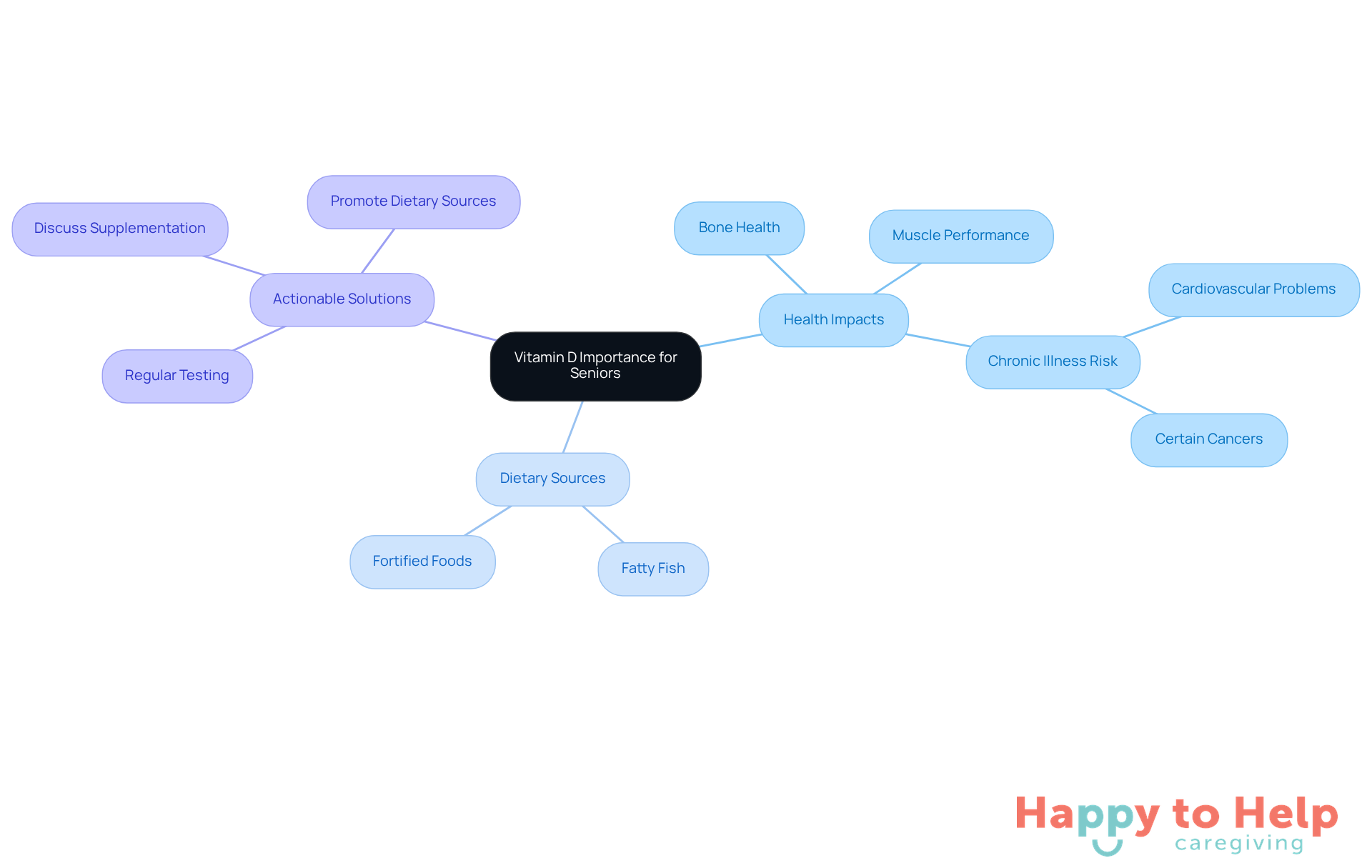
Vitamin D deficiency poses a significant problem for older adults, impacting their bone health and increasing the risk of falls. This fat-soluble nutrient is essential for facilitating calcium absorption in the gut, which is crucial for maintaining bone density. Moreover, sufficient levels of vitamin D3 are vital for muscle performance, further aiding in fall prevention-a major concern for this demographic.
The implications of low vitamin D levels extend beyond bone health. Research indicates that vitamin D is associated with immune system support and may lower the risk of chronic illnesses, including cardiovascular problems and certain cancers. Given that older individuals often experience limited sunlight exposure and may have dietary restrictions, the appropriate vitamin D for seniors dosage becomes increasingly important for their overall well-being.
To address this issue, caregivers should consider the following actionable solutions:
- Encourage regular vitamin D testing to monitor levels.
- Discuss supplementation options with healthcare providers to ensure adequate intake.
- Promote dietary sources of vitamin D, such as fatty fish and fortified foods.
By recognizing the significance of vitamin D and implementing these strategies, caregivers can play a crucial role in enhancing the health and safety of older adults.
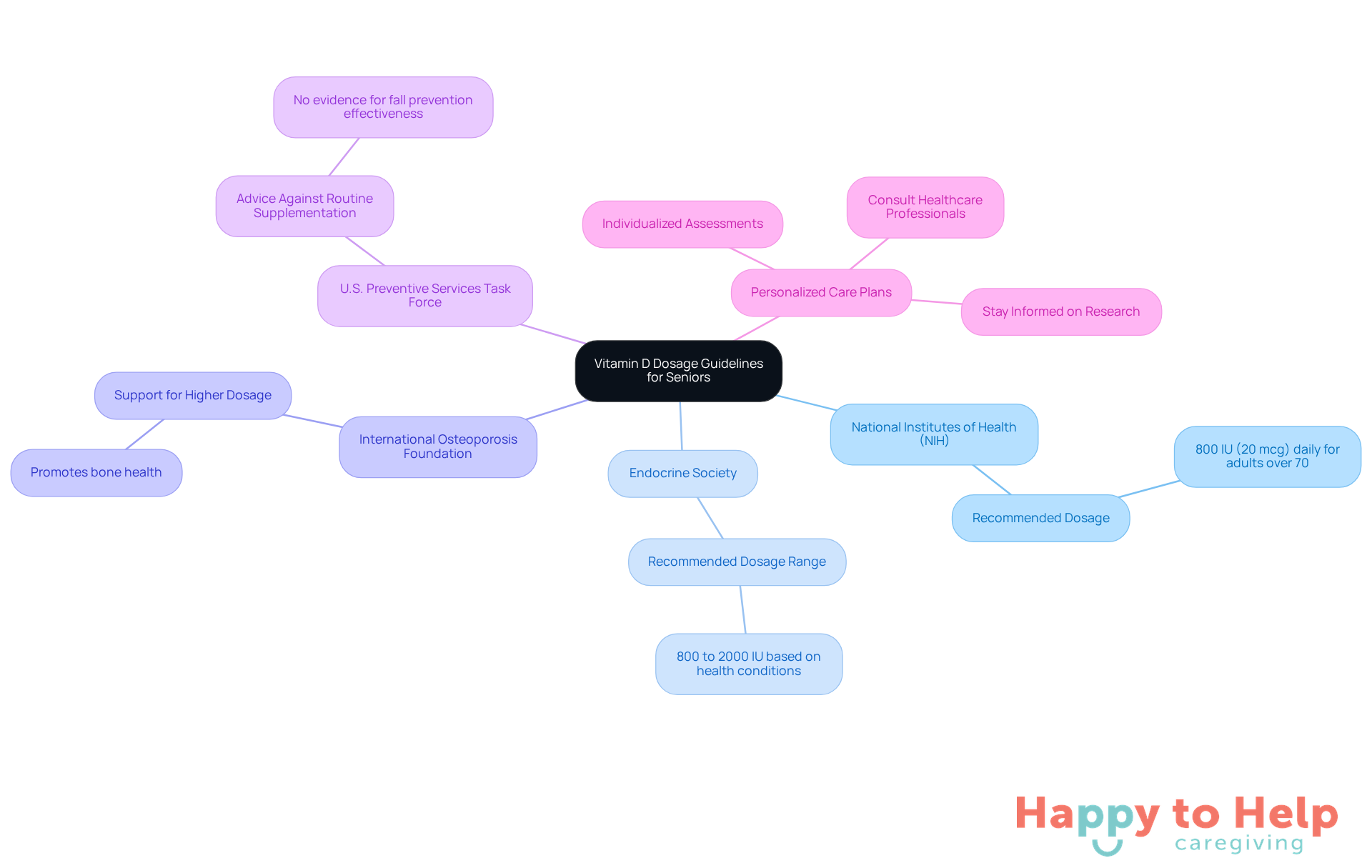
Comparative Analysis of Vitamin D Dosage Guidelines from Health Organizations
Seniors face a significant challenge with vitamin D for seniors dosage, as various wellness organizations provide differing recommendations. The National Institutes of Health (NIH) recommends a vitamin D for seniors dosage of 800 IU (20 mcg) daily for adults over 70. In contrast, the Endocrine Society recommends a broader range for vitamin D for seniors dosage of 800 to 2000 IU, depending on individual health conditions and risk factors. This inconsistency can lead to confusion about the appropriate vitamin D for seniors dosage required for optimal health.
The implications of these varying guidelines are critical. The International Osteoporosis Foundation supports the need for higher vitamin D for seniors dosage to promote bone health. However, the U.S. Preventive Services Task Force has recently advised against routine supplementation for fall prevention, stating that evidence does not support its effectiveness in this area. This divergence underscores the necessity for personalized care plans that consider each senior's unique wellness needs and lifestyle factors.
To navigate these complexities, caregivers should prioritize individualized assessments. Consulting healthcare professionals can help determine the appropriate vitamin D for seniors dosage based on individual health conditions. Additionally, staying informed about the latest research and guidelines can empower caregivers to make educated decisions regarding supplementation.
Evaluating Risks and Benefits of Vitamin D Supplementation for Seniors
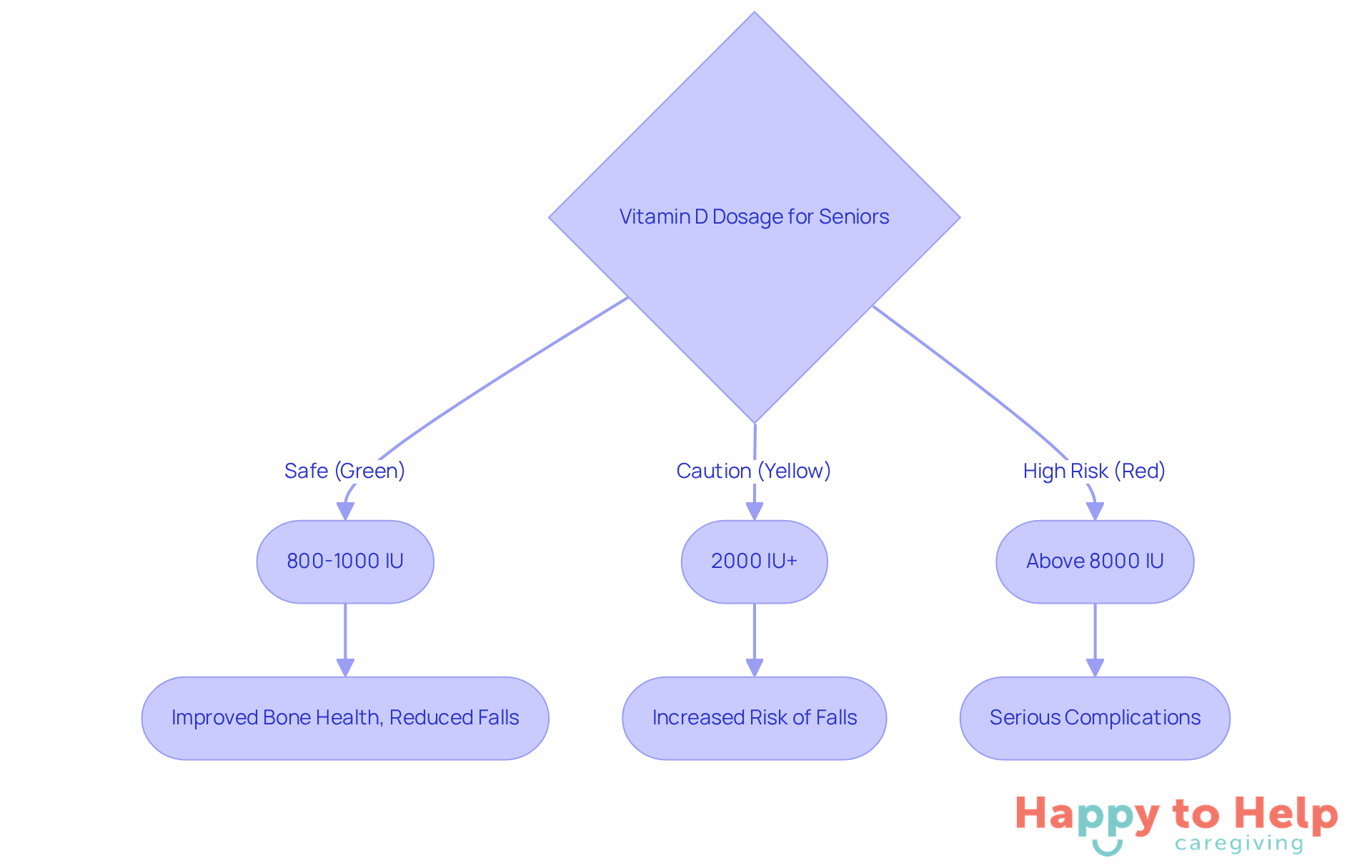
The challenge of vitamin D supplementation is particularly significant when considering the appropriate vitamin D for seniors dosage. While it offers benefits like improved bone health, increased muscle strength, and a potential reduction in chronic illness risk, excessive intake can lead to serious complications, including hypercalcemia, which may cause kidney damage.
Recent studies highlight the importance of moderation. The recommended vitamin D for seniors dosage is moderate supplementation, typically between 800 and 1000 IU daily, which is generally safe and effective. In fact, a systematic review involving nearly 59,000 elderly participants found that these doses reduced the likelihood of falls by 22% compared to a placebo, with a relative risk of 0.86 (95% CI: 0.7-0.99). However, higher doses, particularly those exceeding 2000 IU per day, have been linked to an increased risk of falls.
It's crucial to note that the upper limit for vitamin D intake is set at 8,000 IU/day. Monthly doses of 60,000 IU can also elevate the risk of falls. Therefore, older adults should consult healthcare professionals to personalize their vitamin D for seniors dosage based on their individual health profiles. This personalized approach not only maximizes the benefits of vitamin D but also minimizes potential risks, promoting a safer and healthier aging process.
Practical Considerations for Vitamin D Supplementation in Seniors
When it comes to vitamin D supplementation, older adults face a significant challenge: many do not get enough of this essential nutrient due to limited sun exposure and dietary intake. This deficiency can lead to serious health issues, particularly during winter months when sunlight is scarce.
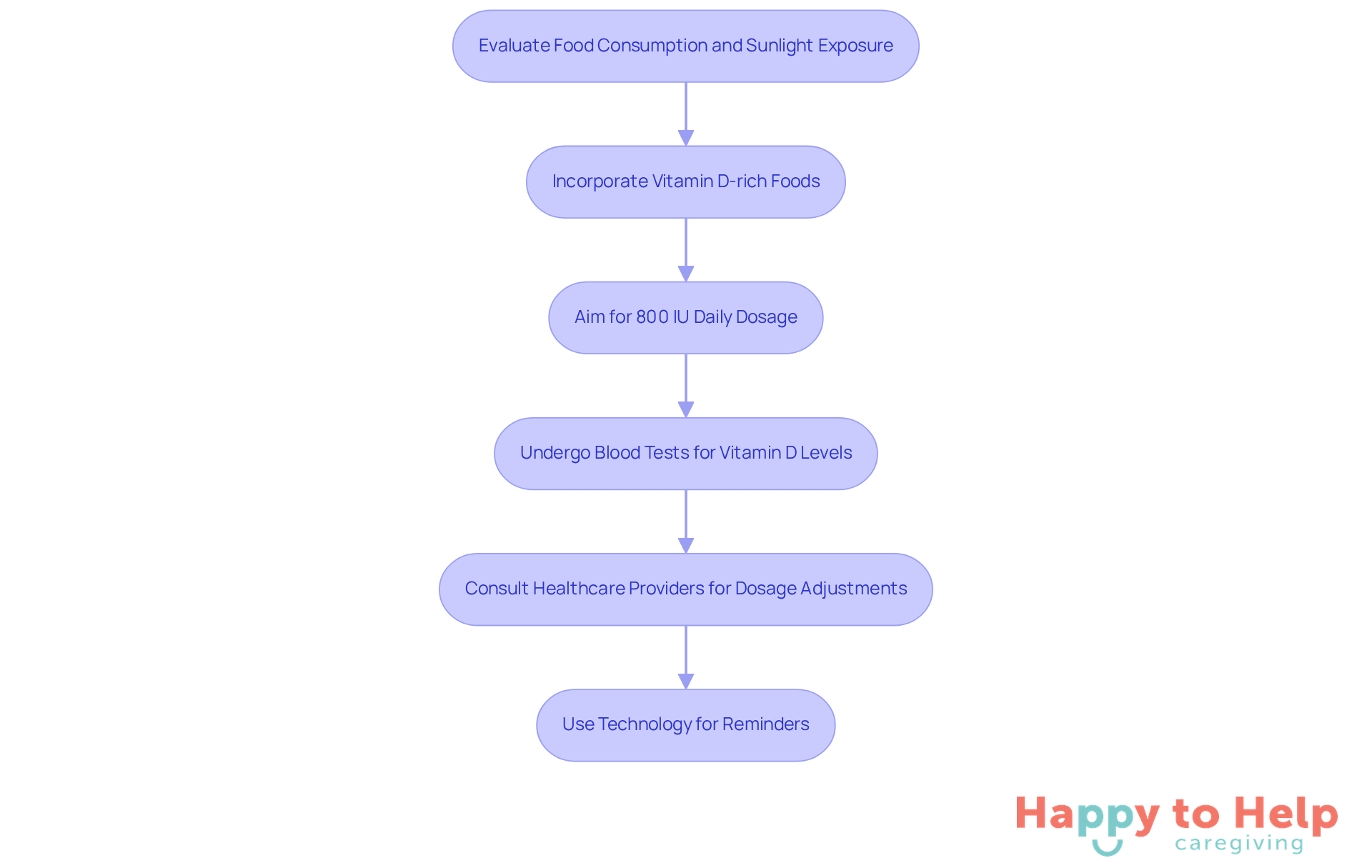
To address this problem, older adults should first evaluate their food consumption and sunlight exposure. Incorporating foods rich in vitamin D, such as fatty fish, fortified dairy products, and egg yolks, into their diet is crucial. Experts recommend that older adults aim for a vitamin D for seniors dosage of 800 IU daily, emphasizing the importance of supplementation for those who may not receive adequate sunlight.
Before starting any supplementation, it’s advisable for older adults to undergo blood tests to determine their current vitamin D levels. This step ensures that they are taking the right amount of vitamin D tailored to their needs. Caregivers play a vital role in this process by monitoring any changes in medical status and consulting healthcare providers regularly to adjust dosages as necessary.
Additionally, employing technology, such as wellness applications or reminders, can help older adults maintain their supplementation schedule effectively. Caregivers should also be aware of the potential risks associated with excessive vitamin D intake, ensuring that seniors receive the necessary support for optimal health.
Taking the Next Steps
Understanding the appropriate vitamin D dosage for seniors is crucial for enhancing their health and mitigating risks associated with deficiency. The problem lies in the varying guidelines from health organizations, which complicate the determination of the right amount for older adults. This inconsistency can lead to confusion and inadequate care, emphasizing the need for personalized care plans that consider individual health conditions and lifestyle factors.
The implications of vitamin D deficiency are significant. It plays a vital role in bone health, muscle performance, and immune support. However, the differences in recommendations from organizations like the NIH and the Endocrine Society reveal the necessity for tailored approaches to supplementation. Caregivers must be aware of these variations to ensure that seniors receive the appropriate dosage.
To address these challenges, caregivers can take several actionable steps:
- They should prioritize regular testing of vitamin D levels to monitor adequacy.
- Incorporating dietary sources rich in vitamin D, such as fatty fish, fortified foods, and egg yolks, can help meet nutritional needs.
- When supplementation is necessary, it’s essential to follow expert guidelines and avoid excessive intake, as this can pose risks.
Ultimately, caregivers play a pivotal role in ensuring seniors receive adequate vitamin D. By staying informed about the latest guidelines and research, they can make educated decisions that enhance the well-being of older adults. Prioritizing vitamin D health not only supports physical safety but also contributes to a higher quality of life as seniors age.
https://iframe.tely.ai/cta/eyJhcnRpY2xlX2lkIjogIjY5MjEwYWJiYzQ4NjU1NjRkNDliYzZlMyIsICJjb21wYW55X2lkIjogIjY4ZWU1ZGNhNzMxNzYyNTU3ZjNjOTVjMSIsICJpbmRleCI6IG51bGwsICJ0eXBlIjogImFydGljbGUifQ==Frequently Asked Questions
Why is vitamin D important for seniors?
Vitamin D is essential for seniors as it facilitates calcium absorption in the gut, which is crucial for maintaining bone density. It also supports muscle performance, helping to prevent falls, which is a major concern for older adults.
What are the consequences of vitamin D deficiency in older adults?
Vitamin D deficiency can significantly impact bone health, increasing the risk of falls. Additionally, low vitamin D levels are associated with weakened immune function and a higher risk of chronic illnesses, including cardiovascular problems and certain cancers.
How can caregivers help manage vitamin D levels in seniors?
Caregivers can encourage regular vitamin D testing, discuss supplementation options with healthcare providers, and promote dietary sources of vitamin D, such as fatty fish and fortified foods.
What factors contribute to vitamin D deficiency in older adults?
Older individuals often experience limited sunlight exposure and may have dietary restrictions, which contribute to vitamin D deficiency.
What are some dietary sources of vitamin D that can benefit seniors?
Dietary sources of vitamin D include fatty fish and fortified foods, which can help improve vitamin D levels in older adults.
List of Sources
- Understanding Vitamin D and Its Importance for Seniors
- Vitamin D supplements may lower blood pressure in older people with obesity (https://endocrine.org/news-and-advocacy/news-room/2024/vitamin-d-supplements-may-lower-blood-pressure-in-older-people-with-obesity)
- Roundup: Caution Urged on Use of Vitamin D, Calcium Supplements for Older Adults; and More News (https://baptisthealth.net/baptist-health-news/caution-urged-on-use-of-vitamin-d-and-calcium-supplements-for-older-adults)
- Quotes on the State of Vitamin D Science, Reference to IOM Report - GrassrootsHealth (https://grassrootshealth.net/quotes-on-the-state-of-vitamin-d-science-reference-to-iom-report)
- The Global Prevalence of Vitamin D Deficiency in the Elderly: A Meta-analysis - PMC (https://pmc.ncbi.nlm.nih.gov/articles/PMC10899554)
- Frontiers | Prevalence of vitamin D deficiency and associated risk of all-cause and cause-specific mortality among middle-aged and older adults in the United States (https://frontiersin.org/journals/nutrition/articles/10.3389/fnut.2023.1163737/full)
- Comparative Analysis of Vitamin D Dosage Guidelines from Health Organizations
- Vitamin D supplements may lower blood pressure in older people with obesity (https://endocrine.org/news-and-advocacy/news-room/2024/vitamin-d-supplements-may-lower-blood-pressure-in-older-people-with-obesity)
- Vitamin D (https://mayoclinic.org/drugs-supplements-vitamin-d/art-20363792)
- Hints of a different way-case studies in practice-based evidence: Computerized protocols to assist clinical research (https://researchgate.net/publication/309054187_Hints_of_a_different_way-case_studies_in_practice-based_evidence_Computerized_protocols_to_assist_clinical_research)
- Endocrine Society Guideline recommends healthy adults under the age of 75 take the recommended daily allowance of vitamin D (https://endocrine.org/news-and-advocacy/news-room/2024/endocrine-society-recommends-healthy-adults-take-the-recommended-daily-allowance-of-vitamin-d)
- Vitamin D Deficiency: MedlinePlus (https://medlineplus.gov/vitaminddeficiency.html)
- Evaluating Risks and Benefits of Vitamin D Supplementation for Seniors
- Vitamin D supplements may lower blood pressure in older people with obesity (https://endocrine.org/news-and-advocacy/news-room/2024/vitamin-d-supplements-may-lower-blood-pressure-in-older-people-with-obesity)
- Effect of vitamin D, calcium, or combined supplementation on fall prevention: a systematic review and updated network meta-analysis - BMC Geriatrics (https://bmcgeriatr.biomedcentral.com/articles/10.1186/s12877-024-05009-x)
- AHA: Targeted Vitamin D Supplementation Reduces Repeat MI Risk (https://thecardiologyadvisor.com/news/aha-targeted-vitamin-d-supplementation-reduces-repeat-mi-risk)
- Quotes on the State of Vitamin D Science, Reference to IOM Report - GrassrootsHealth (https://grassrootshealth.net/quotes-on-the-state-of-vitamin-d-science-reference-to-iom-report)
- Quotes on Vitamin D | VitaminDWiki (https://vitamindwiki.com/Quotes+on+Vitamin+D)
- Practical Considerations for Vitamin D Supplementation in Seniors
- 5.1: Appendix A - Case Studies (https://med.libretexts.org/Bookshelves/Nutrition/Culinary_Medicine_2025e_(Antonopoulos_et_al.)/05:_Appendices/5.01:_Appendix_A_-_Case_Studies)
- Office of Dietary Supplements - Vitamin D (https://ods.od.nih.gov/factsheets/VitaminD-HealthProfessional)
- Older adults at risk of vitamin D deficiency (https://uclahealth.org/news/article/older-adults-risk-vitamin-d-deficiency)


