

For families in our service areas
For families in our service areas, this guide explains alzheimer's care and how non-medical in-home caregiving can support care planning in East Idaho, Treasure Valley & Magic Valley, Northern Wasatch, North Central West Virginia, and Northeast Ohio.
Why Coping with Alzheimer Matters
Alzheimer's disease is a relentless and progressive condition that profoundly alters the lives of millions. Projections indicate that nearly 6.9 million Americans aged 65 and older will be affected by 2025. This reality presents significant challenges for family caregivers, who must navigate the complexities of the disease while providing care.
The emotional toll and behavioral changes associated with Alzheimer's can be overwhelming. Caregivers often grapple with feelings of frustration, sadness, and isolation as they strive to enhance the quality of life for their loved ones. In this context, it’s crucial for caregivers to seek effective strategies that not only support their loved ones but also prioritize their own well-being.
So, how can caregivers cultivate resilience and support amidst these challenges? Here are some actionable strategies:
- Educate Yourself: Understanding Alzheimer's can empower caregivers to manage symptoms and anticipate changes.
- Build a Support Network: Connecting with other caregivers can provide emotional support and practical advice.
- Prioritize Self-Care: Taking time for oneself is essential to maintain the energy and patience needed for caregiving.
By implementing these strategies, caregivers can foster resilience and create a more supportive environment for both themselves and their loved ones.
Understand Alzheimer's Disease and Its Impact
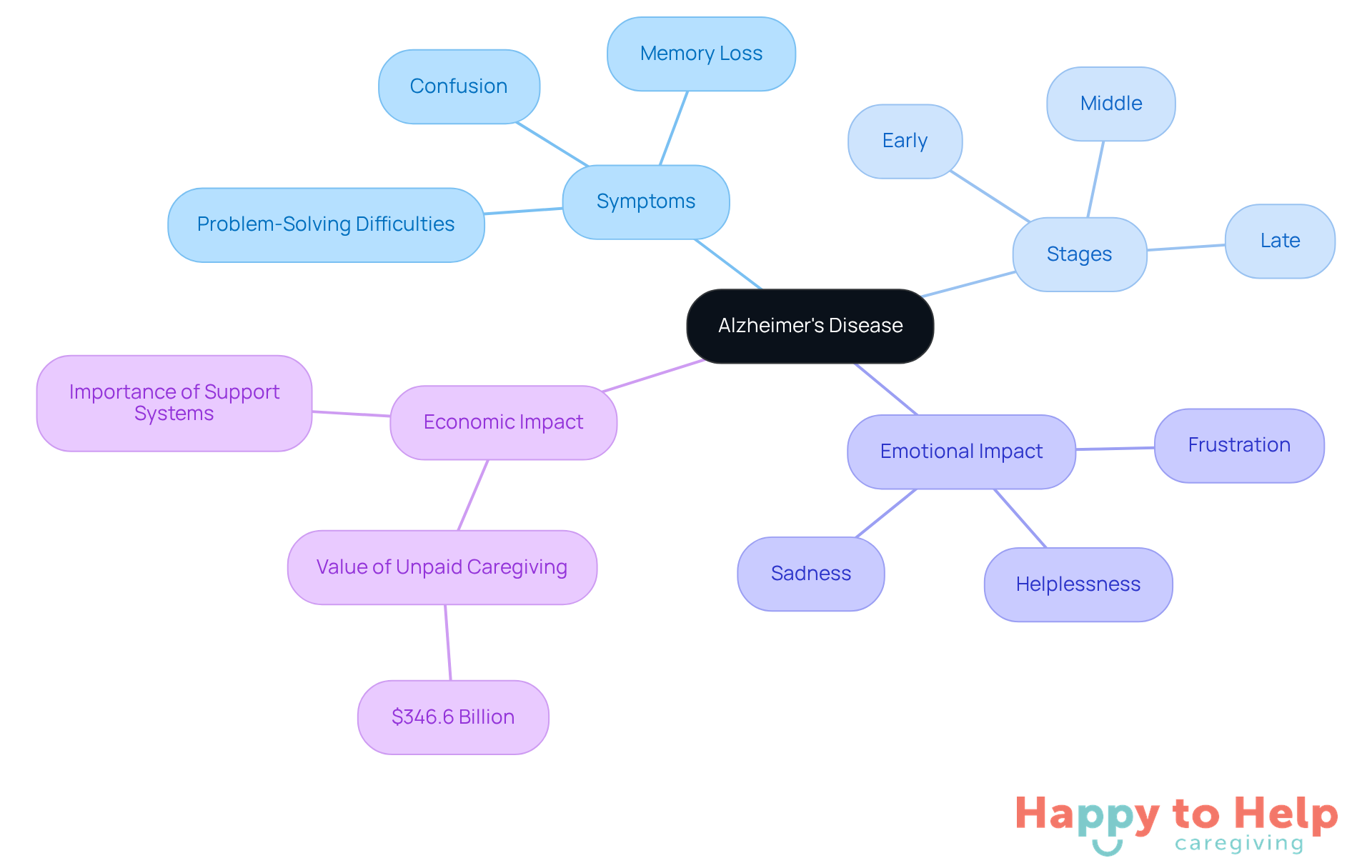
Alzheimer's disease is a progressive neurodegenerative disorder that primarily affects memory, thinking, and behavior. As the most common form of dementia, it accounts for 60-70% of cases. For caregivers coping with Alzheimer's, understanding the stages of the disease-from mild cognitive impairment to severe dementia-is essential.
-
Recognize Symptoms: Early signs include memory loss, confusion, and difficulty with problem-solving. As the disease progresses, individuals may experience changes in personality and behavior, such as agitation and withdrawal from social activities.
-
Understand the Stages: This condition typically progresses through three stages: early, middle, and late. Coping with Alzheimer's presents unique challenges at each stage and requires different caregiving approaches.
Caregivers must also consider the emotional toll on both themselves and the individual while coping with Alzheimer's. Feelings of frustration, sadness, and helplessness are common. It’s vital to approach caregiving with compassion and patience. As Elizabeth Edgerly states, "Caregiving is one of the most selfless acts of love there is."
As of 2025, a significant portion of dementia cases is caused by this condition, with forecasts suggesting that almost 6.9 million Americans aged 65 and above are living with it. This figure is anticipated to increase significantly, highlighting the essential function of support providers in handling the intricacies of dementia care. The estimated value of unpaid dementia caregiving was $346.6 billion in 2023, underscoring the economic impact of caregiving. Furthermore, findings from the D-CARE study show that satisfaction among those providing care improves with structured dementia care programs, underscoring the need for effective support systems.
Recognize Behavioral Changes and Challenges
Behavioral changes in people coping with Alzheimer's can cause distress for both caregivers and patients. Common changes include:
-
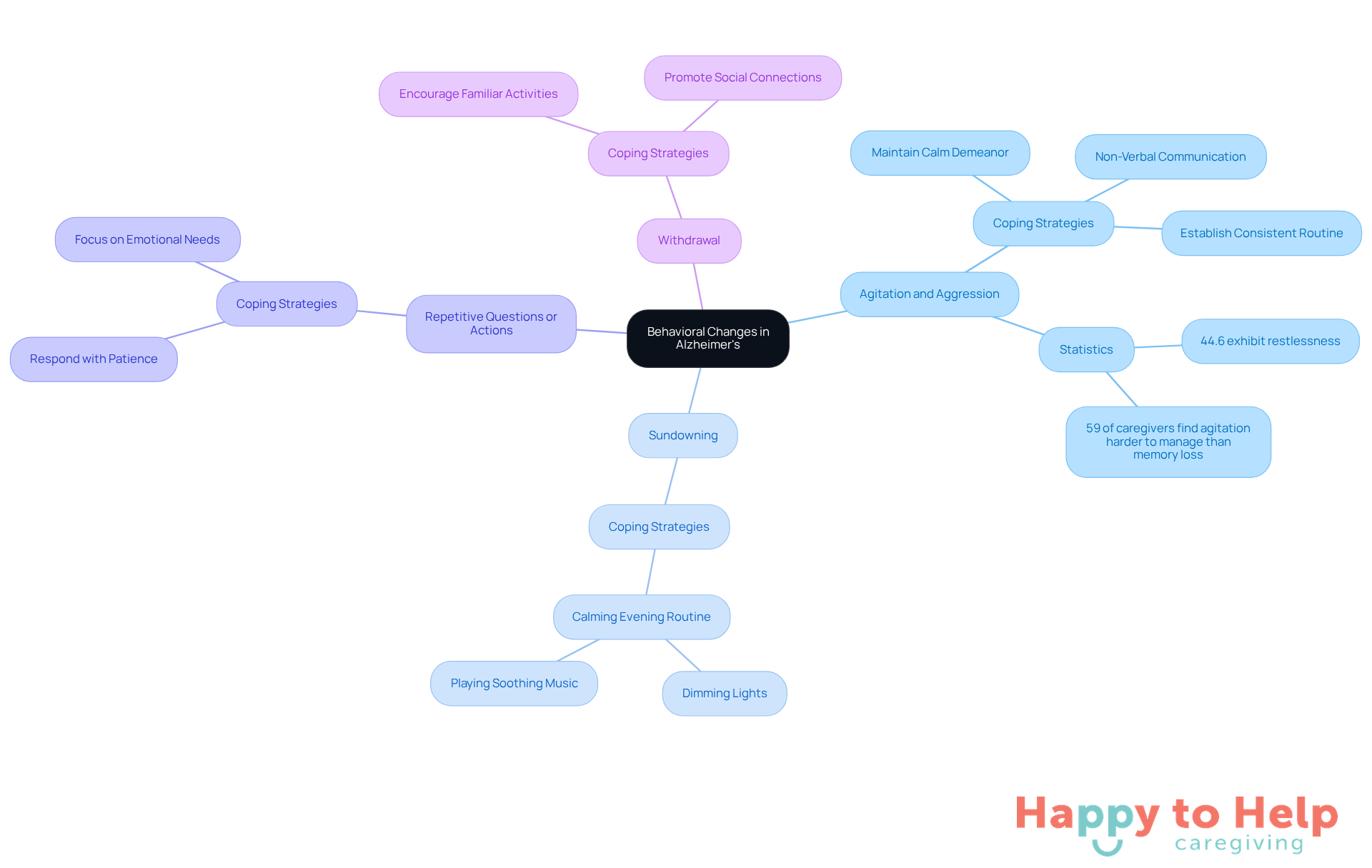
Agitation and Aggression: These behaviors often stem from confusion or frustration. Caregivers should maintain a calm demeanor, avoid confrontation, and seek to understand the underlying causes of these behaviors. Techniques like employing non-verbal communication and fostering a soothing atmosphere can greatly lessen restlessness. For instance, establishing a consistent daily routine can foster a sense of security and predictability. Significantly, 44.6% of individuals coping with Alzheimer's exhibit signs of developing restlessness, highlighting the prevalence of this issue. Moreover, 59% of caregivers indicate that coping with Alzheimer's, particularly managing restlessness symptoms, is more difficult than dealing with memory loss, emphasizing the necessity for effective strategies and support.
-
Sundowning: This phenomenon, characterized by increased confusion and agitation during late afternoon or evening, can be particularly challenging. Implementing a calming evening routine, such as dimming lights and playing soothing music, can help mitigate these effects and promote relaxation.
-
Repetitive Questions or Actions: Memory loss may cause people to repeat questions or actions. Caregivers should respond with patience and reassurance, focusing on the emotional needs of the person rather than the factual accuracy of their inquiries. This approach can help alleviate frustration and foster a sense of connection.
-
Withdrawal: Some individuals may withdraw from social interactions, leading to feelings of isolation. Encouraging participation in familiar activities, such as hobbies or family gatherings, can help maintain social connections and enhance emotional well-being.
The occurrence of restlessness in Alzheimer's patients varies from 30% to 80%, which presents a notable issue for those coping with Alzheimer's. Numerous providers indicate that coping with Alzheimer's, particularly handling restlessness, is more difficult than tackling memory decline, emphasizing the necessity for efficient strategies and assistance. By recognizing these behavioral changes and implementing customized strategies for coping with Alzheimer's, providers can improve the quality of life for both themselves and their loved ones. As Dr. George T. Grossberg highlights, in a person-centered care culture, disruptive behaviors are seen as indicators of distress in an individual who can no longer express a problem through alternative methods.
Implement Coping Strategies for Agitation and Sundowning
Coping with Alzheimer's involves managing agitation and sundowning in individuals, which can be a significant challenge for caregivers. These issues often lead to increased anxiety and confusion, particularly during the late afternoon or evening. Understanding how to effectively address these behaviors is crucial for coping with Alzheimer's and enhancing the quality of life for both caregivers and individuals with the condition.
To tackle this problem, caregivers can adopt several key strategies:
-
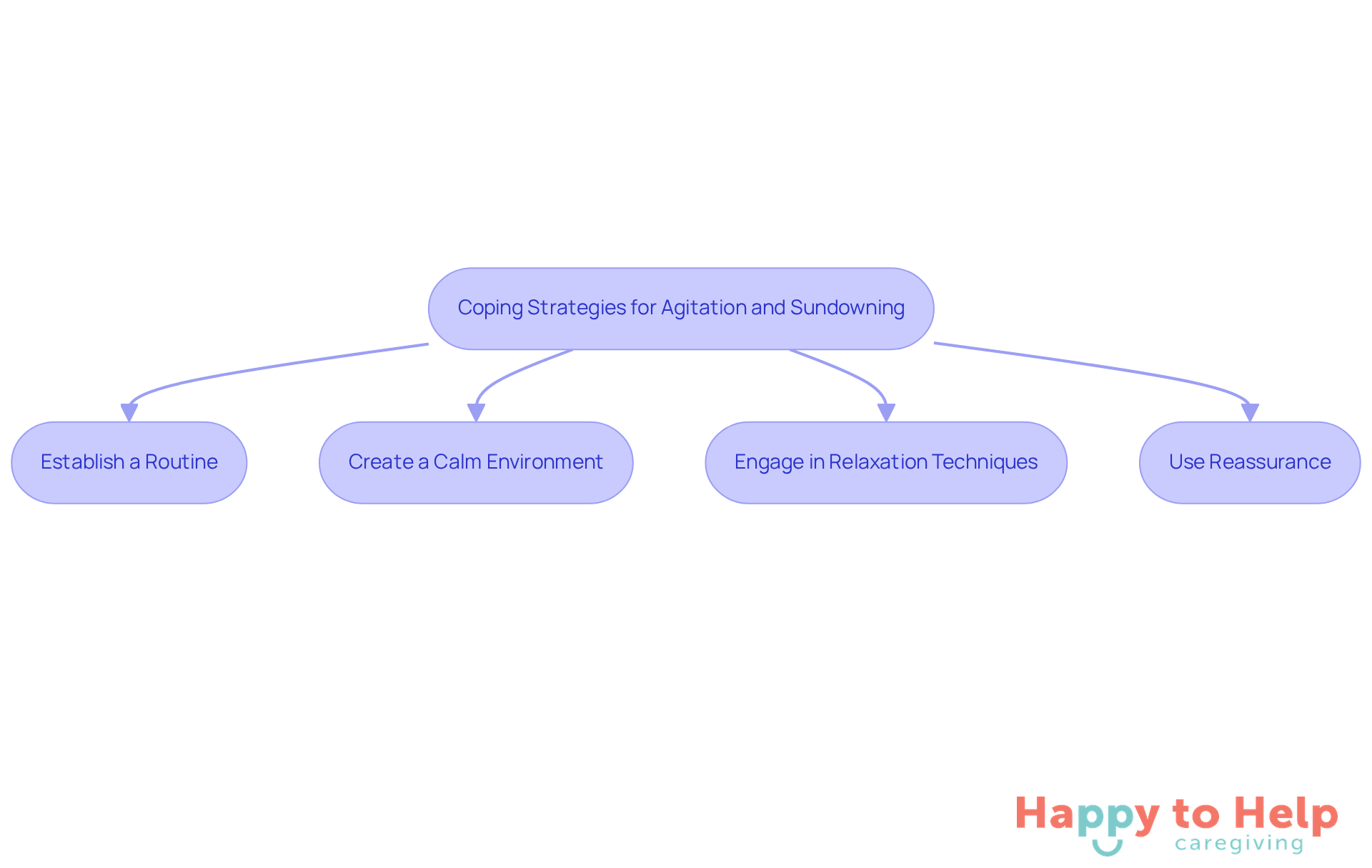
Establish a Routine: Consistency is vital for providing a sense of security. Regular meal times, activities, and bedtime can significantly reduce anxiety and confusion. Research indicates that maintaining a structured daily routine can help alleviate episodes of sundowning.
-
Create a Calm Environment: Reducing noise and distractions is essential. Soft lighting and familiar items can create a calming atmosphere, especially during evening hours when restlessness may peak. Adjusting lighting to keep rooms evenly lit and using warm, indirect light can help minimize disorientation and promote relaxation.
-
Engage in Relaxation Techniques: Incorporating activities such as music therapy, gentle exercise, or simple breathing exercises can effectively calm agitation. Personalized music interventions have been shown to reduce verbally agitated behaviors and enhance emotional well-being. Encourage participation in activities that the individual enjoys to further boost their mood.
-
Use Reassurance: When distress occurs, it is vital to speak calmly and provide reassurance. Validating feelings and avoiding arguments can prevent escalation. Methods to gently reduce distress, such as providing comfort and empathy, can greatly enhance interactions during difficult times.
By implementing these strategies, caregivers can create a supportive environment that not only addresses agitation but also enhances the overall quality of life for individuals coping with Alzheimer's.
Prioritize Self-Care and Emotional Support for Caregivers
Caring for others can be both emotionally and physically taxing, making it essential for caregivers to prioritize their health and well-being. Neglecting self-care can lead to burnout, stress, and decreased effectiveness in their roles. Here are some strategies caregivers can implement to navigate these challenges:
-
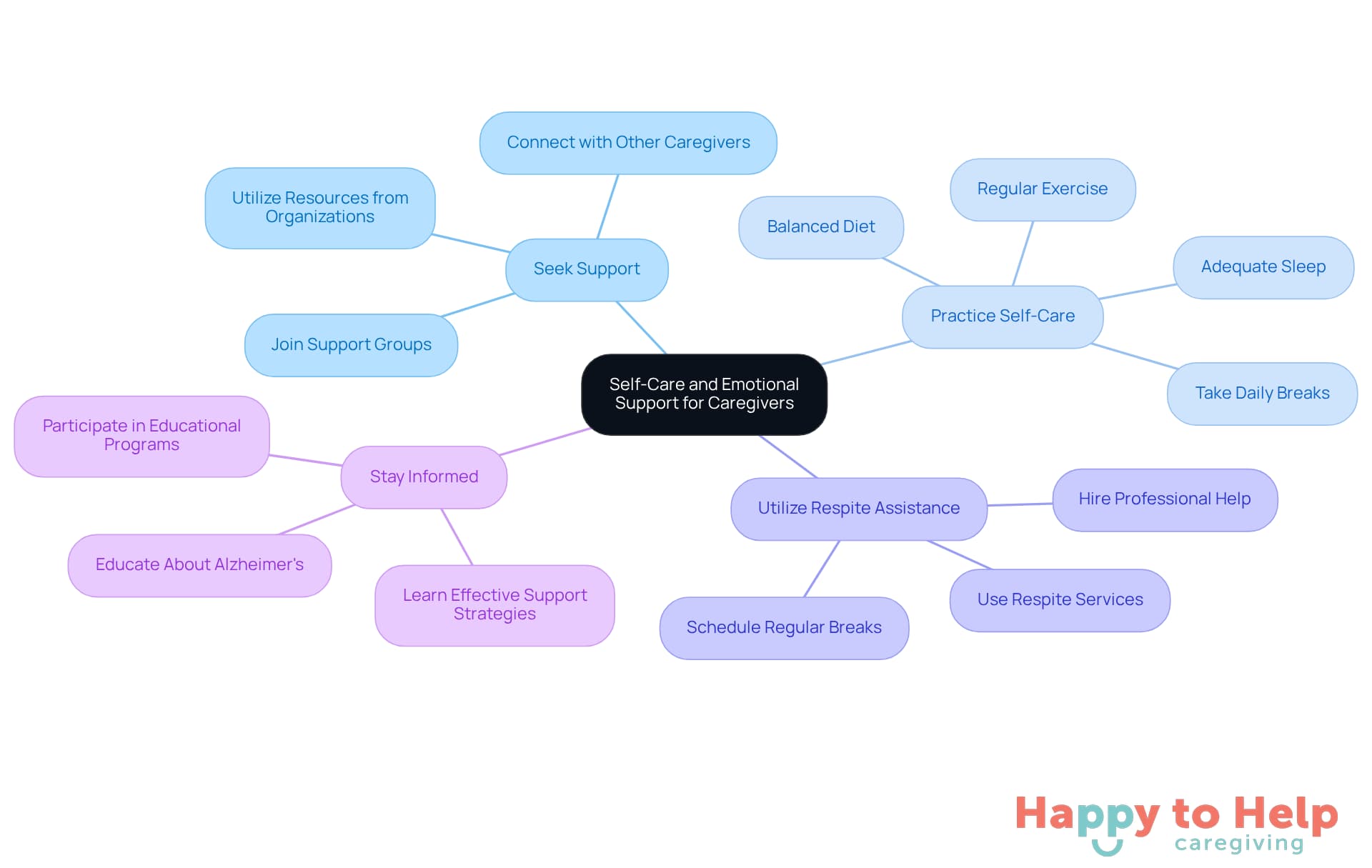
Seek support: Connecting with support groups or other caregivers can provide a vital outlet for sharing experiences and strategies for coping with Alzheimer's. These groups foster a sense of community, allowing caregivers to exchange valuable resources and emotional support. For example, local Alzheimer’s Association chapters often host both in-person and virtual support groups that provide resources for coping with Alzheimer's, creating accessible avenues for connection. Elizabeth Edgerly, senior director of community programs and services, emphasizes, "It’s important that those caring for individuals with dementia not do it alone."
-
Practice self-care: Regular exercise, a balanced diet, and adequate sleep are crucial for maintaining both physical and mental health. Caregivers should carve out time for themselves, even if it’s just a brief daily break. This practice not only revitalizes caregivers but also enhances their ability to provide support. Research indicates that individuals who engage in self-care report lower stress levels and improved emotional well-being. Notably, 59% of family caregivers rated their emotional stress as high or very high, underscoring the need for self-care.
-
Utilize respite assistance: Hiring professional help or using respite services can offer caregivers necessary breaks. This approach helps prevent burnout and allows caregivers to recharge, ultimately leading to a more positive caregiving experience. Many families have discovered that even short periods of respite can significantly enhance their overall caregiving dynamics.
-
Stay informed: Educating oneself about Alzheimer’s disease and effective support strategies empowers caregivers and alleviates feelings of helplessness. Understanding the disease's progression and available resources can boost confidence and improve decision-making. Support group leaders often stress the importance of education, noting that informed caregivers are better equipped to tackle challenges as they arise. Programs like WECARE have shown the potential to enhance the physical and mental well-being of caregivers, providing additional resources for support.
By prioritizing self-care and seeking emotional support, caregivers can more effectively navigate the complexities of coping with Alzheimer's, ensuring the well-being of both themselves and their loved ones.
Taking the Next Steps
Coping with Alzheimer's disease presents a significant challenge for family caregivers. This condition profoundly impacts both patients and their loved ones, making it essential for caregivers to understand its complexities. The journey through Alzheimer's is multifaceted, requiring caregivers to adapt to the evolving needs of individuals at various stages of the disease.
Recognizing the symptoms and behavioral changes associated with Alzheimer's, such as agitation and sundowning, is crucial. Implementing structured routines, creating calming environments, and utilizing effective communication techniques can significantly alleviate distress for both caregivers and patients. Additionally, prioritizing self-care and seeking emotional support is vital for caregivers to avoid burnout and maintain their well-being, ultimately leading to a more positive caregiving experience.
As the prevalence of Alzheimer's continues to rise, the role of caregivers becomes increasingly vital. Embracing effective coping strategies and fostering a supportive community empowers caregivers to navigate the complexities of this disease. Remember, caregiving is not a solitary journey; by connecting with resources and support systems, caregivers can find strength and resilience, ensuring they care for their loved ones while also looking after themselves.
https://iframe.tely.ai/cta/eyJhcnRpY2xlX2lkIjogIjY5MjNhMGMwZTUyZmU2NjM2Njg4Njc0NyIsICJjb21wYW55X2lkIjogIjY4ZWU1ZGNhNzMxNzYyNTU3ZjNjOTVjMSIsICJpbmRleCI6IG51bGwsICJ0eXBlIjogImFydGljbGUifQ==Frequently Asked Questions
What is Alzheimer's disease?
Alzheimer's disease is a progressive neurodegenerative disorder that primarily affects memory, thinking, and behavior. It is the most common form of dementia, accounting for 60-70% of dementia cases.
What are the early symptoms of Alzheimer's disease?
Early signs of Alzheimer's disease include memory loss, confusion, and difficulty with problem-solving. As the disease progresses, individuals may also experience changes in personality and behavior, such as agitation and withdrawal from social activities.
What are the stages of Alzheimer's disease?
Alzheimer's disease typically progresses through three stages: early, middle, and late. Each stage presents unique challenges and requires different caregiving approaches.
What emotional challenges do caregivers face when caring for someone with Alzheimer's?
Caregivers often experience feelings of frustration, sadness, and helplessness. It is important for them to approach caregiving with compassion and patience.
How many Americans are affected by Alzheimer's disease?
As of 2025, it is estimated that almost 6.9 million Americans aged 65 and above are living with Alzheimer's disease, and this number is expected to increase significantly.
What is the economic impact of unpaid dementia caregiving?
The estimated value of unpaid dementia caregiving was $346.6 billion in 2023, highlighting the significant economic impact of caregiving.
How can structured dementia care programs benefit caregivers?
Findings from the D-CARE study indicate that satisfaction among caregivers improves with structured dementia care programs, emphasizing the need for effective support systems in dementia care.
List of Sources
- Understand Alzheimer's Disease and Its Impact
- D-CARE study finds caregiver satisfaction higher with dementia care programs than usual care (https://uclahealth.org/news/release/d-care-study-finds-caregiver-satisfaction-higher-with)
- Alzheimer’s Association Honors the Nearly 12 Million Americans Who Serve as Dementia Caregivers and Shares New Resources to Help Them Thrive (https://alz.org/news/2025/november-national-family-caregivers-alzheimers-disease-awareness-month)
- 2024 Alzheimer's disease facts and figures - PubMed (https://pubmed.ncbi.nlm.nih.gov/38689398)
- New Report Reveals U.S. Family Caregivers Perform Equivalent of a Staggering $873.5 Billion Worth of Labor, Would Surpass Revenue of Top Global Companies | Otsuka US (https://otsuka-us.com/news/new-report-reveals-us-family-caregivers-perform-equivalent-staggering-8735-billion-worth-labor)
- Recognize Behavioral Changes and Challenges
- Can Stem Cells Address Behavioral Symptoms in Alzheimer’s Patients? - InventUM (https://news.med.miami.edu/can-stem-cells-address-behavioral-symptoms-in-alzheimers-patients)
- Widespread Misunderstanding of Agitation in Alzheimer Dementia Leaves US Caregivers Struggling (https://hmpgloballearningnetwork.com/site/altc/news/widespread-misunderstanding-agitation-alzheimer-dementia-leaves-us-caregivers)
- Publication Highlights Person-Centered Approach to Managing Agitation in Alzheimer’s Disease (https://geron.org/News-Events/GSA-News/Press-Room/Press-Releases/publication-highlights-person-centered-approach-to-managing-agitation-in-alzheimers-disease)
- New Survey Reveals Critical Gaps in Awareness and Understanding of Agitation in Alzheimer’s Dementia - Alliance for Aging Research (https://agingresearch.org/news/new-survey-reveals-critical-gaps-in-awareness-and-understanding-of-agitation-in-alzheimers-dementia)
- Coping With Agitation, Aggression, and Sundowning in Alzheimer's Disease (https://nia.nih.gov/health/alzheimers-changes-behavior-and-communication/coping-agitation-aggression-and-sundowning)
- Implement Coping Strategies for Agitation and Sundowning
- Managing Sundown Syndrome in Alzheimer's Patients (https://landingalexandria.com/blog/managing-sundown-syndrome-in-alzheimers-patients)
- Managing agitation associated with dementia due to Alzheimer’s disease (https://statnews.com/sponsor/2023/06/07/managing-agitation-associated-with-dementia-due-to-alzheimers-disease)
- Expert Consensus Highlights Evidence-Based Recommendations for Managing Agitation in Alzheimer Dementia (https://hmpgloballearningnetwork.com/site/altc/news/expert-consensus-highlights-evidence-based-recommendations-managing-agitation)
- Non-drug therapies show real promise in calming agitation in Alzheimer’s (https://news-medical.net/news/20250528/Non-drug-therapies-show-real-promise-in-calming-agitation-in-Alzheimere28099s.aspx)
- Publication Highlights Person-Centered Approach to Managing Agitation in Alzheimer’s Disease (https://geron.org/News-Events/GSA-News/Press-Room/Press-Releases/publication-highlights-person-centered-approach-to-managing-agitation-in-alzheimers-disease)
- Prioritize Self-Care and Emotional Support for Caregivers
- Self-Care is Vital for Dementia Caregivers - Pine Rest Newsroom (https://pinerest.org/newsroom/articles/alzheimers-self-care-blog)
- New program reduces burnout in dementia caregivers, novel research evaluation proves (https://publichealth.gmu.edu/news/2025-10/new-program-reduces-burnout-dementia-caregivers-novel-research-evaluation-proves)
- Changes in Health Indicators Among Caregivers... (https://cdc.gov/mmwr/volumes/73/wr/mm7334a2.htm)
- Alzheimer’s Association Honors the Nearly 12 Million Americans Who Serve as Dementia Caregivers and Shares New Resources to Help Them Thrive (https://alz.org/news/2025/november-national-family-caregivers-alzheimers-disease-awareness-month)
- Alzheimer’s Association Encourages Dementia Caregivers to Make Their Health and Well-Being an Equal Priority (https://alz.org/news/2024/november-national-family-caregivers-month)