Create a Home Safety Assessment Checklist for Elderly Care

For families in our service areas
For families in our service areas, this guide explains caregiving and how non-medical in-home caregiving can support care planning in East Idaho, Treasure Valley & Magic Valley, Northern Wasatch, North Central West Virginia, and Northeast Ohio.
Why Create a Home Safety Assessment Matters
Creating a safe living environment for the elderly is not just important; it’s essential. Caregiving often brings unique challenges, especially for seniors who may struggle with mobility issues, diminished vision, and cognitive decline. These challenges can weigh heavily on caregivers, amplifying feelings of stress and burnout. That’s why a comprehensive home safety assessment is more crucial than ever.
This guide will walk you through the steps to develop a tailored home safety assessment checklist. It’s not just about checking boxes; it’s about understanding the significant benefits of proactively identifying and mitigating hazards. By doing so, families can help their loved ones maintain independence while ensuring they live in a secure environment.
How can we, as caregivers, provide the support our loved ones need? It starts with empathy and understanding. Together, we can create a nurturing space that fosters safety and comfort.
Understand the Importance of Home Safety Assessments
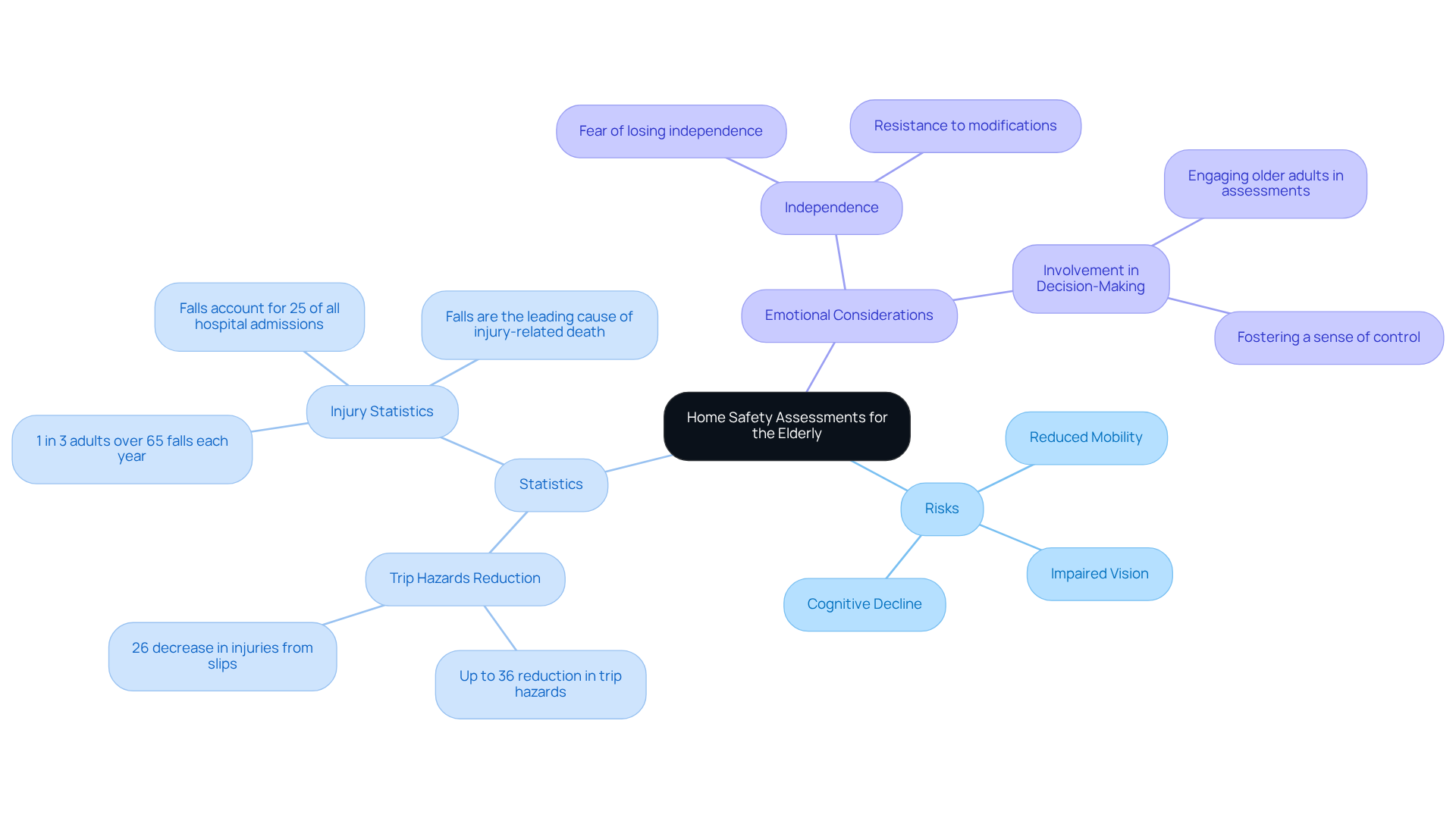
Using a home safety assessment checklist for elderly is essential for evaluating residential security and recognizing risks that could lead to tumbles, injuries, or crises in the living space. Seniors often face heightened risks due to reduced mobility, impaired vision, and cognitive decline. A thorough risk evaluation conducted by occupational therapists not only uncovers these dangers but also empowers families to utilize a home safety assessment checklist for elderly, enhancing their loved ones' living conditions.
Studies reveal that residential risk evaluations can lower trip hazards by as much as 36%, significantly reducing the chances of severe injuries. For instance, one study indicated a 26% decrease in injuries from slips among elderly individuals who received safety modifications at their homes compared to a control group. It's important to note that tumbles are the leading cause of injury-related fatalities among those aged 65 and above, with one in three elderly individuals experiencing a tumble each year.
Engaging older adults in the assessment process can also help address emotional barriers. Many resist modifications due to fears of losing their independence. As one participant shared, "They [older adults] are reluctant to let a stranger into their homes to change things." By involving them in decision-making, families can foster a sense of control and dignity, ultimately leading to safer and more comfortable living environments.
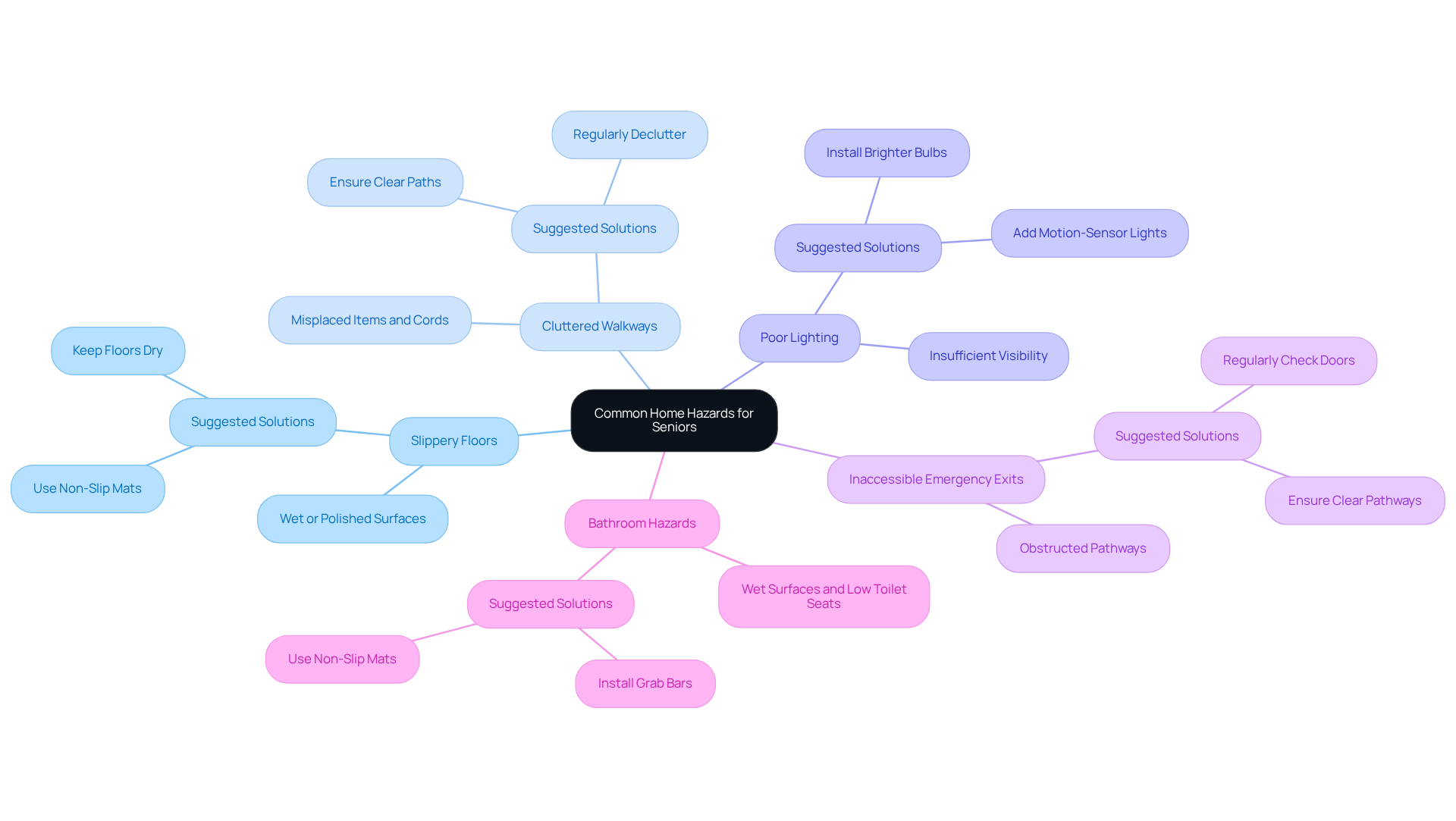
Identify Common Home Hazards for Seniors
Slippery Floors: Wet or polished surfaces can be a significant concern for older adults, often leading to falls. To enhance safety, it’s important to keep all floors dry and consider placing non-slip mats in areas where slips are more likely, like bathrooms and kitchens. Remember, falls are the leading cause of injury-related deaths among seniors, which makes addressing this hazard all the more urgent.
Cluttered Walkways: Cluttered pathways filled with misplaced items or cords can create tripping hazards. Regularly decluttering living spaces is essential to maintain clear and safe paths for movement, ensuring that loved ones can navigate their homes without worry.
Poor Lighting: Insufficient lighting can make it difficult for seniors to navigate their surroundings, increasing the risk of accidents. Installing brighter bulbs and adding motion-sensor lights in hallways and staircases can significantly improve visibility and security, making a world of difference in their daily lives.
Inaccessible Emergency Exits: It’s crucial that emergency exits are easily accessible and free from obstructions. Regularly checking that doors open smoothly and ensuring pathways to exits are clear can provide peace of mind, knowing that quick evacuation is possible if needed.
Bathroom Hazards: Bathrooms can be particularly risky due to wet surfaces and low toilet seats. Installing grab bars near toilets and showers, along with using non-slip mats, can greatly reduce the risk of falls in this vital area.
For older adults with cognitive impairments, simplifying the environment and enhancing visual cues can further improve safety. As Deandra Lanier demonstrated in her efforts to make her father's home safer, caregiver involvement is key in identifying and addressing these hazards. By systematically pinpointing these risks using a home safety assessment checklist for elderly, caregivers can prioritize which areas need immediate attention, ultimately creating a safer living environment for seniors.
Develop Your Home Safety Assessment Checklist
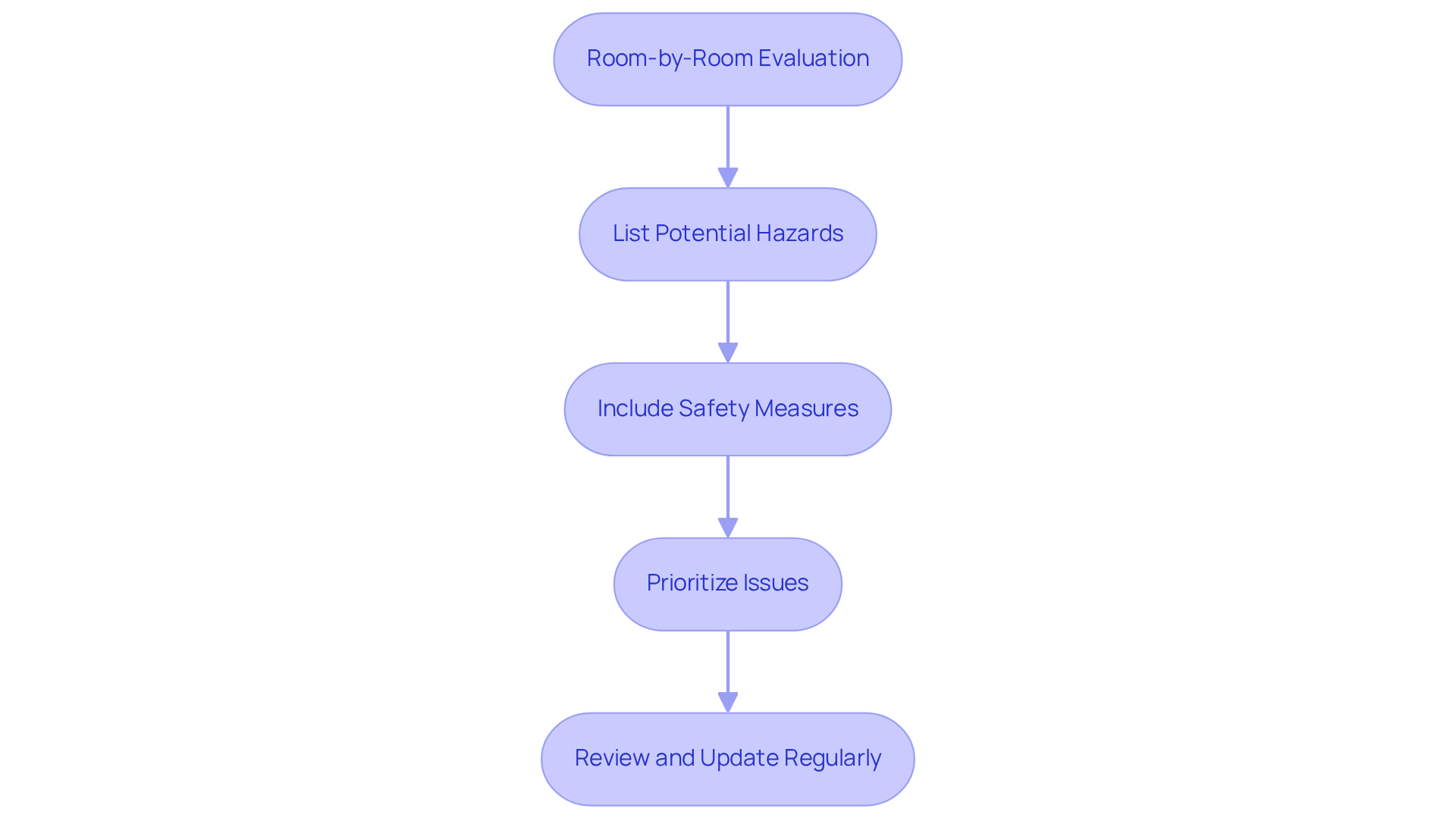
Creating a home safety assessment checklist for elderly care is essential for ensuring the well-being of our loved ones, even if it feels overwhelming. Here’s a gentle guide to help you through the process:
-
Room-by-Room Evaluation: Start by breaking down the checklist into sections for each room in the house - think about the living room, kitchen, bathroom, and bedroom. This organized approach helps you thoroughly evaluate those high-risk areas that need extra attention.
-
List Potential Hazards: Take a moment to identify common hazards in each room. In the kitchen, for example, look for loose rugs, cluttered countertops, and dim lighting. These factors can significantly increase the risk of falls and injuries. Remember, seniors often face challenges like poor lighting, uneven flooring, and cluttered walkways, so it’s crucial to be vigilant.
-
Include Safety Measures: For every hazard you identify, suggest practical safety measures. If a room lacks sufficient lighting, consider recommending brighter bulbs or adding night lights, especially in stairways and bathrooms where accidents are more likely to occur. It’s important to note that slips in the bathroom can lead to serious injuries, so focusing on this area is essential.
-
Prioritize Issues: Once you’ve identified hazards, rank them based on their severity and the likelihood of causing harm. Start with high-risk areas, like bathrooms - where falls can be particularly dangerous - and staircases, which are crucial for safe navigation.
-
Review and Update Regularly: Establish a routine to review and update the checklist, especially after any significant changes in the senior's health or living situation. It’s wise to perform residential hazard assessments at least once a year or whenever there’s a notable shift in health or mobility. Regular evaluations help adjust the living environment to meet changing needs, ensuring ongoing security and comfort. Involving family members or care professionals in this process can also help uncover any overlooked safety concerns.
This home safety assessment checklist for elderly serves as a flexible resource for caregivers, enabling ongoing observation and enhancement of home security. Ultimately, it empowers seniors to maintain their independence and well-being, fostering a nurturing environment where they can thrive.
Implement Safety Measures and Monitor Effectiveness
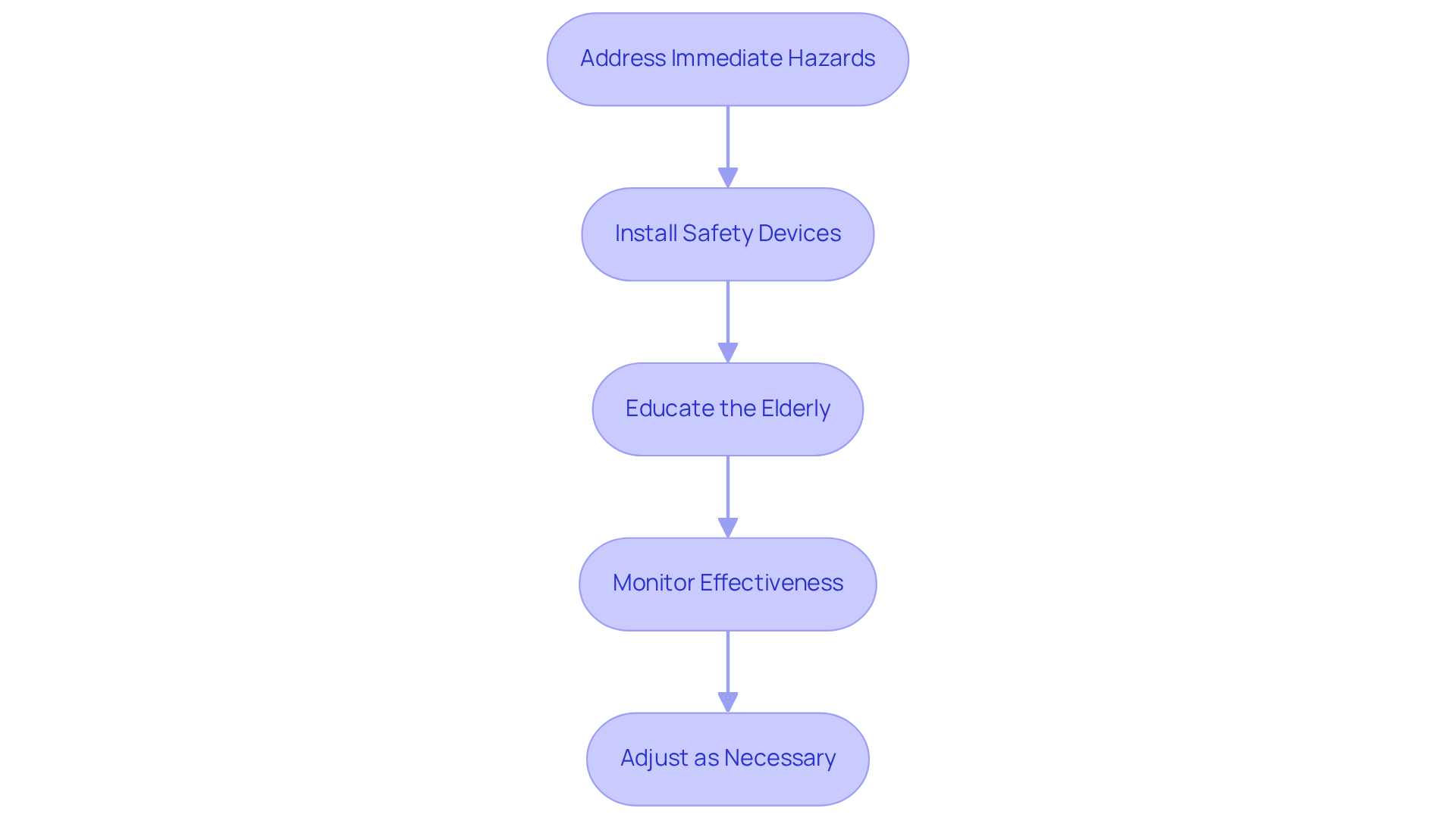
Once hazards have been identified and a checklist developed, the next step is to implement safety measures that truly make a difference:
-
Address Immediate Hazards: Start by prioritizing the most pressing issues. For example, securing or removing loose rugs can help prevent tripping, creating a safer environment for your loved ones.
-
Install Safety Devices: Essential installations can greatly enhance safety. Consider adding grab bars in bathrooms, non-slip mats in showers, and improving lighting in hallways and staircases. Grab bars are particularly crucial, as they provide support during transfers, significantly reducing the risk of falls. You might also think about installing anti-scald, temperature and pressure balanced tub shower valves for safer bathing, along with curbless showers to eliminate the need to step over.
-
Educate the Elderly: It’s important to inform older adults about the changes made in their environment. Encourage open communication regarding any new concerns they may have, fostering a sense of security and involvement.
-
Monitor Effectiveness: After implementing these safety measures, take the time to observe their impact on the senior's daily life. Are they feeling more secure? Are accidents still occurring? Continuous observation is essential, especially considering that accidents account for 25% of all hospital admissions and 40% of nursing home admissions among older adults. The fall death rate for older adults surged by 41% between 2012 and 2021, underscoring the urgency of these measures.
-
Adjust as Necessary: Be ready to make further adjustments based on feedback and observations. Regularly review the checklist to ensure that all precautionary measures remain effective and relevant. As you plan these adjustments, consider the average cost per dwelling modification, which is about $448.
By actively applying and overseeing these protective measures, caregivers can significantly improve living conditions for seniors, fostering their independence and overall well-being. This proactive approach not only addresses immediate risks but also promotes a safer, more supportive living environment. Regular home safety assessment checklists for elderly are also recommended to ensure ongoing safety and effectiveness.
Making the Right Choice
Creating a home safety assessment checklist for elderly care is a crucial step in ensuring the well-being and security of our beloved older adults. By thoughtfully evaluating potential risks within the home, families can significantly improve living conditions, fostering a safer environment that nurtures independence and dignity.
Key hazards like slippery floors, cluttered walkways, poor lighting, and inaccessible emergency exits are common risks that can lead to serious injuries among seniors. By implementing practical safety measures - such as installing grab bars, enhancing lighting, and keeping pathways clear - we can greatly reduce these dangers. Regularly updating and reviewing the checklist ensures that the home remains a secure haven, adapting to the evolving needs of elderly residents.
Ultimately, prioritizing home safety goes beyond just preventing accidents; it’s about empowering older adults to thrive in their living spaces. Caregivers and family members are encouraged to take action by creating and maintaining a comprehensive home safety assessment checklist. This proactive approach not only protects seniors from potential hazards but also enriches their quality of life, allowing them to enjoy their independence in a safe and nurturing environment.
https://iframe.tely.ai/cta/eyJhcnRpY2xlX2lkIjogIjY5MWU1YWI0MDAzNjA5ODRkZWZlZjk5MCIsICJjb21wYW55X2lkIjogIjY4ZWU1ZGNhNzMxNzYyNTU3ZjNjOTVjMSIsICJpbmRleCI6IG51bGwsICJ0eXBlIjogImFydGljbGUifQ==Frequently Asked Questions
Why are home safety assessments important for the elderly?
Home safety assessments are crucial for evaluating residential security and identifying risks that could lead to falls, injuries, or emergencies, particularly because seniors often face increased risks due to reduced mobility, impaired vision, and cognitive decline.
How can a home safety assessment checklist improve living conditions for seniors?
A thorough risk evaluation by occupational therapists can uncover dangers in the home and empower families to use a home safety assessment checklist, ultimately enhancing the living conditions for elderly individuals.
What impact do residential risk evaluations have on trip hazards?
Studies show that residential risk evaluations can reduce trip hazards by as much as 36%, significantly lowering the chances of severe injuries among elderly individuals.
What statistics highlight the dangers of falls among the elderly?
Falls are the leading cause of injury-related fatalities for those aged 65 and above, with one in three elderly individuals experiencing a fall each year.
How can engaging older adults in the assessment process help?
Involving older adults in the assessment process can help address emotional barriers and fears of losing independence, fostering a sense of control and dignity, which can lead to safer and more comfortable living environments.
What are some common concerns elderly individuals have regarding home modifications?
Many elderly individuals are reluctant to allow modifications in their homes due to fears of losing their independence and concerns about letting strangers into their homes to make changes.