Dementia in Home Caregivers: Essential at a Glance
Caring for someone with dementia can be incredibly challenging, and it’s essential to recognize the emotional toll it takes on caregivers. Many face feelings of stress and burnout as they navigate this journey. But there’s hope and support available.
By understanding the different types and stages of dementia, caregivers can better manage their daily routines. Establishing structured activities not only helps those with cognitive impairments but also brings a sense of stability to caregivers. It’s important to prioritize your well-being, too. Practicing self-care is not just a luxury; it’s a necessity.
Effective communication is key. Using compassionate techniques can foster deeper connections and understanding. Remember, you’re not alone in this. Many caregivers share similar experiences, and their stories highlight the power of compassionate care.
As you implement these strategies, know that you’re enhancing both your quality of life and the care you provide. Embrace the journey with kindness towards yourself and those you care for. Together, we can navigate the complexities of dementia with love and support.
Understanding Dementia in Home Caregivers: Essential
Caring for individuals with dementia brings forth a unique set of challenges that can profoundly affect both the caregiver and the person receiving care. With dementia cases projected to soar to 135.5 million by 2050, understanding the intricacies of this condition is more crucial than ever. This article explores essential strategies that empower caregivers, offering insights into:
- Daily care routines
- Self-care practices
- Effective communication techniques
These strategies can enhance the quality of life for both caregivers and those they support.
Navigating the emotional and physical demands of this role can feel overwhelming. Caregivers often experience stress and burnout, raising the question: how can they ensure their loved ones receive the compassionate care they deserve? By focusing on practical support and nurturing their own well-being, caregivers can find a path that not only benefits those they care for but also enriches their own lives.
Understand Dementia: Key Concepts for Caregivers
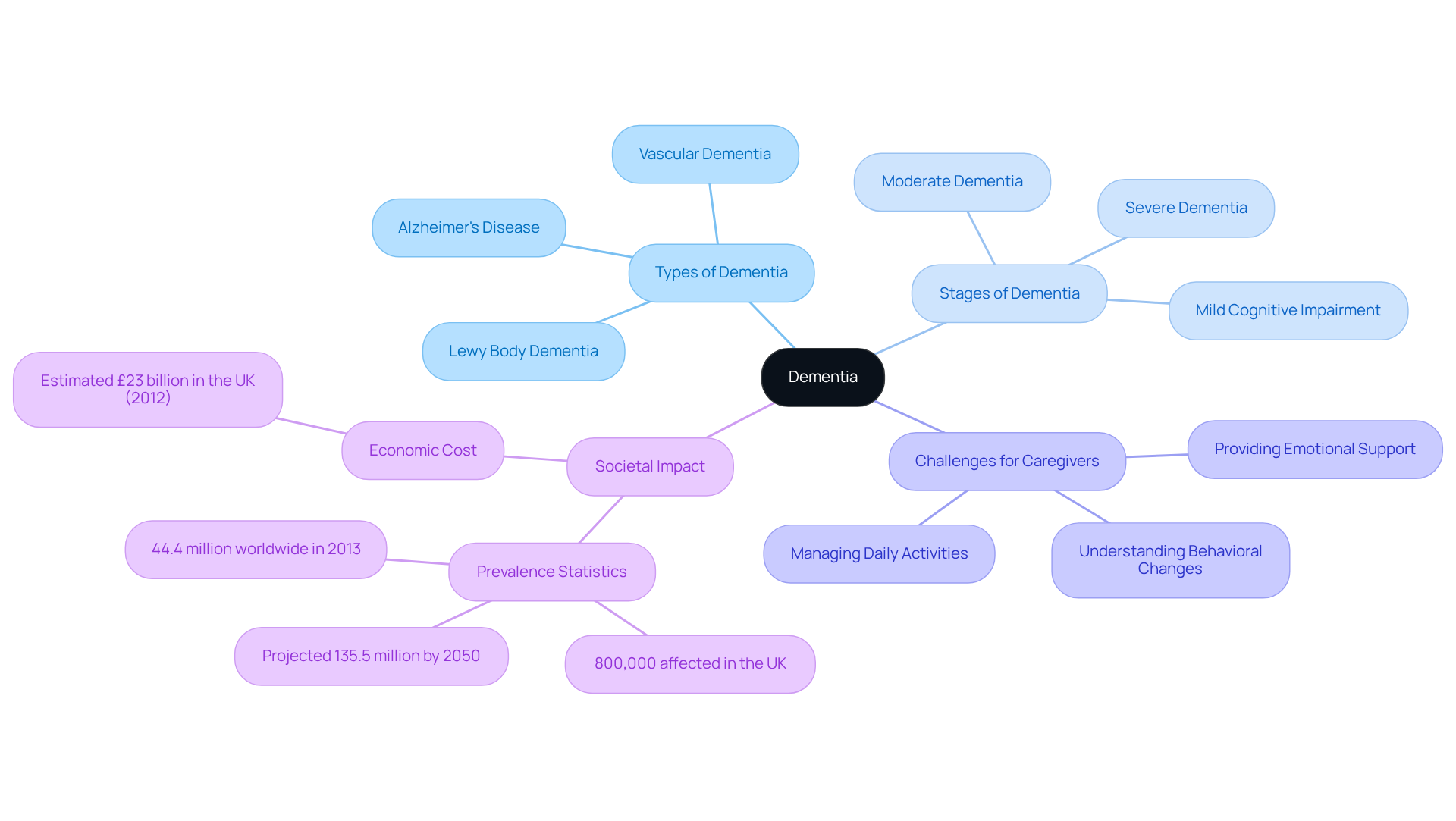
Dementia encompasses a range of cognitive impairments that can deeply affect memory, thinking, and social abilities. For caregivers, understanding the different types of dementia in home caregivers—such as Alzheimer's disease, vascular dementia, and Lewy body dementia—is crucial, as each type brings its own set of challenges.
Recognizing the stages of dementia, from mild cognitive impairment to severe dementia, helps caregivers anticipate changes in behavior and needs. In the early stages, individuals might experience memory lapses, while later stages can lead to significant confusion and difficulties with daily activities. By acknowledging these changes, caregivers can adjust their support, ensuring that clients feel understood and valued throughout their care journey.
As Dr. Mariana Vargas Caballero wisely notes, "The greatest risk factor for developing Alzheimer’s disease is age." This highlights the importance of education for those providing support, especially as the number of people affected by cognitive decline is projected to rise dramatically. By 2050, an estimated 135.5 million individuals will be living with cognitive impairment.
Moreover, the societal cost of cognitive decline was estimated at £23 billion in the UK in 2012. This underscores the necessity for dementia in home caregivers to be informed and equipped to tackle the unique challenges presented by each phase of cognitive impairment.
In this journey, it’s essential to remember that you’re not alone. Many caregivers share similar experiences, and there are resources available to help you navigate this path with compassion and understanding.
Implement Daily Care Strategies: Enhancing Quality of Life
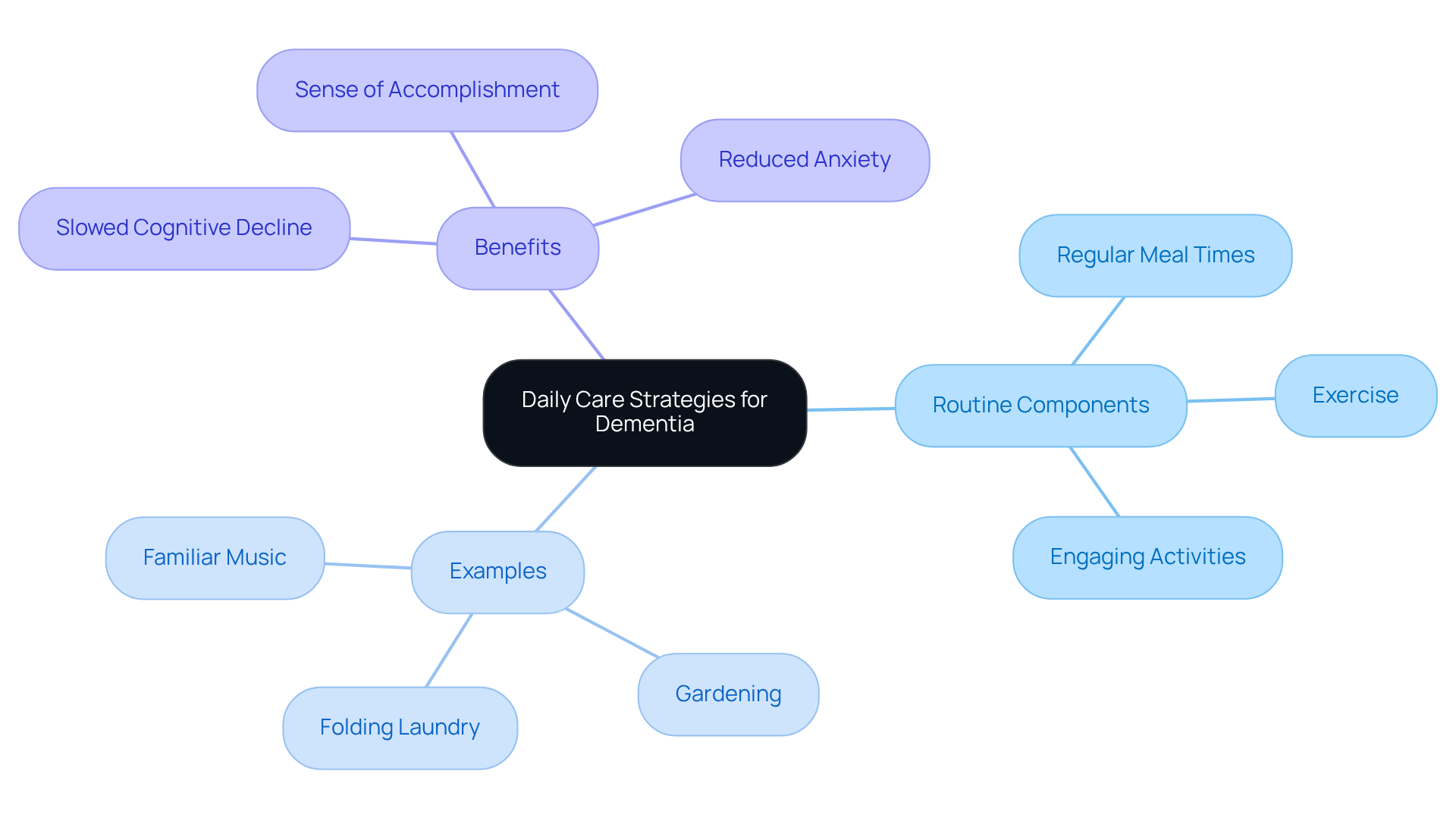
Establishing organized daily routines is vital for enhancing the quality of life for individuals with dementia. Caregivers often face emotional challenges, and it’s essential to create a consistent environment that includes:
- Regular meal times
- Exercise
- Engaging activities tailored to the person's interests
For example, incorporating familiar music or hobbies can spark positive memories and ease anxiety.
Encouraging participation in simple tasks, like folding laundry or gardening, not only fosters a sense of accomplishment but also nurtures independence. Research shows that participants in structured programs experienced a slowdown in cognitive decline by one to two years, underscoring the significance of these routines.
Visual aids, such as calendars or picture schedules, can be incredibly helpful for those with cognitive impairments. They assist in managing daily activities, reducing confusion, and promoting a sense of control over their surroundings. It’s important for caregivers to remain adaptable, modifying daily routines to align with the evolving needs and preferences of the person they care for. This ensures that care remains efficient and responsive, providing the support that truly matters.
Prioritize Caregiver Well-Being: Strategies for Self-Care
Caregiving can be incredibly taxing—both emotionally and physically, especially for those dealing with dementia in home caregivers. That’s why self-care must be a top priority. Caregivers need to carve out time for their personal interests and engage in regular physical activity to recharge their energy. Connecting with peers or professional networks can also provide much-needed emotional relief.
Utilizing respite care services, like those offered by Caring Senior Service, allows caregivers to take essential breaks. This way, they can focus on their own well-being while ensuring their loved ones are well cared for. Mindfulness practices, such as meditation and yoga, have shown to be effective in managing stress and enhancing emotional resilience.
As Tia Walker notes, caregiving reveals a deep affection that often goes unrecognized, highlighting the emotional commitment caregivers invest. By prioritizing their health, caregivers not only improve their own quality of life but also enhance the compassionate support they provide to those they assist.
Statistics show that individuals who engage in self-care report lower stress levels and greater satisfaction in their caregiving roles, underscoring the importance of these practices. However, caregivers must be aware of common pitfalls, like neglecting their own needs or feeling guilty about taking breaks. By addressing these challenges and prioritizing their well-being, caregivers can create a healthier environment for themselves and their loved ones.
https://iframe.tely.ai/cta/eyJhcnRpY2xlX2lkIjogIjY5MGZkOWQzYTM3ODA5Y2U5MWNmMDI4OCIsICJjb21wYW55X2lkIjogIjY4ZWU1ZGNhNzMxNzYyNTU3ZjNjOTVjMSIsICJpbmRleCI6IDIsICJ0eXBlIjogImFydGljbGUifQ==Utilize Effective Communication Techniques: Connecting with Individuals with Dementia
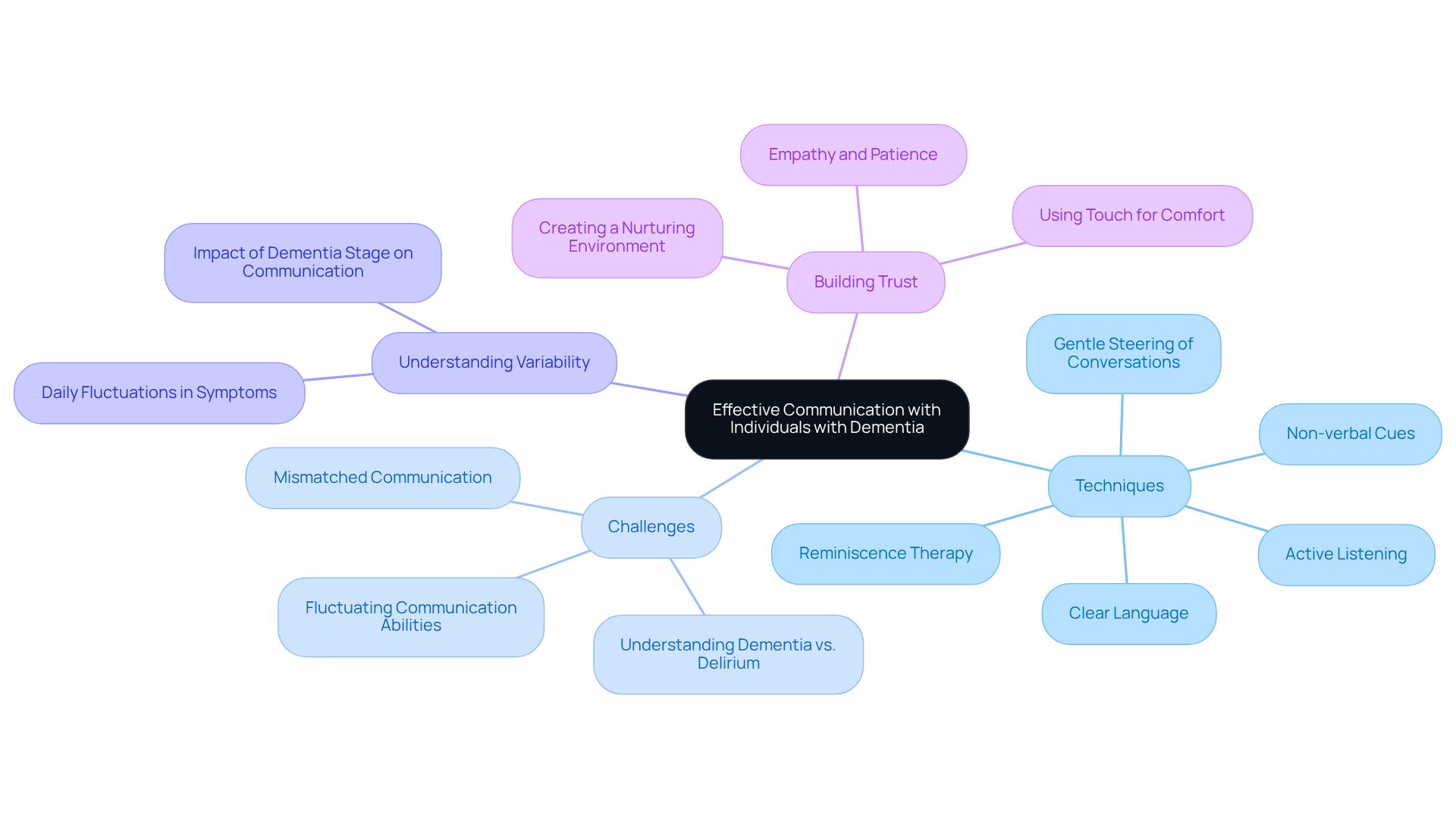
Successful communication with individuals living with dementia in home caregivers necessitates a blend of patience, flexibility, and deep empathy. Caregivers should focus on using clear, simple language while maintaining eye contact to mitigate the risk of dementia in home caregivers, fostering a genuine sense of connection. Non-verbal cues, like gestures and facial expressions, are vital in enhancing understanding and emotional engagement. Active listening is essential; those providing support must acknowledge the individual's feelings, even when responses may seem disjointed or unclear. Rather than correcting or challenging memories, caregivers can gently steer conversations toward familiar topics or utilize reminiscence therapy, encouraging discussions about cherished past experiences.
Research indicates that communication abilities can fluctuate significantly in patients with cognitive decline, particularly in cases of dementia in home caregivers, with symptoms varying from day to day or even hour to hour. This variability underscores the importance of caregivers adjusting their approaches to address the needs associated with dementia in home caregivers. For example, breaking tasks into smaller steps and using shorter sentences can greatly aid comprehension. A case study contrasting dementia and delirium reveals that while dementia symptoms worsen progressively, delirium can lead to sudden confusion. Recognizing these differences is crucial for caregivers dealing with dementia in home caregivers to effectively tailor their communication strategies.
Moreover, caregivers should reflect not only on what they are saying but also on how they convey their messages. Simple gestures, like holding hands, can provide comfort and strengthen the bond with patients experiencing cognitive decline. By embracing these techniques, caregivers can create a nurturing environment that encourages meaningful interactions and eases anxiety for both themselves and the individuals they care for, particularly addressing the challenges of dementia in home caregivers. This compassionate approach is vital for building trust and enhancing the overall caregiving experience.
Moving Forward with Dementia in Home Caregivers: Essential
Understanding dementia and its impact on both individuals and caregivers is crucial for providing effective support. Caregivers often face emotional challenges, and it’s essential to recognize the stress and burnout that can arise in this journey. This article highlights the importance of being well-informed about the various types and stages of dementia, as well as the unique challenges they present. By doing so, caregivers can adapt their approaches to meet the evolving needs of those they care for, fostering an environment where individuals feel understood and valued.
Establishing structured daily routines can significantly enhance the quality of life for individuals with dementia. It’s also vital to prioritize caregiver well-being through self-care strategies. Effective communication techniques can strengthen connections, making interactions more meaningful. These strategies not only improve the caregiving experience but also contribute to a more compassionate and supportive environment for both caregivers and individuals with cognitive impairments.
The journey of caregiving for those with dementia is filled with challenges, but it also offers profound opportunities for connection and understanding. Caregivers are encouraged to seek support, share experiences, and prioritize their own well-being. This not only benefits them but also enriches the lives of those they care for. Embracing these essential strategies can lead to a more fulfilling caregiving experience, underscoring the significance of compassion and resilience in the face of cognitive decline.
As one caregiver shared, "Finding joy in small moments has made all the difference for me." This sentiment reflects the heart of caregiving—nurturing relationships that thrive on understanding and empathy. Remember, you are not alone in this journey; support is available, and together, we can create a more compassionate world for those affected by dementia.
https://iframe.tely.ai/cta/eyJhcnRpY2xlX2lkIjogIjY5MGZkOWQzYTM3ODA5Y2U5MWNmMDI4OCIsICJjb21wYW55X2lkIjogIjY4ZWU1ZGNhNzMxNzYyNTU3ZjNjOTVjMSIsICJpbmRleCI6IG51bGwsICJ0eXBlIjogImFydGljbGUifQ==Frequently Asked Questions
What is dementia and how does it affect individuals?
Dementia encompasses a range of cognitive impairments that can deeply affect memory, thinking, and social abilities.
What are the different types of dementia that caregivers should be aware of?
Caregivers should be aware of various types of dementia, including Alzheimer’s disease, vascular dementia, and Lewy body dementia, as each type presents its own challenges.
Why is understanding the stages of dementia important for caregivers?
Understanding the stages of dementia, from mild cognitive impairment to severe dementia, helps caregivers anticipate changes in behavior and needs, allowing them to adjust their support accordingly.
What changes in behavior might caregivers expect in the early and later stages of dementia?
In the early stages, individuals may experience memory lapses, while later stages can lead to significant confusion and difficulties with daily activities.
What is the greatest risk factor for developing Alzheimer’s disease?
The greatest risk factor for developing Alzheimer’s disease is age.
What is the projected number of individuals living with cognitive impairment by 2050?
By 2050, it is estimated that 135.5 million individuals will be living with cognitive impairment.
What was the estimated societal cost of cognitive decline in the UK in 2012?
The societal cost of cognitive decline was estimated at £23 billion in the UK in 2012.
How can caregivers find support while caring for individuals with dementia?
Caregivers can find support through shared experiences with other caregivers and by utilizing available resources to help navigate the challenges of dementia care.