Discover the Benefits of Doing Puzzles for Adults Today
For families in our service areas
For families in our service areas, this guide explains caregiving and how non-medical in-home caregiving can support care planning in East Idaho, Treasure Valley & Magic Valley, Northern Wasatch, North Central West Virginia, and Northeast Ohio.
Understanding Discover the Benefits of Doing Puzzles
Engaging the mind has never been more essential. Cognitive decline is a pressing concern for many adults, impacting their quality of life and independence. Puzzles, in their myriad forms - from jigsaw and crossword puzzles to Sudoku and logic games - offer a unique blend of mental stimulation and enjoyment. They serve not just as a pastime but as a powerful tool for enhancing cognitive health.
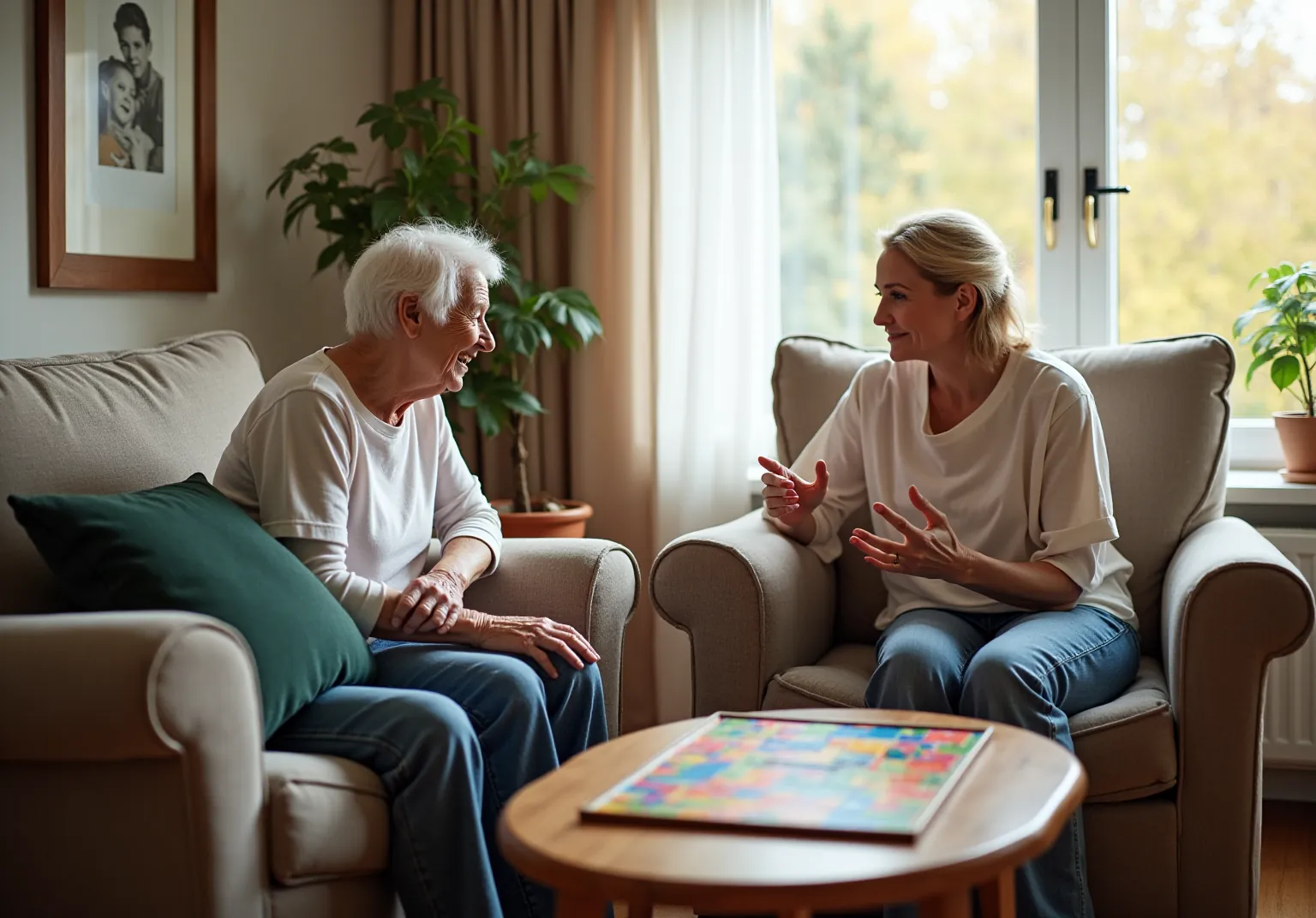
However, the challenge remains: how can adults effectively incorporate puzzles into their daily lives? This is crucial for reaping their full benefits while also fostering social connections. By integrating puzzles into routine activities, adults can not only sharpen their minds but also engage with others, creating a supportive environment that promotes cognitive well-being.
Defining Puzzles: Types and Formats for Adults
Games come in a variety of types and formats, each offering distinct challenges and benefits that cater to different preferences and skill levels. However, as cognitive decline becomes a concern for many, finding effective ways to stimulate the mind is crucial. Engaging in games can provide a solution to this problem, offering both mental stimulation and enjoyment.
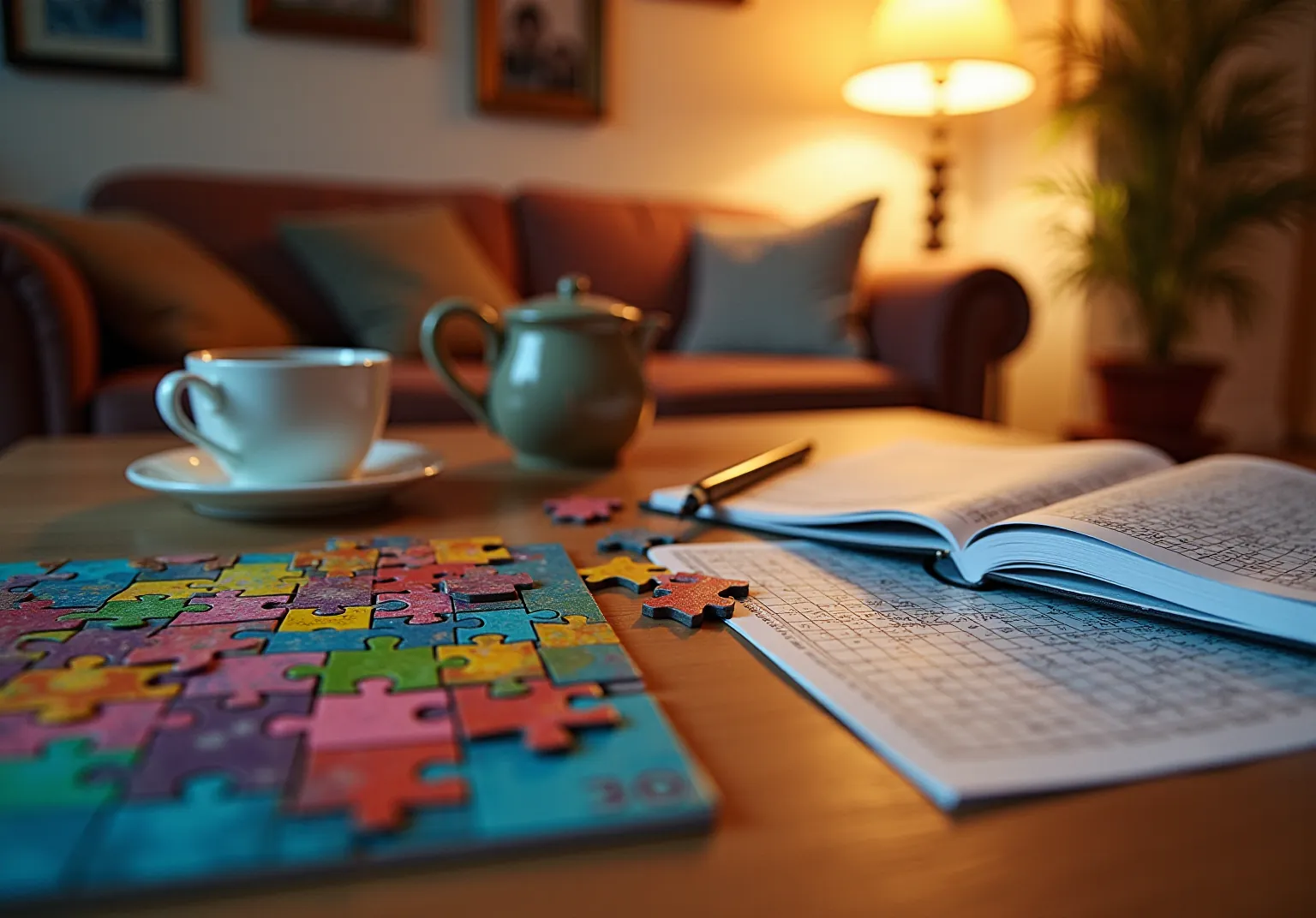
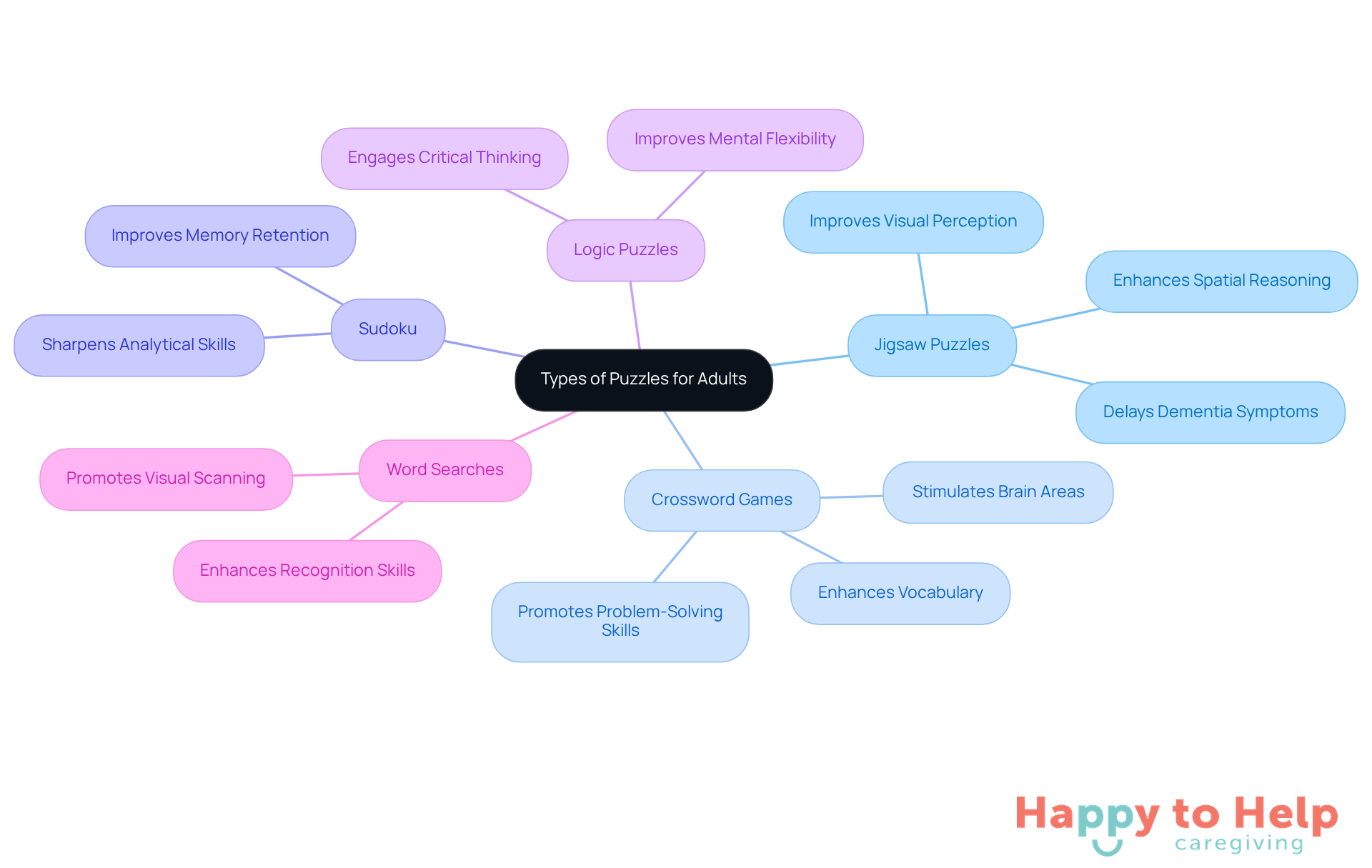
Jigsaw Puzzles: These involve assembling interlocking pieces to create a complete image. They vary in difficulty from straightforward 100-piece jigsaws to elaborate patterns with over 2000 pieces. The benefits of doing puzzles for adults include improvements in visual perception and spatial reasoning, making jigsaw puzzles particularly advantageous for both adults and seniors. Research indicates that the benefits of doing puzzles for adults can help delay the onset and worsening of dementia symptoms while enhancing cognitive function and overall mental well-being. As Professor Roxi Carare from the University of Southampton states, "Brain teasers can help delay the onset and worsening of dementia symptoms."
Crossword Games: These word challenges require players to fill in a grid based on given clues, which enhances vocabulary and problem-solving skills. They stimulate various brain areas, promoting blood flow and maintaining cognitive functions. Tim Stevens, a photographer, observes, "Dust was not an issue, and similar to Ravensburger’s non-custom games, image quality was excellent."
Sudoku: A number-placement puzzle that challenges logical reasoning and pattern recognition. Regular engagement with Sudoku can sharpen analytical skills and improve memory retention.
Logic Puzzles: These require deductive reasoning to solve problems or riddles, often involving a series of clues. They engage critical thinking and improve mental flexibility.
Word Searches: This type involves finding words hidden in a grid of letters, promoting visual scanning and recognition skills. They are particularly enjoyable and can be a relaxing way to engage the mind.
Each game category involves various mental processes, showcasing the benefits of doing puzzles for adults and making them suitable for a diverse group. As Daniel Ternes from Nautilus Games observes, "In an era ruled by displays and rapid entertainment, jigsaw activities provide a unique form of analog pleasure, leisurely, tactile, and profoundly meditative." This emphasizes the therapeutic advantages of games, offering not only mental stimulation but also a rewarding and soothing experience. Furthermore, case studies like the success of Jiggy demonstrate the practical uses and pleasure gained from puzzling.
Cognitive and Emotional Benefits of Puzzles for Adults
Engaging in puzzles addresses significant challenges faced by seniors, particularly cognitive decline and emotional isolation. These issues can lead to stress and anxiety, impacting overall well-being.
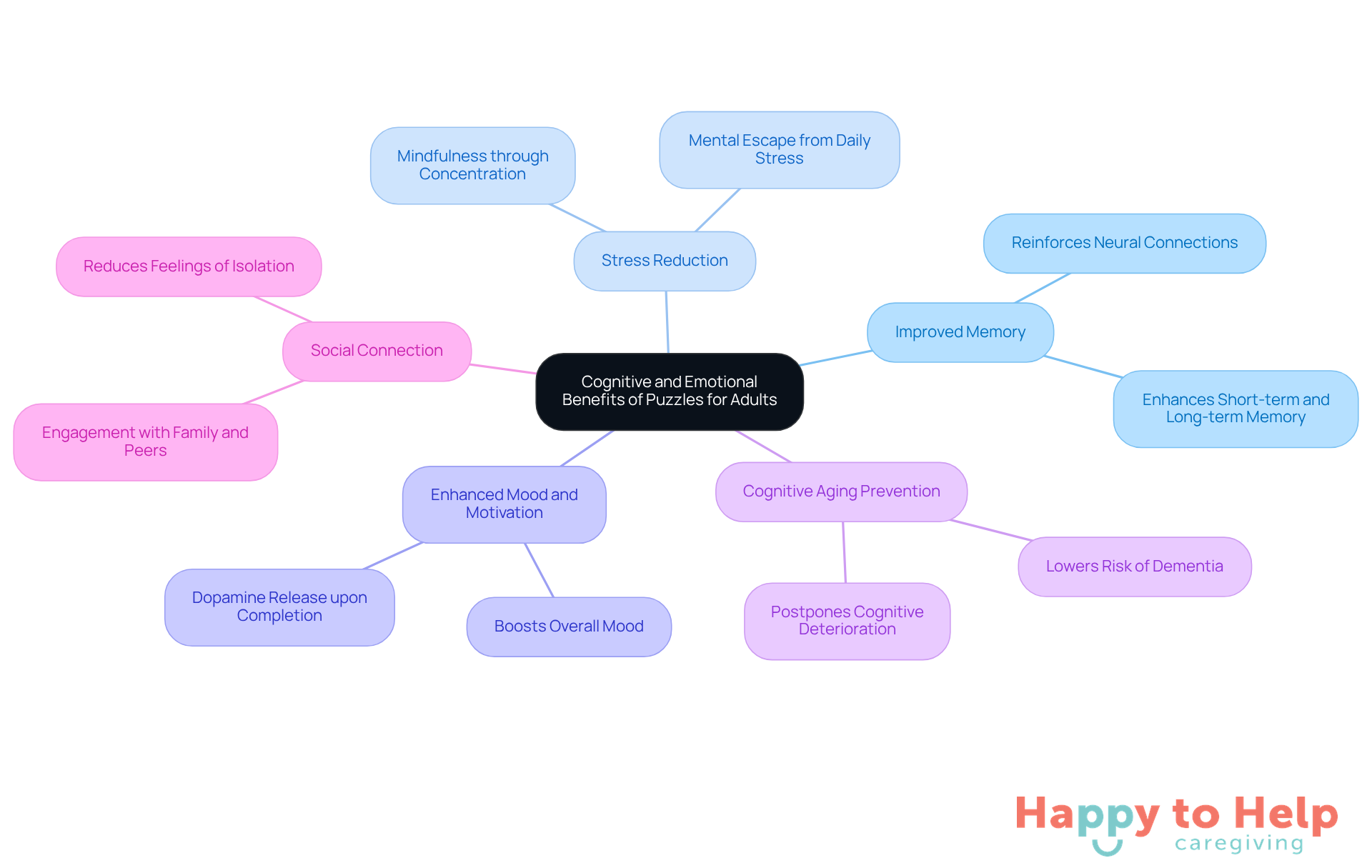
Puzzles offer a practical solution with numerous cognitive and emotional benefits:
- Improved Memory: Regular puzzle-solving enhances both short-term and long-term memory by reinforcing neural connections. One of the benefits of doing puzzles for adults is the enhancement of problem-solving skills, as they require critical thinking and strategy, which translate to better problem-solving abilities in daily life.
- Stress Reduction: One of the benefits of doing puzzles for adults is that concentrating on brainteasers serves as a form of mindfulness, alleviating stress and anxiety by providing a mental escape.
- Enhanced Mood and Motivation: The benefits of doing puzzles for adults include the release of dopamine when completing a brainteaser, a neurotransmitter linked with pleasure and reward, which elevates overall mood.
- Cognitive Aging Prevention: Research indicates that consistent participation in brainteasers highlights the benefits of doing puzzles for adults, as it may postpone cognitive deterioration and lower the risk of dementia in elderly individuals, making them a beneficial activity for preserving mental acuity.
- Social Connection: The benefits of doing puzzles for adults include opportunities for social connection, allowing seniors to engage with family and peers, which further enhances emotional health and reduces feelings of isolation.
Integrating Puzzles into Daily Life: Practical Tips and Strategies
To fully harness the benefits of puzzles, caregivers face the challenge of integrating stimulating activities into daily life, which can often feel overwhelming. Without these engaging exercises, individuals may miss out on opportunities for cognitive enhancement and emotional connection.
To address this, consider these effective strategies for incorporating puzzles into your routine:
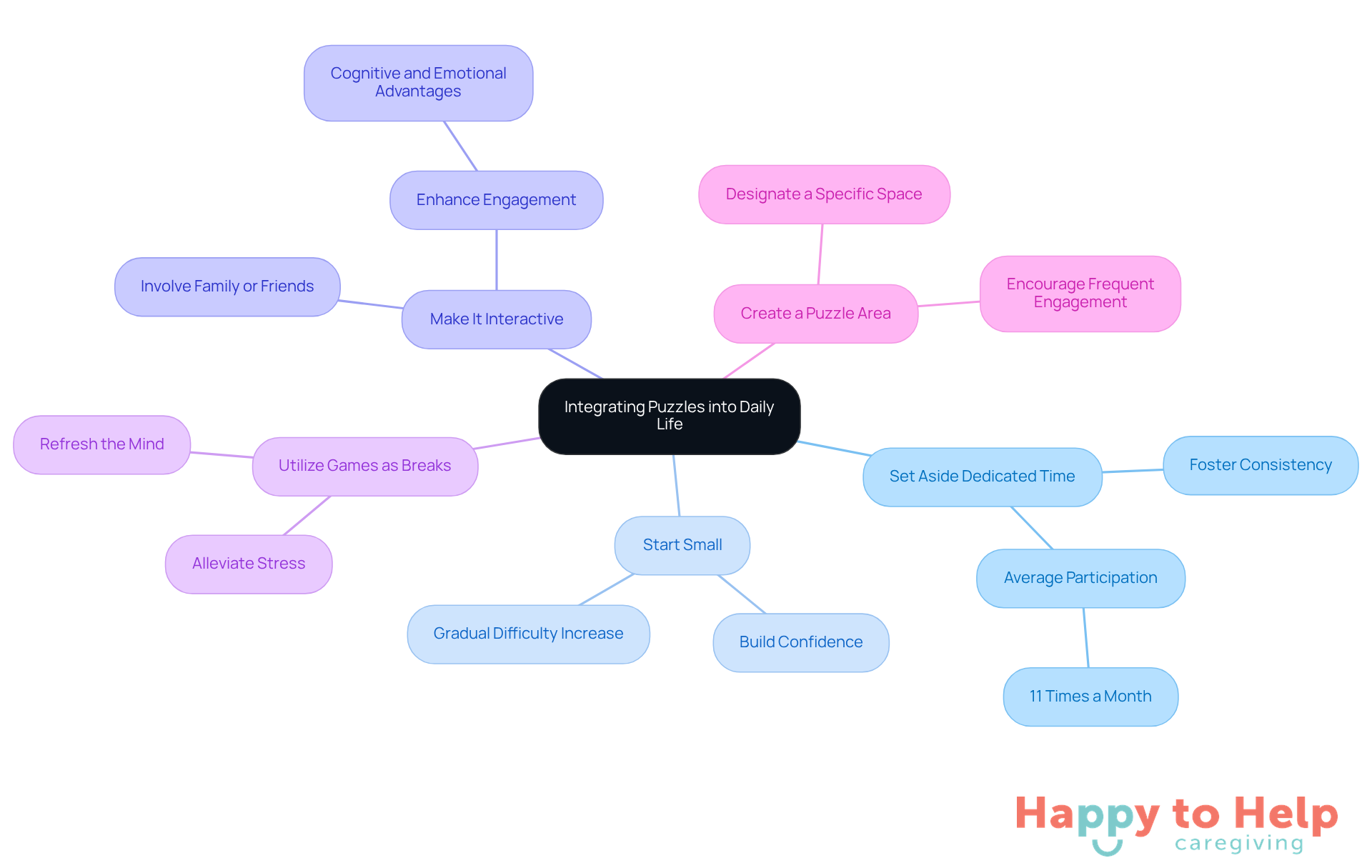
- Set Aside Dedicated Time: Designate specific times each week for puzzle-solving. Treat it as a scheduled activity to foster consistency. Research indicates that adults participate in activity sessions an average of 11 times a month, highlighting the importance of routine.
- Start Small: Begin with easier challenges to build confidence. Gradually increase difficulty as abilities enhance, helping to maintain motivation and enjoyment.
- Make It Interactive: Involve family or friends in puzzle-solving sessions. This enhances engagement and enjoyment, offering cognitive and emotional advantages. As noted by Aviva, social connection is a powerful remedy for stress and anxiety, particularly among family members.
- Utilize Games as Breaks: Incorporate games during breaks from work or study to refresh the mind and alleviate stress. This practice serves as a productive way to recharge, contrasting with passive screen time.
- Create a Puzzle Area: Designate a specific space in your home for games, making it easily accessible and inviting for regular use. A dedicated space encourages frequent engagement and can become a family gathering point.
By implementing these strategies, families can create a routine that enhances cognitive function while fostering connection and enjoyment among members. Participating in challenges together greatly enhances mental stimulation and emotional health. Notably, research shows that nearly a third of UK adults have increased their puzzle-solving activities since the onset of the COVID-19 pandemic, reflecting a growing interest in this engaging pastime.
Puzzles as a Tool for Social Engagement and Community Building
Puzzles can play a vital role in addressing social isolation and fostering community engagement. Many caregivers face the challenge of residents feeling lonely or disconnected, particularly in senior care facilities. This isolation can lead to negative emotional and mental health outcomes.
To combat these issues, caregivers can implement several effective strategies:
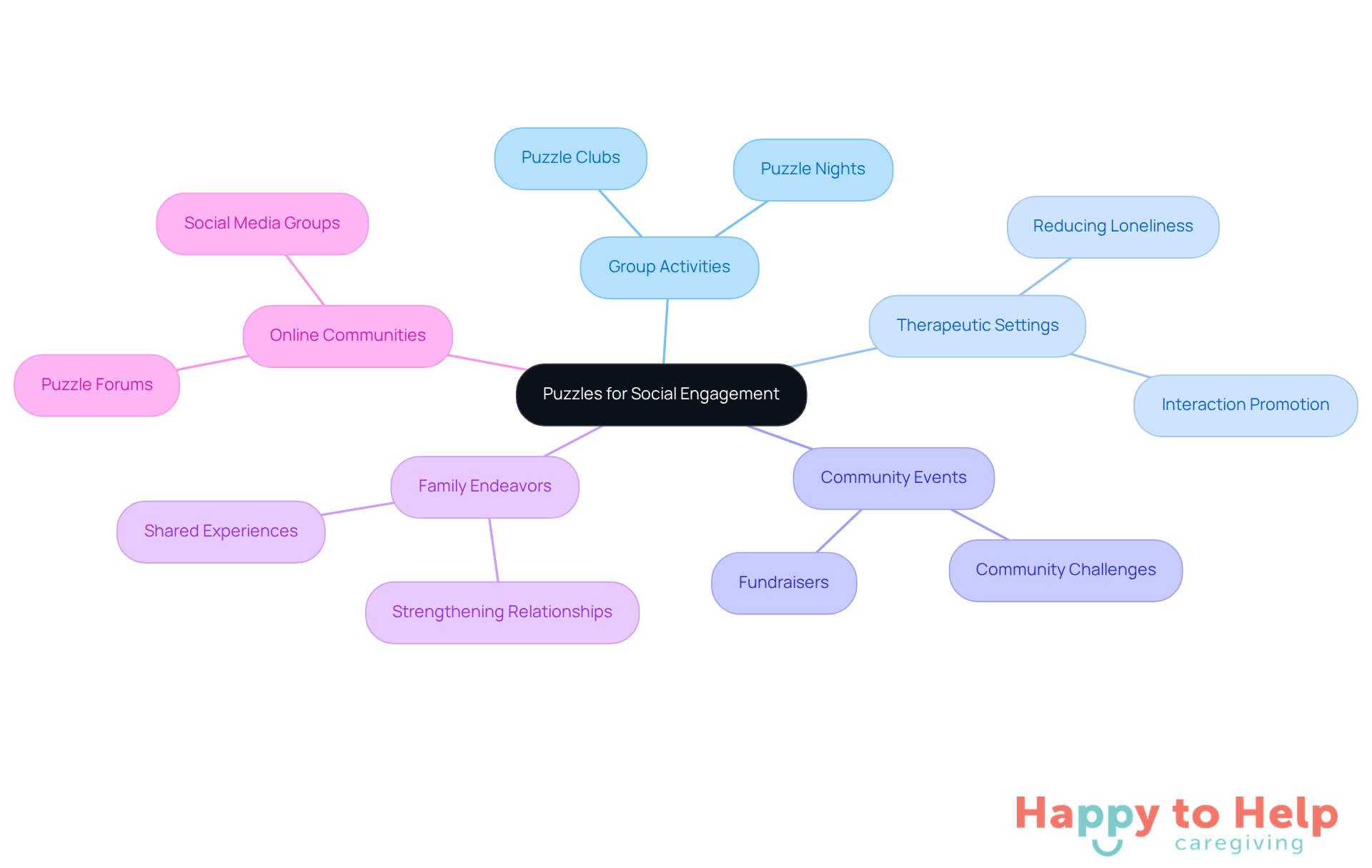
- Group Activities: Organizing puzzle nights or clubs can bring people together, fostering friendships and collaboration.
- Therapeutic Settings: In senior care facilities, group activities can promote interaction among residents, reducing feelings of isolation and loneliness.
- Community Events: Participating in community challenges or fundraisers can boost community spirit and promote collaboration.
- Engaging in jigsaw activities as a family endeavor can fortify relationships and create shared experiences, showcasing the benefits of doing puzzles for adults and enhancing emotional connections.
- Online Communities: Joining online puzzle forums or social media groups allows individuals to connect with others who share similar interests, expanding their social networks.
By incorporating these activities, caregivers can create a more connected and supportive environment for those they care for.
Taking the Next Steps
Engaging with puzzles presents a significant challenge for many adults facing cognitive decline and emotional isolation. These issues can lead to diminished mental health and strained social connections, making it crucial to find effective solutions.
Incorporating various types of puzzles into daily routines can address these concerns. By doing so, individuals can experience notable benefits, such as improved memory, reduced stress, and enhanced social interactions. The therapeutic advantages of puzzles highlight their importance, especially as caregivers seek ways to combat these pressing issues.
Different puzzle formats - ranging from jigsaw puzzles to crosswords and Sudoku - offer unique challenges that stimulate the mind and foster critical thinking. This integration not only promotes mental agility but also creates opportunities for shared experiences, ultimately strengthening relationships among family and friends.
Recognizing the significance of puzzles in promoting mental health is essential. Caregivers can implement this engaging pastime as a powerful tool to cultivate a healthier, more connected lifestyle. By embracing puzzles, adults can enrich both their minds and their social interactions, paving the way for a more fulfilling life.
https://iframe.tely.ai/cta/eyJhcnRpY2xlX2lkIjogIjY5NDFmMzQwMTE4MTVjMDQxY2UzNWU0NyIsICJjb21wYW55X2lkIjogIjY4ZWU1ZGNhNzMxNzYyNTU3ZjNjOTVjMSIsICJpbmRleCI6IG51bGwsICJ0eXBlIjogImFydGljbGUifQ==Frequently Asked Questions
What are the different types of puzzles mentioned in the article?
The article mentions several types of puzzles including jigsaw puzzles, crossword games, Sudoku, logic puzzles, and word searches.
What are jigsaw puzzles and their benefits for adults?
Jigsaw puzzles involve assembling interlocking pieces to create a complete image. They can range from 100 to over 2000 pieces. Benefits for adults include improvements in visual perception, spatial reasoning, and potentially delaying the onset of dementia symptoms while enhancing cognitive function and mental well-being.
How do crossword games contribute to cognitive skills?
Crossword games require players to fill in a grid based on given clues, which enhances vocabulary and problem-solving skills. They stimulate various brain areas, promoting blood flow and maintaining cognitive functions.
What is Sudoku and what skills does it help develop?
Sudoku is a number-placement puzzle that challenges logical reasoning and pattern recognition. Regular engagement with Sudoku can sharpen analytical skills and improve memory retention.
What are logic puzzles and their cognitive benefits?
Logic puzzles require deductive reasoning to solve problems or riddles, often involving a series of clues. They engage critical thinking and improve mental flexibility.
How do word searches benefit mental skills?
Word searches involve finding words hidden in a grid of letters, promoting visual scanning and recognition skills. They are enjoyable and can serve as a relaxing way to engage the mind.
What is the overall significance of engaging in puzzles for adults?
Engaging in puzzles provides mental stimulation and enjoyment, showcasing various mental processes. They can offer therapeutic advantages, serving as a rewarding and soothing experience while helping to maintain cognitive functions.
List of Sources
- Defining Puzzles: Types and Formats for Adults
- Take a break from scrolling — these are the best puzzles for adults (https://nbcnews.com/select/shopping/best-adult-puzzles-rcna233169)
- Adult Jigsaw Puzzles Are Suddenly Cool Again and These Are the Coolest (https://creators.yahoo.com/lifestyle/story/adult-jigsaw-puzzles-are-suddenly-cool-again-and-these-are-the-coolest-185723339.html)
- Types of Puzzles Explained: A Guide to Jigsaw, Wooden & More (https://nautiluspuzzles.com/blogs/news/types-of-puzzles-jigsaw-wooden-guide?srsltid=AfmBOopl2YoulANNDz3XNsH-3Vjg2IIzQc93P2VA\_S7AzSG22gDGDm2Y)
- The six best US jigsaw puzzles for adults and kids to soothe your screen-addled brain (https://theguardian.com/thefilter-us/2025/nov/16/best-jigsaw-puzzles-adults-children-us)
- Is it true that … doing puzzles prevents dementia? (https://theguardian.com/lifeandstyle/2025/sep/22/is-it-true-that-puzzles-prevent-dementia)
- Cognitive and Emotional Benefits of Puzzles for Adults
- Study Shows Crossword Puzzles Beat Computer Games in Slowing Memory Loss (https://medschool.duke.edu/news/study-shows-crossword-puzzles-beat-computer-games-slowing-memory-loss)
- A brain training game boosts a chemical linked to memory and attention, new research shows (https://nbcnews.com/health/aging/brain-game-boosts-chemical-memory-dementia-research-rcna237832)
- Why Are Puzzles Good for Seniors' Brain? Benefits & Insights (https://alwayshomeconnected.com/blogs/news/are-puzzles-good-for-your-brain?srsltid=AfmBOorGLHSGc3fGqky06vZ7Ui7-KSia9Bd25l2qnuqVz9niro165vV8)
- The benefit of puzzles for the brain | Progress Lifeline (https://progresslifeline.org.uk/news/the-benefit-of-puzzles-for-the-brain)
- Games, Puzzles And Reading Can Slow Cognitive Decline In The Elderly — Even In Those With Mild Cognitive Impairment (https://stories.tamu.edu/news/2024/09/10/games-puzzles-and-reading-can-slow-cognitive-decline-in-the-elderly-even-in-those-with-mild-cognitive-impairment)
- Integrating Puzzles into Daily Life: Practical Tips and Strategies
- A perfect match: The health benefits of jigsaw puzzles (https://blogs.bcm.edu/2020/10/29/a-perfect-match-the-health-benefits-of-jigsaw-puzzles)
- The benefit of puzzles for the brain | Progress Lifeline (https://progresslifeline.org.uk/news/the-benefit-of-puzzles-for-the-brain)
- A nation of puzzlers: 63% of UK adults do puzzles at least once a week (https://aviva.com/newsroom/news-releases/2022/12/a-nation-of-puzzlers-63-percent-of-uk-adults-do-puzzles-at-least-once-a-week)
- All the news about daily puzzle games (https://theverge.com/2024/10/25/24279439/news-games-crossword-wordle)
- The Daily Puzzle Phenomenon: How NYT Turned Games into a Subscription Goldmine (https://ivey.uwo.ca/hba/blog/2025/03/the-daily-puzzle-phenomenon-how-nyt-turned-games-into-a-subscription-goldmine)
- Puzzles as a Tool for Social Engagement and Community Building
- Making connections: How a Redwood City woman is fostering community through jigsaw puzzle competitions (https://paloaltoonline.com/news/2023/01/26/making-connections-how-a-redwood-city-woman-is-fostering-community-through-jigsaw-puzzle-competitions-2)
- Let’s build together: Library puzzle is metaphor for community involvement (https://reflector.com/news/local/let-s-build-together-library-puzzle-is-metaphor-for-community-involvement/article\_07e26c10-fdcd-11ef-a529-6fcc0b59fa4d.html)
- Watch: Small town comes together to build a giant 60,000-piece puzzle (https://ksbw.com/article/town-comes-together-to-build-a-giant-puzzle/42810475)
- Chico Art Center hosts interactive community Puzzle Show, turns local art into mural (https://krcrtv.com/news/local/chico-art-center-hosts-interactive-community-puzzle-show-turns-local-art-into-mural)
- New communal puzzle in the library allows students and staff to build connections with each other (https://knightlifenews.com/31382/feature/new-communal-puzzle-in-the-library-allows-students-and-staff-to-build-connections-with-each-other)