

For families in our service areas
For families in our service areas, this guide explains dementia care and how non-medical in-home caregiving can support care planning in East Idaho, Treasure Valley & Magic Valley, Northern Wasatch, North Central West Virginia, and Northeast Ohio.
Understanding Does a Person Know They Have Dementia?
Dementia presents a significant challenge, not just for those diagnosed but also for their caregivers and families. Understanding the varying levels of awareness individuals have about their cognitive decline is essential. This awareness directly influences communication and care strategies, making it a critical factor in effective caregiving.
However, navigating the complexities of self-awareness in dementia can be daunting. Many individuals may not fully recognize their condition, which complicates interactions and emotional support. This lack of awareness can lead to misunderstandings and increased stress for caregivers, who must adapt their approaches to meet the needs of their loved ones.
To address these challenges, caregivers can implement several practical strategies:
- Fostering open communication is vital.
- Encouraging conversations about feelings and experiences can help bridge the gap between awareness and care.
- Utilizing resources such as support groups or educational materials can empower caregivers with knowledge and tools to better understand and manage the condition.
By recognizing the importance of self-awareness in dementia, caregivers can enhance their caregiving dynamics and improve emotional well-being for both themselves and those they care for.
Defining Dementia and Its Cognitive Impact
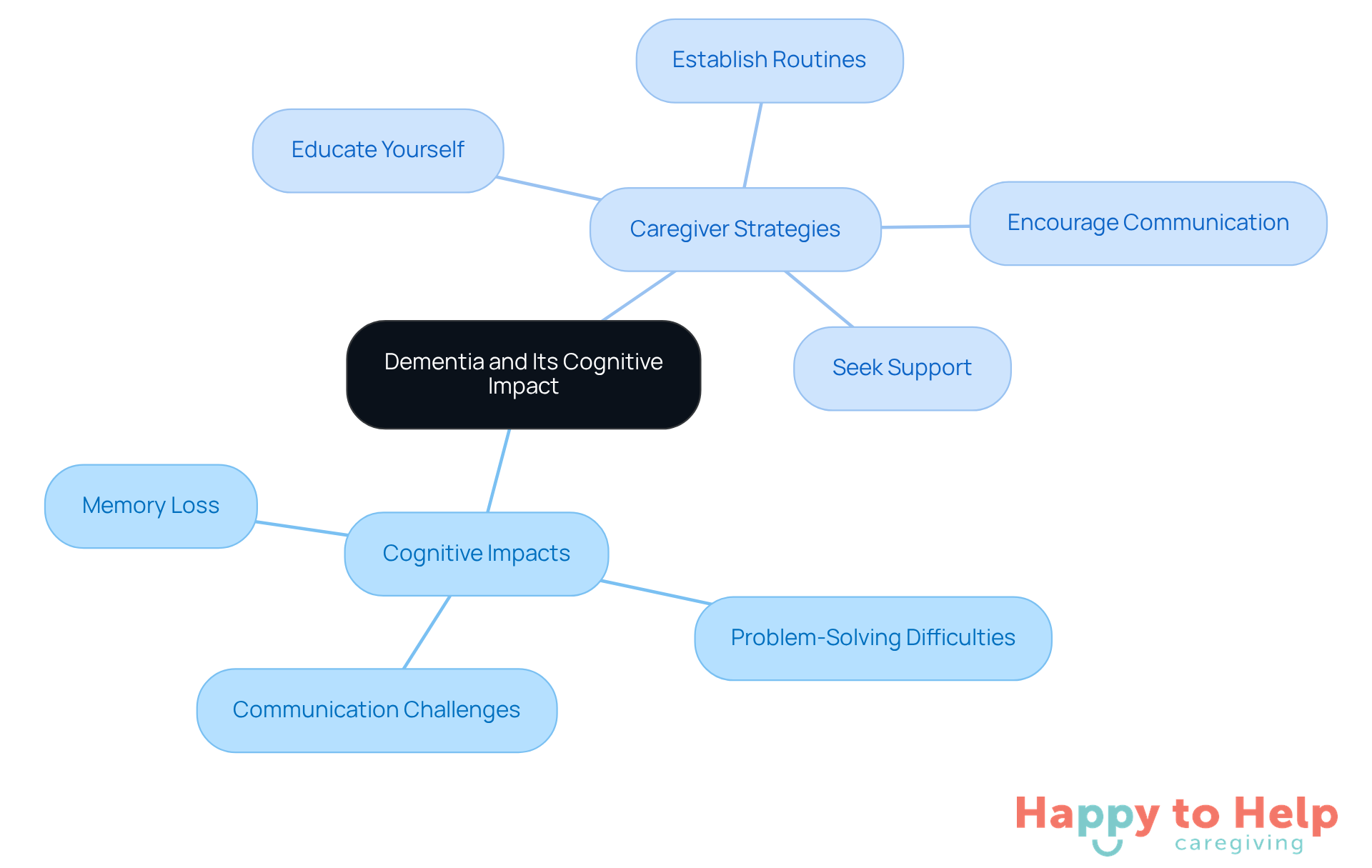
Dementia presents a significant problem, as it encompasses various mental impairments that disrupt daily life, particularly affecting memory, thinking, and social skills. This condition is not a single illness but rather a collection of symptoms stemming from different brain disorders, such as Alzheimer's disease, vascular cognitive impairment, and Lewy body conditions. The implications of dementia are profound; individuals may experience memory loss, difficulties with problem-solving, and challenges in communication. As the illness progresses, they often face notable changes in their ability to perform daily activities, leading to increased dependence on caregivers and family members.
For caregivers, understanding whether a person knows they have dementia is essential. It allows them to recognize the challenges faced by those living with memory disorders and their families, including how a person knows they have dementia. To support caregivers effectively, it's crucial to provide practical solutions. Here are some actionable tips:
- Educate Yourself: Familiarize yourself with the symptoms and progression of dementia to better understand what your loved one is experiencing.
- Establish Routines: Create a consistent daily schedule to help reduce confusion and anxiety for both the caregiver and the individual.
- Encourage Communication: Use simple language and be patient, allowing ample time for responses to foster better interactions.
- Seek Support: Connect with local support groups or online communities for caregivers to share experiences and gain insights.
By implementing these strategies, caregivers can navigate the complexities of dementia more effectively, ultimately enhancing the quality of life for both themselves and their loved ones.
Exploring Awareness Levels in Different Stages of Dementia
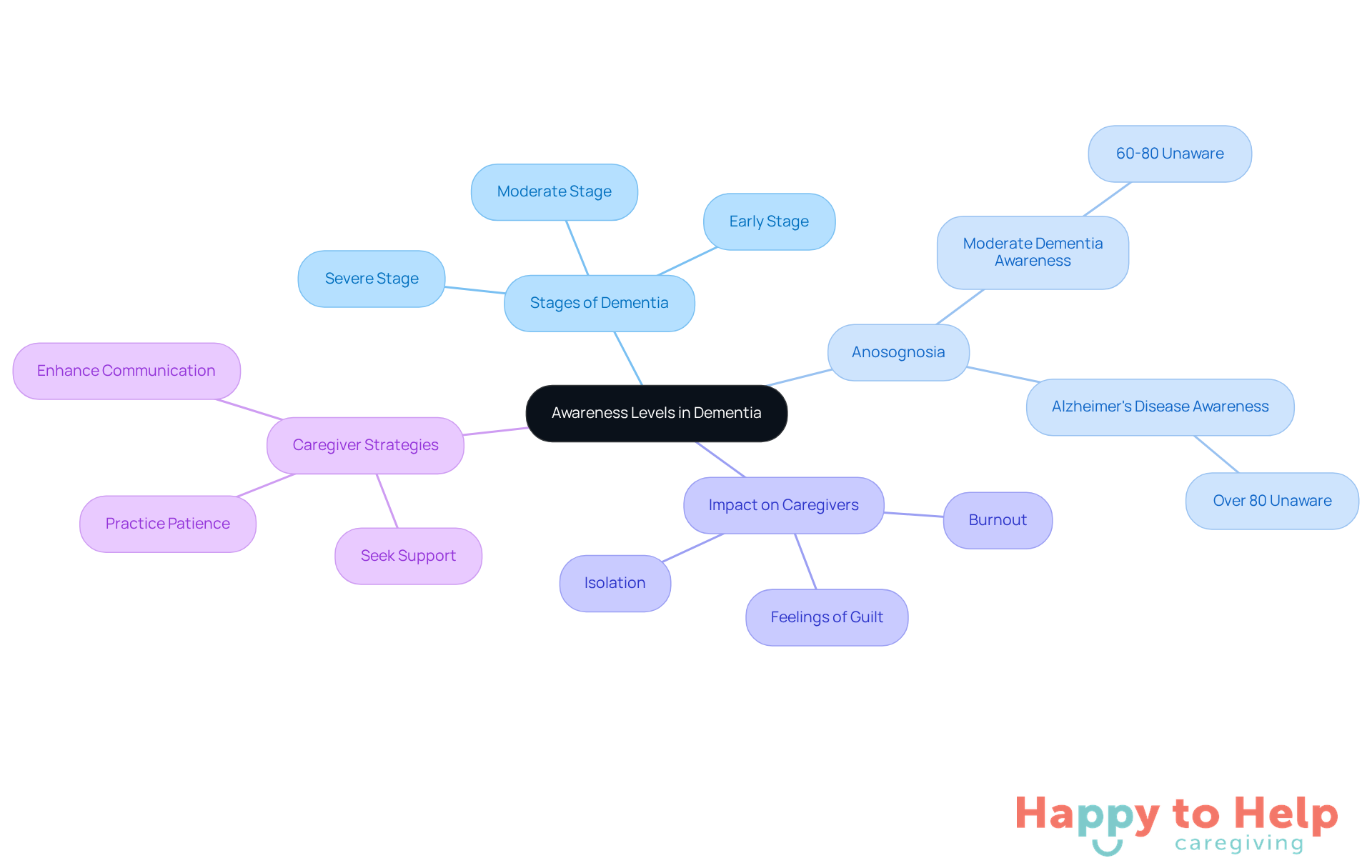
Awareness levels in individuals with cognitive impairment present a significant challenge for caregivers. In the early stages of cognitive decline, many individuals retain some awareness of their condition, raising the question of how well does a person know they have dementia, as they recognize subtle changes in memory and thinking abilities. However, as the condition progresses, particularly into moderate and severe stages, the question of whether does a person know they have dementia often becomes less clear. This phenomenon, known as anosognosia, can make one wonder how does a person know they have dementia, as it may lead individuals to deny their condition or fail to recognize their symptoms.
Research indicates that approximately 60-80% of people with moderate dementia do not know they have dementia, while over 80% of those with Alzheimer's disease are affected by anosognosia. This lack of awareness complicates caregiving, as it profoundly influences how caregivers and family members approach care and communication. Caregivers frequently experience feelings of guilt, burnout, and isolation when managing patients with anosognosia, which can hinder their caregiving efforts.
To address these challenges, caregivers can implement several strategies:
- Enhance Communication: Use clear, simple language when discussing care options with patients.
- Practice Patience: Understand that resistance to medical advice may stem from the patient's lack of awareness.
- Seek Support: Engage with support groups to share experiences and coping strategies.
Real-life examples highlight how patients with anosognosia may resist medical advice or therapy, underscoring the need for compassion and effective communication in care strategies. Recent studies emphasize the importance of customized interventions tailored to individual patient needs, encouraging caregivers to adapt their approaches accordingly.
Understanding Emotional Responses and Self-Perception in Dementia
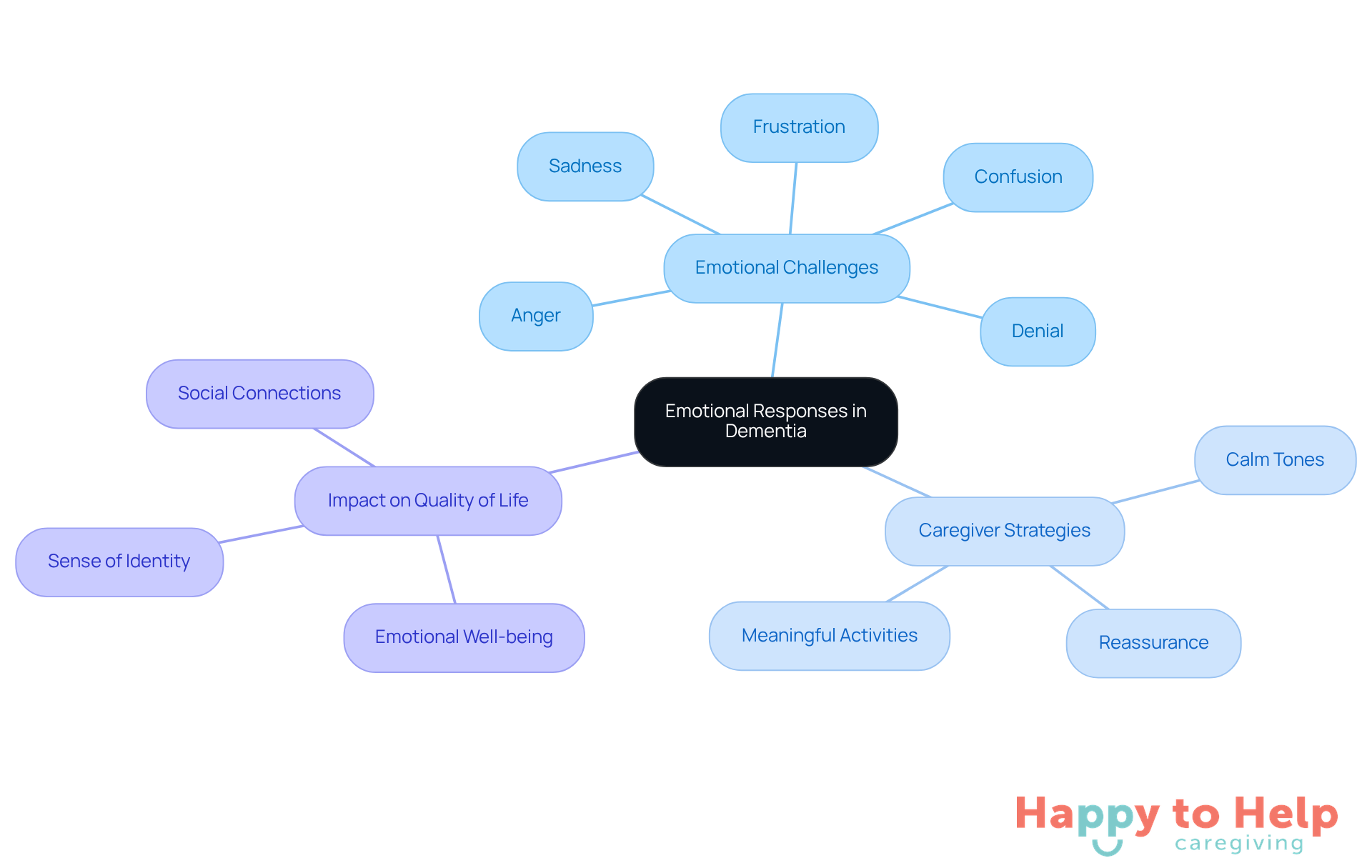
Individuals with cognitive decline face significant emotional challenges. They often navigate a complex landscape filled with confusion, frustration, and sadness as they grapple with their condition. This decrease in self-awareness can lead to feelings of denial or anger, particularly when an individual questions does a person know they have dementia while struggling to comprehend their cognitive difficulties.
The emotional reactions of those experiencing cognitive decline are not uniform. In the early stages, many express concern about their future, wondering how does a person know they have dementia, while those in later phases may exhibit apathy or social withdrawal. Statistics reveal that anxiety and depression are prevalent in the early phases, with research indicating that nearly 50% of individuals experience considerable emotional distress related to these issues.
Caregivers play a vital role in recognizing these emotional fluctuations. They must adapt their communication and support strategies to meet the needs of those they care for. By fostering an environment of understanding and compassion, caregivers can help individuals with cognitive decline feel more secure and valued, ultimately enhancing their quality of life.
To effectively support those with cognitive decline, caregivers can implement several strategies:
- Use calm tones to create a soothing atmosphere.
- Provide reassurance to alleviate anxiety.
- Engage in meaningful activities that do not heavily rely on memory.
These methods not only promote emotional well-being but also help preserve a sense of identity and connection for individuals affected by cognitive decline. Real-world examples demonstrate the effectiveness of these approaches, highlighting their importance in caregiving.
Implications of Awareness for Caregiving and Family Support
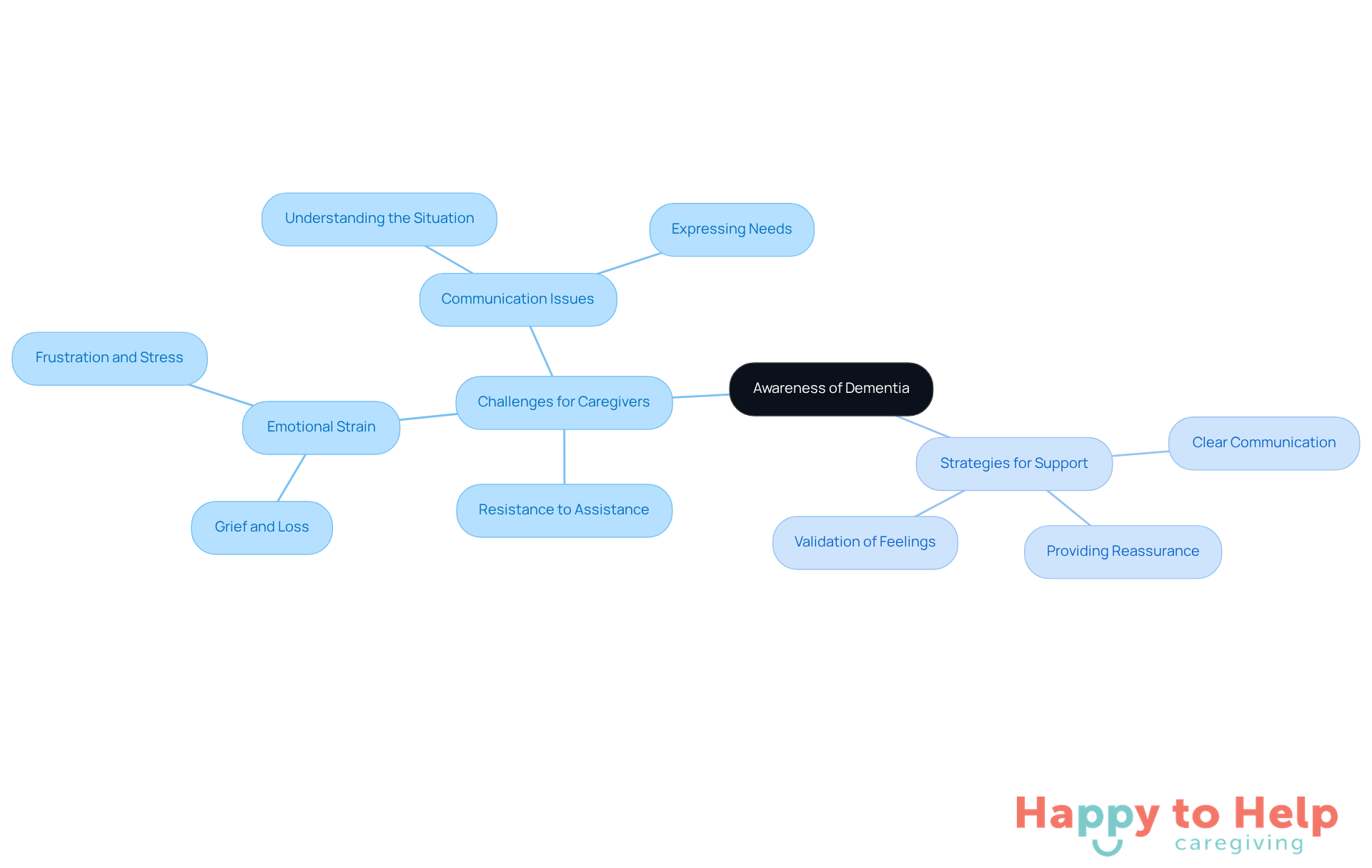
The degree of awareness about whether a person knows they have dementia presents a significant challenge for caregivers. This lack of awareness can lead to resistance to assistance and frustration, complicating the caregiving process. Dementia is an irreversible, progressive, terminal illness, which not only affects the individual but also has long-term implications for their relatives and caregivers.
When individuals recognize their cognitive decline, they are often more open to discussing their care needs and exploring support options. In contrast, those who do not understand whether a person knows they have dementia may struggle with accepting help, creating emotional strain within the household. As Hollie Glover notes, "Grief is unexpected, unpredictable, and personal," emphasizing the emotional toll on caregivers.
To address these challenges, caregivers can implement several strategies:
- Use clear communication to ensure that the individual understands their situation.
- Validate feelings to foster a sense of empathy and connection.
- Provide reassurance to help alleviate anxiety about their condition.
Additionally, recognizing common household roles during caregiving, such as the Peacekeeper or Caretaker, can clarify the dynamics at play. By fostering an environment that respects the individual's experience, families can enhance the quality of care and support provided. This approach not only improves the caregiving experience but also leads to more harmonious family dynamics.
Moving Forward with Does a Person Know They Have Dementia?
Understanding the complexities of dementia and its impact on awareness is crucial for both caregivers and individuals affected by the condition. The problem lies in the varying degrees of awareness that a person has regarding their dementia, which significantly influences their self-perception and the dynamics of caregiving. This lack of awareness can create emotional challenges for caregivers, who must navigate their responses while providing support.
Many individuals in the early stages of dementia maintain some awareness of their cognitive decline. However, those in more advanced stages often experience anosognosia, leading to a lack of recognition of their condition. This disconnect can complicate caregiving efforts, making it essential for caregivers to adapt their approaches to foster understanding and support.
To address these challenges, caregivers can implement several effective strategies:
- Clear Communication: Use straightforward language to explain situations and feelings.
- Patience: Understand that emotional responses may vary and take time to process.
- Emotional Reassurance: Offer consistent support to help individuals feel valued and secure.
Ultimately, fostering an environment of empathy and support benefits not only those with dementia but also alleviates the emotional toll on caregivers and family members. By prioritizing awareness and understanding, caregivers can significantly improve the caregiving experience. Embracing these strategies leads to more meaningful interactions and a better quality of life for everyone involved.
https://iframe.tely.ai/cta/eyJhcnRpY2xlX2lkIjogIjY5NDFmMzViMjI1ZjA3N2M1ZmMwYzA0NSIsICJjb21wYW55X2lkIjogIjY4ZWU1ZGNhNzMxNzYyNTU3ZjNjOTVjMSIsICJpbmRleCI6IG51bGwsICJ0eXBlIjogImFydGljbGUifQ==Frequently Asked Questions
What is dementia?
Dementia is not a single illness but a collection of symptoms caused by various brain disorders that lead to mental impairments affecting memory, thinking, and social skills.
What are some common causes of dementia?
Common causes of dementia include Alzheimer's disease, vascular cognitive impairment, and Lewy body conditions.
What cognitive impacts does dementia have on individuals?
Individuals with dementia may experience memory loss, difficulties with problem-solving, and challenges in communication, which can disrupt their daily life.
How does dementia affect daily activities?
As dementia progresses, individuals often face significant changes in their ability to perform daily activities, leading to increased dependence on caregivers and family members.
Why is it important for caregivers to understand dementia?
Understanding dementia helps caregivers recognize the challenges faced by individuals with memory disorders and provides insight into how to support them effectively.
What are some practical tips for caregivers of individuals with dementia?
Caregivers can benefit from educating themselves about dementia, establishing consistent routines, encouraging communication with simple language, and seeking support from local or online communities.
How can establishing routines help individuals with dementia?
Creating a consistent daily schedule can help reduce confusion and anxiety for both the caregiver and the individual with dementia.
How can caregivers improve communication with individuals who have dementia?
Caregivers should use simple language and be patient, allowing ample time for responses to foster better interactions.
List of Sources
- Defining Dementia and Its Cognitive Impact
- CTAD 2025: Six highlights from the latest clinical trials in Alzheimer’s disease - Alzheimer's Research UK (https://alzheimersresearchuk.org/news/ctad-2025-six-highlights-from-the-latest-clinical-trials-in-alzheimers-disease)
- Alzheimer’s & Dementia News Roundup (October 2025) - Alzheimer's Orange County (https://alzoc.org/alzheimers-dementia-news-roundup-october-2025)
- Study reveals simple lifestyle changes could help prevent dementia (https://pbs.org/newshour/show/study-reveals-simple-lifestyle-changes-could-help-prevent-dementia)
- Alzheimer's Research Advances at AAIC 2025 | alz.org (https://aaic.alz.org/releases-2025/highlights-aaic-2025.asp)
- Exploring Awareness Levels in Different Stages of Dementia
- The Link Between Dementia and Anosognosia (https://mentalhealth.com/library/are-people-with-dementia-aware-of-their-condition)
- Association between anosognosia and neuropsychiatric symptoms in Alzheimer’s disease dementia patients - Scientific Reports (https://nature.com/articles/s41598-025-29569-z)
- Awareness linked to uptick in LATE dementia diagnoses, news investigation finds (https://mcknights.com/news/awareness-linked-to-uptick-in-late-dementia-diagnoses-news-investigation-finds)
- Understanding Emotional Responses and Self-Perception in Dementia
- The psychological and emotional impact of dementia (https://alzheimers.org.uk/get-support/help-dementia-care/understanding-supporting-person-dementia-psychological-emotional-impact)
- New Survey Reveals Critical Gaps in Awareness and Understanding of Agitation in Alzheimer’s Dementia - Alliance for Aging Research (https://agingresearch.org/news/new-survey-reveals-critical-gaps-in-awareness-and-understanding-of-agitation-in-alzheimers-dementia)
- How Dementia Affects Behavior and Mood - Blue Moon Senior Counseling (https://bluemoonseniorcounseling.com/how-dementia-affects-behavior-and-mood)
- 2025 NIH Alzheimer’s Disease and Related Dementias Research Progress Report: Advances and Achievements (https://nia.nih.gov/about/2025-nih-dementia-research-progress-report)
- The emotional impact of living with memory loss (https://alzheimers.org.uk/about-dementia/stages-and-symptoms/dementia-symptoms/emotions-memory-loss)
- Implications of Awareness for Caregiving and Family Support
- Dementia diagnosis poses challenges to family dynamics - James L. West (https://jameslwest.org/dementia-and-family-dynamics-challenges)
- UCSF Leads Statewide Efforts to Improve Dementia Care, Diagnosis (https://ucsf.edu/news/2025/06/430296/ucsf-leads-statewide-efforts-improve-dementia-care-diagnosis)
- Texas A&M study highlights urgent needs of dementia caregivers (https://stories.tamu.edu/news/2025/12/15/texas-am-study-highlights-urgent-needs-of-dementia-caregivers)
- Alzheimer’s Association Sounding the Alarm Over the Threat of Elimination of Alzheimer’s Programs at HHS, CDC (https://alz.org/news/2025/threat-of-elimination-of-alzheimers-programs-hhs-cdc)
- New Survey Reveals Critical Gaps in Awareness and Understanding of Agitation in Alzheimer’s Dementia - Alliance for Aging Research (https://agingresearch.org/news/new-survey-reveals-critical-gaps-in-awareness-and-understanding-of-agitation-in-alzheimers-dementia)