Does UTI Cause Dementia? Key Insights for Family Caregivers

For families in our service areas
For families in our service areas, this guide explains dementia care and how non-medical in-home caregiving can support care planning in East Idaho, Treasure Valley & Magic Valley, Northern Wasatch, North Central West Virginia, and Northeast Ohio.
The Importance of Does UTI Cause Dementia? Key Insights
Urinary Tract Infections (UTIs) pose a significant problem for older adults, especially those facing cognitive challenges. These infections can lead to serious health complications, making it essential for caregivers to understand their potential impact. Alarmingly, statistics show that seniors with dementia are particularly vulnerable to UTIs, raising a critical question: do UTIs contribute to the progression of dementia, or do they simply worsen its symptoms?
This situation creates a pressing need for caregivers to navigate the complexities of dementia care with a clear understanding of this relationship. By recognizing the signs of UTIs and their potential effects on cognitive health, caregivers can take proactive steps to safeguard their loved ones. This article explores the intricacies of the UTI-dementia connection, offering vital insights and practical strategies that caregivers can implement to enhance the well-being of those they care for.
Explore the Basics: Understanding UTIs and Dementia
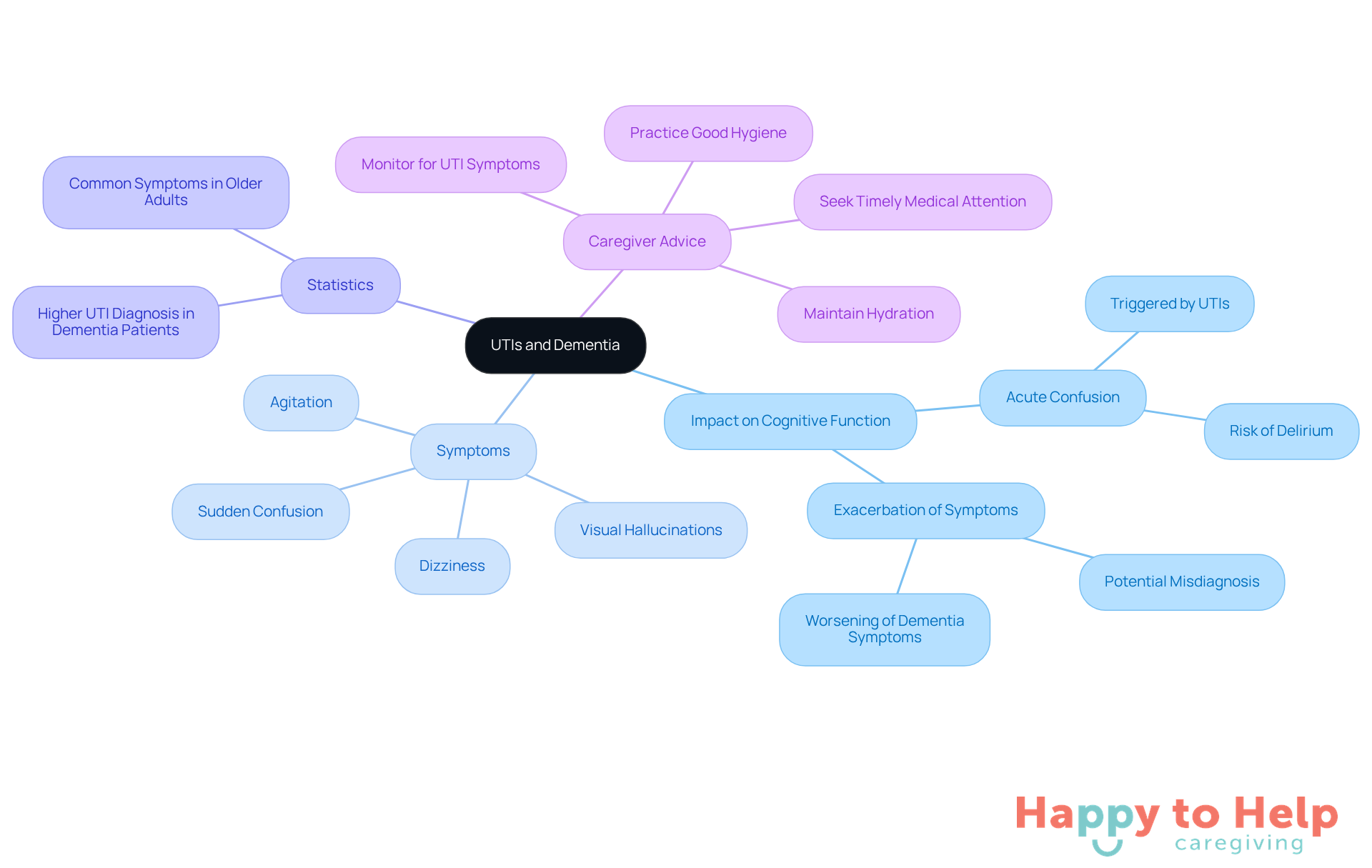
Urinary Tract Infections (UTIs) are common bacterial infections that affect the urinary system, including the bladder and kidneys. For older individuals, particularly those with dementia, it is important to consider whether UTIs cause dementia, as UTIs can lead to serious health complications. Dementia is marked by a decline in cognitive function, impacting memory, thinking, and social abilities. It's crucial for caregivers to recognize that some may wonder if UTIs cause dementia and that UTIs can worsen these symptoms.
Studies indicate that illnesses like UTIs can trigger acute confusion or delirium, leading to concerns about whether UTIs cause dementia or exacerbate its symptoms. Alarmingly, older adults with dementia are more than twice as likely to be diagnosed with a UTI compared to their cognitively healthy peers. Symptoms such as sudden confusion, agitation, dizziness, and even visual hallucinations can emerge from a UTI, complicating the clinical picture and potentially leading to misdiagnosis.
This connection highlights the importance of monitoring urinary health in seniors, particularly regarding the question of whether UTIs cause dementia in those already experiencing cognitive decline. Geriatric specialists stress the need for maintaining hydration and practicing good bathroom hygiene to reduce UTI risks. By understanding the impact of UTIs on cognitive function, caregivers can better support their loved ones and ensure timely medical attention when necessary.
Examine How UTIs Affect Cognitive Function in Seniors
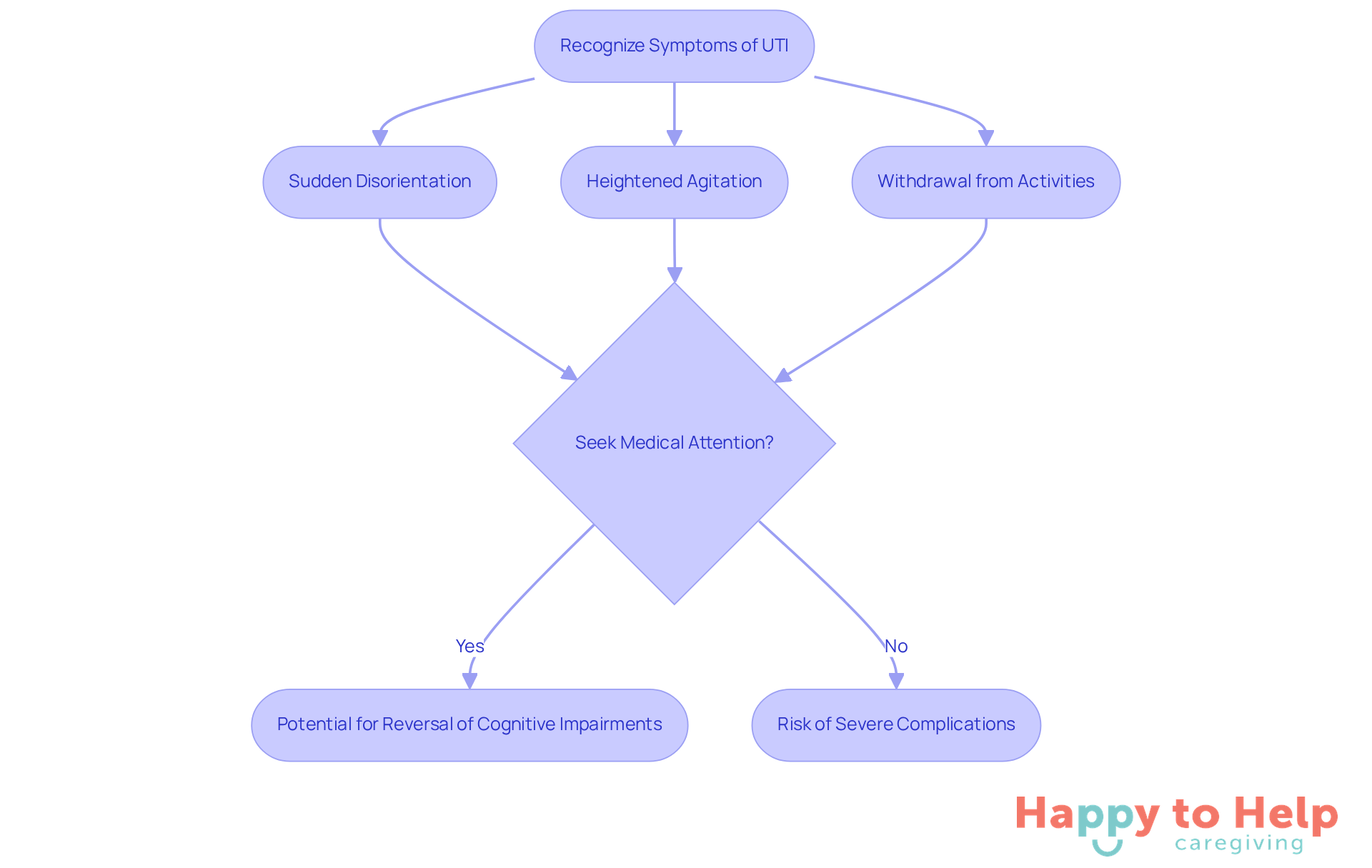
Urinary tract infections (UTIs) pose a significant problem for older adults, leading to concerns about whether a UTI does cause dementia, as they can trigger inflammation throughout the body that impacts brain function. This inflammation often leads to confusion, agitation, and even hallucinations. Seniors with dementia are particularly vulnerable, and there is a concern about whether a UTI does cause dementia, as it can lead to a rapid decline in cognitive abilities, commonly referred to as delirium. This intense state of confusion may be mistaken for a natural progression of dementia, making it crucial for caregivers to differentiate between the two.
It is essential for caregivers to recognize that the question of whether a UTI does cause dementia is crucial, as it can lead to sudden behavioral changes. By doing so, they can seek timely medical intervention, which may reverse cognitive impairments and restore clarity. Symptoms to monitor include:
- Sudden disorientation
- Heightened agitation
- Withdrawal from activities
These may indicate an underlying illness rather than a deterioration of dementia. Additionally, maintaining proper hydration is vital in preventing urinary tract infections, as dehydration increases the risk of infection.
Statistics reveal that up to one-third of elderly patients admitted to hospitals with urinary tract infections may experience confusion, leading to concerns about whether a UTI does cause dementia. Experts like Dr. Richard Stefanacci emphasize that caregivers should not dismiss sudden confusion as merely an indication of dementia advancement; instead, they should pursue prompt medical attention. Untreated urinary tract issues can lead to severe complications, such as kidney damage and blood poisoning, making it essential for caregivers to actively observe for symptoms of illness.
Implement Prevention Strategies: Reducing UTI Risks in Seniors
Problem: Urinary tract issues in seniors pose a significant health risk, often leading to complications if not addressed properly.
Agitate: Caregivers face the challenge of preventing these issues, which can result in painful infections and hospital visits. Statistics show that UTIs account for over 8 million doctor visits annually in the U.S., with women over 65 experiencing a notable increase in incidence. Moreover, older adults may exhibit atypical symptoms, such as confusion or agitation, leading to the question of whether does UTI cause dementia progression rather than it being a sign of a treatable infection.
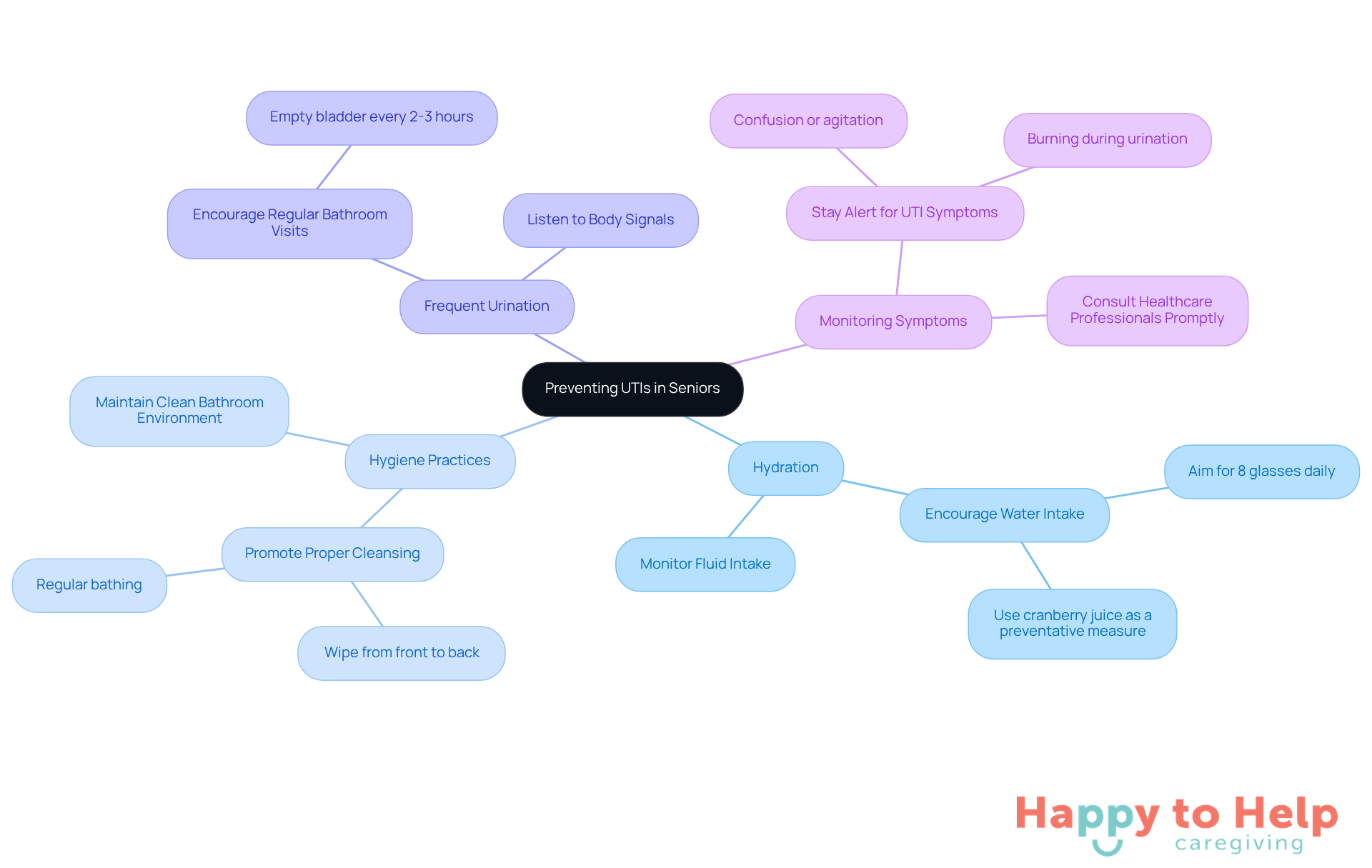
Solution: To combat these challenges, caregivers should adopt a proactive approach centered on hydration and hygiene. Here are some actionable strategies:
-
Hydration: Encourage seniors to drink approximately eight glasses of water each day. This helps dilute bacteria and promotes regular urination, reducing the risk of illness. Dr. Steers emphasizes that increased fluid intake dilutes bacteria, preventing their multiplication in the urinary tract.
-
Hygiene Practices: Promote good hygiene techniques, such as wiping from front to back and ensuring regular bathing, to minimize bacterial spread. Maintaining a clean bathroom environment is essential, as poor hygiene can significantly increase UTI risks.
-
Frequent Urination: Motivate seniors to empty their bladders every 2-3 hours. Holding urine for extended periods can lead to increased UTI risk, as bacteria can multiply in stagnant urine.
-
Monitoring Symptoms: Caregivers should stay alert for indications of urinary tract infections and consult a healthcare professional quickly if symptoms occur. Timely intervention can avert complications.
By implementing these hydration and hygiene strategies, caregivers can play a critical role in reducing UTI risks and enhancing the overall health and well-being of seniors.
Identify UTI Symptoms: Distinguishing from Dementia Signs
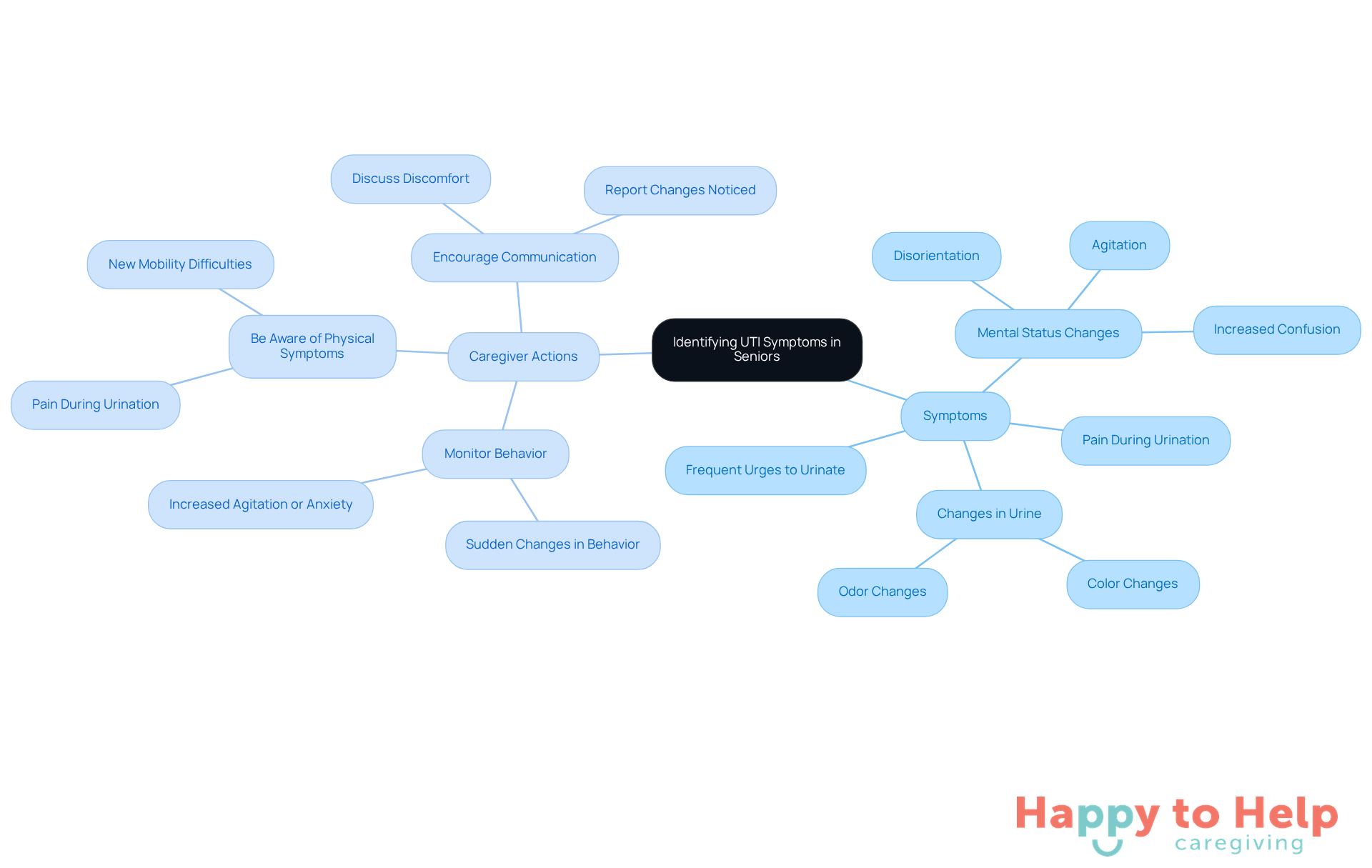
Recognizing the symptoms of a UTI in seniors is a significant challenge for caregivers. A sudden change in mental status, such as increased confusion or agitation, raises the question of whether does UTI cause dementia progression. This misinterpretation can lead to delayed treatment, worsening the senior's condition.
Other common symptoms include pain or burning during urination, frequent urges to urinate, and changes in urine color or odor. Caregivers must be vigilant for these signs, particularly in individuals with existing cognitive impairments. Prompt identification and treatment of a UTI are crucial, as they can prevent further cognitive decline and help answer the question of whether does UTI cause dementia, ultimately enhancing the overall quality of life for seniors.
To effectively manage this issue, caregivers should:
- Monitor for sudden changes in behavior or mental status.
- Be aware of physical symptoms like pain during urination.
- Encourage seniors to communicate any discomfort or changes they notice.
By staying informed and proactive, caregivers can significantly improve outcomes for seniors experiencing UTIs.
Taking the Next Steps
The relationship between urinary tract infections (UTIs) and dementia presents a significant challenge for caregivers. While UTIs do not directly cause dementia, they can worsen cognitive decline in older adults, leading to acute confusion and distressing symptoms. This connection highlights the importance of vigilance and awareness among caregivers, who strive to provide the best support for their loved ones.
Caregivers should be aware that the symptoms of UTIs can mimic or exacerbate dementia-related behaviors. Sudden changes in mental status, such as increased confusion or agitation, may indicate a UTI rather than a natural progression of dementia. Monitoring these changes is crucial for timely intervention.
To mitigate the risks associated with UTIs and protect cognitive health, caregivers can implement several preventive strategies:
- Ensure proper hydration.
- Maintain good hygiene practices.
By proactively managing urinary health, caregivers can improve outcomes for seniors. Staying informed and attentive allows them to identify symptoms early, seek appropriate medical intervention, and enhance the overall quality of life for those they care for. These steps not only address immediate health concerns but also create a supportive environment that prioritizes the well-being of seniors facing the dual challenges of UTIs and dementia.
https://iframe.tely.ai/cta/eyJhcnRpY2xlX2lkIjogIjY5M2Y1MDk1Njk1NDdlMzRlNWE0ZWU2YyIsICJjb21wYW55X2lkIjogIjY4ZWU1ZGNhNzMxNzYyNTU3ZjNjOTVjMSIsICJpbmRleCI6IG51bGwsICJ0eXBlIjogImFydGljbGUifQ==Frequently Asked Questions
What are Urinary Tract Infections (UTIs)?
UTIs are common bacterial infections that affect the urinary system, including the bladder and kidneys.
How do UTIs relate to dementia?
While UTIs do not cause dementia, they can worsen symptoms in individuals who already have cognitive decline, leading to increased confusion and other cognitive issues.
What symptoms can a UTI cause in older adults?
Symptoms of a UTI in older adults can include sudden confusion, agitation, dizziness, and even visual hallucinations.
Are older adults with dementia more susceptible to UTIs?
Yes, older adults with dementia are more than twice as likely to be diagnosed with a UTI compared to those who are cognitively healthy.
Why is it important for caregivers to monitor urinary health in seniors?
Monitoring urinary health is crucial because UTIs can complicate the clinical picture of dementia and lead to misdiagnosis, as well as exacerbate cognitive decline.
What preventive measures can help reduce the risk of UTIs in seniors?
Maintaining hydration and practicing good bathroom hygiene are recommended preventive measures to reduce UTI risks in older adults.
How can understanding the impact of UTIs on cognitive function help caregivers?
By understanding this impact, caregivers can better support their loved ones and ensure they receive timely medical attention when necessary.
List of Sources
- Explore the Basics: Understanding UTIs and Dementia
- UTIs and Senior Health: A Hidden Risk for Cognitive Decline (https://inspirahealthnetwork.org/news/healthy-living/utis-and-senior-health-hidden-risk-cognitive-decline)
- Can Infections Like UTIs Trigger Dementia-Like Symptoms? | Synaps DX (https://synapsdx.com/post/can-infections-like-utis-trigger-dementia-like-symptoms)
- The Surprising Link Between UTI and Confusion (https://nm.org/healthbeat/healthy-tips/the-surprising-link-between-uti-and-confusion)
- Unlocking the Cause of UTI-Induced Delirium (https://cedars-sinai.org/newsroom/unlocking-the-cause-of-uti-induced-delirium)
- UTIs and Dementia: What’s the Connection? | myALZteam (https://myalzteam.com/resources/utis-and-dementia-whats-the-connection)
- Examine How UTIs Affect Cognitive Function in Seniors
- UTIs and Senior Health: A Hidden Risk for Cognitive Decline (https://inspirahealthnetwork.org/news/healthy-living/utis-and-senior-health-hidden-risk-cognitive-decline)
- Urinary tract infections and dementia (https://alzheimers.org.uk/get-support/living-with-dementia/urinary-tract-infections-utis-dementia)
- Unlocking the Cause of UTI-Induced Delirium (https://cedars-sinai.org/newsroom/unlocking-the-cause-of-uti-induced-delirium)
- Can Infections Like UTIs Trigger Dementia-Like Symptoms? | Synaps DX (https://synapsdx.com/post/can-infections-like-utis-trigger-dementia-like-symptoms)
- Implement Prevention Strategies: Reducing UTI Risks in Seniors
- What doctors wish patients knew about UTI prevention (https://ama-assn.org/public-health/prevention-wellness/what-doctors-wish-patients-knew-about-uti-prevention)
- 4 Ways for Older Adults to Protect Themselves From UTIs | Senior Health Services | Hartford HealthCare | CT (https://hhcseniorservices.org/health-wellness/news/newsroom-detail?articleId=49999&publicid=467)
- Strategies for older people living in care homes to prevent urinary tract infection: the StOP UTI realist synthesis - PMC (https://pmc.ncbi.nlm.nih.gov/articles/PMC11513742)
- UTIs and Senior Health: A Hidden Risk for Cognitive Decline (https://inspirahealthnetwork.org/news/healthy-living/utis-and-senior-health-hidden-risk-cognitive-decline)
- UTIs in Older Adults (https://health.usnews.com/senior-care/articles/utis-in-older-adults)
- Identify UTI Symptoms: Distinguishing from Dementia Signs
- UTIs and Senior Health: A Hidden Risk for Cognitive Decline (https://inspirahealthnetwork.org/news/healthy-living/utis-and-senior-health-hidden-risk-cognitive-decline)
- Can Infections Like UTIs Trigger Dementia-Like Symptoms? | Synaps DX (https://synapsdx.com/post/can-infections-like-utis-trigger-dementia-like-symptoms)
- The Truth about UTIs in Older Adults (https://consultqd.clevelandclinic.org/the-truth-about-utis-in-older-adults)
- The Surprising Link Between UTI and Confusion (https://nm.org/healthbeat/healthy-tips/the-surprising-link-between-uti-and-confusion)
- Unlocking the Cause of UTI-Induced Delirium (https://cedars-sinai.org/newsroom/unlocking-the-cause-of-uti-induced-delirium)