
What You Need to Know About Elder Care Naples: Compare In-Home Care
Navigating the landscape of elder care presents a significant challenge for families. The desire for independence often clashes with the need for support, creating a complex dilemma. Families must weigh the options of in-home care versus assisted living facilities, each offering distinct benefits and challenges.
This decision can be overwhelming, as it directly impacts the well-being of aging relatives. Families may struggle to determine which option aligns best with their loved ones' needs, preferences, and financial realities. Understanding these nuances is crucial for caregivers seeking to make informed choices.
To empower caregivers, it’s essential to explore the unique benefits and challenges of each care option. Here are some actionable tips:
- Assess individual needs: Consider the level of care required and personal preferences.
- Evaluate financial implications: Understand the costs associated with each option.
- Consult with professionals: Seek advice from elder care experts to gain insights tailored to your situation.
By addressing these factors, families can navigate the elder care landscape more effectively, ensuring that their loved ones receive the support they need while maintaining their independence.
Understanding In-Home Care and Assisted Living Facilities
Caring for seniors presents a significant challenge for families and caregivers. Many older adults wish to maintain their independence, yet they often require assistance with daily activities. This is where in-home care comes into play.
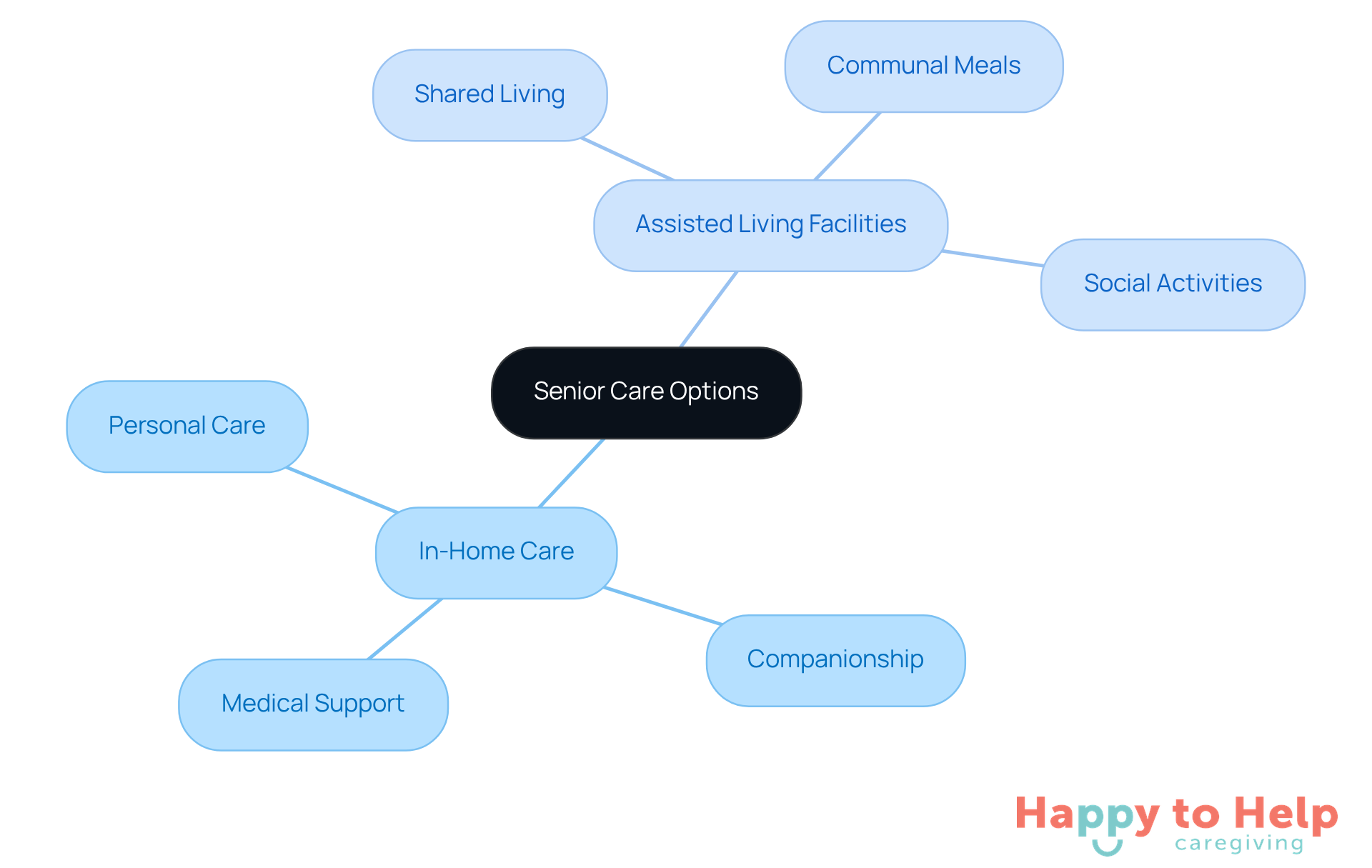
In-home care refers to services provided in the comfort of an individual's residence, allowing seniors to receive help with routine activities while still enjoying their independence. This can include personal care, companionship, and support for medical needs. However, not all seniors can remain at home.
For those who need more structured support, assisted living facilities offer a viable solution. These communities are designed for seniors who require help with daily living but do not need the intensive medical care found in nursing homes. Residents benefit from shared living arrangements, communal meals, and various social activities, fostering a sense of community.
Both in-home care and assisted living aim to enhance the quality of life for seniors, but they do so in fundamentally different ways. Understanding these options can help caregivers make informed decisions that best suit their loved ones' needs.
Services Offered by In-Home Care Providers
Caregiving can be a demanding role, often leading to stress and burnout for family members. Many caregivers struggle with feelings of isolation and the overwhelming responsibility of providing care, which can impact their well-being.
In-home care providers, like Happy to Help Caregiving, offer a range of elder care Naples services designed to support caregivers and their loved ones. These services include:
- Companionship Support: Engaging clients in conversation and activities to combat loneliness.
- Post-Hospital Recovery Assistance: Aiding clients in their transition home after surgery or hospitalization, ensuring adherence to recovery protocols.
- Respite Support: Providing temporary relief for family caregivers, allowing them to take necessary breaks while ensuring their loved ones are cared for.
- Palliative Support: Focusing on comfort and quality of life for individuals with serious illnesses.
Elder care Naples services are often available around the clock and can be tailored to meet individual preferences and needs. By utilizing these resources, caregivers can alleviate some of their burdens, ensuring both they and their loved ones receive the support they deserve.
Pros and Cons of In-Home Care vs. Assisted Living
When comparing in-home care and assisted living, caregivers face significant challenges that can impact their loved ones' well-being.
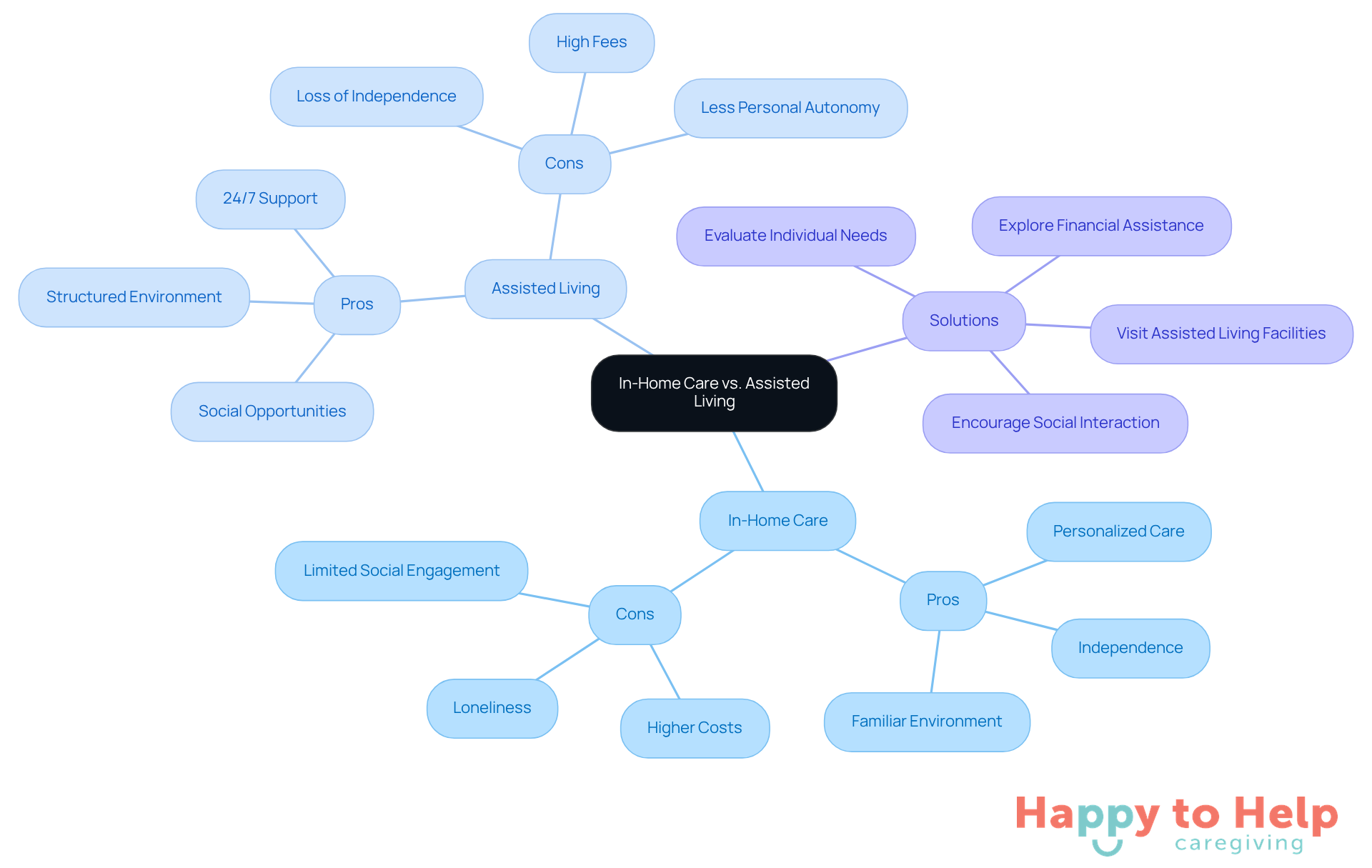
Problem: In-home care can lead to restricted social engagement and potentially higher costs. Clients may experience loneliness without frequent visitors or events, which can affect their mental health. Additionally, the costs associated with personalized care can accumulate quickly, creating financial strain.
Agitate: On the other hand, assisted living offers social opportunities and a structured environment, but it comes with its own set of drawbacks. Residents may feel a loss of independence due to facility rules and schedules, which can be restrictive. Moreover, the monthly fees for assisted living can be substantial, often including room and board, making it an unfeasible option for some families.
Solution: To navigate these challenges, caregivers should consider the following actionable tips:
- Evaluate Individual Needs: Assess the specific needs of your loved one to determine the most suitable care option.
- Explore Financial Assistance: Research available financial aid programs that can help offset costs for both in-home care and assisted living.
- Encourage Social Interaction: For in-home care, arrange regular visits from friends and family or consider community activities to combat loneliness.
- Visit Assisted Living Facilities: If considering assisted living, visit multiple facilities to find one that balances independence with necessary support.
By understanding the pros and cons of each option, caregivers can make informed decisions that best support their loved ones.
Determining Suitability: Who Benefits from Each Option?
Determining the suitability of in-home care versus assisted living can be challenging for caregivers. The decision hinges on various factors, including the individual's health status, personal preferences, and social needs. Understanding these elements is crucial for making an informed choice.
In-Home Care is ideal for:
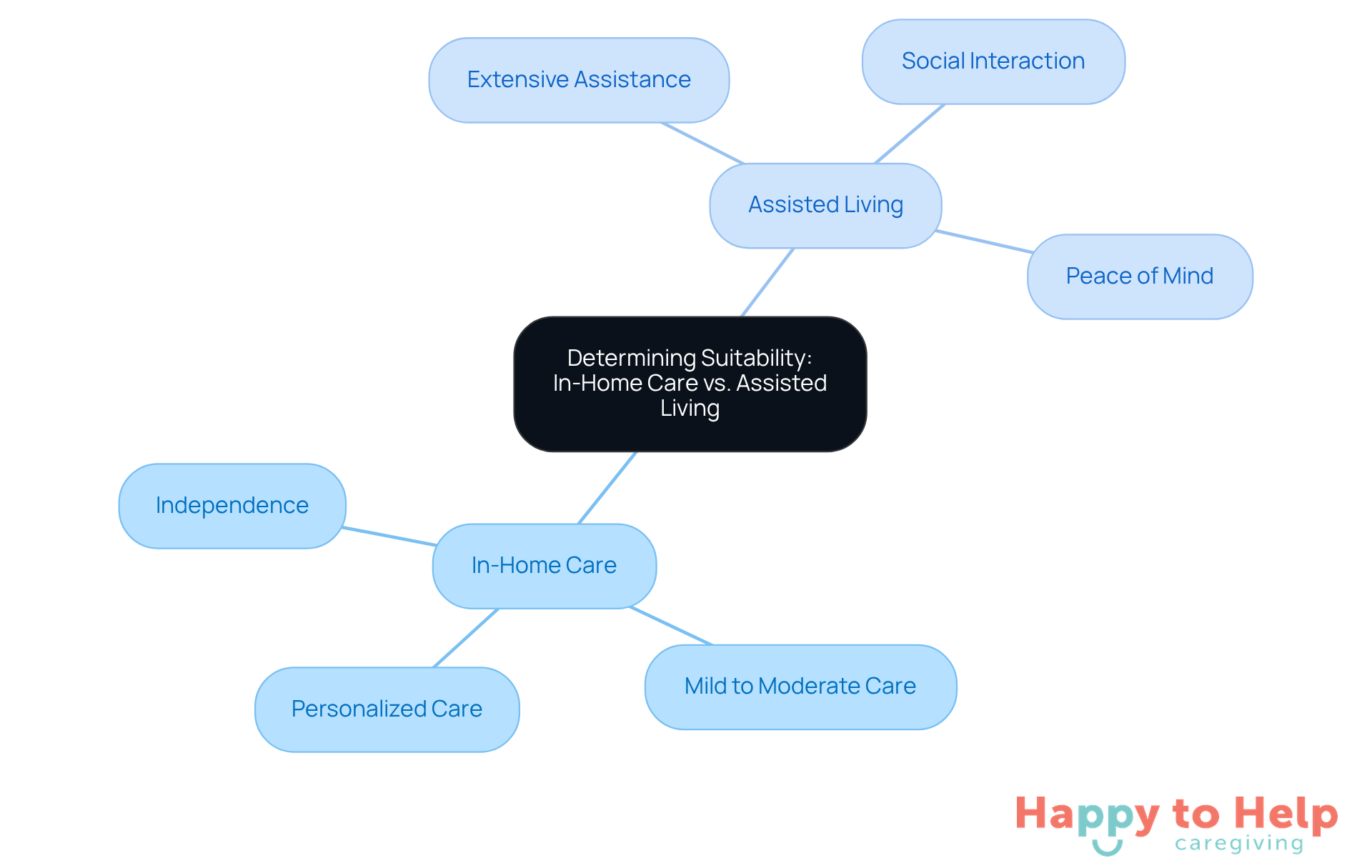
- Seniors who prioritize independence: Those who choose to remain in their own residences and maintain control over their everyday routines.
- Individuals with mild to moderate care requirements: Clients who need support with regular tasks but do not require constant oversight.
- Families seeking personalized care: Families who want tailored support that aligns with their loved one's lifestyle.
On the other hand, Assisted Living is suitable for:
- Seniors needing more extensive assistance: Those who require help with everyday tasks and benefit from a structured environment.
- Individuals who enjoy social interaction: Residents who thrive in a community setting with opportunities for engagement and activities.
- Families looking for peace of mind: Families who prefer the security of 24/7 staff availability and support for their loved ones.
Making the Right Choice
Choosing the right elder care option in Naples can be a daunting task for families. The critical decision between in-home care and assisted living facilities presents unique challenges that caregivers must navigate. Each option has its own set of advantages, and understanding these can significantly impact the health and happiness of seniors.
In-home care allows seniors to maintain their independence while receiving essential support tailored to their individual needs. This personalized approach not only fosters autonomy but also ensures that seniors feel comfortable in their own homes. On the other hand, assisted living facilities offer a community-oriented environment that encourages social interaction and provides structured support for those who require more extensive assistance.
Caregivers face the challenge of assessing individual needs and preferences, which can be overwhelming. To tackle this, it's crucial to explore financial options and consider the social aspects of each care type. By doing so, families can identify the most suitable solution that aligns with their loved ones' requirements.
Ultimately, the choice between in-home care and assisted living is about more than just services; it's about enhancing the quality of life for seniors. By weighing the pros and cons carefully, families can ensure their loved ones receive the appropriate level of care, promoting well-being and dignity in their golden years. Taking action now to evaluate these options can lead to a more fulfilling and supported experience for both seniors and their families.
https://iframe.tely.ai/cta/eyJhcnRpY2xlX2lkIjogIjY5MmY5MWI3NWE2YzBkMzU2MDcwMDMwYiIsICJjb21wYW55X2lkIjogIjY4ZWU1ZGNhNzMxNzYyNTU3ZjNjOTVjMSIsICJpbmRleCI6IG51bGwsICJ0eXBlIjogImFydGljbGUifQ==Frequently Asked Questions
What is in-home care?
In-home care refers to services provided in an individual's residence, allowing seniors to receive assistance with routine activities while maintaining their independence. This can include personal care, companionship, and support for medical needs.
Who can benefit from in-home care?
In-home care is beneficial for seniors who wish to stay at home but require help with daily activities.
What are assisted living facilities?
Assisted living facilities are communities designed for seniors who need help with daily living but do not require the intensive medical care provided in nursing homes.
What services do assisted living facilities offer?
Assisted living facilities offer shared living arrangements, communal meals, and various social activities, fostering a sense of community among residents.
How do in-home care and assisted living differ?
In-home care provides support in the individual's home, allowing for independence, while assisted living facilities offer a structured environment with communal living and activities for seniors who need more support.
What is the goal of both in-home care and assisted living?
Both in-home care and assisted living aim to enhance the quality of life for seniors, although they do so in different ways.
List of Sources
- Understanding In-Home Care and Assisted Living Facilities
- Most Americans expect to need long-term care in the future, and they don’t want that care in assisted living (https://mcknightsseniorliving.com/news/most-americans-expect-to-need-long-term-care-in-the-future-and-they-dont-want-that-care-in-assisted-living)
- New Proposal Aims to Help Older Adults, People with Disabilities, and their Families Access Home Care - Justice in Aging (https://justiceinaging.org/new-proposal-aims-to-help-older-adults-people-with-disabilities-and-their-families-access-home-care)
- Family caregivers prefer in-home care over senior living, new industry report finds (https://mcknightshomecare.com/news/family-caregivers-prefer-in-home-care-over-senior-living-new-industry-report-finds)
- The Future of Aging: Is In-Home Care the New Standard? - WorldHealth.net (https://worldhealth.net/news/future-of-aging-is-in-home-care-new-standard)
- 3 in 4 Americans prefer receiving long-term care at home (https://insurancenewsnet.com/oarticle/3-in-4-americans-prefer-receiving-long-term-care-at-home)
- Services Offered by In-Home Care Providers
- Home Care Statistics In 2025: Key Insights In Home Care (https://sagapixel.com/marketing/home-care-statistics)
- News Releases (https://hcaoa.org/news-releases.html)
- Home Care Industry Overview and Statistics (https://ankota.com/home-care-industry-overview-and-statistics)
- 52 Eye-Opening Home Health Statistics: Insights for 2025 (https://boosthomehealth.com/home-health-statistics)
- Newsweek Names Comfort Keepers® Among America’s Best of the Best Home-Care Providers for 2025 (https://businesswire.com/news/home/20250827166158/en/Newsweek-Names-Comfort-Keepers-Among-Americas-Best-of-the-Best-Home-Care-Providers-for-2025)
- Pros and Cons of In-Home Care vs. Assisted Living
- The Pros and Cons of Living at Home vs. Assisted Living | Loretto (https://lorettocny.org/news-resources/blog/the-pros-and-cons-of-living-at-home-vs-going-into-assisted-living)
- Facts & Figures (https://ahcancal.org/Assisted-Living/Facts-and-Figures/Pages/default.aspx)
- Home Care Costs in 2025: A State-by-State Guide (https://aplaceformom.com/caregiver-resources/articles/in-home-care-costs)
- Comparing Home Care and Assisted Living: Pros and Cons (https://curisdigital.com/comparing-home-care-and-assisted-living-pros-and-cons)
- Determining Suitability: Who Benefits from Each Option?
- 3 in 4 Americans prefer receiving long-term care at home (https://insurancenewsnet.com/oarticle/3-in-4-americans-prefer-receiving-long-term-care-at-home)
- Most Americans expect to experience a long-term care event, and nearly 3 in 4 want in-home care if it happens to them - according to Northwestern Mutual Planning & Progress Study (https://news.northwesternmutual.com/2025-10-07-Most-Americans-expect-to-experience-a-long-term-care-event,-and-nearly-3-in-4-want-in-home-care-if-it-happens-to-them-according-to-Northwestern-Mutual-Planning-Progress-Study)
- Families Prefer In-Home Care To Senior Living – Yet Struggle To Identify Needed Support (https://homehealthcarenews.com/2025/11/families-prefer-in-home-care-to-senior-living-yet-struggle-to-identify-needed-support)
- Aging at Home or in a Senior Living Community: The Freedom of Choice (https://mylifesite.net/blog/post/aging-at-home-or-in-a-senior-living-community-the-freedom-of-choice)