
For families in our service areas
For families in our service areas, this guide explains caregiving and how non-medical in-home caregiving can support care planning in East Idaho, Treasure Valley & Magic Valley, Northern Wasatch, North Central West Virginia, and Northeast Ohio.
What You Need to Know About Enhance Care with Memory Card Games for
Memory card games have emerged as a powerful tool for enhancing the quality of life for older adults, particularly in addressing cognitive decline and social isolation. These engaging activities not only sharpen mental acuity but also foster emotional well-being through social interaction.
However, caregivers face a significant challenge: how can they effectively integrate these games into daily routines to ensure that they are both enjoyable and beneficial for seniors? The implications of neglecting this integration can lead to missed opportunities for connection and cognitive stimulation.
To tackle this issue, exploring best practices for implementing memory card games is essential. Caregivers can unlock new avenues for engagement by incorporating these games into their routines. Here are some actionable tips:
- Set a regular schedule for game time to create anticipation and routine.
- Choose games that are appropriate for the cognitive levels of the seniors involved, ensuring they are both challenging and enjoyable.
- Encourage social interaction by playing in groups, which can enhance emotional connections and reduce feelings of isolation.
By following these strategies, caregivers can effectively use memory card games to promote cognitive health and emotional well-being among older adults.
Understand the Benefits of Memory Card Games for Adults
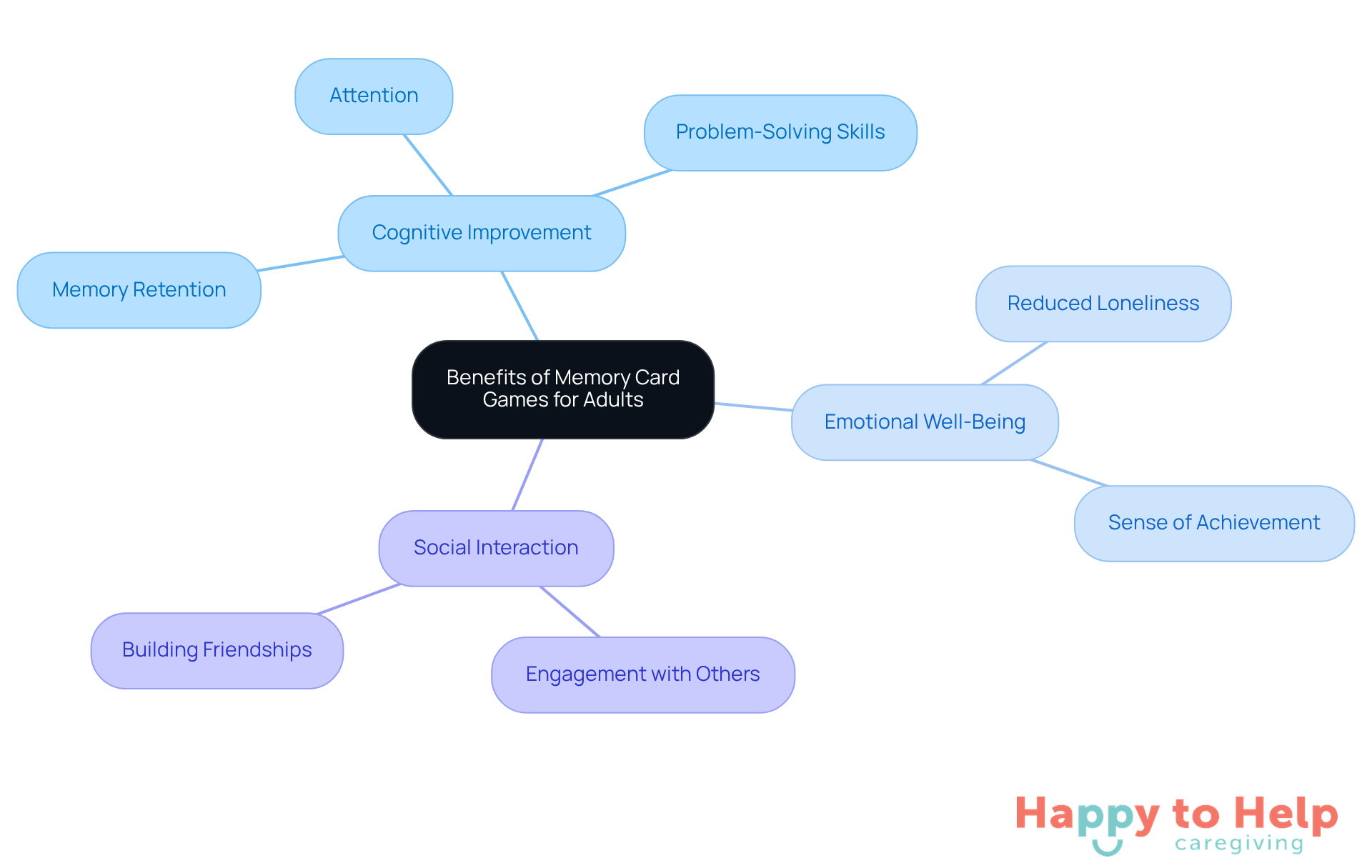
Cognitive decline is a significant concern for many seniors, impacting their quality of life and independence. As people age, they often face challenges in memory retention, attention, and problem-solving skills. This decline can lead to feelings of isolation and loneliness, further exacerbating mental health issues.
However, participating in memory card games for adults presents a practical solution. Engaging in memory card games for adults not only enhances cognitive abilities but also promotes emotional well-being. By participating in such activities, seniors can improve their brain activity, which is crucial for maintaining mental sharpness. Additionally, these activities foster social interaction, reducing feelings of loneliness and promoting a sense of achievement among participants.
Research supports the benefits of consistent involvement in cognitive exercises. For instance, a study involving over 7,300 older adults found that those who regularly played cards or engaged in similar activities demonstrated better mental performance, particularly in attention and recall. This highlights the vital role that memory card games for adults can play in enhancing the quality of life for older adults, supporting both their mental health and emotional wellness.
Explore Effective Memory Card Game Options for Seniors
Choosing card activities for seniors presents a challenge for caregivers, particularly when considering cognitive skills and preferences. Cognitive decline and social isolation can significantly impact the well-being of older adults, making it essential to find engaging activities that promote mental function and social interaction.
Here are some effective card activities that can help address these issues:
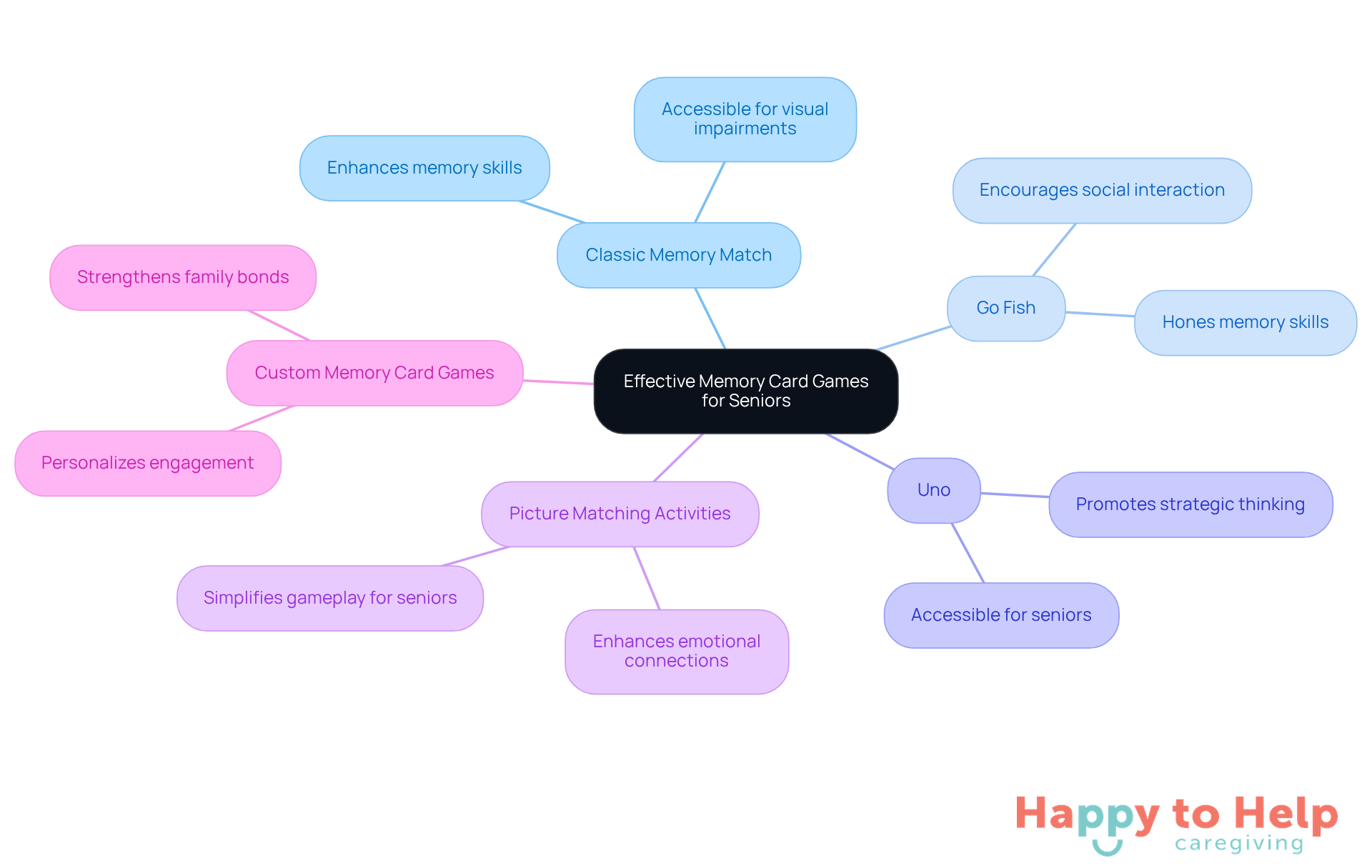
- Classic Memory Match: This activity involves flipping over cards to find matching pairs. Its straightforward rules make it easy to understand, and larger cards can accommodate those with visual impairments.
- Go Fish: This interactive game, similar to memory card games for adults, encourages social interaction while honing memory skills. Players must remember which cards have been requested and which they hold, fostering engagement and communication.
- Uno: A beloved card game that can be adapted for accessibility, Uno still presents mental challenges, making it suitable for older adults.
- Picture Matching Activities: Using visuals instead of numbers or letters, these activities are simpler for seniors experiencing mental decline, allowing for enjoyable participation.
- Custom Memory Card Games for Adults: Caregivers can create personalized memory card games for adults using family photos or familiar objects, which enhances emotional connections and engagement.
These activities not only enhance mental function but also encourage social interaction, making them ideal for both group settings and individual play. Engaging in such activities can significantly improve the mental, emotional, and social well-being of older adults. As Drew M. Altschul noted, "Engaging in additional activities is linked to reduced cognitive decline overall, especially in general cognitive function and in the area of recollection." With rising levels of solitude among older adults, these activities serve as a vital resource for nurturing relationships and combating isolation.
Implement Memory Card Games in Daily Caregiving Activities
To effectively integrate memory card games into daily caregiving activities, caregivers face the challenge of ensuring cognitive engagement for seniors. This issue can lead to diminished mental stimulation and a lack of routine that older adults can look forward to.
To address this, caregivers can adopt the following strategies:
-
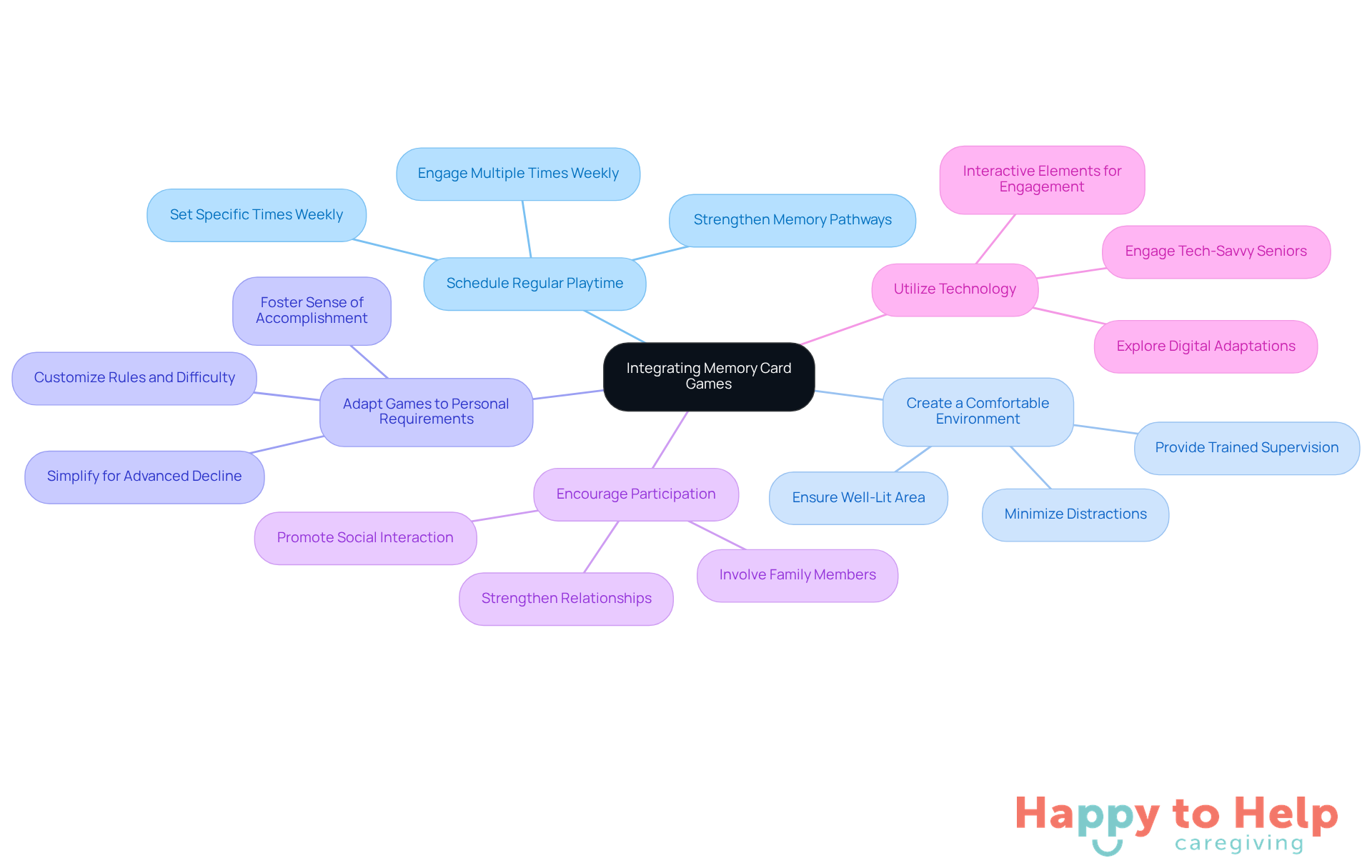
Schedule Regular Playtime: Set specific times each week dedicated to cognitive activities. This routine not only promotes engagement but also boosts mental stimulation, as regular participation is linked to better information retention. Studies suggest that memory activities should be engaged in multiple times weekly for maximum benefits, strengthening memory pathways and preserving mental function.
-
Create a Comfortable Environment: Ensure the playing area is well-lit and free from distractions. A cozy and welcoming environment enhances concentration and enjoyment, making the gaming experience more fulfilling for older adults. Additionally, trained supervision and environmental modifications are essential for safe implementation.
-
Adapt Games to Personal Requirements: Customize the rules or difficulty of the games to align with the mental capabilities of the elderly. For those facing advanced mental decline, simplifying the rules can help maintain engagement and success, fostering a sense of accomplishment. This approach is crucial for ensuring that activities remain interesting and attainable for seniors at various levels of mental decline.
-
Encourage Participation: Involve family members or other caregivers in the activities to promote social interaction and community. This collaborative approach enriches the gaming experience and strengthens relationships, which is vital for emotional well-being. Chris Braley, with over 20 years of experience in dementia care, emphasizes the impact of tailored cognitive activities on enhancing engagement and social connections.
-
Utilize Technology: Explore digital adaptations of memory activities that can be played on tablets or computers. These platforms may attract tech-savvy older adults and provide additional engagement through interactive elements.
By implementing these strategies, caregivers can ensure that memory activities become a significant and enjoyable part of their clients' daily routines, contributing to enhanced cognitive function and overall quality of life.
Foster Social Interaction Through Memory Card Games
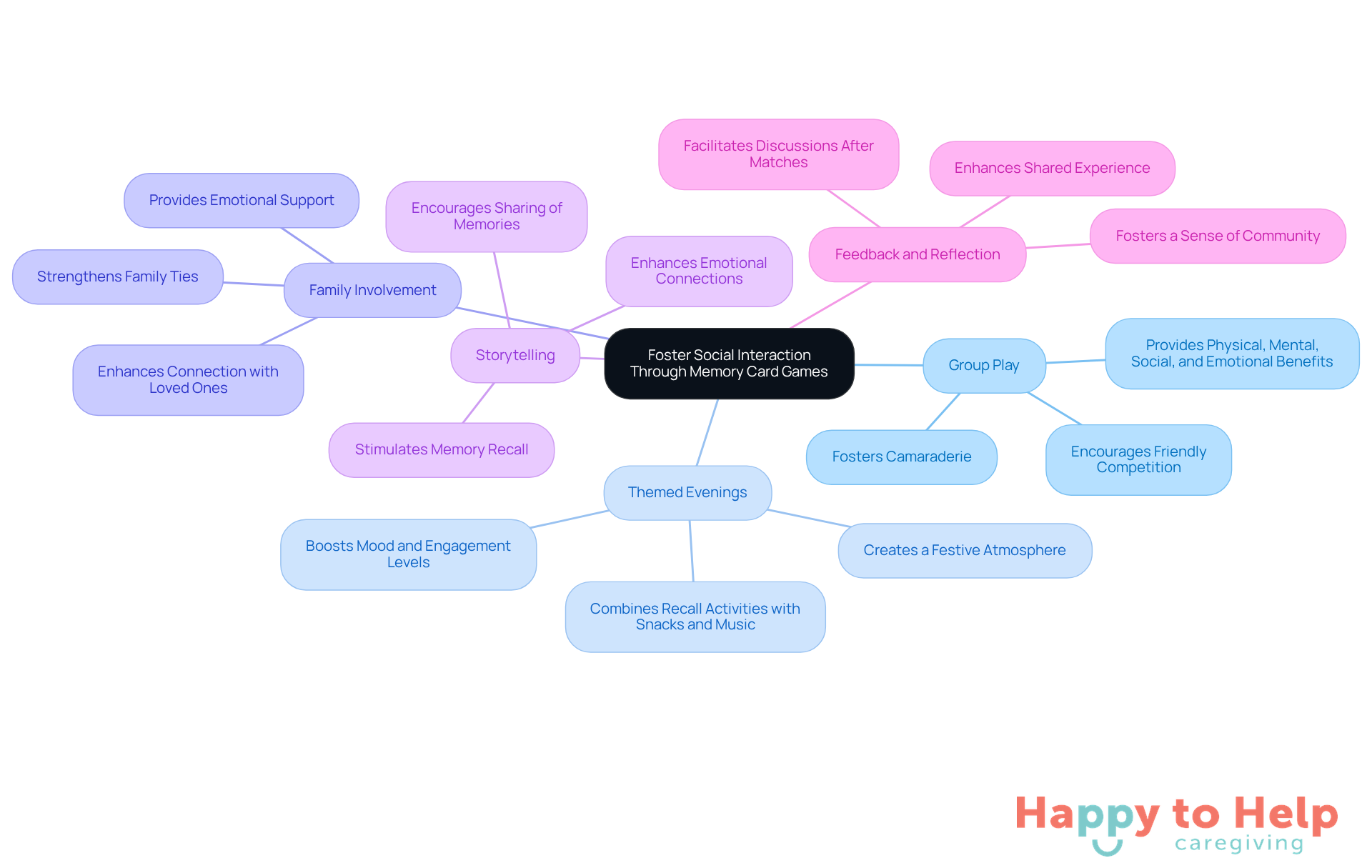
Memory card activities serve as a valuable tool for promoting social interaction among older adults, addressing a significant problem: social isolation. This issue can lead to feelings of loneliness and distress, negatively impacting mental health and overall well-being. Caregivers play a crucial role in mitigating these effects by fostering social engagement through enjoyable activities.
To enhance social interaction, consider these effective strategies:
-
Group Play: Organize sessions where multiple seniors can participate together. This setup not only encourages friendly competition but also fosters camaraderie and social bonding, which are vital for emotional well-being. Studies indicate that team activities offer physical, mental, social, and emotional advantages, rendering them essential for healthy aging.
-
Themed Evenings: Host themed nights that combine recall activities with snacks and music, creating a festive atmosphere that promotes involvement and fun. Such events can significantly boost mood and engagement levels among participants.
-
Family Involvement: Invite family members to join in the activities, allowing seniors to connect with loved ones while engaging in cognitive tasks. This involvement strengthens family ties and provides essential emotional support, which is crucial for mental health. As Nancy Collins notes, social connection is one of the strongest predictors of quality of life at any age.
-
Storytelling: Use recall games as a catalyst for storytelling. After gameplay, encourage participants to share memories related to the images or themes of the cards. This practice enhances emotional connections and stimulates memory recall, enriching the overall experience.
-
Feedback and Reflection: Facilitate discussions after each match about the experience. Ask players what they enjoyed and how they felt, fostering a sense of community and shared experience that can enhance social bonds.
By prioritizing social interaction, caregivers can maximize the benefits of memory card games, transforming them into not just cognitive exercises but also sources of joy and connection for seniors. Engaging in such activities can significantly reduce feelings of loneliness and distress, contributing to a happier and healthier aging process.
Taking the Next Steps
Engaging in memory card games for adults addresses a significant problem: the isolation that many seniors experience as they age. This isolation can lead to decreased emotional well-being and cognitive decline. By incorporating memory games into daily routines, caregivers can combat these feelings and enhance the quality of life for older adults.
These activities not only stimulate mental processes but also foster social interaction, creating a sense of community and achievement. Caregivers can implement effective strategies for memory card games, such as:
- Selecting games that cater to varying cognitive abilities
- Creating a supportive environment
- Encouraging family involvement
These practices ensure that memory games are not just entertaining but also beneficial for mental stimulation and social engagement.
Moreover, emphasizing group play and themed activities highlights the importance of companionship and shared experiences in promoting emotional health. By prioritizing these engaging activities, caregivers can nurture relationships, reduce loneliness, and improve overall mental health among seniors.
Ultimately, integrating memory card games into caregiving practices serves as a vital resource for enhancing cognitive function and social connections. Embracing these games can lead to a more fulfilling and connected life for older adults, making them an essential component of effective elder care.
https://iframe.tely.ai/cta/eyJhcnRpY2xlX2lkIjogIjY5M2Y1MDlmNjk1NDdlMzRlNWE0ZWU3MSIsICJjb21wYW55X2lkIjogIjY4ZWU1ZGNhNzMxNzYyNTU3ZjNjOTVjMSIsICJpbmRleCI6IG51bGwsICJ0eXBlIjogImFydGljbGUifQ==Frequently Asked Questions
What are the main benefits of memory card games for adults?
Memory card games for adults enhance cognitive abilities, promote emotional well-being, improve brain activity, foster social interaction, and reduce feelings of loneliness.
How do memory card games help with cognitive decline in seniors?
Engaging in memory card games can improve memory retention, attention, and problem-solving skills, which are often challenged by cognitive decline in seniors.
What impact do memory card games have on mental health?
These games help reduce feelings of isolation and loneliness, promote a sense of achievement, and support overall mental health and emotional wellness.
Is there research supporting the benefits of memory card games for older adults?
Yes, research involving over 7,300 older adults found that those who regularly played cards or engaged in similar activities showed better mental performance, particularly in attention and recall.
How can memory card games enhance the quality of life for older adults?
By improving cognitive functions and fostering social interactions, memory card games can enhance the quality of life for older adults, supporting both their mental health and emotional well-being.
List of Sources
- Understand the Benefits of Memory Card Games for Adults
- Cognitive Benefits of Card Games for Seniors (https://holidayseniorliving.com/retirement-guide/senior-health-and-wellness/casino-royale-the-benefits-of-card-games-for-seniors)
- Unlocking the Benefits of Card Games for Seniors | Companion Care at Home (https://blhc.org/unlocking-the-benefits-of-card-games-for-seniors)
- The Benefits of Playing Cards for Seniors to Improve Memory Function (https://thetraceseniorliving.com/louisiana-senior-living-blog/the-benefits-of-playing-cards-for-seniors-to-improve-memory-function)
- Association of Playing Cards or Mahjong with Cognitive Function in Chinese Older Adults - PMC (https://pmc.ncbi.nlm.nih.gov/articles/PMC9368645)
- Explore Effective Memory Card Game Options for Seniors
- Card Games for Seniors | Our Favorite Games (https://delaneyatthevale.com/news-blog/our-11-favorite-card-games-for-seniors)
- The Effectiveness of Serious Games in Improving Memory Among Older Adults With Cognitive Impairment: Systematic Review and Meta-analysis - PMC (https://pmc.ncbi.nlm.nih.gov/articles/PMC9399845)
- Memory-Focused But Easy Card Games for Seniors with Dementia (https://247solitaire.com/news/card-game-for-seniors-with-dementia)
- Playing Analog Games Is Associated With Reduced Declines in Cognitive Function: A 68-Year Longitudinal Cohort Study (https://academic.oup.com/psychsocgerontology/article/75/3/474/5628188)
- Top 8 Memory Games for Senior Adults (https://caringseniorservice.com/blog/top-memory-games-for-seniors)
- Implement Memory Card Games in Daily Caregiving Activities
- The Effectiveness of Serious Games in Improving Memory Among Older Adults With Cognitive Impairment: Systematic Review and Meta-analysis - PMC (https://pmc.ncbi.nlm.nih.gov/articles/PMC9399845)
- Boost Brainpower: Top Memory Enhancement Games for Seniors (https://braleycarehomesinc.com/videos/b/boost-brainpower-top-memory-enhancement-games-for-seniors)
- Florida Health Care Plan, Inc. (https://fhcp.com/fhcp-news/2022/october/keep-your-mind-fit-with-brain-games)
- A systematic review and meta-analysis of randomized controlled trials on the effect of serious games on people with dementia (https://sciencedirect.com/science/article/abs/pii/S1568163722001829)
- Game-Based Training Slows Memory Loss in Early Dementia (https://emjreviews.com/innovations/news/game-based-training-slows-memory-loss-in-early-dementia)
- Foster Social Interaction Through Memory Card Games
- Group Games for Older Adults - The New Jewish Home (https://jewishhome.org/news/group-games-for-older-adults)
- Social Activities for Homebound Seniors (https://ohioanshhc.com/news/social-activities-for-homebound-seniors)
- NIH backs UCSB virtual reality project to help older adults build real social connections (https://news.ucsb.edu/2025/022285/nih-backs-ucsb-virtual-reality-project-help-older-adults-build-real-social-connections)
- Card Games for Seniors | Our Favorite Games (https://delaneyatthevale.com/news-blog/our-11-favorite-card-games-for-seniors)
- Encouraging seniors to flex their brains and social muscles (https://healthcareitnews.com/news/encouraging-seniors-flex-their-brains-and-social-muscles)