Enhance Care with Memory Puzzles: Practical Tips for Caregivers
For families in our service areas
For families in our service areas, this guide explains caregiver support and how non-medical in-home caregiving can support care planning in East Idaho, Treasure Valley & Magic Valley, Northern Wasatch, North Central West Virginia, and Northeast Ohio.
The Importance of Enhance Care with Memory Puzzles:
Cognitive decline among seniors presents a significant challenge for caregivers. This issue not only affects the mental acuity of their clients but also places a burden on caregivers striving to provide effective support. Memory puzzles, such as jigsaw challenges and crosswords, can serve as an engaging solution that enhances cognitive function while fostering social interaction.
However, caregivers often face obstacles when integrating these puzzles into daily routines. Individual preferences and environmental factors can complicate the process. To address these challenges, caregivers can explore practical strategies for incorporating memory puzzles effectively. By doing so, they can enrich the lives of those they support, ultimately leading to improved mental health and well-being.
Actionable Tips for Caregivers:
- Assess Individual Preferences: Understand the types of puzzles that resonate with each client.
- Create a Routine: Set aside specific times for puzzle activities to establish consistency.
- Encourage Social Interaction: Facilitate group puzzle sessions to promote engagement and connection.
By implementing these strategies, caregivers can not only enhance cognitive function in seniors but also create a more fulfilling and interactive environment.
Understand the Cognitive Benefits of Memory Puzzles
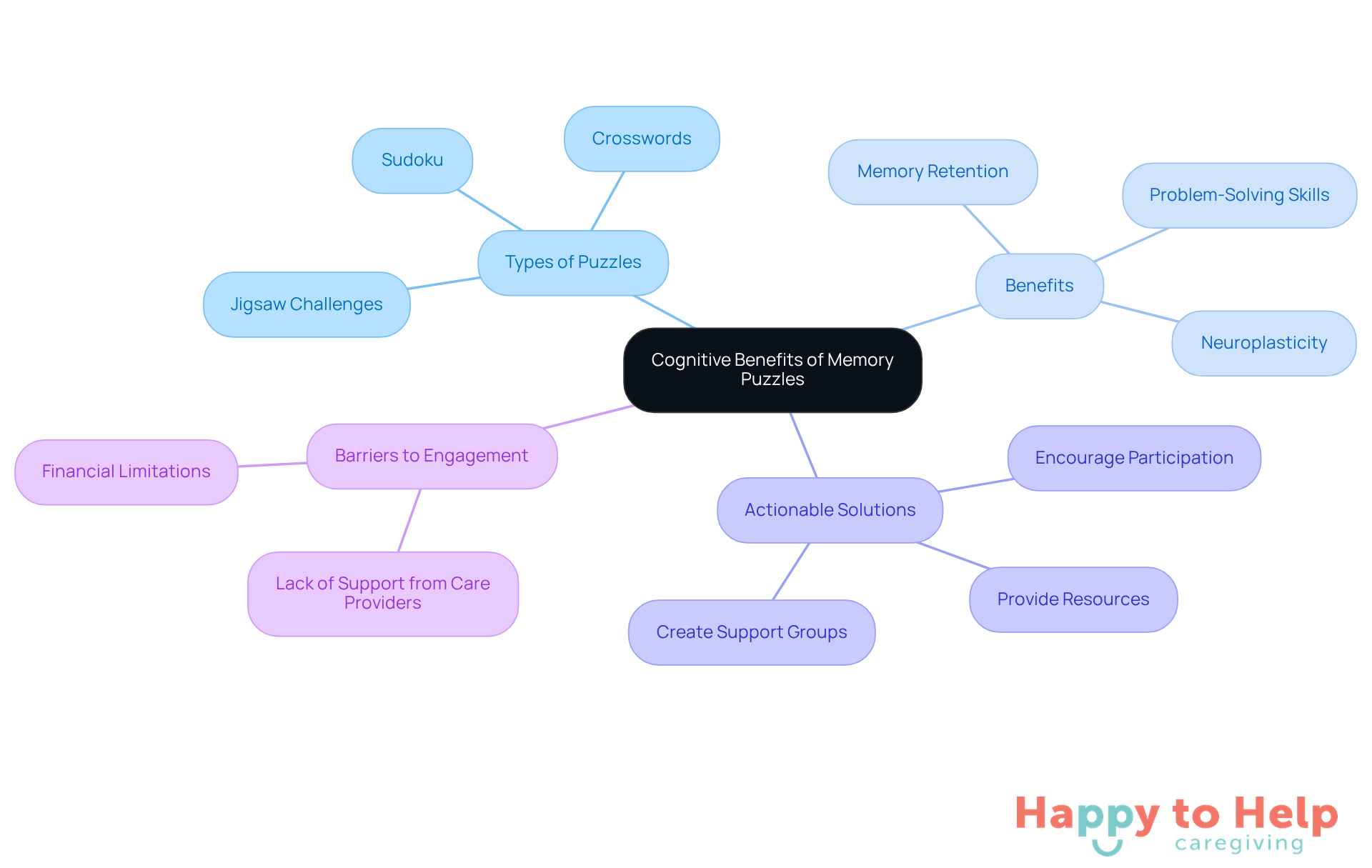
Cognitive decline in seniors is a pressing issue that caregivers must address. Memory puzzles, including jigsaw challenges, crosswords, and Sudoku, can play a crucial role in combating this decline. Engaging in these activities not only enhances memory retention but also improves problem-solving skills and fosters critical thinking.
Research shows that consistent engagement in memory puzzles can effectively slow cognitive decline, especially in individuals with dementia or Alzheimer's disease. For instance, a comprehensive study involving nearly 20,000 participants aged 50 and above uncovered a direct link between the frequency of number activities and enhanced brain function. Furthermore, older individuals who regularly participated in crossword activities exhibited improved memory performance compared to those who did not engage in such pursuits.
Regular engagement with crossword activities has been associated with postponing memory decline by approximately 2.5 years. These challenges also encourage neuroplasticity, the brain's ability to restructure itself by creating new neural connections, thereby improving overall mental function.
To effectively integrate memory games into clients' daily activities, caregivers should consider the following actionable solutions:
- Encourage Participation: Foster an environment that promotes engagement in memory games.
- Provide Resources: Offer access to various memory game formats, whether digital or physical.
- Create Support Groups: Establish groups where seniors can play together, enhancing social interaction and motivation.
However, caregivers must also recognize obstacles such as lack of support from care providers and financial limitations that may impede participation in these activities. Incorporating anecdotes or mini-cases illustrating the effectiveness of memory challenges can further demonstrate their real-world applications and benefits.
Integrate Memory Puzzles into Daily Activities
Caregivers often face the challenge of effectively incorporating memory puzzles into their daily routines. This can lead to missed opportunities for cognitive engagement, which is crucial for mental health. Without a structured approach, caregivers may struggle to provide consistent support for memory improvement.
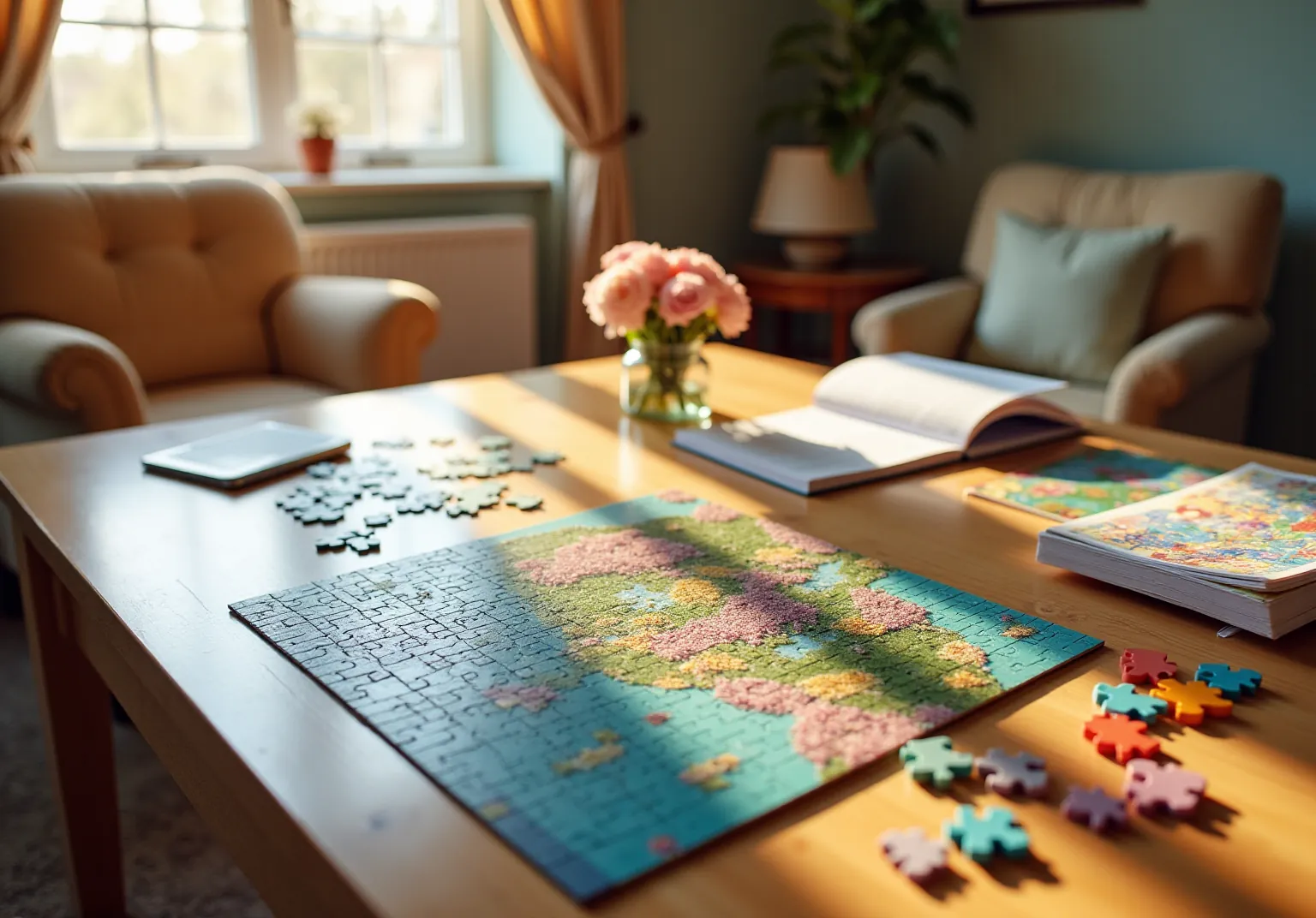
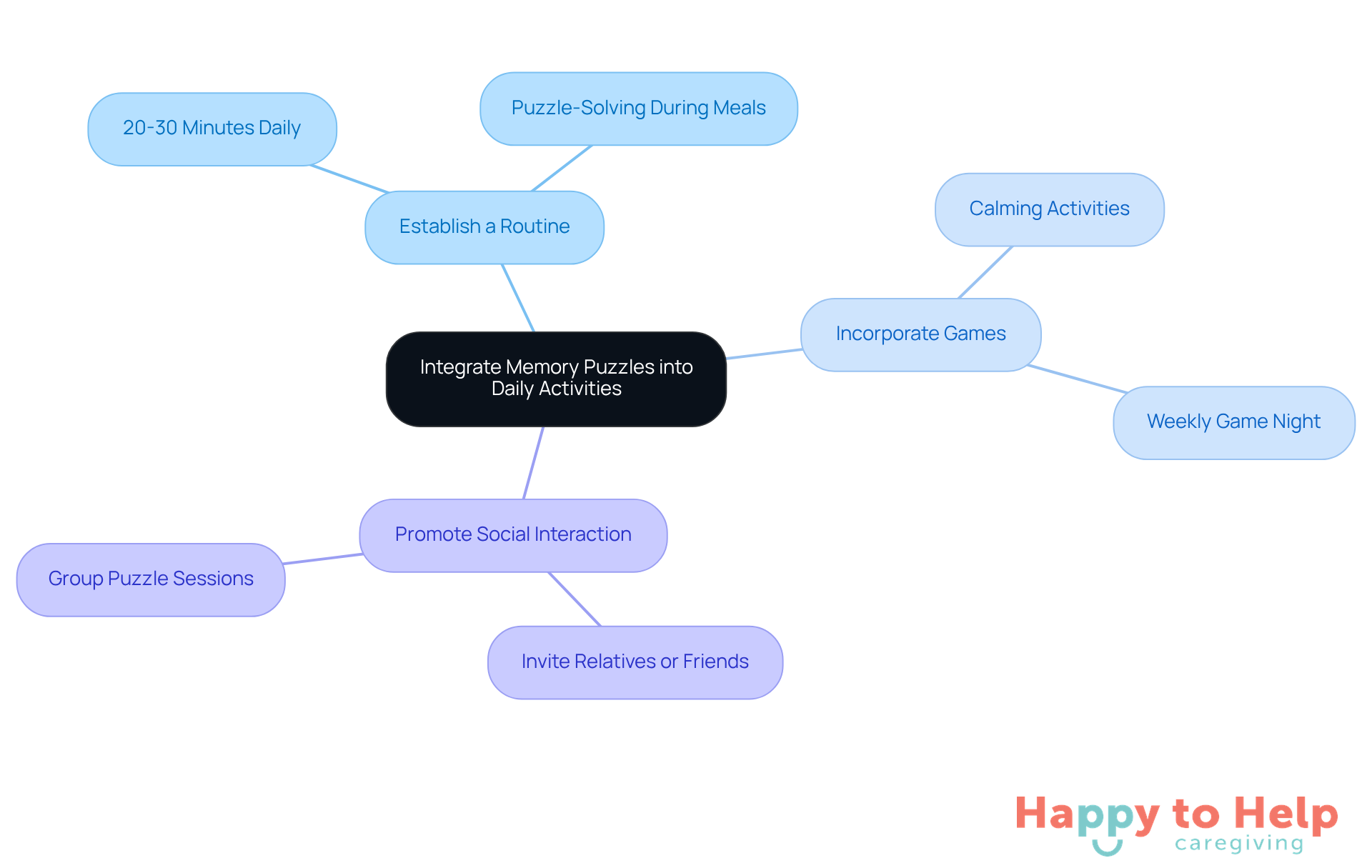
To address this issue, establishing a routine that includes dedicated time for memory puzzles is essential. For instance, setting aside 20-30 minutes each day for puzzle-solving can create a consistent cognitive exercise schedule. Additionally, caregivers can integrate games during mealtime or as calming activities after lunch or dinner.
Moreover, utilizing games as communal activities can significantly boost involvement. Caregivers can invite relatives or friends to participate, promoting social interaction and emotional support. A practical solution could be arranging a weekly game night where participants and their families gather to work on jigsaws, share stories, and enjoy each other's company. This approach not only stimulates mental function but also strengthens relationships and reduces feelings of isolation.
Customize Puzzles to Suit Individual Needs
Tailoring challenges to suit the personal preferences and mental capacities of individuals presents a significant problem for caregivers. Without this personalization, individuals may struggle to engage, leading to frustration and disengagement.
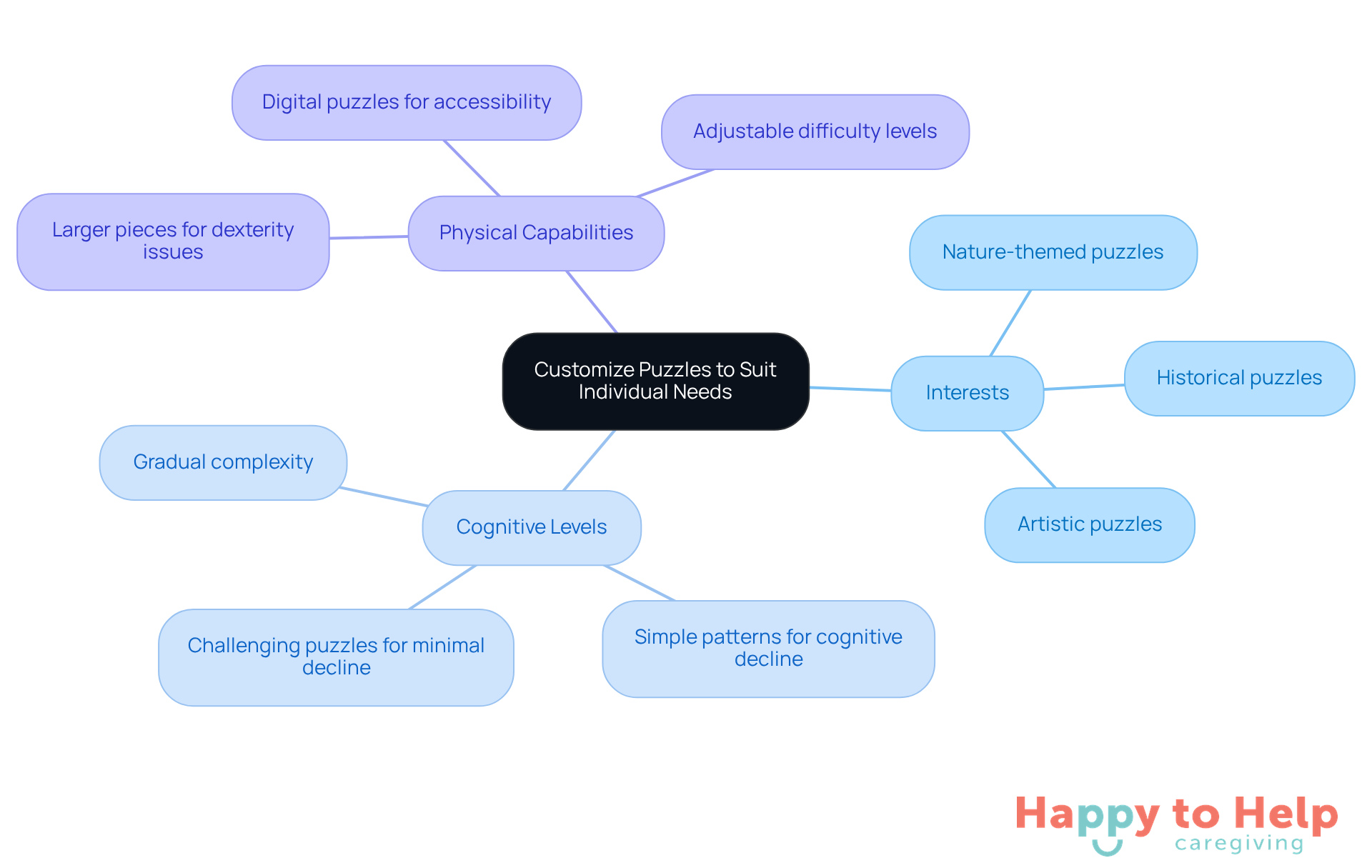
When selecting memory puzzles, caregivers must consider factors such as interests, cognitive levels, and physical capabilities. For example, a customer who appreciates nature might prefer games that showcase landscapes or wildlife, while someone with a passion for history may enjoy activities that illustrate historical events. Research indicates that regular engagement with brain games can delay the onset of dementia and Alzheimer's disease, underscoring the importance of personalized selection.
To address these challenges, caregivers can modify the challenge level of activities based on cognitive skills. Starting with larger segments or simpler patterns for those experiencing significant cognitive decline allows for gradual complexity as confidence builds. It's also crucial to assess individual skills and preferences before introducing memory puzzles; selecting memory puzzles that are too easy or too difficult can lead to frustration.
This personalized approach not only keeps clients engaged but also fosters a sense of accomplishment and boosts self-esteem. As Patrick Fissler notes, jigsaw puzzling recruits multiple cognitive abilities and may serve as a protective factor for cognitive aging. By customizing challenge activities to meet personal requirements, providers can create fulfilling experiences that enhance the quality of life for seniors.
Facilitate Engaging Puzzle Sessions
Creating engaging problem-solving sessions for caregivers can be challenging. A non-inviting environment can hinder effective communication and connection, making it difficult for clients to engage fully in activities. To address this issue, caregivers should focus on establishing a comfortable and inviting atmosphere.
Solutions for an Engaging Environment:
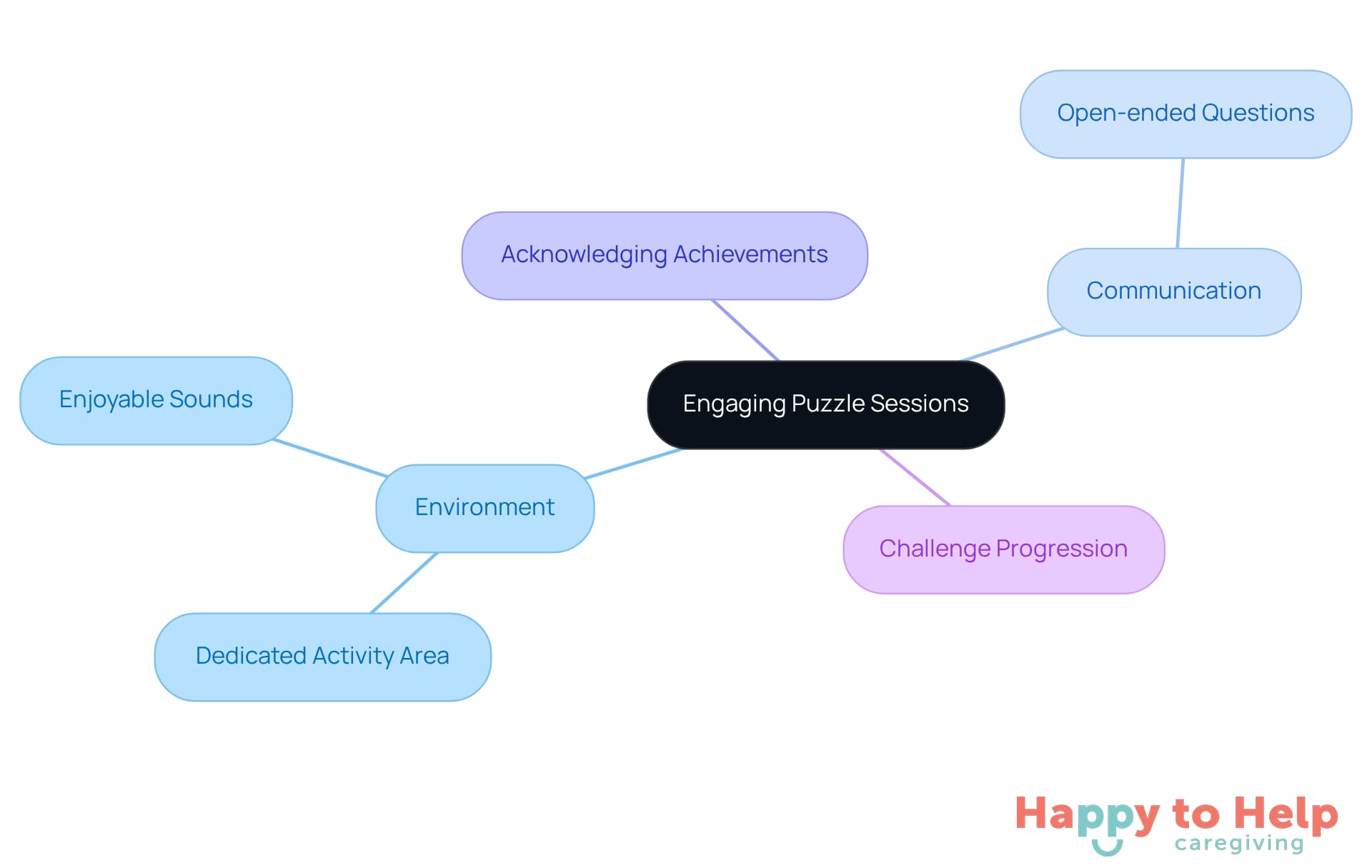
- Dedicated Activity Area: Set up a space with good lighting and minimal distractions.
- Incorporate Enjoyable Sounds: Use music or background sounds that the individual enjoys to create a relaxed atmosphere.
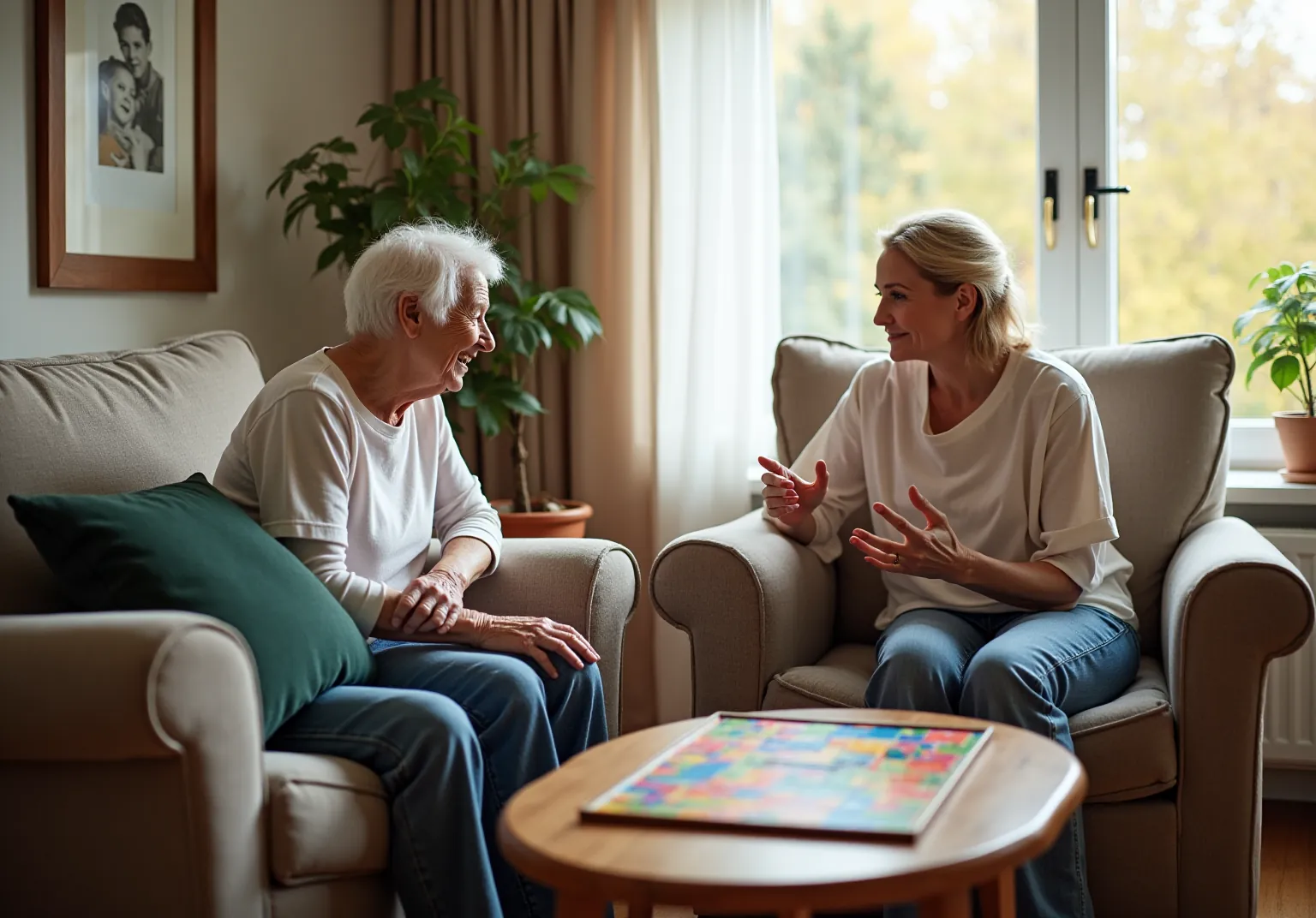
- Encourage Communication: Ask open-ended questions about the visuals or themes of the games to stimulate cognitive engagement and foster connection.
Acknowledging minor achievements, like completing a part of a jigsaw puzzle, can strengthen positive emotions and motivation. It's also crucial to select activities that align with the individual’s abilities and interests, ensuring engagement without frustration. By making sessions enjoyable and interactive, caregivers can significantly enhance cognitive benefits, including memory improvement through the use of memory puzzles and problem-solving skills.
Gradual Progression in Challenges:
Incorporating a gradual increase in challenge complexity can foster a sense of achievement and motivation, making the experience more rewarding. By prioritizing enjoyment and interactivity in puzzle sessions, caregivers can contribute positively to their clients' overall well-being.
Making the Right Choice
Memory puzzles present a significant challenge for caregivers who strive to enhance cognitive function in seniors. Cognitive decline can lead to isolation and diminished quality of life, making it crucial for caregivers to find effective strategies to combat this issue.
Engaging seniors in activities like crosswords and jigsaw puzzles can delay memory decline and promote neuroplasticity. However, caregivers often struggle to incorporate these activities into daily routines. This is where the integration of memory puzzles becomes essential. By creating structured routines and customizing puzzles to meet individual needs, caregivers can transform these activities from mere games into meaningful cognitive exercises.
To effectively implement memory puzzles, caregivers should consider the following actionable strategies:
- Create structured routines that include regular puzzle sessions.
- Customize puzzles to align with the interests and abilities of the individual.
- Facilitate engaging sessions that motivate participation and foster interaction.
These approaches not only stimulate cognitive engagement but also strengthen the caregiver-client relationship through shared experiences. By prioritizing personalized methods and fostering supportive environments, caregivers can significantly enhance the quality of life for seniors.
Ultimately, embracing memory puzzles in caregiving practices is vital for nurturing mental health and ensuring seniors thrive in their daily lives. By focusing on these strategies, caregivers can combat isolation and promote a sense of connection, making a meaningful difference in the lives of those they care for.
https://iframe.tely.ai/cta/eyJhcnRpY2xlX2lkIjogIjY5M2Y3NWFiZDBhZjMzZjhjODczZTZmZCIsICJjb21wYW55X2lkIjogIjY4ZWU1ZGNhNzMxNzYyNTU3ZjNjOTVjMSIsICJpbmRleCI6IG51bGwsICJ0eXBlIjogImFydGljbGUifQ==Frequently Asked Questions
What are memory puzzles and how do they benefit seniors?
Memory puzzles include activities like jigsaw challenges, crosswords, and Sudoku. They benefit seniors by enhancing memory retention, improving problem-solving skills, and fostering critical thinking, which can help combat cognitive decline.
How do memory puzzles affect cognitive decline in seniors?
Consistent engagement in memory puzzles can effectively slow cognitive decline, particularly in individuals with dementia or Alzheimer's disease. Research indicates that regular participation in these activities is linked to enhanced brain function.
What does research say about the impact of crossword activities on memory?
A study involving nearly 20,000 participants aged 50 and above found that older individuals who regularly engaged in crossword activities showed improved memory performance compared to those who did not.
How much can regular crossword engagement postpone memory decline?
Regular engagement with crossword activities has been associated with postponing memory decline by approximately 2.5 years.
What is neuroplasticity and how does it relate to memory puzzles?
Neuroplasticity is the brain's ability to restructure itself by creating new neural connections. Memory puzzles encourage neuroplasticity, which can improve overall mental function.
What actionable solutions can caregivers implement to integrate memory games into daily activities?
Caregivers can encourage participation in memory games, provide access to various game formats (digital or physical), and create support groups for seniors to enhance social interaction and motivation.
What obstacles might caregivers face when promoting memory puzzles?
Caregivers may encounter obstacles such as lack of support from care providers and financial limitations that can hinder participation in memory activities.
How can anecdotes or mini-cases help in demonstrating the effectiveness of memory challenges?
Incorporating anecdotes or mini-cases can illustrate the real-world applications and benefits of memory challenges, helping to showcase their effectiveness in improving cognitive function among seniors.
List of Sources
- Understand the Cognitive Benefits of Memory Puzzles
- Games, Puzzles And Reading Can Slow Cognitive Decline In The Elderly — Even In Those With Mild Cognitive Impairment (https://stories.tamu.edu/news/2024/09/10/games-puzzles-and-reading-can-slow-cognitive-decline-in-the-elderly-even-in-those-with-mild-cognitive-impairment)
- Brain games for older adults (https://uclahealth.org/news/article/4-worthwhile-brain-games-older-adults-3)
- Study Shows Crossword Puzzles Beat Computer Games in Slowing Memory Loss (https://medschool.duke.edu/news/study-shows-crossword-puzzles-beat-computer-games-slowing-memory-loss)
- Can Playing Crossword Puzzles Improve Cognitive Function? (https://columbiapsychiatry.org/news/crossword-puzzles-superior-computer-video-games-slowing-memory-loss-older-adults-mild-cognitive-impairment)
- Integrate Memory Puzzles into Daily Activities
- Brain-Boosting Puzzles for Caregivers and Seniors (https://seniorhelpers.com/ga/northwest-atlanta/resources/blogs/2024-02-22)
- Benefits of Brain Puzzles for Older Adults with Dementia | Juniper Senior Living (https://junipercommunities.com/benefits-of-brain-puzzles-for-older-adults-with-dementia)
- Puzzles and Games for Seniors That Help Strengthen Memory (https://seniorhelpers.com/ct/danbury/resources/news-and-blog/2023-05-14)
- Right at Home East Lancs Opens Their Puzzle Lending Library To The Community (https://rightathome.co.uk/east-lancs-and-ribble-valley/news-item/puzzling-for-progress-how-jigsaw-puzzles-can-help-those-with-dementia)
- The Role of Puzzles in Elderly Cognitive Wellness (https://bennettplace.seniorlivingnearme.com/blog/the-role-of-puzzles-in-elderly-cognitive-wellness)
- Customize Puzzles to Suit Individual Needs
- The Benefits of Puzzles for Older Adults – All Seniors Care (https://allseniorscare.com/blog/the-benefits-of-puzzles-for-older-adults)
- Why Are Puzzles Good for Seniors' Brain? Benefits & Insights (https://alwayshomeconnected.com/blogs/news/are-puzzles-good-for-your-brain?srsltid=AfmBOoovHrynT6lp-d-9EKGRE3Vh2rIm5MlMItXplCdD91shpXmFhNOM)
- Jigsaw Puzzling Taps Multiple Cognitive Abilities and Is a Potential Protective Factor for Cognitive Aging - PMC (https://pmc.ncbi.nlm.nih.gov/articles/PMC6174231)
- Benefits of Brain Puzzles for Older Adults with Dementia | Juniper Senior Living (https://junipercommunities.com/benefits-of-brain-puzzles-for-older-adults-with-dementia)
- Best puzzle gifts for senior citizens (https://chicagotribune.com/2021/11/19/best-puzzle-gifts-for-senior-citizens)
- Facilitate Engaging Puzzle Sessions
- Unveiling the Power of Puzzles: A Therapeutic Journey for a Healthy Mind - Adults in Motion (https://adultsinmotion.org/unveiling-the-power-of-puzzles-a-therapeutic-journey-for-a-healthy-mind)
- Empowering Lives with Puzzle Challenges Therapy Technique f (https://pinnacleblooms.org/t/puzzle-challenges-therapy)
- Leisure engagement in older age is related to objective and subjective experiences of aging - PMC (https://pmc.ncbi.nlm.nih.gov/articles/PMC10876530)
- Why Are Puzzles Good for Seniors' Brain? Benefits & Insights (https://alwayshomeconnected.com/blogs/news/are-puzzles-good-for-your-brain?srsltid=AfmBOopU1mqytjueeHSpaQI3evXUoQjEekyxT1WmZV5WF8BSD1pdTeks)
- Enhancing Elderly Well-Being: Exploring Interactions between Neighborhood-Built Environment and Outdoor Activities in Old Urban Area | MDPI (https://mdpi.com/2075-5309/14/9/2845)