Enhance Life Expectancy with Effective Dementia Dysphagia Care

For families in our service areas
For families in our service areas, this guide explains dementia care and how non-medical in-home caregiving can support care planning in East Idaho, Treasure Valley & Magic Valley, Northern Wasatch, North Central West Virginia & Southwestern Pennsylvania, and Northeast Ohio.
The Importance of Enhance Life Expectancy with Effective
Swallowing difficulties, or dysphagia, pose a significant challenge for individuals with dementia, leading to serious health risks that can drastically shorten life expectancy. Caregivers face the daunting task of navigating these complexities, which can greatly impact the quality of life for those they support.
The implications of dysphagia are profound. Caregivers must not only ensure the safety of their loved ones during mealtimes but also strive to make these experiences enjoyable. This dual responsibility raises critical questions:
- How can caregivers adapt their strategies effectively?
- What innovative approaches can enhance the caregiving experience while addressing the pressing issues of dysphagia in dementia?
To tackle these challenges, caregivers can implement several practical solutions. First, they should consider modifying food textures to make swallowing easier. Soft foods or pureed options can significantly reduce the risk of choking. Additionally, using adaptive utensils can help individuals maintain independence during meals.
Moreover, creating a calm and pleasant mealtime environment can enhance the overall experience. Reducing distractions and engaging in positive conversation can make meals more enjoyable. Caregivers should also stay informed about the latest research and techniques related to dysphagia management, ensuring they provide the best care possible.
Understand Dementia Dysphagia and Its Implications
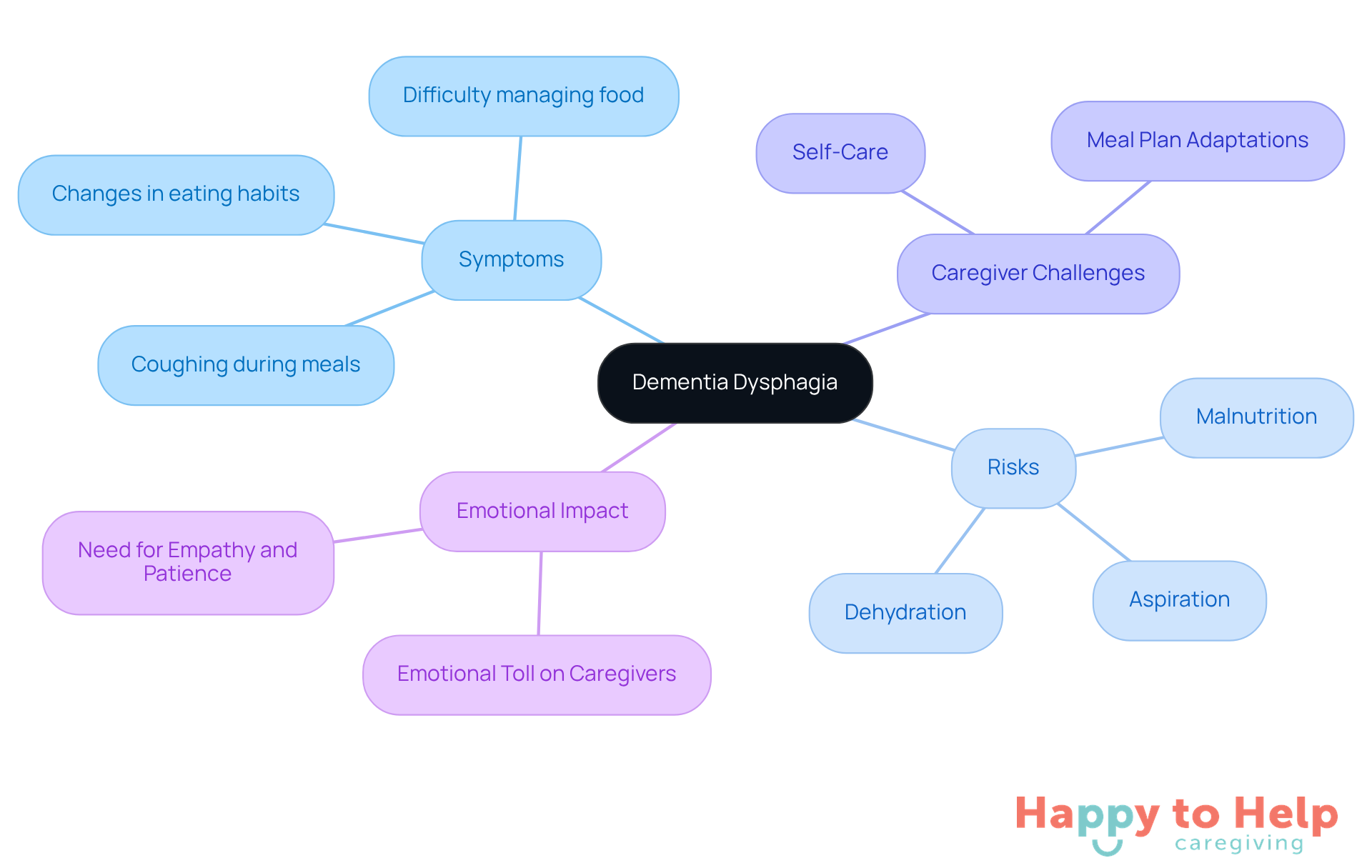
Swallowing difficulties present a significant challenge for individuals experiencing cognitive decline, impacting their health and quality of life. As dementia dysphagia progresses, it significantly impacts life expectancy by diminishing the ability to chew and swallow, leading to serious risks such as aspiration, malnutrition, and dehydration. Caregivers must understand the consequences of these swallowing difficulties, as they affect not only the physical health of those they support but also their overall quality of life.
Identifying the symptoms of swallowing difficulties is crucial for timely intervention. Common indicators include:
- Coughing during meals
- Difficulty managing food in the mouth
- Noticeable changes in eating habits
For instance, a study found that approximately 45% of people with dementia experience swallowing difficulties, which can increase the risk of chest infections, such as pneumonia, due to aspiration.
Caregivers face unique challenges when managing dysphagia. They need to adapt meal plans to meet individual needs, which may involve offering softer foods, thickening liquids, or serving finger foods to make eating easier. These adaptations not only enhance safety during mealtimes but also promote dignity and enjoyment in eating.
Quotes from caregivers highlight the emotional toll of these challenges. One provider shared, "Understanding dysphagia has transformed my approach to mealtimes, allowing me to create a more supportive environment for my loved one." Such insights emphasize the importance of empathy and patience in caregiving, along with the need for ongoing education about the complexities of dementia-related conditions.
Moreover, caregivers should prioritize their own self-care to maintain their well-being while supporting their loved ones. Engaging with a support group can provide valuable emotional assistance and shared experiences, reminding them they are not alone in their journey.
Ultimately, effectively addressing swallowing difficulties in patients, particularly considering dementia dysphagia life expectancy, can lead to an improved quality of life for individuals with cognitive impairment, fostering a more positive caregiving experience and enhancing the overall well-being of both caregivers and their loved ones.
Identify Challenges in Managing Dementia Dysphagia
Caregivers frequently encounter significant challenges when managing swallowing issues, particularly concerning dementia dysphagia life expectancy. These challenges can complicate mealtime and impact the well-being of those they care for, which is particularly significant in relation to dementia dysphagia life expectancy.
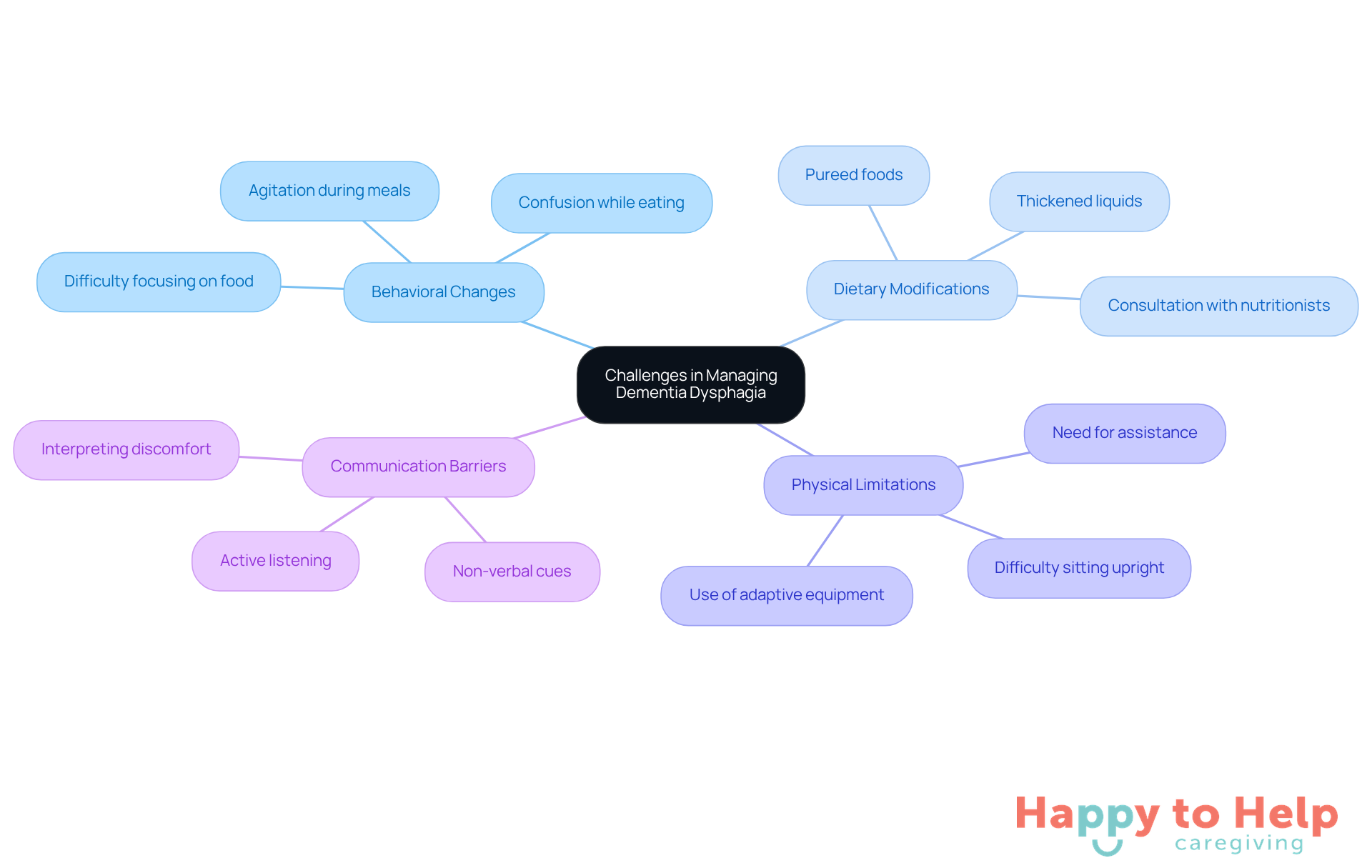
Behavioral changes in individuals with dementia dysphagia can affect their life expectancy, as they often exhibit agitation or confusion during meals, making it hard to focus on eating. Research shows that 74% to 78% of people with dementia dysphagia life expectancy experience behavioral disturbances at mealtime, complicating the feeding process. Caregivers should remain patient and create a calm environment to help ease these behaviors.
Many individuals, particularly those considering dementia dysphagia life expectancy, require dietary modifications such as changes in food texture to enable safe swallowing, like pureed or thickened foods. Understanding how to implement these modifications is crucial for improving dementia dysphagia life expectancy. Tailored dietary interventions can improve food intake and reduce choking risks, which is particularly important for individuals facing challenges related to dementia dysphagia life expectancy. Caregivers should consult with a nutritionist to ensure appropriate dietary adjustments.
Physical Limitations: Some individuals may struggle to sit upright or need assistance with feeding, complicating mealtime routines. Approximately 49.5% of patients in moderate stages of dementia experience considerable physical difficulties, which can impact their dementia dysphagia life expectancy and require support. Caregivers can use adaptive equipment or seek assistance from trained professionals to facilitate feeding.
Communication Barriers: Dementia can hinder the ability to express discomfort or challenges, making it essential for caregivers to be attentive and proactive. Effective communication strategies, such as interpreting non-verbal cues, are vital for assessing the needs of those with dementia dysphagia life expectancy. Caregivers should practice active listening and observe body language to better understand their loved ones.
By acknowledging these challenges, caregivers can better prepare to tackle them effectively, ensuring a safer and more pleasant mealtime experience.
Implement Effective Care Strategies for Dysphagia
Managing dysphagia in individuals with dementia can significantly impact their dementia dysphagia life expectancy, posing a challenge for caregivers. This condition can lead to choking and aspiration, which pose serious health risks.
Agitate: Caregivers often feel overwhelmed by the complexities of ensuring safe eating practices while also trying to provide a pleasant mealtime experience. The stress of monitoring for signs of aspiration and the need for constant vigilance can be exhausting.
Solution: Here are some effective strategies caregivers can implement to manage dysphagia:
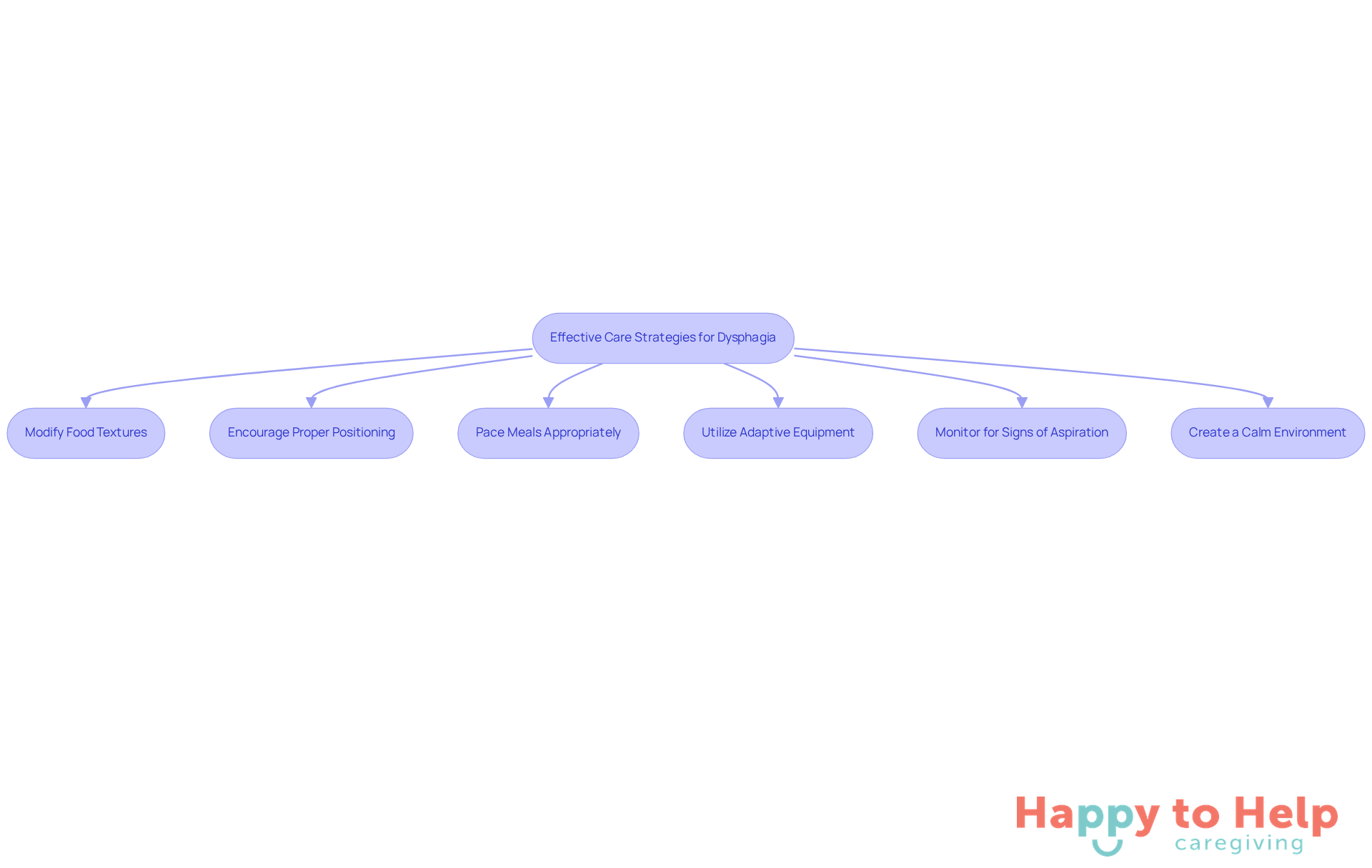
- Modify Food Textures: Ensure meals consist of soft, moist foods that are easy to swallow. Pureed foods and thickened liquids can help prevent choking.
- Encourage Proper Positioning: Always have the person sit upright during meals and for at least 30 minutes afterward to aid digestion and reduce the risk of aspiration.
- Pace Meals Appropriately: Allow ample time for eating, incorporating pauses to prevent fatigue and encourage swallowing. Use verbal prompts to remind the person to swallow.
- Utilize Adaptive Equipment: Consider using specialized utensils or plates that can help a person eat more independently and safely.
- Monitor for Signs of Aspiration: Be vigilant for coughing, choking, or changes in breathing during meals, and adjust strategies as needed.
- Create a Calm Environment: Minimize distractions during mealtime to help the person focus on eating, enhancing their overall experience.
These strategies not only enhance safety but also promote a more enjoyable mealtime experience, which is crucial for individuals concerned with dementia dysphagia life expectancy.
Monitor and Adapt Care Plans for Continuous Improvement
Managing dysphagia in dementia patients is a significant challenge for caregivers, especially considering the impact on dementia dysphagia life expectancy. The complexities of this condition can lead to difficulties in eating, which not only affects nutrition but also impacts the overall quality of life for individuals. Caregivers must navigate these challenges with care and precision to ensure the best outcomes.
To address these issues, caregivers can implement several effective strategies:
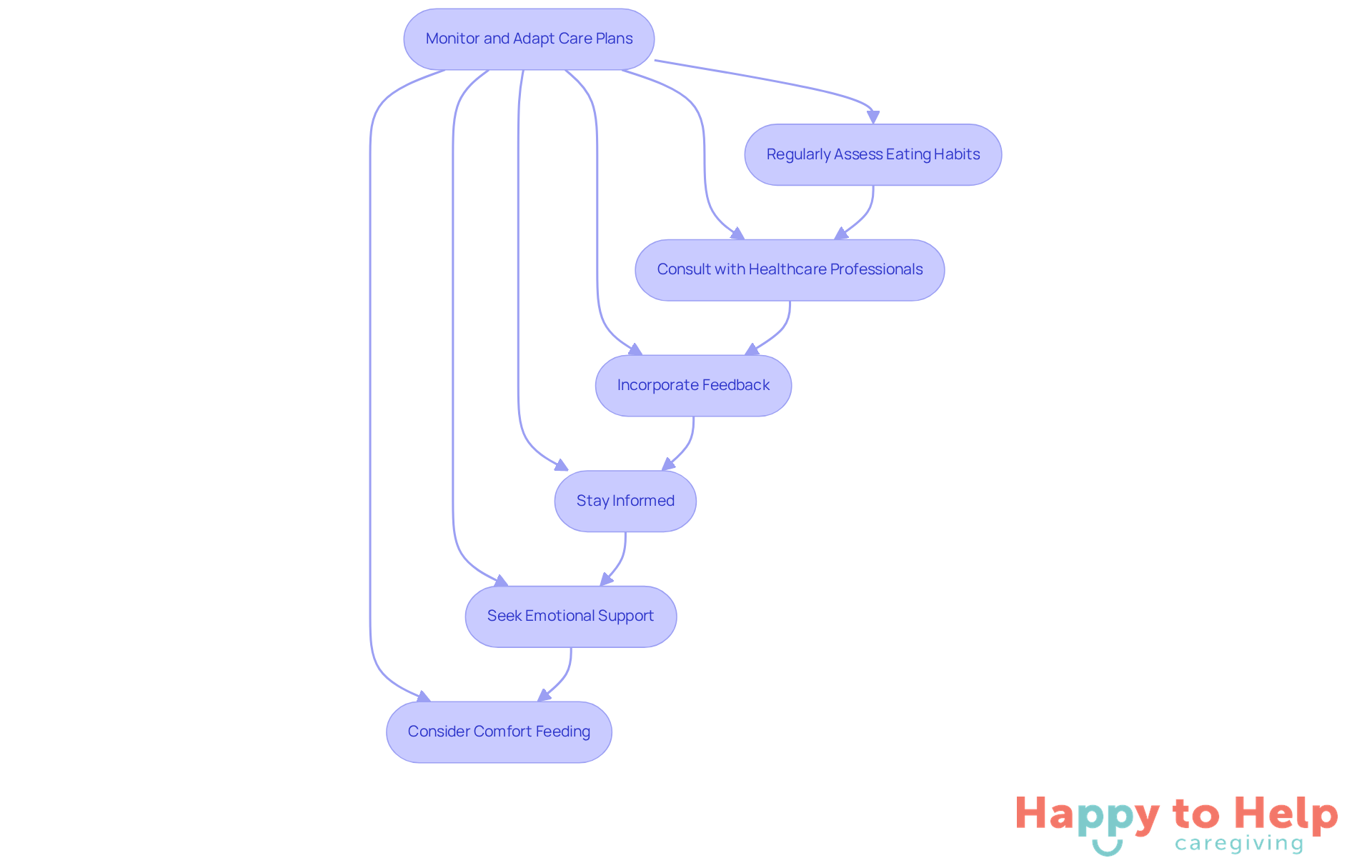
- Regularly Assess Eating Habits: Keep track of the individual's eating patterns, preferences, and any difficulties encountered during meals. This ongoing assessment is vital for identifying necessary adjustments that can enhance the mealtime experience.
- Consult with Healthcare Professionals: Schedule regular meetings with speech-language pathologists or dietitians. These experts can offer valuable insights into the effectiveness of current strategies and recommend new approaches tailored to the individual's needs.
- Incorporate Feedback: Engage family members and the individual in discussions about their mealtime experiences. Gathering feedback enables caregivers to make informed changes that align with the preferences and comfort of those receiving care.
- Stay Informed: Keep up with the latest research and best practices in managing swallowing disorders. This knowledge ensures that care strategies are based on current evidence, improving the overall quality of care.
- Seek Emotional Support: Caregiving can be emotionally demanding. Caregivers should seek support for themselves during tough times, as this can help maintain their well-being and effectiveness in providing care.
- Consider Comfort Feeding: Focus on comfort rather than strict dietary rules, especially for those with advanced cognitive decline. Comfort feeding prioritizes enjoyment and social interaction during meals, significantly enhancing the mealtime experience.
By fostering a culture of continuous improvement and emotional support, caregivers can greatly enhance the quality of care for individuals, positively impacting their dementia dysphagia life expectancy. This approach not only leads to better health outcomes but also improves the overall quality of life.
Taking the Next Steps
Addressing dementia dysphagia presents a significant challenge for caregivers, impacting the quality of life and life expectancy of individuals facing cognitive decline. Swallowing difficulties can lead to safety concerns during meals, which can diminish dignity and enjoyment. Recognizing these implications is crucial for caregivers to provide compassionate and effective support to their loved ones.
Several key strategies can help caregivers navigate this issue:
- Modifying food textures
- Maintaining proper positioning during meals
- Fostering a calm eating environment
Additionally, ongoing assessment and adaptation of care plans, along with seeking professional guidance, are vital for addressing the complexities of dementia dysphagia. These strategies highlight the critical role caregivers play in enhancing the mealtime experience and overall well-being of those they support.
To truly enhance life expectancy and quality of life for individuals with dementia, caregivers must commit to continuous improvement in their care strategies. Staying informed, engaging in open communication, and prioritizing emotional support can create an environment where individuals feel safe and valued. Embracing these practices not only benefits those with dementia but also enriches the caregiving experience, fostering a deeper connection and understanding between caregivers and their loved ones.
https://iframe.tely.ai/cta/eyJhcnRpY2xlX2lkIjogIjY5MjBmZDVjNzJkZTk4NjA5OWQwYjBkYiIsICJjb21wYW55X2lkIjogIjY4ZWU1ZGNhNzMxNzYyNTU3ZjNjOTVjMSIsICJpbmRleCI6IG51bGwsICJ0eXBlIjogImFydGljbGUifQ==Frequently Asked Questions
What is dementia dysphagia and why is it significant?
Dementia dysphagia refers to swallowing difficulties experienced by individuals with cognitive decline, which can significantly impact their health and quality of life, including life expectancy.
What are the risks associated with dementia dysphagia?
The risks include aspiration, malnutrition, and dehydration, all of which can lead to serious health complications.
What are common symptoms of swallowing difficulties in individuals with dementia?
Common symptoms include coughing during meals, difficulty managing food in the mouth, and noticeable changes in eating habits.
How prevalent are swallowing difficulties among people with dementia?
Approximately 45% of people with dementia experience swallowing difficulties, increasing the risk of chest infections like pneumonia due to aspiration.
What challenges do caregivers face when managing dysphagia?
Caregivers must adapt meal plans to meet individual needs, which may involve offering softer foods, thickening liquids, or serving finger foods to enhance safety and enjoyment during meals.
How can caregivers create a supportive mealtime environment?
By understanding dysphagia and adapting meals accordingly, caregivers can foster a more supportive environment that promotes dignity and enjoyment in eating.
What emotional challenges do caregivers experience?
Caregivers often face emotional tolls due to the complexities of managing dysphagia, highlighting the need for empathy, patience, and ongoing education.
How can caregivers maintain their well-being while supporting loved ones?
Caregivers should prioritize self-care and consider engaging with support groups for emotional assistance and shared experiences.
What is the overall impact of effectively addressing swallowing difficulties in dementia patients?
Addressing these difficulties can lead to an improved quality of life for individuals with cognitive impairment and enhance the well-being of both caregivers and their loved ones.
List of Sources
- Understand Dementia Dysphagia and Its Implications
- (https://belleviecare.co.uk/support-advice/dementia-quotes-to-lift-your-spirits)
- CaringBridge (https://caringbridge.org/resources/inspirational-quotes-on-caregiving)
- Top List of Inspirational Dementia Quotes for Caregivers (https://rochesterlawcenter.com/dementia-resources/dementia-quotes)
- How long can a person with dementia live without food or drink? (https://medicalnewstoday.com/articles/dementia-how-long-can-a-person-live-without-eating-or-drinking)
- Three Common Medical Issues With Advanced Dementia - Compassion & Choices (https://compassionandchoices.org/news/three-common-medical-issues-with-advanced-dementia)
- Identify Challenges in Managing Dementia Dysphagia
- (https://belleviecare.co.uk/support-advice/dementia-quotes-to-lift-your-spirits)
- Optimizing mealtime care and outcomes for people with dementia and their caregivers: A systematic review and meta‐analysis of intervention studies (https://alz-journals.onlinelibrary.wiley.com/doi/full/10.1002/alz.14522)
- 4 Inspiring Quotes for Caring for a Loved One With Alzheimer’s | myALZteam (https://myalzteam.com/resources/inspiring-quotes-for-caring-for-a-loved-one-with-alzheimers)
- Top List of Inspirational Dementia Quotes for Caregivers (https://rochesterlawcenter.com/dementia-resources/dementia-quotes)
- Relationship between Eating Disturbance and Dementia Severity in Patients with Alzheimer’s Disease (https://journals.plos.org/plosone/article?id=10.1371/journal.pone.0133666)
- Monitor and Adapt Care Plans for Continuous Improvement
- (PDF) Effects of Tracking Technology on Daily Life of Persons With Dementia: Three Experimental Single-Case Studies (https://researchgate.net/publication/261923008_Effects_of_Tracking_Technology_on_Daily_Life_of_Persons_With_Dementia_Three_Experimental_Single-Case_Studies)
- Dysphagia Management Market Trends, Key Innovations, and Growth Outlook to 2035 | AstraZeneca, Bayer AG, Pfizer, Takeda, and more (https://openpr.com/news/4278625/dysphagia-management-market-trends-key-innovations)
- Dementia and Dysphagia: Understanding Swallowing Difficulties (https://compassioncrossing.info/navigating-swallowing-challenges-in-dementia-a-comprehensive-guide)
- Dysphagia Management Market Growth 2025–2033: Trends & Dynamics (https://linkedin.com/pulse/dysphagia-management-market-growth-20252033-trends-dynamics-n5nlc)
- Caregiver Experiences with Dementia-Related Feeding/Eating Difficulties - PMC (https://pmc.ncbi.nlm.nih.gov/articles/PMC10815734)