For families in our service areas
For families in our service areas, this guide explains caregiving and how non-medical in-home caregiving can support care planning in East Idaho, Treasure Valley & Magic Valley, Northern Wasatch, North Central West Virginia, and Northeast Ohio.
What You Need to Know About Enhance Senior Care with Effective
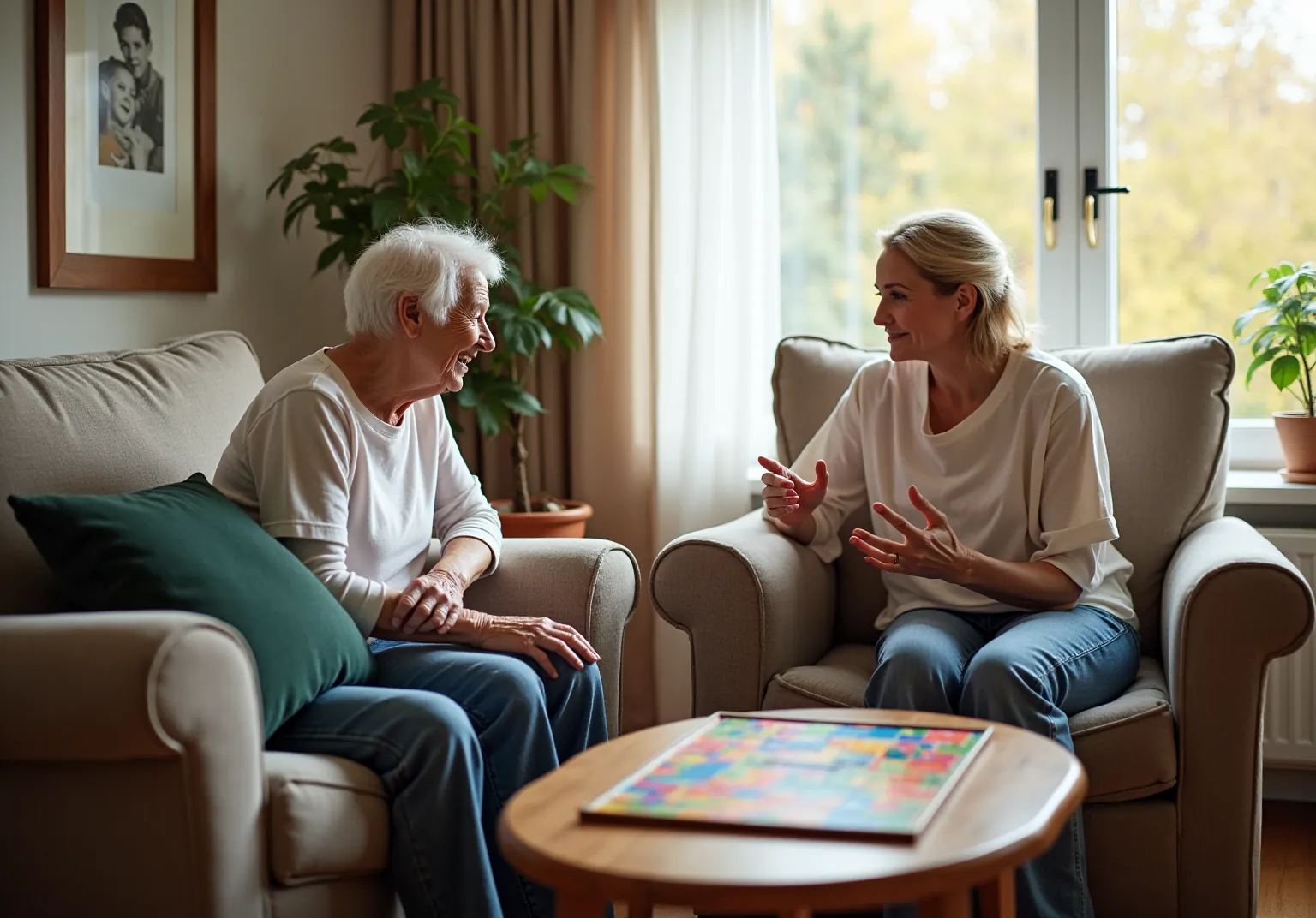
Mental decline poses a significant challenge in senior care, often resulting in reduced cognitive abilities and a lower quality of life. This issue not only affects the individuals experiencing it but also places a heavy burden on caregivers who strive to provide the best support possible. As caregivers search for effective strategies to address this concern, cognitive puzzles stand out as a valuable tool for mental stimulation and engagement.
However, the real challenge lies in choosing the right puzzles and implementing practices that resonate with each senior's unique preferences. Caregivers must consider how to effectively integrate these cognitive exercises into daily routines. By doing so, they can enhance mental sharpness while fostering a sense of accomplishment and connection among older adults.
To tackle this issue, caregivers can start by assessing the interests and cognitive levels of the seniors in their care. This personalized approach ensures that the puzzles selected are both engaging and appropriate. Additionally, incorporating social elements, such as group puzzle-solving sessions, can further enhance the experience, promoting interaction and camaraderie among participants.
In summary, while mental decline is a pressing concern, caregivers have the opportunity to make a positive impact through the thoughtful integration of cognitive puzzles into daily life.
Understand the Role of Cognitive Puzzles in Senior Care
Mental decline poses a significant challenge in elderly care, impacting memory, focus, and problem-solving abilities. This decline can lead to decreased quality of life for seniors, making it crucial for caregivers to find effective solutions.
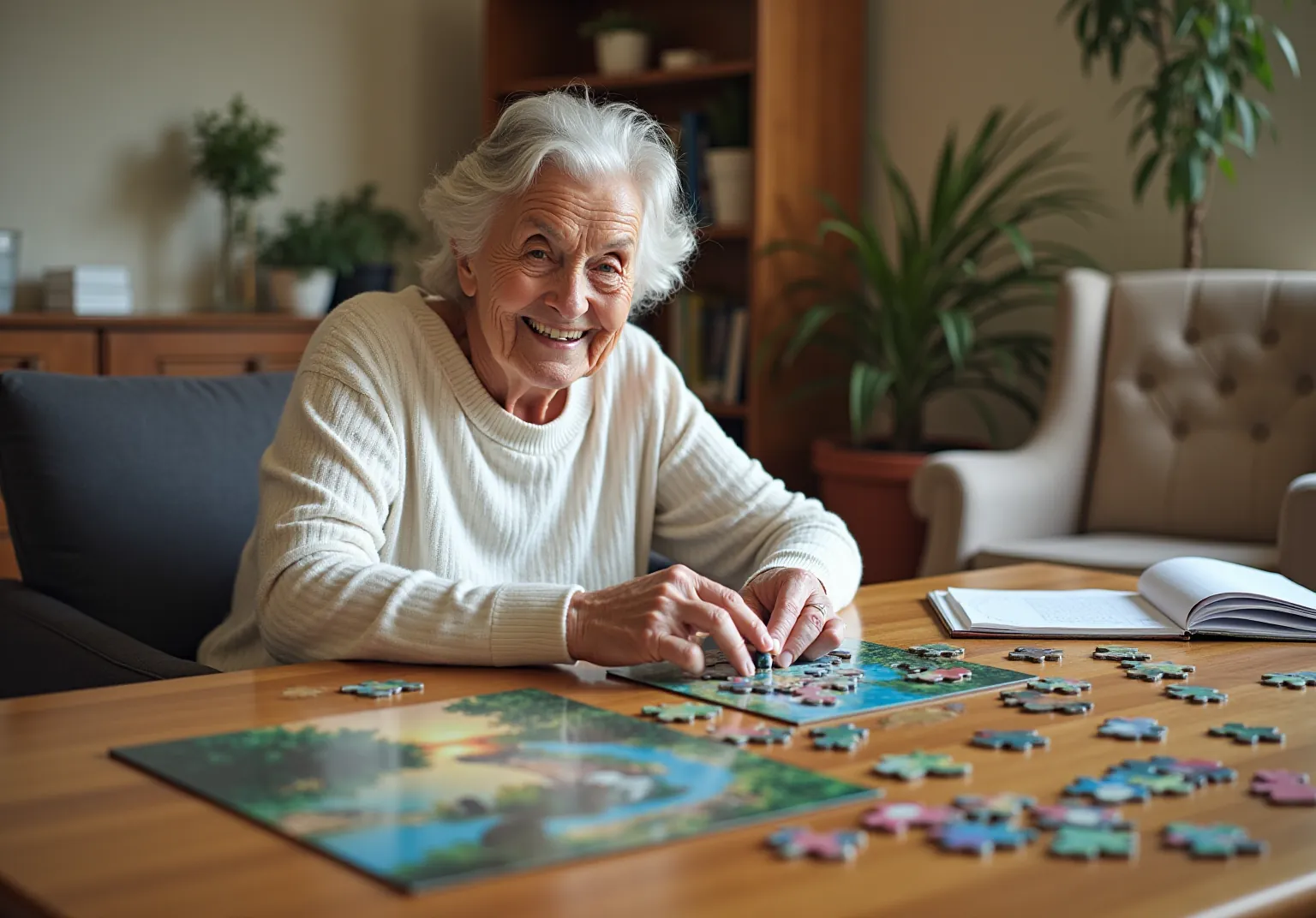
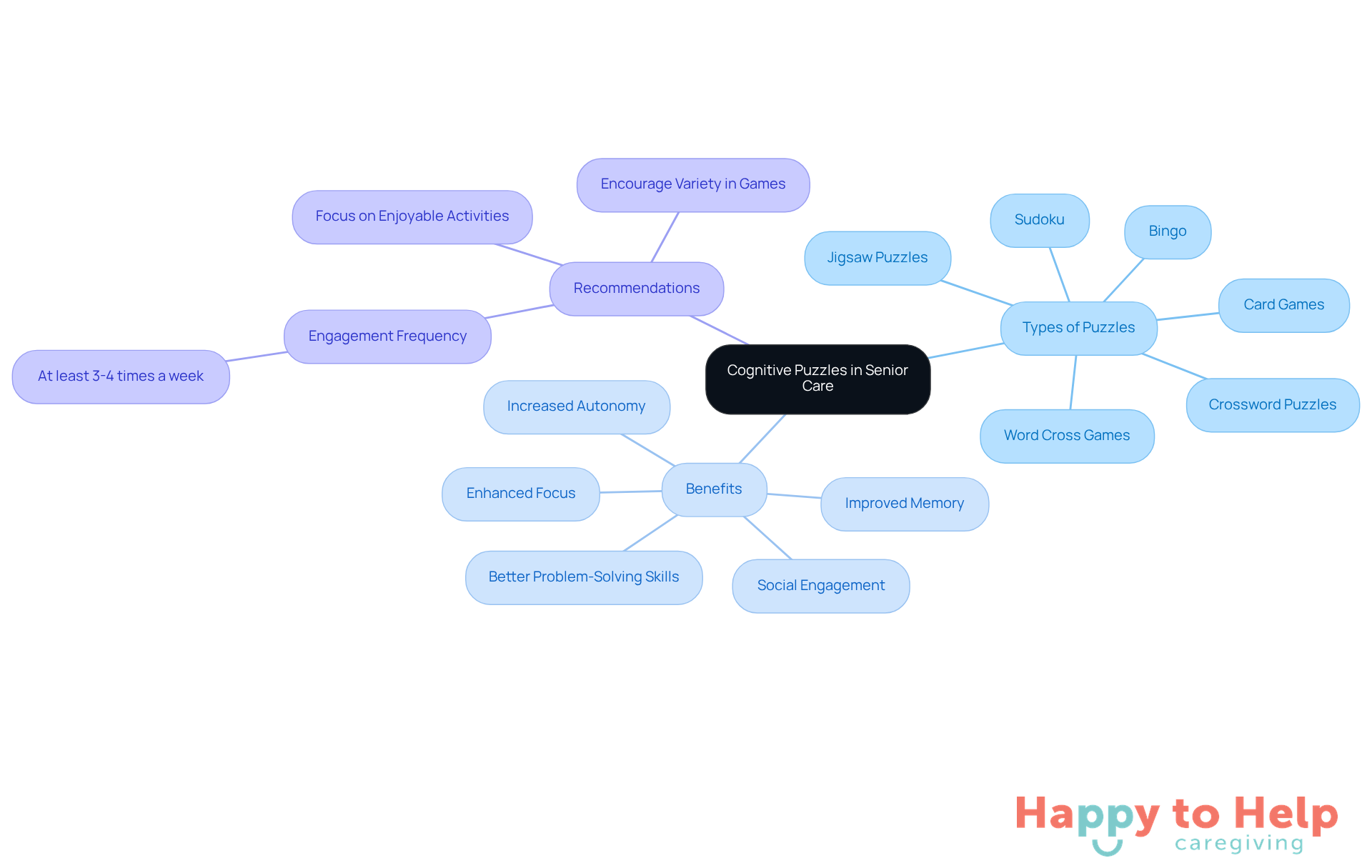
One effective approach is to incorporate mental stimulation into daily activities. Engaging in cognitive puzzles for seniors, such as jigsaw puzzles, word cross games, and Sudoku, can help maintain their mental sharpness. Research shows that these activities stimulate neural connections, promoting brain health. For instance, a study involving over 19,000 participants found that older adults who engaged in word and number games, such as crosswords and Sudoku, demonstrated notable improvements in mental function.
Experts recommend that caregivers encourage participation in intellectually engaging tasks at least three to four times a week. This proactive strategy not only fosters autonomy among older adults but also enhances their overall wellness. By integrating cognitive puzzles for seniors into their routines, caregivers can significantly contribute to the mental health of seniors, making these puzzles a valuable resource in elder care.
Identify Effective Cognitive Puzzles for Seniors
Choosing the right cognitive puzzles for seniors can be a daunting task for caregivers. Many older adults face cognitive decline, which can lead to feelings of isolation and frustration. It's crucial to find activities that not only engage them but also cater to their interests and mental capacities.
To address this challenge, consider these effective options:
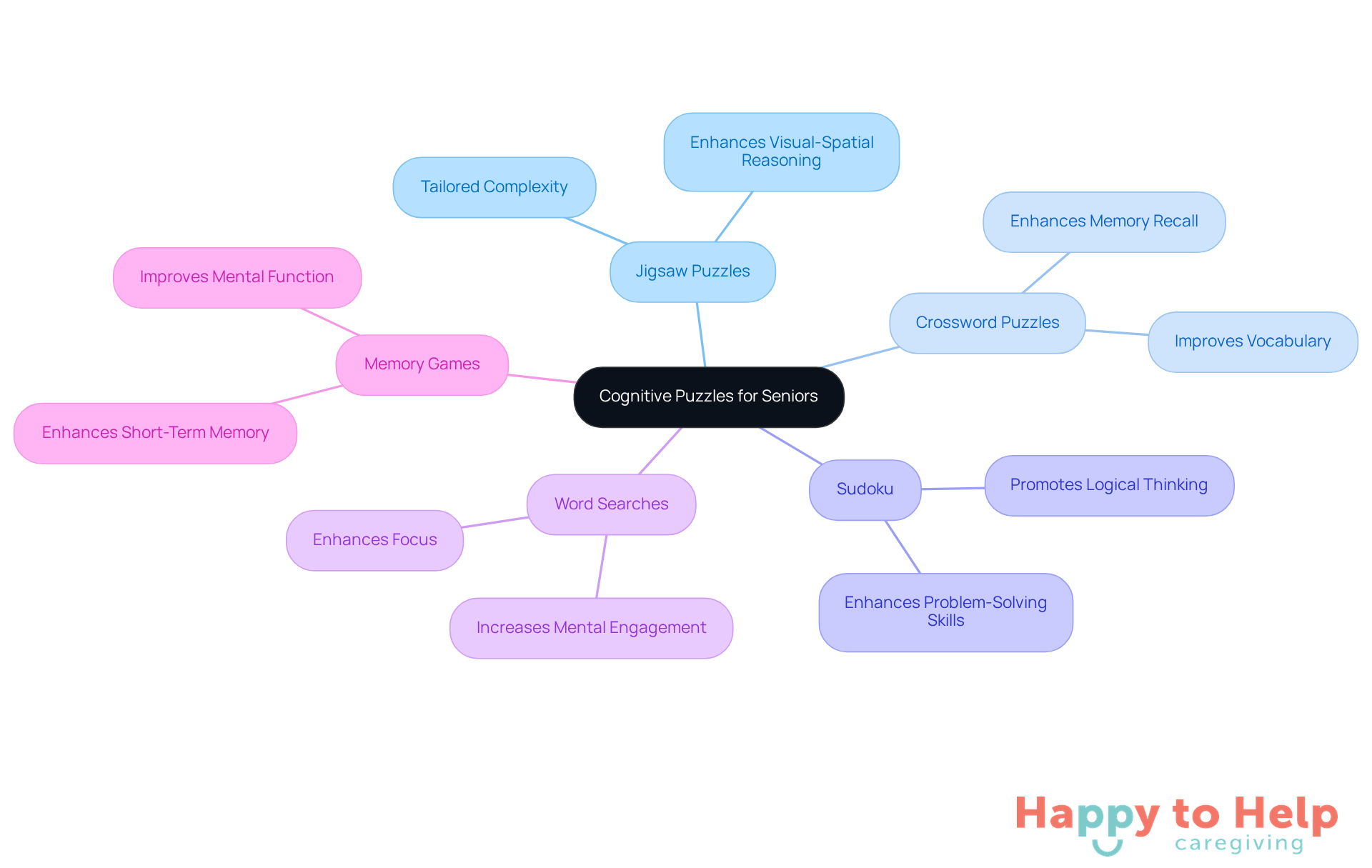
- Jigsaw Puzzles: These enhance visual-spatial reasoning and can be tailored in complexity to suit different skill levels.
- Crossword Puzzles: Excellent for improving vocabulary and memory recall, they can be adapted to various difficulty levels.
- Sudoku: This number puzzle promotes logical thinking and problem-solving skills, making it a great choice for those who enjoy numbers.
- Word Searches: Simple yet effective, these enhance focus and mental engagement.
- Memory Games: Activities that involve matching pairs can help enhance short-term memory and mental function.
By incorporating cognitive puzzles for seniors, caregivers can keep older adults engaged and mentally stimulated, ultimately improving their quality of life.
Implement Best Practices for Engaging Seniors with Puzzles
Engaging seniors with cognitive puzzles for seniors can be challenging for caregivers. Many older adults may struggle with motivation or find it difficult to participate in these activities. This can lead to missed opportunities for engaging in cognitive puzzles for seniors and social interaction, which are crucial for their well-being.
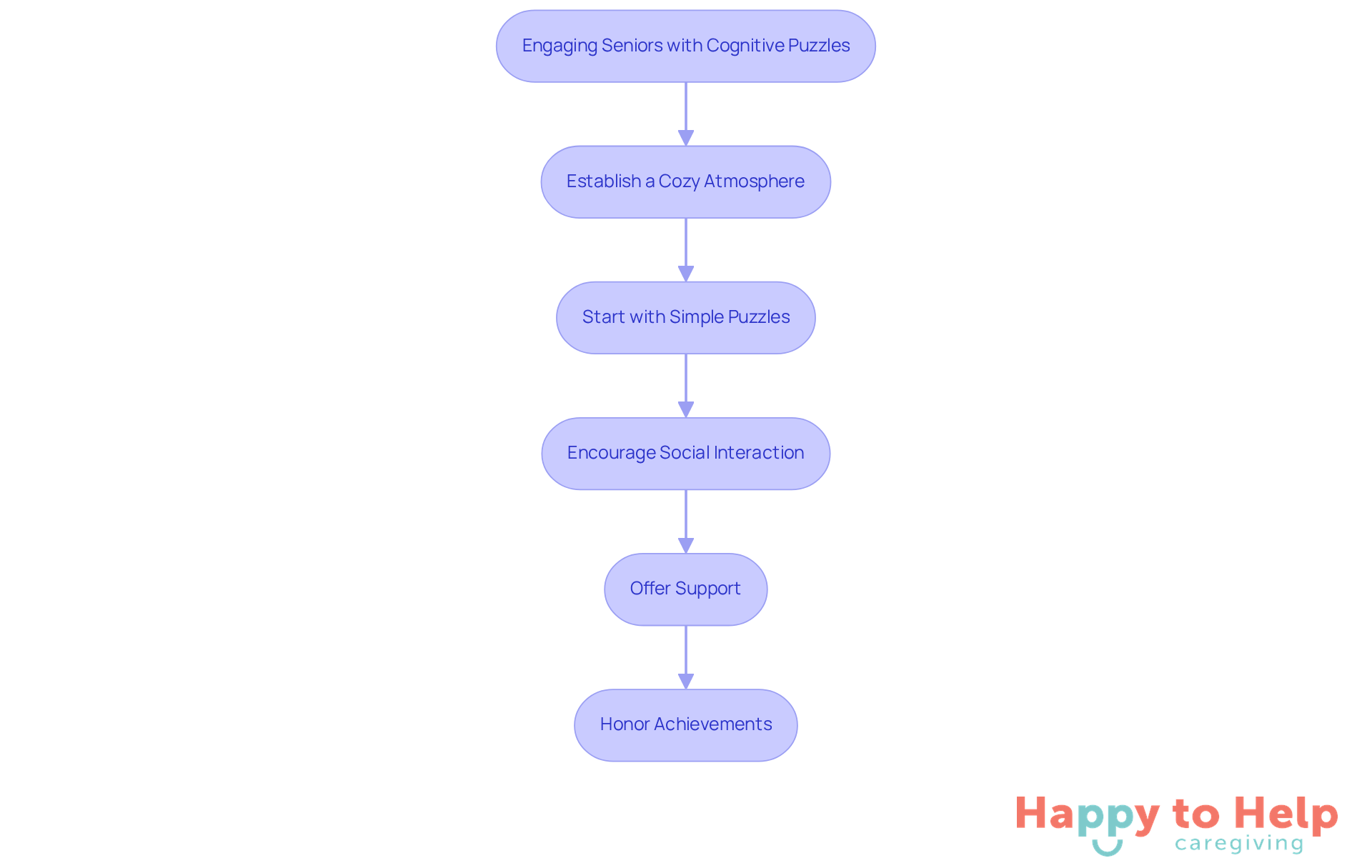
To address these challenges, caregivers can implement several effective strategies:
- Establish a Cozy Atmosphere: Ensure the area is well-lit and free from interruptions. A comfortable setting can significantly enhance engagement and enjoyment.
- Start with Cognitive Puzzles for Seniors: Begin with simple cognitive puzzles for seniors to build confidence, gradually increasing the difficulty as they become more comfortable. This approach helps prevent frustration and encourages continued participation.
- Encourage Social Interaction: Facilitate group sessions with cognitive puzzles for seniors to promote socialization, enhancing both enjoyment and cognitive benefits. Research shows that a one-point increase in social involvement score is linked to a 47% decrease in cognitive decline, highlighting the importance of social engagement.
- Offer Support: Provide support when required by being available to assist seniors who may find cognitive puzzles for seniors difficult. Providing support can make the activity more enjoyable and less intimidating.
- Honor Achievements: Recognize and celebrate when seniors complete challenges. This reinforces a sense of accomplishment and motivates them to continue participating.
Additionally, caregivers can explore resources like the AARP Games Center, which offers a variety of cognitive puzzles for seniors that are tailored for older adults. By following these practices, caregivers can create a beneficial and enriching experience for seniors.
Monitor and Adapt Puzzle Activities for Individual Needs
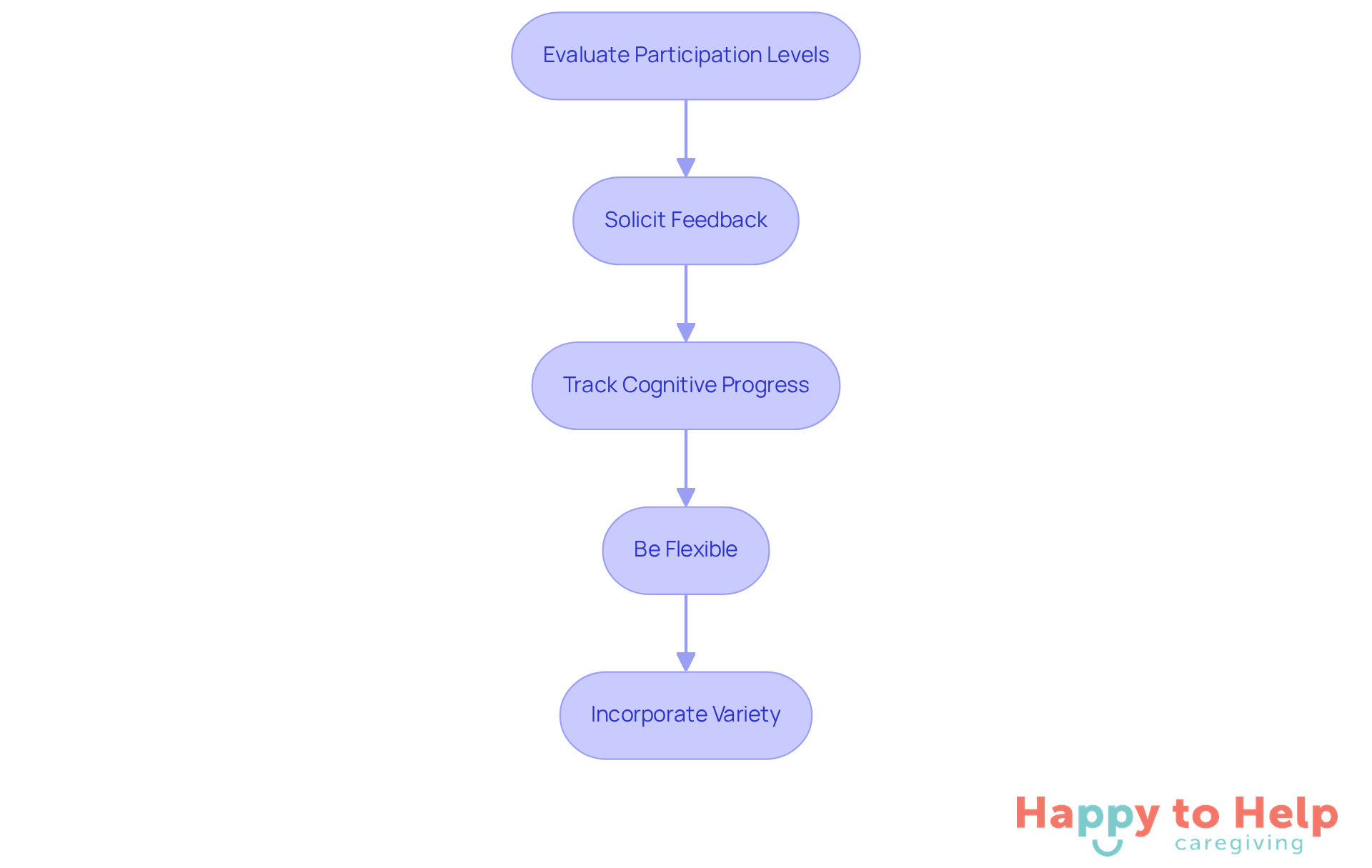
To maximize the benefits of cognitive puzzles for seniors, caregivers face the challenge of ensuring these puzzles meet individual needs. Cognitive decline is a natural part of aging, but it can lead to frustration if seniors are not engaged. Therefore, caregivers must actively monitor and adapt these activities to keep seniors involved and challenged.
-
Evaluate Participation Levels: Consistently observe older adults' responses to different challenges. Are they engaged and enjoying the task, or do they seem frustrated? Adjusting the difficulty can help maintain their interest and provide the right level of challenge.
-
Solicit Feedback: Encourage seniors to share their preferences regarding puzzle types and difficulty levels. This feedback is invaluable for guiding future selections and ensuring enjoyment.
-
Track Cognitive Progress: Keep notes on improvements in memory, problem-solving skills, and overall engagement. This information can guide modifications to tasks, customizing them to personal mental capabilities. Research indicates that 10% of individuals with mild cognitive impairment develop Alzheimer's disease or other types of dementia annually, underscoring the importance of involving older adults in stimulating pursuits.
-
Be Flexible: Adapt the types of challenges or their presentation based on the evolving needs and interests of seniors. Flexibility is essential to maintaining relevance and enjoyment in these activities.
-
Incorporate Variety: Introduce new challenges regularly to keep activities fresh and engaging. A daily brainteaser session of 15-20 minutes can activate multiple neural pathways, fostering sustained interest in mental engagement.
Participating in brain teasers not only aids in reducing mental deterioration but also offers emotional fulfillment, providing a sense of accomplishment and uplifting mood. As one expert noted, "Cognitive decline is a natural part of aging, but the good news is that mental stimulation can significantly slow its progression." By actively monitoring and adapting puzzle activities, caregivers can ensure that seniors continue to reap the cognitive benefits, enhancing their overall well-being and quality of life.
Making the Right Choice
Incorporating cognitive puzzles into senior care addresses a significant problem: the mental decline faced by older adults. This decline can lead to feelings of isolation and decreased quality of life. Engaging activities like puzzles not only stimulate cognitive functions but also enhance overall well-being, making them essential tools for caregivers.
These puzzles, including jigsaw puzzles, crosswords, and Sudoku, cater to various interests and skill levels. Creating a supportive environment that encourages social interaction is crucial. Caregivers should adapt activities to meet individual needs, ensuring regular participation in these stimulating tasks. This approach can significantly improve cognitive health and combat feelings of isolation, while also reinforcing seniors' autonomy and engagement.
The importance of cognitive puzzles in senior care cannot be overstated. They serve as powerful tools for mental stimulation, helping to slow cognitive decline and enhance emotional fulfillment. Caregivers are encouraged to explore different puzzles, implement effective engagement strategies, and continuously adapt activities to keep seniors challenged and motivated. By embracing this approach, caregivers can help older adults lead richer, more fulfilling lives, highlighting the vital role cognitive stimulation plays in their overall well-being.
https://iframe.tely.ai/cta/eyJhcnRpY2xlX2lkIjogIjY5M2Y1MDkwNjk1NDdlMzRlNWE0ZWU2OCIsICJjb21wYW55X2lkIjogIjY4ZWU1ZGNhNzMxNzYyNTU3ZjNjOTVjMSIsICJpbmRleCI6IG51bGwsICJ0eXBlIjogImFydGljbGUifQ==Frequently Asked Questions
What is the significance of cognitive puzzles in senior care?
Cognitive puzzles play a crucial role in senior care by helping to maintain mental sharpness and combat mental decline, which can affect memory, focus, and problem-solving abilities in elderly individuals.
What types of cognitive puzzles are recommended for seniors?
Recommended cognitive puzzles for seniors include jigsaw puzzles, word cross games, and Sudoku.
How do cognitive puzzles benefit seniors?
Engaging in cognitive puzzles stimulates neural connections in the brain, promoting brain health and leading to notable improvements in mental function, as evidenced by research involving over 19,000 participants.
How often should seniors engage in cognitive puzzles?
Experts recommend that seniors participate in intellectually engaging tasks, including cognitive puzzles, at least three to four times a week.
What impact do cognitive puzzles have on the overall wellness of seniors?
Incorporating cognitive puzzles into the routines of seniors fosters autonomy and significantly contributes to their overall mental health and wellness.
List of Sources
- Understand the Role of Cognitive Puzzles in Senior Care
- Games, Puzzles And Reading Can Slow Cognitive Decline In The Elderly — Even In Those With Mild Cognitive Impairment (https://stories.tamu.edu/news/2024/09/10/games-puzzles-and-reading-can-slow-cognitive-decline-in-the-elderly-even-in-those-with-mild-cognitive-impairment)
- Word and number puzzles improve adult cognitive function (https://alzheimers.org.uk/news/2025-10-08/word-and-number-puzzles-improve-adult-cognitive-function)
- Study Shows Crossword Puzzles Beat Computer Games in Slowing Memory Loss (https://medschool.duke.edu/news/study-shows-crossword-puzzles-beat-computer-games-slowing-memory-loss)
- Inaugural Humana Cognitive Games to Celebrate Healthy Aging and Inspire Whole-Person Wellness (https://policy.humana.com/issue-area/news-and-resources/news-press/2025/inaugural-humana-cognitive-games-to-celebrate-healthy-aging-and)
- Brain games for seniors prove to be important play that help with mental acuity (https://jewishaz.com/community/brain-games-for-seniors-prove-to-be-important-play-that-help-with-mental-acuity/article\_c0499d10-dc71-4565-b808-29e609c2369f.html)
- Identify Effective Cognitive Puzzles for Seniors
- Word and number puzzles improve adult cognitive function (https://alzheimers.org.uk/news/2025-10-08/word-and-number-puzzles-improve-adult-cognitive-function)
- Study Shows Crossword Puzzles Beat Computer Games in Slowing Memory Loss (https://medschool.duke.edu/news/study-shows-crossword-puzzles-beat-computer-games-slowing-memory-loss)
- Jigsaw Puzzling Taps Multiple Cognitive Abilities and Is a Potential Protective Factor for Cognitive Aging - PMC (https://pmc.ncbi.nlm.nih.gov/articles/PMC6174231)
- Games, Puzzles And Reading Can Slow Cognitive Decline In The Elderly — Even In Those With Mild Cognitive Impairment (https://stories.tamu.edu/news/2024/09/10/games-puzzles-and-reading-can-slow-cognitive-decline-in-the-elderly-even-in-those-with-mild-cognitive-impairment)
- Implement Best Practices for Engaging Seniors with Puzzles
- 9 Engaging Seniors Online Games for Family Caregivers to Explore - Happy To Help (https://happytohelpcaregiving.com/9-engaging-seniors-online-games-for-family-caregivers-to-explore)
- Late-Life Social Activity and Cognitive Decline in Old Age - PMC (https://pmc.ncbi.nlm.nih.gov/articles/PMC3206295)
- Caregiver Quotes: 50+ Inspiring Encouragement Quotes for Strength (https://h2hhc.com/blog/inspiring-caregiver-quotes)
- 25+ Inspirational Quotes for Caregivers (https://caringseniorservice.com/blog/quotes-for-caregiver-inspiration)
- Monitor and Adapt Puzzle Activities for Individual Needs
- Can Puzzles Help Seniors Cognitively? - Leading Edge Senior Care (https://leadingedgeseniorcare.com/2025/09/can-puzzles-help-seniors-cognitively)
- The benefit of puzzles for the brain | Progress Lifeline (https://progresslifeline.org.uk/news/the-benefit-of-puzzles-for-the-brain)
- Games, Puzzles And Reading Can Slow Cognitive Decline In The Elderly — Even In Those With Mild Cognitive Impairment (https://stories.tamu.edu/news/2024/09/10/games-puzzles-and-reading-can-slow-cognitive-decline-in-the-elderly-even-in-those-with-mild-cognitive-impairment)
- Study Shows Crossword Puzzles Beat Computer Games in Slowing Memory Loss (https://medschool.duke.edu/news/study-shows-crossword-puzzles-beat-computer-games-slowing-memory-loss)
- U.S. POINTER Study shows lifestyle program improves cognition in older adults (https://health.ucdavis.edu/news/headlines/us-pointer-study-shows-lifestyle-program-improves-cognition-in-older-adults/2025/07)