
Why Essential Alzheimer Matters
Understanding the complexities of Alzheimer's and dementia is essential for family caregivers who face both emotional and practical challenges. With over 6 million Americans affected, the demand for effective care strategies has never been more pressing. Caregivers often find themselves at a crossroads where knowledge meets compassion. Yet, many struggle with feelings of isolation and burnout.
How can they bridge this gap? How can they provide the best support for their loved ones while also taking care of their own well-being? It's a delicate balance, and it's okay to feel overwhelmed.
There are resources and support systems available that can help caregivers navigate these turbulent waters. By reaching out and connecting with others who understand their journey, caregivers can find solace and strength. Remember, you are not alone in this. Together, we can foster a nurturing environment that prioritizes both the caregiver's and the loved one's needs.
Understand Alzheimer's and Dementia: Key Concepts for Caregivers
Alzheimer's disease is the most common form of dementia, and it brings with it a heavy burden of progressive memory loss and cognitive decline. For caregivers, understanding the symptoms—like confusion, communication challenges, and changes in behavior—is essential. It’s not just about knowing the facts; it’s about recognizing the emotional weight these symptoms carry for both the individual and their loved ones.
Familiarizing yourself with the stages of Alzheimer's, from early to late, can be a lifeline. In the early stages, individuals might still manage daily tasks but may need gentle reminders and support. As the disease progresses, particularly in the late stages, full assistance with personal care becomes necessary. This transition can be daunting, but knowing what to expect can help caregivers prepare and respond with compassion.
Research indicates that Alzheimer's disease accounts for about 60-70% of cognitive decline cases, affecting over 6 million Americans aged 65 and older. Organizations like the Alzheimer's Association provide invaluable resources, offering detailed guides that clarify the differences between Alzheimer's and other forms of dementia. These resources are crucial for anyone looking to enhance their understanding and care strategies.
Moreover, community support plays a vital role in alleviating the feelings of isolation that caregivers often experience. For instance, the case study 'Realizing You're Not Alone' sheds light on the psychological challenges faced by caregivers and underscores the importance of engaging with support groups. Hearing from others who share similar experiences can be incredibly comforting.
By utilizing these resources and understanding the stages of Alzheimer's, caregivers can refine their approach, ensuring their loved ones receive the compassionate and informed care they deserve. It’s also important for caregivers to recognize the emotional toll and potential burnout that can arise from their role. Acknowledging these challenges is the first step toward finding effective support, allowing caregivers to continue providing the love and care their loved ones need.

Implement Effective Care Strategies: Daily Practices for Supporting Individuals with Dementia
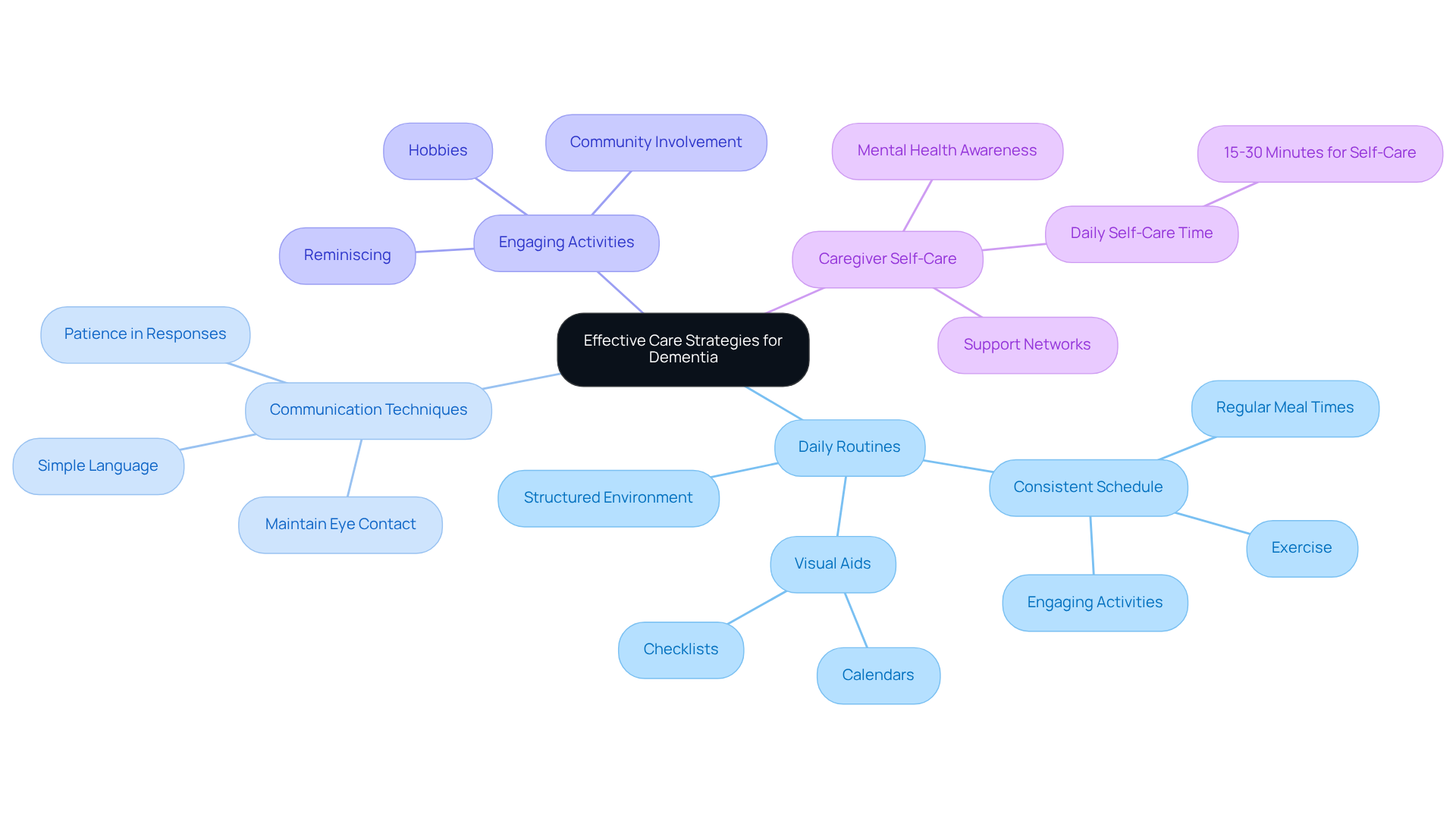
Caring for individuals with cognitive impairment can be challenging, making it essential to create organized and consistent surroundings in Alzheimer's & dementia care. Research shows that routines can significantly ease anxiety and confusion, making daily life more manageable for both caregivers and those they care for. Establishing a consistent daily schedule with regular meal times, exercise, and engaging activities tailored to individual preferences can make a world of difference. Adding variety—like rotating favorite activities or meals—keeps routines fresh while maintaining predictability. Visual aids, such as calendars or checklists, can also help individuals with dementia grasp their daily tasks, enhancing their sense of control.
Effective communication is vital. Caregivers should use simple language, maintain eye contact, and show patience, allowing enough time for responses. Engaging in meaningful activities—like reminiscing about past experiences or enjoying hobbies—can uplift emotional well-being and cognitive function. For instance, organized routines that include familiar activities not only support those with cognitive decline but also help reduce feelings of isolation and anxiety.
Geriatric care specialists emphasize that a well-structured environment fosters comfort and dignity, ultimately enhancing the quality of life for those in need of Alzheimer's & dementia care. It’s equally important for caregivers to take care of their own mental health; statistics reveal that 60% of family supporters experience feelings of burnout. Dedicating just 15-30 minutes each day for self-care can help manage stress and preserve health. By incorporating these strategies, along with motivational quotes that promote a sense of community, caregivers can alleviate some of the psychological burdens they face, creating a more harmonious support experience for themselves and their loved ones.
Foster Emotional Connections: Building Trust and Understanding
Building connections with individuals facing cognitive decline is essential in Alzheimer's & dementia care and requires a blend of patience, empathy, and active listening. In the context of Alzheimer's & dementia care, caregivers should strive to understand the feelings and perspectives of their loved ones, even when words become hard to find. Techniques like validating emotions, offering gentle touch, and participating in shared activities can greatly enhance trust and comfort.
For instance, reminiscing about joyful memories or looking through photo albums together can spark positive emotions and encourage cognitive engagement. It’s also crucial for caregivers to pay attention to non-verbal cues, as those with dementia often communicate their feelings through body language rather than words.
Studies show that caregivers typically dedicate around 27 hours a week to providing support, highlighting the emotional toll this role can take. By prioritizing these emotional connections, caregivers can create a nurturing environment that fosters well-being for both themselves and those they care for in the realm of Alzheimer's & dementia care.
As Rosalyn Carter wisely noted, "There are only four types of individuals in the world: Those who have provided care, those who are currently providing care, those who will be providers of care, and those who will require assistance." This observation underscores the universal nature of caregiving and the vital role of emotional support in this journey.

Utilize Support Resources: Finding Help and Community
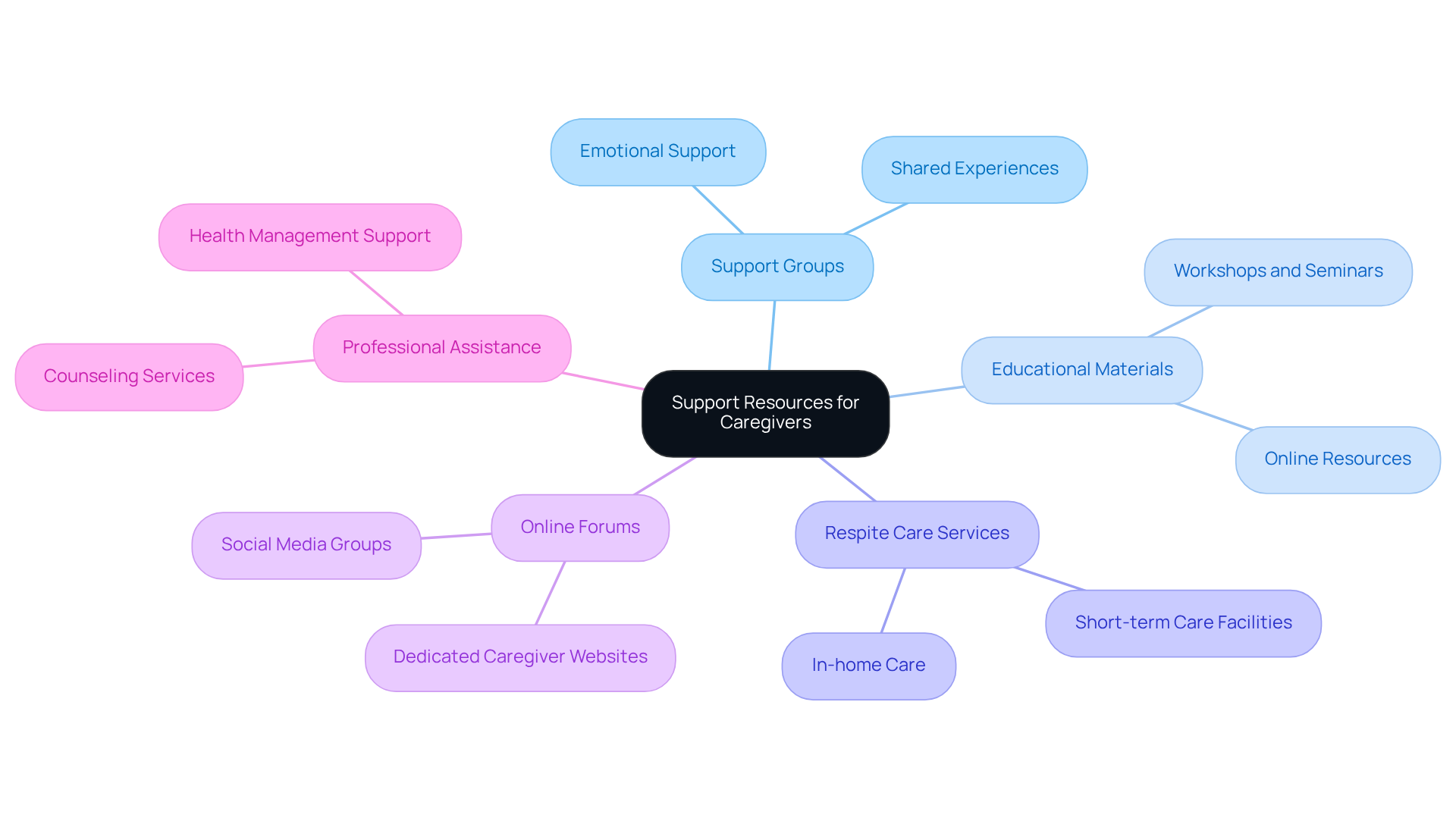
Caring for someone with Alzheimer's & dementia care can be incredibly challenging. It’s important for caregivers to know they’re not alone and that help is available. Organizations like the Alzheimer's Association provide a wealth of resources for Alzheimer's & dementia care, including:
- Support groups
- Educational materials
- Respite care services tailored to the needs of caregivers
Engaging with these organizations can offer invaluable guidance and a sense of community.
Online forums and social media groups also serve as spaces where caregivers can share their experiences and advice. This exchange can help alleviate feelings of isolation and foster emotional support. With nearly 12 million unpaid family caregivers in the U.S. engaged in Alzheimer's & dementia care for individuals with Alzheimer's disease and related dementias (ADRD), connecting with others facing similar challenges can be especially beneficial.
It’s also crucial for caregivers to consider professional assistance, such as in-home care services. These services can provide essential breaks, allowing caregivers to focus on their own health and well-being. Caregivers often spend an average of 26 hours per week on caregiving activities—up from just 9 hours per week in 2020—so taking time for self-care is vital.
Moreover, 90% of family members providing care contribute some form of financial support for their loved ones, spending an average of 26% of their income on caregiving-related expenses. By utilizing available resources and seeking community support, caregivers can enhance their resilience and maintain a healthier balance in their caregiving journey. Remember, it’s okay to ask for help; you deserve support too.
Key Takeaways for Caregivers
Understanding and addressing the complexities of Alzheimer's and dementia care is essential for family caregivers. It’s a journey filled with emotional challenges, and recognizing these can make a world of difference. This article highlights the importance of knowledge, compassion, and effective strategies to navigate the hurdles that come with these conditions. By equipping caregivers with insights into the disease, fostering emotional connections, and utilizing available support resources, caregiving can shift from feeling overwhelming to becoming manageable.
Key points discussed emphasize the necessity of understanding the stages of Alzheimer's, implementing daily routines, and maintaining effective communication. Caregivers are encouraged to prioritize their own mental health while actively seeking community support and professional assistance. The emotional and practical strategies outlined not only enhance the quality of care provided to individuals with dementia but also help alleviate the burdens faced by caregivers.
Ultimately, the journey of caregiving for Alzheimer's and dementia requires resilience, support, and love. Embracing the resources available and fostering connections with others who share similar experiences can provide caregivers with strength and solace. Remember, asking for help is not a sign of weakness; it’s a vital step toward sustaining both personal well-being and the quality of care provided to loved ones.
https://iframe.tely.ai/cta/eyJhcnRpY2xlX2lkIjogIjY5MTNkYjAwZDY5M2I5YTQwOTNiOTE5MyIsICJjb21wYW55X2lkIjogIjY4ZWU1ZGNhNzMxNzYyNTU3ZjNjOTVjMSIsICJpbmRleCI6IG51bGwsICJ0eXBlIjogImFydGljbGUifQ==Frequently Asked Questions
What is Alzheimer's disease?
Alzheimer's disease is the most common form of dementia, characterized by progressive memory loss and cognitive decline.
Why is it important for caregivers to understand the symptoms of Alzheimer's?
Understanding the symptoms, such as confusion, communication challenges, and changes in behavior, helps caregivers recognize the emotional weight these symptoms carry for both the individual and their loved ones.
What are the stages of Alzheimer's?
Alzheimer's progresses through stages from early to late. In the early stages, individuals may manage daily tasks with gentle reminders, while in the late stages, they require full assistance with personal care.
How prevalent is Alzheimer's disease?
Alzheimer's disease accounts for about 60-70% of cognitive decline cases, affecting over 6 million Americans aged 65 and older.
What resources are available for caregivers?
Organizations like the Alzheimer's Association provide detailed guides that clarify the differences between Alzheimer's and other forms of dementia, which are essential for enhancing understanding and care strategies.
How can community support benefit caregivers?
Community support can alleviate feelings of isolation that caregivers often experience. Engaging with support groups and hearing from others with similar experiences can provide comfort and understanding.
What psychological challenges do caregivers face?
Caregivers may experience psychological challenges, including feelings of isolation and potential burnout, making it important to acknowledge these issues to find effective support.
How can caregivers ensure they provide compassionate care?
By utilizing available resources and understanding the stages of Alzheimer's, caregivers can refine their approach to ensure their loved ones receive informed and compassionate care.