Essential Best Practices for Effective Companionship Care

For families in our service areas
For families in our service areas, this guide explains companion care and how non-medical in-home caregiving can support care planning in East Idaho, Treasure Valley & Magic Valley, Northern Wasatch, North Central West Virginia, and Northeast Ohio.
What You Need to Know About Essential Best Practices for Effective
Companionship care is a crucial support system for seniors facing loneliness, a condition that significantly increases health risks and reduces quality of life. This issue not only affects emotional well-being but can also lead to serious health complications. Families must recognize the importance of addressing this problem to improve their loved ones' lives.
To combat loneliness, companionship care provides essential emotional support and social interaction. It fosters deeper connections that are vital for mental health. However, families often struggle to implement effective strategies that truly meet their loved ones' unique needs.
So, how can families enhance companionship care? By exploring best practices, caregivers can discover impactful methods to enrich the lives of their elderly relatives. Here are some actionable tips:
- Engage in regular conversations to build rapport and understanding.
- Encourage participation in social activities to foster connections with others.
- Utilize technology to maintain communication, especially for distant family members.
By taking these steps, families can significantly improve the emotional and mental well-being of seniors, ensuring they feel valued and connected.
Define Companionship Care and Its Importance
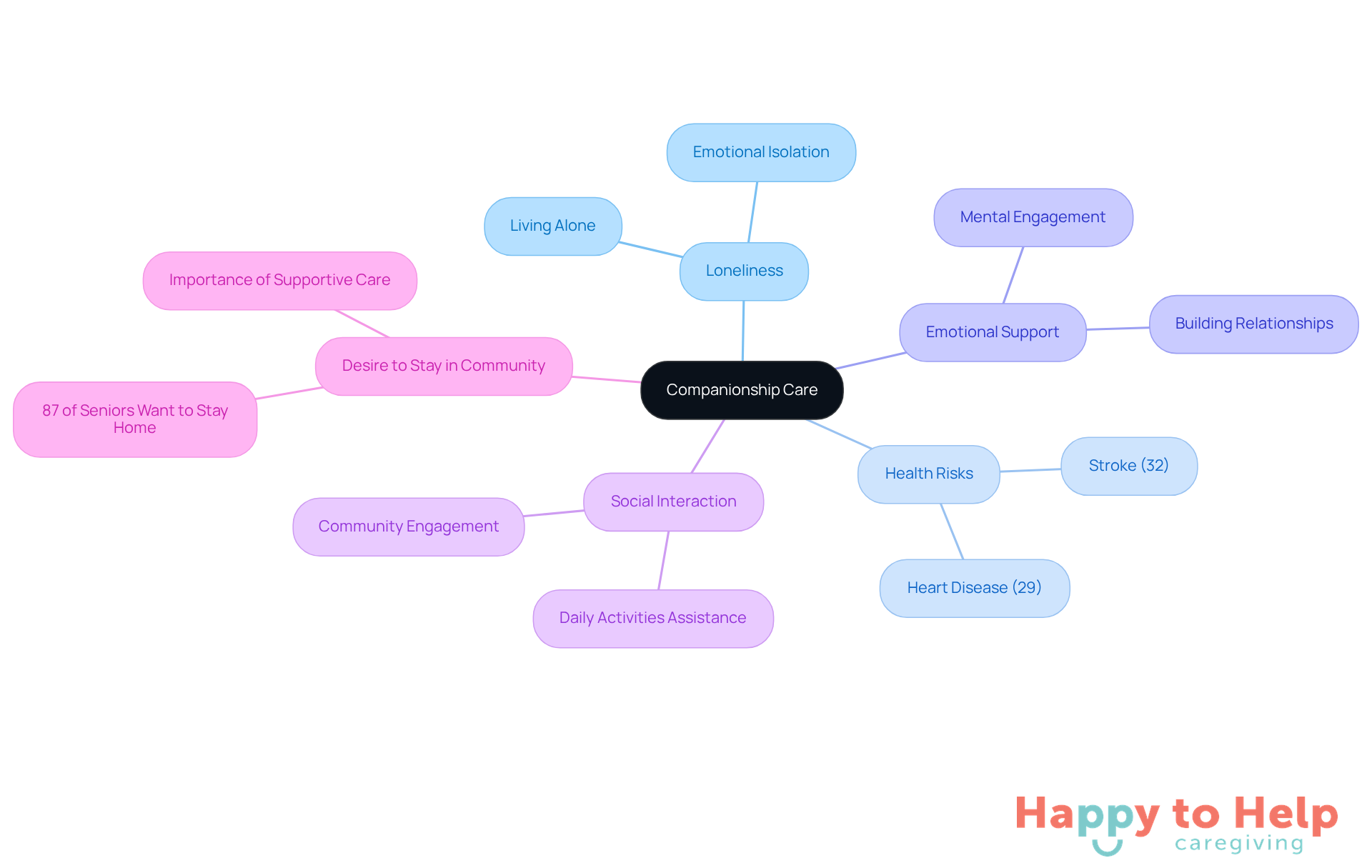
Companionship care effectively addresses a significant problem: loneliness among seniors, especially those who are living alone or facing daily challenges. This emotional isolation can lead to serious health risks, increasing the likelihood of heart disease by 29% and stroke by 32%.
The implications of this loneliness are profound, affecting not just mental health but overall well-being. Seniors who feel isolated may struggle with their emotional and social engagement, which is crucial for maintaining a fulfilling life.
Companionship care provides a solution through emotional support, social interaction, and assistance with daily activities. This approach fosters genuine relationships, helping seniors stay socially, mentally, and emotionally engaged.
By creating a sense of belonging and connection, supportive care enhances mental health and combats the effects of isolation. Understanding the importance of this care enables families to make informed decisions about the assistance their loved ones need to thrive in their own homes.
With 87% of seniors aged 65 and above wanting to remain in their communities, the role of supportive care is essential in helping them achieve this goal.
Highlight Benefits of Companionship Care for Clients and Families
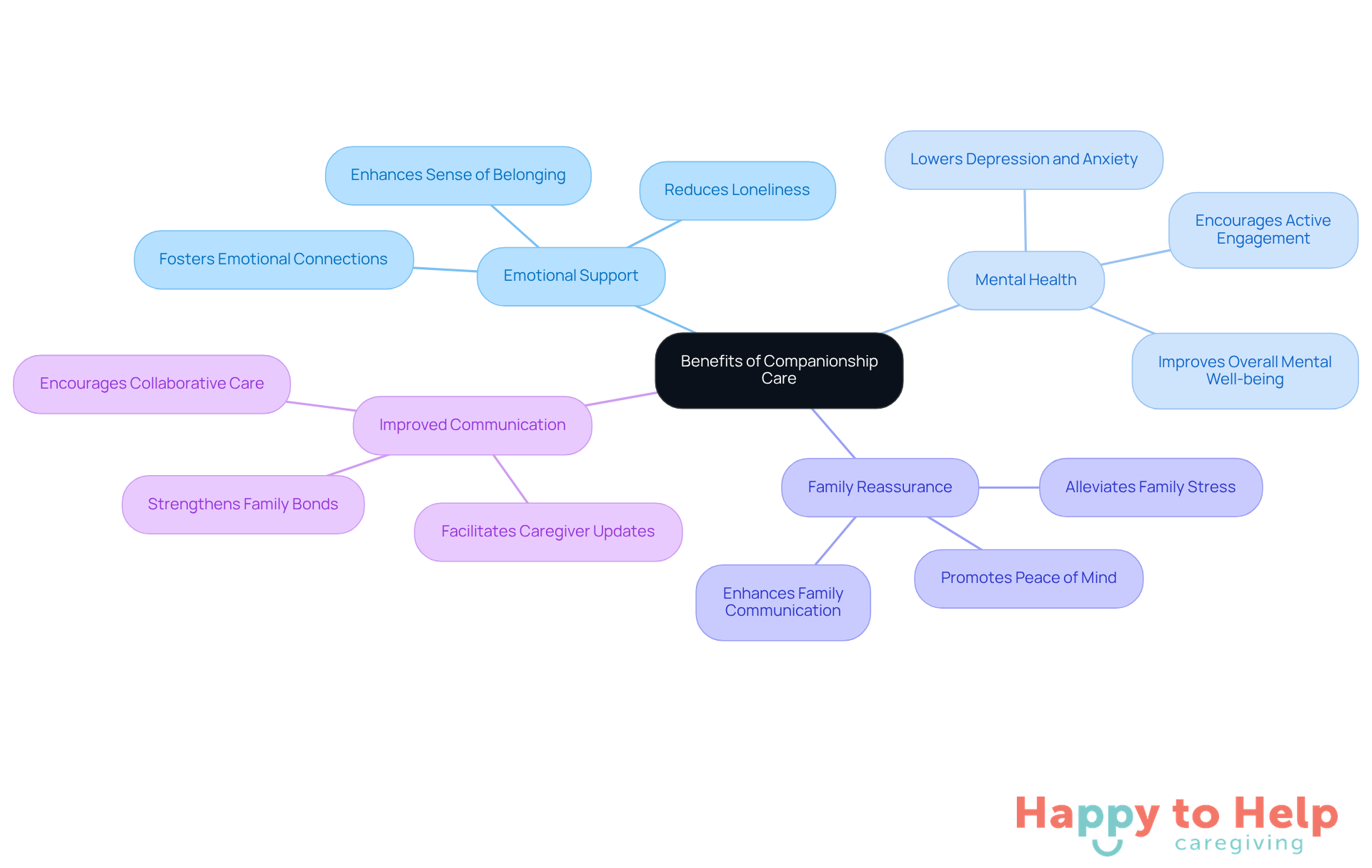
Companionship care effectively addresses a significant problem faced by many seniors: loneliness. Research shows that one in three seniors feels isolated, which can adversely affect their health. This emotional isolation can lead to increased depression and anxiety, creating a cycle that diminishes their quality of life.
The implications of this loneliness are profound. Seniors who lack emotional support often struggle to remain active and engaged in meaningful activities. As noted by Applause Home Care, "When older adults feel emotionally supported, they’re more likely to remain active, maintain personal interests, and continue engaging in activities that bring meaning."
A practical solution is offered by companionship care. Companionship care provides essential emotional support, significantly reducing feelings of loneliness. Studies indicate that seniors who receive companionship care experience lower levels of depression and anxiety, which leads to improved overall mental health. This holistic support system not only enhances their quality of life but also fosters a sense of self-worth and belonging.
For families, knowing that their loved ones are receiving compassionate care alleviates stress and anxiety. This reassurance allows relatives to focus on their own lives while ensuring their loved ones are safe and happy. Furthermore, supportive care can enhance communication between relatives and caregivers, promoting a collaborative approach to care. This improved communication strengthens connections among family members and fosters a supportive atmosphere for everyone involved.
In summary, companionship care serves as a vital resource that enriches the lives of seniors while also providing peace of mind to their families.
Develop Customized Care Plans for Individual Needs
Creating customized care plans is essential for effective companionship care. Without these plans, caregivers may struggle to meet the unique needs of individuals, leading to feelings of isolation and dissatisfaction.
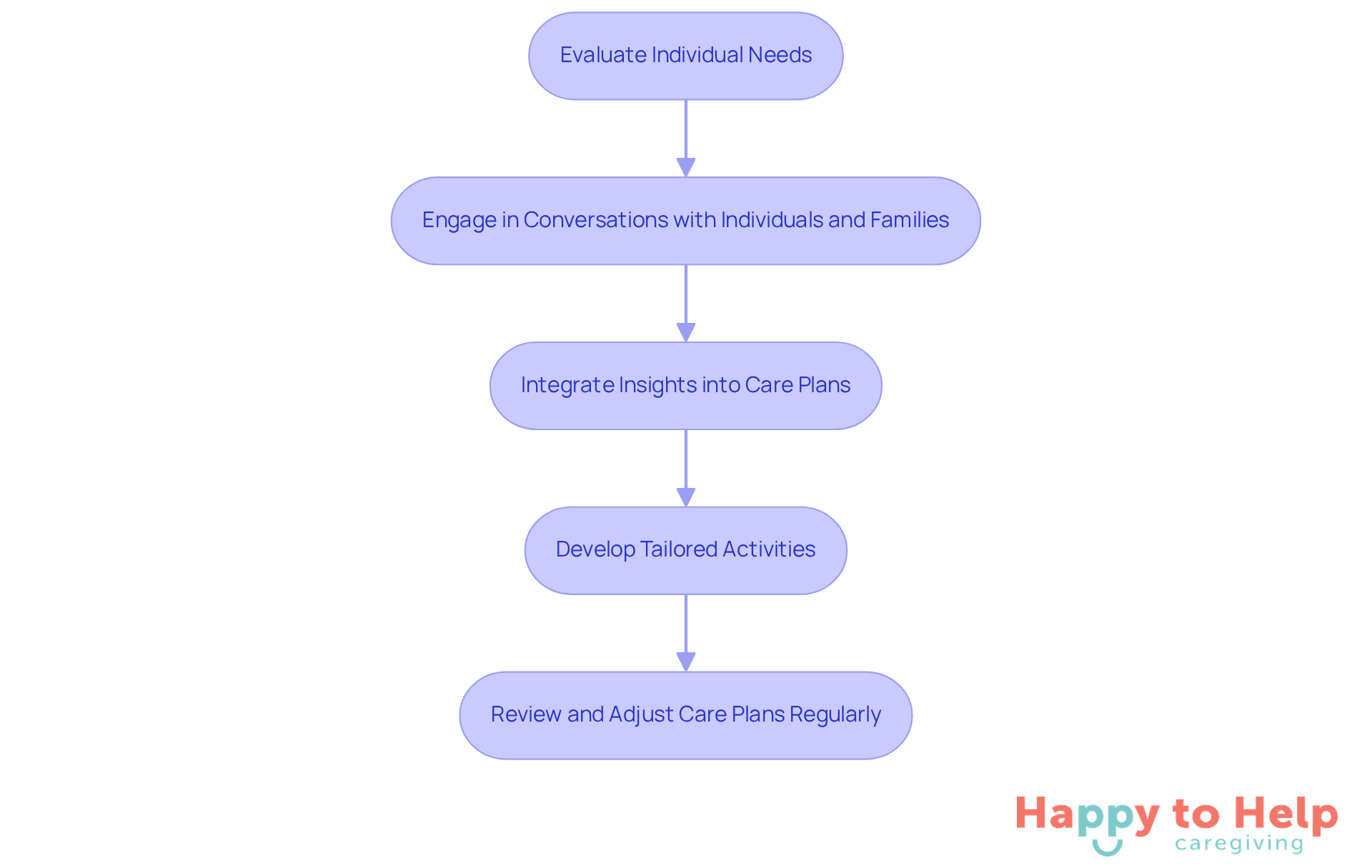
To address this issue, caregivers should begin with a thorough evaluation of each individual's physical, emotional, and social needs. Engaging in open conversations with individuals and their families is crucial. This dialogue helps caregivers gain insights into preferences, interests, and daily routines, which are vital for creating meaningful connections.
By integrating these insights, support providers can develop tailored activities that resonate with individuals. Consider activities like:
- Gardening
- Social outings
- Offering companionship during meals
Regularly reviewing and adjusting these care plans ensures they remain relevant and effective, ultimately enhancing the individual's quality of life. This customized approach not only improves care but also fosters a deeper bond between the provider and the client. It encourages a sense of autonomy and dignity, which are vital for overall well-being.
Select the Right Caregiver for Effective Companionship
Choosing the right caregiver is a significant challenge for families seeking effective companionship support. With only 32% of America's 63 million family caregivers utilizing paid help, the need for a compassionate and skilled provider is more important than ever.
Families often struggle to find individuals who possess the essential traits of compassion, patience, and strong communication skills. These qualities are crucial for fostering meaningful connections with seniors. As Tia Walker aptly stated, "Caregiving often calls us to lean into love we didn't know possible," underscoring the emotional depth involved in this role.
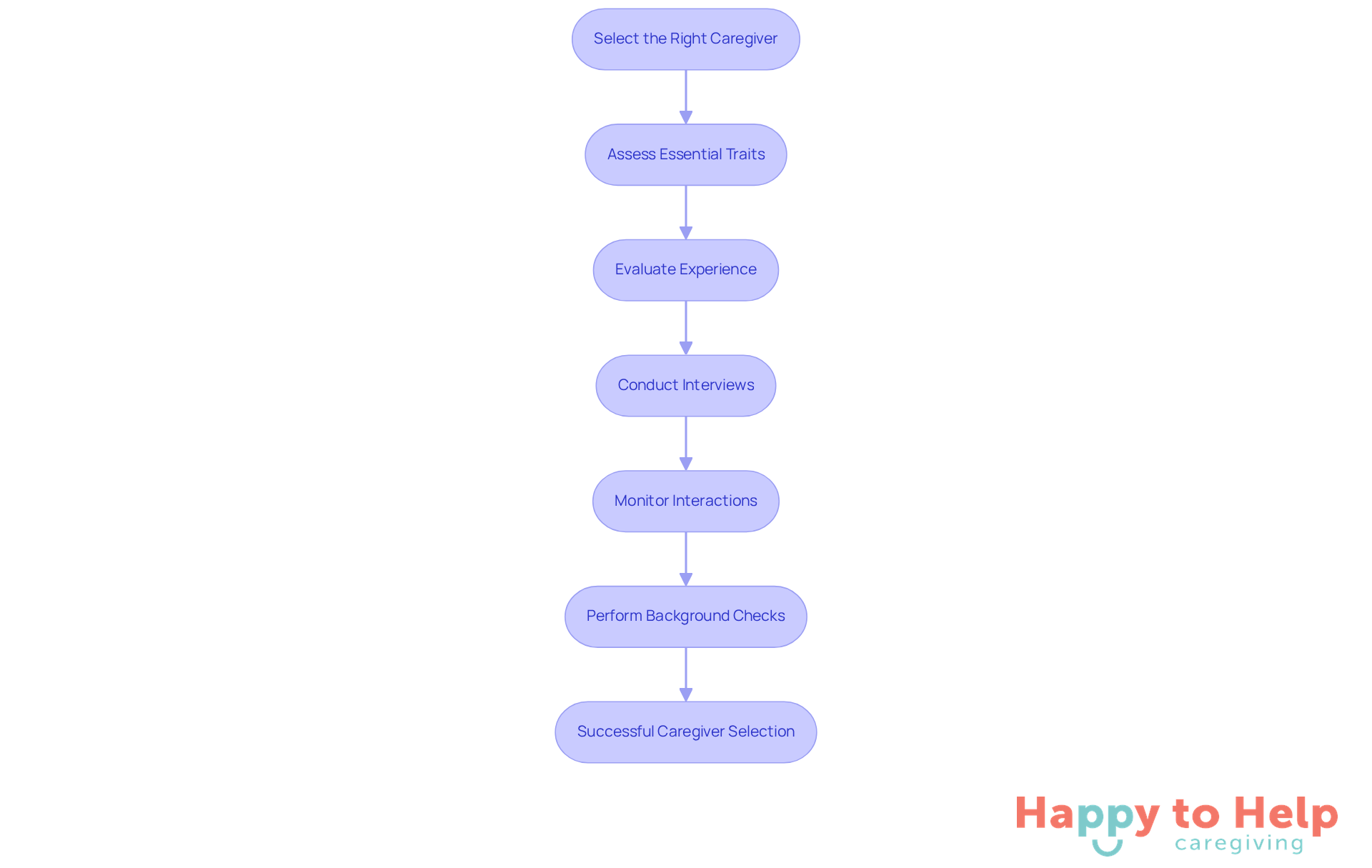
To address this issue, families should assess a provider's experience, particularly those with a background in non-medical home assistance. Such individuals are typically better equipped to engage seniors in enjoyable activities and provide emotional support. Conducting thorough interviews and monitoring interactions can help households evaluate compatibility, ensuring that the support provider can adapt to the individual's changing needs.
Moreover, families must be aware of the organized hiring process, which includes comprehensive background checks to guarantee safety and reliability. Successful pairings between providers and clients not only enhance the companionship experience but also significantly improve the overall quality of care, promoting a sense of security and well-being for seniors.
Your Path Forward
Companionship care is essential in addressing a significant problem: loneliness and isolation among seniors. These issues can severely impact their quality of life, leading to deteriorating mental health and strained family dynamics. Without proper support, many seniors may feel disconnected and unsupported, which can exacerbate their emotional struggles.
To tackle this challenge, caregivers must prioritize emotional support and social interaction. Understanding the unique needs of each individual is crucial. Developing customized care plans tailored to these needs can significantly reduce feelings of loneliness and enhance overall well-being. Selecting caregivers who embody compassion and effective communication skills is equally important, as these qualities foster deeper connections that are vital for seniors.
The significance of companionship care cannot be overstated. It acts as a lifeline for seniors, promoting emotional engagement and a sense of belonging. By alleviating the concerns of families, it creates a supportive environment that benefits everyone involved. As communities work to support their aging populations, embracing best practices in companionship care will be vital in fostering healthier, happier lives for seniors and their loved ones alike.
https://iframe.tely.ai/cta/eyJhcnRpY2xlX2lkIjogIjY5M2Y1MDkwNjk1NDdlMzRlNWE0ZWU2OSIsICJjb21wYW55X2lkIjogIjY4ZWU1ZGNhNzMxNzYyNTU3ZjNjOTVjMSIsICJpbmRleCI6IG51bGwsICJ0eXBlIjogImFydGljbGUifQ==Frequently Asked Questions
What is companionship care?
Companionship care is a type of support that addresses loneliness among seniors, providing emotional support, social interaction, and assistance with daily activities.
Why is companionship care important for seniors?
Companionship care is important because it helps combat loneliness, which can lead to serious health risks such as a 29% increased likelihood of heart disease and a 32% increased risk of stroke among seniors.
How does loneliness affect seniors' health and well-being?
Loneliness can profoundly impact seniors' mental health and overall well-being, leading to struggles with emotional and social engagement, which are crucial for a fulfilling life.
What benefits does companionship care offer to seniors?
Companionship care fosters genuine relationships, enhances mental health, and helps seniors stay socially, mentally, and emotionally engaged, ultimately creating a sense of belonging and connection.
What percentage of seniors aged 65 and above want to remain in their communities?
87% of seniors aged 65 and above want to remain in their communities, highlighting the essential role of supportive care in helping them achieve this goal.
List of Sources
- Define Companionship Care and Its Importance
- 28 Senior Care Statistics: In-Home & Assisted Living | Shortlister (https://myshortlister.com/insights/senior-care-statistics)
- Why Home Care Providers Are Increasingly Offering Companion Care Services for Seniors | Aaniie, formerly Smartcare Software (https://aaniie.com/news/why-home-care-providers-are-increasingly-offering-companion-care-services-for-seniors)
- 15 Benefits of Senior Companion Care Services (https://heartsfordementia.com/news/15-benefits-of-senior-companion-care-services)
- Some Important Statistics and In-Home Companion Care (https://americareinfo.com/ozarks/in-home-companion-care-some-important-facts-on-aging-to-consider)
- (https://belleviecare.co.uk/support-advice/60-elderly-care-quotes-to-lift-your-spirits)
- Highlight Benefits of Companionship Care for Clients and Families
- Beyond Assistance: The Emotional and Social Benefits of Companion Care at Home (https://applausehomecare.com/beyond-assistance-the-emotional-and-social-benefits-of-companion-care-at-home)
- 15 Benefits of Senior Companion Care Services (https://heartsfordementia.com/news/15-benefits-of-senior-companion-care-services)
- The Incredible Benefits of Home Care, in 7 Amazing Stats - Companions For Seniors (https://companionsforseniors.com/2019/08/benefits-home-care-amazing-stats-trends-reports)
- Why Home Care Providers Are Increasingly Offering Companion Care Services for Seniors | Aaniie, formerly Smartcare Software (https://aaniie.com/news/why-home-care-providers-are-increasingly-offering-companion-care-services-for-seniors)
- Home Care Agency in Plantation, FL Near You | Skilled Nursing and Senior Home Care Services Serving Broward and Palm Beach Counties | Home Health Aide | Free Consult | 24-7 | Trust USA Home Health (https://trustusahomehealth.com/?p=2378)
- Develop Customized Care Plans for Individual Needs
- Home Care Impact on Recovery of Patient (A Statistics Report) (https://lovinghomecareinc.com/home-care-recovery-statistics)
- Importance of Personalized Senior Home Care in Burlington NC (https://wisdomseniorcare.com/the-importance-of-personalized-care-plans-for-seniors)
- Personalizing Care Plans for Seniors: Why One Size Doesn't Fit All (https://promedcareinc.com/personalizing-care-plans-for-seniors-why-one-size-doesnt-fit-all)
- How Personalized Care Plans Improve Quality of Life for Seniors (https://seniorcarecompanions.com/personalized-care-plans-quality-of-life-for-seniors)
- The Importance of Personalized Care Plans (https://homecareadvisory.org/importance-personalized-care-plans)
- Select the Right Caregiver for Effective Companionship
- 20 Inspirational Quotes for Caregivers (https://carearoundtheblock.com/post/20-inspirational-quotes-for-caregivers)
- Inspirational Quotes to Lift Up Caregivers (https://h2hhc.com/blog/inspirational-quotes-for-caregivers)
- How to Choose the Right In-Home Caregiver for Your Loved One (https://homeinstead.com/home-care/usa/tx/carrollton-coppell-irving/407/news-and-media/navigating-in-home-care-tips-for-choosing-the-right-caregiver-for-your-loved-one)
- Caregiver Quotes and Words of Strength | Luxe Homecare (https://luxehomecare.com/caregivers-quotes)
- Families Prefer In-Home Care To Senior Living – Yet Struggle To Identify Needed Support (https://homehealthcarenews.com/2025/11/families-prefer-in-home-care-to-senior-living-yet-struggle-to-identify-needed-support)