

For families in our service areas
For families in our service areas, this guide explains dementia care and how non-medical in-home caregiving can support care planning in East Idaho, Treasure Valley & Magic Valley, Northern Wasatch, North Central West Virginia, and Northeast Ohio.
Understanding Essential Checklist for Dementia
Navigating the complexities of daily care for dementia patients presents unique challenges for caregivers, often leading to feelings of frustration and uncertainty. These challenges can significantly impact both the caregiver's well-being and the quality of care provided. Crafting a personalized care plan is essential, as it not only addresses the specific needs of individuals but also fosters a sense of dignity and security.
However, how can caregivers effectively balance structure with flexibility to ensure optimal support while promoting independence? This article outlines a comprehensive checklist that empowers caregivers to enhance daily routines, prioritize essential activities, and maintain clear communication. By implementing these actionable solutions, caregivers can ultimately improve the quality of life for those they care for.
Establish a Daily Care Plan
Problem: Caregivers often struggle to assess the unique needs of those they care for, which can lead to inadequate support.
Agitate: Without a clear understanding of an individual's cognitive and physical abilities, caregivers may overlook essential aspects of care, resulting in frustration for both the caregiver and the individual.
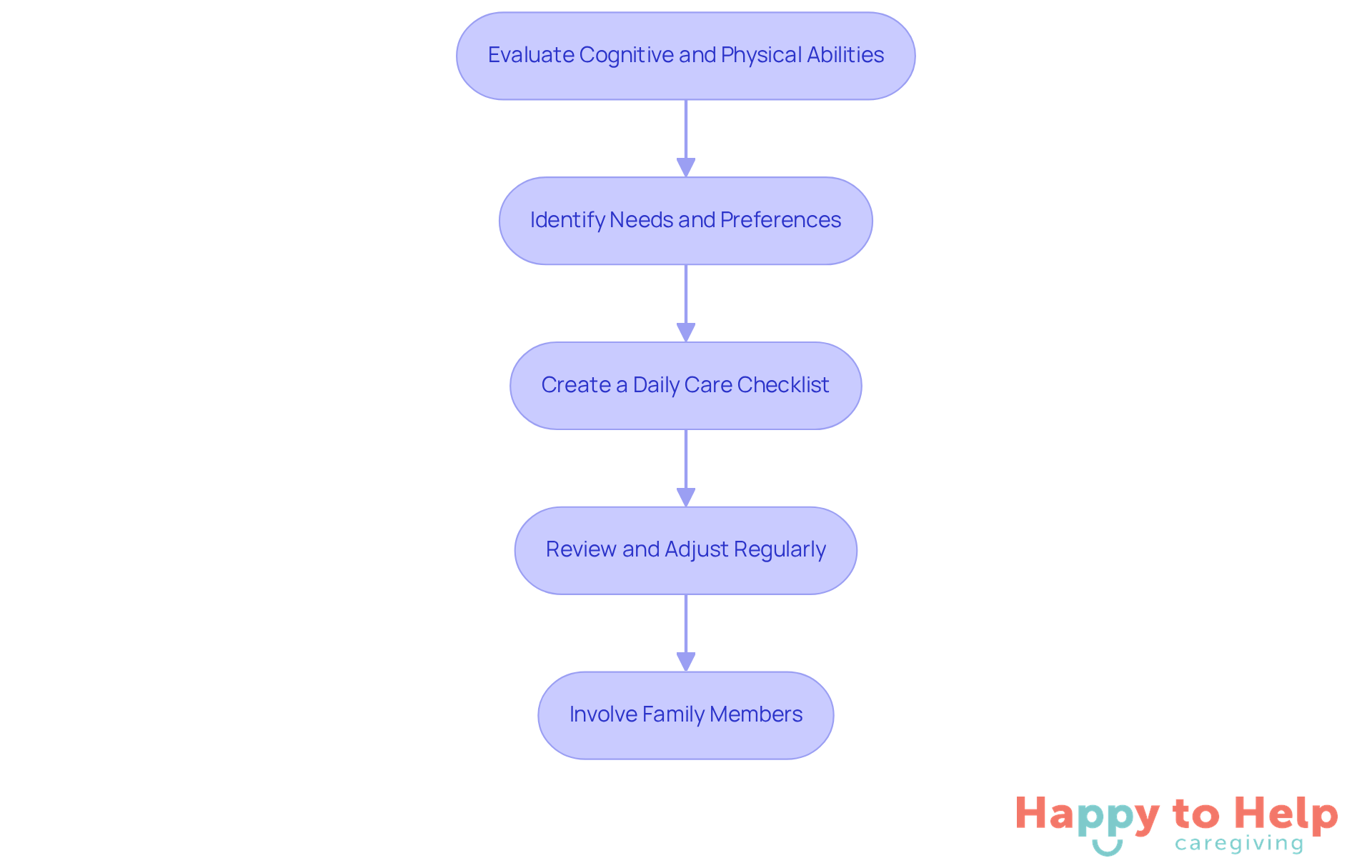
Solution: To address this, caregivers should:
- Evaluate the individual's current cognitive and physical abilities.
- Identify the specific needs and preferences of the individual using a checklist for dementia patients.
- Create a checklist for dementia patients that includes a written daily care plan with routines for meals, personal care, and activities.
- Review and adjust the checklist for dementia patients regularly based on the individual's changing needs.
- To ensure comprehensive care, involve family members in creating a checklist for dementia patients.
By implementing these steps, caregivers can provide more effective and personalized support.
Organize Daily Activities
Problem: Individuals with dementia often struggle with unpredictability in their daily routines, leading to increased anxiety and difficulty in cooperation.
Agitation: Research shows that a lack of structure can exacerbate these challenges, making it crucial for caregivers to establish consistent times for meals, medication, and personal care. As the National Council of Certified Dementia Practitioners states, "A structured daily routine for an individual with dementia consists of waking times, meals, bathing, medication, exercise, involvement in pursuits of interest, and rest periods based on their previous routines and habits."
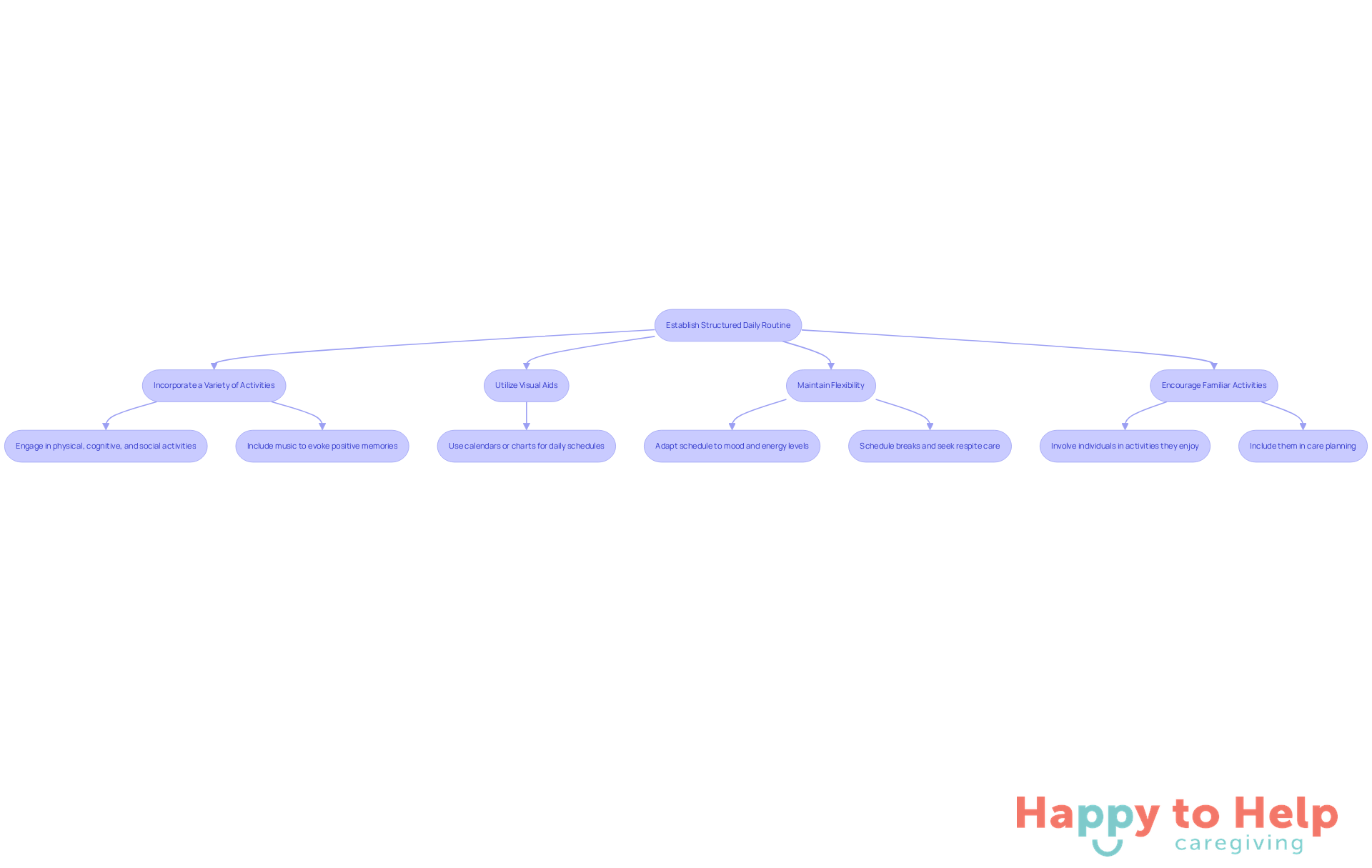
Solution: To combat these issues, caregivers should implement a structured daily routine. Here are some actionable strategies:
- Incorporate a Variety of Activities: Engage individuals in physical, cognitive, and social activities. Light exercise, puzzles, and social interactions can enhance overall well-being. Music can also evoke positive memories and emotional benefits.
- Utilize Visual Aids: Use calendars or charts to help individuals understand their daily schedule. These tools serve as reminders and provide clarity, making navigation easier.
- Maintain Flexibility: Adapt the schedule to the individual's mood and energy levels. Recognizing that some days may require adjustments can reduce frustration and promote a positive experience. Caregivers should also schedule breaks and seek respite care to prevent burnout.
- Encourage Familiar Activities: Involve individuals in activities they enjoy to foster a sense of purpose and connection. Including them in care planning helps maintain dignity and a sense of control, enhancing their overall experience.
Include Essential Daily Activities
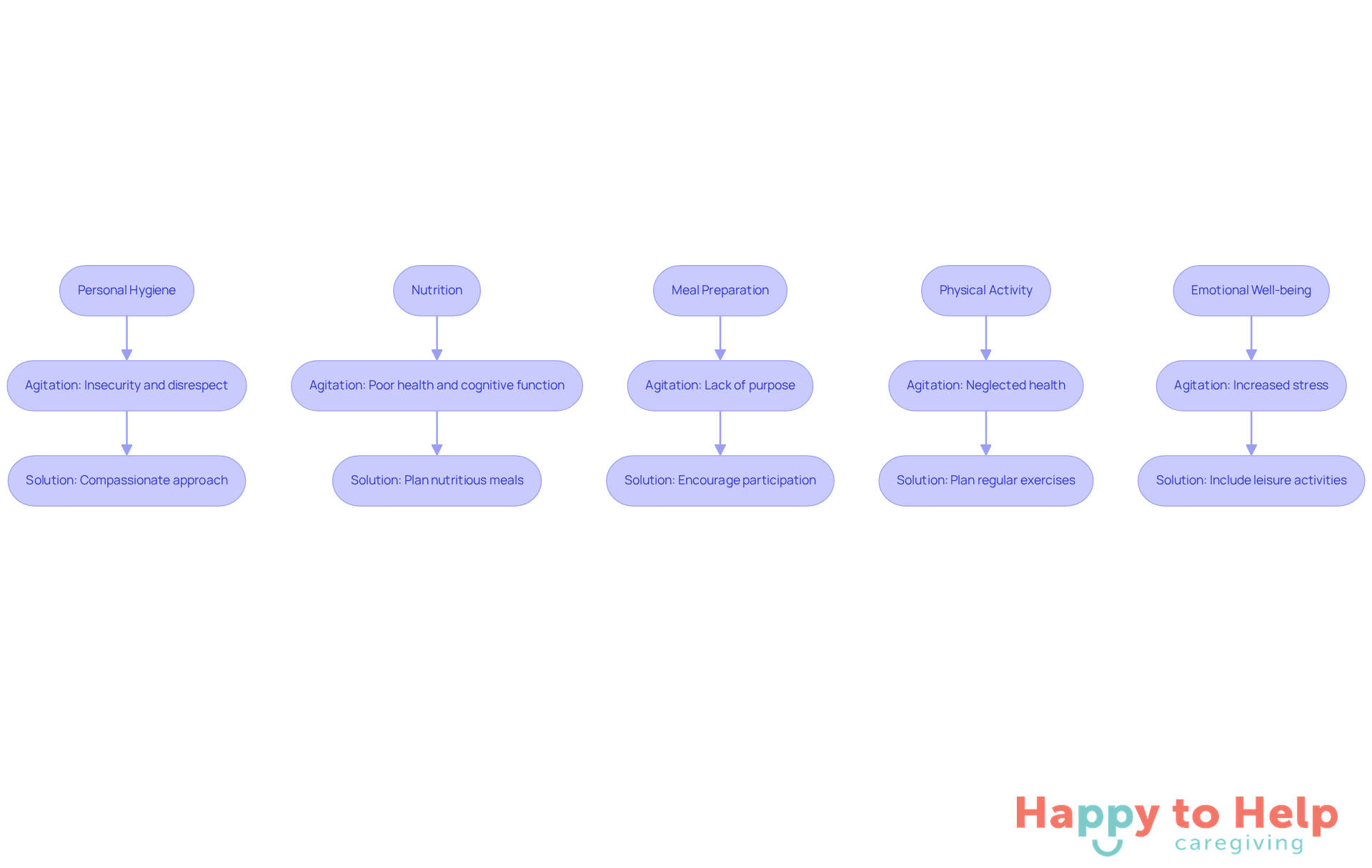
Problem: Caregivers often struggle with assisting individuals with personal hygiene tasks, which can be sensitive and challenging.
Agitation: These tasks, including bathing, grooming, and oral care, are essential for maintaining dignity and comfort. However, without a patient and understanding approach, individuals may feel insecure or disrespected during the process.
Solution: Caregivers should prioritize a compassionate approach, ensuring that the individual feels secure and respected throughout these tasks.
Problem: Nutrition is another critical area where caregivers face challenges, particularly in planning meals that meet dietary restrictions.
Agitation: A well-balanced diet is vital for overall health, and a checklist for dementia patients can help ensure they maintain proper nutrition, which significantly influences mental function.
Solution: Caregivers should plan nutritious meals and snacks tailored to the individual's dietary needs, ensuring balanced nutrition to support their health.
Problem: Engaging individuals in meal preparation can be overlooked, yet it plays a crucial role in their sense of purpose.
Agitation: When patients participate in familiar tasks, it promotes independence and can serve as mental stimulation, which is beneficial for preserving mental well-being.
Solution: Encourage participation in meal preparation to foster engagement and a sense of accomplishment.
Problem: Regular physical activity is often neglected, despite its importance for health and mental function.
Agitation: A checklist for dementia patients should include consistent exercise, as it can enhance mood and cognitive function.
Solution: Plan regular exercises, such as walking or gentle workouts, to improve overall wellness and mental health.
Problem: Caregivers must also consider the emotional well-being of individuals, which can be affected by stress.
Agitation: Without time for relaxation and leisure activities, individuals may experience increased stress and diminished quality of life.
Solution: Include time for activities like reading or listening to music, which can alleviate stress and enhance emotional well-being, ultimately leading to a better quality of life.
Document and Communicate Care Plans
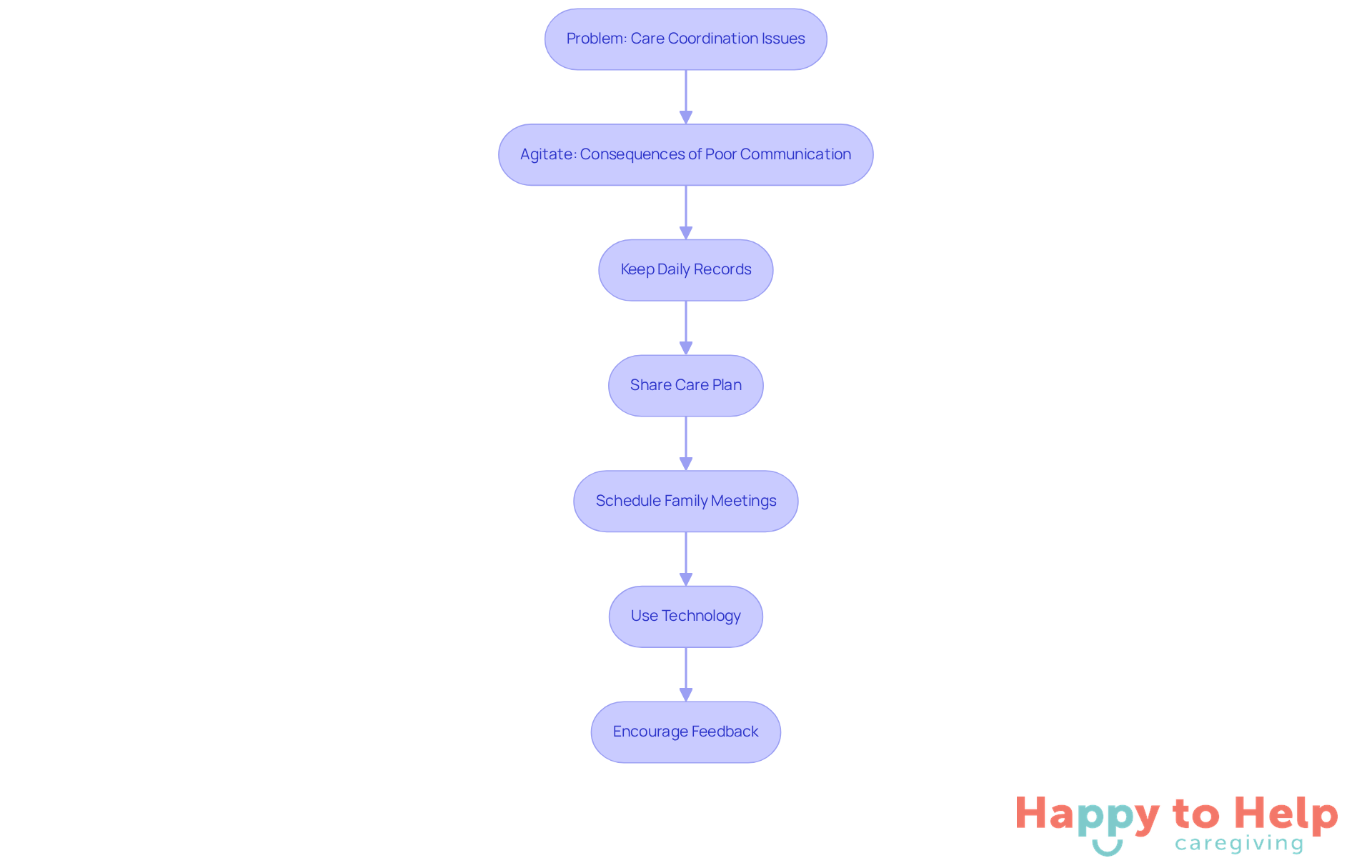
Problem: Caregivers often struggle with managing the complexities of an individual's care, leading to potential gaps in communication and oversight.
Agitate: This lack of coordination can result in inconsistent care, misunderstandings, and ultimately, a decline in the individual's well-being. It's crucial to address these challenges to ensure that everyone involved is on the same page.
Solution: Here are some actionable steps caregivers can take to enhance communication and care:
- Keep a daily record of the individual's activities, moods, and any changes in behavior.
- Share the care plan with all caregivers and family members involved in the individual's care.
- Schedule regular family meetings to discuss the patient's progress and any necessary adjustments to the care plan.
- Use technology, such as shared online documents or apps, to keep everyone updated.
- Encourage feedback from caregivers and family members to improve the care plan.
By implementing these strategies, caregivers can foster a more collaborative environment, ultimately leading to better outcomes for those they care for.
Taking the Next Steps
Creating a comprehensive daily care plan for dementia patients presents a significant challenge for caregivers. Without personalized and effective support, the unique needs of individuals can be overlooked, leading to a diminished quality of life. This issue not only affects the practical aspects of daily care but also impacts the dignity and purpose of those living with dementia.
To address this problem, caregivers must:
- Evaluate cognitive and physical abilities
- Organize daily activities
- Maintain open communication with family members
Utilizing checklists for dementia patients and involving them in their care ensures that essential daily activities - such as personal hygiene, nutrition, and exercise - are not neglected. These strategies promote a holistic approach to care that prioritizes both physical and emotional well-being.
Ultimately, the importance of a well-structured daily care plan cannot be overstated. It serves as a vital tool for caregivers, enabling them to navigate the complexities of dementia care with confidence and compassion. By embracing these practices, caregivers not only enhance the lives of those they care for but also support themselves in their crucial roles. Moving forward, prioritizing the development of tailored care plans that adapt to the evolving needs of dementia patients is imperative, ensuring they receive the respect and support they deserve.
https://iframe.tely.ai/cta/eyJhcnRpY2xlX2lkIjogIjY5Mjc5NGYxMjI0NDc2YzA3YjhmODliNCIsICJjb21wYW55X2lkIjogIjY4ZWU1ZGNhNzMxNzYyNTU3ZjNjOTVjMSIsICJpbmRleCI6IG51bGwsICJ0eXBlIjogImFydGljbGUifQ==Frequently Asked Questions
What problem do caregivers often face when providing care?
Caregivers often struggle to assess the unique needs of those they care for, which can lead to inadequate support.
Why is it important for caregivers to understand an individual's cognitive and physical abilities?
Without a clear understanding of an individual's cognitive and physical abilities, caregivers may overlook essential aspects of care, resulting in frustration for both the caregiver and the individual.
What steps should caregivers take to establish a daily care plan?
Caregivers should evaluate the individual's current cognitive and physical abilities, identify specific needs and preferences using a checklist for dementia patients, create a written daily care plan with routines for meals, personal care, and activities, and regularly review and adjust the checklist based on changing needs.
How can family members contribute to the care plan for dementia patients?
Family members should be involved in creating the checklist for dementia patients to ensure comprehensive care.
What components should be included in a daily care plan for dementia patients?
A daily care plan should include routines for meals, personal care, and activities tailored to the individual's needs and preferences.
List of Sources
- Organize Daily Activities
- Meaningful activities for a person with dementia (https://dementiauk.org/news/meaningful-activities-for-a-person-with-dementia)
- Dementia Care Plan: Guide For Caregivers - NCCDP (https://nccdp.org/dementia-care-plan-guide-for-caregivers)
- The Importance of a Daily Routine for Dementia Patients | Where You Live Matters (https://whereyoulivematters.org/resources/importance-of-routines-for-dementia)
- Is Routine Good for Dementia? | Predictable Care | Tyler, TX (https://civitasseniorliving.com/the-hamptons/is-routine-good-for-dementia)
- Activities for People with Dementia: 30 Expert Tips for Daily Activities and Routines (https://careforth.com/blog/activities-for-people-with-dementia-30-expert-tips-for-daily-activities-and-routines)
- Include Essential Daily Activities
- 7 Essential Tips for Dementia Care Caregivers and Partners | PNI (https://pacificneuroscienceinstitute.org/blog/brain-health/7-essential-tips-for-dementia-care-partners-to-enhance-daily-life-and-well-being)
- Data, Assessment, and Analysis | Alzheimer's Association (https://alz.org/professionals/public-health/public-health-topics/data-assessment-analysis)
- Activities for People with Dementia: 30 Expert Tips for Daily Activities and Routines (https://careforth.com/blog/activities-for-people-with-dementia-30-expert-tips-for-daily-activities-and-routines)
- Daily Care Plan | Alzheimer's Association (https://alz.org/help-support/caregiving/daily-care/daily-care-plan)
- Meaningful activities for a person with dementia (https://dementiauk.org/news/meaningful-activities-for-a-person-with-dementia)