
For families in our service areas
For families in our service areas, this guide explains home care and how non-medical in-home caregiving can support care planning in East Idaho, Treasure Valley & Magic Valley, Northern Wasatch, North Central West Virginia, and Northeast Ohio.
Understanding Essential Home Care for Stroke
Caring for stroke patients at home presents a unique set of challenges that require a nuanced understanding of their specific needs. Family caregivers play a critical role in this process, navigating the complexities of safety, personalized care, and emotional support to foster recovery.
However, the transition from hospital to home can often feel overwhelming. This raises an important question: how can caregivers effectively implement strategies that ensure both safety and emotional well-being for their loved ones?
This article delves into essential home care practices, offering valuable insights and actionable strategies for family caregivers dedicated to supporting stroke survivors on their journey to recovery. By addressing these challenges head-on, caregivers can create a supportive environment that promotes healing and enhances the quality of life for stroke patients.
Understand Core Principles of Home Care for Stroke Patients
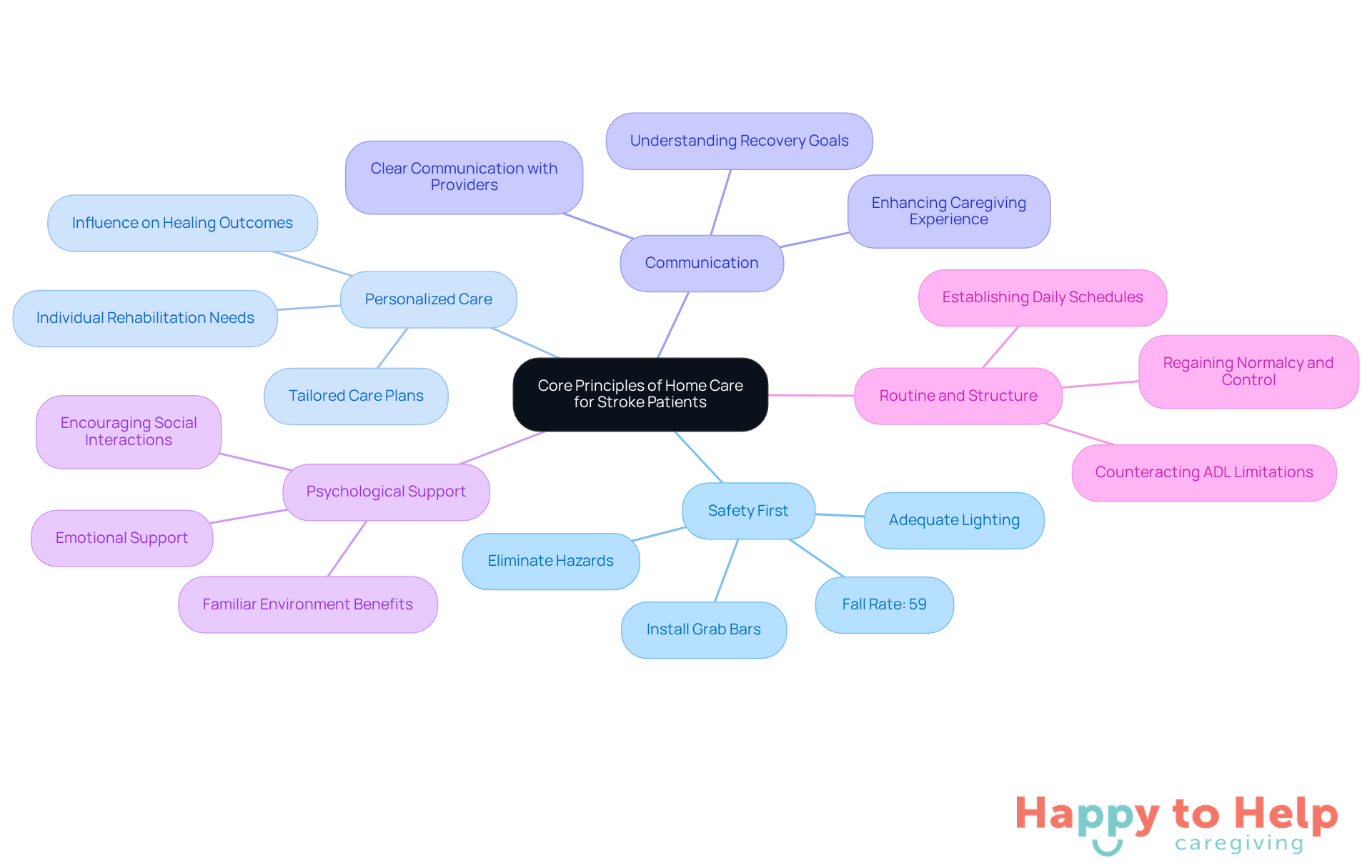
Caring for stroke patients recovering from a brain attack at home involves unique challenges that require a thorough understanding of their needs. Here are some key principles to consider:
-
Safety First: Safety in the home environment is paramount. In home care for stroke patients, caregivers must eliminate hazards, install grab bars, and ensure adequate lighting to prevent falls, which are common among stroke survivors. In fact, research shows that 59% of participants reported falling at home after being discharged from the hospital, underscoring the need for a safe living space.
-
Personalized Care: Each stroke survivor has distinct rehabilitation needs. Tailoring care plans to fit individual capabilities and preferences is essential for effective recovery. Home care for stroke patients significantly influences healing outcomes, fostering a sense of independence and well-being.
-
Communication: Clear communication with healthcare providers and the patient is vital. Understanding the patient's condition and recovery goals allows caregivers to provide appropriate support in home care for stroke patients, thereby enhancing the overall caregiving experience.
-
Psychological Support: Acknowledging the psychological impact of a stroke is crucial. Caregivers should be ready to offer emotional support and encourage social interactions to combat feelings of isolation. As Maya Kylén noted, 'Being at home in a familiar environment can aid the healing process,' emphasizing the importance of home care for stroke patients in supporting emotional well-being during rehabilitation.
-
Routine and Structure: Establishing a daily schedule can help stroke survivors regain a sense of normalcy and control. This structure not only benefits mental health but also supports recovery by encouraging engagement in daily activities. Notably, the percentage of individuals facing limitations in activities of daily living (ADL) increases over time after a cerebrovascular accident, making routines essential to counteract this decline.
Implement Effective Transition Strategies from Hospital to Home
For stroke survivors and their families, transitioning from hospital to home can be daunting, particularly when it involves arranging home care for stroke patients. This challenge often leads to confusion and anxiety, making it crucial to have effective strategies in place for home care for stroke patients to ensure a smooth transition.
-
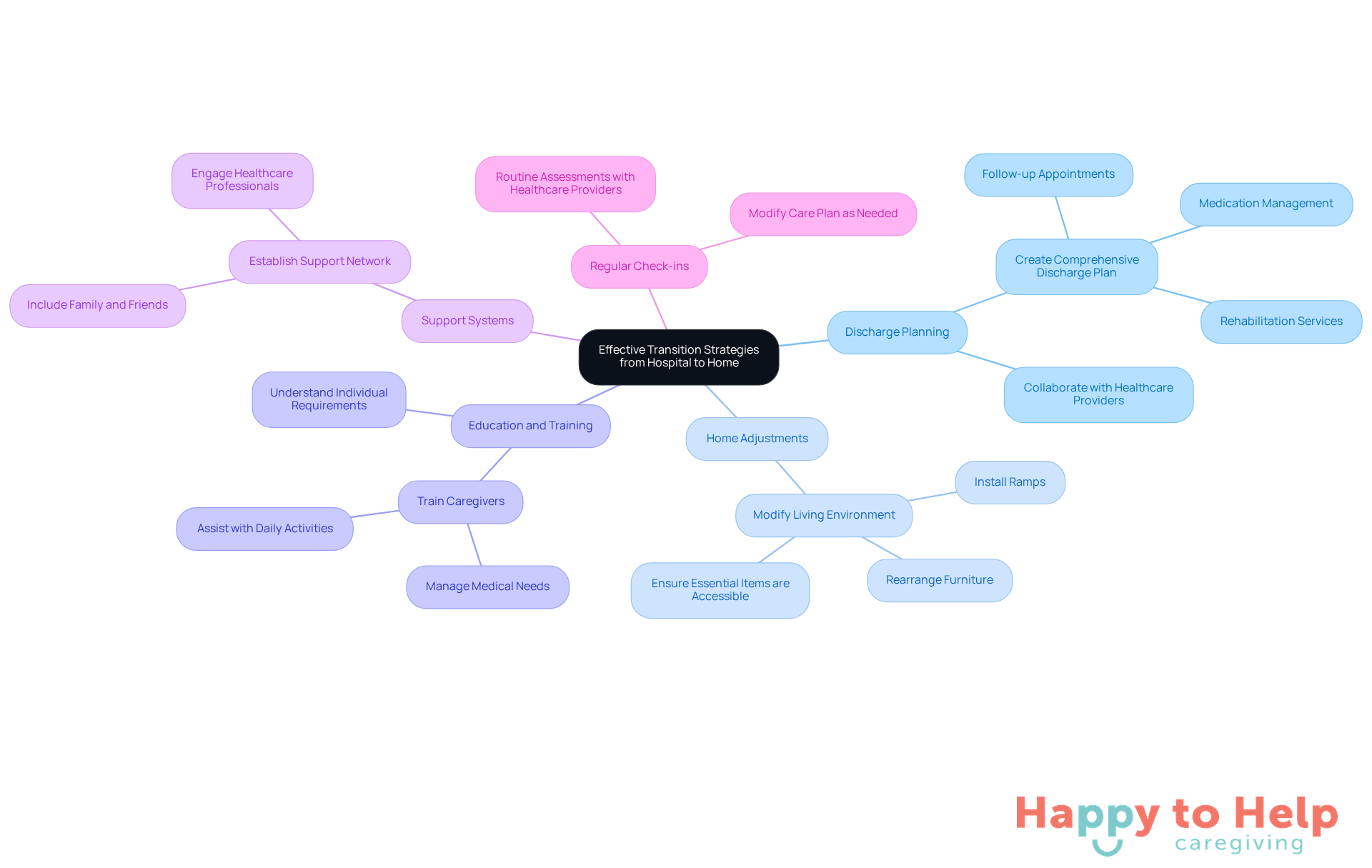
Discharge Planning: Collaborate with healthcare providers to create a comprehensive discharge plan. This plan should include medication management, follow-up appointments, and rehabilitation services to support recovery.
-
Home Adjustments: Before returning home, make necessary modifications to ensure safety and accessibility. Rearranging furniture, installing ramps, and ensuring that essential items are within reach can significantly enhance the living environment.
-
Education and Training: Caregivers must receive training on how to assist with daily activities and manage medical needs. Understanding the individual's specific requirements is essential for providing effective care.
-
Support Systems: Establish a support network that includes family members, friends, and healthcare professionals. This network can offer both emotional and practical support during the transition, helping to alleviate stress.
-
Regular Check-ins: Arrange routine check-ins with healthcare providers to assess the individual's progress. These check-ins allow for necessary modifications to the care plan, ensuring ongoing support and adjustment as needed.
Develop Personalized Care Plans for Optimal Recovery
Developing a personalized care plan is vital for providing effective home care for stroke patients on their recovery journey. However, many caregivers face significant challenges in this process.
Problem: Research shows that over 50% of stroke survivors are discharged without a clear identification of their stroke's underlying cause. This lack of clarity can hinder effective recovery. Additionally, uninsured individuals and those on Medicaid are 63% less likely to obtain post-stroke rehabilitation at inpatient facilities, making access to essential care a pressing issue.
Agitate: The implications of these challenges are profound. Without a thorough assessment of their needs, stroke survivors may struggle to regain lost abilities, leading to prolonged recovery times and diminished quality of life. As Juliet Bouverie OBE noted, the absence of comprehensive home care for stroke patients recovering from cerebrovascular incidents is concerning, underscoring the necessity for effective continuous support.
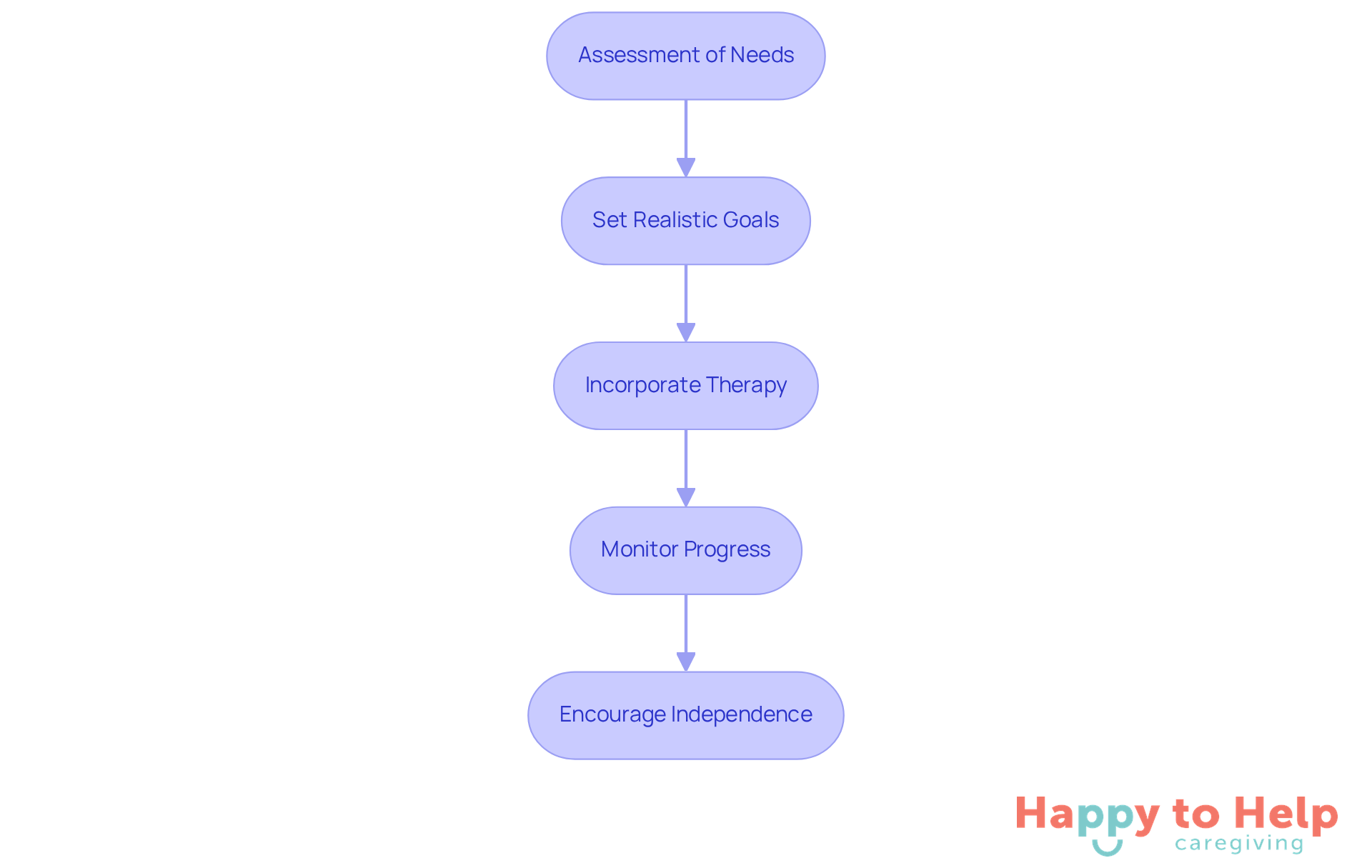
Solution: Here’s how to develop an effective care plan:
-
Assessment of Needs: Conduct a comprehensive evaluation of the individual's physical, emotional, and cognitive needs. Collaborate with healthcare professionals and family members to ensure a complete understanding of the individual's condition.
-
Set Realistic Goals: Work closely with the individual and their healthcare team to establish specific, measurable, and time-bound healing objectives. The American Heart Association emphasizes that personalized goal setting is crucial for improving engagement and outcomes.
-
Incorporate Therapy: Integrate physical, occupational, and speech therapy into the care plan. Routine therapy appointments are essential for enhancing healing rates and are a crucial component of home care for stroke patients, assisting individuals in regaining lost abilities. Prompt access to rehabilitation services, including home care for stroke patients, greatly influences recovery, yet many individuals encounter obstacles to obtaining sufficient post-stroke rehabilitation.
-
Monitor Progress: Regularly review and adjust the care plan based on the individual's evolving needs and progress. This dynamic approach ensures that the care remains relevant and effective, addressing any emerging challenges promptly.
-
Encourage Independence: Design activities that foster independence, allowing the patient to engage actively in their care. This boosts their confidence and enhances motivation, which is critical for recovery. Evidence indicates that encouraging self-management can lead to better health outcomes and improved quality of life for individuals recovering from a brain injury.
Foster Emotional Support and Companionship in Caregiving
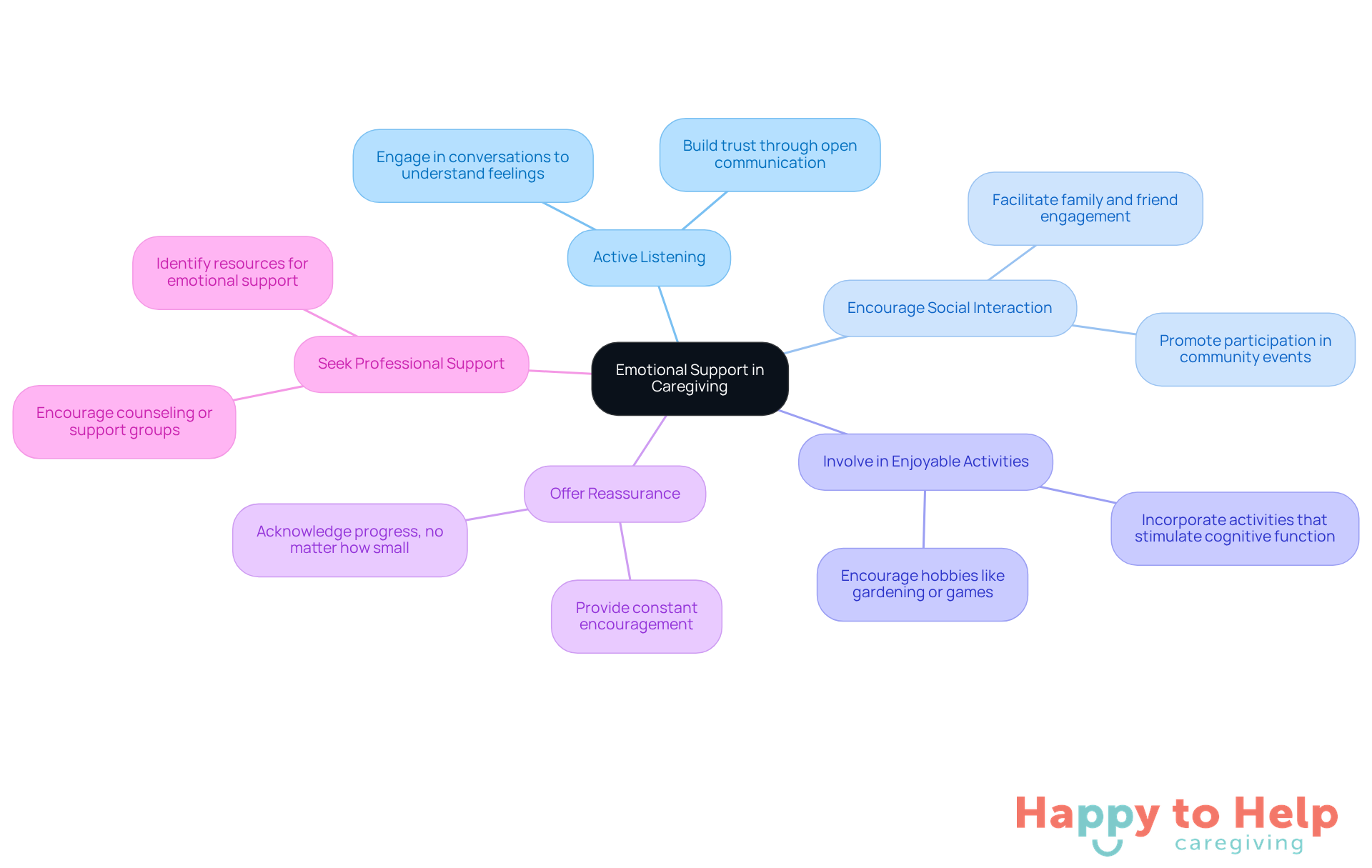
Emotional support is a cornerstone of effective home care for stroke patients during their recovery. Without it, caregivers may face challenges such as feelings of isolation and decreased mental well-being for their loved ones. This can lead to a lack of motivation and hinder the recovery process.
To foster companionship and emotional well-being, consider these strategies:
- Active Listening: Engage in active listening to understand the individual's feelings and concerns. This builds trust and encourages open communication.
- Encourage social interaction in home care for stroke patients by facilitating opportunities for the individual to engage with family and friends. Social involvement can reduce feelings of loneliness and enhance mental well-being.
- In home care for stroke patients, it is important to involve the individual in activities they enjoy, whether it’s watching movies, gardening, or playing games. This not only provides enjoyment but also stimulates cognitive function.
- Offer constant reassurance and encouragement in home care for stroke patients. Acknowledge their progress, no matter how small, to boost their confidence.
- Seek Professional Support: If necessary, encourage the patient to seek professional emotional support, such as counseling or support groups, to address deeper emotional issues.
Moving Forward with Essential Home Care for Stroke
Caring for stroke patients at home presents significant challenges that require a deep understanding of their unique needs. The implications of inadequate care can be severe, affecting both recovery and quality of life for stroke survivors and their families. Therefore, implementing effective strategies is crucial.
Key strategies include:
- Ensuring safety
- Personalizing care plans
- Fostering emotional support
These core principles not only facilitate a smoother recovery process but also enhance the overall well-being of stroke survivors. Establishing safe environments, developing tailored care plans, and encouraging social interactions are essential practices that support recovery. Moreover, effective communication with healthcare providers and addressing emotional and psychological needs highlight the complexities of caregiving in this context.
To navigate these challenges, family caregivers must actively seek out resources and support systems. By prioritizing safety, personalization, and emotional well-being, caregivers can significantly influence the recovery trajectory of stroke patients. Embracing these best practices fosters independence and confidence in survivors while reinforcing the importance of compassionate care in the healing process.
https://iframe.tely.ai/cta/eyJhcnRpY2xlX2lkIjogIjY5NDFmMzU5MDNjMTJkY2ZiNTk2MGFlNiIsICJjb21wYW55X2lkIjogIjY4ZWU1ZGNhNzMxNzYyNTU3ZjNjOTVjMSIsICJpbmRleCI6IG51bGwsICJ0eXBlIjogImFydGljbGUifQ==Frequently Asked Questions
What is the primary focus of home care for stroke patients?
The primary focus of home care for stroke patients is to address their unique challenges and needs during recovery, ensuring a safe and supportive environment that fosters healing.
Why is safety important in the home care of stroke patients?
Safety is crucial because stroke survivors are at a high risk of falling, with 59% of participants in studies reporting falls at home after discharge from the hospital. Caregivers must eliminate hazards and install safety features to prevent these incidents.
How should care plans be developed for stroke survivors?
Care plans should be personalized to fit the individual capabilities and preferences of each stroke survivor, as this tailored approach significantly influences healing outcomes and promotes a sense of independence.
What role does communication play in the care of stroke patients?
Clear communication with healthcare providers and the patient is vital for understanding the patient's condition and recovery goals, allowing caregivers to provide appropriate support and enhance the caregiving experience.
Why is psychological support important for stroke patients?
Psychological support is essential because stroke can have significant emotional impacts. Caregivers should offer emotional support and encourage social interactions to help combat feelings of isolation and promote emotional well-being during rehabilitation.
How does establishing a routine benefit stroke survivors?
Establishing a daily schedule helps stroke survivors regain a sense of normalcy and control, benefiting their mental health and supporting recovery by encouraging engagement in daily activities. Routines are particularly important as limitations in activities of daily living tend to increase over time after a stroke.
List of Sources
- Understand Core Principles of Home Care for Stroke Patients
- This underused type of care can help in stroke recovery, report says (https://heart.org/en/news/2024/12/16/this-underused-type-of-care-can-help-in-stroke-recovery-report-says)
- Caregivers, home health an essential element of stroke rehab, American Heart Association says (https://mcknightshomecare.com/news/caregivers-home-health-an-essential-element-of-stroke-rehab-american-heart-association-says)
- Housing Accessibility at Home and Rehabilitation Outcomes After a Stroke: An Explorative Study - PMC (https://pmc.ncbi.nlm.nih.gov/articles/PMC10621028)
- Nursing homes may be underused in stroke recovery; new research urges better guidelines (https://paltmed.org/news-media/nursing-homes-may-be-underused-stroke-recovery-new-research-urges-better-guidelines)
- Implement Effective Transition Strategies from Hospital to Home
- Making the Transition: An Integral Part of Stroke Care - InventUM (https://news.med.miami.edu/making-the-transition-an-integral-part-of-stroke-care)
- Let’s Talk About Living at Home After Stroke (https://stroke.org/en/help-and-support/resource-library/lets-talk-about-stroke/living-at-home-after-stroke)
- Postacute Stroke Care: Transitioning from Hospital to Home (https://practicalneurology.com/diseases-diagnoses/stroke/postacute-stroke-care-transitioning-from-hospital-to-home/31961)
- At-home support helps stroke patients adjust after hospital stay (https://msutoday.msu.edu/news/2019/07/at-home-support-helps-stroke-patients-adjust-after-hospital-stay)
- Modifying homes for stroke survivors saves lives, extends independence | WashU Medicine (https://medicine.washu.edu/news/modifying-homes-for-stroke-survivors-saves-lives-extends-independence)
- Develop Personalized Care Plans for Optimal Recovery
- When care teams unite, stroke outcomes improve (https://ama-assn.org/public-health/prevention-wellness/when-care-teams-unite-stroke-outcomes-improve)
- Post-stroke care is in crisis as two thirds of survivors don’t get structured support, reveals the Stroke Association on World Stroke Day (https://mynewsdesk.com/uk/stroke-association/pressreleases/post-stroke-care-is-in-crisis-as-two-thirds-of-survivors-dont-get-structured-support-reveals-the-stroke-association-on-world-stroke-day-3412957)
- Improving Access to Stroke Rehabilitation and Recovery: A Policy Statement From the American Heart Association/American Stroke Association | Stroke (https://ahajournals.org/doi/10.1161/STR.0000000000000493)
- Personalizing Stroke Care and Recovery (https://vizientinc.com/insights/podcasts/sg2-perspectives/2025/personalizing-stroke-care-and-recovery)
- Stronger policy, improved recovery: closing gaps in stroke rehabilitation improves lives (https://newsroom.heart.org/news/stronger-policy-improved-recovery-closing-gaps-in-stroke-rehabilitation-improves-lives)
- Foster Emotional Support and Companionship in Caregiving
- Nurses play key role in addressing mental well-being for people after a stroke (https://newsroom.heart.org/news/nurses-play-key-role-in-addressing-mental-well-being-for-people-after-a-stroke)
- The Emotional Benefits of Companion Care for Seniors (https://comfortkeepers.com/offices/texas/round-rock/resources/news/the-emotional-benefits-of-companion-care-for-seniors)
- My Loved One Had a Stroke: How to Support Their Recovery (https://progressivetherapyassociates.com/news-story.php?ID=81)
- Emotional Support After a Stroke: Tips for Families (https://phoenixhomehc.com/news/emotional-support-tips-for-a-loved-one-recovering-from-a-stroke)