
For families in our service areas
For families in our service areas, this guide explains caregiver support and how non-medical in-home caregiving can support care planning in East Idaho, Treasure Valley & Magic Valley, Northern Wasatch, North Central West Virginia, and Northeast Ohio.
The Importance of Essential Hydration
Optimal health relies heavily on hydration, a crucial yet often overlooked aspect, especially for seniors whose bodies are made up of about 65% water. As we age, our natural sense of thirst diminishes, making it vital for caregivers to recognize the essential role hydration plays in enhancing the quality of life for elderly individuals.
Many caregivers face emotional challenges, feeling stressed and overwhelmed by the responsibility of ensuring their loved ones stay hydrated. Misconceptions about hydration needs in older adults can add to this burden. So, how can caregivers effectively support their loved ones in maintaining proper hydration and avoiding the serious health risks that come with dehydration?
Understanding these challenges is the first step. By acknowledging the emotional weight caregivers carry, we can explore practical solutions together. It's important to foster an environment where caregivers feel supported and empowered to take action.
Remember, you’re not alone in this journey. With the right knowledge and resources, you can make a significant difference in the lives of those you care for. Let's navigate this path together, ensuring that hydration becomes a priority in your caregiving routine.
Explore the Importance of Hydration for Seniors
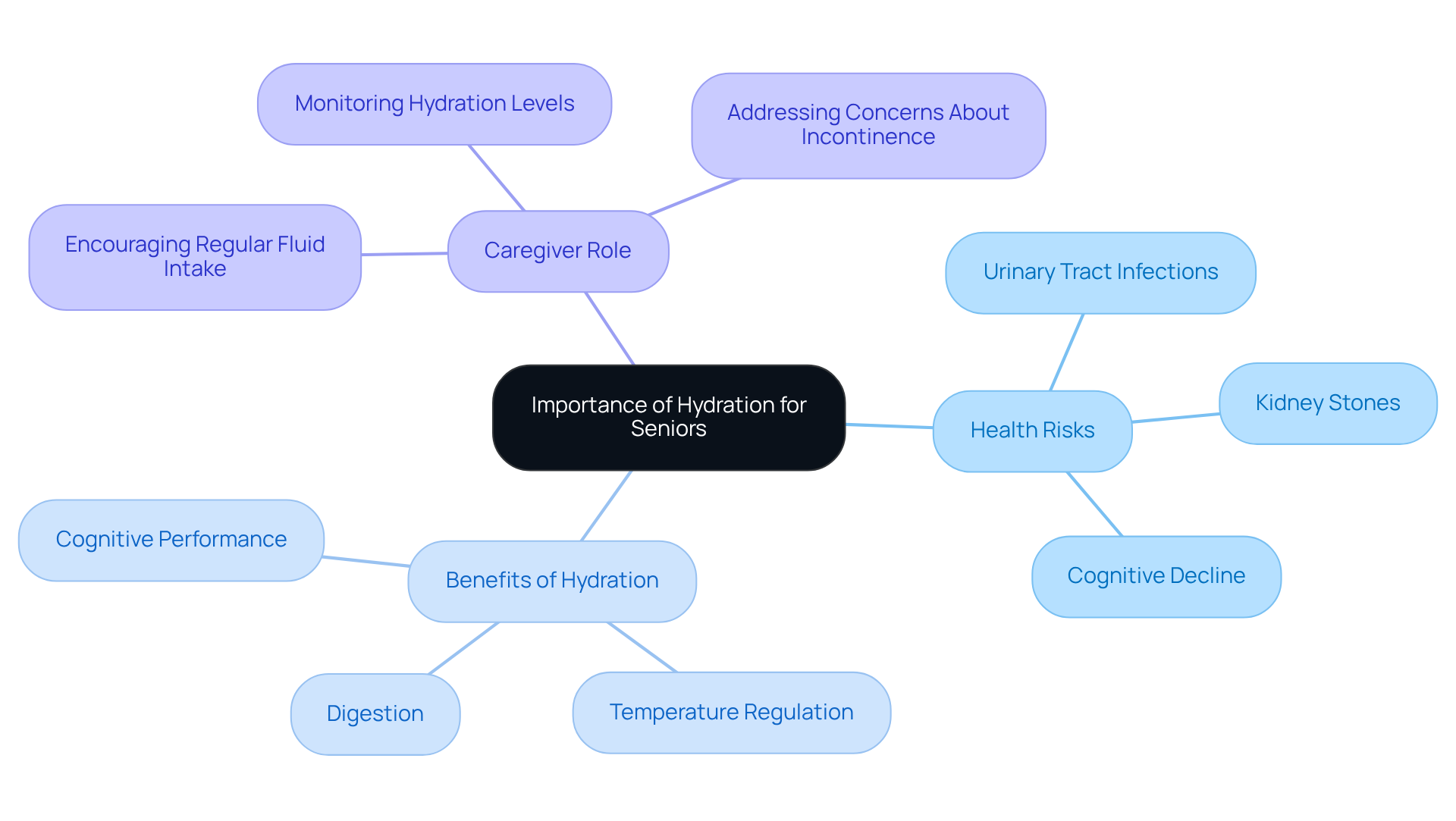
Maintaining health requires hydration for seniors, as their bodies are composed of about 65% water. As we age, the ability to sense thirst can fade, highlighting the importance of hydration for seniors to reduce the risk of dehydration. It’s important to recognize that older individuals may not always feel thirsty, highlighting the necessity of hydration for seniors to prevent serious health issues.
Adequate fluid intake supports essential functions like digestion, temperature regulation, and cognitive performance. Caregivers, your role is crucial here. By proactively encouraging hydration for seniors, you can help prevent complications such as:
- Urinary tract infections
- Kidney stones
- Cognitive decline
Imagine the difference consistent water intake can make in the quality of life for elderly individuals. It fosters overall wellness and autonomy, allowing them to thrive. Remember, your compassionate care can significantly impact their health and happiness.
Identify Key Benefits of Staying Hydrated
Staying hydrated is crucial for hydration for seniors, as it brings a host of benefits that can truly enhance their quality of life. Let’s explore some of these together:
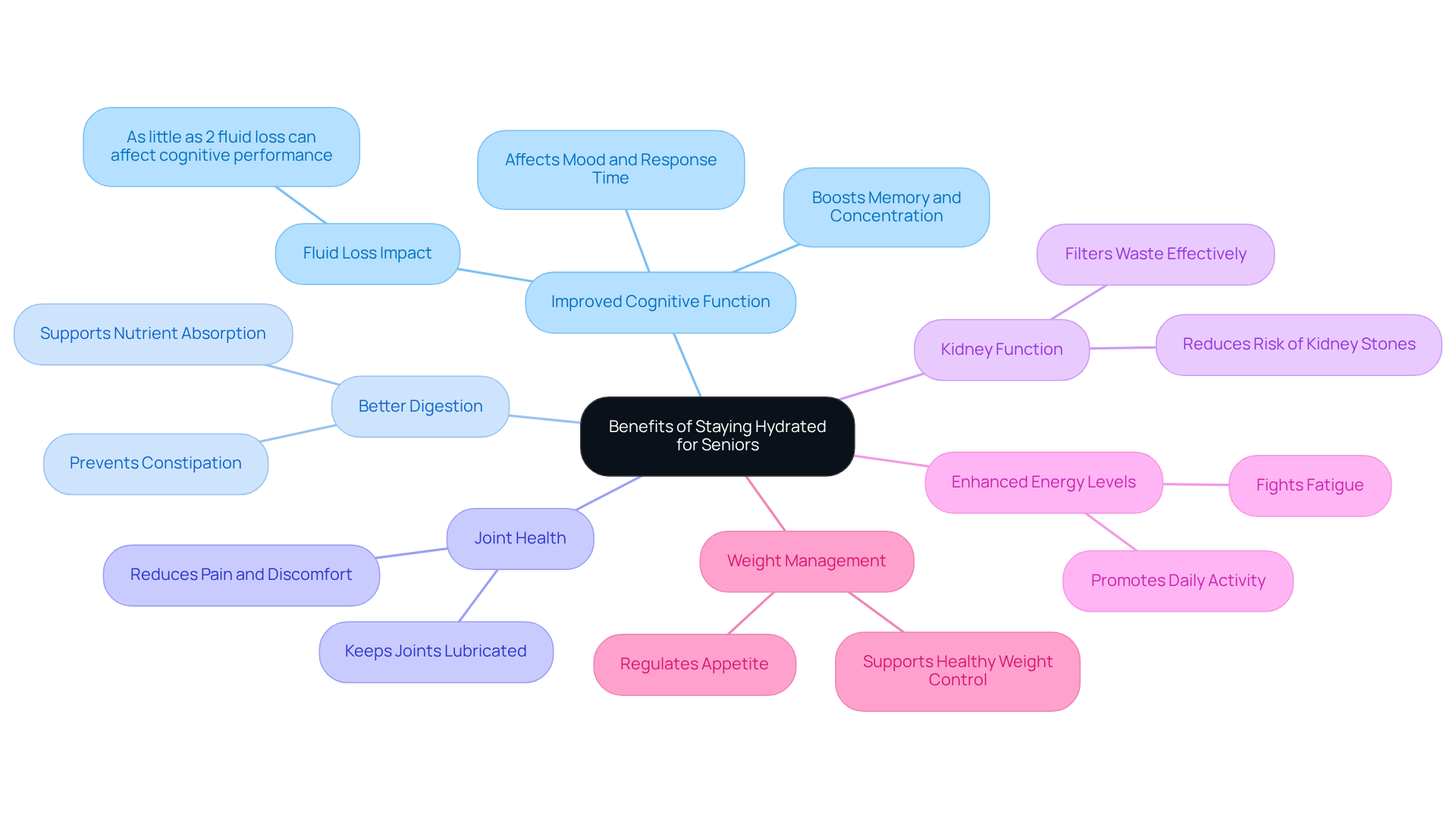
- Improved Cognitive Function: Staying well-hydrated is essential for brain health. It can significantly boost memory, mood, and concentration. Research shows that hydration for seniors through higher water intake is linked to better attention and short-term memory. Even a small amount of fluid loss can affect memory, mood, focus, and response time. That’s why it’s crucial for caregivers to keep an eye on fluid levels to ensure proper hydration for seniors.
- Better Digestion: Water plays a vital role in digestion, helping to prevent constipation, which is a common issue among older adults. By ensuring adequate fluid intake, we support the digestive system, making nutrient absorption and waste elimination more efficient.
- Joint Health: Hydration is key to keeping joints lubricated, which can ease pain and discomfort related to arthritis. When joints are well-hydrated, they’re less likely to feel stiff, promoting greater mobility and comfort.
- Kidney Function: Drinking enough fluids helps the kidneys filter waste effectively, reducing the risk of kidney stones and infections. This is especially important for older individuals, as hydration for seniors is vital to address the higher risk for fluid loss and related issues. In fact, fluid loss can affect up to 28% of elderly individuals, highlighting the need for caregivers to prioritize hydration for seniors.
- Enhanced Energy Levels: Proper hydration can fight fatigue, allowing seniors to stay active and engaged in their daily lives. Even mild dehydration can lead to decreased energy and increased tiredness.
- Weight Management: Drinking fluids can help regulate appetite and support healthy weight control, which is vital for overall health. Studies suggest that increasing fluid intake can lead to lower calorie consumption and help maintain a healthy weight.
The European Food Safety Authority (EFSA) recommends that men aged 14 to 70 drink about 2.5 liters of liquid each day, while women should aim for 2.0 liters. This guideline serves as a helpful reminder for caregivers. By emphasizing hydration for seniors, caregivers can significantly improve the quality of life for elderly individuals, supporting their cognitive function, digestion, joint health, and overall well-being. Remember, every small step counts in making a big difference!
Implement Effective Hydration Strategies for Daily Life
Caring for seniors often comes with its own set of challenges, especially regarding hydration for seniors. As caregivers, it’s essential to recognize the emotional weight of this responsibility. Here are some nurturing strategies to promote effective hydration in our loved ones:
-
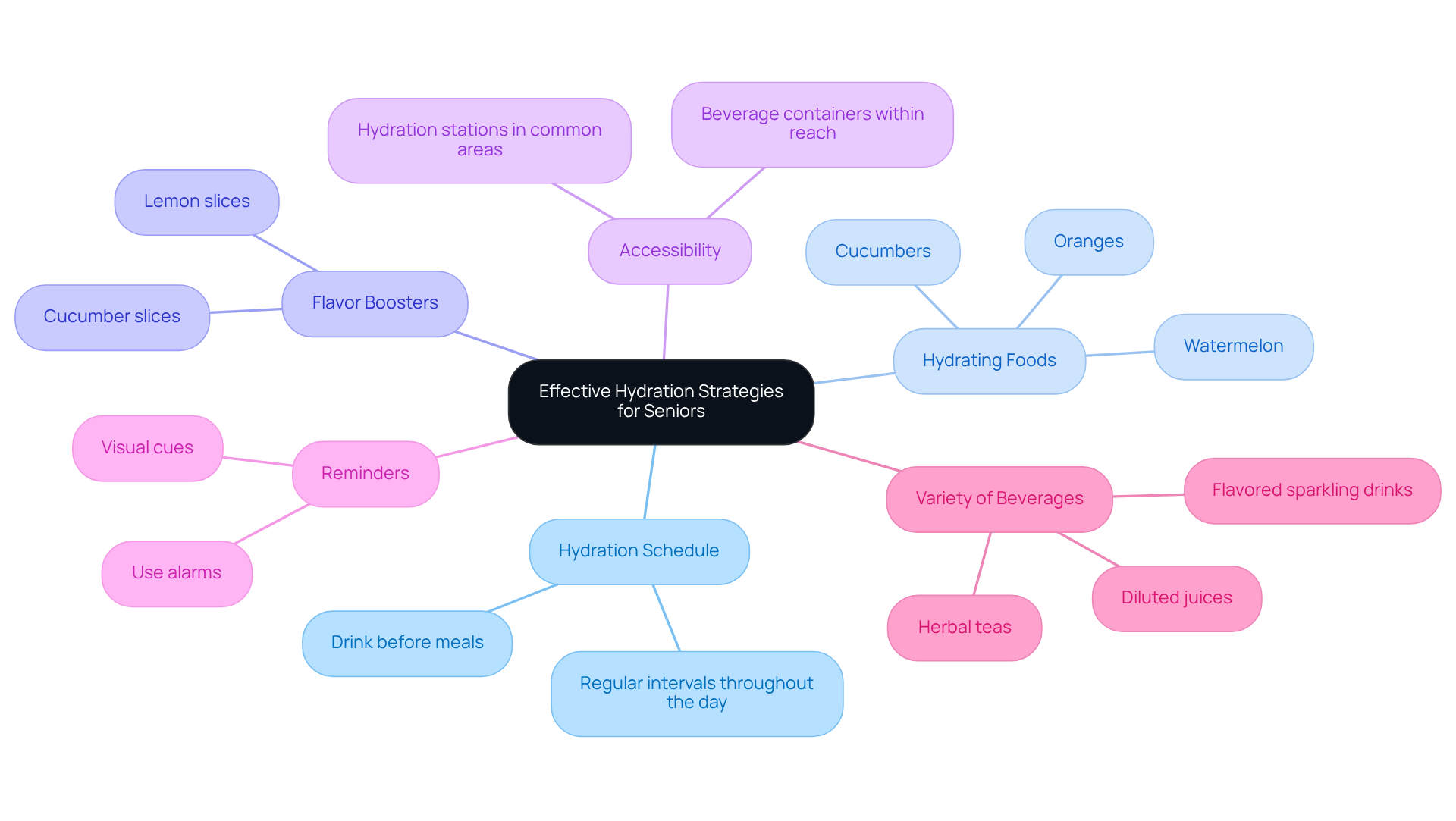
Create a Hydration Schedule: Establishing a routine can make a world of difference. Encourage seniors to drink water at regular intervals, like before meals and snacks. A structured fluid intake schedule can significantly enhance hydration for seniors, helping them maintain adequate moisture levels throughout the day.
-
Incorporate Hydrating Foods: Adding fruits and vegetables with high moisture content - think cucumbers, watermelon, and oranges - can be a delightful way to boost hydration. These foods not only hydrate but also provide essential nutrients that support overall health, making meals more enjoyable.
-
Utilize Flavor Boosters: If plain water doesn’t excite them, consider adding natural flavor enhancers like lemon or cucumber slices. This simple tweak can make drinking more enjoyable, encouraging older adults to consume more liquids without the monotony of plain beverages.
-
Keep Refreshments Accessible: Positioning beverage containers or cups within easy reach can promote frequent sipping throughout the day. Accessibility is key; having a drink close by can promote hydration for seniors more often.
-
Set Reminders: Sometimes, a gentle nudge is all it takes. Use alarms or visual cues to remind seniors to drink, especially if they tend to forget. Regular reminders can significantly increase hydration for seniors, as many older adults may not feel thirsty or may overlook the importance of staying hydrated.
-
Offer a Variety of Beverages: Providing a range of hydrating options - like herbal teas, diluted juices, and flavored sparkling drinks - can cater to different tastes. This variety can transform fluid intake from a chore into an enjoyable part of their daily routine.
Real-life examples of fluid intake schedules can involve specific times for water consumption, such as drinking a glass of water after waking up, with meals, and before bedtime. Research shows that organized fluid intake interventions can lead to a 50% reduction in fluid-related events, underscoring the effectiveness of these strategies. Moreover, behavioral interventions have shown that participants consume an average of 300.93 mL more liquid per day compared to those receiving standard care.
Implementing these fluid intake techniques not only helps prevent dehydration but also promotes hydration for seniors, enhancing their overall quality of life. As caregivers, it’s vital to remember that nurturing oneself is not selfish; it’s essential for well-being. By fostering a supportive atmosphere for fluid intake, we can significantly impact our loved ones' health and happiness.
Overcome Challenges and Misconceptions About Hydration
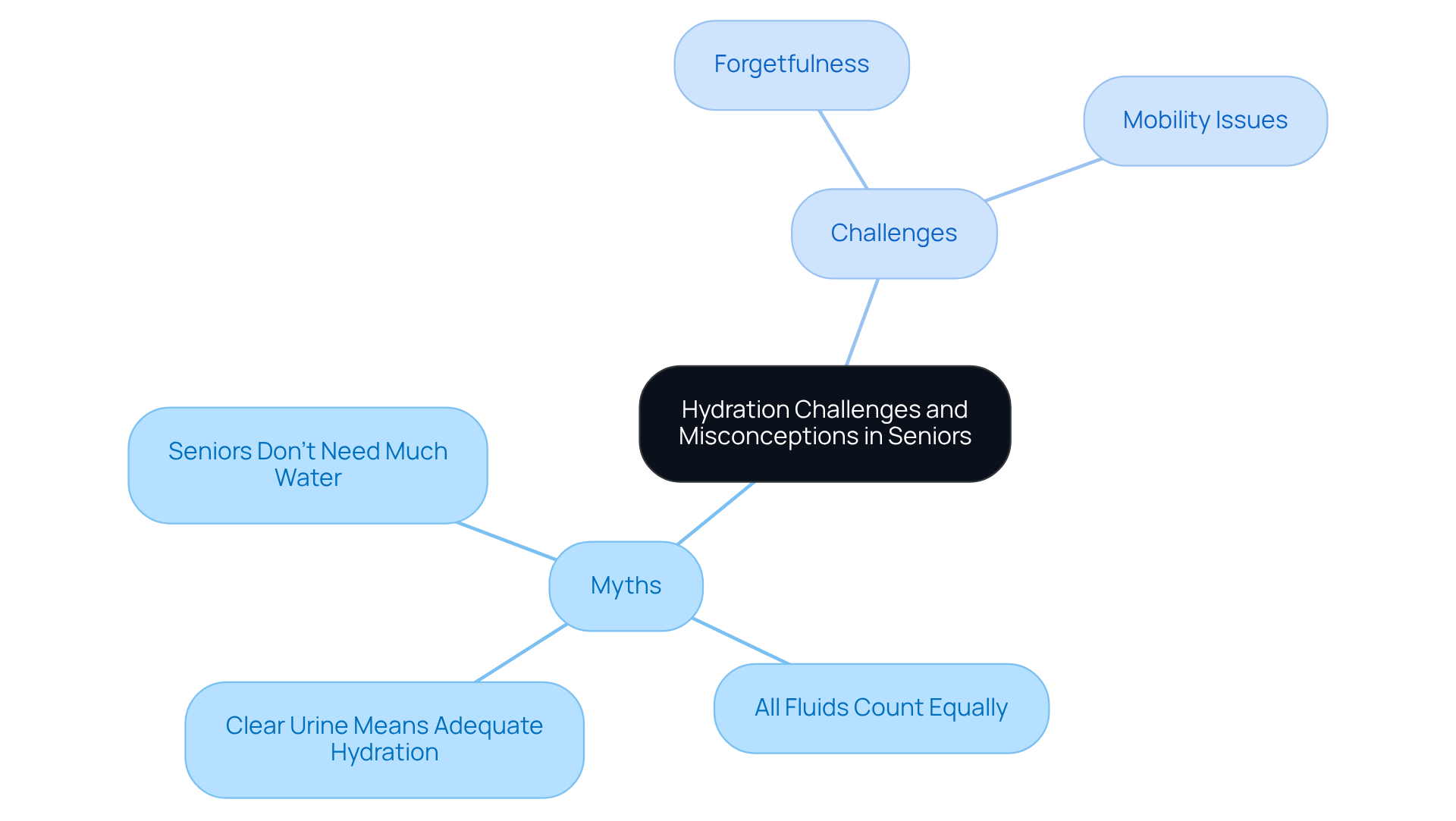
Caregivers often encounter various challenges and misconceptions about hydration in seniors, and it’s important to address these with compassion:
-
Myth: Seniors Don't Need to Drink Much Water: It’s a common belief that older adults don’t need to drink as much water, but that’s not the case. In reality, seniors may need the same or even more water than younger individuals, emphasizing the need for proper hydration for seniors as their thirst sensitivity decreases. To achieve proper hydration for seniors, older adults should aim for about 9 cups of fluids daily for women and 13 cups for men aged 51 and above.
-
Challenge: Forgetfulness: Many seniors might forget to drink water, which emphasizes the need for proper hydration for seniors to avoid dehydration. Research indicates that fluid levels can drop by 2-3% of body weight before thirst kicks in, and thirst doesn’t always reflect fluid balance. Caregivers can help by setting reminders and establishing routines for fluid intake to encourage hydration for seniors.
-
Myth: All Fluids Count Equally: While all liquids contribute to hydration, drinks high in caffeine or sugar can actually lead to fluid loss. Moderate coffee consumption-up to four cups a day-doesn’t cause dehydration, but caregivers should prioritize water and other hydrating liquids.
-
Challenge: Mobility Issues: Seniors with mobility challenges may find it difficult to access liquids on their own. It’s essential for caregivers to ensure that water is readily available to assist in hydration for seniors, especially during hot weather or after physical activity.
-
Myth: Clear Urine Means Adequate Hydration: Clear urine can suggest good hydration, but it’s not the only indicator. Caregivers should monitor overall fluid consumption and watch for signs of dehydration to promote hydration for seniors, such as dry mouth, fatigue, or dark yellow urine. Recognizing these symptoms early is vital to prevent severe dehydration, which can lead to serious health issues like cognitive decline and urinary tract infections.
By understanding these myths and challenges, caregivers can provide the compassionate support that seniors need for hydration and to stay healthy.
Making the Right Choice
Ensuring proper hydration for seniors goes beyond just quenching thirst; it’s a vital part of maintaining health and enhancing quality of life. As our loved ones age, their sensitivity to thirst often diminishes. This makes it essential for caregivers to actively encourage fluid intake. By recognizing the importance of hydration, caregivers can truly make a difference in preventing dehydration-related health issues and promoting overall well-being in elderly individuals.
Staying hydrated brings several key benefits, such as:
- Improved cognitive function
- Better digestion
- Enhanced joint health
- Increased energy levels
Simple yet effective hydration strategies - like creating a hydration schedule, incorporating hydrating foods, and using flavor boosters - can significantly help seniors maintain adequate fluid intake. It’s also important to address common misconceptions and challenges surrounding hydration, as this knowledge empowers caregivers to provide the best support for their loved ones.
Ultimately, promoting hydration among seniors is a compassionate endeavor that can lead to meaningful improvements in their health and happiness. By implementing effective hydration strategies and staying vigilant about fluid intake, caregivers can leave a lasting impact on the lives of elderly individuals. This commitment not only enhances their physical well-being but also nurtures a sense of autonomy and vitality, allowing them to thrive in their daily lives.
https://iframe.tely.ai/cta/eyJhcnRpY2xlX2lkIjogIjY5MWZhYzVmYzQ4NjU1NjRkNDliYzY0ZSIsICJjb21wYW55X2lkIjogIjY4ZWU1ZGNhNzMxNzYyNTU3ZjNjOTVjMSIsICJpbmRleCI6IG51bGwsICJ0eXBlIjogImFydGljbGUifQ==Frequently Asked Questions
Why is hydration important for seniors?
Hydration is crucial for seniors because their bodies are composed of about 65% water, and as they age, their ability to sense thirst can diminish, increasing the risk of dehydration.
What health risks can arise from dehydration in seniors?
Dehydration in seniors can lead to serious health issues such as urinary tract infections, kidney stones, and cognitive decline.
How does adequate fluid intake benefit seniors?
Adequate fluid intake supports essential functions like digestion, temperature regulation, and cognitive performance.
What role do caregivers play in promoting hydration for seniors?
Caregivers play a vital role in encouraging hydration for seniors by proactively reminding and assisting them to drink fluids, which helps prevent complications related to dehydration.
How can consistent water intake affect the quality of life for elderly individuals?
Consistent water intake can significantly enhance the quality of life for elderly individuals by fostering overall wellness and autonomy, allowing them to thrive.