
For families in our service areas
For families in our service areas, this guide explains in-home care and how non-medical in-home caregiving can support care planning in East Idaho, Treasure Valley & Magic Valley, Northern Wasatch, North Central West Virginia, and Northeast Ohio.
Understanding Essential In-Home Care for Parkinson
Understanding the complexities of Parkinson's Disease presents a significant challenge for caregivers who are essential in the lives of those affected by this progressive condition. As the prevalence of Parkinson's continues to rise, caregivers face increasing difficulties-from managing complex symptoms to ensuring safety at home. These challenges can lead to stress and burnout, making it crucial for caregivers to find effective ways to navigate their responsibilities while also prioritizing their own well-being.
So, how can caregivers tackle these hurdles? This guide explores essential strategies for providing compassionate and effective in-home care. By implementing these actionable solutions, caregivers can enhance the quality of life for both themselves and their loved ones.
Key Strategies for Caregivers:
- Educate Yourself: Understanding Parkinson's Disease and its symptoms can empower caregivers to respond effectively.
- Establish a Routine: Consistency can help manage symptoms and provide a sense of stability for both the caregiver and the person receiving care.
- Seek Support: Connecting with support groups or professional resources can alleviate feelings of isolation and provide valuable insights.
By focusing on these strategies, caregivers can not only improve their caregiving experience but also foster a more supportive environment for their loved ones.
Understand Parkinson's Disease and Its Impact
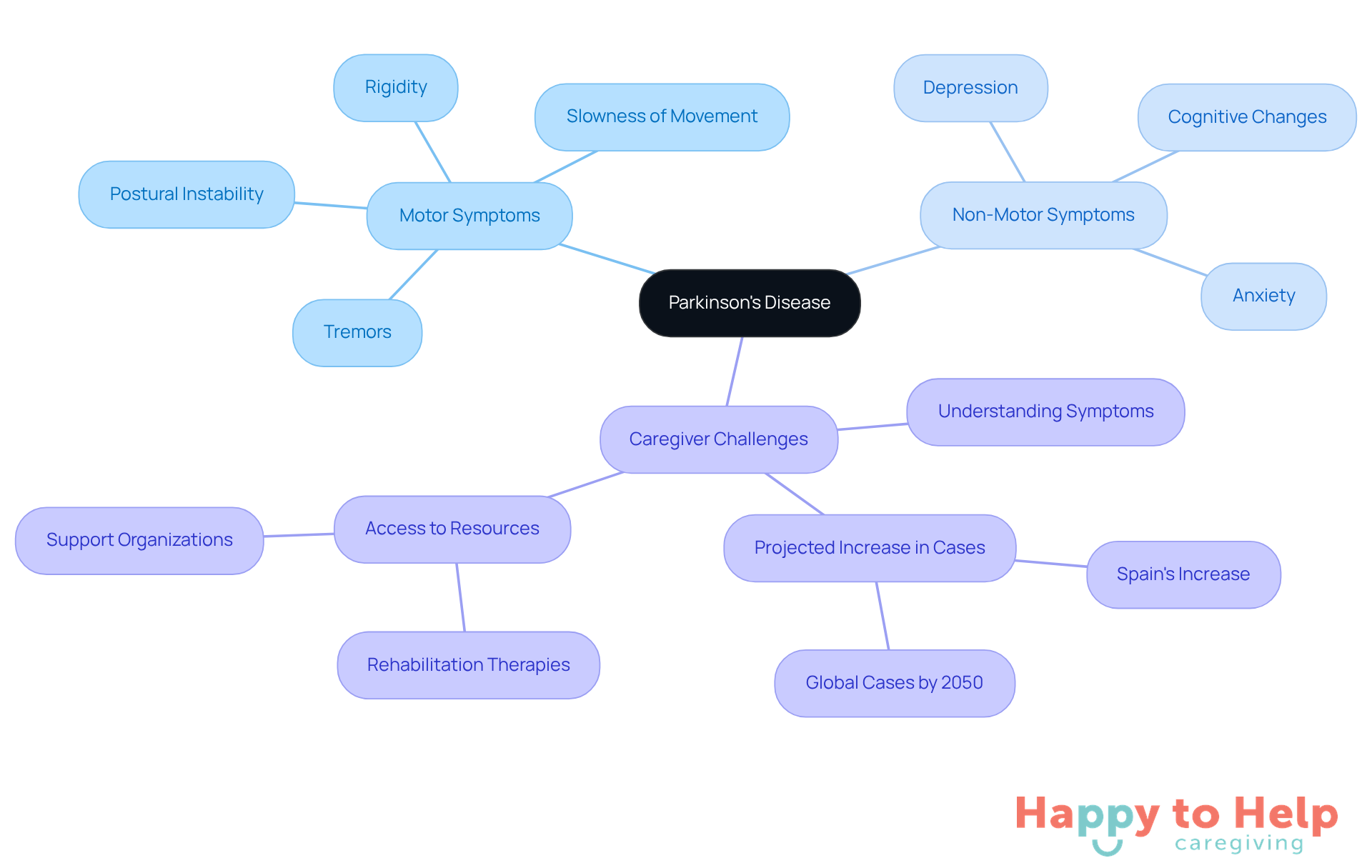
Parkinson's Disease (PD) presents a significant challenge for caregivers. This progressive neurodegenerative disorder primarily affects movement, leading to symptoms such as:
- Tremors
- Rigidity
- Slowness of movement
- Postural instability
These symptoms can severely impact daily living activities, making it crucial for caregivers to understand their implications.
Moreover, PD can lead to non-motor symptoms like:
- Depression
- Anxiety
- Cognitive changes
These complications can complicate the caregiving process. Familiarizing yourself with these challenges is essential for effective support. For instance, understanding the projected increase in PD cases can help caregivers prepare for the future.
To navigate these complexities, caregivers can turn to valuable resources. Organizations such as the Foundation for Movement Disorders and the Michael J. Fox Foundation offer comprehensive information on the disease's impact and management strategies. Staying informed through the latest research and statistics can empower caregivers, equipping them with the knowledge needed to provide the best care possible.
Identify Unique Care Needs of Parkinson's Patients
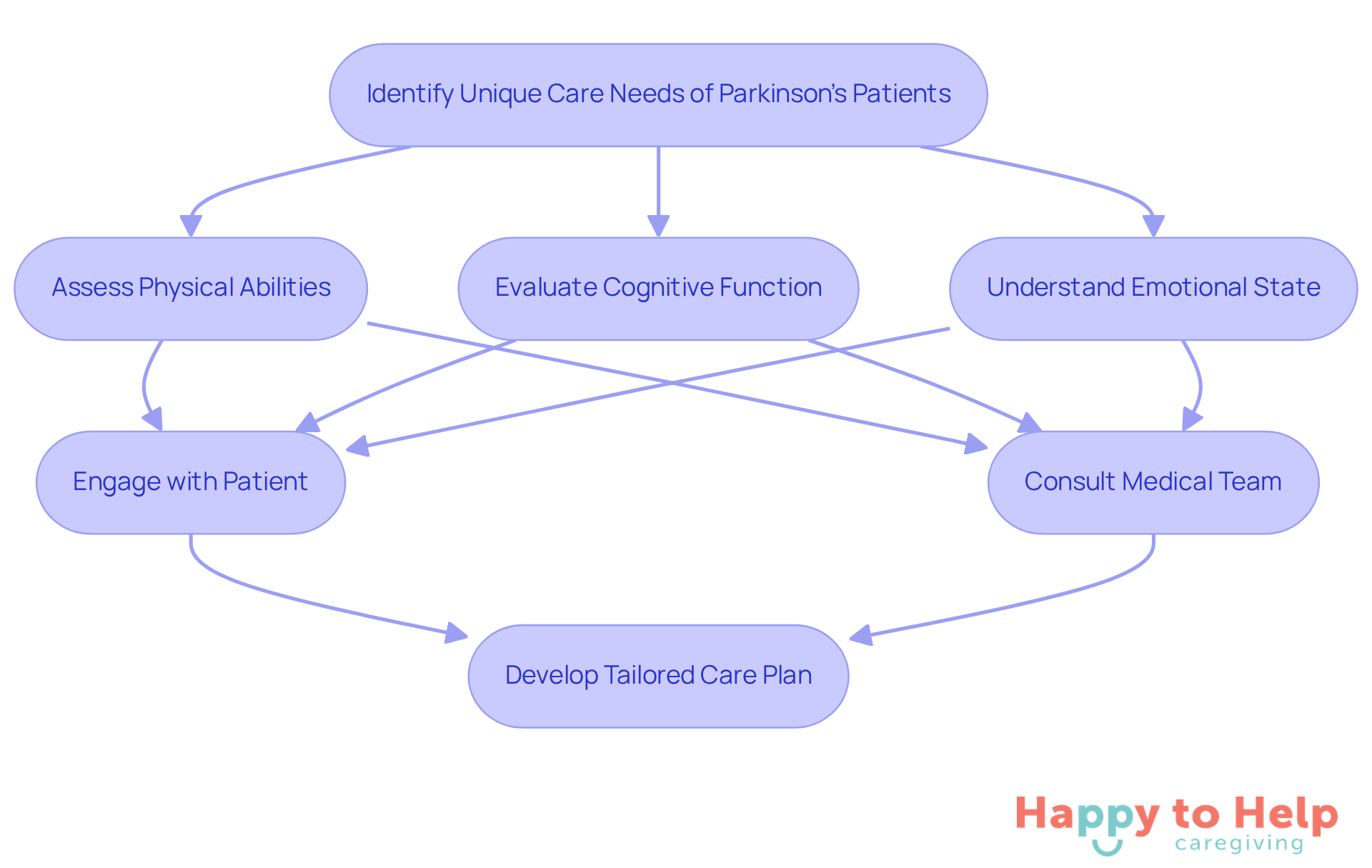
Supporting a Parkinson's patient effectively begins with understanding their unique challenges. Caregivers often face the problem of navigating the diverse needs of these individuals, which can include mobility limitations, cognitive impairments, and emotional struggles. Without a clear evaluation of these factors, caregivers may find it difficult to provide the necessary support.
To address these challenges, it’s crucial to conduct a thorough assessment of the patient’s physical abilities, cognitive function, and emotional state. Engage in open dialogue with both the patient and their medical team to gather insights into their specific preferences and requirements. For instance, some patients may need assistance with mobility, while others might require help managing medications or emotional support.
By developing a tailored care plan that responds to these distinct needs, caregivers can significantly enhance the patient’s comfort and autonomy. This approach not only improves the quality of care but also empowers patients to maintain a sense of control over their lives.
Implement Daily Care Strategies for Comfort and Safety
Individuals with movement disorders face significant challenges in ensuring their safety and comfort at home, which can be addressed through in-home care for Parkinson's patients. Falls are a major concern, impacting around 50% of people with Parkinson's at least once. This highlights the urgent need for tailored interventions to minimize risks.
Agitate: The implications of falls can be severe, leading to injuries and a decline in overall well-being. Caregivers must recognize that the prevalence of falls varies, necessitating customized strategies in-home care for Parkinson's patients to address each individual's unique situation.
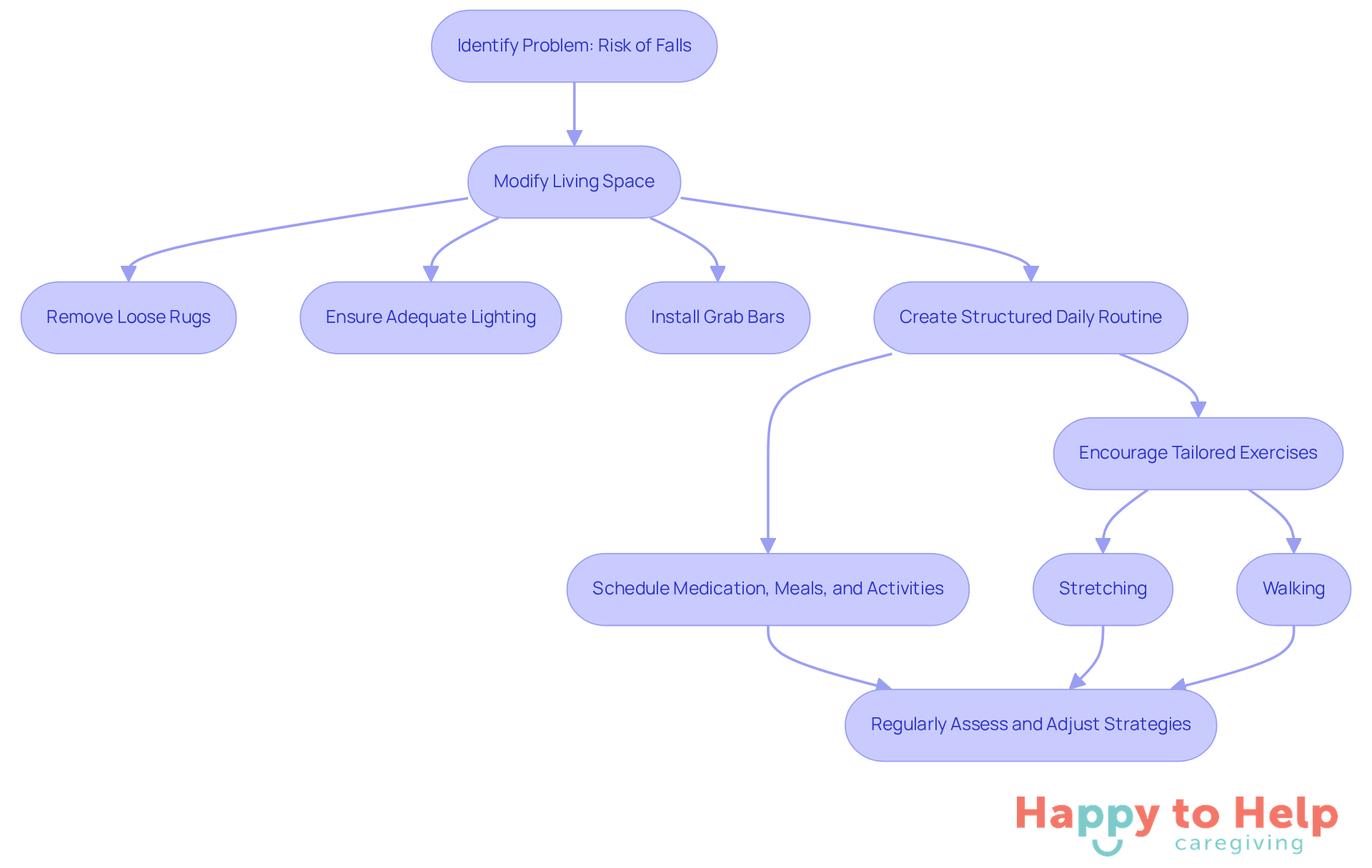
To enhance safety for in-home care for Parkinson's patients, start by modifying the living space:
- Remove loose rugs
- Ensure adequate lighting
- Install grab bars in bathrooms and hallways
These changes can significantly reduce fall risks. Additionally, creating a structured daily routine is essential. Schedule specific times for medication, meals, and physical activities to provide predictability, alleviating anxiety and confusion.
Encourage participation in tailored exercises, such as stretching or walking, to maintain mobility and combat stiffness. Engaging patients in enjoyable activities is essential for promoting physical health, mental well-being, and social interaction, which are vital for overall quality of life in in-home care for Parkinson's patients.
Occupational therapists recommend regularly assessing these strategies and adjusting routines based on the patient's evolving needs and abilities. They can offer valuable insights on effective adjustments that cater to individual capabilities. Caregivers should also be aware of potential medication side effects, such as dizziness or confusion, which can increase fall risk. Consulting healthcare professionals about these risks is crucial for developing a comprehensive care plan.
By nurturing a supportive atmosphere and maintaining open dialogue, caregivers providing in-home care for Parkinson's patients can greatly enhance the daily experience of individuals living with movement disorders, ensuring they feel safe and appreciated in their home.
Prioritize Caregiver Well-Being and Support
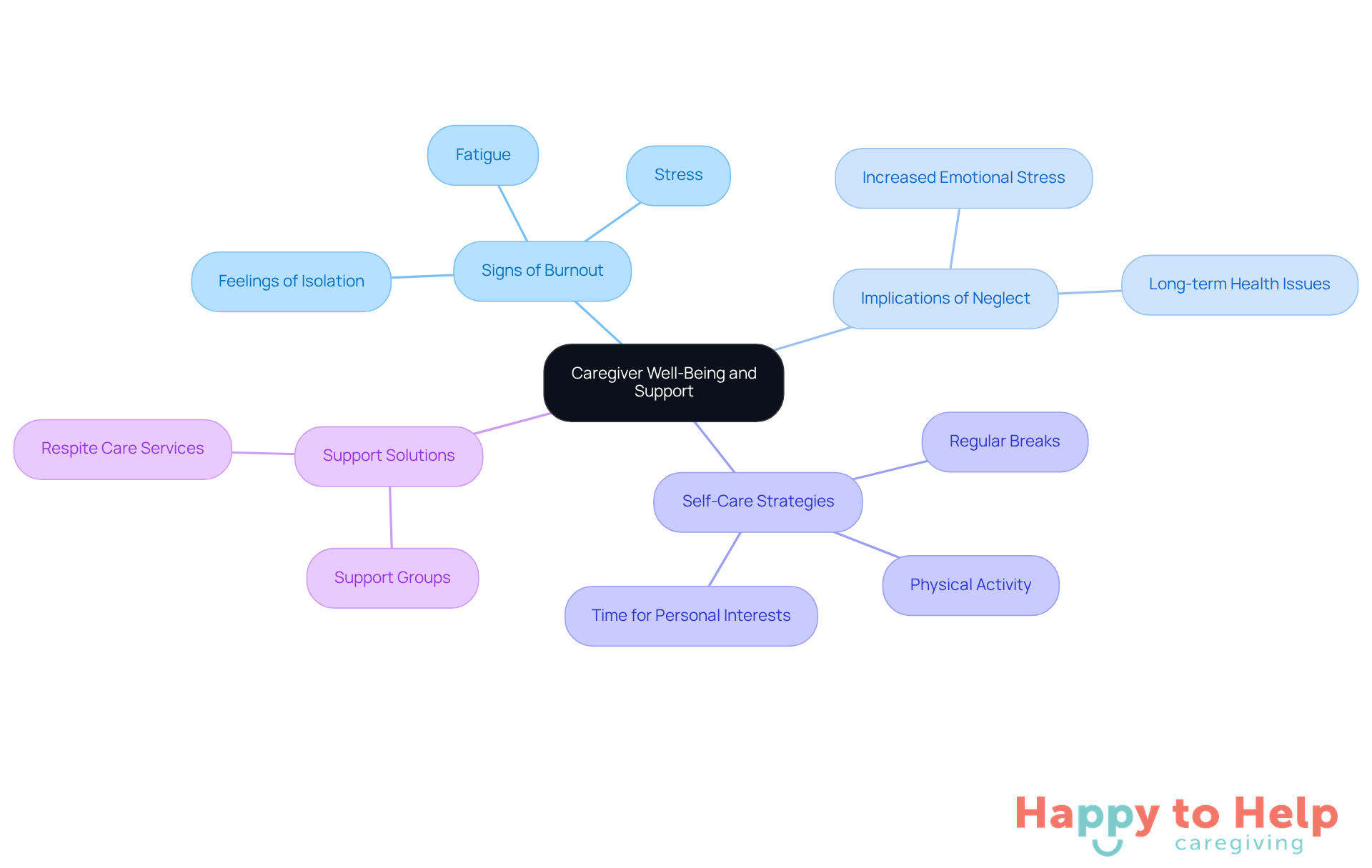
Caregivers face a significant challenge: prioritizing their own well-being while providing care for loved ones, particularly those with Parkinson's disease. The problem of caregiver burnout is real, with signs such as fatigue, stress, and feelings of isolation often emerging. Recognizing these signs is the first step toward effective self-care.
The implications of neglecting self-care can be severe. Research from a 2023 AARP survey reveals that nearly half of caregivers report increased emotional stress. This highlights the urgent need for effective self-care strategies. Establishing a self-care routine that includes:
- Regular breaks
- Physical activity
- Time for personal interests
is essential for maintaining one’s health and ability to care for others.
One practical solution is to join support groups, like those offered by the Parkinson's Foundation. These groups provide invaluable emotional support and practical advice from others facing similar challenges, fostering a sense of community and reducing feelings of isolation. Additionally, utilizing respite care services allows caregivers to take necessary breaks, ensuring they can recharge and return to their responsibilities with renewed energy.
Experts emphasize that taking care of yourself is not selfish; it is vital for sustaining your ability to care for someone else effectively. Taylor Rush, a health psychologist at Cleveland Clinic, notes, "What we know from the most successful care stories is that it takes a village." With over 53 million unpaid supporters in the U.S. providing more than 36 billion hours of assistance, the significance of self-care cannot be overstated. By focusing on their own health, caregivers can enhance their resilience and improve the quality of care they provide.
Taking the Next Steps
Understanding and effectively managing the complexities of Parkinson's Disease presents a significant challenge for caregivers. Without a comprehensive grasp of both motor and non-motor symptoms, caregivers may struggle to navigate the unique needs of their loved ones, which can lead to increased risks and decreased quality of life.
To address these challenges, caregivers should focus on creating a structured daily routine. This approach minimizes risks such as falls, which affect a significant portion of Parkinson's patients. Implementing practical safety measures in the home environment, alongside encouraging participation in enjoyable activities, can greatly enhance the well-being of those living with this condition.
Moreover, caregiver well-being is paramount. Prioritizing self-care strategies and establishing support networks can prevent burnout, ensuring caregivers maintain their ability to provide effective care.
Ultimately, caregiving for Parkinson's patients transcends mere disease management; it involves fostering an environment of support and understanding. By remaining informed and proactive, caregivers can significantly impact the daily experiences of those they support, ensuring they feel valued and safe in their own homes. Embracing these strategies leads to a more compassionate and effective caregiving experience, underscoring the importance of community and resilience in the face of chronic illness.
https://iframe.tely.ai/cta/eyJhcnRpY2xlX2lkIjogIjY5MmY5MWEwZGM0MTVjZWNlZTQ2NmM4MSIsICJjb21wYW55X2lkIjogIjY4ZWU1ZGNhNzMxNzYyNTU3ZjNjOTVjMSIsICJpbmRleCI6IG51bGwsICJ0eXBlIjogImFydGljbGUifQ==Frequently Asked Questions
What is Parkinson's Disease (PD)?
Parkinson's Disease is a progressive neurodegenerative disorder that primarily affects movement, leading to various symptoms.
What are the primary symptoms of Parkinson's Disease?
The primary symptoms of Parkinson's Disease include tremors, rigidity, slowness of movement, and postural instability.
How do the symptoms of Parkinson's Disease affect daily living?
The symptoms can severely impact daily living activities, making it crucial for caregivers to understand their implications.
Are there non-motor symptoms associated with Parkinson's Disease?
Yes, non-motor symptoms can include depression, anxiety, and cognitive changes, which can complicate the caregiving process.
Why is it important for caregivers to understand the challenges of Parkinson's Disease?
Familiarizing themselves with the challenges is essential for effective support, especially as the number of PD cases is projected to increase in the future.
What resources are available for caregivers of individuals with Parkinson's Disease?
Caregivers can refer to organizations such as the Foundation for Movement Disorders and the Michael J. Fox Foundation for comprehensive information on the disease's impact and management strategies.
How can staying informed help caregivers of Parkinson's Disease patients?
Staying informed through the latest research and statistics can empower caregivers, equipping them with the knowledge needed to provide the best care possible.
List of Sources
- Understand Parkinson's Disease and Its Impact
- 23 quotes about Parkinson’s disease | Interviews | Parkinson’s Life (https://parkinsonseurope.org/parkinsonslife/23-powerful-quotes-about-parkinsons-disease)
- 2023 Parkinson’s Awareness Month and 120 Quotes to Support Your Journey (https://journeywithparkinsons.com/2023/04/17/2023-parkinsons-awareness-month-and-120-quotes-to-support-your-journey)
- Parkinson disease (https://who.int/news-room/fact-sheets/detail/parkinson-disease)
- Parkinson’s Rate Set to Surge, Globally (https://insideprecisionmedicine.com/topics/patient-care/parkinsons-rate-set-to-surge-globally)
- The number of people with Parkinson's disease will exceed 25 million worldwide by 2050 (https://sciencemediacentre.es/en/number-people-parkinsons-disease-will-exceed-25-million-worldwide-2050)
- Implement Daily Care Strategies for Comfort and Safety
- Proportion of falls reported in persons with Parkinson's disease: A meta-analysis - Anke Van Bladel, Nolan Herssens, Katie Bouche, Dirk Cambier, Leen Maes, Nina Lefeber, 2023 (https://journals.sagepub.com/doi/abs/10.1177/02692155231158565)
- Fall Prevention in Parkinson’s (https://parkinson.org/library/fact-sheets/fall-prevention)
- 23 quotes about Parkinson’s disease | Interviews | Parkinson’s Life (https://parkinsonseurope.org/parkinsonslife/23-powerful-quotes-about-parkinsons-disease)
- Living with Parkinson’s: Action plan for staying active and aware... (https://parkinsonsnewstoday.com/living-with-parkinsons-action-plan-for-staying-active-and-aware)
- 64 Quotes on Persistence to Help Your Journey With Parkinson’s Disease (https://journeywithparkinsons.com/2018/01/07/64-quotes-on-persistence-to-help-your-journey-with-parkinsons-disease)
- Prioritize Caregiver Well-Being and Support
- Caregivers urged to prioritize self-care to better support others (https://local12.com/health/health-updates/caregivers-urged-prioritize-self-care-better-support-others-town-hall-event-resources-help-life-enriching-communities-twin-lakes-cmapus-montgomery-ohio-physical-mental-health-cincinnati)
- The importance of self-care for caregivers | Opinion (https://news-press.com/story/opinion/2025/11/27/navigating-disabilities-can-lead-to-exhaustion-and-burnout-opinion/87474242007)
- Caregiver Burnout and Strategies to Help (https://health.usnews.com/senior-care/articles/caregiver-burnout-and-strategies-to-help)
- The caregiver's challenge: Why self-care matters for those who give their all (https://fox32chicago.com/news/caregivers-journey-self-care-stories)
- Facebook (https://newsroom.clevelandclinic.org/2025/11/19/importance-of-self-care-for-family-caregivers)