
For families in our service areas
For families in our service areas, this guide explains caregiving and how non-medical in-home caregiving can support care planning in East Idaho, Treasure Valley & Magic Valley, Northern Wasatch, North Central West Virginia, and Northeast Ohio.
The Importance of Essential Mobility Aids for the
Mobility often poses a significant challenge for the elderly, impacting their independence and overall quality of life. This issue can lead to feelings of isolation and frustration, as many seniors struggle to navigate their environments safely. Understanding the essential role of mobility aids - ranging from canes to wheelchairs - can empower seniors to regain their confidence and mobility.
However, with a plethora of options available, caregivers face the daunting task of selecting the right aid that meets individual needs while promoting safety and comfort. How can they ensure they make the best choice? This article delves into the crucial aspects of choosing, using, and maintaining mobility aids for the elderly, providing valuable insights that can enhance both mobility and well-being.
Define Mobility Aids and Their Importance for Seniors
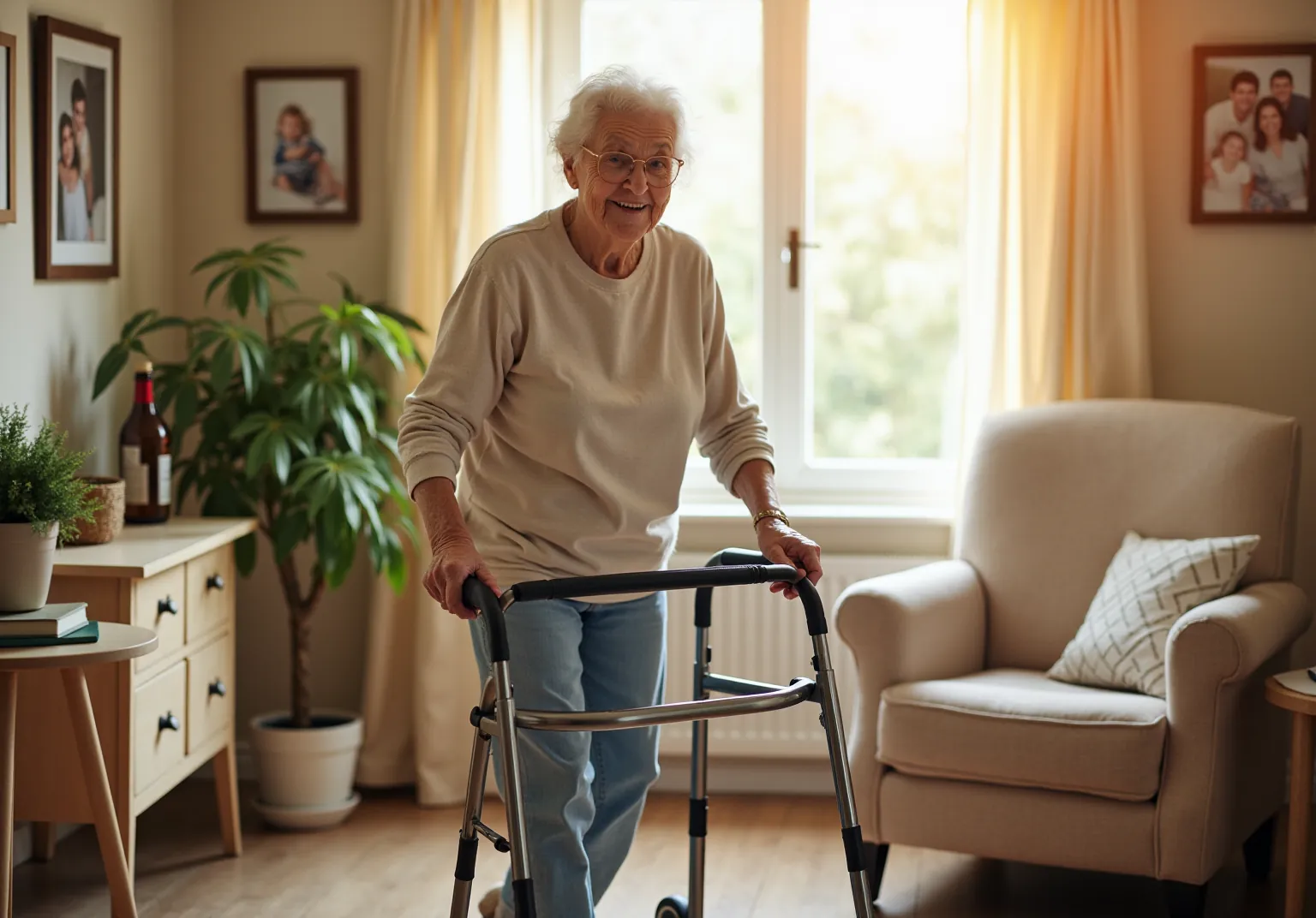
Mobility tools are essential devices designed to assist individuals with limited movement, enabling them to navigate their surroundings more safely and independently. For older adults, the challenges of mobility can lead to serious implications, but mobility aids for the elderly can help reduce the increased risk of falls and improve quality of life.
These supports are crucial as they help preserve movement and foster a sense of autonomy and self-assurance. Research shows that using assistive devices can significantly enhance balance, reduce discomfort, and improve mobility.
Key Benefits of Mobility Tools:
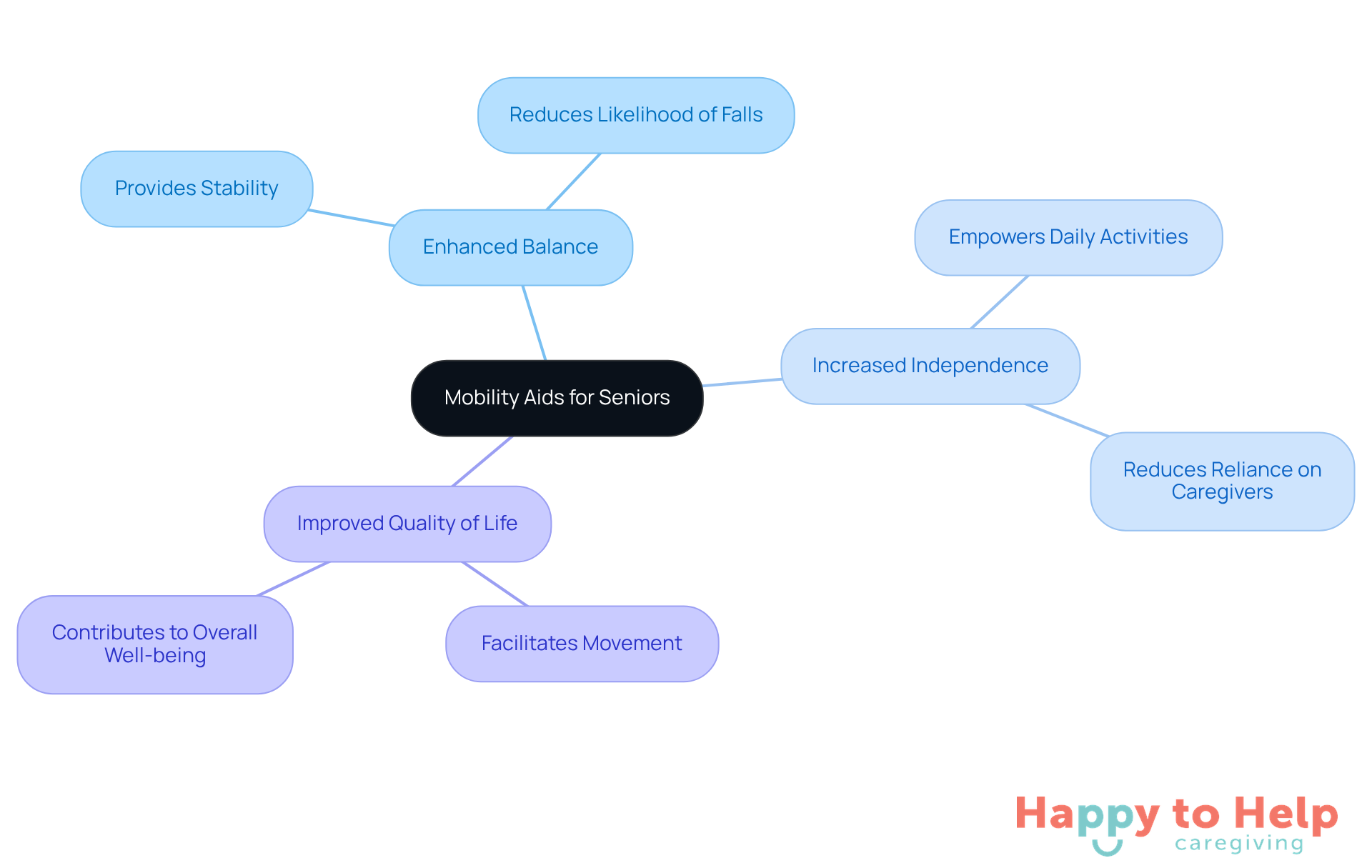
- Enhanced Balance: These devices provide stability, reducing the likelihood of falls.
- Increased Independence: Mobility aids for the elderly empower individuals to engage in daily activities without relying heavily on caregivers.
- Improved Quality of Life: By facilitating movement, these tools contribute to overall well-being.
Incorporating mobility aids for the elderly into the daily lives of older adults is not just beneficial; it’s essential for nurturing their independence and enhancing their quality of life.
Explore Different Types of Mobility Aids: Canes, Walkers, Wheelchairs, and More
Mobility challenges can significantly impact the independence and safety of seniors. As caregivers, understanding these challenges is crucial for providing effective support. Fortunately, various mobility aids for the elderly are available to enhance the quality of life, each catering to specific needs.
-
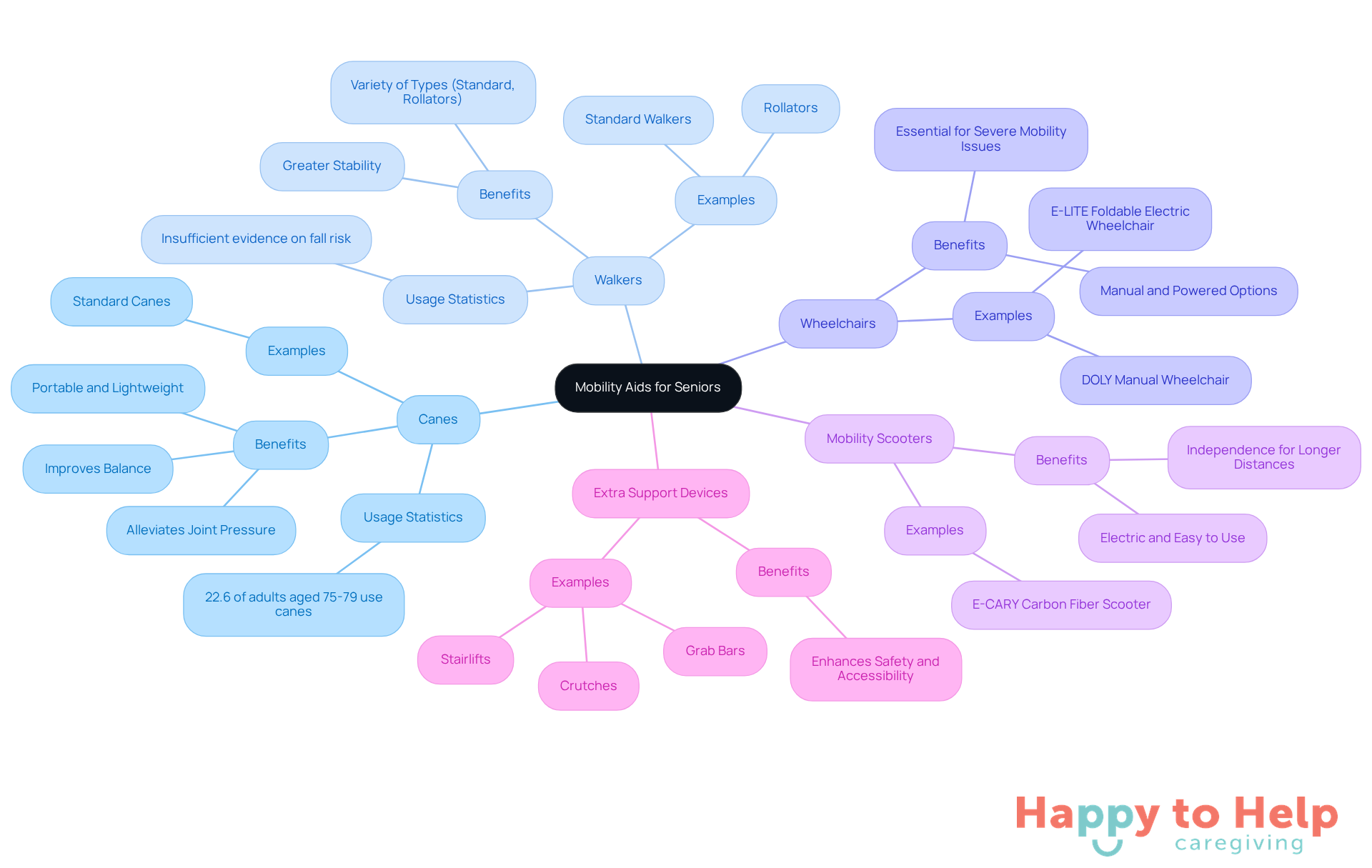
Canes are ideal for individuals who require minimal support. They improve balance and alleviate pressure on joints, promoting confidence in movement. Lightweight and portable, canes are easy to handle. Interestingly, 22.6% of adults aged 75-79 use canes, highlighting their popularity among older individuals.
-
Walkers offer greater stability than canes, making them suitable for those needing additional support. They come in various forms, including standard walkers and rollators, which feature wheels for smoother movement. However, a systematic review found insufficient evidence to determine if walker use causes falls among older adults, emphasizing the need for proper training and assessment for safe use.
-
For individuals experiencing considerable movement difficulties, wheelchairs are essential. Available in both manual and powered options, they enable users to navigate their surroundings comfortably. The DOLY manual wheelchair, for instance, is crafted with lightweight materials and adjustable cushions, appealing to older adults who value both functionality and aesthetics. As INTCO Medical states, "By providing manual movement solutions that are lightweight and appealing, INTCO Medical guarantees that elderly users can select products that satisfy their personal lifestyle requirements."
-
Mobility scooters are electric devices tailored for outdoor use, allowing seniors to maintain independence while traveling longer distances. The E-CARY carbon fiber scooter exemplifies this trend, weighing only 14.8 kg and featuring a quick-folding mechanism for easy transport. Additionally, the increasing significance of scooter maintenance services ensures these devices remain safe and functional.
-
Extra support devices, such as crutches, stairlifts, and grab bars, further enhance safety and accessibility within the home environment. With 24% of U.S. adults aged 65 and older reporting the use of mobility aids for the elderly, the importance of these aids in encouraging active lifestyles cannot be overstated. Furthermore, the use of assistive devices has risen by nearly 50% since 2004, indicating a growing dependence on these essential tools.
Understanding the unique benefits of each mobility aid for the elderly enables older adults and their caregivers to make informed decisions that align with their specific needs and lifestyles.
Identify Key Factors in Choosing the Right Mobility Aid for Seniors
Choosing the appropriate mobility aids for the elderly can be a daunting task. Caregivers often face the challenge of ensuring that the aid meets the specific needs of the individual, which can significantly impact their quality of life.
To address this issue, consider the following key factors:
- Level of Support Needed: Assess the individual's mobility level to determine how much support is necessary. Evaluate their strength, balance, and endurance to make an informed choice.
- Environment: Think about where the mobility aid will be used most frequently. Some aids are better suited for indoor use, while others are designed for outdoor environments.
- Ease of Use: Ensure that the chosen aid is easy for the senior to operate. Check the weight, adjustability, and any additional features that may enhance usability.
- Comfort: The aid should be comfortable for extended use. Look for ergonomic designs and adjustable features that cater to the user's needs.
- Safety Features: Assess the safety features of the assistive device, such as brakes, stability mechanisms, and visibility enhancements, to ensure the user's safety.
By carefully considering these factors, caregivers can make informed decisions that enhance the mobility and safety of seniors with the use of mobility aids for the elderly.

Guide on Proper Use and Maintenance of Mobility Aids
To ensure the safe and effective use of mobility aids, caregivers face several challenges that can impact the well-being of older adults. Improper use of these devices can lead to falls and injuries, which are significant concerns. Statistics reveal that one in four seniors falls each year, with 20% suffering serious injuries. This underscores the importance of adhering to guidelines for mobility aid usage.
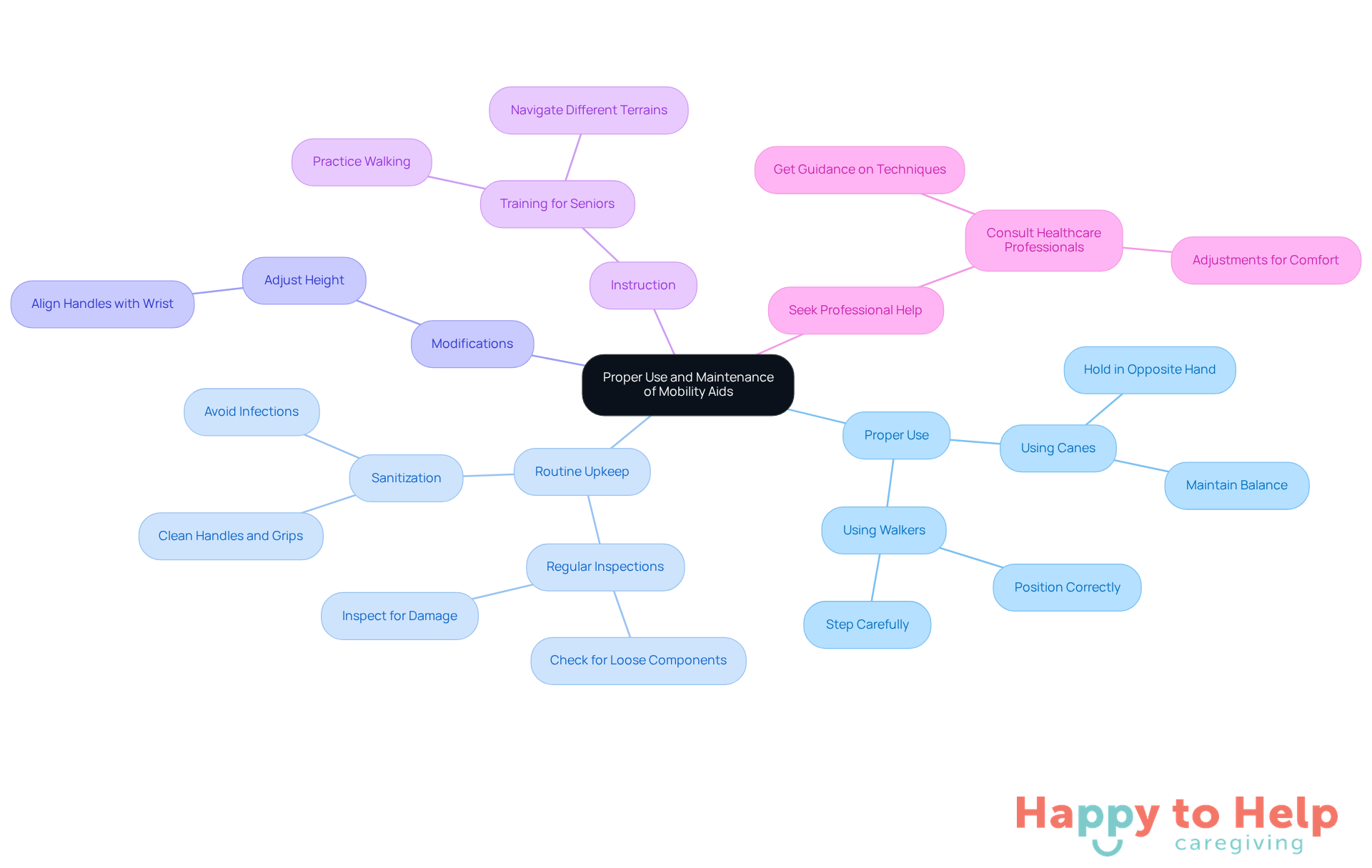
Proper Use: Always utilize mobility aids according to the provided instructions. For canes, hold them in the hand opposite the weaker leg to maintain balance. When using walkers, ensure they are positioned correctly before taking a step to prevent falls.
Routine Upkeep: Regular checks of assistance devices are essential for safety. Inspect for loose components, frayed straps, or damaged wheels, and sanitize the devices regularly to avoid infections, especially in high-contact zones such as handles and grips. Regular inspection and maintenance of wheelchairs are crucial for prolonging their life.
Modifications: Alter support devices to match the user's height for optimal comfort and effectiveness. For walkers, the handles should align with the user's wrist when their arms are relaxed at their sides, ensuring ease of use.
Instruction: Providing thorough instruction for older adults on the effective utilization of their assistive devices is vital. This training should include practicing walking with the aid and navigating various terrains safely, which can significantly enhance confidence and reduce the risk of accidents. Remember, movement isn’t just physical - it’s profoundly emotional, enhancing life satisfaction and family connections for older adults.
Seek Professional Help: If there are any concerns regarding the use or upkeep of mobility devices, consult a healthcare professional or physical therapist. Their expertise can offer valuable guidance on proper techniques and adjustments, ensuring that older adults can use their aids safely and effectively.
Taking the Next Steps
Mobility challenges significantly impact the independence and quality of life for older adults. Without proper support, seniors may struggle to navigate their environments, leading to decreased confidence and autonomy. This situation not only affects their physical well-being but also their emotional health, making it crucial for caregivers to understand the importance of mobility aids.
To address these challenges, caregivers can explore various mobility aids such as:
- Canes
- Walkers
- Wheelchairs
- Mobility scooters
Each of these tools is designed to meet specific needs and preferences, ensuring that older adults can find the right fit for their lifestyle. When selecting a mobility aid, consider key factors like:
- The level of support required
- The environment in which it will be used
- The comfort and safety features that are essential for effective use
Moreover, proper use and maintenance of these devices are vital for ensuring their longevity and effectiveness. Caregivers should actively engage in the selection process and provide training to older adults, empowering them to use these aids safely and confidently. By prioritizing mobility, seniors can lead fulfilling lives, fostering connections and participating in their communities.
Ultimately, mobility aids are not just functional tools; they play a crucial role in promoting active lifestyles and enhancing emotional well-being for seniors. By understanding and addressing the mobility challenges faced by older adults, caregivers can make a significant difference in their quality of life.
https://iframe.tely.ai/cta/eyJhcnRpY2xlX2lkIjogIjY5Mjc5NGYxMjI0NDc2YzA3YjhmODliMyIsICJjb21wYW55X2lkIjogIjY4ZWU1ZGNhNzMxNzYyNTU3ZjNjOTVjMSIsICJpbmRleCI6IG51bGwsICJ0eXBlIjogImFydGljbGUifQ==Frequently Asked Questions
What are mobility aids?
Mobility aids are essential devices designed to assist individuals with limited movement, helping them navigate their surroundings more safely and independently.
Why are mobility aids important for seniors?
Mobility aids are crucial for seniors as they help reduce the risk of falls, improve quality of life, preserve movement, and foster a sense of autonomy and self-assurance.
How do mobility aids enhance balance?
Mobility aids provide stability, which reduces the likelihood of falls and helps enhance balance for individuals with limited movement.
In what ways do mobility aids increase independence for older adults?
Mobility aids empower older adults to engage in daily activities without heavily relying on caregivers, promoting greater independence.
What impact do mobility aids have on the quality of life for seniors?
By facilitating movement, mobility aids contribute to overall well-being and improve the quality of life for older adults.
Are mobility aids essential for older adults?
Yes, incorporating mobility aids into the daily lives of older adults is essential for nurturing their independence and enhancing their quality of life.
List of Sources
- Define Mobility Aids and Their Importance for Seniors
- Mobility Device Use Among Older Adults and Incidence of Falls and Worry About Falling: Findings From the 2011–2012 National Health and Aging Trends Study - PMC (https://pmc.ncbi.nlm.nih.gov/articles/PMC4439269)
- Prevalence and characteristics of community-dwelling older adults using mobility devices: a cross-national comparison between the United States and China (https://academic.oup.com/aje/advance-article/doi/10.1093/aje/kwaf173/8243827)
- Breaking News: Fall 2025 Brings a New Era of Lightweight Walkers and Rollators for Seniors (https://cbs42.com/business/press-releases/ein-presswire/850373373/breaking-news-fall-2025-brings-a-new-era-of-lightweight-walkers-and-rollators-for-seniors)
- New Lightweight Mobility Devices Cater to Active Elderly - INTCO Medical (https://intcowheelchair.com/news/new-lightweight-mobility-devices-cater-to-active-elderly)
- Mobility Device Statistics: United States (https://disabled-world.com/disability/statistics/mobility-stats.php)
- Explore Different Types of Mobility Aids: Canes, Walkers, Wheelchairs, and More
- Mobility Device Use Among Older Adults and Incidence of Falls and Worry About Falling: Findings From the 2011–2012 National Health and Aging Trends Study - PMC (https://pmc.ncbi.nlm.nih.gov/articles/PMC4439269)
- Breaking News: Fall 2025 Brings a New Era of Lightweight Walkers and Rollators for Seniors (https://kron4.com/business/press-releases/ein-presswire/850373373/breaking-news-fall-2025-brings-a-new-era-of-lightweight-walkers-and-rollators-for-seniors)
- New Lightweight Mobility Devices Cater to Active Elderly - INTCO Medical (https://intcowheelchair.com/news/new-lightweight-mobility-devices-cater-to-active-elderly)
- Mobility Device Statistics: United States (https://disabled-world.com/disability/statistics/mobility-stats.php)
- Identify Key Factors in Choosing the Right Mobility Aid for Seniors
- Mobility Device Use Among Older Adults and Incidence of Falls and Worry About Falling: Findings From the 2011–2012 National Health and Aging Trends Study - PMC (https://pmc.ncbi.nlm.nih.gov/articles/PMC4439269)
- From Canes to Power Chairs: How to Choose the Right Mobility Aid for Older Family Members (https://ltcnews.com/articles/cranes-to-power-chairs-choose-right-mobility-aid-older-family-members)
- Prevalence and characteristics of community-dwelling older adults using mobility devices: a cross-national comparison between the United States and China (https://academic.oup.com/aje/advance-article/doi/10.1093/aje/kwaf173/8243827)
- Ultimate Buying Guide for 2025 - Top 10 Mobility Aids (https://abilitysuperstore.com/blogs/news/ultimate-buying-guide-for-2024-top-10-mobility-aids)
- Best Mobility Aids for Seniors: How to Choose the Right One | Home Care agency in New York (https://angelcareny.com/best-mobility-aids-for-seniors-how-to-choose-the-right-one)
- Guide on Proper Use and Maintenance of Mobility Aids
- New 2025 Summer Guide Empowers Seniors to Stay Independent as Mobility Equipment Innovation Surges Nationwide (https://kron4.com/business/press-releases/ein-presswire/827097148/new-2025-summer-guide-empowers-seniors-to-stay-independent-as-mobility-equipment-innovation-surges-nationwide)
- How Can Regular Maintenance and Repairs Prolong the Life of Your Wheelchair? (https://daily.com.au/blogs/news/how-can-regular-maintenance-and-repairs-prolong-the-life-of-your-wheelchair?srsltid=AfmBOoqarPcMV\_ClsZLcJupf4qov7ZTnywnXEUUHdPtJlLOxlhBGcY6d)
- Prevalence and characteristics of community-dwelling older adults using mobility devices: a cross-national comparison between the United States and China (https://academic.oup.com/aje/advance-article/doi/10.1093/aje/kwaf173/8243827)
- How to Help Seniors with Mobility Aids (https://careindeed.com/blogs/how-to-help-seniors-with-mobility-aids)
- Mobility Aids for Elderly People to Improve Daily Life - INTCO Medical (https://intcowheelchair.com/news/mobility-aids-for-elderly-people-to-improve-daily-life)