
For families in our service areas
For families in our service areas, this guide explains caregiver support and how non-medical in-home caregiving can support care planning in East Idaho, Treasure Valley & Magic Valley, Northern Wasatch, North Central West Virginia, and Northeast Ohio.
Why Essential Parkinson Matters
Understanding the complexities of Parkinson's disease presents a significant challenge for family caregivers. They play a pivotal role in the well-being of their loved ones, yet the multifaceted nature of the condition - encompassing both motor and non-motor symptoms - can make tailored support difficult to provide.
Caregivers often grapple with the question: How can they effectively navigate these challenges to enhance the quality of life for those living with Parkinson's? The implications of this struggle are profound, as inadequate support can lead to increased stress for both caregivers and patients.
This article delves into essential strategies and best practices designed to empower caregivers. By implementing these actionable solutions, caregivers can make a meaningful impact in their loved ones' lives, ensuring they receive the support they need.
Understand Parkinson's Disease: Key Facts and Implications
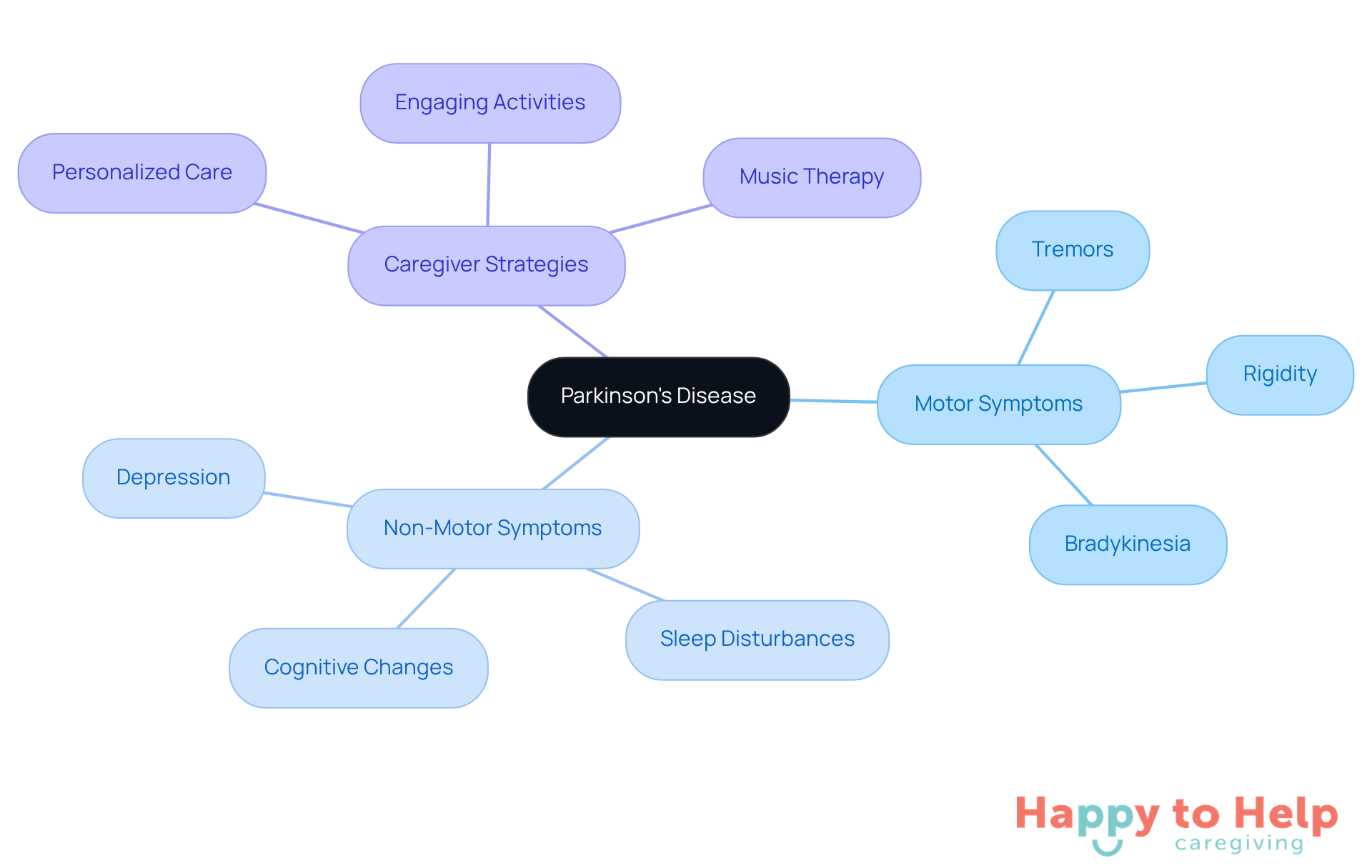
Parkinson's care presents a significant challenge for caregivers, primarily due to the progressive nature of Parkinson's disease (PD) and the loss of dopamine-producing neurons in the brain. While tremors, rigidity, and bradykinesia are commonly recognized symptoms, it's essential to acknowledge the substantial non-motor symptoms, such as:
- Depression
- Sleep disturbances
- Cognitive changes
These aspects can greatly affect the quality of life for both patients and their families. Caregivers must understand these non-motor elements to provide effective Parkinson's care, as awareness of a patient's mood fluctuations can lead to more empathetic support.
The implications of these non-motor symptoms are profound. Up to 90% of PD patients may experience such issues at some point, highlighting the need for caregivers to be alert and proactive. For instance, Janette Sinclair, diagnosed with Parkinson's in 2013, emphasizes the importance of engaging in enjoyable activities:
"Find activities that do you good. There's no point spending time doing something you don't enjoy."
This underscores the necessity of tailoring care plans, particularly in Parkinson's care, to meet the unique needs and preferences of each patient.
To enhance the quality of life for those with PD, caregivers can implement personalized Parkinson's care strategies. Incorporating activities like music therapy has been shown to improve mood and engagement, demonstrating the transformative power of individualized approaches. By fostering open dialogue and understanding the full spectrum of the condition, caregivers can significantly impact their loved ones' well-being, making their role not just supportive but also essential in navigating the complexities of Parkinson's care.
Recognize Symptoms: Motor and Non-Motor Indicators
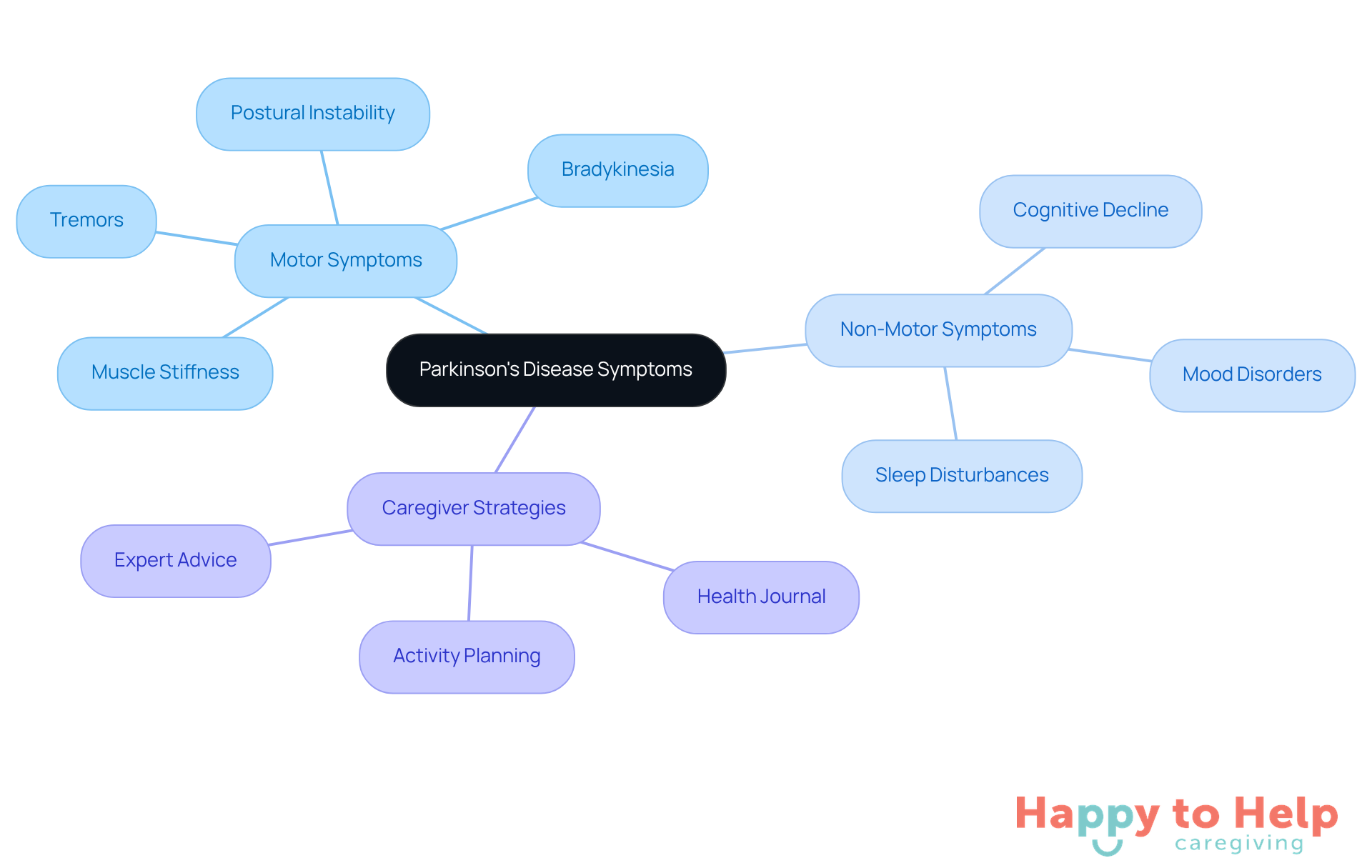
Motor manifestations of Parkinson's disease, such as tremors, muscle stiffness, bradykinesia, and postural instability, are often the most visible signs of the condition. However, non-motor issues - like cognitive decline, mood disorders, and sleep disturbances - can significantly impact quality of life and require equal attention.
Caregivers face the challenge of recognizing these non-motor symptoms, which can change throughout the day. This variability necessitates adaptable care approaches. For instance, planning activities during peak medication effectiveness can greatly enhance engagement and well-being for individuals with Parkinson's. Participating in enjoyable activities, such as boxing classes, as highlighted by Janette Sinclair, can also be crucial in addressing both motor and non-motor challenges.
Keeping a health journal serves as a valuable tool for monitoring changes over time. This allows caregivers to provide comprehensive information during discussions with medical professionals. Such proactive strategies not only help in identifying signs but also foster a cooperative relationship with healthcare providers, ensuring that care plans remain flexible to the evolving needs of those affected by the condition.
It's essential to recognize that non-motor issues are prevalent among many individuals with Parkinson's, underscoring the need for caregivers to remain mindful of these challenges. Incorporating expert advice, like that from Michael J. Fox on maintaining optimism, can further empower caregivers in their journey.
Implement Personalized Care Strategies: Tailoring Support to Individual Needs
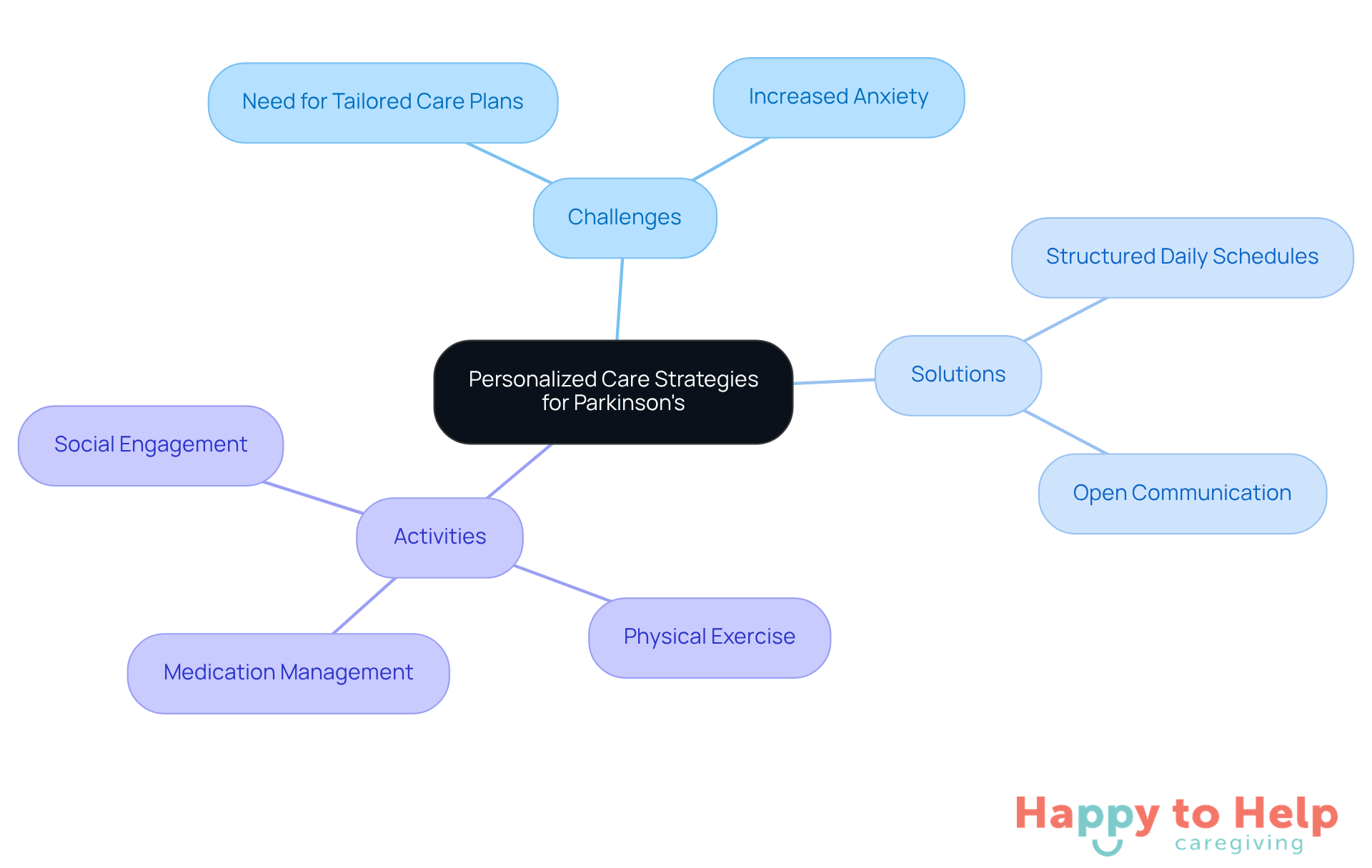
Caregivers of loved ones with neurological conditions face significant challenges in providing effective Parkinson's care. One major issue is the need for tailored Parkinson's care plans that take into account each person's unique symptoms, preferences, and daily routines.
Agitation: Without a structured approach, caregivers may struggle to meet the specific needs of those they care for, leading to increased anxiety and instability. In the UK, one in 50 individuals over the age of 65 has a neurological condition, highlighting the urgent need for customized Parkinson's care strategies.
Solution: To address these challenges, caregivers should create structured daily schedules that include essential activities such as:
- Physical exercise
- Medication management
- Social engagement
Research indicates that a well-structured routine can significantly benefit individuals with neurological conditions, fostering stability and reducing anxiety.
Encouraging participation in exercises designed to enhance strength and balance is crucial for maintaining mobility and independence. Occupational therapists stress the importance of tailoring these activities to the individual's capabilities and interests, ensuring they stay engaged and motivated. Anette Schrag, a Professor of Clinical Neurosciences, emphasizes that healthcare structures must be more flexible and patient-centered, with continuity of care to improve outcomes.
Moreover, fostering open communication is vital. Caregivers should cultivate an environment where individuals feel comfortable expressing their needs and preferences. This approach not only enhances their sense of autonomy but also contributes to their overall well-being, allowing them to feel more in control of their care. By implementing these tailored strategies, caregivers can significantly improve the quality of life for individuals facing neurological conditions, particularly through effective Parkinson's care as they navigate the challenges associated with advanced-stage effects.
Explore Management and Treatment Options: Supporting Medical Care
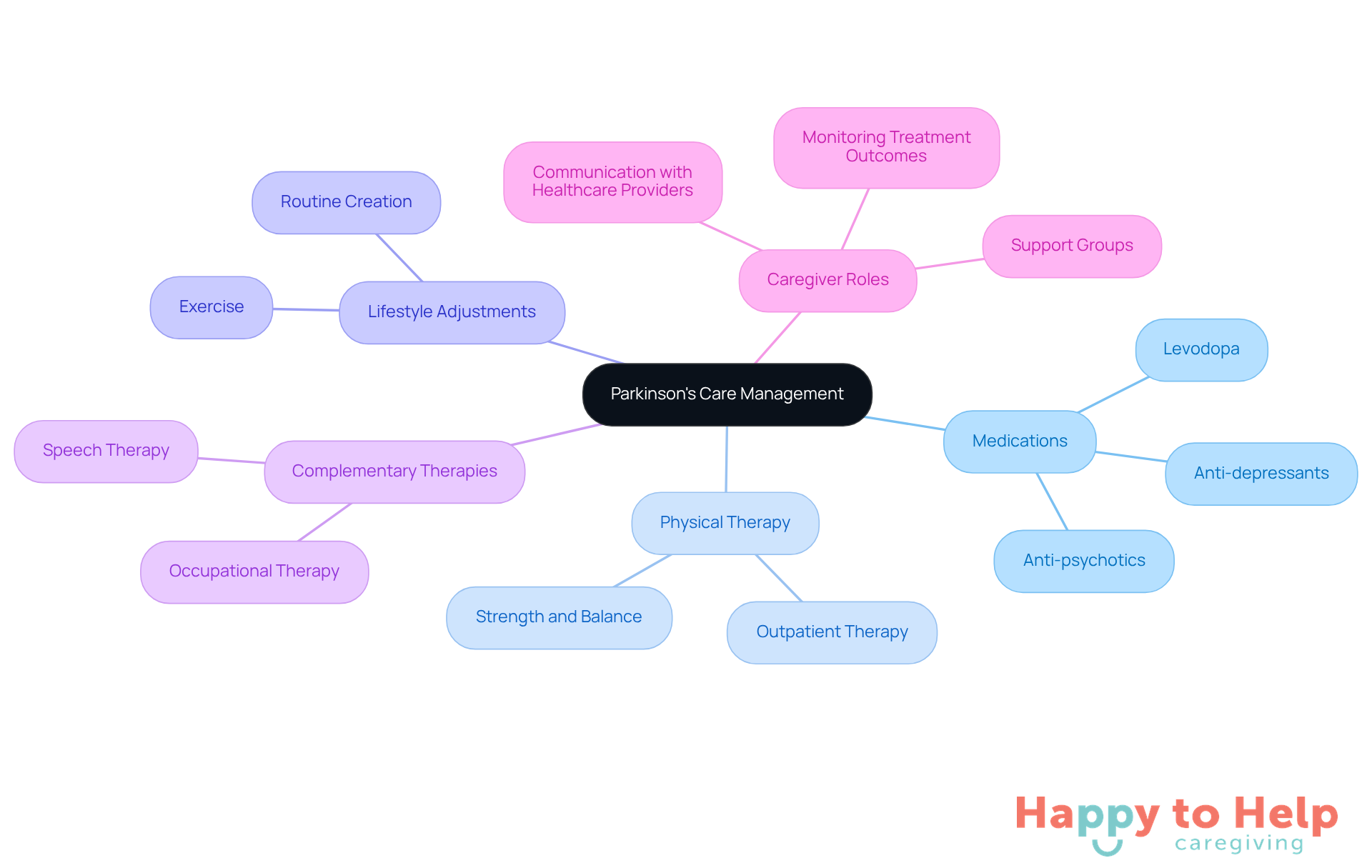
Effective management of Parkinson's care presents significant challenges for caregivers. The condition requires a multifaceted approach, including medication, physical therapy, and lifestyle adjustments. Medications like levodopa are often prescribed to alleviate motor symptoms, but their effectiveness can vary, leaving caregivers to navigate these complexities.
Caregivers play a crucial role in collaborating with healthcare providers to ensure effective Parkinson's care by monitoring treatment outcomes and adjusting dosages as needed. For example, a 75-year-old man with Parkinson's disease experienced bradykinesia, rigidity, and frequent falls, leading to a referral for outpatient physical therapy. This intervention aimed to enhance his strength and balance, ultimately improving his functional independence. Caregivers are encouraged to actively participate in their loved ones' Parkinson's care, fostering open communication with healthcare teams to ensure that all aspects of the patient's well-being are addressed.
In addition to conventional medications, caregivers should consider complementary therapies like occupational and speech therapy. These therapies can assist in addressing specific difficulties in daily living and communication. Engaging in support groups is also beneficial for Parkinson's care, as these networks provide caregivers with essential resources and emotional support, which helps alleviate feelings of isolation.
Expert opinions underscore the importance of a holistic approach to Parkinson's care. Healthcare providers stress that non-drug approaches, such as creating routines and addressing environmental factors, can greatly enhance the quality of life for individuals with Parkinson's disease. Notably, around 10% of Parkinson's cases are genetic, which can influence management strategies. This collaborative effort not only enhances the caregiving experience but also empowers caregivers to advocate effectively for their loved ones.
Key Takeaways for Caregivers
Caregiving for individuals with Parkinson's disease presents significant challenges, encompassing both motor and non-motor symptoms. These complexities can lead to feelings of overwhelm for caregivers, impacting the quality of life for their loved ones. However, by recognizing these challenges, caregivers can take proactive steps to enhance their approach.
To address these issues, personalized care plans are essential. These plans should include:
- Structured routines
- Open communication
- Enjoyable activities tailored to individual needs
By remaining vigilant and adaptable, caregivers can respond effectively to the evolving nature of Parkinson's disease, prioritizing both physical and emotional well-being.
Collaboration with healthcare providers is also crucial. This multifaceted approach ensures that caregivers have the support and resources necessary to manage the complexities of Parkinson's care. By embracing these strategies, caregivers can foster a sense of autonomy and dignity for those affected by the disease.
Ultimately, staying informed and proactive is vital. Every effort contributes to creating a more enriching and supportive experience for individuals living with Parkinson's. By implementing these actionable solutions, caregivers can navigate the intricacies of caregiving with confidence.
https://iframe.tely.ai/cta/eyJhcnRpY2xlX2lkIjogIjY5MjNhMDlhZTUyZmU2NjM2Njg4NjcxNyIsICJjb21wYW55X2lkIjogIjY4ZWU1ZGNhNzMxNzYyNTU3ZjNjOTVjMSIsICJpbmRleCI6IG51bGwsICJ0eXBlIjogImFydGljbGUifQ==Frequently Asked Questions
What are the main symptoms of Parkinson's disease (PD)?
The main symptoms of Parkinson's disease include tremors, rigidity, and bradykinesia. Additionally, there are significant non-motor symptoms such as depression, sleep disturbances, and cognitive changes.
Why are non-motor symptoms important in Parkinson's care?
Non-motor symptoms are important because they can greatly affect the quality of life for both patients and their families. Understanding these symptoms allows caregivers to provide more empathetic and effective support.
How prevalent are non-motor symptoms among Parkinson's patients?
Up to 90% of Parkinson's disease patients may experience non-motor symptoms at some point, highlighting the need for caregivers to be alert and proactive in recognizing and addressing these issues.
What does Janette Sinclair emphasize about Parkinson's care?
Janette Sinclair emphasizes the importance of engaging in enjoyable activities, stating, "Find activities that do you good. There’s no point spending time doing something you don’t enjoy." This highlights the need for personalized care plans that cater to individual preferences.
How can caregivers enhance the quality of life for those with Parkinson's disease?
Caregivers can enhance the quality of life by implementing personalized care strategies, such as incorporating activities like music therapy, which has been shown to improve mood and engagement.
What role do caregivers play in Parkinson's care?
Caregivers play an essential role in navigating the complexities of Parkinson's care by fostering open dialogue, understanding the full spectrum of the condition, and tailoring care plans to meet the unique needs and preferences of each patient.
List of Sources
- Understand Parkinson's Disease: Key Facts and Implications
- 23 quotes about Parkinson’s disease | Interviews | Parkinson’s Life (https://parkinsonseurope.org/parkinsonslife/23-powerful-quotes-about-parkinsons-disease)
- Quotes on Positivity for Living with Parkinson’s Disease (https://parkinsonsdisease.net/living/positive-quotes)
- 160 Quotes to Support Your Life With Parkinson’s (https://journeywithparkinsons.com/2025/01/08/160-quotes-to-support-your-life-with-parkinsons)
- Six of Michael’s Timeless Quotes on Optimism for his 60th Birthday (https://michaeljfox.org/news/six-michaels-timeless-quotes-optimism-his-60th-birthday)
- Recognize Symptoms: Motor and Non-Motor Indicators
- Charco Neurotech | MedTech SuperConnector (https://medtechsuperconnector.com/case\_studies/charco-neurotech)
- Words of Encouragement from People with PD to People with PD (https://pcla.org/blog/words-of-encouragement-parkinsons)
- Six of Michael’s Timeless Quotes on Optimism for his 60th Birthday (https://michaeljfox.org/news/six-michaels-timeless-quotes-optimism-his-60th-birthday)
- 23 quotes about Parkinson’s disease | Interviews | Parkinson’s Life (https://parkinsonseurope.org/parkinsonslife/23-powerful-quotes-about-parkinsons-disease)
- Implement Personalized Care Strategies: Tailoring Support to Individual Needs
- 23 quotes about Parkinson’s disease | Interviews | Parkinson’s Life (https://parkinsonseurope.org/parkinsonslife/23-powerful-quotes-about-parkinsons-disease)
- People with late-stage Parkinson’s need personalised, flexible, home-based care (https://evidence.nihr.ac.uk/alert/people-with-late-stage-parkinsons-need-personalised-flexible-home-based-care)
- Explore Management and Treatment Options: Supporting Medical Care
- Assignment 2 Due Day 10.docx - Physical Therapist Assistant Program PTAP 1350 Assignment #2 Read the case study and answer the questions that follow. A | Course Hero (https://coursehero.com/file/55190772/Assignment-2-Due-Day-10docx)
- Quotes to Help the Life Journey With Parkinson’s (https://journeywithparkinsons.com/2020/12/29/quotes-to-help-the-life-journey-with-parkinsons)
- “Top 10 ways a care partner can support someone with Parkinson’s disease” – Session notes Stanford PD Community Blog (https://parkinsonsblog.stanford.edu/2021/12/top-10-ways-a-care-partner-can-support-someone-with-parkinsons-disease-session-notes)
- Mental Health Concerns in Advanced Parkinson’s Disease | APDA (https://apdaparkinson.org/article/psychosis-and-behavioral-problems-in-advanced-parkinsons-disease)
- Case Studies (https://physio-pedia.com/Category:Case\_Studies)