Essential Practices for Cuidadores de Personas Mayores

For families in our service areas
For families in our service areas, this guide explains caregiving and how non-medical in-home caregiving can support care planning in East Idaho, Treasure Valley & Magic Valley, Northern Wasatch, North Central West Virginia & Southwestern Pennsylvania, and Northeast Ohio.
The Importance of Essential Practices for Cuidadores de
Caring for elderly loved ones can be incredibly challenging for family caregivers, who often find themselves balancing emotional, physical, and financial responsibilities. As our population ages, the demand for support increases, making it essential for caregivers to understand effective practices that promote both their well-being and that of their loved ones.
Caregivers face the daunting task of meeting their own needs while providing care. This can lead to stress and burnout, impacting their ability to support their elderly family members effectively. When should caregivers consider seeking professional assistance?
This article delves into critical strategies that empower family caregivers. By implementing these solutions, caregivers can enhance their quality of life while ensuring their loved ones receive the support they deserve.
Define the Role of Family Caregivers
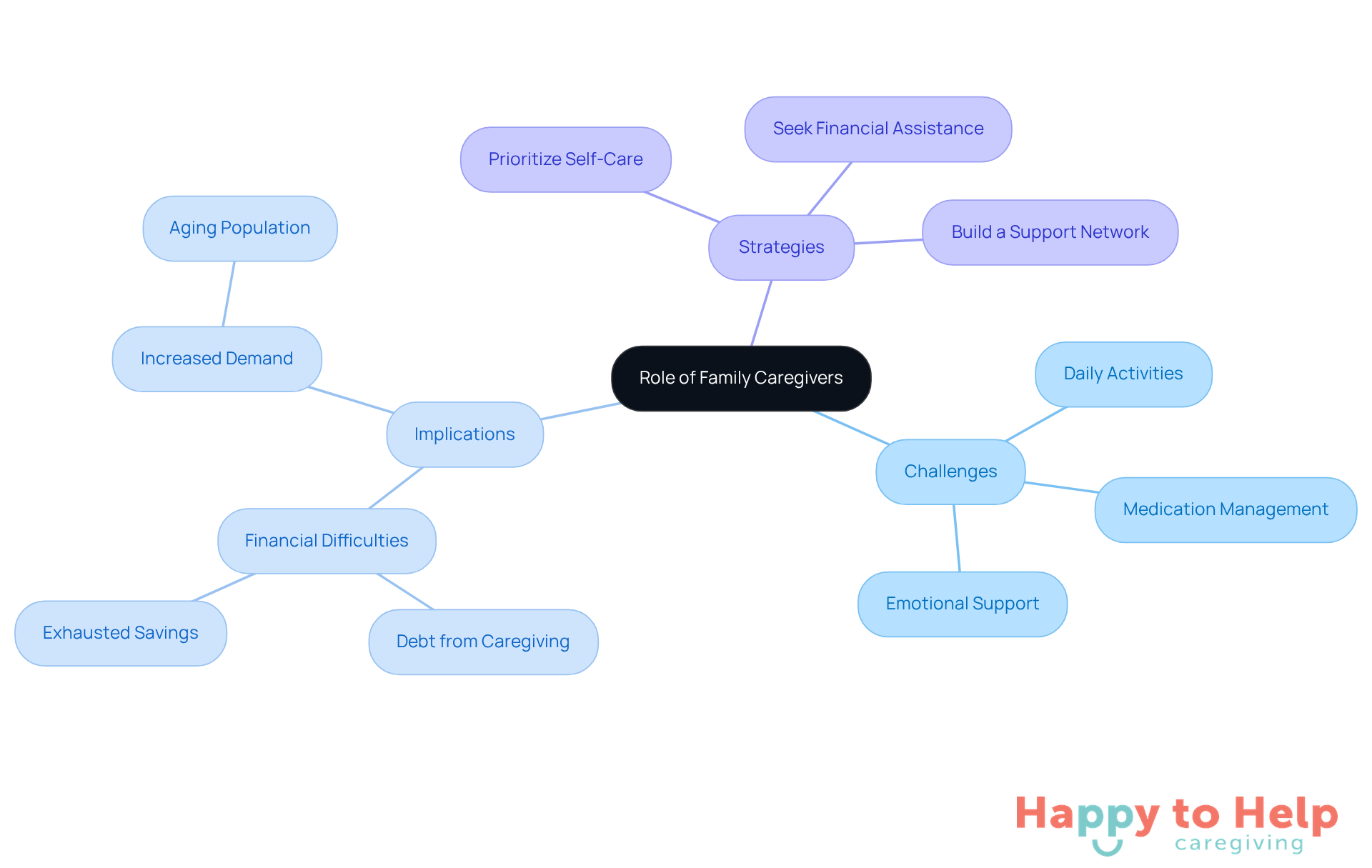
Family supporters face significant challenges in their caregiving roles, often taking on responsibilities such as assisting with daily activities, managing medications, and providing emotional support. This can lead to overwhelming stress and burnout, especially as approximately 70% of family supporters offer daily help, which is crucial for maintaining their loved ones' quality of life.
The implications of these challenges are profound. Many family supporters struggle with financial difficulties, with 23% reporting they are in debt due to their caregiving duties. This highlights the urgent need for support frameworks that can alleviate some of these financial burdens. As the oldest baby boomers approach 80 next year, the demand for family support is expected to increase, making it even more essential for caregivers to prioritize their own well-being.
To address these issues, caregivers must recognize the importance of self-care and the necessity of seeking help when needed. For instance, establishing a support network can provide emotional relief and practical assistance. A case study of Jessica Guthrie illustrates this point; she had to step back from her career to provide full-time care for her mother, who was diagnosed with early-onset Alzheimer's disease.
Acknowledging the significance of seeking assistance and utilizing available resources can empower caregivers. By doing so, they can sustain their efforts while ensuring their loved ones receive the highest quality support. Here are some actionable tips for family supporters:
- Prioritize self-care: Make time for personal health and well-being.
- Seek financial assistance: Explore programs designed to support caregivers financially.
- Build a support network: Connect with other caregivers for shared experiences and advice.
By implementing these strategies, family supporters can better manage their responsibilities and enhance their quality of life.
Identify When Seniors Need More Help
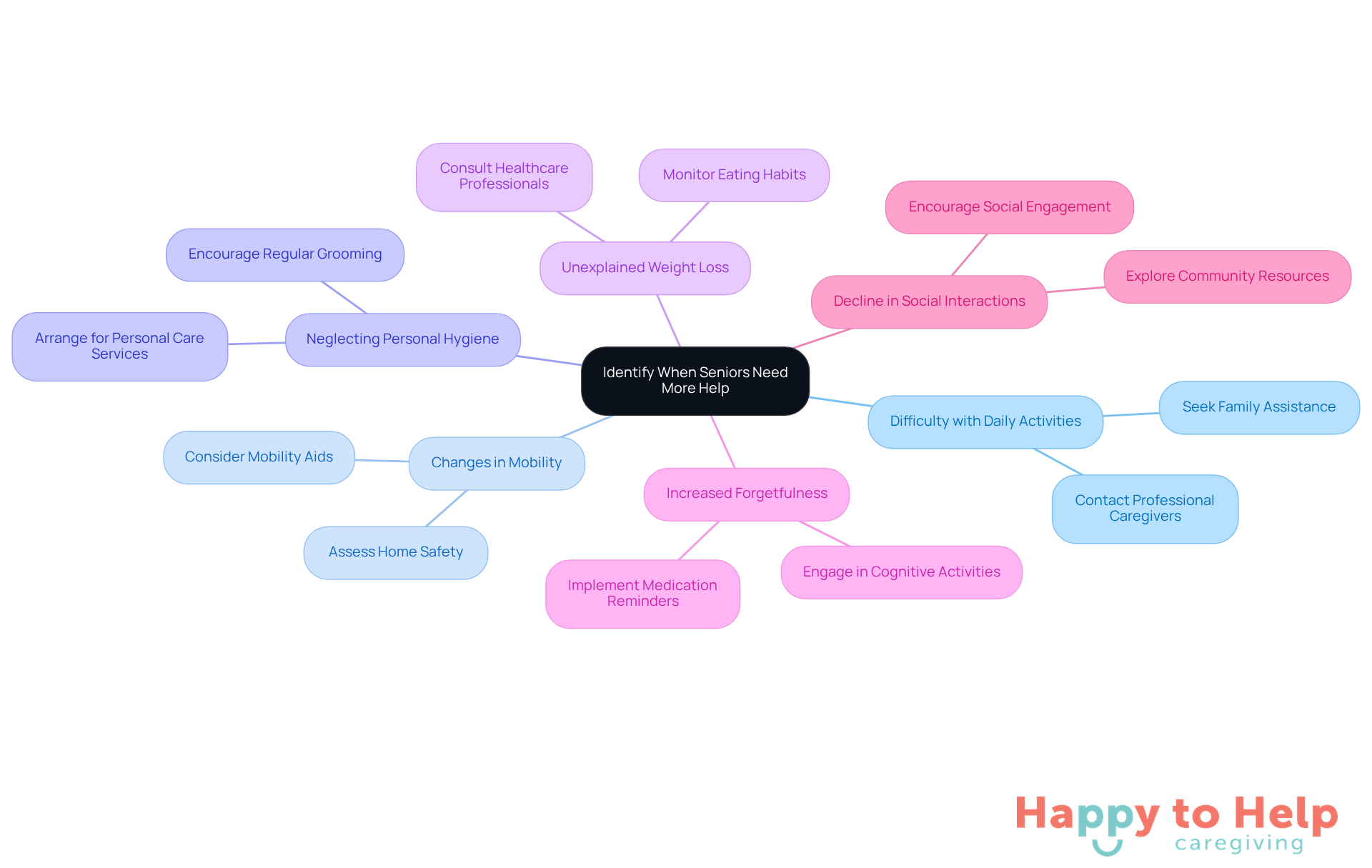
Seniors often face challenges that may require additional support. Signs such as difficulty with daily activities, changes in mobility, or neglecting personal hygiene can indicate a need for help. Unexplained weight loss, increased forgetfulness, and a decline in social interactions are also critical indicators.
Family members must be vigilant in recognizing these changes. For example, if an elderly individual frequently forgets to take medications or lives in a disorganized environment, it’s essential to consider seeking extra help. This could involve family assistance or cuidadores de personas mayores a domicilio for professional caregiving services.
Taking proactive steps can significantly improve the quality of life for seniors. Engaging with healthcare professionals for assessments and exploring local caregiving resources, including cuidadores de personas mayores a domicilio, can provide the necessary support. By addressing these issues early, caregivers can ensure that their loved ones receive the care they need.
Balance Independence and Support
Balancing independence and support for elderly individuals can be challenging for cuidadores de personas mayores a domicilio. Many older adults struggle with maintaining their daily routines, which can lead to feelings of helplessness and decreased well-being.
Agitate: When caregivers do not actively encourage engagement, elderly individuals may miss out on opportunities to make choices about their meals, hobbies, or schedules. This lack of involvement can diminish their sense of control and independence, negatively impacting their self-esteem and overall quality of life.
Cuidadores de personas mayores a domicilio can take actionable steps to foster independence while providing support. Here are some practical tips:
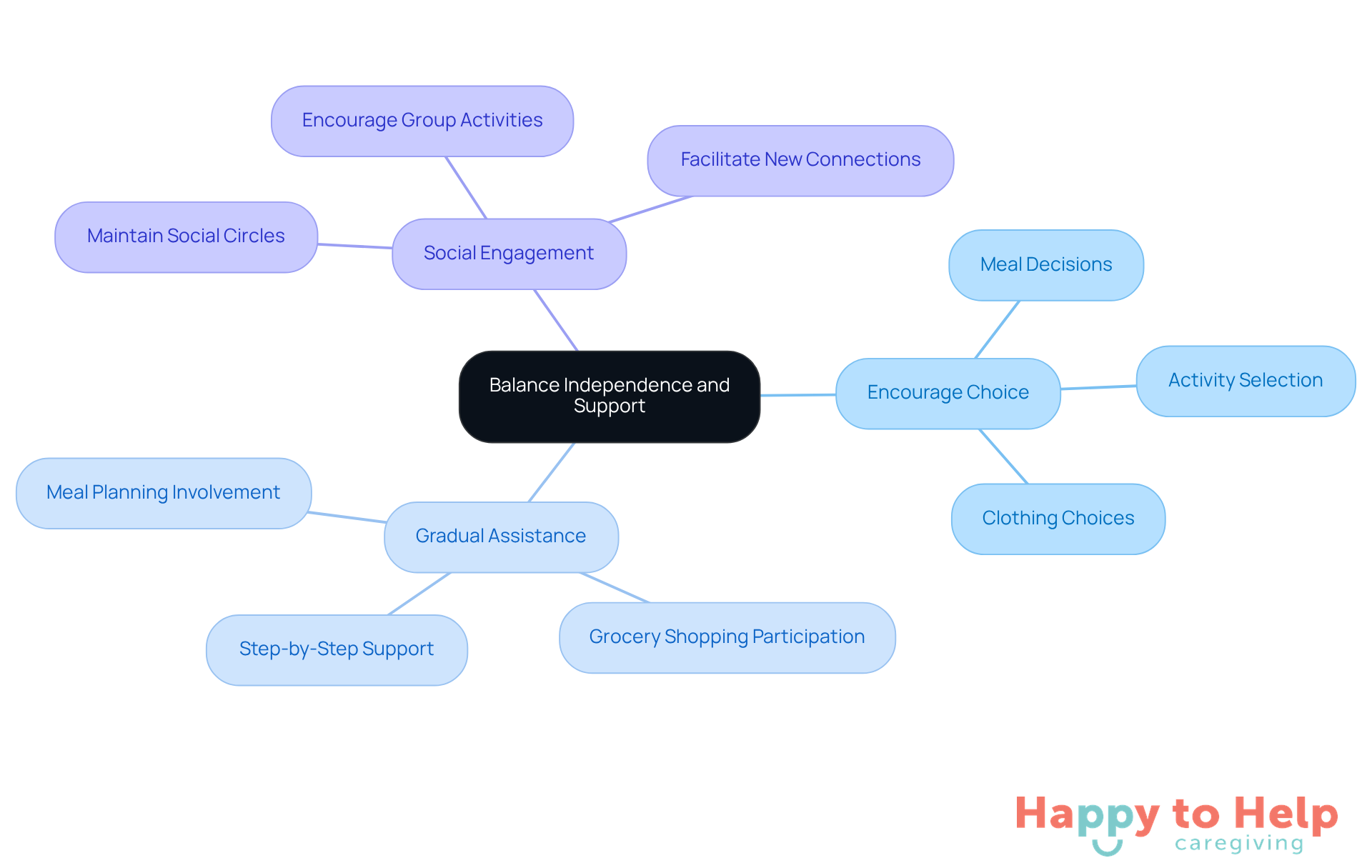
- Encourage Choice: Allow older adults to make decisions about their meals and activities. This empowers them and enhances their self-esteem.
- Gradual Assistance: Introduce help slowly. For example, if cooking is a challenge, involve them in meal planning or grocery shopping. This way, they still participate actively in their nutrition.
- Social Engagement: Maintain their social circles to combat loneliness. Encourage participation in enjoyable activities and facilitate social interactions.
By implementing these strategies, cuidadores de personas mayores a domicilio can enhance the independence and quality of life for older adults, ensuring they feel empowered and valued.
Communicate Effectively with Aging Parents
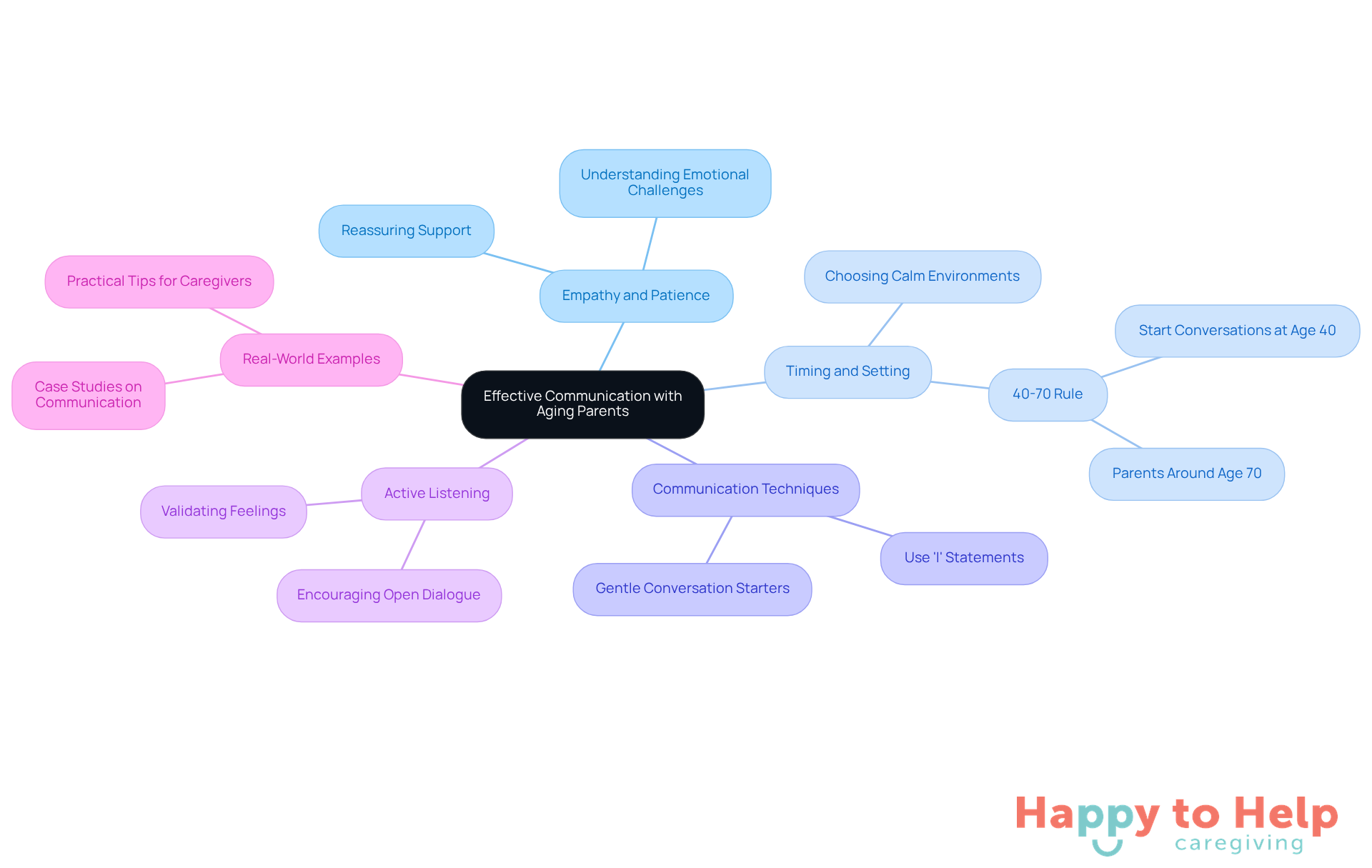
Effective communication with aging parents presents a significant challenge for caregivers. Many struggle to connect meaningfully, often leading to misunderstandings and frustration. This issue can be particularly pronounced as parents age, making it essential to approach conversations with empathy and patience.
Selecting the right time and setting for discussions is crucial. A calm and focused environment fosters better communication. Utilizing 'I' statements, such as 'I’ve noticed you seem more tired lately,' allows caregivers to express concerns without sounding accusatory. This approach encourages open dialogue and helps maintain a positive atmosphere.
Active listening and validating feelings are essential components that strengthen the caregiver-parent relationship. These practices facilitate smoother conversations about necessary changes in care, honoring the dignity of elders while recognizing their experiences. This not only empowers parents but also encourages their participation in discussions about their well-being and assistance requirements.
Experts recommend initiating conversations about aging when adult children reach around age 40 and their parents are about 70, a guideline known as the 40-70 rule. By prioritizing empathy, caregivers can create a safe space for parents to share their thoughts and feelings. This ultimately leads to more constructive conversations about aging and care.
As Kimberly Davis, Admissions Director of the Malta community, notes, "The conversation often becomes easier when a loved one starts to acknowledge that they need help." Additionally, discussing advance directives early can prepare families for future care decisions, ensuring that parents' wishes are respected.
Incorporating real-world examples and case studies can further illustrate the effectiveness of these empathetic communication strategies. By implementing these actionable tips, caregivers can navigate the complexities of aging conversations with greater ease and understanding.
Manage Caregiver Stress and Prevent Burnout
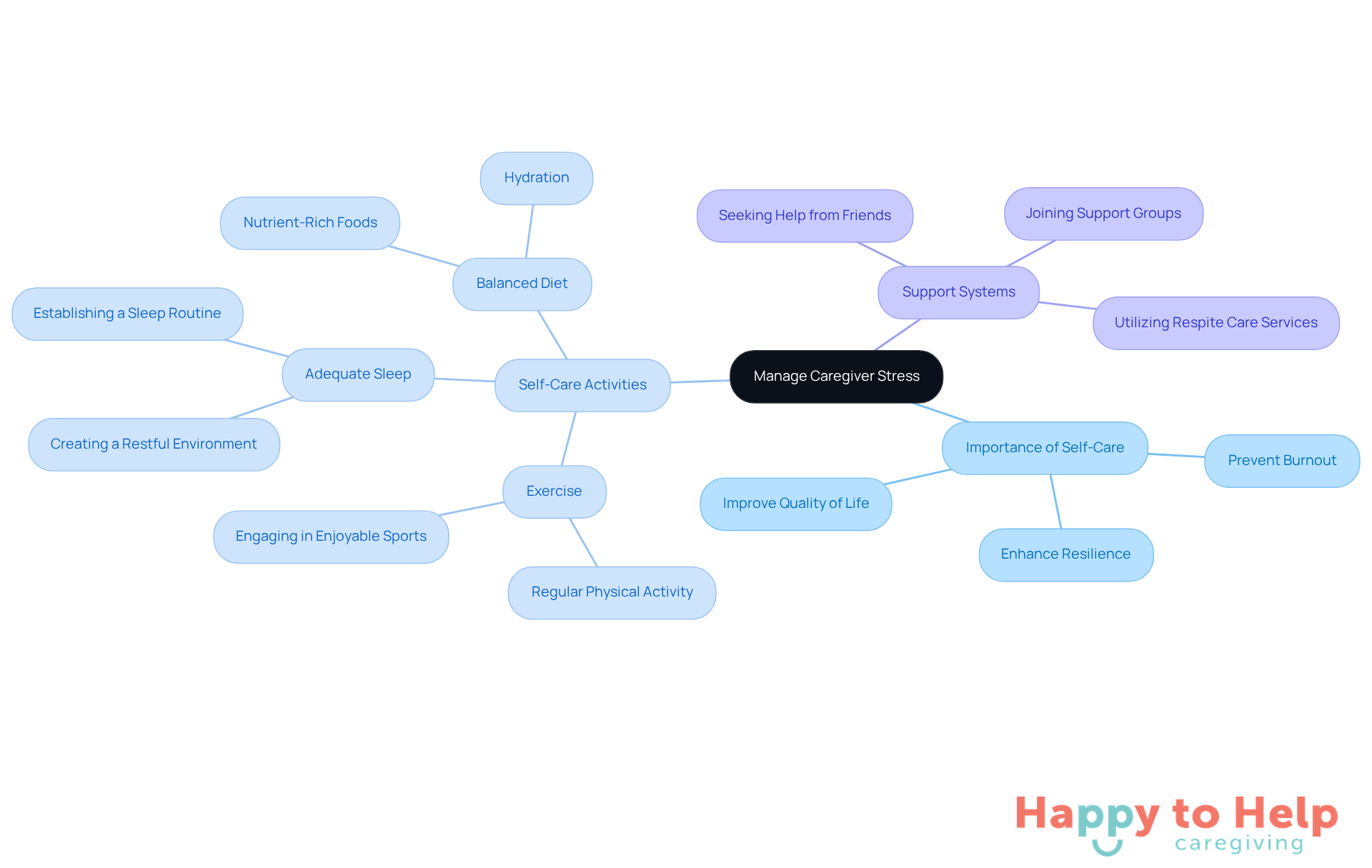
Burnout is a significant issue for caregivers, often leading to feelings of overwhelm and exhaustion. Many providers struggle to prioritize their own well-being amidst their responsibilities, which can negatively impact their ability to care for others. This challenge is compounded by the emotional toll of caregiving, making it essential for providers to recognize the importance of self-care.
To combat this issue, caregivers must take proactive steps to prioritize their own health. Engaging in self-care activities is crucial. This includes:
- Dedicating time for regular exercise
- Maintaining a balanced diet
- Ensuring adequate sleep
Additionally, seeking support from friends, joining support groups, or utilizing respite care services can provide much-needed relief. For example, arranging frequent breaks or participating in activities that bring joy can help restore emotional energy and foster a more positive outlook.
Mental health professionals emphasize that caring for oneself is not selfish; it is a vital step in sustaining the ability to care for others effectively. Data indicates that many caregivers find it challenging to incorporate self-care into their routines, often feeling overwhelmed by their obligations. However, implementing effective self-care strategies, such as mindfulness practices and social involvement, can significantly enhance resilience and overall well-being.
In summary, prioritizing self-care is essential for caregivers to prevent burnout and maintain their capacity to provide care. By recognizing the problem, understanding its implications, and actively seeking solutions, caregivers can improve their quality of life and the care they provide.
Know When to Seek Professional Help
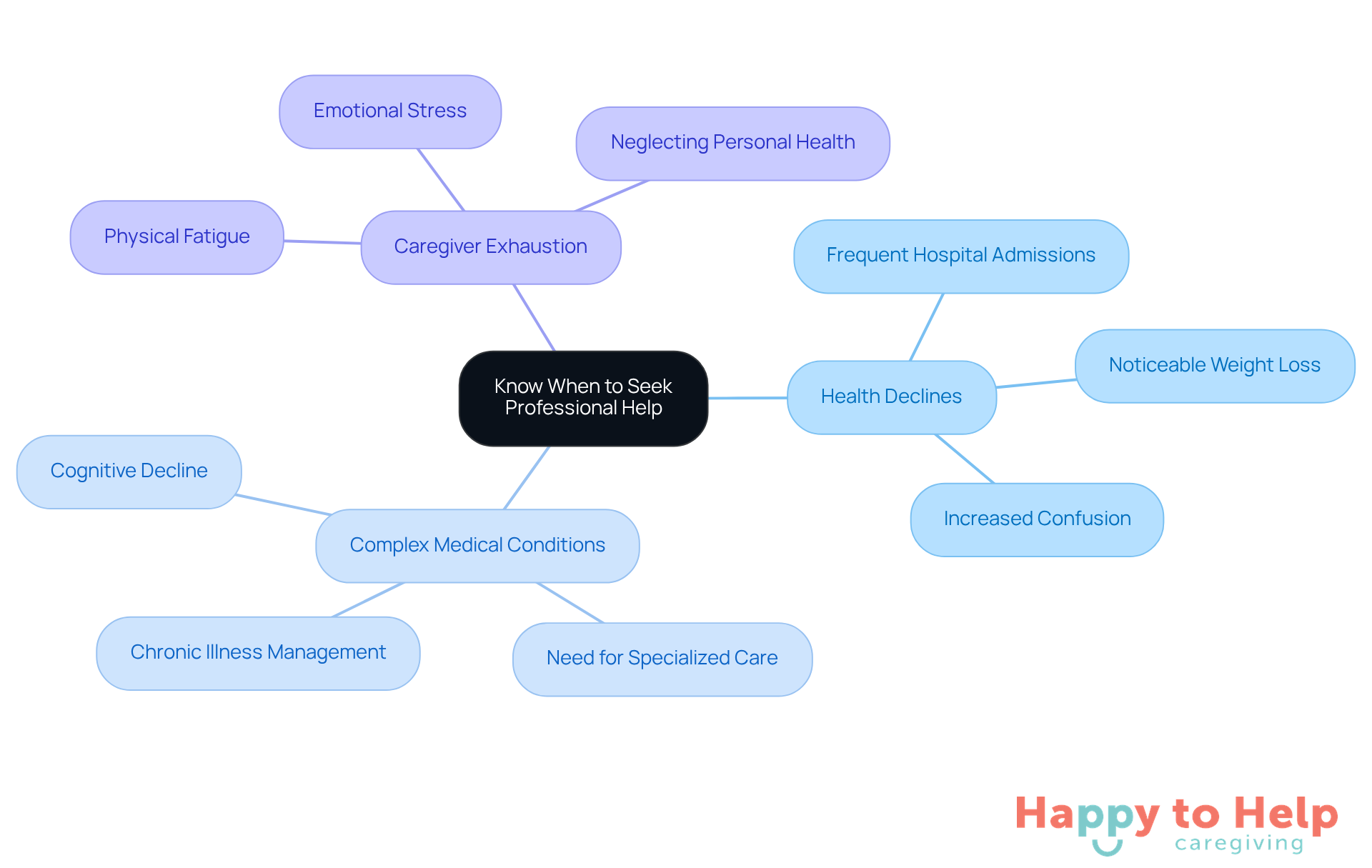
When an elderly individual's care needs surpass what can be managed at home, families face a significant challenge. Key indicators that professional assistance may be necessary include:
- Noticeable health declines
- Complex medical conditions
- Exhaustion among family caregivers
For instance, if an elderly person experiences frequent hospital admissions or has long-term conditions requiring ongoing supervision, the need for professional caregiving becomes evident.
This situation not only jeopardizes the well-being of older adults but also places immense pressure on family members. They may struggle to provide adequate support while managing their own responsibilities. Recognizing these signs early is crucial. Healthcare professionals emphasize that timely intervention can significantly enhance the overall care experience for both seniors and their families.
Hiring cuidadores de personas mayores a domicilio can provide the specialized assistance essential for the well-being of elderly individuals. This ensures that they receive appropriate medical care while allowing family members to focus on providing emotional support, which is equally vital for the individual's quality of life. By addressing these challenges proactively, families can improve the care experience and maintain a healthier dynamic.
Taking the Next Steps
Recognizing the essential practices for caregivers of elderly individuals is crucial for ensuring both the well-being of those in their care and the caregivers themselves. Caregivers face multifaceted challenges, including emotional stress, financial burdens, and the need for personal health management. These issues highlight the necessity for a structured approach to caregiving.
To address these challenges, caregivers must prioritize:
- Self-care
- Effective communication
- Timely recognition of when additional support is necessary
Building support networks is vital, as is recognizing signs that seniors may need more help. Balancing independence with the support required for aging loved ones is key. Strategies such as encouraging choice, engaging in proactive communication, and addressing caregiver stress through self-care practices are essential for fostering a healthier caregiving environment.
Knowing when to seek professional help can significantly enhance the quality of care for seniors and alleviate the pressures faced by family members. The journey of caregiving is both rewarding and challenging, emphasizing the importance of equipping caregivers with the right tools and knowledge.
By adopting these best practices, caregivers can improve not only their own quality of life but also that of the seniors they support. It is imperative for caregivers to take proactive steps in their caregiving journey, ensuring they remain healthy and resilient while providing the necessary care and support to their loved ones.
https://iframe.tely.ai/cta/eyJhcnRpY2xlX2lkIjogIjY5MjY2NjBkYmE1MjYxOTlhNjlhODM0OCIsICJjb21wYW55X2lkIjogIjY4ZWU1ZGNhNzMxNzYyNTU3ZjNjOTVjMSIsICJpbmRleCI6IG51bGwsICJ0eXBlIjogImFydGljbGUifQ==Frequently Asked Questions
What are the main responsibilities of family caregivers?
Family caregivers assist with daily activities, manage medications, and provide emotional support to their loved ones.
What challenges do family caregivers face?
Family caregivers often experience overwhelming stress and burnout, financial difficulties, and the need to balance their caregiving duties with personal well-being.
How prevalent is the need for family caregiving?
Approximately 70% of family supporters provide daily help, which is crucial for maintaining the quality of life of their loved ones.
What financial impact do caregivers experience?
About 23% of family caregivers report being in debt due to their caregiving responsibilities.
Why is self-care important for family caregivers?
Self-care is essential for caregivers to maintain their own health and well-being, enabling them to provide better support for their loved ones.
What strategies can family caregivers implement to manage their responsibilities?
Caregivers can prioritize self-care, seek financial assistance, and build a support network to connect with other caregivers for shared experiences and advice.
What signs indicate that seniors may need more help?
Indicators include difficulty with daily activities, changes in mobility, neglecting personal hygiene, unexplained weight loss, increased forgetfulness, and a decline in social interactions.
How can family members recognize when a senior needs additional support?
Family members should be vigilant for changes such as frequent medication forgetfulness or a disorganized living environment, which may signal the need for extra help.
What steps can be taken to improve the quality of life for seniors needing assistance?
Engaging healthcare professionals for assessments and exploring local caregiving resources can provide the necessary support for seniors.
List of Sources
- Define the Role of Family Caregivers
- The number of family caregivers is surging (https://19thnews.org/2025/07/family-caregivers-surging-aarp)
- National Family Caregivers Month: Celebrating Our Successes, Continuing and Expanding Supports for Caregivers and Families | ACL Administration for Community Living (https://acl.gov/news-and-events/acl-blog/national-family-caregivers-month-celebrating-our-successes-continuing-and)
- New Report Reveals Crisis Point for America’s 63 million Family Caregivers (https://press.aarp.org/2025-07-24-New-Report-Reveals-Crisis-Point-for-Americas-63-million-Family-Caregivers)
- Opinion | America’s Caregivers Are in Crisis (https://nytimes.com/2025/11/24/opinion/caregiving-crisis.html)
- Caregiving Crisis: 45% Increase in Americans Providing Care (https://aarp.org/caregiving/basics/caregiving-in-us-survey-2025)
- Identify When Seniors Need More Help
- 5 Signs Your Senior Needs Assistance at Home (https://cschomecare.com/5-signs-your-senior-needs-assistance-at-home)
- Signs Your Senior Parent Needs Help at Home | CICOA (https://cicoa.org/signs-an-older-loved-one-needs-help-at-home)
- Seven Signs Elderly Parents Need More Support at Home | Arizona Department of Economic Security (https://des.az.gov/featured-story/seven-signs-elderly-parents-need-more-support-home)
- News | Signs a Senior Needs Help at Home (https://brookridgecommunity.org/news/signs-a-senior-needs-help-at-home)
- 10 Signs Your Elderly Parent Needs Help (https://delaneyatthevale.com/news-blog/10-signs-your-elderly-parent-needs-help)
- Balance Independence and Support
- The Alliance for Health Policy Releases Final Report from 2025 Signature Series on Aging in America | Alliance for Health Policy (https://allhealthpolicy.org/news/the-alliance-for-health-policy-releases-final-report-from-2025-signature-series-on-aging-in-america)
- Independence and older adults: Importance and promoting it (https://medicalnewstoday.com/articles/independence-and-the-elderly)
- For Americans, Every Day Is Independence Day When It Comes to Their Health (https://policy.humana.com/issue-area/news-and-resources/news-press/2025/for-americans--every-day-is-independence-day-when-it-comes-to)
- How Caregivers Promote Senior Independence - UDS Foundation (https://udservices.org/how-caregivers-promote-senior-independence)
- Warning From Older Adults: Care for Aging in America Needs Urgent Rethinking (https://johnahartford.org/newsroom/view/warning-from-older-adults-care-for-aging-in-america-needs-urgent-rethinking)
- Communicate Effectively with Aging Parents
- 7 Tips for Talking to Aging Parents About Health - BCBST News Center (https://bcbstnews.com/bluehealthsolutions/7-tips-for-talking-to-aging-parents-about-health)
- 5 tips for tough conversations with aging parents (https://wral.com/lifestyle/family/5-tips-conversations-aging-parents-unc-health)
- Clearer Conversations, Better Care: New Guide Highlights Best Practices for Communicating with Older Adults (https://geron.org/News-Events/GSA-News/Press-Room/Press-Releases/clearer-conversations-better-care-new-guide-highlights-best-practices-for-communicating-with-older-adults)
- 3 Tips on How to Talk to Aging Parents About Their Future (https://homeofthegoodshepherd.com/news/how-to-talk-to-aging-parents-about-their-future)
- Communication tips for caregivers of elders (https://uhc.com/news-articles/healthy-living/communication-tips-for-caregivers-of-elderly-parents)
- Manage Caregiver Stress and Prevent Burnout
- New Report Reveals Crisis Point for America’s 63 million Family Caregivers (https://press.aarp.org/2025-07-24-New-Report-Reveals-Crisis-Point-for-Americas-63-million-Family-Caregivers)
- Caregiving crisis: New data shows rising burden in California (https://kcra.com/article/california-national-family-caregivers-month-aarp/69544348)
- A Place for Mom Releases Dual Reports on the Future of Family Caregiving, Including a New Talkspace Collaboration Highlighting Caregiver Mental Health (https://businesswire.com/news/home/20251124760580/en/A-Place-for-Mom-Releases-Dual-Reports-on-the-Future-of-Family-Caregiving-Including-a-New-Talkspace-Collaboration-Highlighting-Caregiver-Mental-Health)
- Caregiver Statistics: Health, Technology, and Caregiving Resources (https://caregiver.org/resource/caregiver-statistics-health-technology-and-caregiving-resources)
- Newsroom : News & Events : Lymphangiomatosis & Gorham's Disease Alliance (https://lgdalliance.org/news-events/newsroom.html/article/2025/05/19/protecting-mental-health-as-a-caregiver)
- Know When to Seek Professional Help
- Opinion | America’s Caregivers Are in Crisis (https://nytimes.com/2025/11/24/opinion/caregiving-crisis.html)
- The senior population is booming. Caregiving is struggling to keep up (https://cnbc.com/2025/11/21/senior-caregiving-labor.html)
- 11 Signs Your Aging Parent Needs Senior Care (https://health.usnews.com/senior-care/caregiving/articles/identifying-the-right-time-for-senior-care)
- Signs Your Loved One Needs 24/7 Home Care (https://villagecaregiving.com/blog/signs-for-24-7-care)