

For families in our service areas
For families in our service areas, this guide explains dementia care and how non-medical in-home caregiving can support care planning in East Idaho, Treasure Valley & Magic Valley, Northern Wasatch, North Central West Virginia, and Northeast Ohio.
Why Essential Questions to Ask Caregivers Matters
Choosing the right caregiver for someone with dementia presents a significant challenge that can greatly affect their quality of life. Families often find themselves navigating the complexities of dementia care, making it crucial to ask the right questions when evaluating potential caregivers. This decision is not just about skills; it’s also about establishing a trusting relationship with their loved one.
To ensure a suitable match, families must consider several key inquiries that reveal a caregiver's qualifications and emotional intelligence. Understanding these aspects can lead to a more informed and compassionate choice, ultimately enhancing the care experience for both the individual and their family.
Understanding the Importance of Caregiver Selection for Dementia
Choosing the right support provider for someone with dementia requires considering the questions to ask caregivers for dementia, as this significant decision can greatly affect their quality of life. Dementia brings unique challenges, such as communication difficulties and behavioral changes, which require specialized care techniques. Without a provider who understands these nuances, individuals may miss out on essential emotional support, leading to feelings of insecurity and discomfort.
The implications of selecting an unsuitable provider can be profound. A lack of understanding can hinder effective communication and care, ultimately impacting the individual’s well-being. Therefore, it’s crucial for caregivers to prioritize the questions to ask caregivers for dementia regarding compatibility and experience when making this choice. A supporter who can engage personally with the patient not only enhances the caregiving experience but also fosters a sense of security.
To ensure better outcomes, caregivers should consider the following actionable tips:
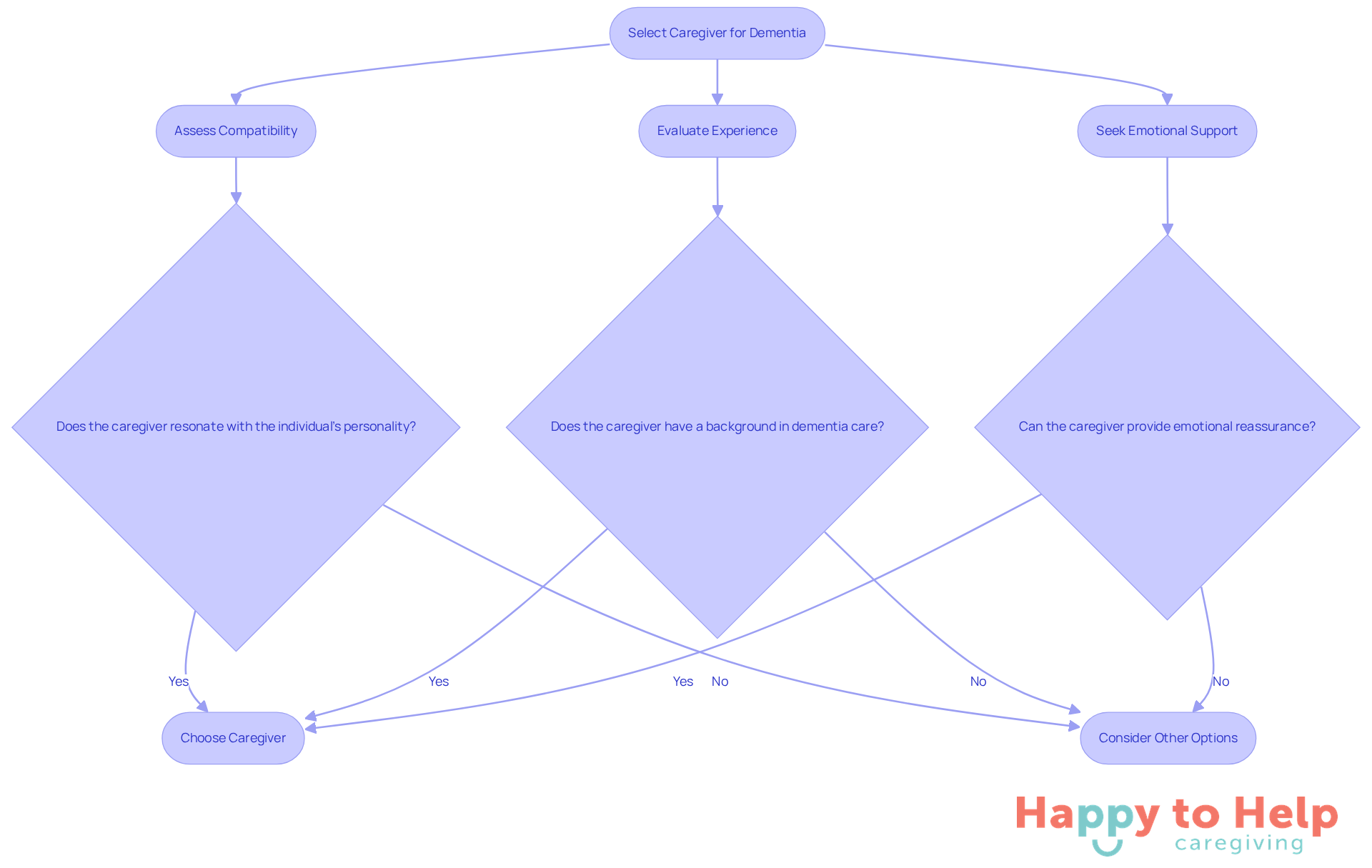
- Assess compatibility: Look for a provider who resonates with the individual’s personality and needs.
- Evaluate experience: Choose someone with a background in dementia care and use questions to ask caregivers for dementia to ensure they can handle the specific challenges that arise.
- Seek emotional support: A provider who offers both physical assistance and emotional reassurance can significantly improve the quality of care.
By carefully considering these factors, caregivers can enhance the caregiving experience for both the provider and the individual receiving care.
Key Questions to Ask Potential Caregivers
When families seek caregivers for dementia care, they face a significant challenge: finding qualified individuals who can provide the necessary support. This task is crucial, as the right caregiver can greatly impact the quality of life for those suffering from memory-related disorders.
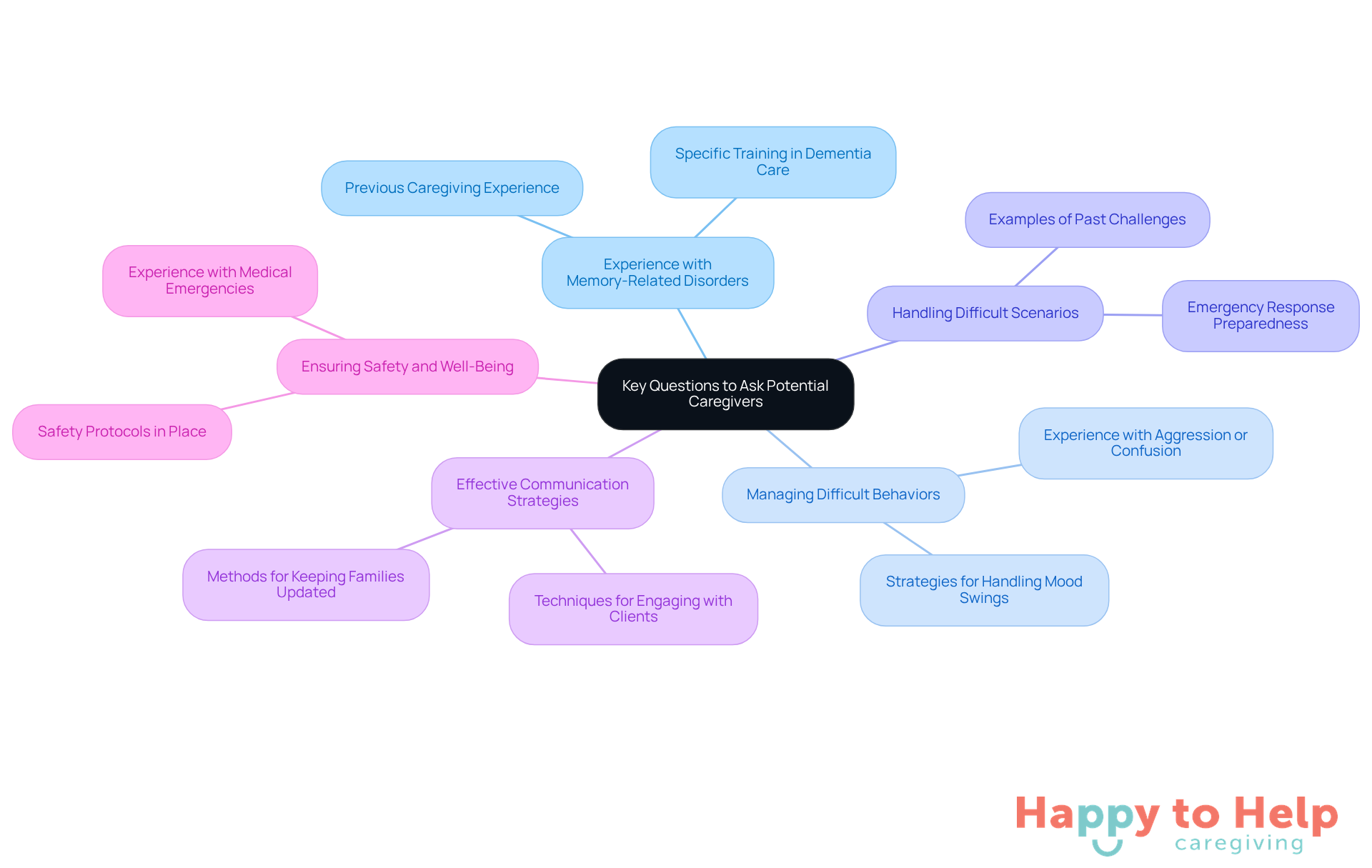
To navigate this process effectively, families should prioritize asking essential questions during interviews:
- What experience do you have with individuals suffering from memory-related disorders?
- How do you manage difficult behaviors linked to cognitive decline?
- Can you describe a situation where you successfully managed a difficult caregiving scenario?
- What strategies do you use to communicate effectively with an individual experiencing cognitive decline?
- How do you ensure the safety and well-being of your clients?
These inquiries, specifically the questions to ask caregivers for dementia, are vital for evaluating a provider's qualifications and understanding their approach to care. For instance, caregivers must be prepared to handle emergencies, such as falls or medical crises, which are common in dementia care. Statistics show that over 11 million individuals in the United States provide more than 15 billion hours of assistance, highlighting the significant demand for skilled professionals.
Moreover, families can benefit from innovative solutions like online portals, such as the Sunny Days Room. These platforms enhance communication between caregivers and families, offering real-time updates on care schedules and daily activities. This transparency minimizes misunderstandings, which is essential for those overseeing care for individuals with cognitive impairment remotely.
By understanding a provider's philosophy and methods, families can feel more assured in their selection. This ensures that their loved ones receive compassionate and effective assistance tailored to their unique needs.
Evaluating Emotional Compatibility and Caregiver Skills
Emotional harmony between a supporter and an individual with cognitive decline presents a significant challenge for effective assistance. Caregivers often lack the emotional intelligence necessary to connect with their clients, which can lead to feelings of frustration and anxiety for both parties.
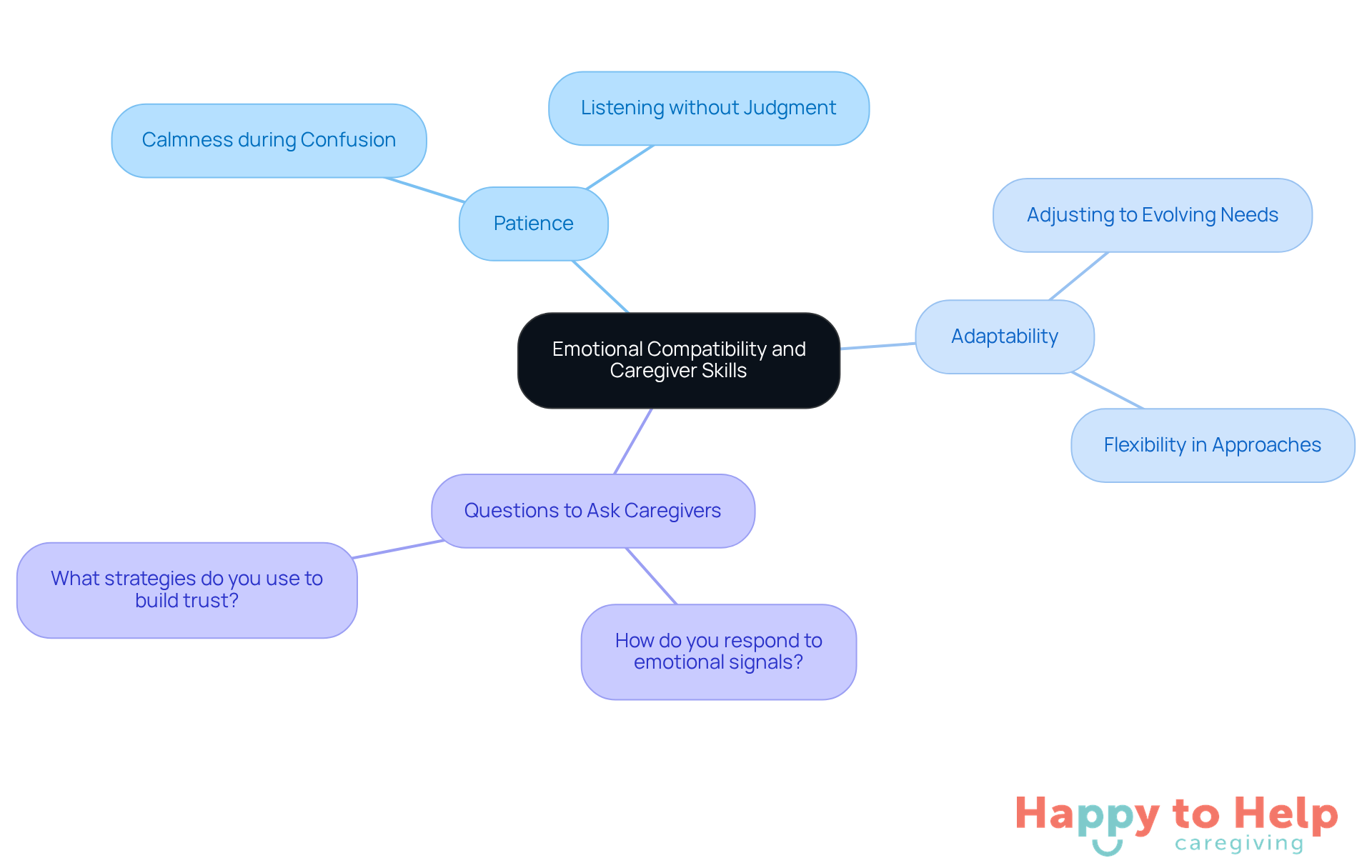
To address this issue, families should consider the questions to ask caregivers for dementia about how support providers respond to emotional signals. Key factors to consider include:
- Their levels of patience
- Their ability to adapt to the evolving needs of individuals with cognitive impairment
- The questions to ask caregivers for dementia
For instance, a support worker who remains calm and reassuring during moments of confusion can significantly alleviate anxiety for the patient.
Moreover, support providers must balance overseeing daily tasks with encouraging self-sufficiency. This approach is crucial for preserving the dignity of individuals with cognitive impairment. By fostering independence, caregivers not only enhance the quality of life for their clients but also build a more trusting and supportive relationship.
Building a Supportive Relationship with Caregivers
Building a supportive connection with caregivers is crucial for effective dementia treatment, which involves understanding the important questions to ask caregivers for dementia.
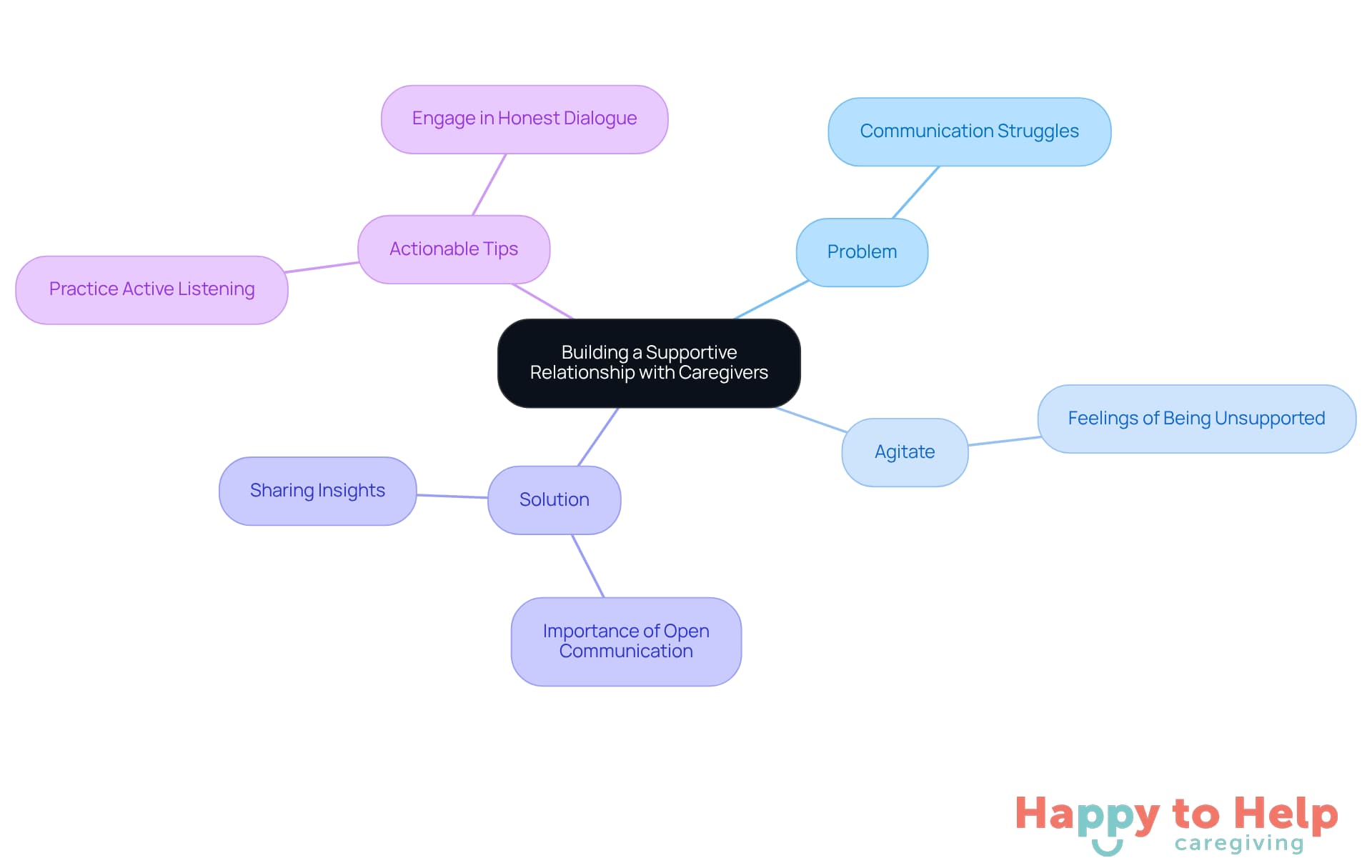
Problem: Families often struggle with communication, which can lead to misunderstandings about the individual's needs and preferences.
Agitate: This lack of clarity can leave caregivers feeling unsupported and overwhelmed, ultimately affecting the quality of care provided.
Solution: To address this, families should engage in open communication with support providers. Sharing insights about the individual's preferences, routines, and any changes in behavior is essential. Frequent check-ins can help caregivers feel appreciated and supported, enhancing their ability to deliver quality assistance.
As Meng Huo observes, "Support can take place within this continuous connection between individuals with cognitive impairment and those who assist them," highlighting the significance of emotional backing. Families should also encourage support providers to express their needs and challenges by utilizing questions to ask caregivers for dementia, fostering a collaborative environment. This partnership not only benefits the caregiver but also ensures that the individual with dementia receives consistent and compassionate care, ultimately improving their quality of life.
Actionable Tips:
- Practice active listening to understand caregivers' perspectives.
- Engage in honest dialogue to address concerns.
Strategies like these can further strengthen the relationship, as highlighted in the case study on building relationships through effective communication.
Making the Right Choice
Choosing the right caregiver for someone with dementia is a crucial decision that can greatly impact their quality of life. The complexities of dementia require a provider who understands the unique challenges of the condition and fosters a supportive, compassionate environment. Families must ask the right questions to ensure they select a caregiver who is not only skilled but also emotionally attuned to their loved ones' needs.
Evaluating caregiver experience, emotional compatibility, and communication strategies is essential. Key questions include inquiries about:
- Past experiences with dementia patients
- Methods for managing difficult behaviors
Prioritizing emotional support and understanding the caregiver's approach to fostering independence can significantly enhance the caregiving experience for both the individual and their family.
Ultimately, finding the right caregiver for dementia care goes beyond meeting basic needs; it’s about building a relationship that nurtures trust and understanding. Families should engage in open dialogues with potential caregivers, ensuring that both parties feel supported and valued. By focusing on these essential questions and fostering a collaborative environment, families can improve the quality of care for their loved ones, leading to a more compassionate and effective caregiving experience.
https://iframe.tely.ai/cta/eyJhcnRpY2xlX2lkIjogIjY5NDFmMzQ1MDNjMTJkY2ZiNTk2MGFkOCIsICJjb21wYW55X2lkIjogIjY4ZWU1ZGNhNzMxNzYyNTU3ZjNjOTVjMSIsICJpbmRleCI6IG51bGwsICJ0eXBlIjogImFydGljbGUifQ==Frequently Asked Questions
Why is caregiver selection important for individuals with dementia?
Choosing the right support provider for someone with dementia is crucial as it significantly affects their quality of life. Dementia presents unique challenges that require specialized care techniques, and an unsuitable provider may lead to feelings of insecurity and discomfort.
What challenges do caregivers face when caring for individuals with dementia?
Caregivers face challenges such as communication difficulties and behavioral changes in individuals with dementia, which require a provider who understands these nuances to ensure effective support and care.
What are the consequences of selecting an unsuitable caregiver for someone with dementia?
An unsuitable caregiver may hinder effective communication and care, ultimately impacting the individual’s well-being and leading to negative emotional outcomes.
What factors should caregivers consider when selecting a caregiver for dementia?
Caregivers should assess compatibility with the individual’s personality and needs, evaluate the caregiver's experience in dementia care, and seek providers who offer both physical assistance and emotional support.
How can assessing compatibility improve the caregiving experience?
Finding a provider who resonates with the individual’s personality and needs can enhance the caregiving experience and foster a sense of security for the person receiving care.
Why is experience in dementia care important for caregivers?
Experience in dementia care is important because it ensures that the caregiver can handle the specific challenges that arise with dementia, leading to better outcomes for the individual receiving care.
What role does emotional support play in dementia caregiving?
Emotional support from a caregiver can significantly improve the quality of care by providing reassurance and comfort, alongside physical assistance.
List of Sources
- Understanding the Importance of Caregiver Selection for Dementia
- Study: Dementia caregivers prefer dementia care programs over usual care (https://mcknights.com/news/study-dementia-caregivers-prefer-dementia-care-programs-over-usual-care)
- New Analysis Finds Dementia Caregivers More Likely to Report Modifiable Risk Factors that Increase Their Own Risk for Dementia (https://alz.org/news/2025/dementia-caregivers-modifiable-risk-factor-analysis)
- New study compares dementia care approaches and the impact on caregivers (https://news-medical.net/news/20250129/New-study-compares-dementia-care-approaches-and-the-impact-on-caregivers.aspx)
- D-CARE study finds caregiver satisfaction higher with dementia care programs than usual care (https://uclahealth.org/news/release/d-care-study-finds-caregiver-satisfaction-higher-with)
- Study Examines Dementia Caregiver Experiences and Preparedness (https://ysph.yale.edu/news-article/study-examines-dementia-caregiver-experiences-and-preparedness)
- Key Questions to Ask Potential Caregivers
- Questions to Ask When Hiring a Dementia Caregiver (https://sunnydaysinhomecare.com/get-answers-home-care-seniors-dementia)
- Questions You Should Ask a Caregiver | Village Caregiving (https://villagecaregiving.com/blog/questions-to-ask-a-caregiver)
- Caring for the Caregivers: An Alzheimer’s Disease Research Center Call to Action - PMC (https://pmc.ncbi.nlm.nih.gov/articles/PMC9047452)
- 10 Questions to Ask When Considering a Memory Care Community | Alzheimer's Foundation of America (https://alzfdn.org/10-questions-to-ask-when-considering-a-memory-care-community)
- The Best Senior Caregiver Interview Questions | Senior Helpers (https://seniorhelpers.com/fl/orlando/resources/blogs/caregiver-interview-questions-for-your-loved-one-with-dementia)
- Evaluating Emotional Compatibility and Caregiver Skills
- The Importance of Emotional Support in Dementia Care - Morris Care (https://morriscare.co.uk/news/emotional-support-in-dementia-care)
- The Research Behind Validating Dementia Caregivers’ Feelings (https://news.cuanschutz.edu/medicine/validating-dementia-caregivers-feelings)
- Supportive marriages key to caregiver well-being: Rice study reveals vital link for dementia spousal caregivers (https://news.rice.edu/news/2024/supportive-marriages-key-caregiver-well-being-rice-study-reveals-vital-link-dementia)
- Building a Supportive Relationship with Caregivers
- The Importance of Open Communication Between Families and Care Teams (https://regencyhcs.com/blog/the-importance-of-open-communication-between-families-and-care-teams)
- Research Highlights Importance of Support Reciprocity During Early-Stage Dementia Care (https://ucdavis.edu/news/research-highlights-importance-support-reciprocity-during-early-stage-dementia-care)
- Caring for Caregivers of People with Alzheimer’s Disease | Johns Hopkins Bloomberg School of Public Health (https://publichealth.jhu.edu/2023/caring-for-caregivers-of-people-with-alzheimers-disease)
- The Research Behind Validating Dementia Caregivers’ Feelings (https://news.cuanschutz.edu/medicine/validating-dementia-caregivers-feelings)